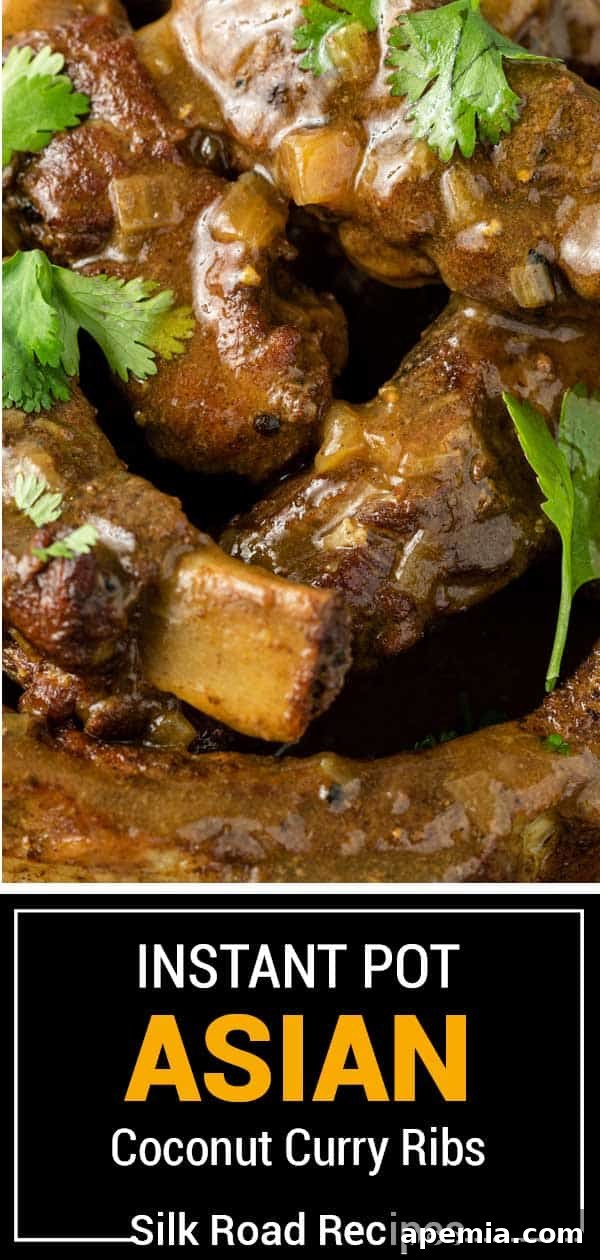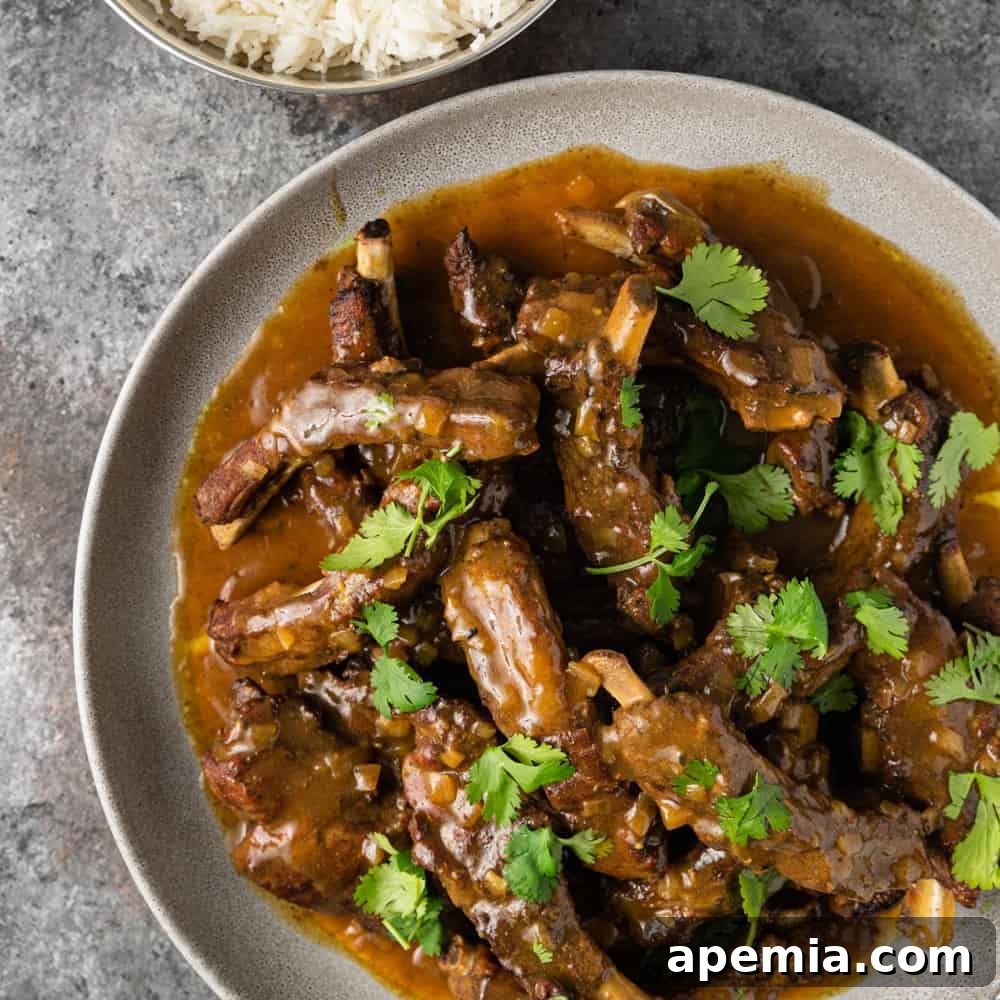
Make Instant Pot Asian Ribs for a truly memorable, flavorful, and incredibly simple dinner experience. This Thai-inspired recipe transforms tender pork ribs into a succulent dish, bathed in a rich, aromatic curry sauce that promises to delight your taste buds and become a new family favorite.
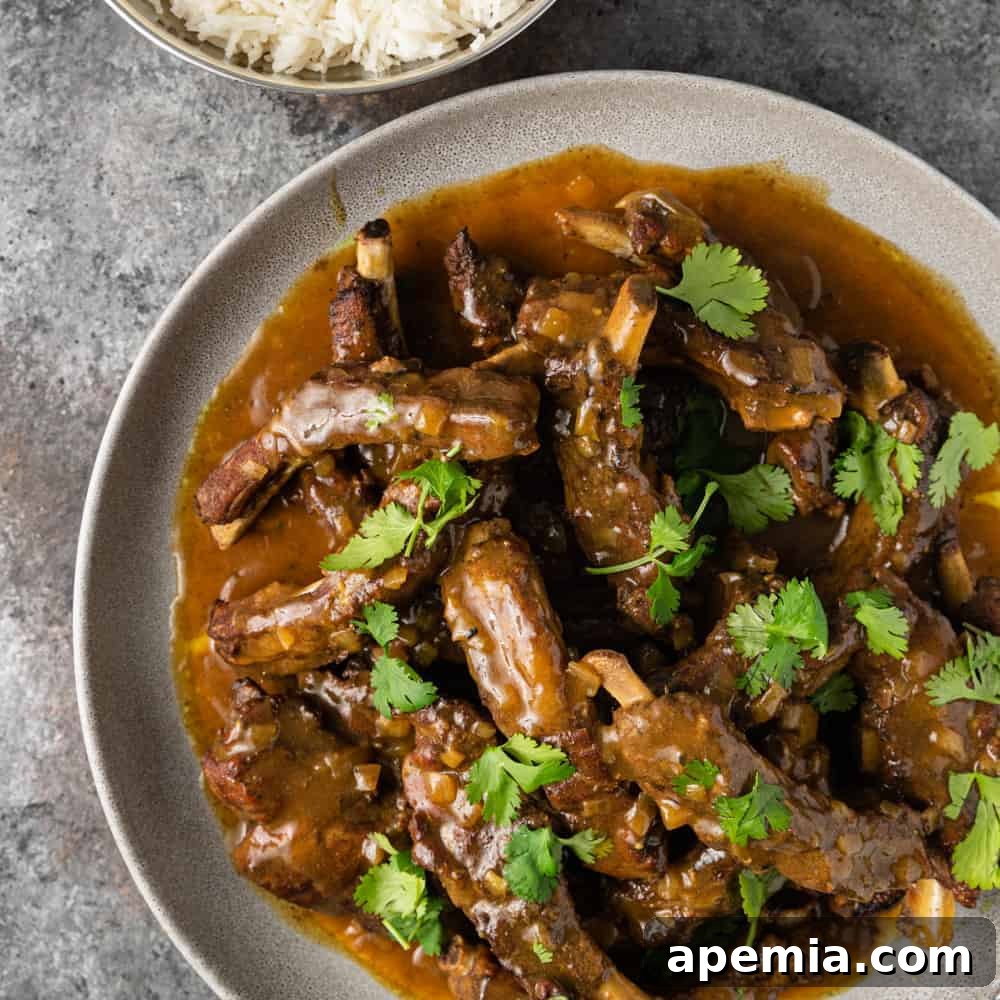
Ribs, whether pork or beef, stand out as a quintessential comfort food. They’re renowned for their deep flavor and satisfying texture, yet often perceived as complex to prepare. However, with the advent of modern kitchen appliances, achieving fall-off-the-bone tenderness has never been easier. The Instant Pot, a versatile pressure cooker, is a game-changer, especially during cooler seasons when outdoor grilling or slow-smoking isn’t always practical.
Pork ribs, in particular, offer incredible versatility. They pair beautifully with a wide array of side dishes, from the delicate simplicity of steamed basmati rice to more adventurous accompaniments like a smoky potato salad with bacon or a vibrant Moroccan couscous salad. The possibilities for complementary flavors are truly endless.
What truly elevates any rib dish is the sauce. The right sauce can transform a good meal into an extraordinary one. Imagine the bold, garlicky punch of Lebanese garlic sauce lending a Middle Eastern twist, or the classic sweet and tangy notes of Chinese barbecue sauce. For this recipe, we delve into the world of rich, fragrant Thai curry, creating an unforgettable glaze that perfectly complements the tender pork.
When you combine the inherent deliciousness and versatility of ribs with the Instant Pot’s ability to drastically reduce cooking time, you’re not just making dinner; you’re crafting a winning meal that’s both efficient and exceptionally flavorful. This recipe for Instant Pot Asian Ribs marries convenience with gourmet taste, bringing exotic flavors directly to your dinner table with minimal fuss.
Mastering Instant Pot Asian Ribs: A Thai-Inspired Culinary Journey
Cuisine: Asian / Thai
Our journey to perfect Instant Pot Asian Ribs begins with a meticulously crafted, yet simple, curry dry rub marinade. This initial step infuses the pork with a foundational layer of aromatic spices, crucial for developing the dish’s signature Thai-inspired flavor. Following the marination, the ribs are braised under pressure in your Instant Pot, simmering gently in a fragrant coconut milk broth. This method guarantees incredibly tender meat that effortlessly pulls away from the bone, while the broth transforms into a luxurious, thick curry sauce.

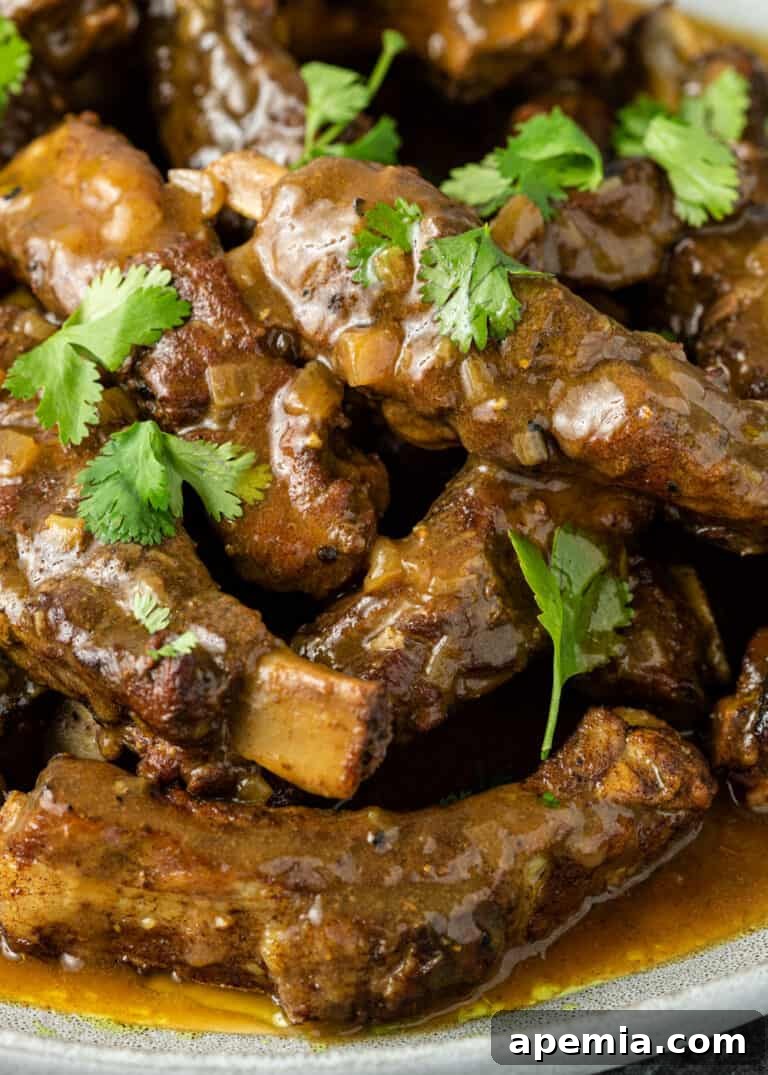
Essential Ingredients and Smart Substitutions for Your Ribs
Crafting exceptional Instant Pot Asian Ribs starts with understanding your ingredients. Here’s a deeper dive into what you’ll need and how to make thoughtful substitutions without compromising on flavor:
- Pork Loin Ribs: The star of our show. Also known as baby back ribs, these lean and tender ribs are ideal for the pressure cooker, soaking up the curry flavors beautifully. We’ll discuss them in more detail below.
- Brown Sugar: This adds a crucial touch of sweetness that balances the savory and spicy notes of the curry. Both light and dark brown sugar work equally well, with dark brown sugar offering a slightly richer molasses flavor. If you find yourself without it, don’t fret! You can easily create your own by stirring two tablespoons of molasses into one cup of granulated white sugar. This simple trick ensures you never have to skip a recipe due to a missing ingredient.
- Curry Powder: The heart of our Thai-inspired flavor. My personal preference is for a Japanese curry powder, specifically the S&B brand, which has been trusted since 1923. It’s known for its well-balanced, sweetly aromatic profile that isn’t overly spicy, making it perfect for a wide audience. You can typically find it at most Asian markets, or conveniently purchase it from online retailers like Amazon. If Japanese curry powder isn’t available, a good quality mild or medium Indian curry powder can also work, though the flavor profile will be slightly different.
- Cooking Oil: Essential for browning the ribs, which locks in flavor and creates a beautiful crust. I generally use vegetable oil due to its neutral flavor and high smoke point. However, any high smoke point oil will perform admirably. Excellent alternatives include avocado oil, canola oil, or grapeseed oil, all of which can withstand the heat required for proper searing without imparting unwanted flavors.
- Canned Coconut Milk: This ingredient is fundamental to Thai cuisine, providing rich creaminess and a subtle sweetness that forms the base of our curry sauce. Opt for full-fat canned coconut milk for the best texture and flavor. If you need a substitute due to dietary restrictions or availability, heavy cream can be used. Be aware, however, that while heavy cream will provide a similar creamy consistency, the final dish will lack the distinctive tropical aroma and flavor that only coconut milk can provide, resulting in a slightly different taste experience.
- Stock or Broth: Used to create the braising liquid. While I favor chicken stock for its neutral background that allows the curry flavors to shine, beef stock or vegetable stock/broth are perfectly viable alternatives. Choose a low-sodium option to better control the overall seasoning of your dish.
- Cilantro: A fresh herb used primarily as a vibrant garnish. It adds a burst of freshness and a distinct herbal note that complements the rich curry. If you or your guests are not fond of cilantro (some find it tastes soapy), Italian flat-leaf parsley is an excellent substitute, offering a similar fresh, herbaceous lift without the polarizing flavor.
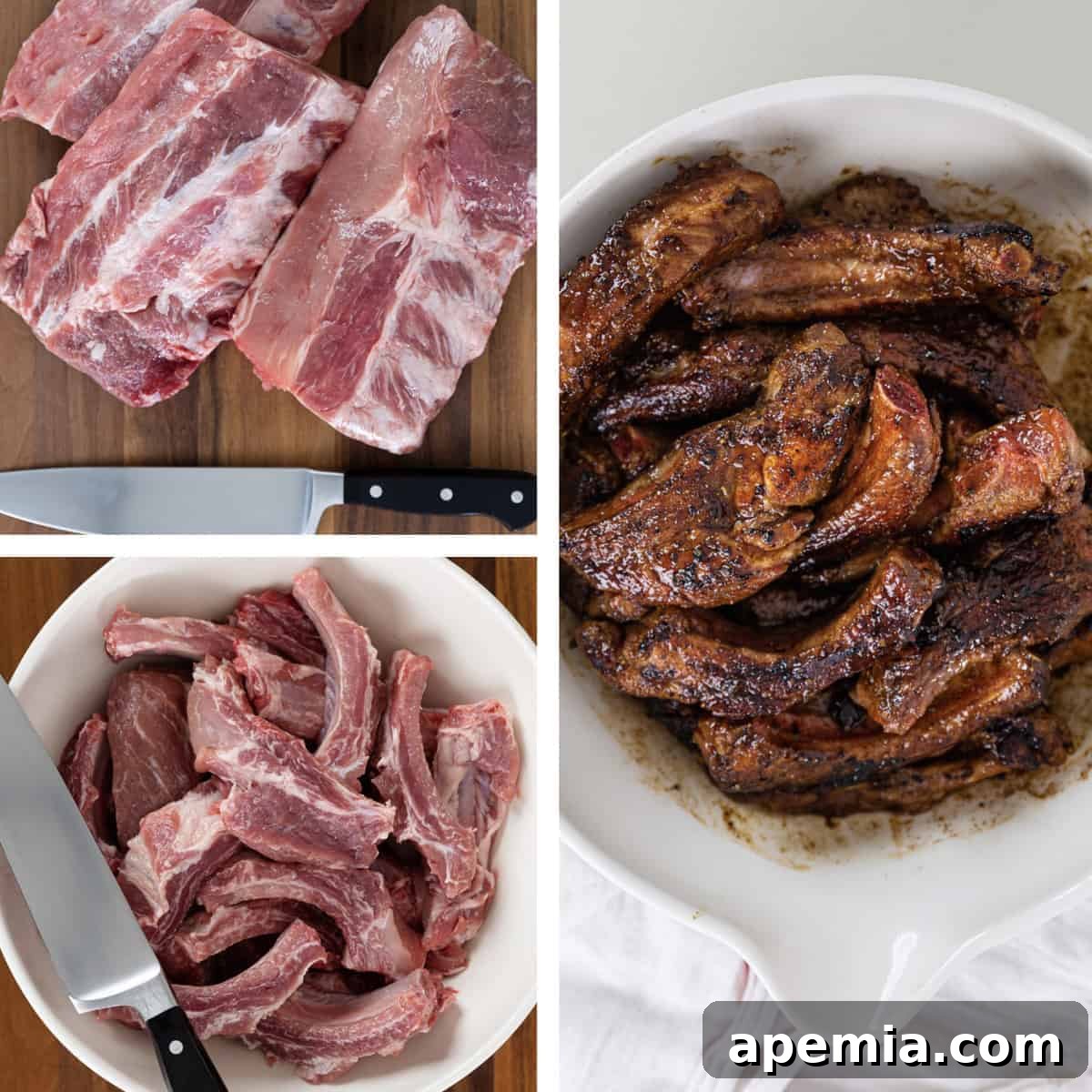
Understanding Pork Loin Ribs: The Perfect Cut for Pressure Cooking
When browsing the butcher’s counter or grocery store, you might encounter pork loin ribs under various names, most commonly “back ribs” or “baby back ribs.” These terms all refer to the same delicious cut of pork, highly prized for its tenderness and lean meat. Loin ribs are harvested from the top of the pig’s rib cage, specifically from the area just below the loin muscle. This positioning contributes to their lean nature and the delicious meat found both between and on top of the bones.
Compared to their larger counterparts, spare ribs (sometimes referred to as country-style ribs, though that’s a different cut entirely), back ribs are notably shorter, possess a distinctive curve, and boast leaner meat. This makes them ideal for pressure cooking, as their size allows them to fit easily into most Instant Pots, and their leaner profile cooks quickly while retaining moisture and tenderness in a high-pressure environment. Opting for baby back ribs ensures a consistent cook and a truly delightful eating experience.
Visual Guide and Expert Tips for Perfect Instant Pot Asian Ribs
While the Instant Pot simplifies much of the cooking process, a few key preparation steps ensure your ribs turn out perfectly. The initial prep work, though minimal, is crucial for achieving truly tender, flavorful ribs.
Recipe Notes and Essential Tips for Success:
- Prepping the Ribs for Maximum Tenderness: The most important step for tender ribs is removing the thin, papery membrane from the bone-side of the rack. This membrane, if left on, can become tough and chewy, preventing the seasonings from fully penetrating the meat. While many butchers are happy to do this for you upon request, it’s also a simple task to do at home. To remove it, slide the tip of a knife under the membrane on one of the middle bones. Once you have a small piece lifted, use a paper towel or pliers for a firm grip and slowly peel the entire membrane off. This significantly improves the texture and allows your delicious curry rub to truly infuse the pork. For a detailed visual guide on how to remove the membrane from baby back ribs, you can check out my other food site.
- The Art of Marinating for Deep Flavor: After the ribs are cleaned and the membrane is removed, slice the rack into individual or two-bone portions for easier handling and better flavor absorption. Then, combine your rich curry dry rub, featuring brown sugar and an array of spices, to create the marinade. Place the prepared ribs and the rub into a large zip-top plastic bag, ensuring each rib is thoroughly coated. Marinating is not just about flavor; it also helps tenderize the meat. While a minimum of one hour will yield good results, marinating the ribs overnight in the refrigerator is highly recommended. This extended period allows the flavors to deeply penetrate the pork, resulting in a more complex and satisfying final dish.
- Browning for Unmatched Depth: Before pressure cooking, browning the ribs in the Instant Pot on the “Sauté” function is a crucial step. This process creates a Maillard reaction, developing rich, savory notes and a beautiful caramelized crust on the meat. Work in batches to avoid overcrowding the pot, which would steam the ribs instead of browning them. You want a deep golden-brown color on all sides of each rib for optimal flavor.
- Precision Pressure Cooking for Your Desired Tenderness: The beauty of the Instant Pot lies in its ability to consistently achieve desired tenderness levels. The exact cooking time for your Instant Pot Asian Pork Loin Ribs can vary slightly based on the thickness of your baby back ribs and your personal preference for meat texture.
- For ribs with a delightful chew, where the meat still clings to the bone but is wonderfully tender, manually set your Instant Pot to cook on high pressure for 20 minutes.
- If you prefer truly fall-off-the-bone ribs that practically melt in your mouth, extend the cooking time to 25 minutes on high pressure.
Once the pressure cooking cycle is complete, allow the Instant Pot to undergo a Natural Pressure Release (NPR) for 10 minutes. This gradual release helps the meat relax and reabsorb juices, resulting in even more tender and moist ribs. After 10 minutes, you can then perform a quick release for any remaining pressure.
Slow Cooker Alternative: If you prefer to use a slow cooker, cook the ribs on high for 4 hours or on low for 8 hours, ensuring they reach your desired tenderness. - Finishing the Sauce: After removing the tender ribs from the Instant Pot (keep them warm under foil on a platter), you’ll be left with a flavorful liquid. To transform this into a luscious curry sauce, switch the Instant Pot to the “Sauté” function. Prepare a cornstarch slurry by whisking together 2 tablespoons of cornstarch with 1/4 cup of cold water. Gradually whisk this mixture into the simmering liquid in the pot. Continue to cook, stirring constantly, for about 5-10 minutes, or until the sauce thickens to your desired consistency. This rich, aromatic sauce is what ties the entire dish together.
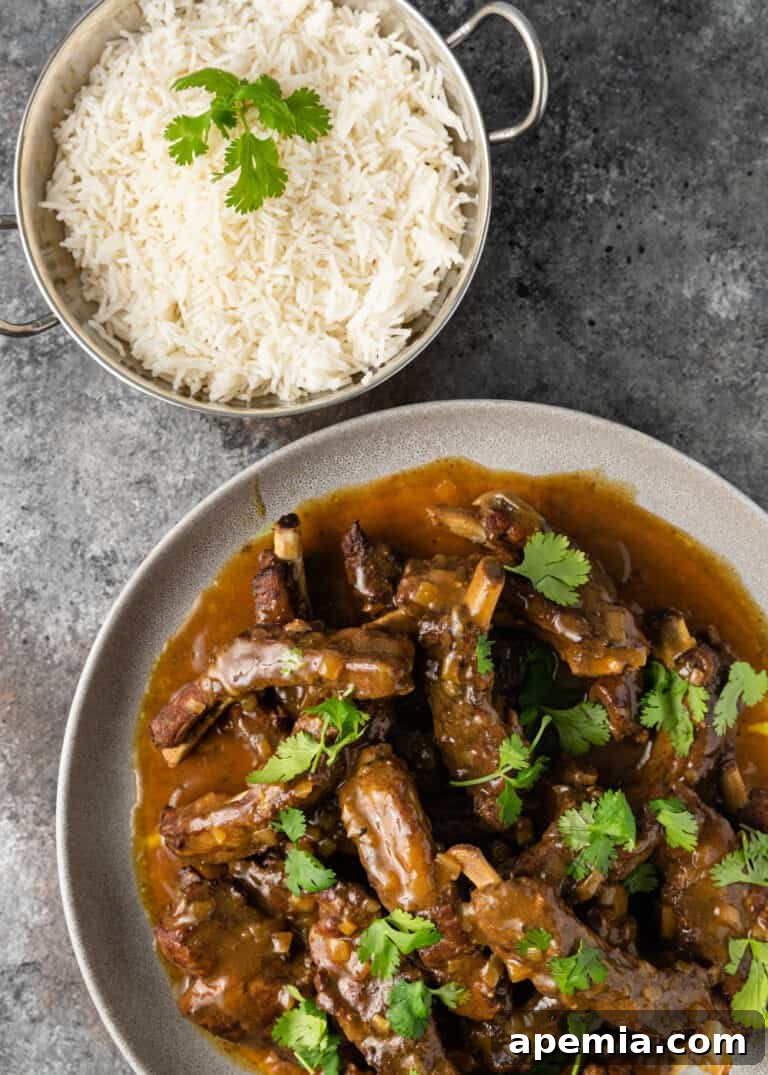
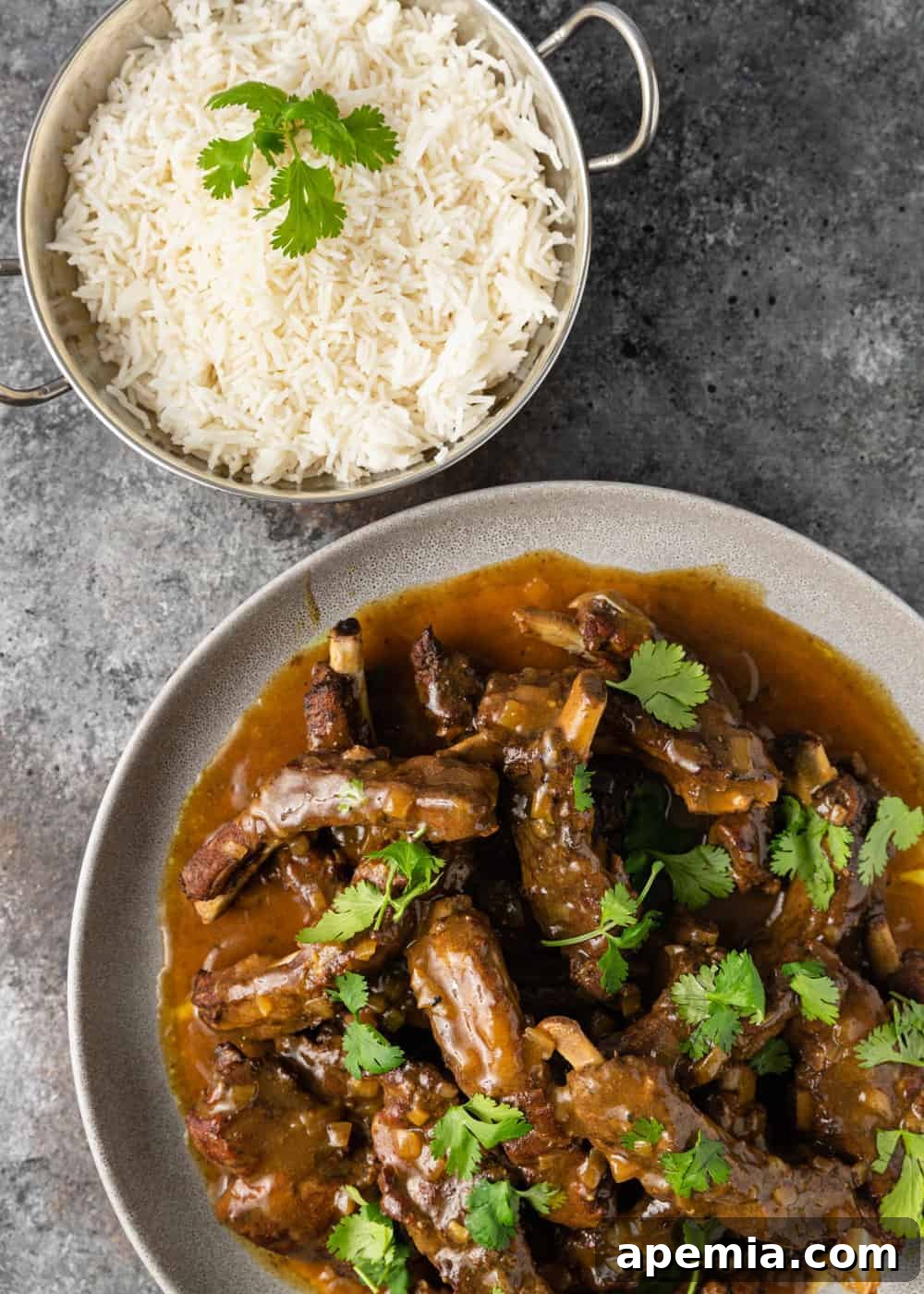
- Serving with Style: Serve your magnificent Instant Pot Asian Ribs generously coated in the thickened curry sauce. They are traditionally, and perfectly, paired with fluffy steamed rice (basmati or jasmine work wonderfully) to soak up every last drop of that incredible sauce. A sprinkle of freshly chopped cilantro provides a vibrant burst of color and a refreshing herbal counterpoint to the rich flavors. For an added kick, consider a squeeze of fresh lime juice or a dash of chili flakes.
Don’t miss out on our latest delicious recipes and cooking videos! Subscribe to our Newsletter and follow us on Facebook, Pinterest, Instagram, and YouTube for daily culinary inspiration and tips.
This post, originally published on Jan. 4, 2021, was last updated on Nov. 26, 2021.
Instant Pot Asian Ribs Recipe
4
1 hour
25 minutes
1 hour
25 minutes
PrintRecipe
Video Overview
For a visual step-by-step guide to making these Instant Pot Asian Ribs, watch our instructional video:
Watch Video for Instant Pot Asian Ribs
Ingredients
- 3 lbs pork loin ribs (See Note 1)
- 3/4 cup brown sugar
- 1 tbsp curry powder (See Note 2)
- 1 tbsp cinnamon
- 1 tbsp salt
- 2 tsp white pepper
- 1 tsp black pepper
- 4 tbsp vegetable oil
- 1 medium white onion diced
- 13 oz canned coconut milk
- chicken stock (enough to cover ribs in Instant Pot)
- cilantro for garnish chopped
- 2 tbsp cornstarch (for thickening sauce)
- 1/4 cup water (for cornstarch slurry)
Instructions
-
In a medium bowl, whisk together the brown sugar, curry powder, cinnamon, salt, white pepper, and black pepper to create your dry rub. Dice the white onion and set it aside.
-
If your butcher hasn’t already done so, remove the thin, papery membrane from the bone side of each rack of ribs. Insert the tip of a knife under the membrane, ideally starting from one of the middle bones. Once you can grip it, use a paper towel or pliers to firmly pull and peel off the entire membrane. Discard it.
-
Slice the prepared ribs into individual or two-bone portions and place them in a large bowl or a zip-top plastic bag. Sprinkle the dry rub generously over the ribs, tossing to ensure each piece is thoroughly coated. Cover the bowl with plastic wrap or seal the bag. Marinate in the refrigerator for at least one hour; for best results and deeper flavor, marinate overnight.
-
Set your Instant Pot to the “Sauté” function. Add 2 tablespoons of vegetable oil. Once hot, brown the marinated pork ribs in batches on all sides until nicely caramelized. Avoid overcrowding the pot to ensure proper browning, not steaming. Remove browned ribs and set aside.
-
Add the remaining 2 tablespoons of vegetable oil to the Instant Pot if needed, then add the diced onions. Sauté until softened and translucent, scraping the bottom of the pot to loosen any browned bits, which add immense flavor to the sauce.
-
Return the browned ribs to the Instant Pot. Pour in the coconut milk and enough chicken stock to nearly cover the ribs. Secure the lid, set the vent to “Sealing,” and use the Manual/Pressure Cook function to set the timer. Cook for 20 minutes for chewier ribs or 25 minutes for fall-off-the-bone tender ribs.
Once cooking is complete, allow a Natural Pressure Release (NPR) for 10 minutes, then quick-release any remaining pressure.
Alternatively, if using a slow cooker, cook for 4 hours on High or 8 hours on Low until tender.
-
Carefully remove the tender ribs from the Instant Pot and transfer them to a platter. Cover them loosely with foil to keep warm while you prepare the sauce.
-
To thicken the remaining sauce in the Instant Pot, switch to the “Sauté” function. In a small bowl, whisk together 2 tablespoons of cornstarch with 1/4 cup of cold water to create a slurry. Slowly pour the slurry into the simmering sauce in the Instant Pot, whisking continuously. Cook for 5-10 minutes, stirring occasionally, until the sauce reaches your desired thickness.
Alternatively, transfer the sauce to a saucepan over medium heat and thicken using the same cornstarch slurry method, stirring and cooking for about 5 minutes.
-
Serve the Instant Pot Asian Ribs hot, generously drizzled with the rich curry sauce. Garnish with fresh chopped cilantro and serve alongside steamed white rice for a complete and delicious meal.
Notes
- Pork loin ribs are also commonly known as back ribs or baby back ribs. On average, a single rack typically weighs between 1.5 to 2 pounds, which is generally sufficient for 2 people. This recipe is designed to yield enough for 4 people, so plan to purchase two racks of pork loin ribs.
If you opt to use spare ribs or St. Louis style ribs for this recipe, you will need to adjust the pressure cooking time. Increase the cooking time to 30 minutes for ribs with a bit of chew, or 35 minutes for exceptionally tender, fall-off-the-bone results. - I highly recommend using Japanese curry powder, specifically the S&B brand, which has been consistently produced since 1923 by Minejiro Yamazaki. This particular blend is celebrated for its well-balanced and sweetly aromatic profile, making it a fantastic choice for this dish. It is widely available in most Asian markets or can be conveniently purchased online.
Nutrition Information
Per Serving (Approximate):
- Calories: 643 kcal
- Carbohydrates: 49 g
- Protein: 26 g
- Fat: 40 g
- Saturated Fat: 25 g
- Trans Fat: 1 g
- Cholesterol: 86 mg
- Sodium: 1879 mg
- Potassium: 646 mg
- Fiber: 2 g
- Sugar: 41 g
- Vitamin A: 51 IU
- Vitamin C: 3 mg
- Calcium: 129 mg
- Iron: 5 mg
The information shown is an estimate provided by an online nutrition calculator. It should not be considered a substitute for a professional nutritionist’s advice.
Main Dishes
Asian, Thai
Kevin
Have You Made This Recipe? Share Your Creations!
Tag @keviniscooking or use the hashtag #keviniscooking on Instagram. We love seeing your delicious results!