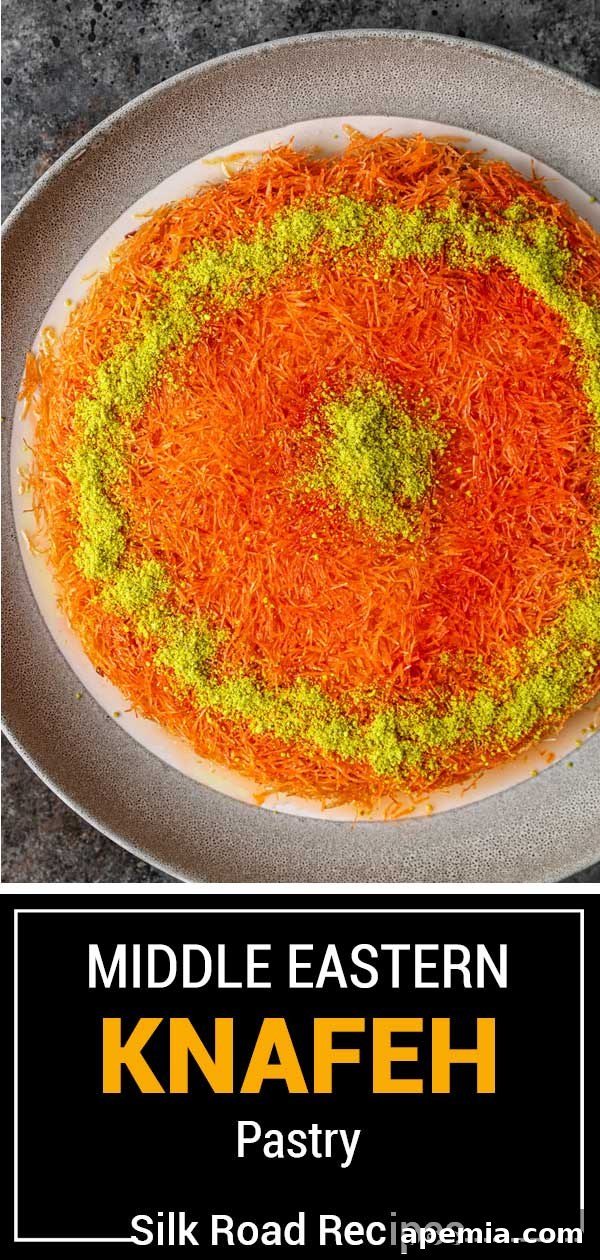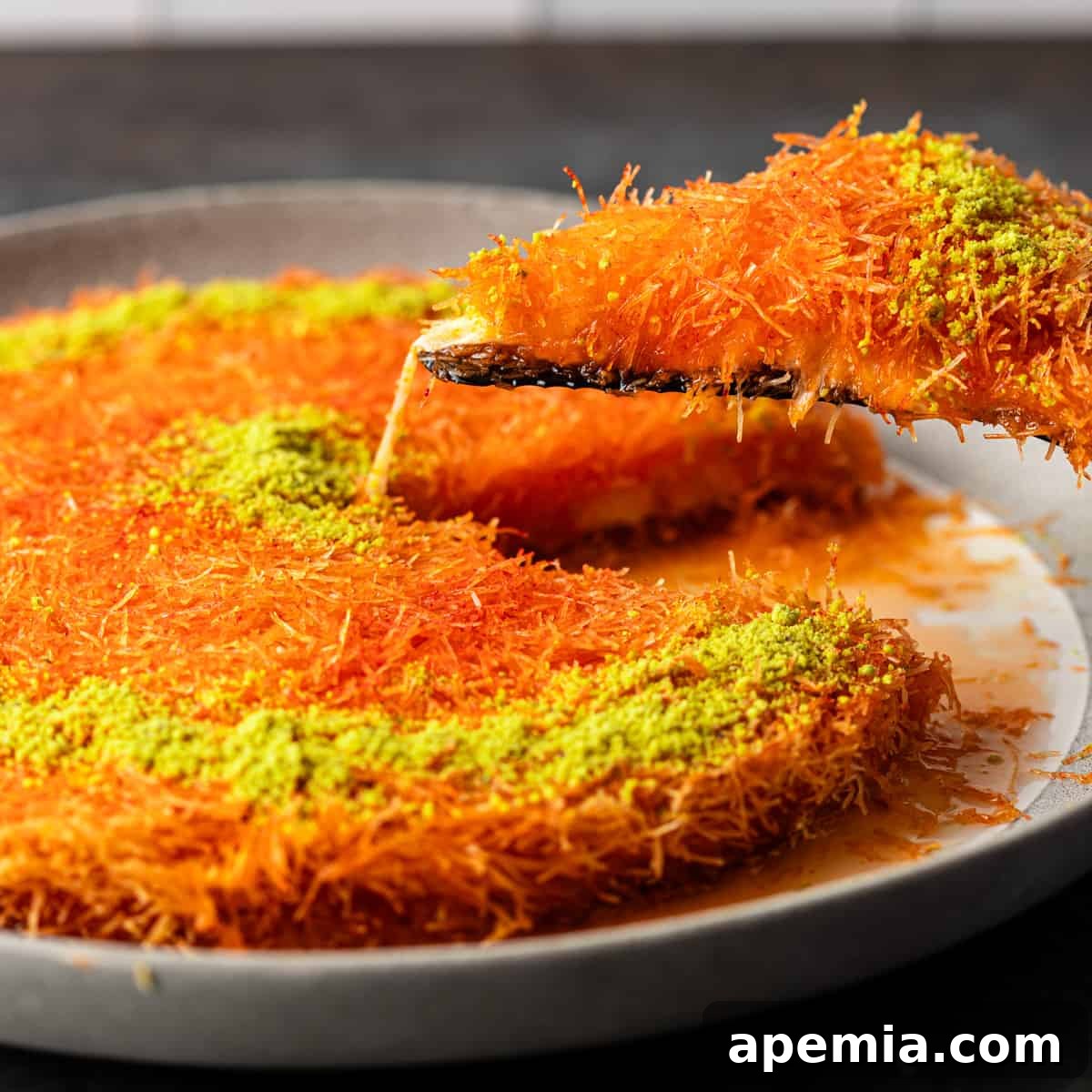
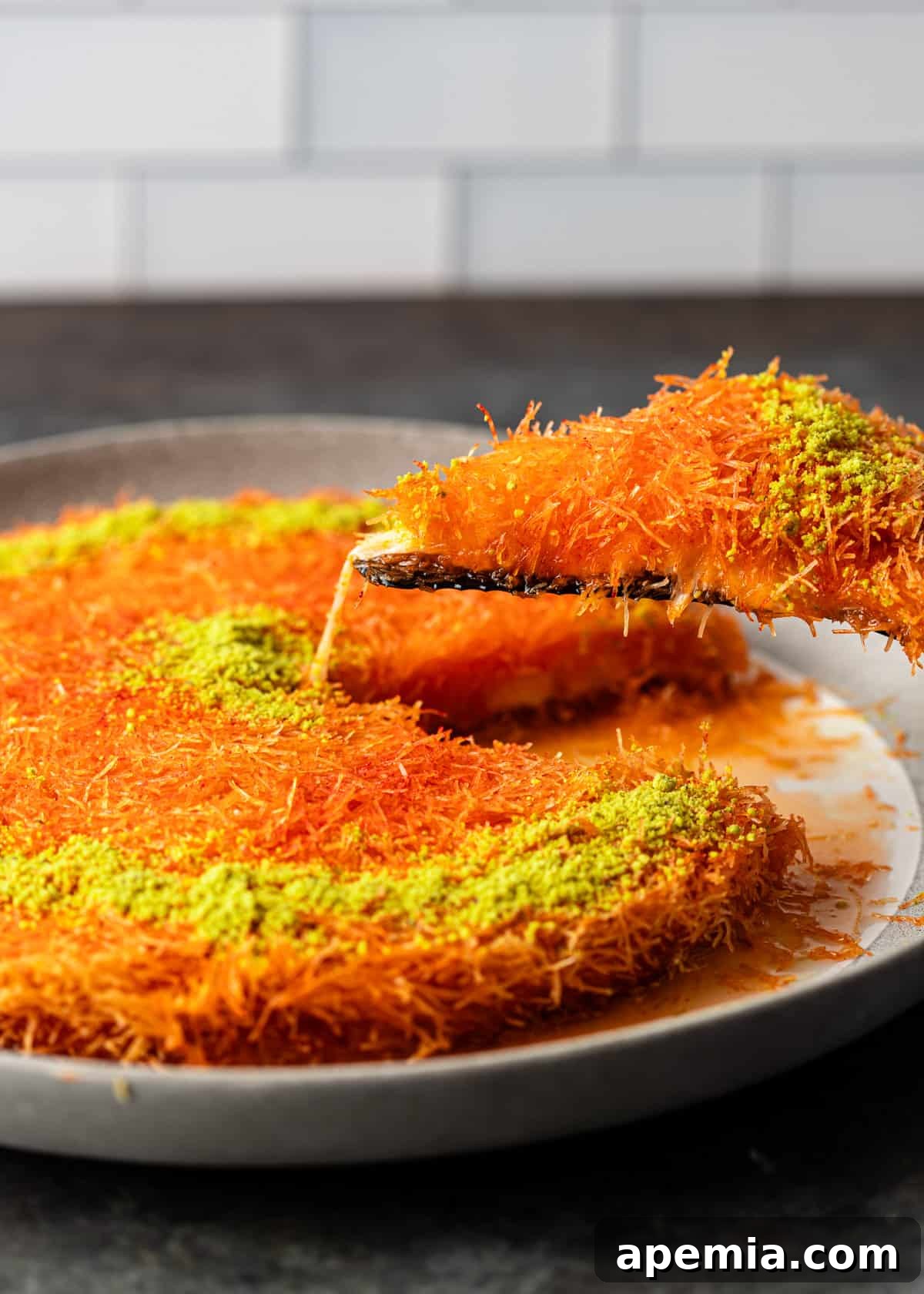
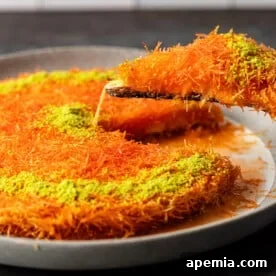
Indulge in the irresistible charm of Knafeh (also spelled Kunafa), a timeless Middle Eastern dessert that captivates with its exquisite blend of textures and flavors. This authentic knafeh recipe simplifies the creation of this iconic pastry, promising a delightfully crispy exterior, a warm, gooey, and subtly sweet cheese filling, all bathed in an fragrant simple syrup and adorned with vibrant pistachios. It’s a culinary journey that brings the rich traditions of Middle Eastern cuisine right to your kitchen.
Today, we’re diving deep into the world of Middle Eastern Cuisine to uncover the secrets of Knafeh. This divinely delicious dessert, often spelled Kunafa, has graced tables for centuries, celebrated for its unique combination of crunchy pastry, savory-sweet cheese, and a fragrant, sugar-soaked finish. While its exotic appeal might suggest a complex preparation, our straightforward knafeh recipe is surprisingly easy to master. With minimal active prep time – roughly 15 minutes – your oven will handle most of the magic, transforming simple ingredients into a show-stopping pastry that will undoubtedly impress and delight everyone who tastes it.
Knafeh is more than just a dessert; it’s a cultural staple, often enjoyed during celebrations, holidays, and family gatherings across the Middle East. Its origins are often traced back to Nablus, Palestine, where it’s known as “Knafeh Nabulsiyeh,” famous for its special Nabulsi cheese. Regardless of its precise birthplace, this lavish pastry has become a symbol of hospitality and culinary artistry, cherished for its comforting richness and vibrant presentation.
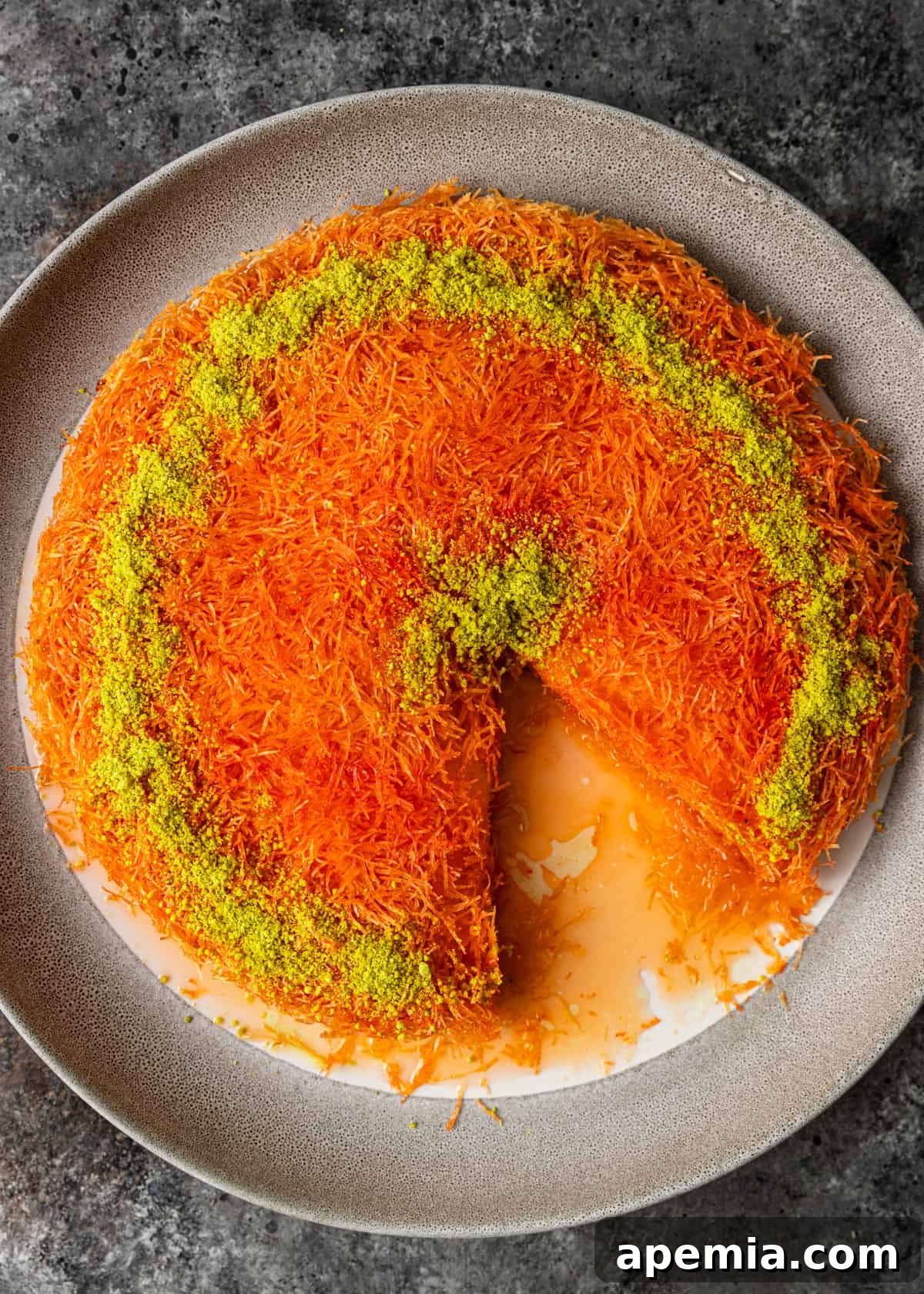
Table of Contents
- Unveiling the Essential Knafeh Ingredients
- The Secret to Perfect Knafeh Cheese
- How to Make Knafeh: A Step-by-Step Guide
- Knafeh Recipe: Pro Tips and FAQs
- Authentic Knafeh Middle Eastern Pastry Recipe Card
If you have a passion for exquisite pastries, you might also enjoy exploring other delightful recipes like my Easy Greek Baklava, the elegantly presented Baklava Rolls, or the enchanting Persian Love Cake. Each offers a unique taste of rich culinary traditions.
Unveiling the Essential Knafeh Ingredients
Crafting the perfect Knafeh starts with understanding its core components. Each ingredient plays a vital role in achieving that sought-after balance of crispy, creamy, and sweet.
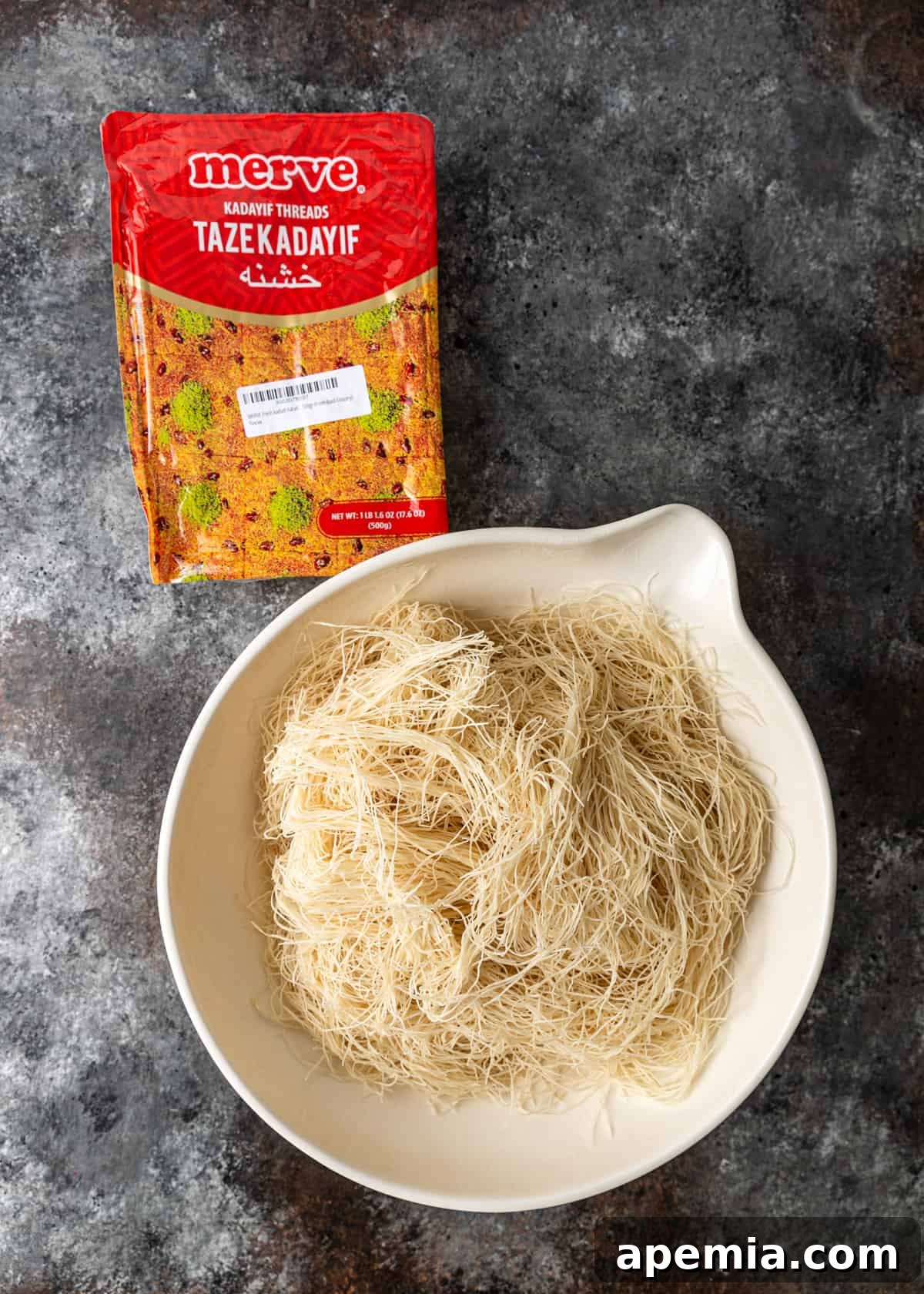
- Kataifi Dough (Shredded Filo Dough) – This unique pastry forms the signature crispy layers of Knafeh. Look for it in the freezer section of your local Middle Eastern grocery store. Its fine, noodle-like strands bake up incredibly crisp and golden. While not ideal, standard filo dough can be thinly shredded as a last resort, but kataifi is highly recommended for authenticity.
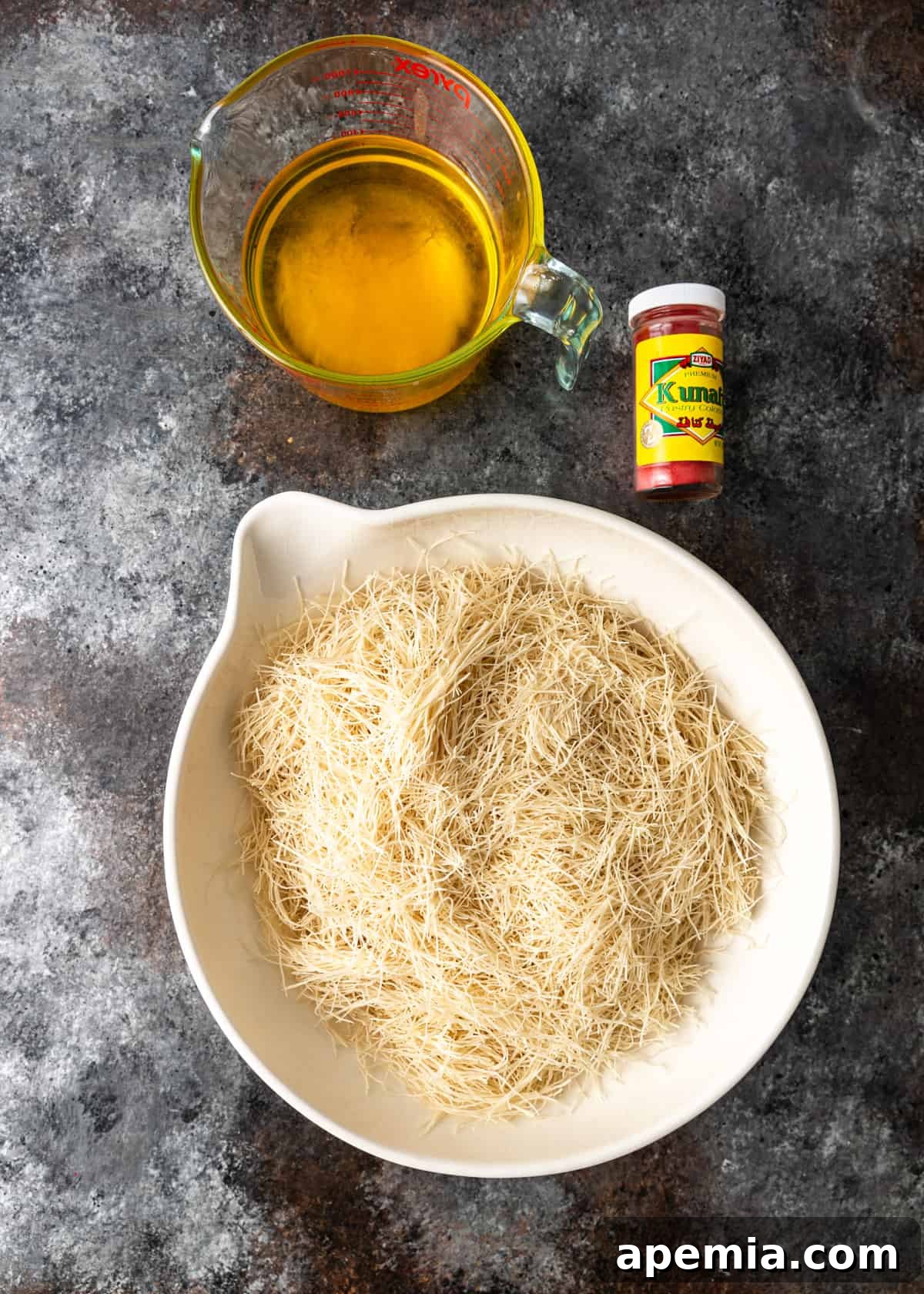
- Ghee (Clarified Butter) – Ghee is the secret to Knafeh’s unparalleled richness and crispness. Its pure butterfat offers a deeper, nuttier flavor and ensures an incredibly golden crust. If ghee is unavailable, unsalted butter can be used, but you might notice a slight difference in the final texture and flavor intensity.
- Kunafa Coloring (Powdered Pastry Coloring) – This specialized food coloring is traditionally used to give Knafeh its distinctive vibrant orange hue, particularly on the top layer. It’s often found in Middle Eastern markets or online. It’s completely optional and does not affect the flavor, so feel free to omit it if you prefer a natural golden finish. Do not substitute with regular liquid food coloring, as it won’t achieve the same effect and can alter dough consistency.
- Cheese – The heart of Knafeh! Traditional recipes call for akkawi cheese, a semi-hard, mild, and slightly salty white cheese that becomes wonderfully stringy and creamy when melted. Because akkawi can be challenging to find outside specialized markets, many recipes, including this one, suggest using low-moisture mozzarella cheese. Mozzarella offers a similar melty texture and mild flavor that pairs beautifully with the sweet syrup. Ensure it’s not too salty.
- Pistachios – Finely crushed pistachios are the classic garnish for Knafeh, adding a delightful pop of color, an earthy flavor, and a pleasant crunch that contrasts with the soft cheese and crisp pastry. Don’t hesitate to experiment with other nuts like almonds or walnuts if pistachios aren’t your favorite or are unavailable.
- Lemon Juice (for Syrup) – A touch of fresh lemon juice is essential for the syrup. It not only brightens the overall flavor but also helps prevent the sugar from crystallizing, ensuring a smooth, clear syrup.
- Orange Blossom Water (or Rose Water) – These aromatic waters infuse the syrup with a delicate, floral fragrance that is characteristic of Middle Eastern desserts. Orange blossom water offers a sweet, citrusy floral note, while rose water provides a more classic, heady floral aroma. Both are excellent choices and can usually be found in the international foods aisle of larger grocery stores or specialty markets.
Tip From Kevin
The Secret to Perfect Knafeh Cheese
The idea of cheese in a sweet dessert might seem unusual to some, but in Knafeh, it’s a symphony of flavors that creates an incredibly satisfying experience! The key is to use a mild cheese that has a subtle saltiness to perfectly balance the sweetness of the syrup. As previously mentioned, traditional akkawi cheese is ideal for its unique texture and flavor profile. However, if akkawi is not readily available, low-moisture mozzarella is an excellent and widely accessible alternative. Avoid overly sharp or strong cheeses, as they can overpower the delicate flavors of the pastry and syrup. The cheese should melt into a smooth, stretchy layer, creating a delightful contrast with the crispy kataifi. For best results, consider soaking mozzarella in water for an hour or two to reduce its saltiness, then draining thoroughly, especially if it seems too savory.
How to Make Knafeh: A Step-by-Step Guide
Follow these simple steps to create a show-stopping Knafeh in your own kitchen:
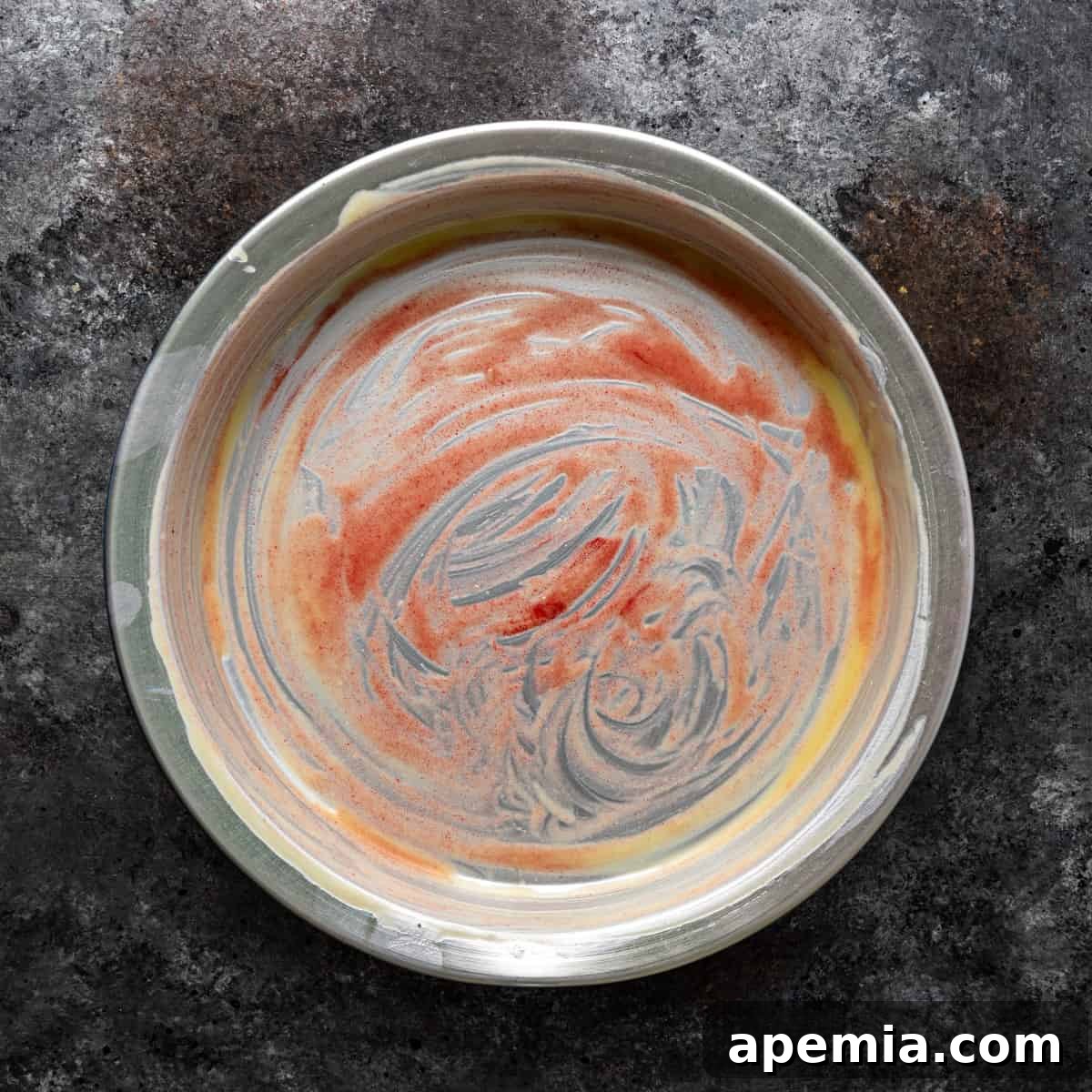
- Prepare the Oven and Pan. Begin by preheating your oven to 350 degrees F (175°C). Use about a tablespoon of melted ghee or butter to generously grease the bottom and sides of a 9-inch round baking pan. A knafeh pan, pie pan, or a springform cake pan will all work beautifully.
- Infuse with Coloring (Optional). If you’re aiming for the traditional vibrant orange hue, now is the time to mix one teaspoon of kunafa powdered pastry coloring into the remaining melted butter or ghee. This will ensure an even color distribution throughout the pastry layers.
- Prepare the Kataifi Dough. Carefully remove the kataifi dough from its packaging. Using kitchen scissors or a sharp knife, cut the delicate strands into approximate 1-inch pieces. Transfer these pieces into a large mixing bowl, gently separating them to prevent clumping.
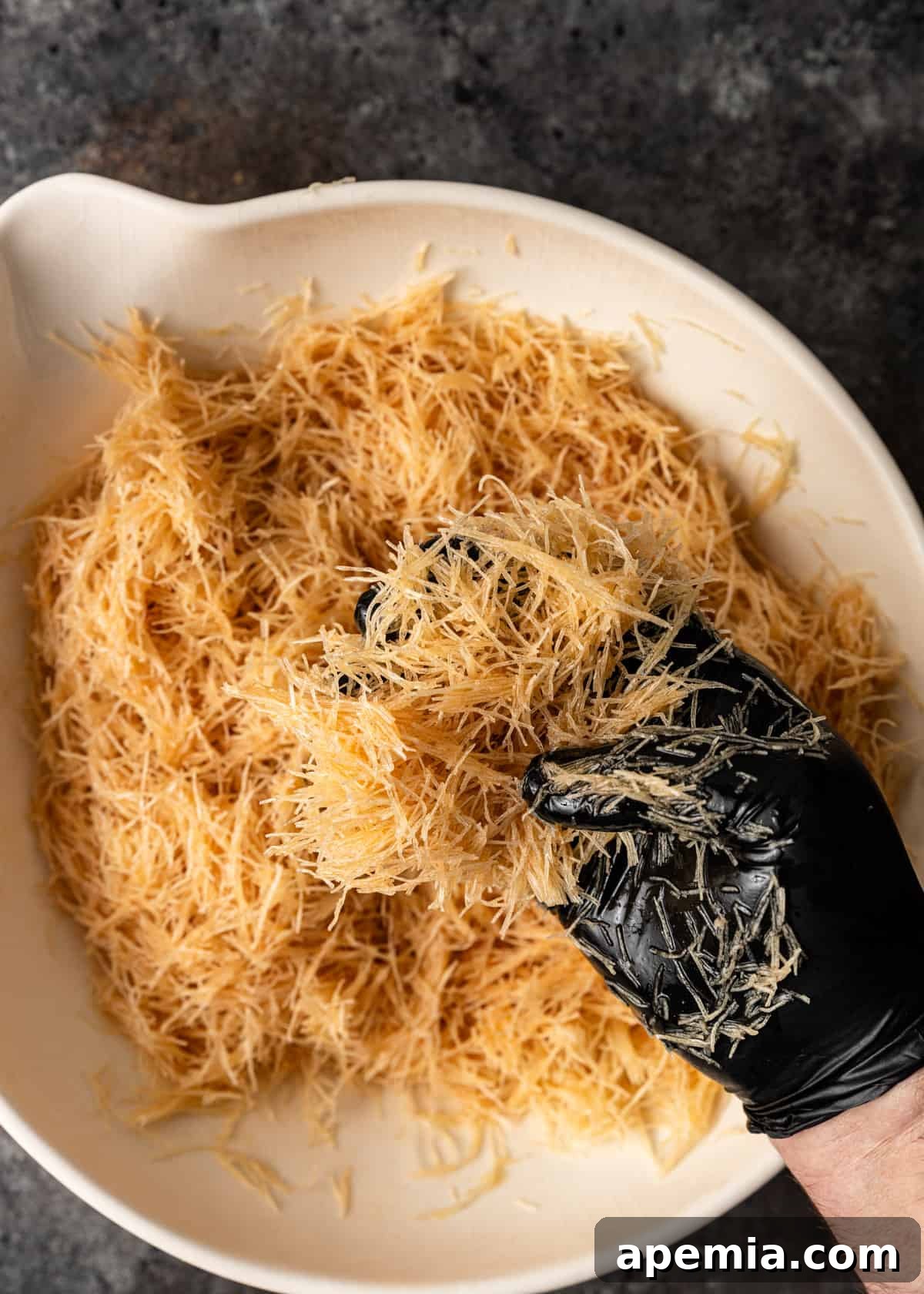
- Coat with Ghee. Pour the melted ghee (with or without coloring) over the cut kataifi dough. Using your hands, gently yet thoroughly mix the dough, ensuring every strand is coated in the rich butter. If you’ve used pastry coloring, wearing gloves is highly recommended to prevent staining your hands.
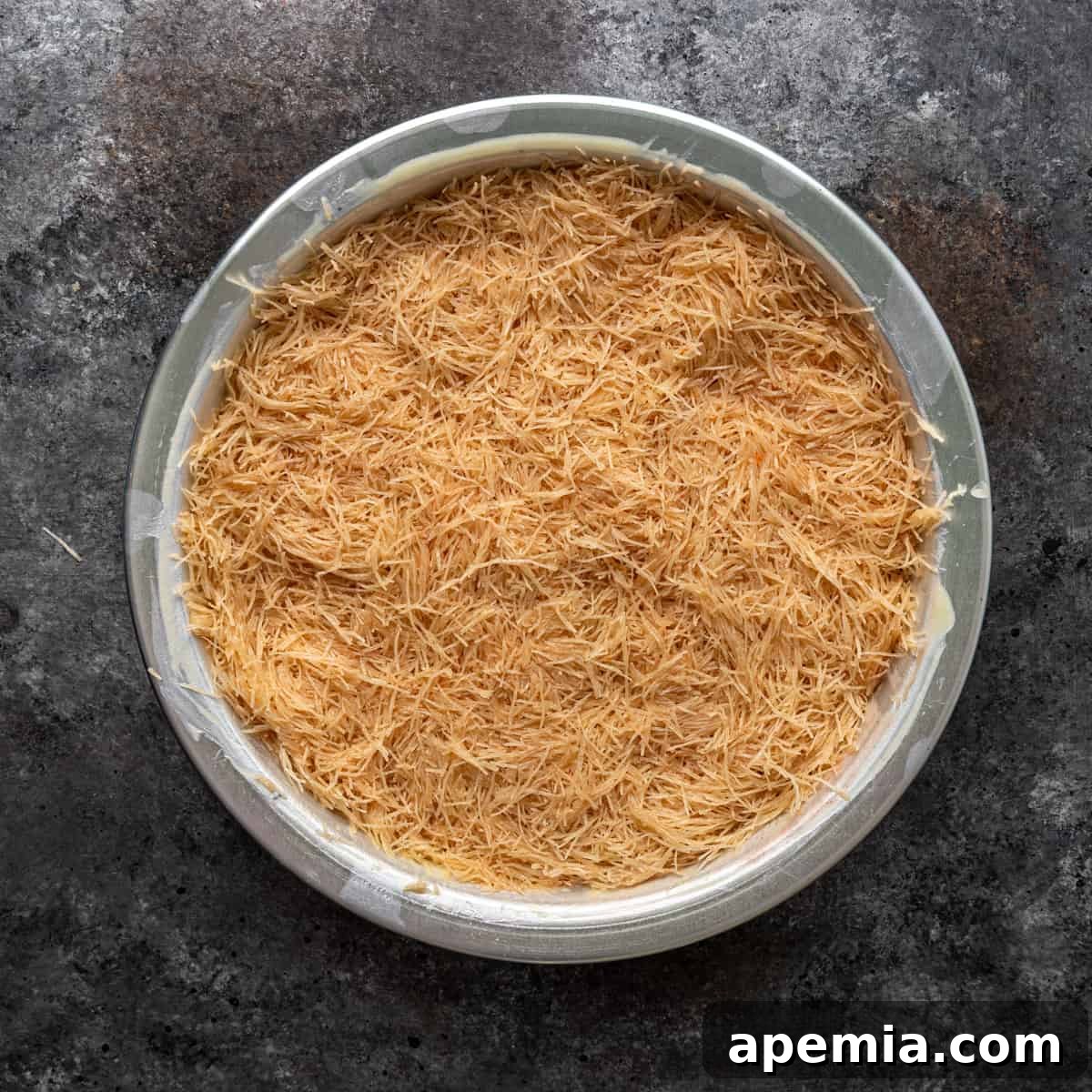
- Lay the First Layer. Divide the butter-coated kataifi dough into two equal portions. Press one half firmly into the greased baking dish, creating an even layer. Use the bottom of a measuring cup or your gloved hand to compress the dough tightly, ensuring a compact and crisp base.
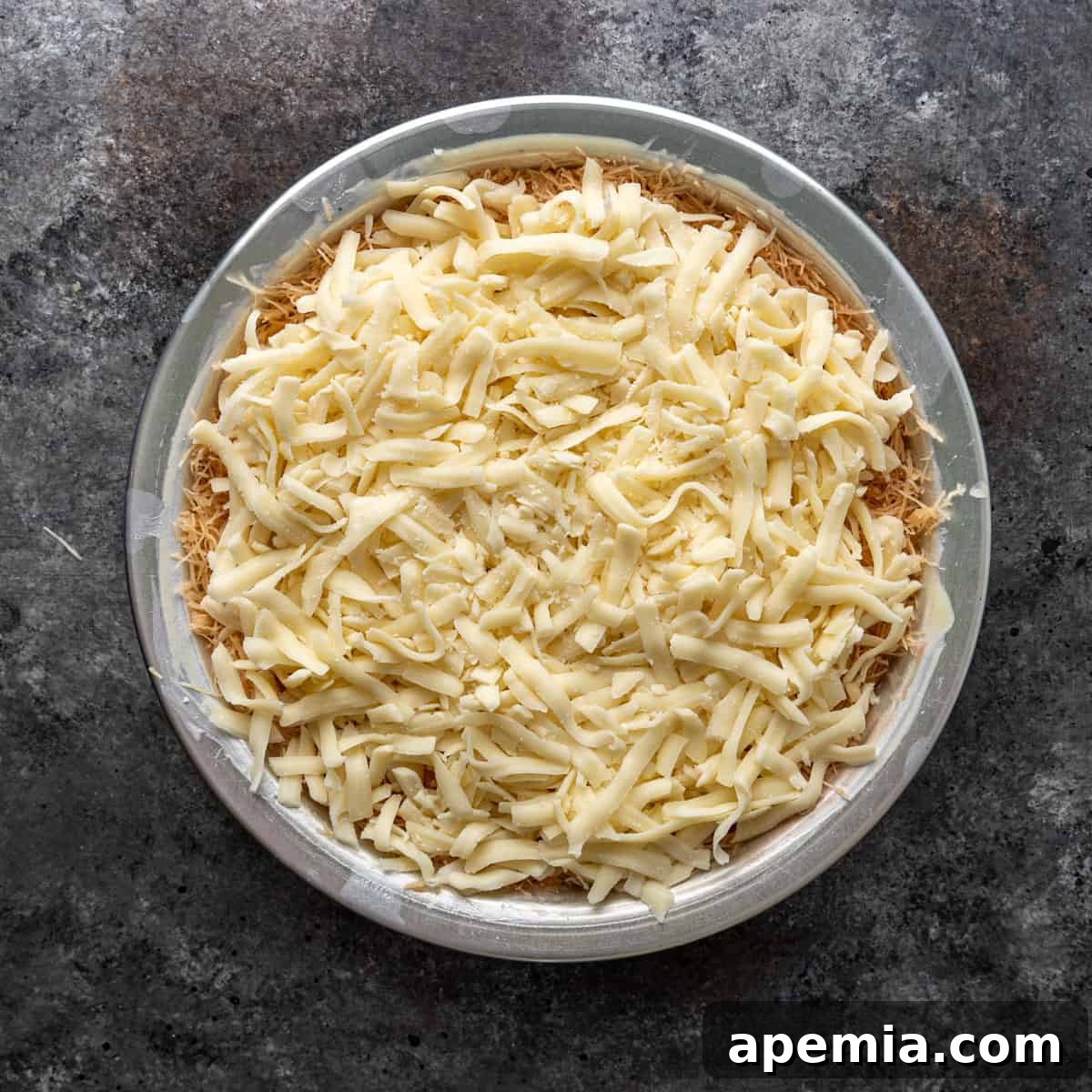
- Add the Cheese Layer. Evenly sprinkle the shredded mozzarella or chopped akkawi cheese over the first kataifi layer, ensuring complete coverage. Spread it right to the edges for a full cheesy bite in every slice.
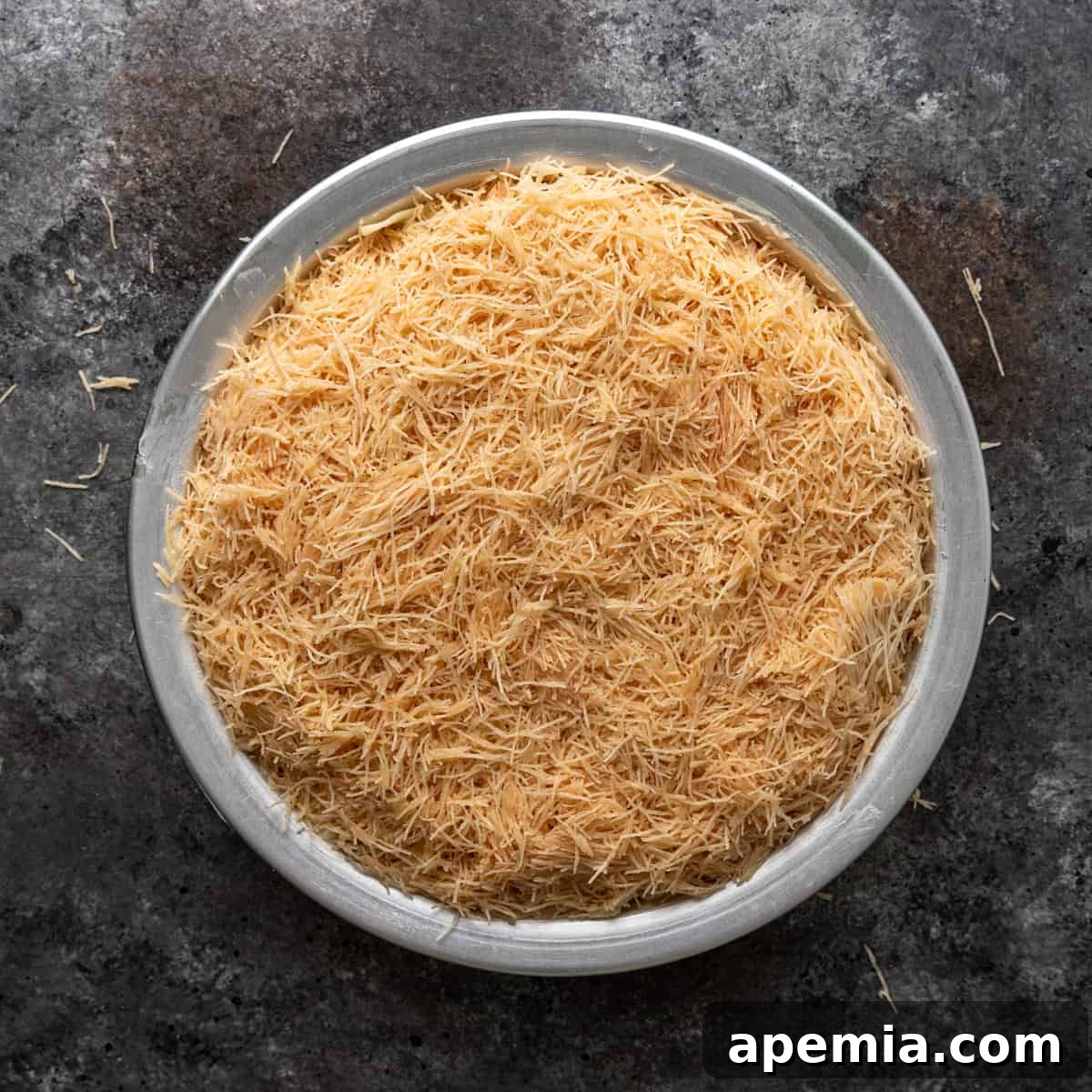
- Top with Remaining Dough. Gently distribute the remaining half of the kataifi dough over the cheese layer. Lightly press this top layer down with your hands. Then, use a rubber spatula or butter knife to carefully press the edges of the dough down around the rim of the pan, sealing in the cheese.
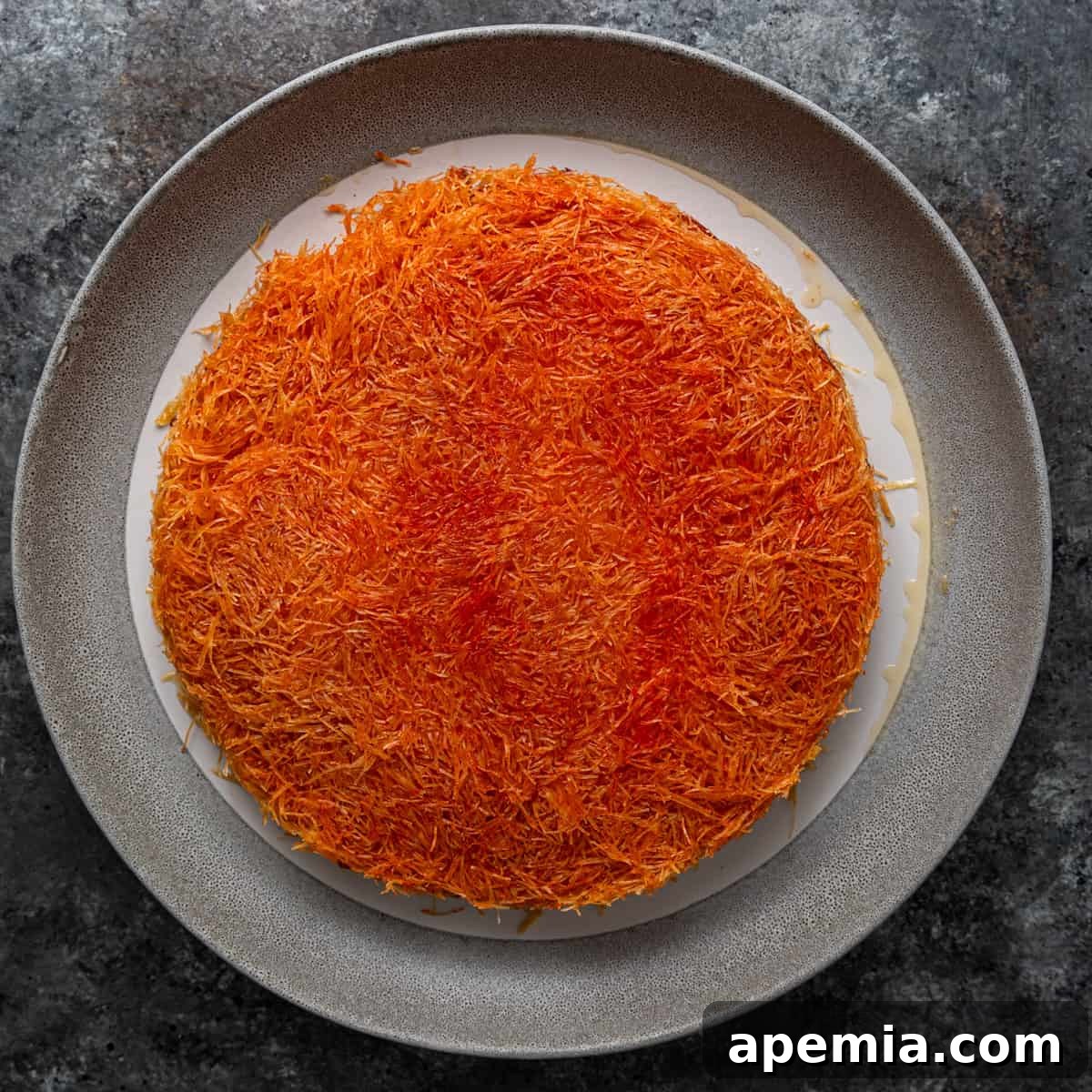
- Bake to Golden Perfection. Transfer the pan to your preheated oven and bake for approximately 45 minutes. You’ll know it’s ready when the edges are bubbling with butter and the top surface of the pastry has turned a beautiful, uniform golden brown.
- Prepare the Aromatic Syrup. While the Knafeh bakes, prepare the simple syrup. In a small saucepan, combine the sugar and water. Bring the mixture to a rolling boil over medium heat, then reduce the heat and let it simmer for about 5 minutes, allowing it to slightly thicken and reduce. Remove the saucepan from the heat and stir in the lemon juice and your chosen aromatic water (orange blossom or rose water). Set the syrup aside to cool completely; it’s crucial to pour cool syrup over hot Knafeh for the best texture.
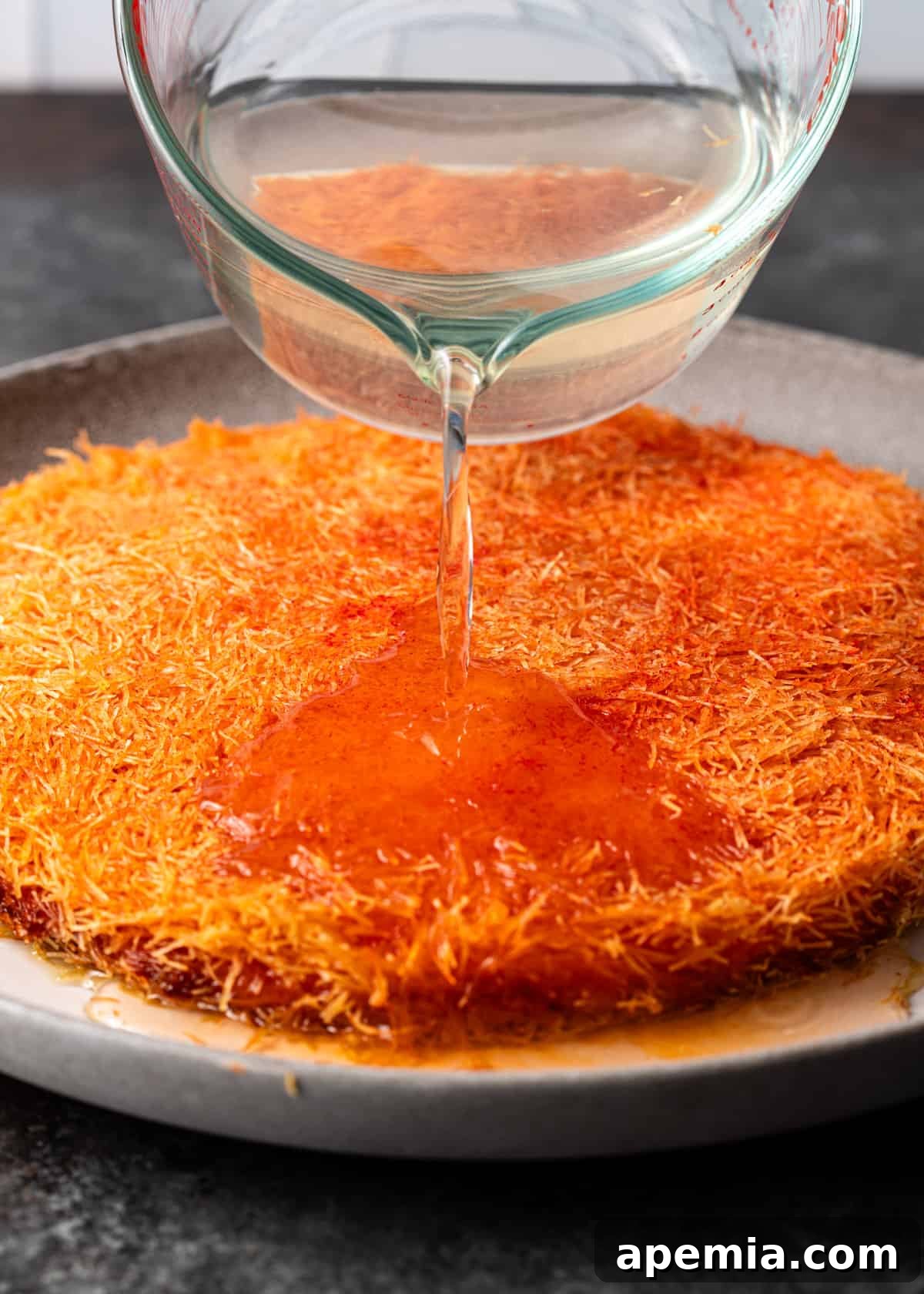
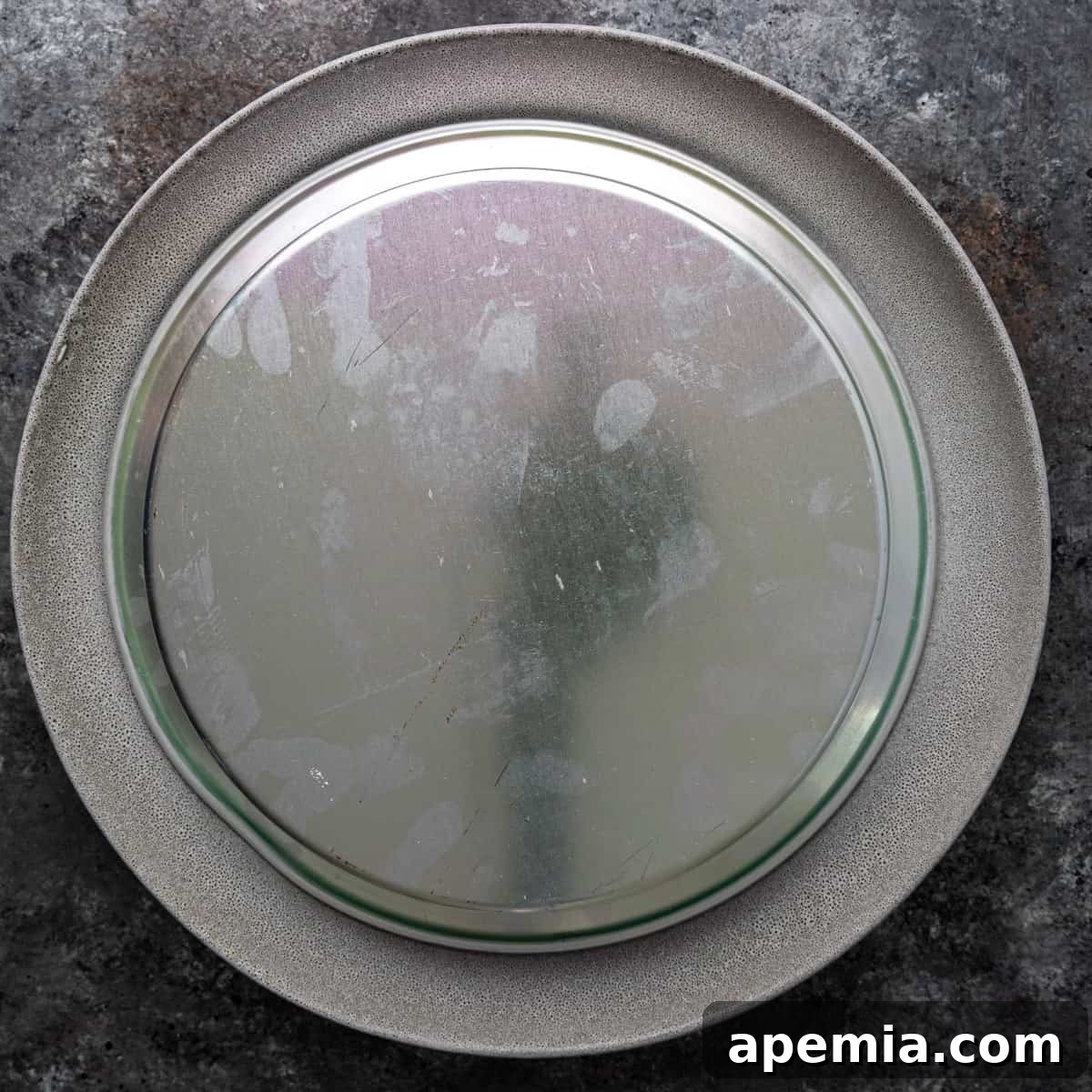
- Cool & Expertly Flip. Once baked, carefully remove the kunafa from the oven and let it cool in the pan for 5 minutes. To ensure a smooth release, run a rubber spatula or butter knife around the rim to loosen any sticky parts. Place a large serving plate (larger than your baking pan) upside down over the pan. Holding both the plate and the pan firmly together, carefully and quickly flip them over. Gently lift the baking pan away to reveal your perfectly formed Knafeh.
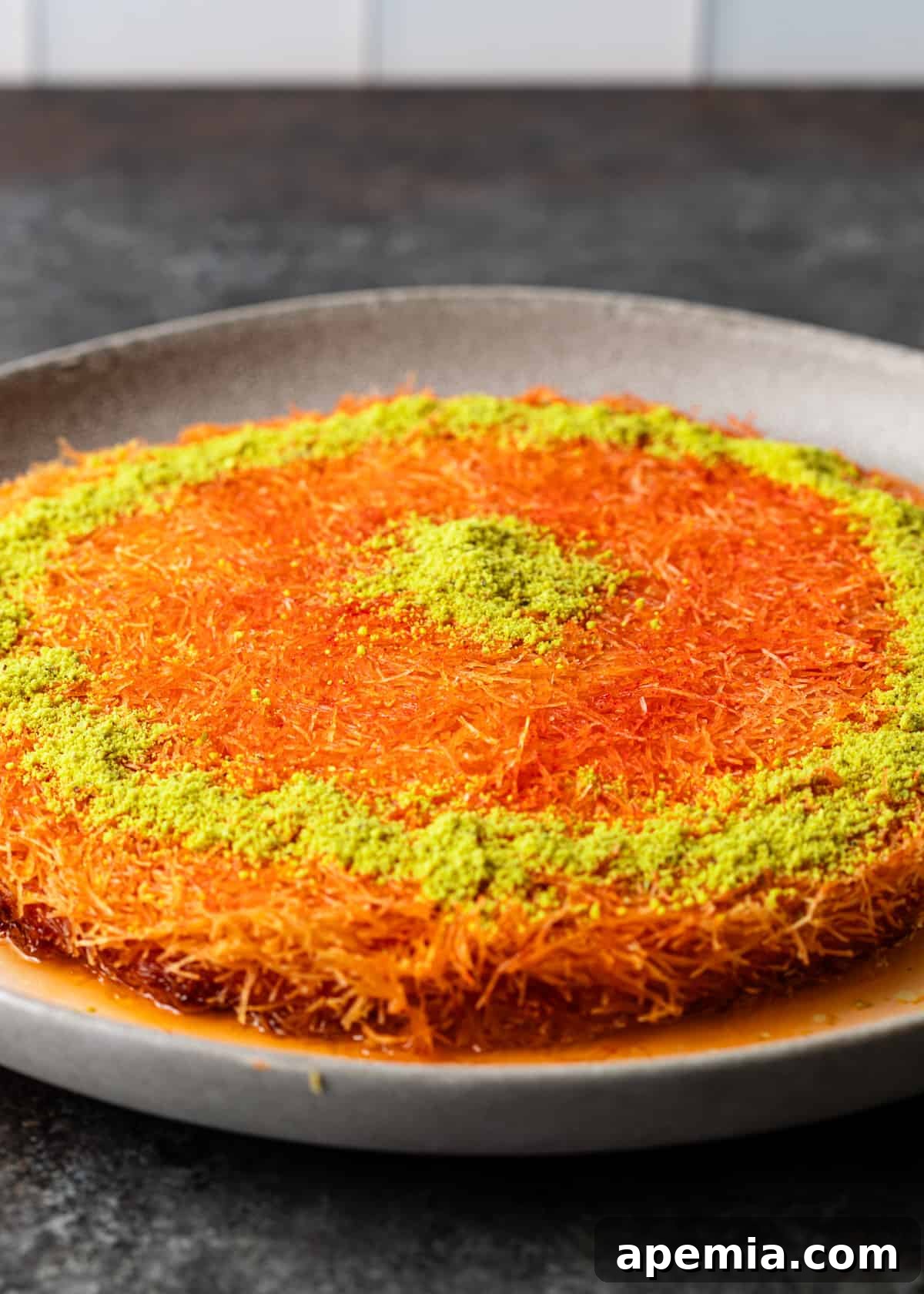
- Syrup, Nuts & Serve. Drizzle about half of the prepared, cooled syrup evenly over the warm Knafeh. Immediately sprinkle with the crushed pistachios, creating a beautiful pattern or simply covering the surface. Slice the Knafeh into wedges and serve warm, with the remaining syrup available on the side for those who prefer an extra sweet touch. The combination of warm, gooey cheese, crispy pastry, and fragrant syrup is best enjoyed fresh!
Knafeh Recipe: Pro Tips and FAQs
Knafeh and Baklava are both beloved traditional Middle Eastern desserts, featuring pastry dough, nuts, and sweet syrup, but they possess distinct characteristics. Knafeh is crafted with a unique shredded pastry dough called kataifi and famously includes a rich, melty layer of sweet cheese sandwiched between the dough layers. It’s typically baked in a round pan, often tinted with coloring, and served by inverting it onto a platter. Baklava, conversely, is made from thin, delicate sheets of standard filo dough and traditionally does not contain a cheese layer. Originating from Turkey, it is widely popular across Greece and the Balkans. Baklava is typically baked in a sheet pan and cut into diamonds or squares, while a rolled version is known as Saragli.
The precise origins of Kunafa are a subject of historical debate, but it is widely believed to have emerged between the 10th and 15th centuries somewhere in the Levant region of the Middle East. While many cultures claim it, the city of Nablus in Palestine is most commonly credited as the birthplace of the most famous variant, Knafeh Nabulsiyeh, renowned for its distinct cheese and vibrant color.
Yes, due to its fresh cheese filling, Knafeh should be stored covered in the refrigerator. It is best consumed within 3 days to maintain its freshness and flavor. For longer storage, you can freeze leftover Knafeh in an airtight container for up to 2-3 months. To reheat, simply warm slices in the oven or microwave until the cheese is melted and the pastry is slightly crisp again.
While Knafeh is best served warm and fresh from the oven, you can prepare certain components in advance. The syrup can be made a few days ahead and stored in the refrigerator. You can also assemble the Knafeh up to the point of baking, cover it tightly, and refrigerate for up to 24 hours. When ready to bake, let it come to room temperature for about 30 minutes before placing it in the oven to ensure even baking. This can be a great time-saver for entertaining!
For an extra crispy Knafeh, ensure two key things: first, thoroughly coat every strand of kataifi dough with ghee or butter. The fat is crucial for crisping. Second, make sure to press the dough layers down very firmly in the pan. This compression helps create a solid, crisp crust. Baking until it’s a deep golden brown, and even a little beyond what you might think, is also important. Some chefs even like to flip the Knafeh halfway through baking to ensure both sides are equally golden and crisp.
Authentic Knafeh Middle Eastern Pastry
12
15
mins
45
mins
1
hr
Print Recipe
Ingredients
- 16 oz Kataifi shredded filo dough
- 1 1/4 cup ghee melted (or butter)
- 1 tsp Kunafa powdered pastry coloring optional
- 16 oz mozzarella shredded, or Akawi Cheese (sweet cheese)
- 1 cup pistachios crushed
Syrup
- 3/4 cup water
- 1 1/2 cups sugar
- 2 tbsp lemon juice
- 1 tsp orange or rose water
Instructions
-
Preheat oven to 350°F (175°C).
-
If using, mix 1 teaspoon Kunafa powdered pastry coloring with the melted ghee/butter. Generously grease the bottom and sides of a 9-inch knafeh pan, pie pan, or springform cake pan with 1 tablespoon of the ghee/butter mixture and set aside.
-
Remove kataifi from its package, place it in a large bowl, and use scissors or a knife to cut it into approximately 1-inch pieces. Gently separate the strands.
-
Pour the remaining melted ghee/butter over the kataifi and mix until all pieces are evenly coated. Wear gloves if you used pastry coloring to avoid staining.
-
Place half of the buttered kataifi into the greased baking dish, and with a gloved hand or the bottom of a measuring cup, press firmly to create a compact, even layer.
-
Evenly sprinkle the shredded mozzarella or chopped akkawi cheese over the kataifi layer in the pan, ensuring it covers the entire surface.
-
Sprinkle the remaining kataifi on top of the cheese and press down gently. Using a rubber spatula or butter knife, carefully push the kataifi on the edges down around the rim of the dish to create a neat finish.
-
Bake for 45 minutes, or until the top of the knafeh is a deep golden brown and the butter is visibly bubbling up around the sides of the pan.
-
While the knafeh bakes, prepare the syrup. Add the water and sugar to a small saucepan. Bring to a boil, then reduce heat and simmer for 5 minutes until it slightly thickens. Remove from heat and stir in the orange (or rose) water and lemon juice. Set aside to cool completely.
-
Remove the knafeh from the oven and let it cool for 5 minutes in the pan. Run a rubber spatula or butter knife around the edges to loosen any stuck bits. Place a large serving plate (larger than the pan) upside down over the knafeh. Holding both the plate and pan together, quickly invert them and gently lift the pan off the pastry to reveal your Knafeh.
-
Pour half of the cooled syrup over the warm knafeh and sprinkle crushed pistachios on top in any desired pattern. Slice and serve warm, with the remaining syrup on the side for individual preference.
Nutrition
Carbohydrates: 36g |
Protein: 10g |
Fat: 26g |
Saturated Fat: 13g |
Polyunsaturated Fat: 2g |
Monounsaturated Fat: 9g |
Cholesterol: 58mg |
Sodium: 316mg |
Potassium: 124mg |
Fiber: 1g |
Sugar: 20g |
Vitamin A: 224IU |
Vitamin C: 1mg |
Calcium: 155mg |
Iron: 1mg
The information shown is an estimate provided by an online nutrition calculator. It should not be considered a substitute for a professional nutritionist’s advice.
Dessert
Middle Eastern
Kevin
Have You Made This Recipe? Let Me Know on Instagram
Tag @keviniscooking or use hashtag #keviniscooking!