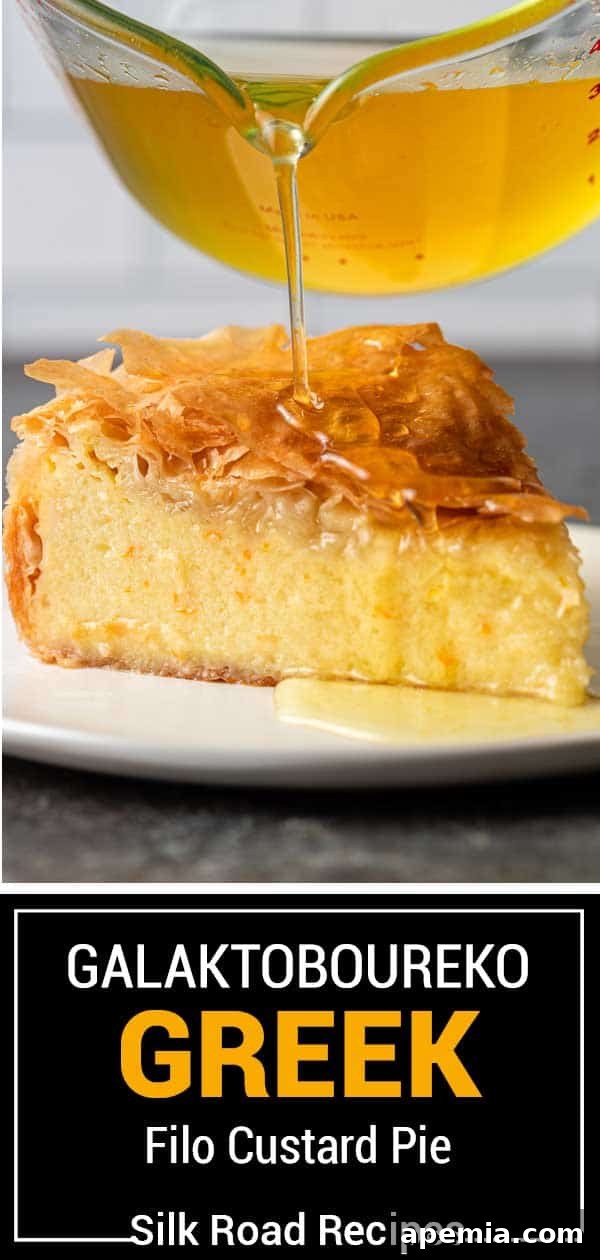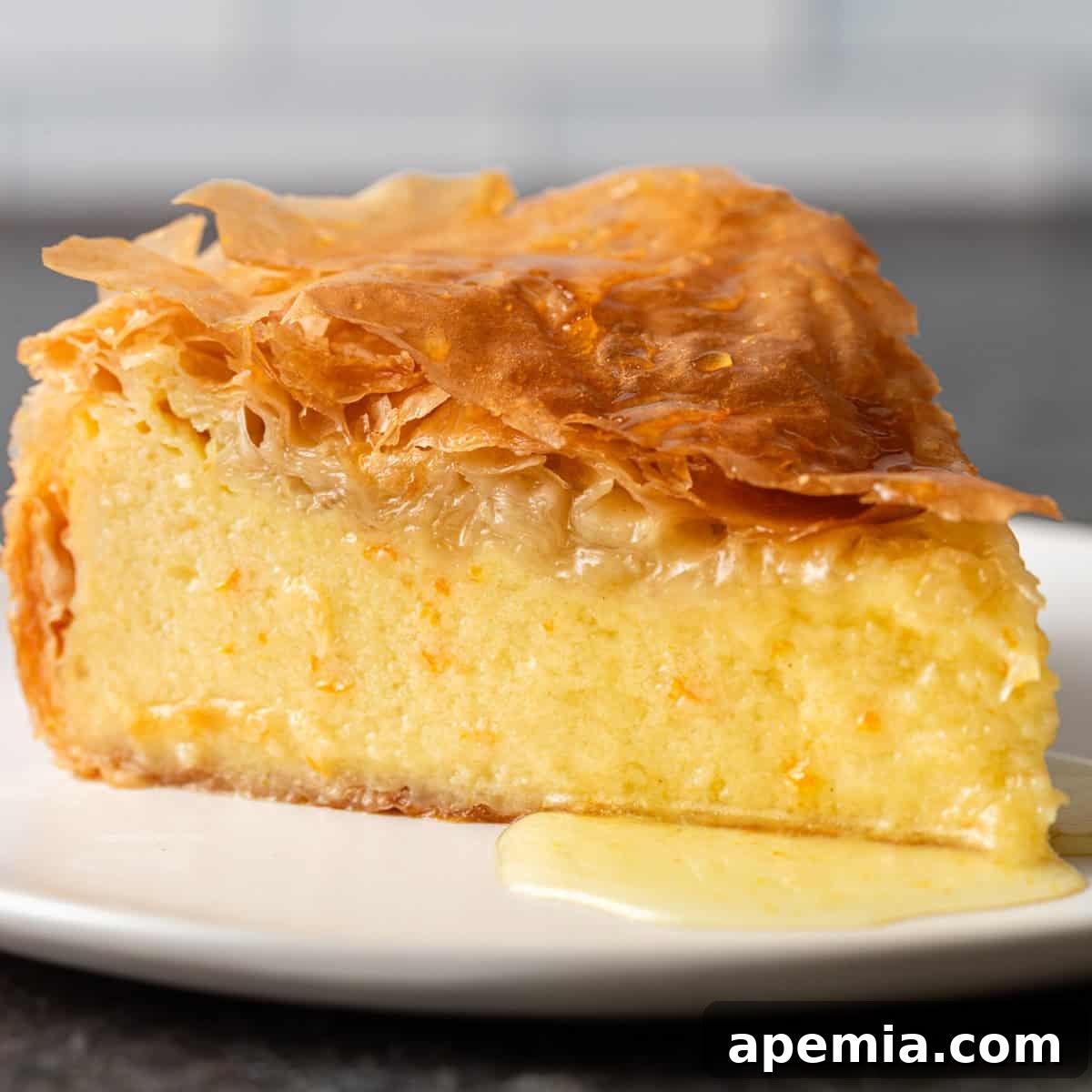
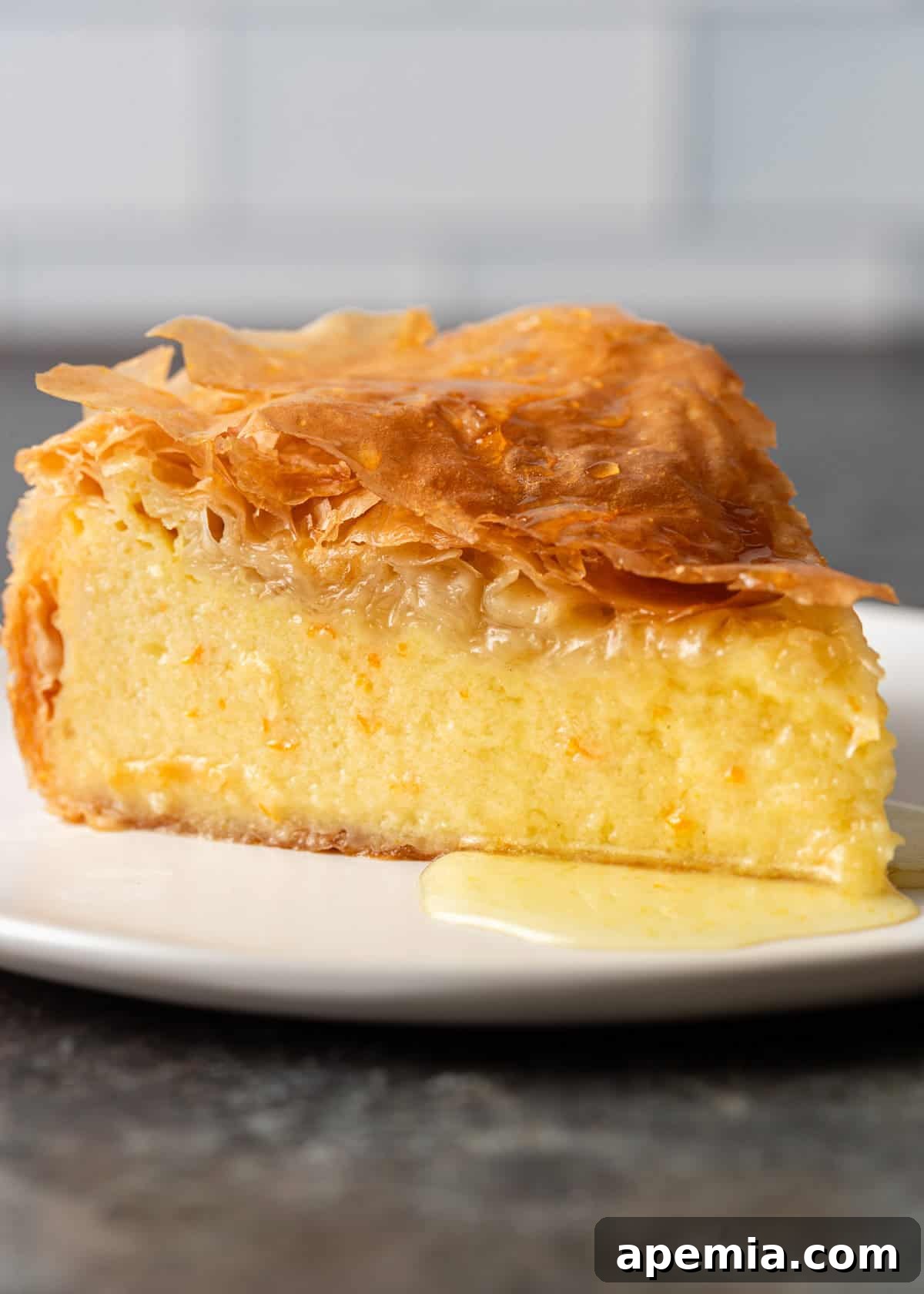
Imagine a dessert that masterfully combines the crisp, buttery layers of a delicate pastry with a rich, velvety custard, all drenched in an aromatic, citrus-infused syrup. This is the essence of Galaktoboureko, a celebrated Greek dessert that stands as a true superstar of Mediterranean cuisine. With its contrasting textures and complex flavors – sharp citrus notes mingling with warming cinnamon and luxurious vanilla – this flaky custard pie offers an experience that is nothing short of decadent and outrageously tasty.
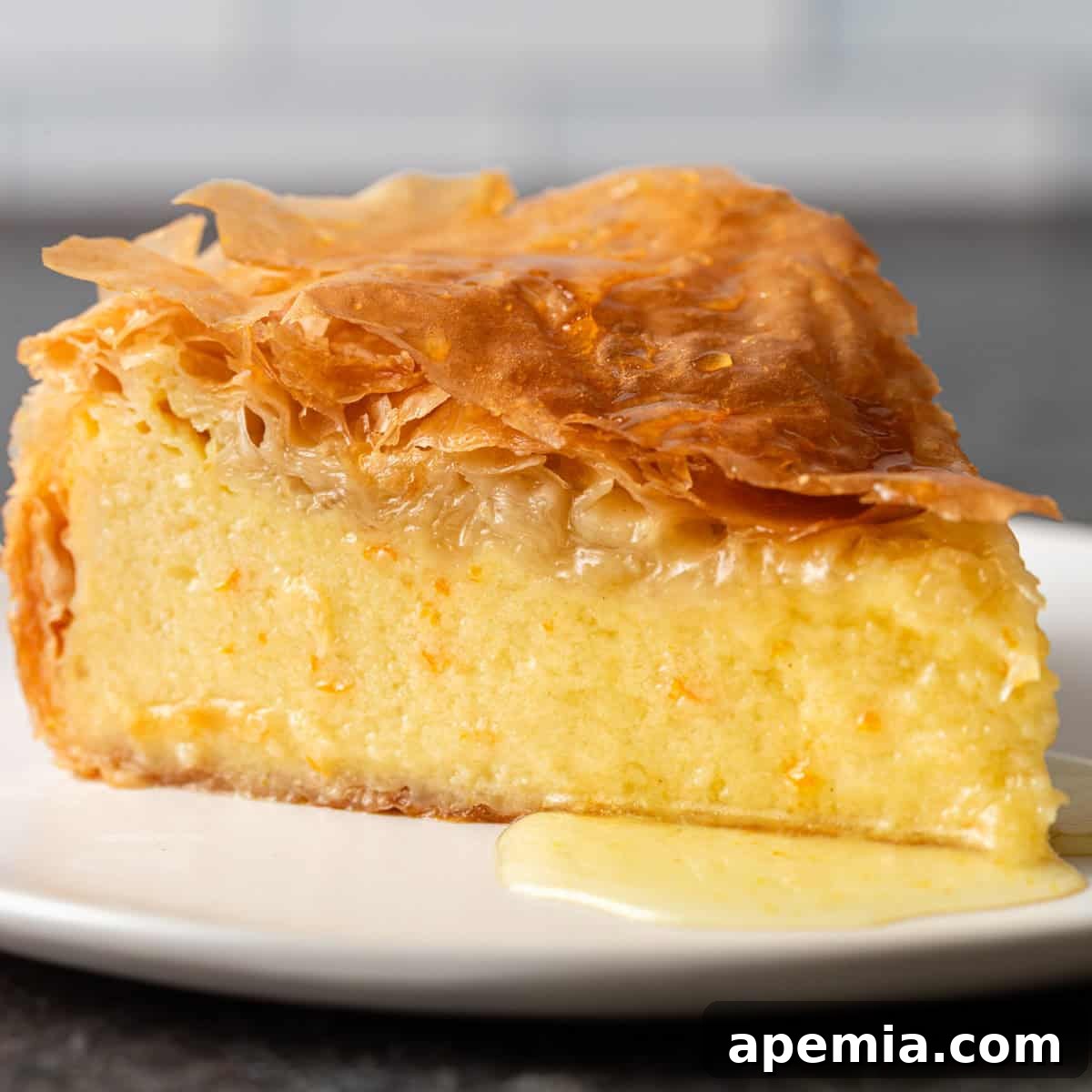
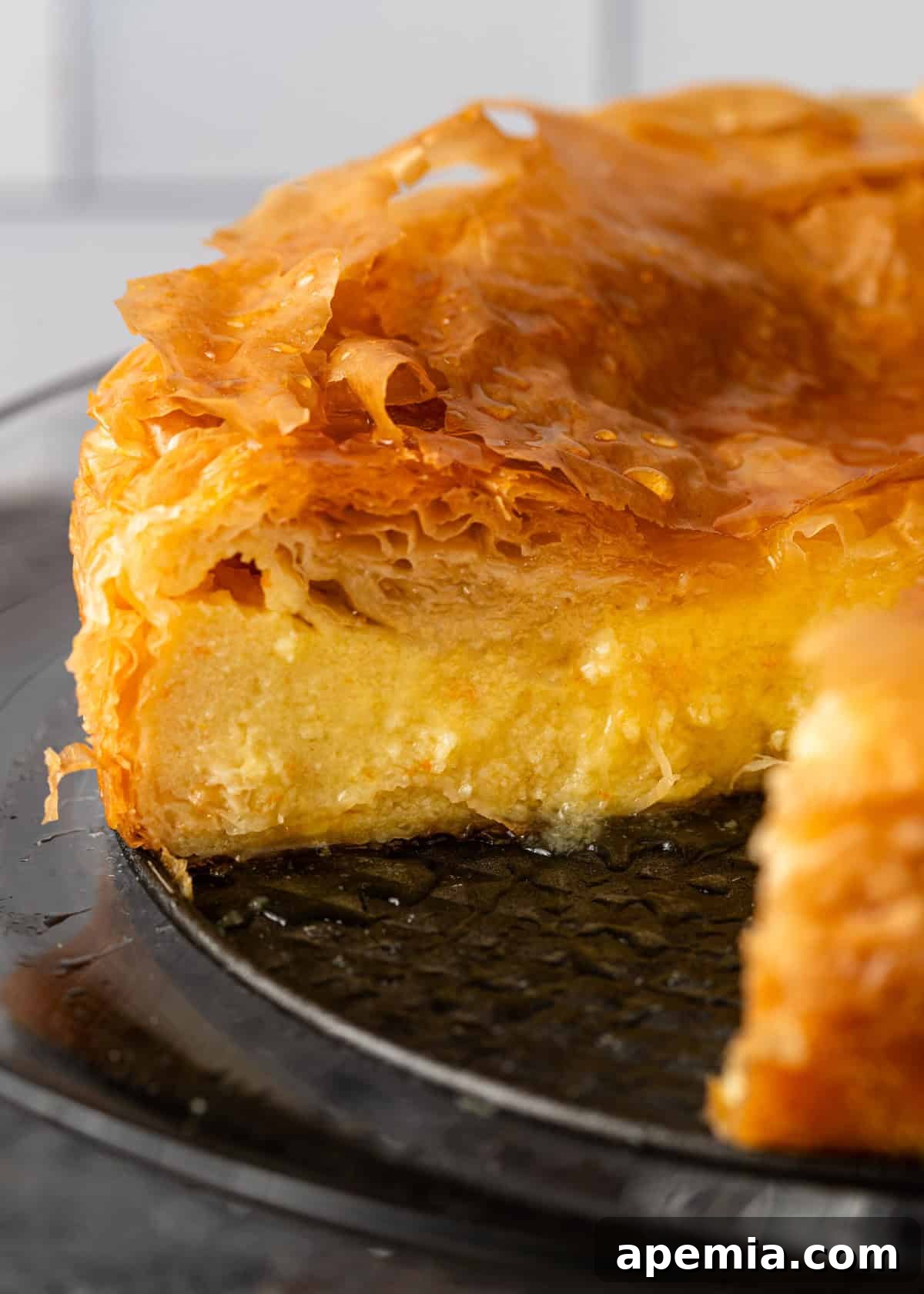
What culinary marvel emerges when you blend the intricate crispness of baklava with the comforting embrace of a classic custard pie? The exquisite answer is Galaktoboureko, a heavenly Greek dessert that captivates the senses. This sumptuous treat is a symphony of textures and tastes, pairing exceptionally buttery and exquisitely crispy phyllo (also known as filo) pastry with a profoundly rich and comforting semolina custard. To crown this masterpiece, every layer is generously drenched in a mouthwateringly sweet and citrusy sugar syrup, creating an unforgettable sensory journey.
With just one bite of this sweet, creamy, and flaky Greek filo custard pie, you’ll feel instantly transported. Close your eyes and envision yourself reclining in a deck chair on a sun-drenched balcony overlooking the Aegean, watching the vibrant sun dip below the horizon of the sparkling Mediterranean Sea. It’s more than just a dessert; it’s a taste of Greek summer, a culinary postcard from the islands.
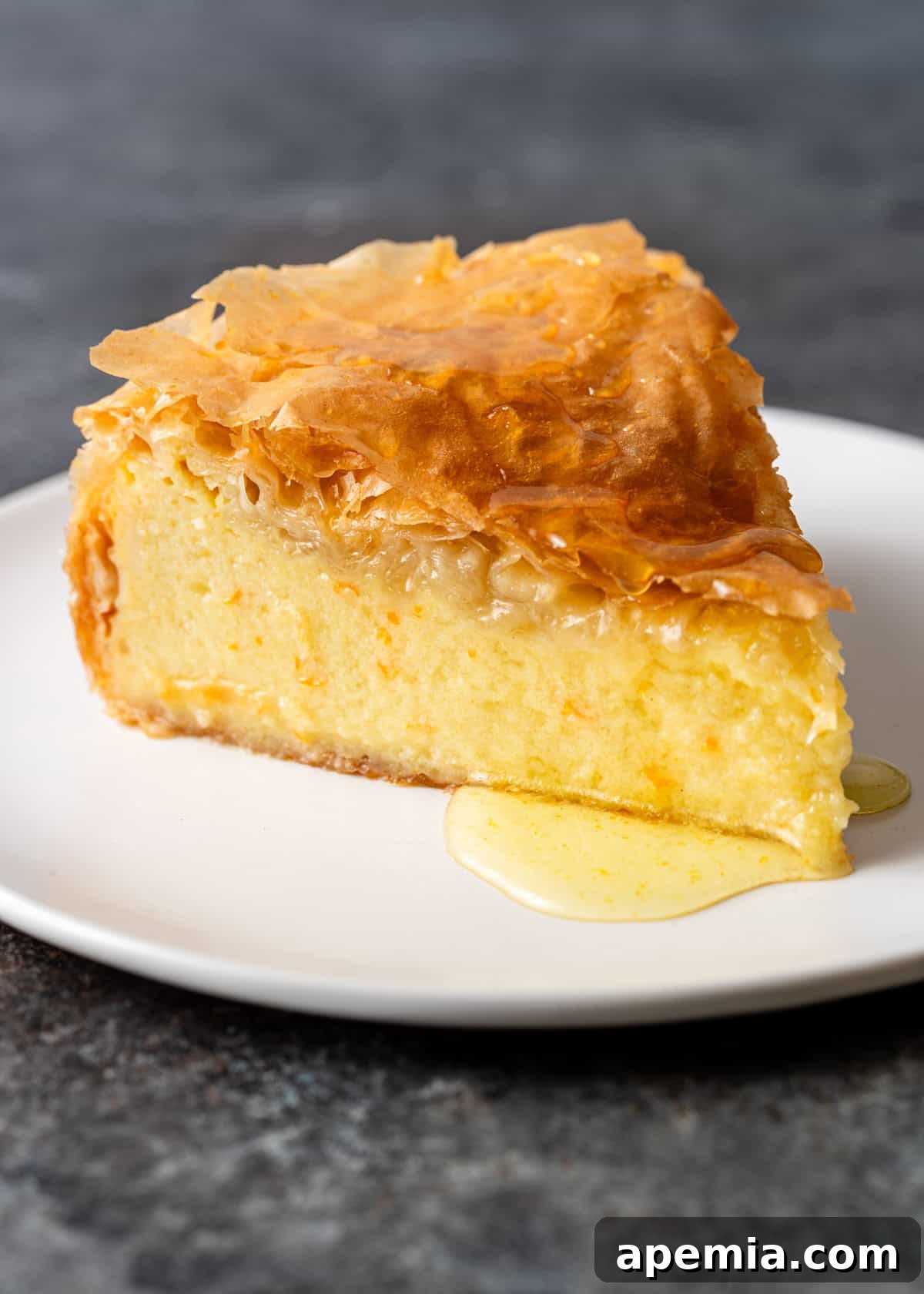
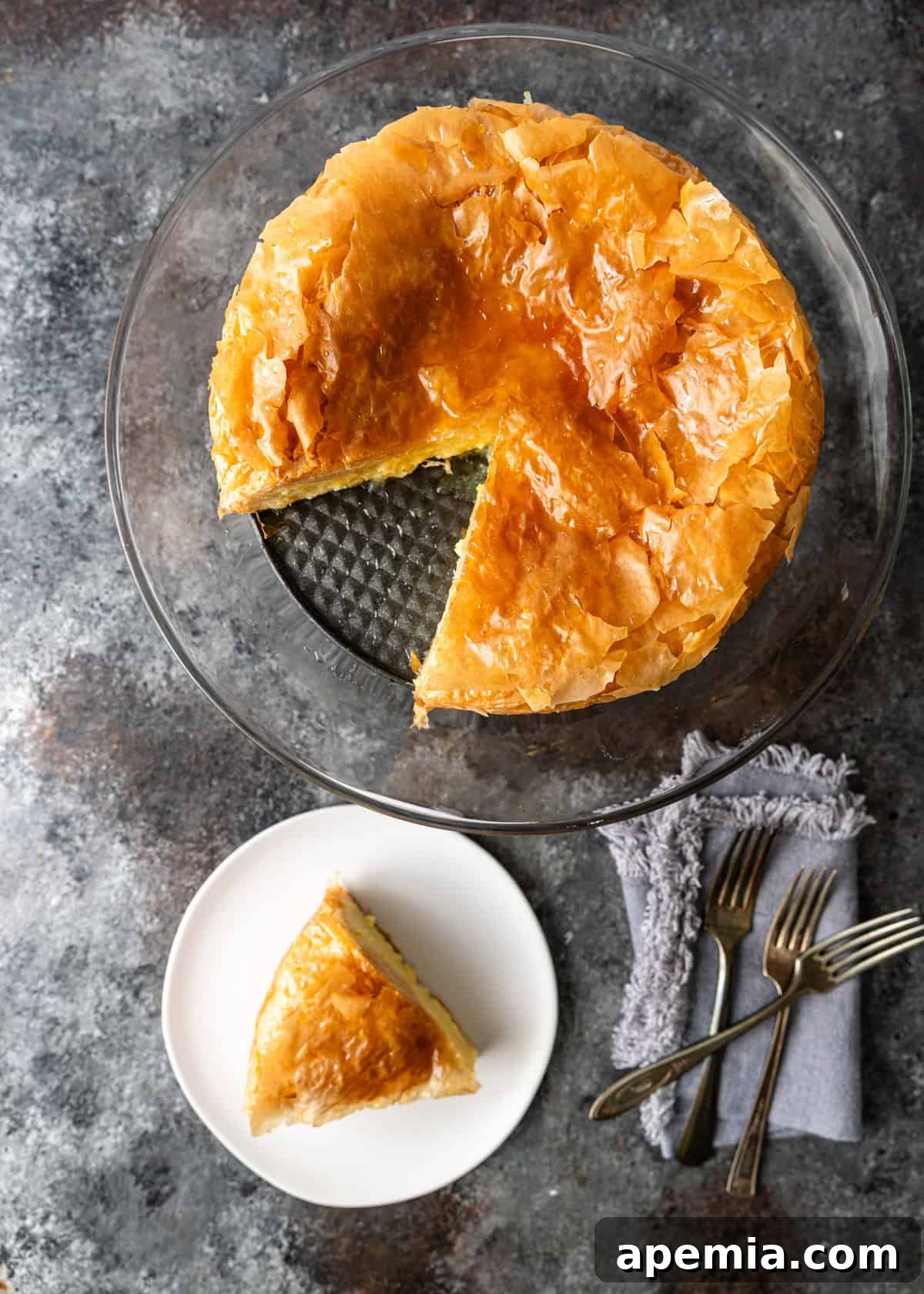
Greek cuisine is inherently communal, designed to be savored with loved ones, and Galaktoboureko is a prime example of this cherished tradition. This impressive dessert is perfect for sharing, making it an ideal centerpiece for any gathering. Invite your dearest friends and family, perhaps prepare a hearty moussaka or a refreshing, simple Greek feta salad, and then culminate the evening with this showstopping phyllo custard pie. Its elegance and irresistible flavor profile guarantee an unforgettable dining experience that will have everyone exclaiming “Opa!”
Table of Contents
- What is Galaktoboureko?
- History and Cultural Significance
- Essential Ingredients for Galaktoboureko
- How to Make Galaktoboureko: Step-by-Step Guide
- Recommended Tools
- Storing and Reheating
- Frequently Asked Questions
- Galaktoboureko (Greek Filo Custard Pie) Recipe Card
What is Galaktoboureko?
Galaktoboureko (pronounced gah-lahk-toh-BOO-reh-ko) literally translates to “milk pastry” and is one of Greece’s most cherished and iconic desserts. It’s a rich, creamy, and wonderfully sweet semolina custard baked between layers of crisp, buttered phyllo pastry, then generously doused in a fragrant, often citrus-infused syrup. Unlike many other phyllo-based sweets, Galaktoboureko offers a unique textural contrast between its delicate, flaky exterior and its smooth, pudding-like interior. It’s a dessert that perfectly embodies the spirit of Greek hospitality and culinary artistry, typically served during celebrations, family gatherings, or as a delightful treat any day of the week.
History and Cultural Significance
While the exact origins of Galaktoboureko are somewhat veiled in culinary history, similar milk-based puddings and pastries have existed across the Byzantine Empire and later the Ottoman Empire for centuries. The use of phyllo pastry, in particular, points to a long tradition in the broader Mediterranean and Middle Eastern regions. In Greece, Galaktoboureko evolved into its distinct form, becoming a staple in homes and patisseries alike. It’s a dessert deeply ingrained in Greek culture, often associated with festive occasions such and Easter, New Year’s, or simply as a comforting Sunday sweet. The careful preparation, the anticipation of its golden perfection, and the shared enjoyment around a table speak volumes about its cultural importance. It’s a taste of heritage, passed down through generations, each family often having its own subtle twist on the classic recipe.
Tip From Kevin
Preventing Spillage
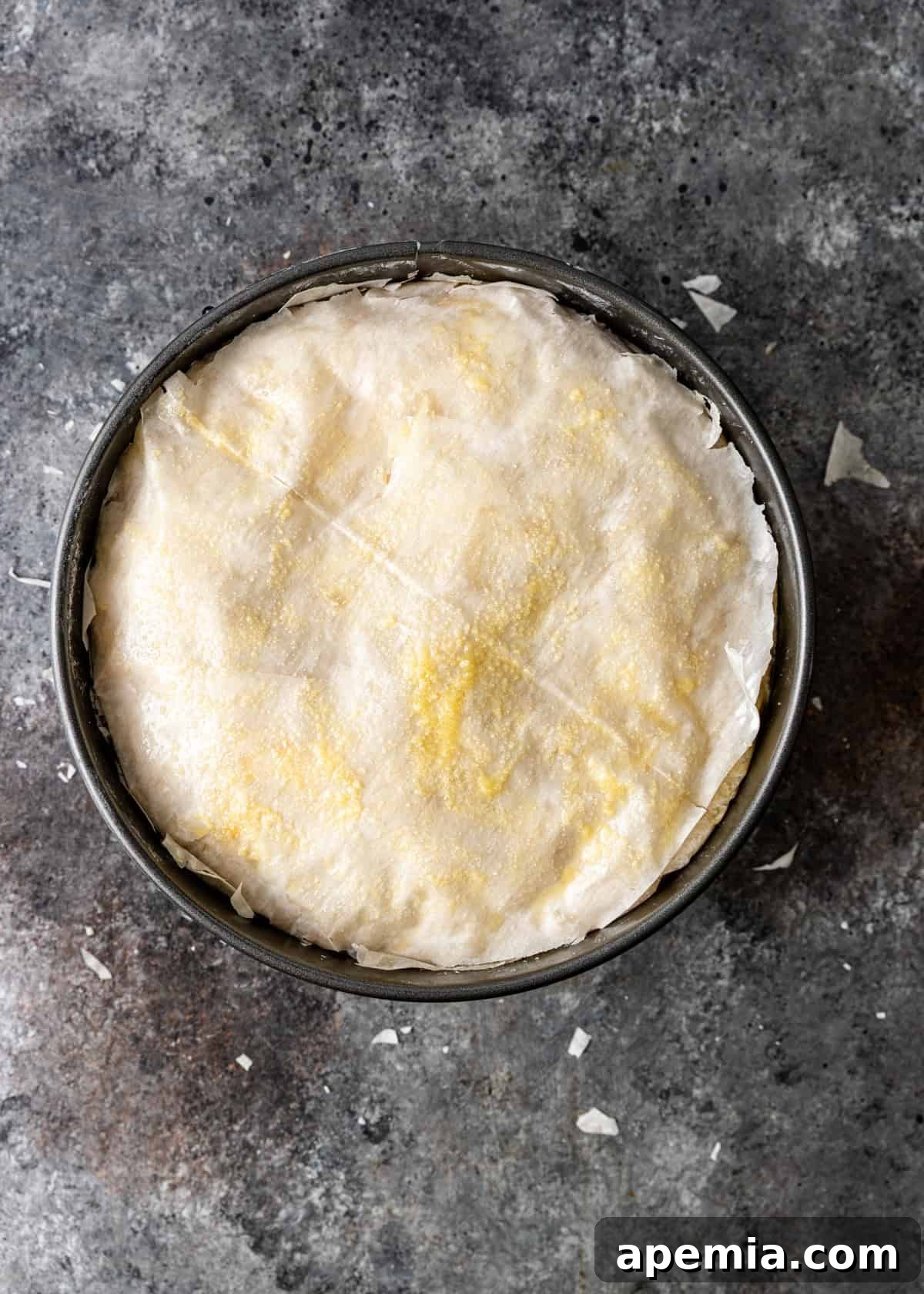
To ensure a mess-free baking experience and contain any potential butter leakage, I always recommend placing the springform pan containing the assembled galaktoboureko on a sturdy baking sheet before putting it in the oven. This little trick prevents butter from dripping onto the bottom of your oven, keeping it clean and preventing any unpleasant smoke. It also makes transferring the pie in and out of the oven much easier and safer.
Essential Ingredients for Galaktoboureko
(Be sure to check the recipe card for a full list of ingredients and quantities)
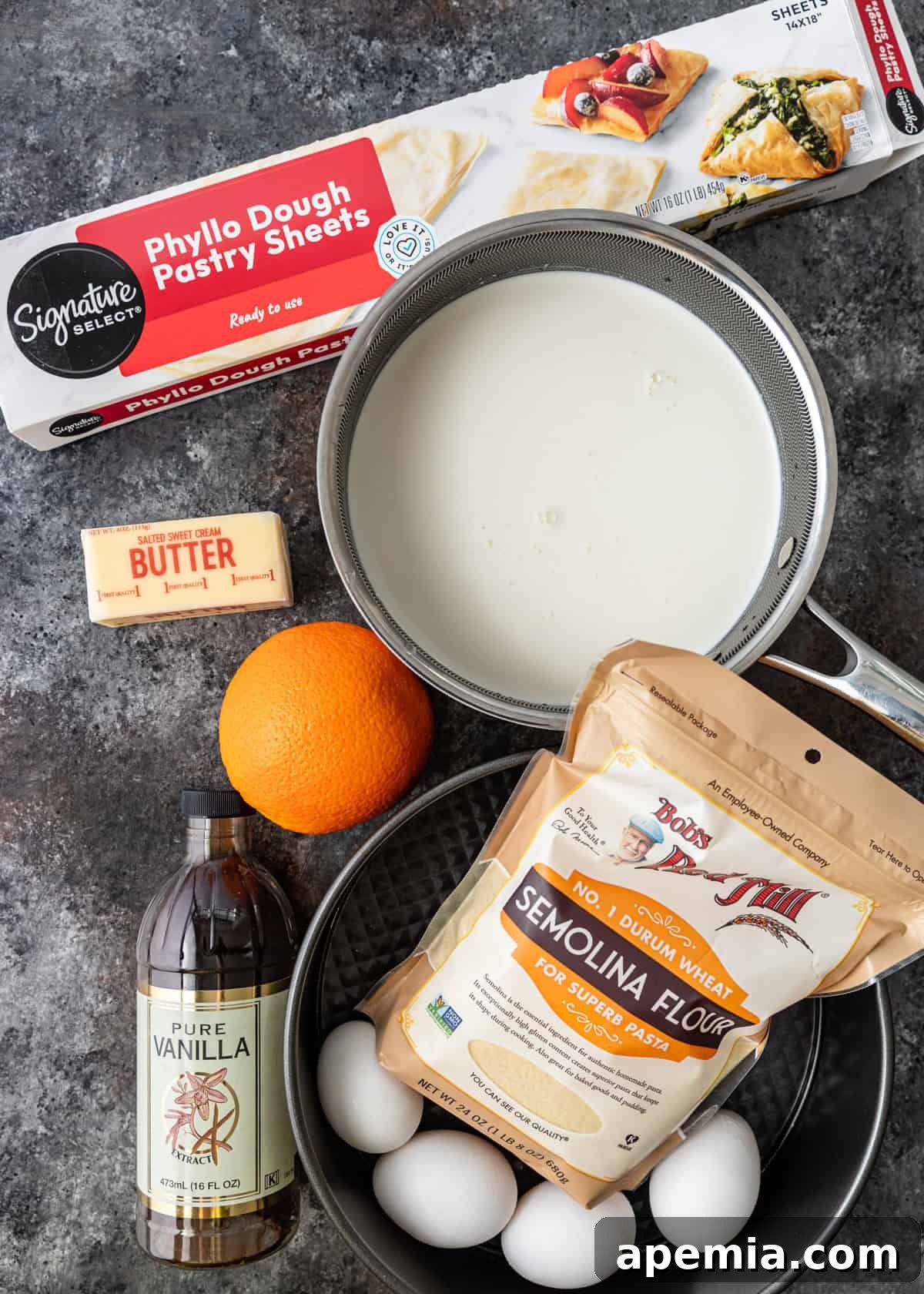
- Eggs – Essential for the custard’s richness and structure. Remember to separate your whites and yolks, as they are incorporated at different stages to achieve the perfect creamy yet airy texture.
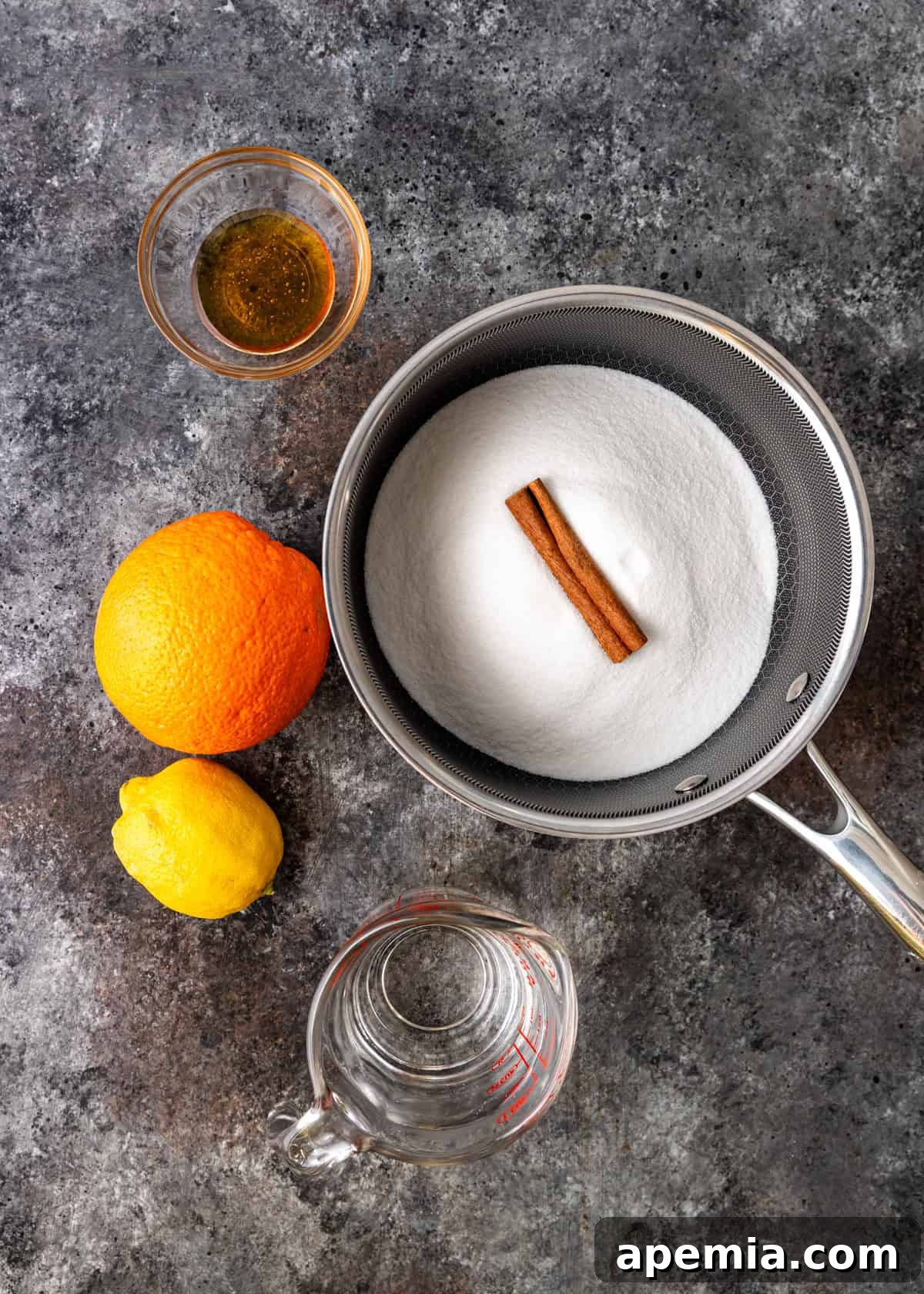
- White Sugar – Granulated white sugar plays a dual role: it sweetens the luscious semolina custard and forms the delightful base of the vibrant citrus-infused syrup.
- Vanilla Extract – A crucial ingredient for adding a layer of warmth, depth, and comforting aroma to the custard. While vanilla extract is commonly used, feel free to experiment with vanilla bean paste for a more intense flavor or a touch of almond extract for a slightly different aromatic profile.
- Semolina – The star thickening agent for the custard, giving it its characteristic smooth yet slightly grainy texture, distinguishing it from other custards. Medium-grain semolina works best for that classic Galaktoboureko mouthfeel.
- Milk – The foundational liquid for the creamy custard. Whole milk is highly recommended for its richness, contributing significantly to the custard’s luxurious texture and flavor. While unsweetened non-dairy milks can be used as substitutes, be aware that they will alter the taste and richness. Skim milk is generally not suitable for this recipe, as it lacks the fat content needed for a truly decadent custard.
- Heavy Cream – This ingredient elevates the phyllo custard pie to another level of indulgence, adding an incredibly thick, velvety, and opulent texture to the custard. For a non-dairy alternative, full-fat canned coconut milk can provide a similar richness, though it will introduce a subtle coconut flavor.
- Unsalted Butter – Melted butter is liberally brushed between each delicate sheet of phyllo dough, creating those signature golden, crisp, and incredibly flaky layers that are a hallmark of Galaktoboureko. Using unsalted butter allows you to control the overall saltiness of the dessert.
- Orange Zest – A vital component that infuses both the custard and the syrup with bright, fragrant, and essential citrusy notes. You’ll zest two oranges in total – one for the custard to lighten its richness, and another for the syrup, which adds a beautiful aromatic complexity that perfectly balances the sweetness.
- Phyllo (Filo) Dough – The delicate, paper-thin pastry that forms the iconic crispy layers of this Greek dessert. It’s crucial to use standard #4 thickness phyllo sheets for optimal results. Thicker variations of phyllo may require a longer baking time to achieve the desired golden crispness, so adjust accordingly. Handle phyllo gently and keep it covered with a damp cloth to prevent drying out.
- Cinnamon Stick – Used exclusively in the syrup, a whole cinnamon stick imparts a warm, aromatic, and subtly spiced depth that complements the citrus beautifully. Opting for a whole stick instead of ground cinnamon is key to ensuring the syrup remains perfectly clear and smooth, without any cloudiness or gritty texture.
- Lemon Juice – A splash of fresh lemon juice is added to the syrup to provide a crucial touch of acidity. This brightens the flavor profile, expertly balancing the sweetness of the sugar and honey, preventing the dessert from being overly cloying.
- Honey – The final flourish for the syrup, honey not only adds another layer of complex sweetness but also contributes to that gorgeous, glossy sheen, helping the syrup adhere beautifully to the crisp phyllo pastry.
How to Make Galaktoboureko: Step-by-Step Guide
- Prepare the Aromatic Syrup. Begin by combining the sugar, water, a cinnamon stick, the zest of one orange, and lemon juice in a small saucepan. Bring this mixture to a gentle boil over medium heat, stirring occasionally until all the sugar crystals have completely dissolved. Once dissolved, remove the saucepan from the heat, stir in the honey, and set the syrup aside to cool completely. It’s crucial that the syrup is cool when poured over the hot pie to ensure maximum crispness.
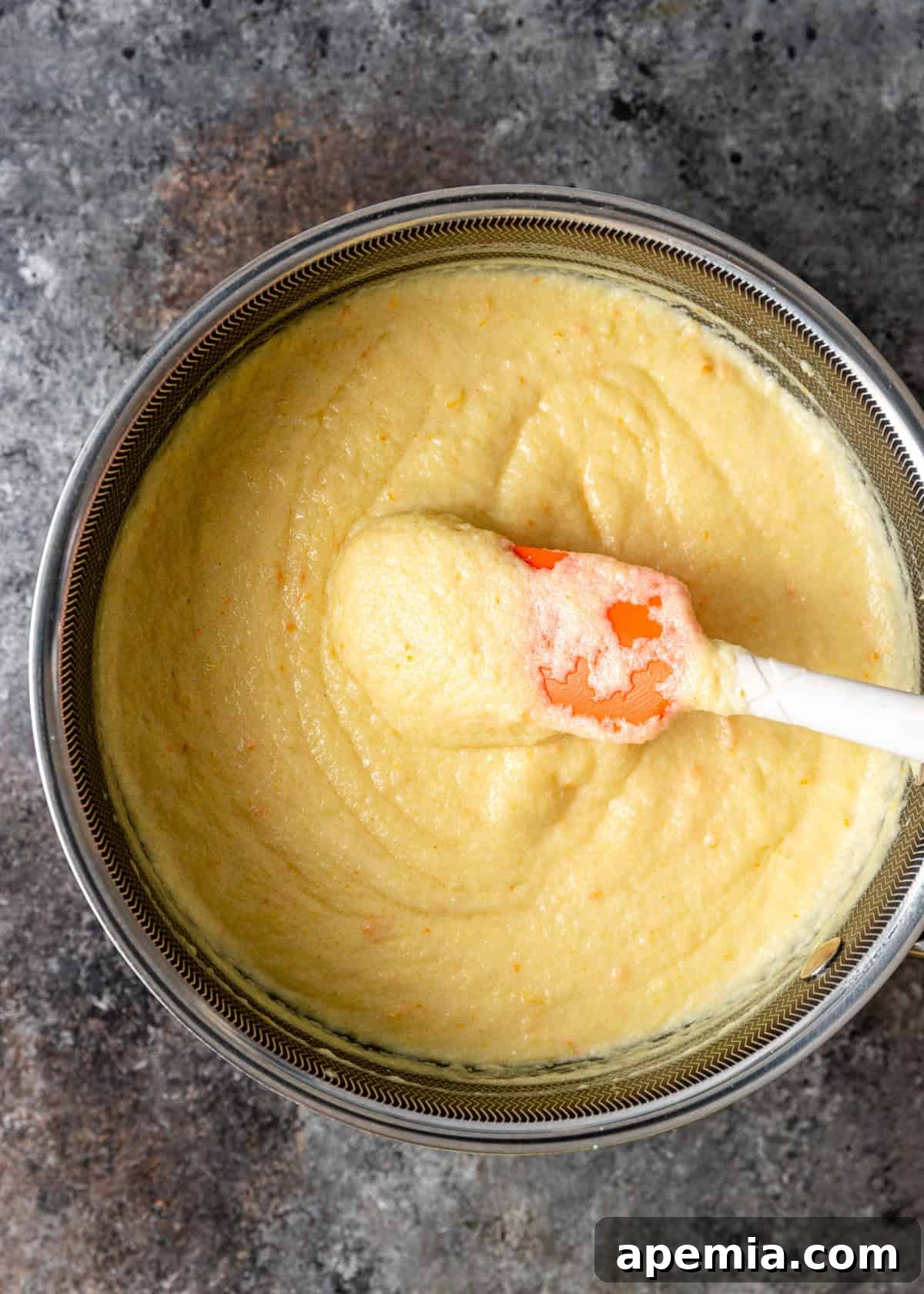
- Start the Luxurious Custard. In a separate saucepan, gently warm the milk, heavy cream, and the zest of the second orange over medium-low heat. Be careful not to let it boil; just bring it to a steaming point. In a mixing bowl, vigorously whisk the egg yolks, granulated sugar, and vanilla extract until the mixture is pale yellow and smooth. Gradually beat in the semolina, ensuring no lumps form. Slowly pour the warm milk mixture into the egg yolk mixture, whisking continuously to temper the eggs and prevent scrambling. Transfer this entire mixture back into the saucepan and cook over low heat, stirring constantly with a wooden spoon or whisk, for about 8-10 minutes, until the custard significantly thickens to a pudding-like consistency.
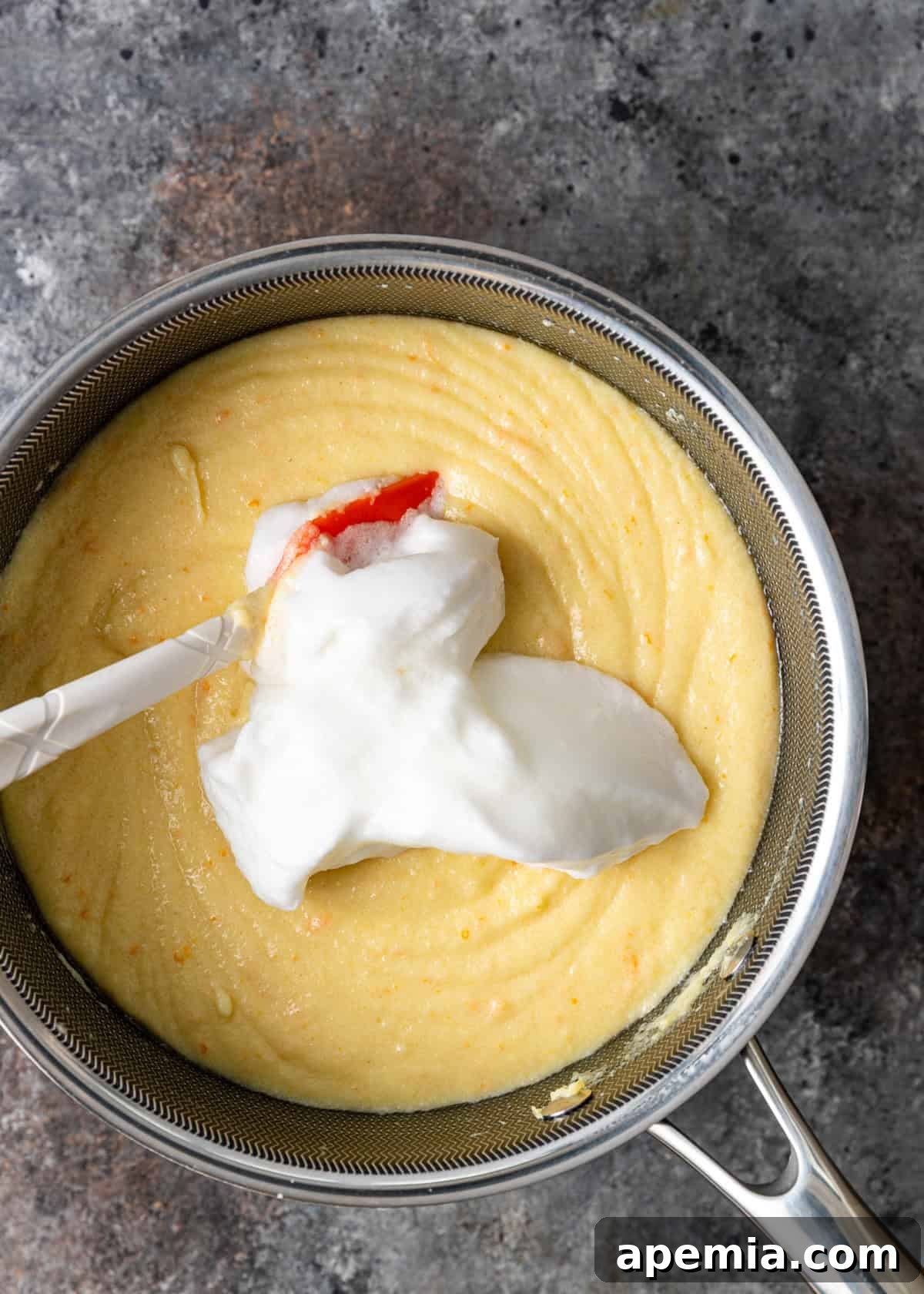
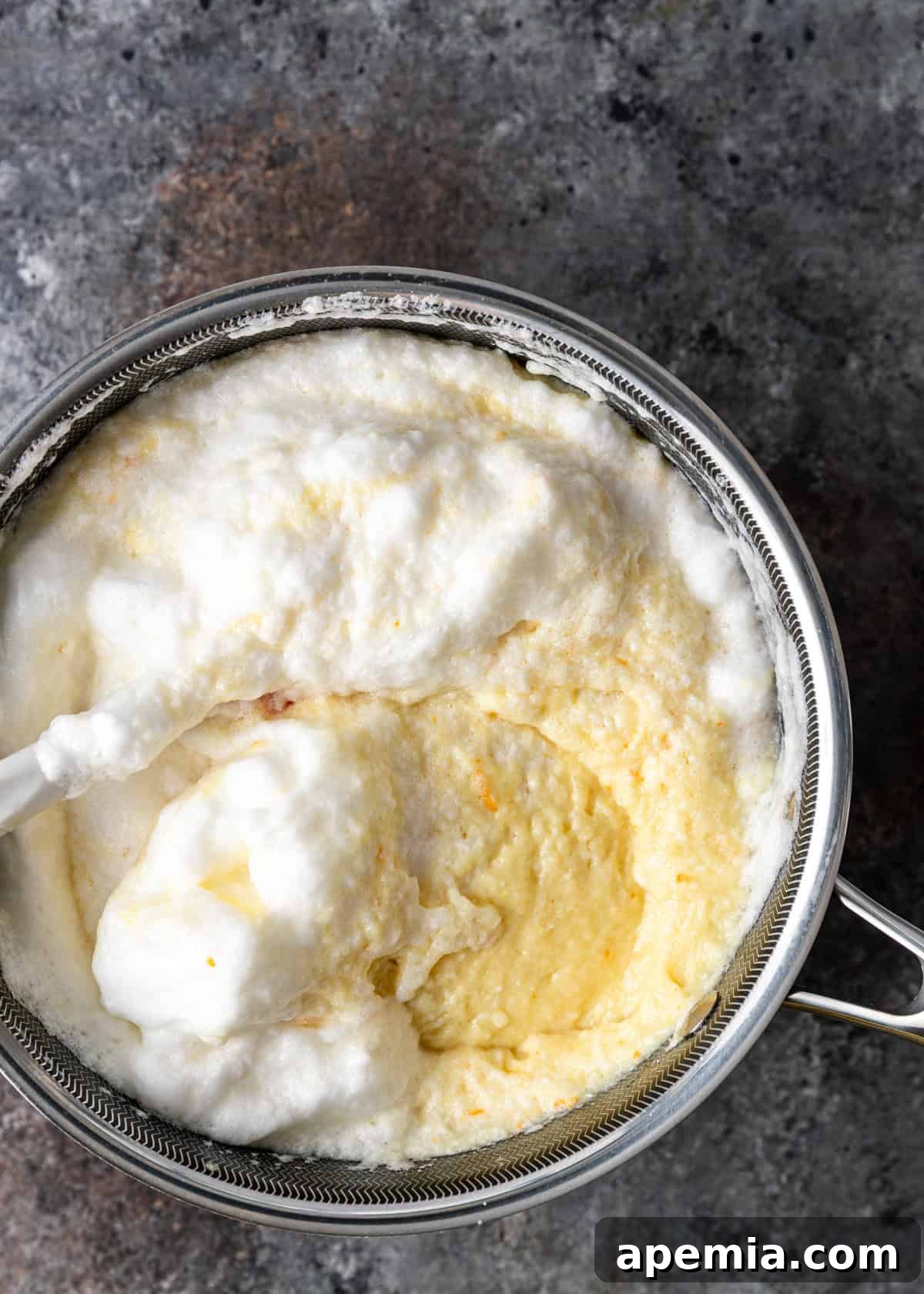
- Fold in Whipped Egg Whites. In a clean, separate bowl, beat the egg whites with an electric mixer until they form firm, stiff peaks. This adds lightness and an airy texture to the custard. Take a spoonful of the beaten egg whites and stir it into the warm semolina custard to gently loosen it. Then, carefully fold in the remaining egg whites in two additions, using a spatula, until just combined. Be gentle to maintain as much air as possible.
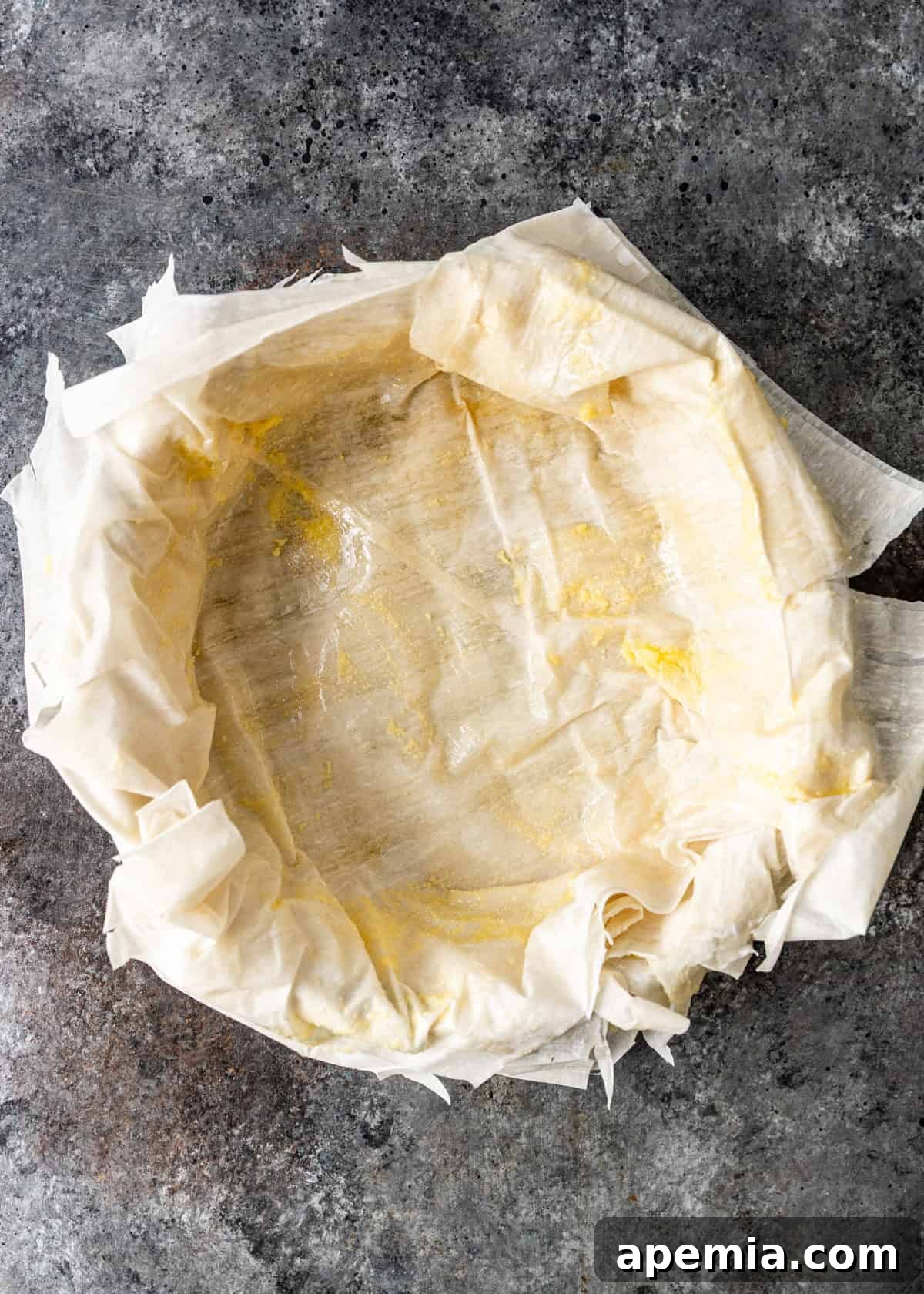
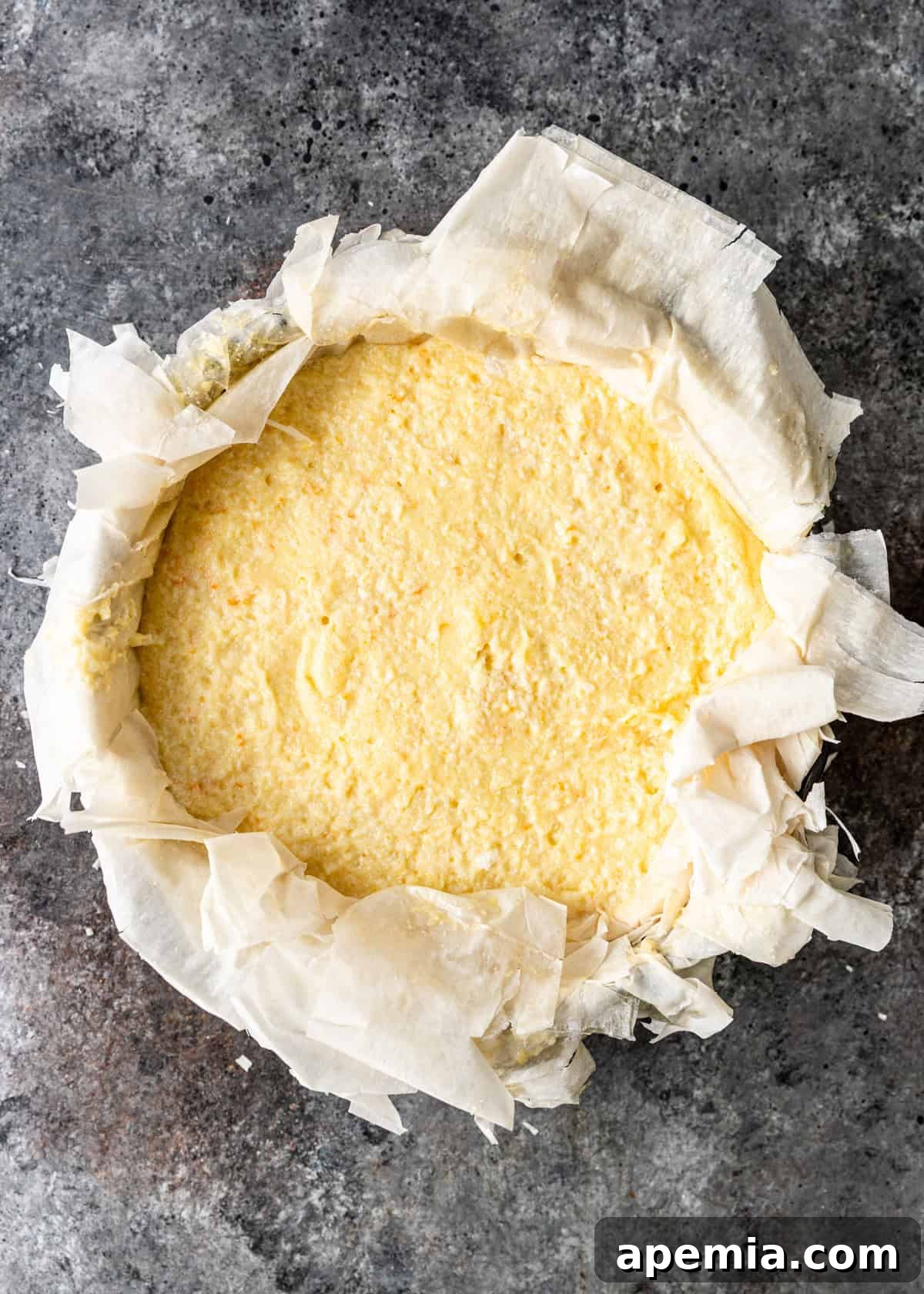
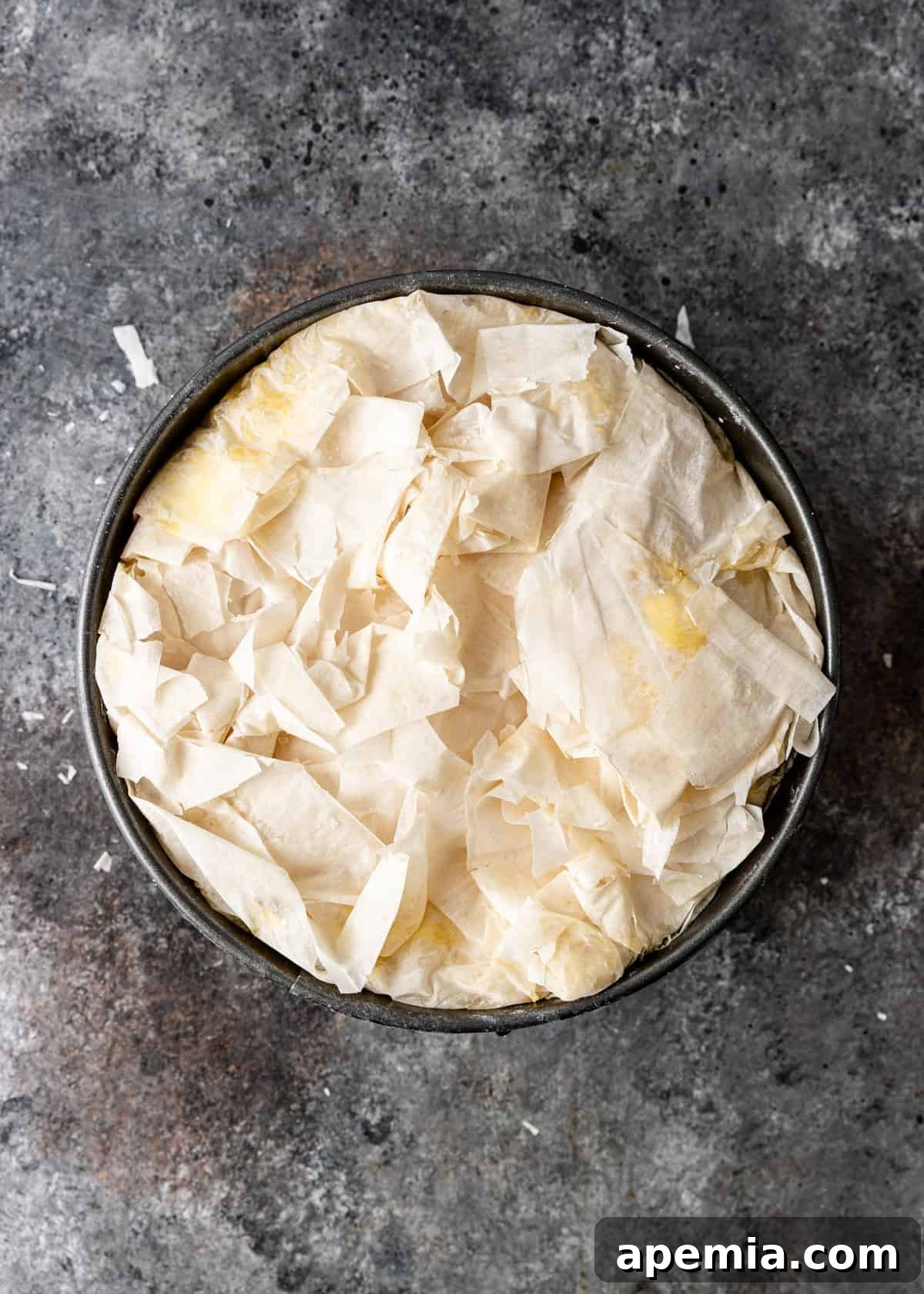
- Assemble the Pie. Lightly grease an 8-inch springform pan. Carefully lay out 6 sheets of phyllo dough, brushing each sheet generously with melted butter before layering. Arrange them in alternating directions, allowing the excess phyllo to overhang the sides of the pan – do not trim them. This overhang will create a protective barrier for the custard and a rustic edge. Pour the prepared semolina custard evenly into the phyllo-lined pan. Top the custard with 5 more sheets of buttered phyllo dough, brushing each layer with melted butter as before. Now, carefully fold the overhanging phyllo from the bottom layers towards the center of the pie. Finally, place the last buttered phyllo sheet on top, tucking its edges neatly into the sides of the pan to create a sealed top.
- Bake to Golden Perfection. Preheat your oven to 325 degrees F (160 degrees C). Place the assembled Galaktoboureko on a baking sheet (as per Kevin’s tip to prevent spillage) and bake for approximately 60 minutes, or until the phyllo is gloriously golden brown and the custard has set. Around the 30-minute mark, check the pie; if the top is browning too quickly, loosely cover it with aluminum foil to prevent burning.
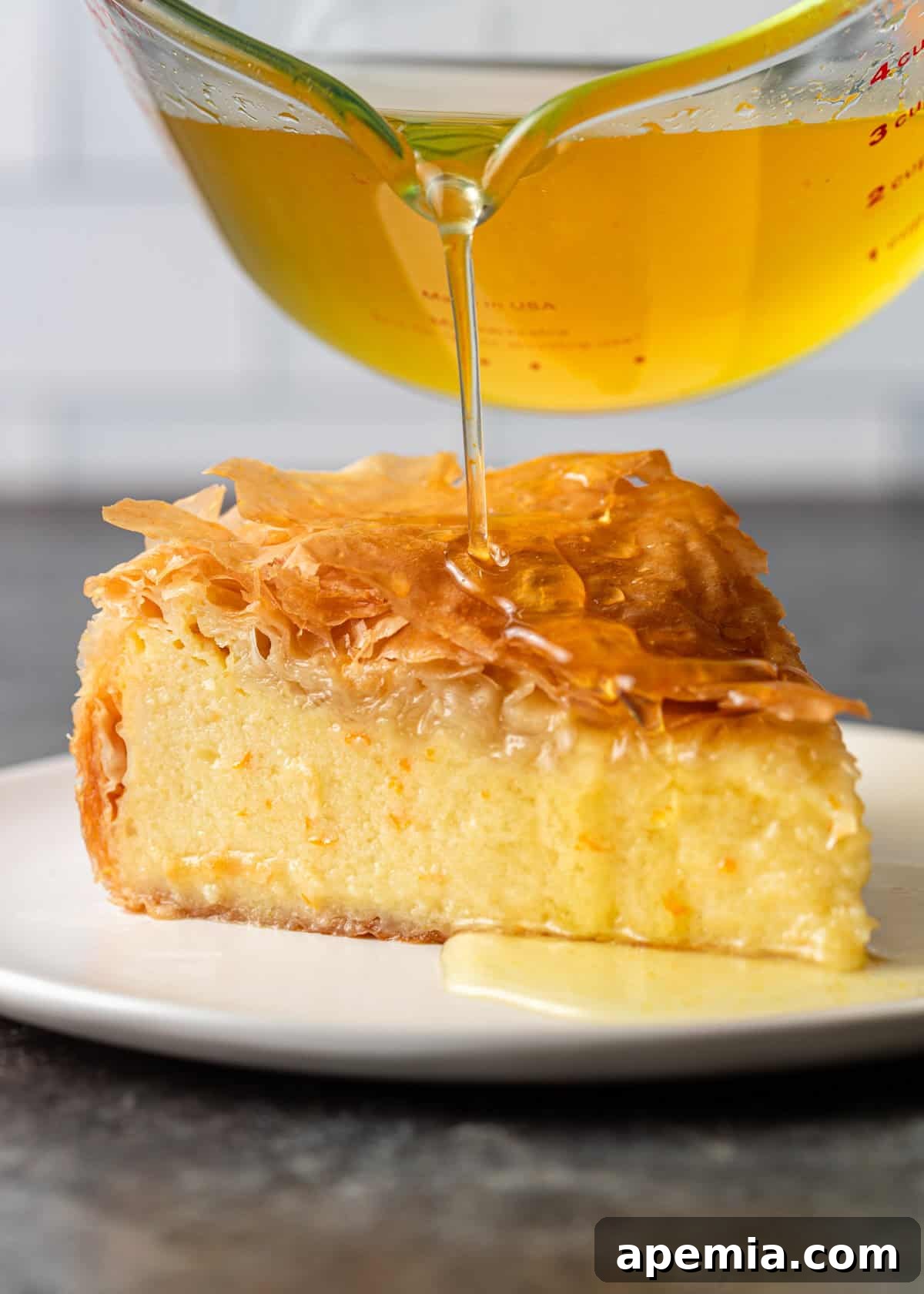
- Drizzle and Serve. Once baked, remove the Galaktoboureko from the oven. Immediately and generously pour half of the *cool* citrus syrup evenly over the *hot* pie. This temperature contrast is vital for achieving that desirable crisp phyllo texture. Allow the pie to cool completely to room temperature before attempting to release it from the springform pan. This cooling period is crucial for the custard to fully set. Once cooled, carefully slice into individual portions using a sharp, serrated knife. Drizzle each slice with the remaining cool syrup just before serving and enjoy! As they say in Greece, “Yamas!” – To your health!
Recommended Tools for Galaktoboureko
- 8-Inch Springform Pan – This is an indispensable tool for baking Galaktoboureko. Given that this Greek filo custard pie has multiple delicate layers and a creamy custard filling that needs to set properly, a springform pan is ideal. Its removable sides allow for incredibly easy removal of your beautiful dessert without any risk of damaging the fragile phyllo or the perfectly set custard, ensuring a pristine presentation every time.
- Pastry Brush – Essential for evenly coating each phyllo sheet with melted butter, creating those signature crisp and golden layers.
- Saucepans (small and medium) – Needed for preparing the syrup and cooking the custard.
- Electric Mixer – Great for whisking egg yolks and beating egg whites to stiff peaks, ensuring a smooth and airy custard.
- Zester – For extracting fragrant orange zest for both the custard and the syrup.
- Serrated Knife – The best tool for cleanly slicing through the crisp phyllo and creamy custard without crushing the layers.
Storing and Reheating Galaktoboureko
Galaktoboureko is best enjoyed fresh, but leftovers can be stored. Place any remaining portions in an airtight container and refrigerate for up to 4 days. While the flavors will remain delightful, it’s worth noting that the phyllo pastry will gradually lose some of its initial crispness and soften over time due to the moisture from the custard and syrup. For an extra touch of freshness when serving leftovers, consider refrigerating some syrup separately and drizzling it over the individual slices just before eating. This can help revive some of the dessert’s original moisture and sweetness.
I generally do not recommend freezing this dessert. The delicate semolina custard, upon thawing, tends to undergo a textural change, often becoming grainy or watery, which significantly detracts from the desired creamy consistency. It’s best to enjoy this Greek delicacy within a few days of preparation.
Share this recipe on Pinterest!
Love this recipe? Share it with the world on Pinterest.
Frequently Asked Questions about Galaktoboureko
Lumpy custard is a common issue that often arises from adding the warm milk mixture to the egg yolks too quickly. To prevent this, it’s crucial to “temper” the egg mixture slowly. Gradually drizzle a small amount of the warm milk into the egg yolks while whisking vigorously and continuously. This gentle process gradually raises the temperature of the eggs without cooking them instantly, ensuring a silky-smooth custard. Always make sure you’re beating the mixture consistently as you combine the two components.
The secret to maintaining crisp phyllo pastry in Galaktoboureko lies in the temperature contrast between the syrup and the pie. It’s imperative that you pour *cool* or room-temperature syrup over a *hot* phyllo pastry straight out of the oven. This temperature difference creates a slight shock that helps the phyllo retain its crispness while absorbing the delicious syrup. If the syrup is too warm or the phyllo has cooled too much, the pastry will absorb the syrup too rapidly and become soft and soggy.
After baking, it’s essential to allow your filo custard pie to cool completely to room temperature. This crucial step gives the semolina custard ample time to fully set and firm up, ensuring clean, beautiful slices. Traditionally, Galaktoboureko is served either cold or at room temperature. However, for those who prefer a more indulgent experience, you can gently microwave an individual slice for a few seconds; this will warm the custard, making it delightfully gooey and comforting.
You can prepare certain components in advance. The syrup can be made a day or two ahead and stored in the refrigerator. The custard can also be made a day in advance, cooled, and refrigerated, but it should be gently re-whisked before incorporating the egg whites and assembling. For the best texture, it’s ideal to assemble and bake the Galaktoboureko on the same day it will be served, or at most, the day before.
Phyllo dough is notoriously delicate and dries out quickly. To handle it effectively, thaw it overnight in the refrigerator, then bring it to room temperature for about an hour before use. Keep the unworked phyllo sheets covered with a damp (but not wet) kitchen towel while you work to prevent them from drying and cracking. Work quickly and brush each sheet generously with melted butter to ensure flakiness.
Galaktoboureko (Greek Filo Custard Pie)
8
1 hour
1 hour
2 hours
Saved
Pin Recipe
PrintRecipe
Equipment
-
8-inch springform pan
Video
Ingredients
-
4
eggs
separated -
3/4
cup
white sugar -
1
tsp
vanilla extract -
1/2
cup
semolina -
2 1/4
cups
whole milk -
2
cups
heavy cream -
1
large orange
zest -
12
sheets
phyllo dough -
1/2
cup
melted unsalted butter
Syrup
-
1
large orange
zest -
2 1/3
cups
white sugar -
1 1/3
cup
water -
1
cinnamon stick -
2
tbsp
lemon juice -
1
tbsp
honey
Metric
Instructions
Syrup
-
To ensure proper cooling before pouring over the warm galaktoboureko, prepare the syrup first. In a small saucepan, combine the sugar, water, cinnamon stick, zest of 1 orange, and lemon juice. Bring the mixture to a boil over medium heat, stirring until all the sugar has completely dissolved. Once boiling, remove the saucepan from the heat and stir in the honey until fully incorporated. Set the syrup aside to cool down to room temperature.
Custard
-
In a medium saucepan over medium-low heat, gently warm the milk, heavy cream, and zest from the second orange. Stir frequently to prevent scorching. Do not allow the mixture to come to a boil; simply heat it until it’s steaming.
-
In a separate large bowl, use an electric mixer to beat the egg yolks, sugar, and vanilla extract until the mixture is pale yellow and creamy. Gradually beat in the semolina until well combined. Slowly, while continuously whisking, pour about a cup of the warm milk mixture into the egg yolk mixture to temper the eggs. Then, pour the tempered egg mixture back into the saucepan with the remaining warm milk. Cook this mixture over low heat, stirring constantly with a whisk or wooden spoon, for about 8-10 minutes, until the custard thickens considerably to a pudding-like consistency.
-
In another clean bowl, beat the egg whites to stiff, but not dry, peaks. To lighten the custard, gently stir a spoonful of the beaten egg whites into the warm semolina custard. Then, using a spatula, carefully fold in the remaining egg whites in two additions until just combined. Be careful not to deflate the egg whites too much.
Assemble & Bake
-
Lightly grease an 8-inch springform pan. Carefully unroll your phyllo dough. Take 6 sheets of phyllo dough, brushing each sheet generously with melted butter as you layer them into the springform pan. Alternate the direction of the phyllo sheets so that the excess overhangs the sides of the pan (do not trim it off).
-
Pour the prepared custard evenly into the phyllo-lined pan. Repeat the buttering and layering process with the remaining 5 phyllo sheets on top of the custard. Once the top layers are in place, carefully fold all the overhanging phyllo from the bottom layers towards the center of the top of the pie. Finally, place the last buttered phyllo sheet on top, gently tucking its edges into the sides of the pan for a neat finish.
-
Preheat your oven to 325°F (160°C).
-
Place the assembled Galaktoboureko (still in its springform pan) on a baking sheet to catch any potential butter leakage. Bake for 60 minutes, or until the phyllo is golden brown and the custard has set. If you notice the top browning too quickly after about 30 minutes, loosely cover the pie with aluminum foil to prevent burning.
-
Remove the Galaktoboureko from the oven. Immediately and generously pour half of the *cool* orange syrup over the *hot* pie. This temperature difference is crucial for a crisp phyllo. Allow the entire pie to cool completely to room temperature before attempting to release it from the springform pan. This cooling period is vital for the custard to set properly.
-
Once cooled, use a sharp serrated knife to carefully slice the Galaktoboureko into 8 even slices. Serve individual slices with the remaining syrup drizzled generously on top for an extra burst of sweetness and aroma. Enjoy this classic Greek dessert!
Notes
Nutrition
Calories:
798
kcal
|
Carbohydrates:
105
g
|
Protein:
11
g
|
Fat:
39
g
|
Saturated Fat:
23
g
|
Polyunsaturated Fat:
2
g
|
Monounsaturated Fat:
11
g
|
Trans Fat:
0.5
g
|
Cholesterol:
188
mg
|
Sodium:
305
mg
|
Potassium:
302
mg
|
Fiber:
2
g
|
Sugar:
81
g
|
Vitamin A:
1534
IU
|
Vitamin C:
19
mg
|
Calcium:
164
mg
|
Iron:
2
mg
The information shown is an estimate provided by an online nutrition calculator. It should not be considered a substitute for a professional nutritionist’s advice.
desserts
Greek
Kevin
Have You Made This Recipe? Let Me Know on Instagram
Tag @keviniscooking or tag me #keviniscooking!