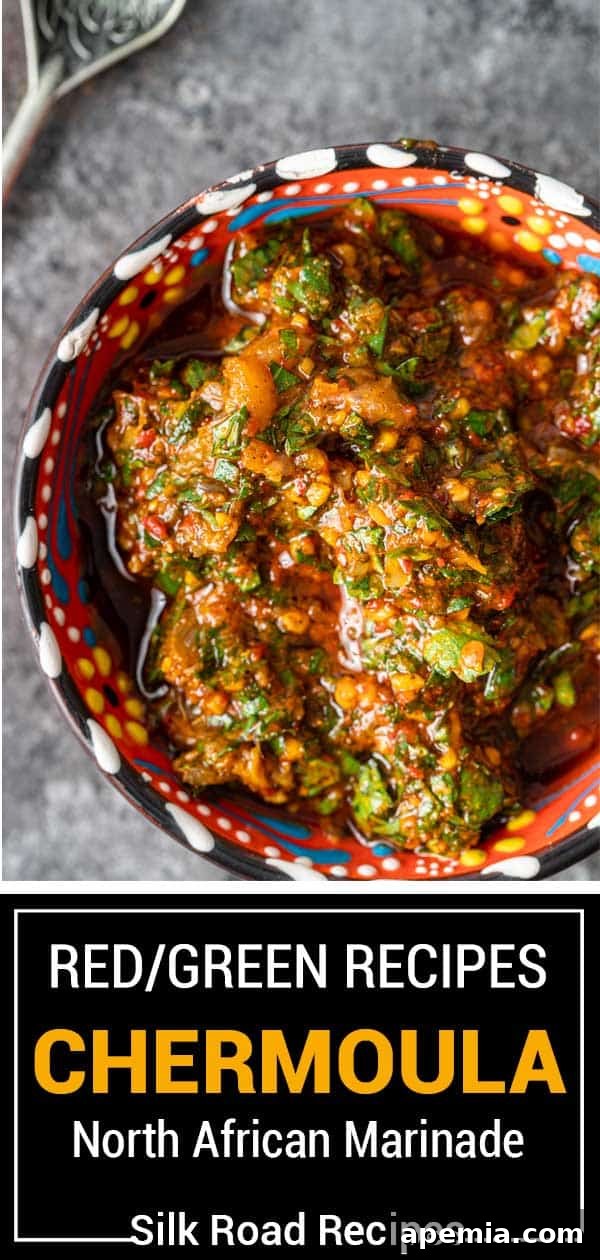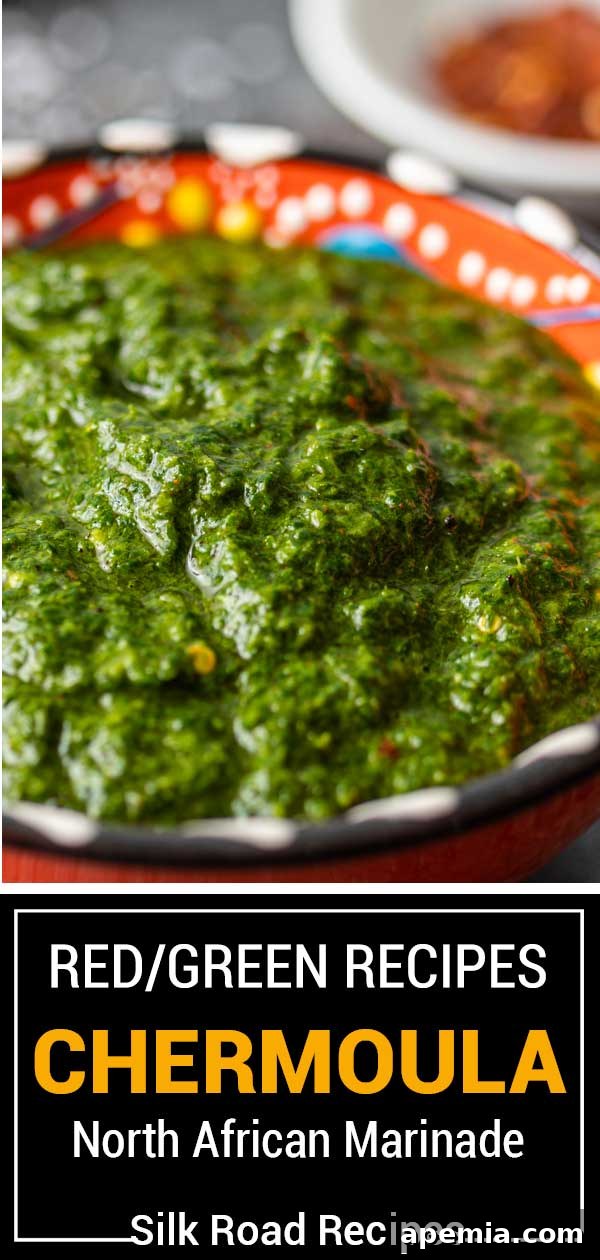
Chermoula: The Essential North African Relish – Two Vibrant Recipes
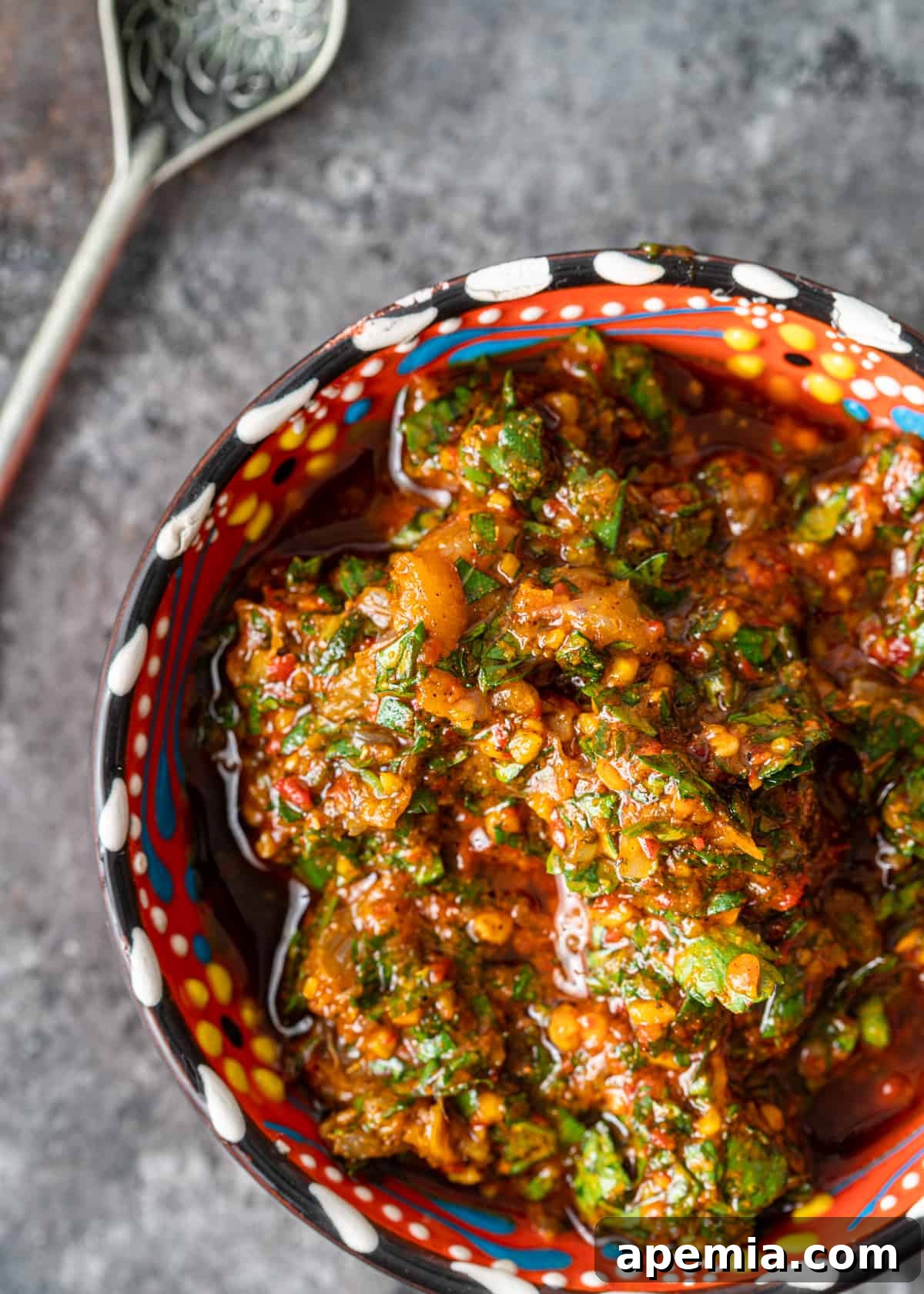
Dive into the heart of North African cuisine with Chermoula, an incredibly aromatic and versatile herbal relish that promises to transform your meals. Bursting with fresh herbs, tangy preserved lemons, pungent garlic, and a symphony of spices, chermoula is much more than just a sauce – it’s a flavor revelation. Whether you prefer a bold, peppery red version or a bright, fresh green rendition, you can whip up this culinary gem in just 5 minutes. Prepare to elevate everything from grilled meats and roasted vegetables to simple spreads and dips with this exquisite North African staple.
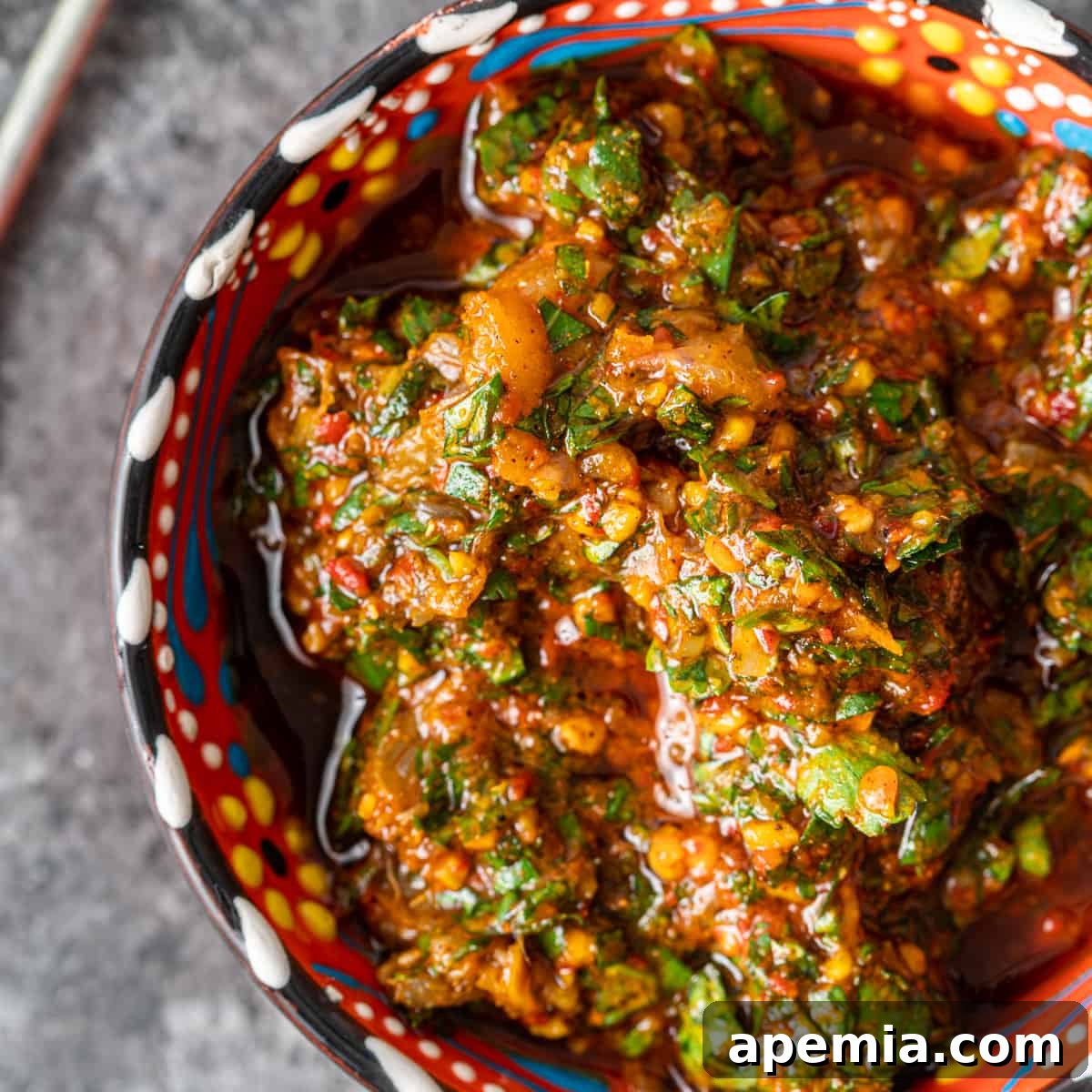
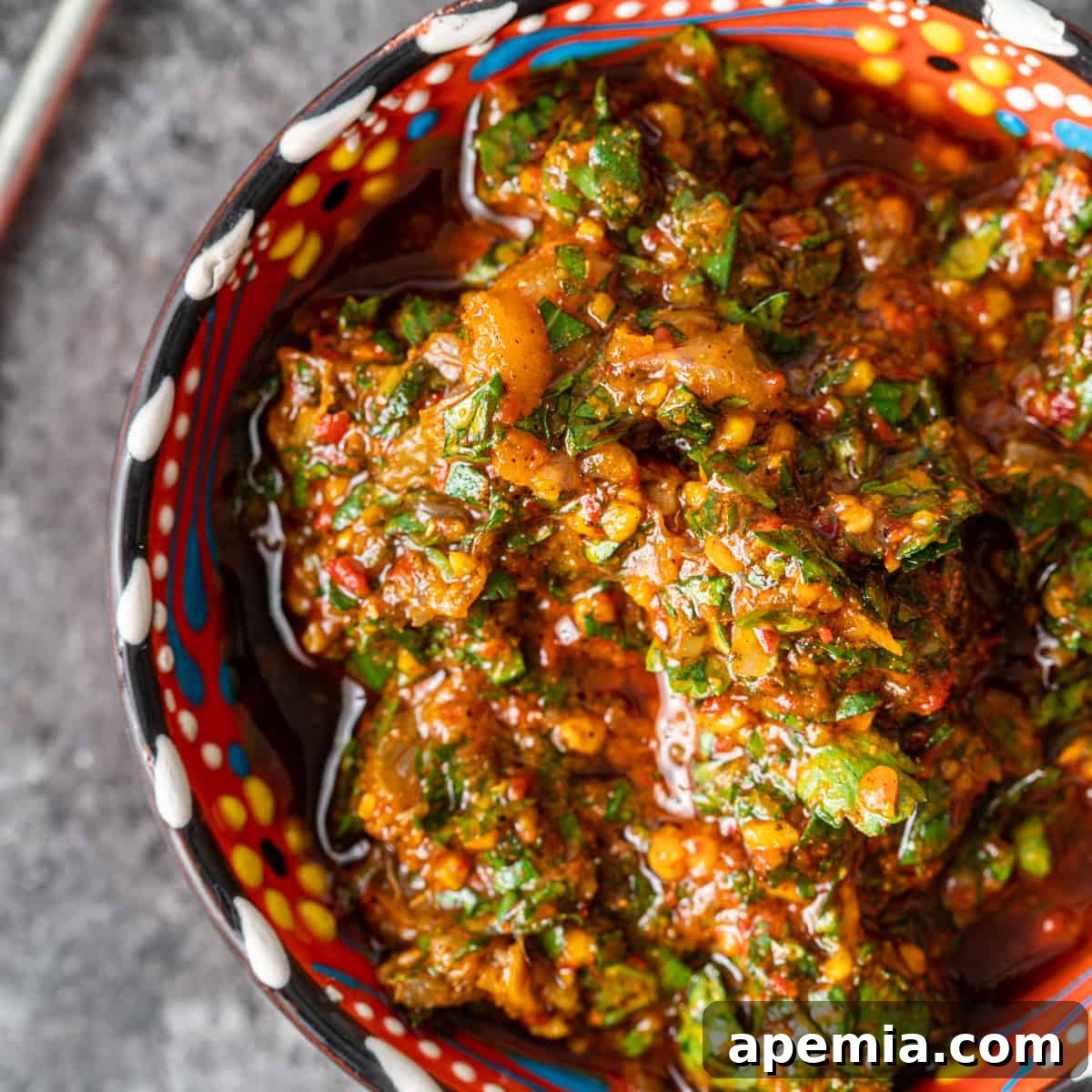
This beloved North African herbal relish is renowned for its super aromatic profile, refreshing zest, and remarkable versatility. To guide you on your culinary journey, we’re presenting two distinct yet equally captivating versions of this chermoula recipe: the fiery red and the vibrant green.
While both variations share a handful of core ingredients, they each boast unique characteristics and flavor nuances. The beauty of chermoula lies in its adaptability; feel free to experiment and adjust the ingredients slightly to make it spicier, more herbal, tangier, or any way that perfectly complements your intended use!
Table of Contents
- The Two Faces of Chermoula: Red vs. Green
- Essential Ingredients and Clever Substitutions
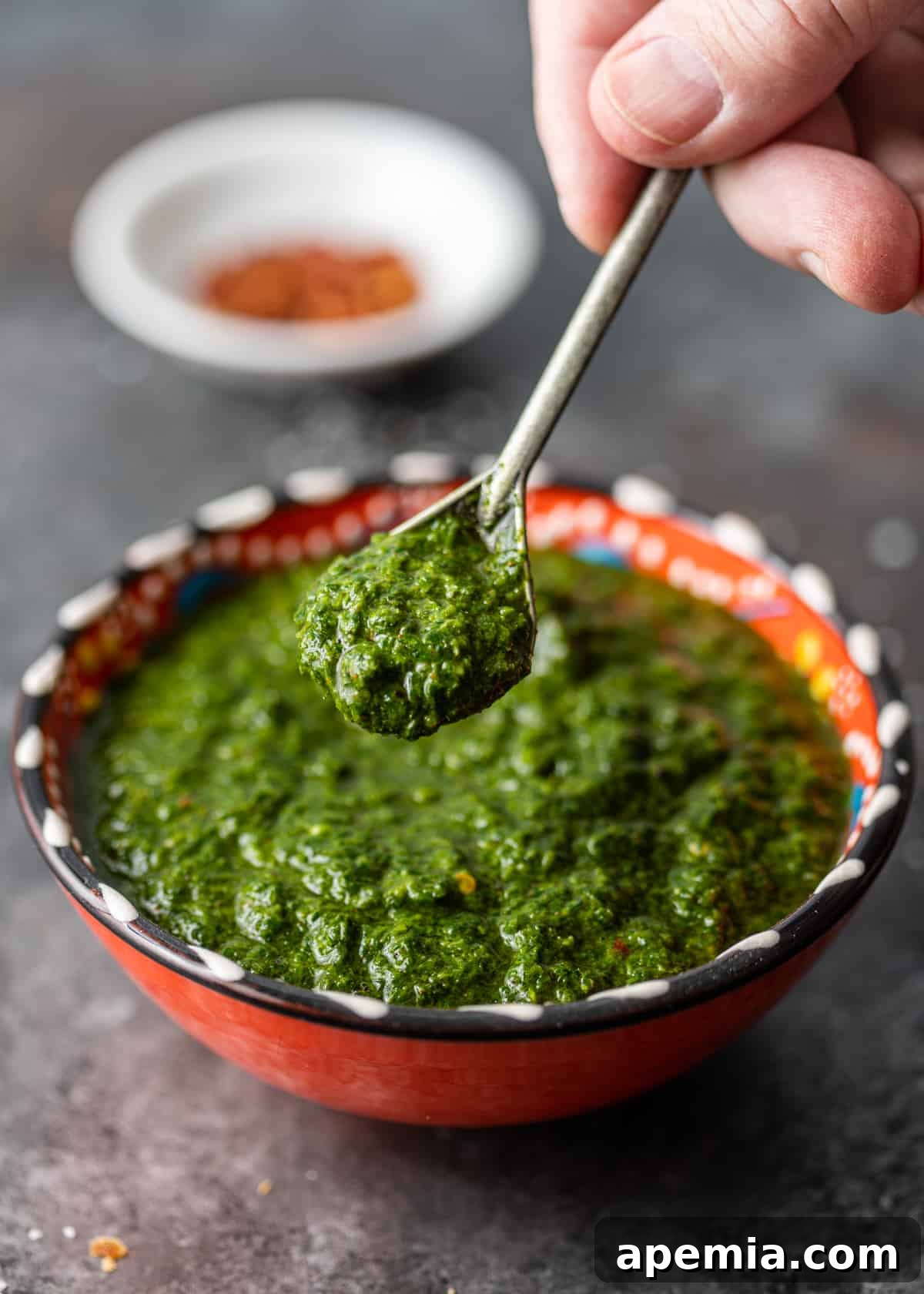
- How to Master Red Chermoula
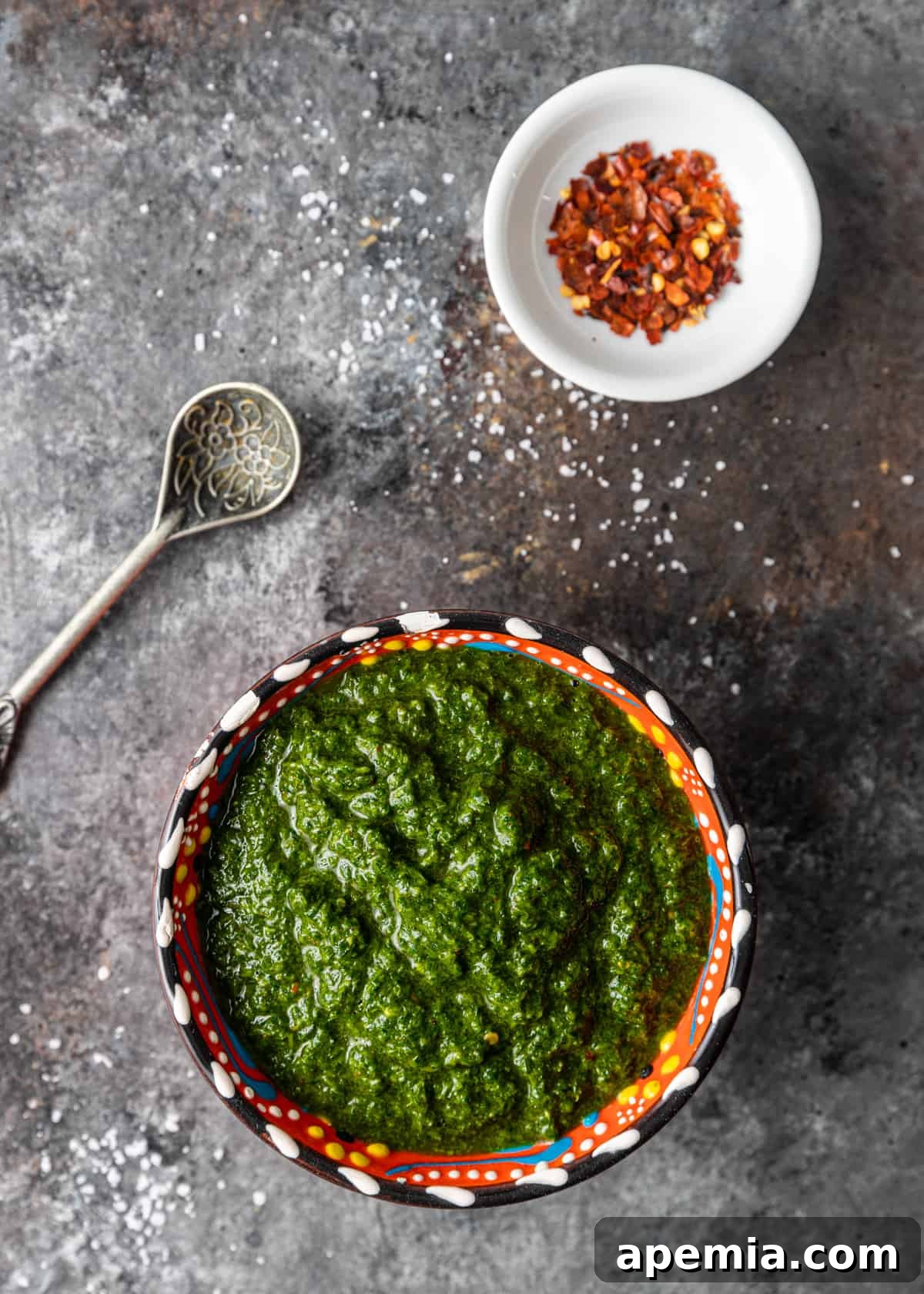
- How to Prepare Green Chermoula
- Recommended Kitchen Tools
- Storing Your Chermoula
- Frequently Asked Questions About Chermoula
- Chermoula (North African Relish) Recipe Card
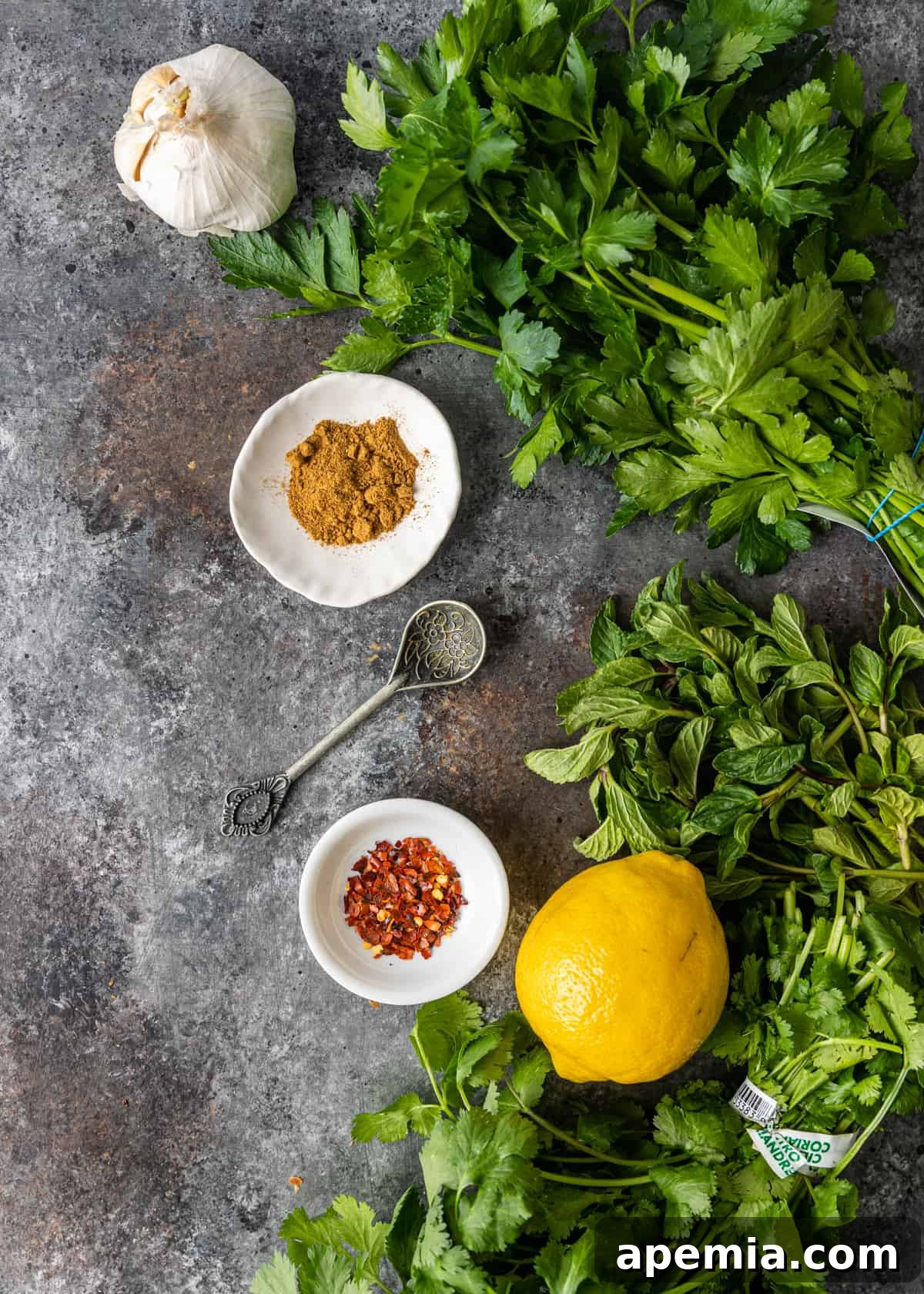
For both the red and green variations, the secret to achieving truly authentic and exceptional chermoula lies in always using the freshest herbs, an abundance of garlic, and genuine North African ingredients. These key elements impart the characteristic brightness and unparalleled aroma that define this relish. Don’t shy away from incorporating staples like preserved lemons, the complex Ras el Hanout spice blend, and the bold harissa. Each of these components plays a vital role in creating the rich, layered flavors of traditional chermoula.
Once you’ve effortlessly blended your chosen green or red chermoula – a process that takes mere minutes! – the possibilities for its use are boundless. Will you stir it into a fluffy couscous, enrich a hearty stew, or brighten a fragrant tagine? Perhaps you’ll use it to marinate chicken, infusing it with deep flavor, or simply stir it into a creamy dip. The options are truly endless! Personally, one of my absolute favorite meals is the incredibly flavorful Moroccan Chermoula Chicken, which shines brightest with the robust red chermoula.
The Two Faces of Chermoula: Red vs. Green
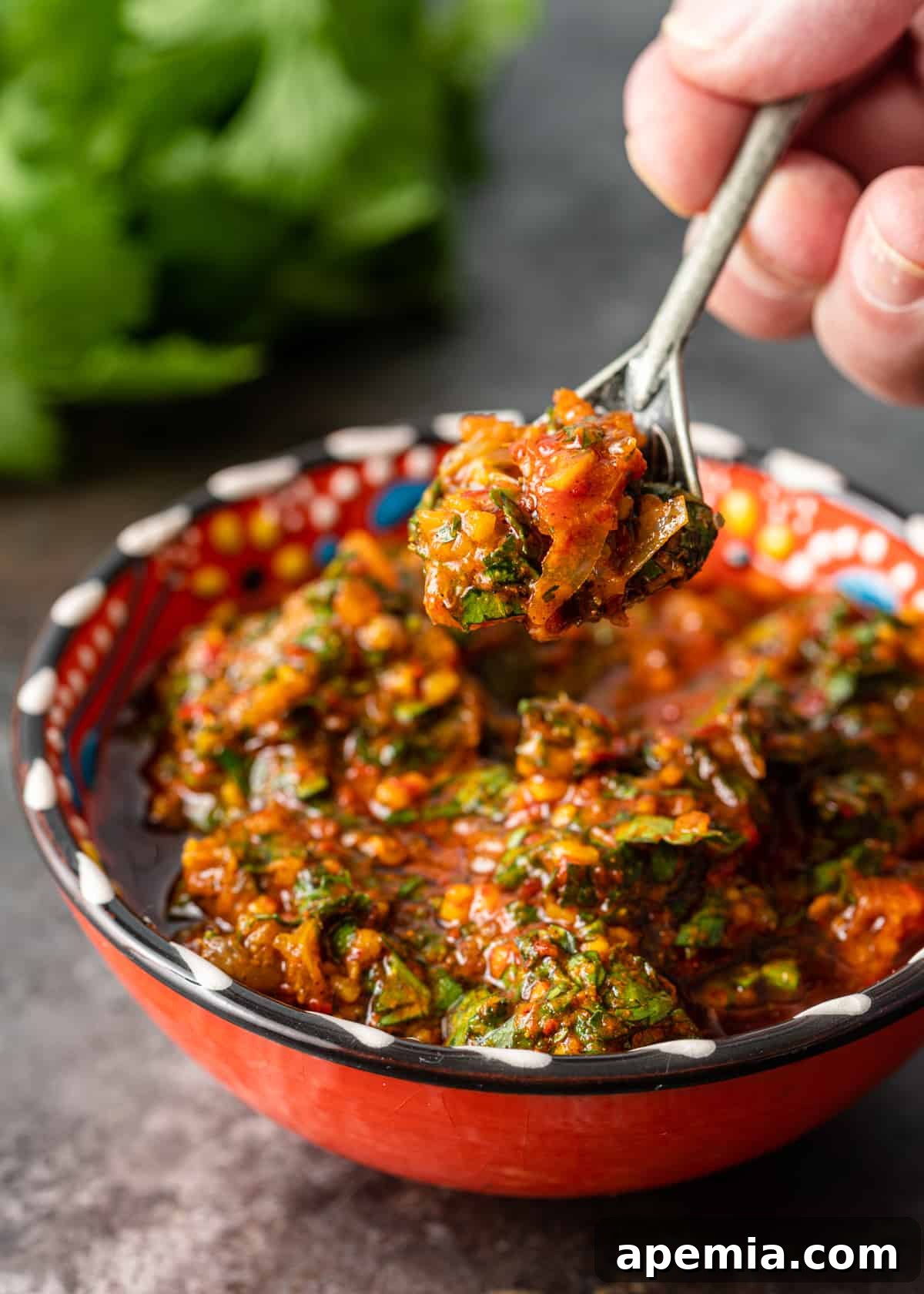
When most people think of chermoula, they often picture the vibrant green version, which is quite prevalent in modern cooking circles and shares a visual resemblance to chimichurri, a popular South American sauce. However, allow me to introduce you to the truly remarkable red chermoula! My first encounter with this version was in Cairo a few years ago, and it completely captivated me. Its depth of flavor and exquisite texture instantly made it my preferred choice between the two. Both types proudly feature the aromatic Moroccan Ras el Hanout spice blend, but the red version takes it a step further with the inclusion of intensely savory preserved lemon and the smoky heat of harissa paste. The result is nothing short of a delightful flavor explosion, offering a more complex and robust experience that truly stands out.
Essential Ingredients and Clever Substitutions
(For precise measurements and quantities, always refer to the full recipe card below.)
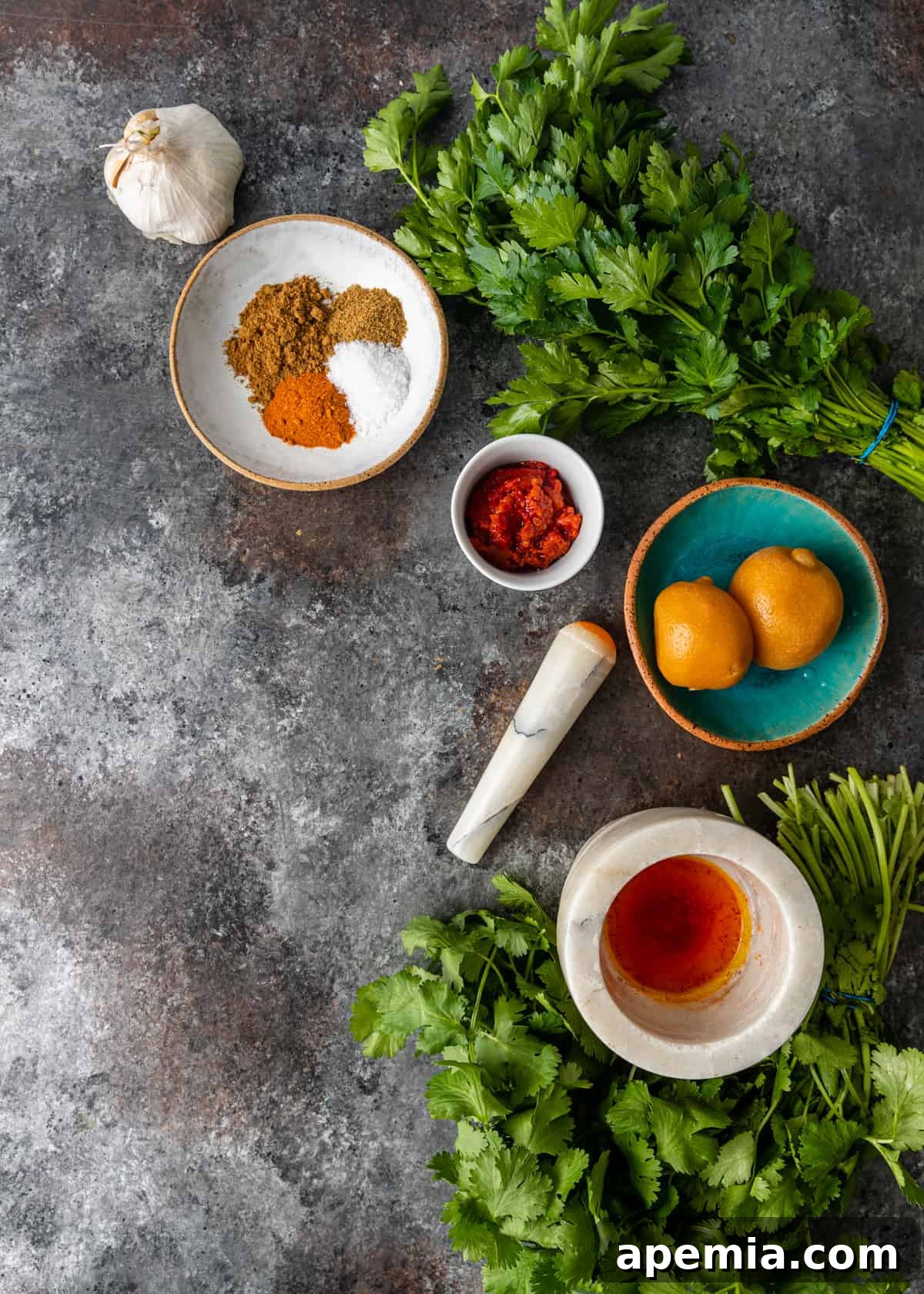
- Garlic: The backbone of any good chermoula. Begin with four cloves for a balanced flavor, but don’t hesitate to add more if you crave a bolder, more pungent kick. Freshly minced garlic is always best.
- Olive Oil: A high-quality extra virgin olive oil is highly recommended. Its fruity and slightly peppery notes complement the other ingredients beautifully and help to meld all the flavors together, creating a smooth and luscious texture.
- Cilantro: This herb provides a distinct, refreshing, and slightly citrusy note crucial to chermoula’s character. For those who possess the gene that makes cilantro taste like soap, fear not! You can easily substitute it with an increased amount of fresh parsley to maintain an herbal vibrancy.
- Parsley: Offering bright, lemony, and peppery undertones, fresh parsley is incredibly refreshing and essential for both versions of chermoula. It adds a vibrant green hue and a clean, crisp flavor.
- Ras el Hanout: Meaning “head of the shop,” this complex North African spice blend is truly non-negotiable for authentic chermoula. It offers a warm, earthy, and subtly floral profile that cannot be replicated. I highly recommend seeking it out at a specialty market or, for the adventurous chef, whipping up your own blend. Its intricate layers of flavor are truly irreplaceable.
- Red Chermoula Specifics: This fiery, pepper-filled chermoula variation includes a few additional ingredients that give it its signature color and depth:
- Saffron: Valued for its luxurious deep red hue and its delicate, honey-like, floral sweetness. Saffron adds an unparalleled aroma and a touch of exotic elegance to the red chermoula.
- Preserved Lemons: These intensely sour and tangy lemons, preserved in salt and spices, are a hallmark of Moroccan cuisine. They provide a unique depth of umami and citrus that fresh lemons can’t quite match. I often make them myself, but if unavailable, a combination of fresh lemon juice and zest can serve as a decent substitute, though the flavor profile will be slightly different.
- Harissa: A highly aromatic, zesty red pepper paste originating from Morocco, harissa is key to the red chermoula’s vibrant color and spicy kick. While other chili pastes can provide heat, none will quite capture harissa’s iconic smokiness, floral undertones, and citrusy brightness.
- Sweet Paprika: Opt for sweet paprika, not smoked. It contributes to the red color and adds a mild, fruity sweetness without overpowering the other spices.
- Cumin: Earthy and nutty, ground cumin provides a warm foundation that beautifully balances the brighter flavors in the red chermoula.
- Green Chermoula Specifics: The refreshing green version is characterized by its bright, herbaceous notes:
- Mint: The inclusion of fresh mint leaves delivers a cool and invigorating sensation, defining the distinctive flavor of green North African relish. If mint isn’t to your taste, you can simply substitute it with additional cilantro or parsley.
- Red Pepper Flakes: While less fiery than its red counterpart, a touch of red pepper flakes provides a subtle yet satisfying kick, adding a hint of warmth to this otherwise herbal chermoula.
- Lemon Juice: Unlike the salty, potent preserved lemons used in the red version, green chermoula relies on just a tablespoon of fresh lemon juice for a clean, vibrant burst of brightness.
How to Master Red Chermoula
Creating the rich and complex red chermoula is a simple process, yielding incredible depth of flavor:
- Bloom the Saffron: Begin by gently grinding the delicate saffron threads. You can do this by hand between your fingers, or for a finer grind, use a mortar and pestle. Transfer the ground saffron to a small bowl and add a little warm water (about 2 tablespoons). Stir gently and allow the saffron to steep and “bloom” for a few minutes. This crucial step extracts its maximum color and intense aroma, resulting in a beautiful deep ruby-red liquid.
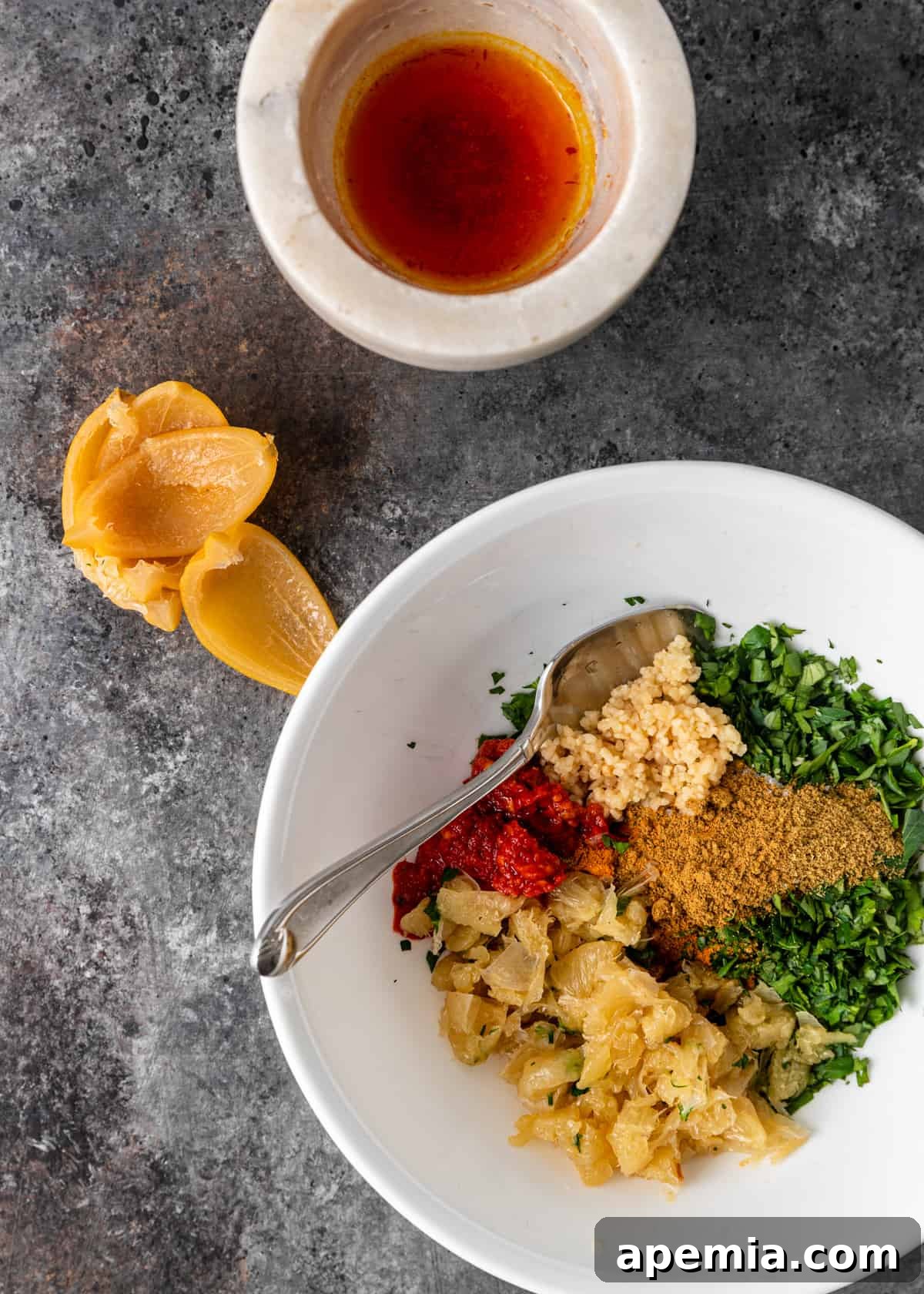
- Prepare the Preserved Lemons: Take your preserved lemons and slice them into quarters. Carefully peel away the rinds and set them aside; these are excellent for other recipes, perhaps even a flavorful salad topping! Discard any seeds found within the pulp. Roughly chop the remaining tangy pulp into small pieces and transfer it to a mixing bowl.
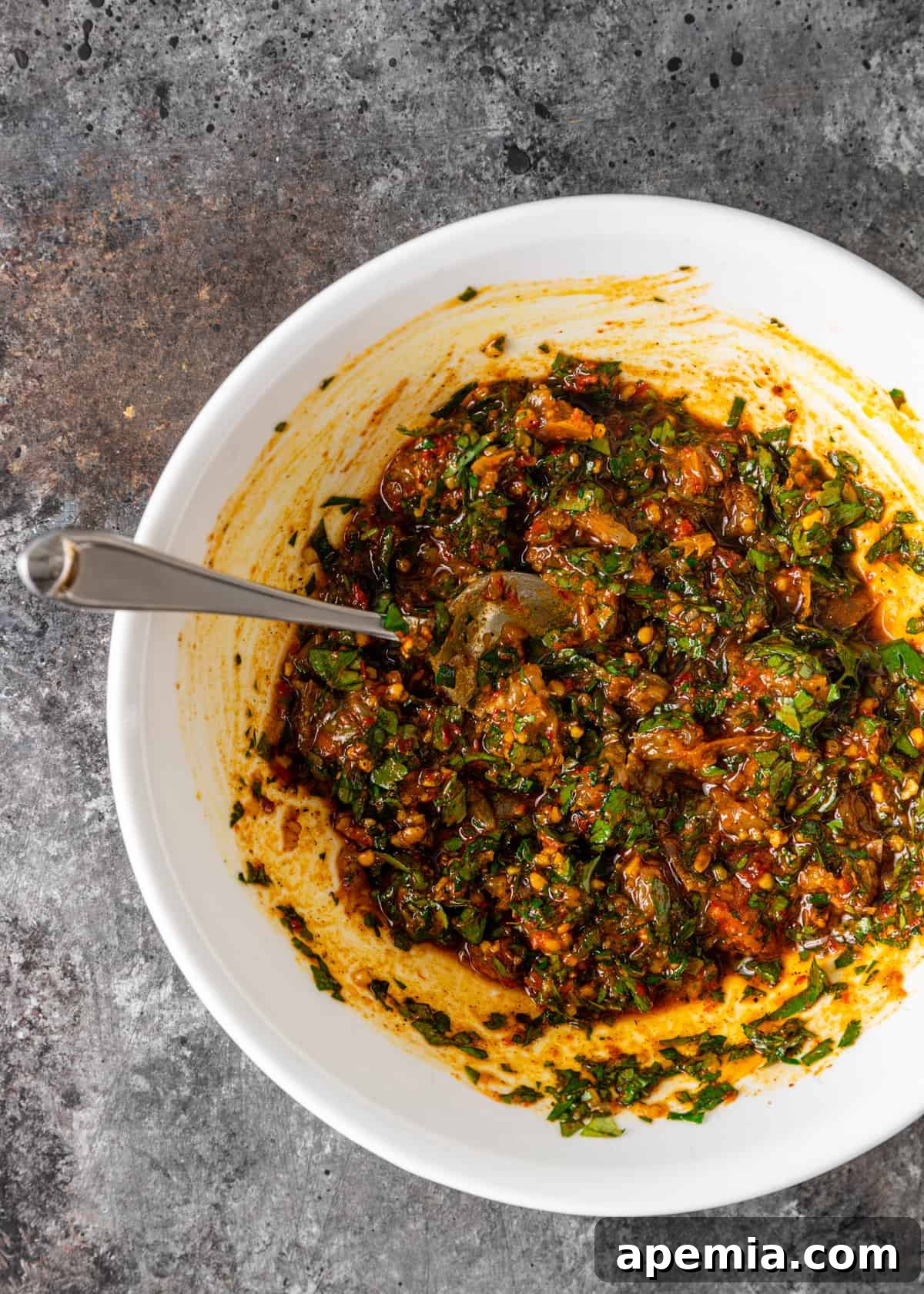
- Combine and Blend: Add all the remaining ingredients for the red chermoula to the bowl containing the chopped preserved lemon pulp. This includes your freshly minced garlic, chopped herbs, olive oil, harissa, Ras el Hanout, salt, sweet paprika, ground cumin, and the bloomed saffron (along with its soaking water). Stir everything together thoroughly until all ingredients are well combined and the mixture has a rich, uniform texture. Your vibrant red chermoula is now ready to infuse your dishes with authentic North African zest!
How to Prepare Green Chermoula
The green chermoula is remarkably simple to prepare, making it a quick and effortless addition to your culinary repertoire:
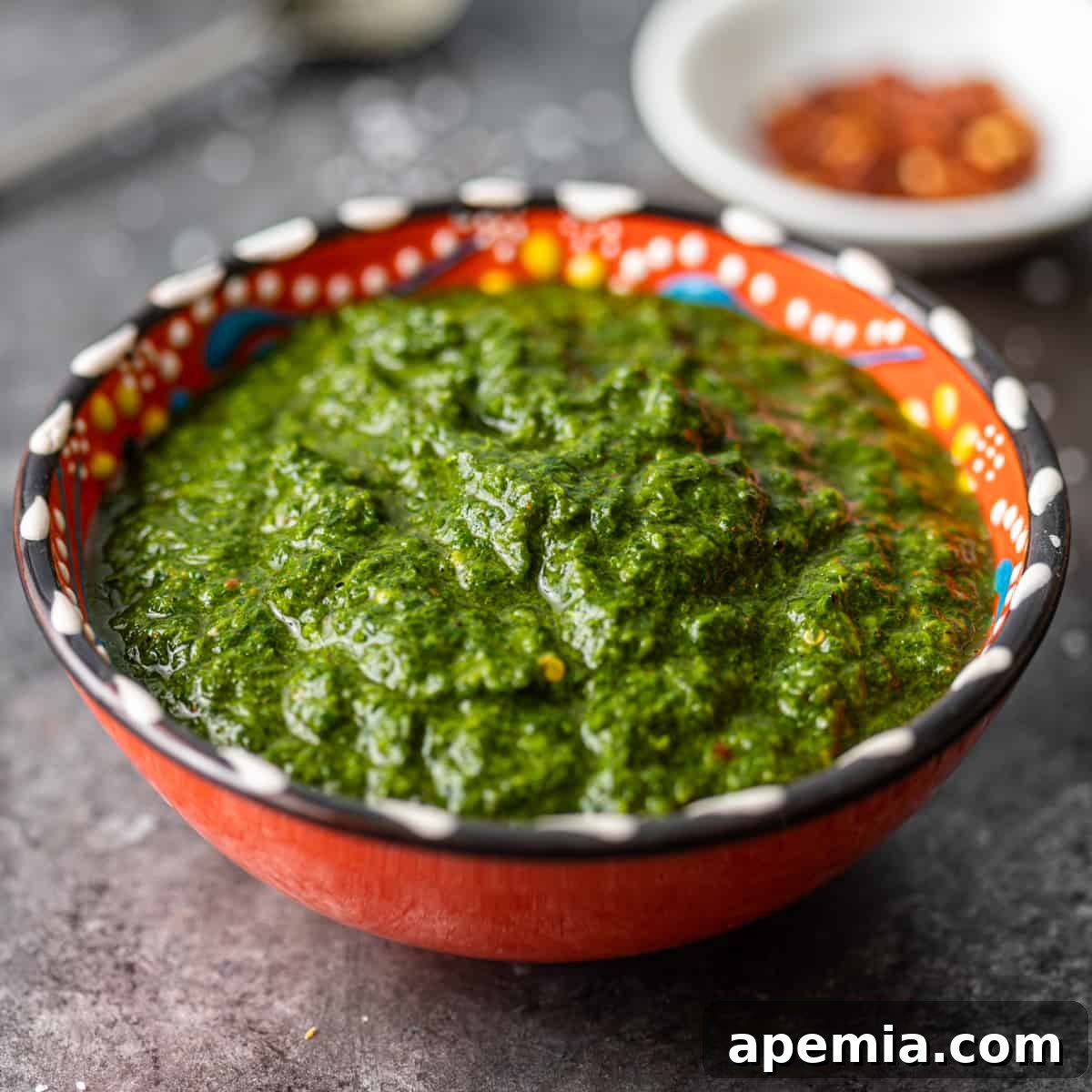
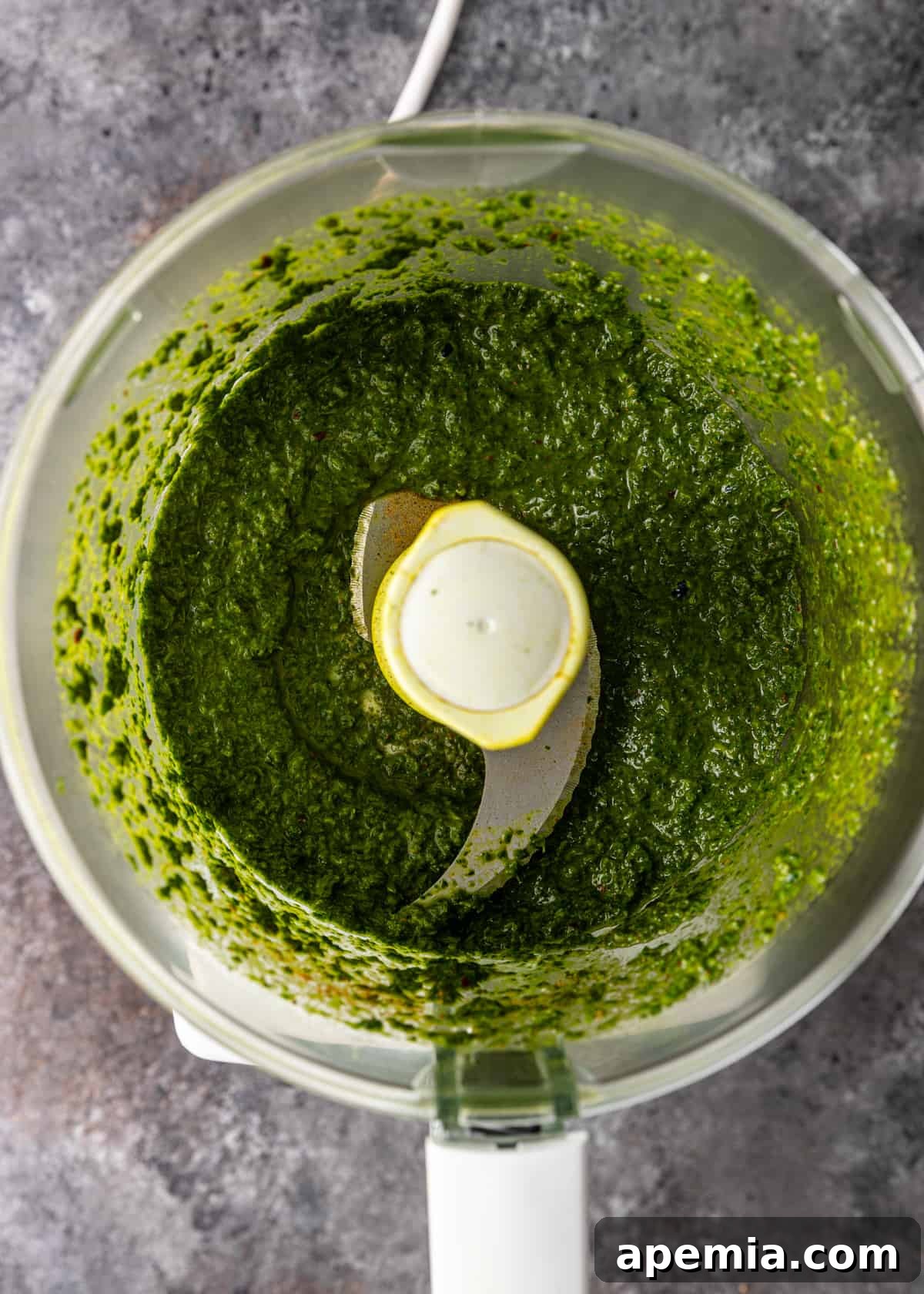
- Simply Purée: Preparing green chermoula couldn’t be easier. Gather all the ingredients for the green version and add them directly into a food processor, a standard blender, or use an immersion blender. Process until the mixture is smooth and evenly combined. The consistency is easily adjustable: if you prefer a thinner relish, simply add a little more lemon juice or a tablespoon of water until it reaches your desired pourable or spoonable thickness. That’s all there is to it – a fresh, vibrant green chermoula is ready in moments!
Recommended Kitchen Tools
While chermoula is simple to make, having the right tools can enhance the experience and efficiency:
- Mortar and Pestle: For grinding spices and saffron, a mortar and pestle is my absolute preference. It helps to release the essential oils and flavors more effectively than pre-ground spices, giving your chermoula an extra layer of authentic aroma and depth.
- Food Processor or Blender: A food processor is ideal for quickly and efficiently puréeing the green chermoula to a smooth consistency. Alternatively, a regular blender or an immersion blender will also do the job perfectly, especially for smaller batches.
Storing Your Chermoula
Proper storage is key to preserving the freshness and enhancing the flavors of your homemade chermoula.
Store your freshly made chermoula in an airtight container, preferably one with a wide mouth to make scooping easy. Keep it refrigerated. It will maintain its vibrant flavors and freshness for up to 3 days. In fact, much like a good stew or sauce, chermoula often becomes even more delicious as it chills. This allows all the aromatic components to meld and deepen, creating a more harmonious and intense flavor profile. For the most flavorful relish possible, I highly recommend preparing it a day or so in advance. Always give it a good stir before serving to redistribute all those wonderful spices and herbs.
Frequently Asked Questions About Chermoula
Chermoula is deeply rooted in the culinary traditions of Morocco, where it originated. However, its popularity extends across the entire North African region, making it a beloved relish in countries like Libya, Algeria, and Tunisia. It’s important to note that while the core concept remains, the exact preparation methods and specific uses of chermoula can vary significantly from one region to another, reflecting local tastes and available ingredients.
While both chermoula and chimichurri are vibrant, herb-packed sauces, they originate from different parts of the world and have distinct flavor profiles. Chimichurri is a classic Latin American condiment, famously from Argentina, primarily used with grilled meats. It features an abundance of fresh herbs (typically parsley and oregano) and garlic, much like chermoula, but its characteristic tang comes from vinegar, and it often incorporates fresh vegetables such as bell peppers and onions. Chermoula, on the other hand, derives its acidity from preserved lemons or fresh lemon juice and its unique spice blend from Ras el Hanout, saffron, and harissa, giving it a more complex, earthy, and often spicier North African character.
The versatility of homemade chermoula is truly remarkable, offering endless culinary applications. To start, it excels as an effective marinade, particularly the robust red chermoula, which I highly recommend for tenderizing and intensely flavoring chicken thighs. It also makes a fantastic basting sauce for poultry and seafood, imparting deep, savory notes during cooking.
Beyond marinades, you can generously slather North African relish on grilled meats, roasted vegetables, or even simple sandwiches for a spicy-fresh spread (or just fresh and herbaceous if you opt for the green relish). Stir it into fluffy couscous, enriching its flavor, or add a spoonful to your favorite soups and stews for an instant burst of North African warmth.
For a simpler pleasure, enjoy it as-is! It makes an exceptional dip for fresh vegetables or crispy pita chips. Don’t be afraid to get creative – the possibilities truly are endless with this flavorful relish!
Absolutely! Chermoula freezes beautifully, making it an excellent candidate for meal prep. To freeze, simply spoon the chermoula into ice cube trays for convenient, single-serving portions. Once frozen solid, transfer the cubes to an airtight freezer-safe bag or container. It will keep well for up to 3 months. When you’re ready to use it, just thaw the desired amount in the refrigerator overnight or directly add a frozen cube to hot dishes like stews or sauces. This ensures you always have a burst of North African flavor on hand!
Ras el Hanout is a cornerstone of North African and particularly Moroccan cuisine. The name literally translates to “head of the shop,” implying that it’s the finest spice blend a merchant has to offer. There’s no single definitive recipe; blends can contain anywhere from a dozen to over thirty different spices, often including turmeric, cumin, coriander, cinnamon, ginger, paprika, allspice, and even rosebuds or lavender. This complexity results in a warm, earthy, sweet, and slightly floral flavor profile that adds immense depth to tagines, couscous, and of course, chermoula. It’s a key ingredient that imparts a truly authentic North African taste.
Chermoula (North African Relish)
Average Rating: 4.80 from 5 votes
Chermoula is an incredible sauce, marinade, or dip! A Moroccan relish of herbs, preserved lemon, red peppers, and other zesty ingredients, perfect for any dish.
16 (approx. 1 cup total)
5 mins
5 mins
Ingredients
Red Chermoula
- 1/4 teaspoon saffron threads
- 2 small preserved lemons (about 4 ounces)
- 4 cloves garlic, minced
- 1/4 cup cilantro leaves, chopped
- 2 tablespoons parsley, chopped
- 2 tablespoons olive oil
- 1 tablespoon harissa
- 1 1/2 teaspoon Ras el Hanout
- 1 teaspoon kosher salt
- 1 teaspoon sweet paprika
- 1/2 teaspoon ground cumin
Green Chermoula
- 1 cup cilantro
- 1/2 cup flat leaf parsley
- 1/2 cup mint leaves
- 4 cloves garlic
- 1 1/2 teaspoon Ras el Hanout
- 1/4 teaspoon red pepper flakes
- 1 teaspoon kosher salt
- 1 tablespoon lemon juice
- 1/4 cup extra virgin olive oil
Instructions
Red Chermoula
- Grind the saffron threads in the palm of your hand or in a mortar and pestle (preferred). Mix with 2 tablespoons of warm water in a small bowl. Let it sit and allow the saffron to bloom, drawing out as much color as possible. It should be a deep ruby red.
- Slice preserved lemons into quarters, then scoop out the pulp. Discard any seeds, and save the rind for other uses (they make a great salad topping!). Roughly chop the pulp and place it in a bowl with the remaining ingredients for red chermoula. Stir through the saffron water until everything is well combined. Use as a marinade, basting sauce, or relish for seafood and chicken dishes.
Green Chermoula
- Combine all ingredients for green chermoula and purée until smooth in a food processor, blender, or with an immersion blender. Add more lemon juice or water if needed for your desired consistency.
Notes
This recipe yields about 1 cup total, which is approximately 16 tablespoon servings.
Nutrition
Calories: 34kcal | Carbohydrates: 1g | Protein: 1g | Fat: 3g | Saturated Fat: 1g | Sodium: 152mg | Potassium: 41mg | Fiber: 1g | Sugar: 1g | Vitamin A: 456IU | Vitamin C: 6mg | Calcium: 14mg | Iron: 1mg
The information shown is an estimate provided by an online nutrition calculator. It should not be considered a substitute for a professional nutritionist’s advice.
Condiments
North African
Kevin
Have You Made This Recipe? Let Me Know on Instagram
Tag @keviniscooking or tag me #keviniscooking!