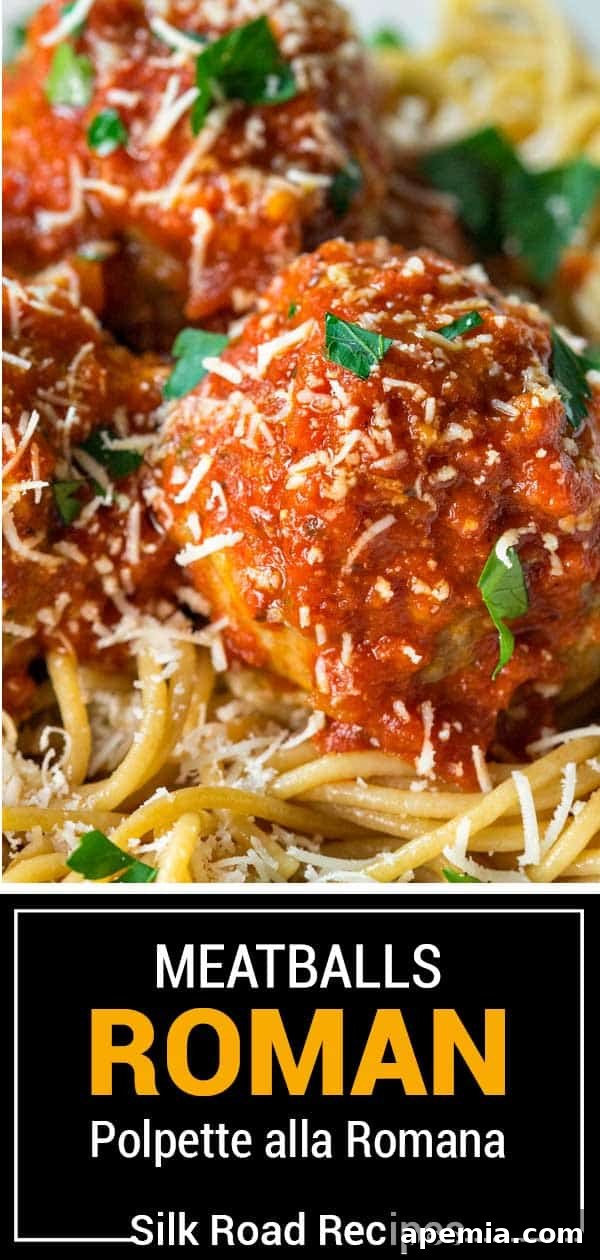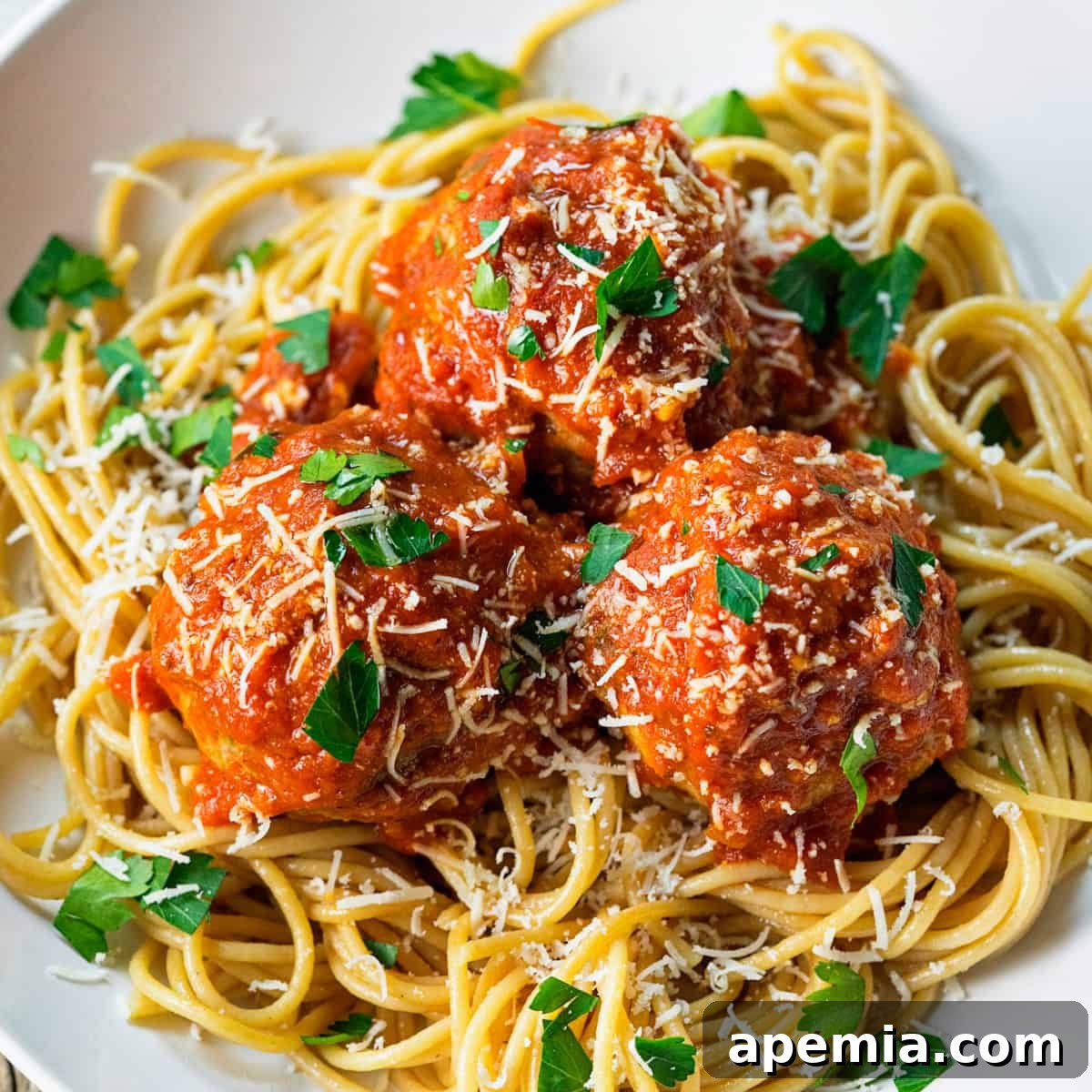
Authentic Roman Style Meatballs: Polpette alla Romana
Embark on a delightful culinary journey to the heart of Italy with this hearty Roman style meatball recipe. Known as Polpette alla Romana, this dish is a testament to Italy’s rich gastronomic history, drawing inspiration from the ancient Appian Way and its unique local ingredients. These aren’t just any meatballs; they feature a succulent blend of pork and beef, expertly mixed with fresh parsley, egg, breadcrumbs, and a generous duo of Parmesan and Pecorino Romano cheeses. But what truly sets these beloved Italian meatballs apart are a few unexpected additions: sweet golden raisins and crunchy pine nuts, which introduce a delicious and intriguing twist to the classic!
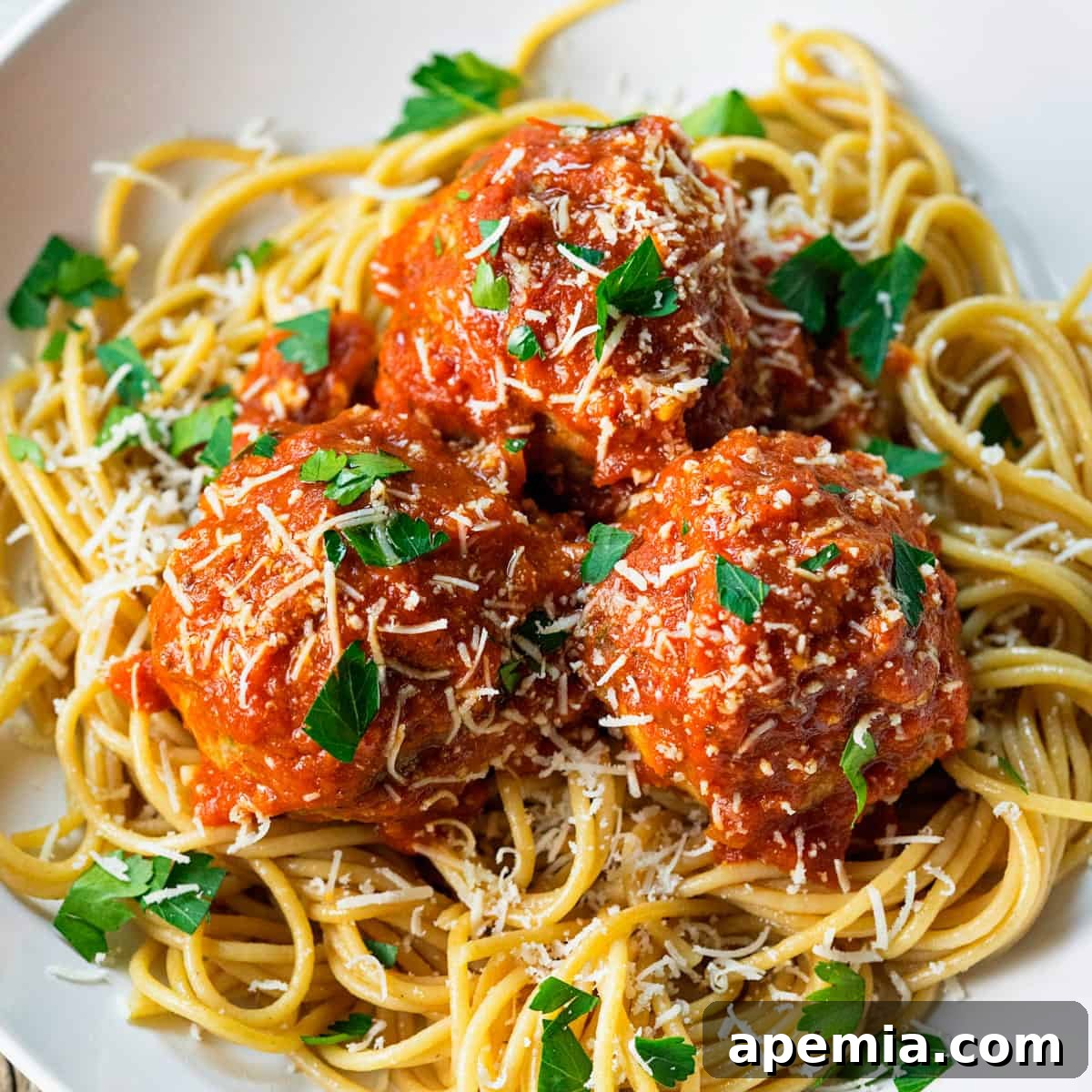
While I truly appreciate the familiar comfort of classic Italian beef meatballs, there’s an undeniable joy in exploring a fresh interpretation of time-honored dishes. Polpette alla Romana, or Roman-style meatballs, stand out with their robust character and an exciting array of Southern Italian ingredients. This recipe was born from my fascination with ancient Roman cooking, inspiring me to experiment with historical flavors. I sought to weave in the earthy notes of pine nuts, the subtle sweetness of golden raisins, a hint of red pepper flakes, and the aromatic depth of herbs and fine cheeses to craft a meatball unlike any other.
It’s important to note that Romans, particularly in ancient times, didn’t consume vast quantities of meat. Their diet was predominantly rich in fresh produce, a wide variety of herbs, hearty grains, and an assortment of cheeses. When meat was enjoyed, pork was the most common choice. However, modern adaptations of classic Roman-style meatball recipes frequently incorporate both beef and pork, creating a more complex flavor and texture profile that resonates with contemporary palates.
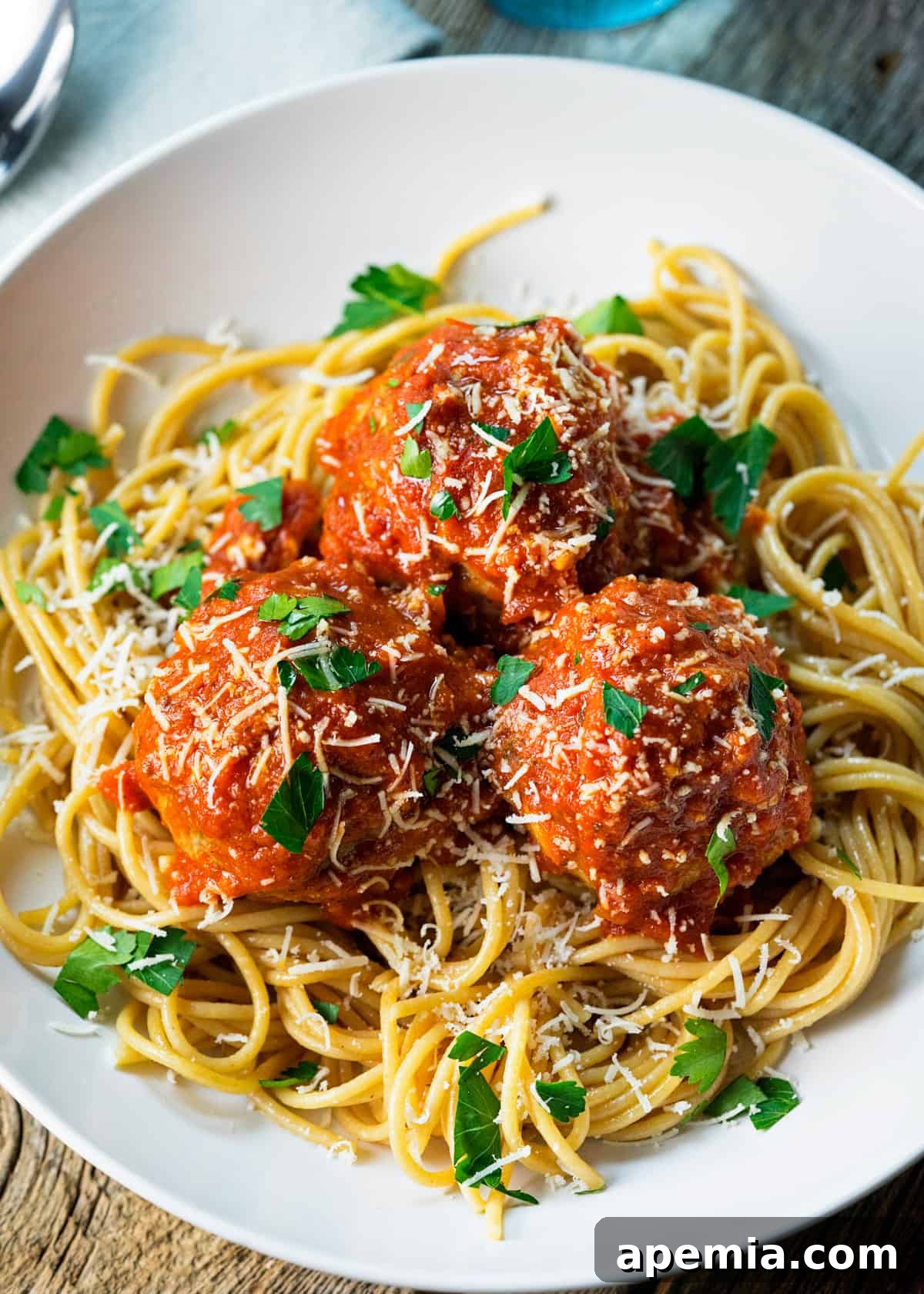
These Roman style meatballs are incredibly versatile. I highly recommend serving them either on their own, perhaps as an appetizer, or alongside your preferred pasta. They pair beautifully with a vibrant marinara sauce or a fiery arrabbiata sauce, the latter being a spicy pasta sauce infused with red chili peppers that adds an invigorating kick. While any pasta complements Polpette alla Romana wonderfully, you can never go wrong with the timeless appeal of classic spaghetti. It provides the perfect vehicle for soaking up all the rich flavors of the meatballs and sauce.
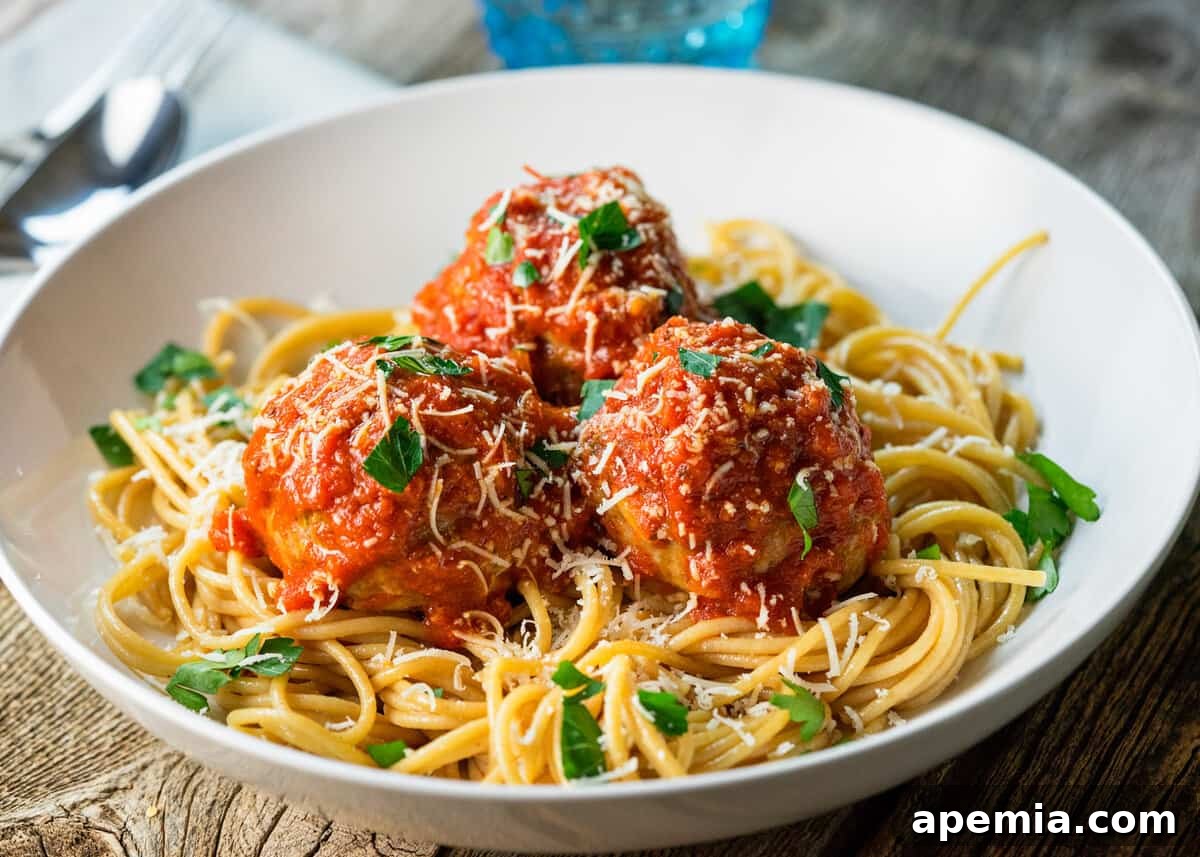
For those eager to explore more Italian culinary delights, be sure to check out my recipes for comforting Zuppa Toscana and the ever-popular Classic Chicken Parmigiana! These dishes, alongside our Roman meatballs, showcase the incredible diversity and richness of Italian cooking.
Tip From Kevin
Ancient Roman Diet: Before Tomatoes
It’s a fascinating historical fact that the fall of the Roman Empire occurred around 455 AD. Tomatoes, which we now consider quintessential to Italian cuisine, were only introduced to Italy *after* the Spanish colonization of the Americas. This means that sauces as we know them today, like Arrabbita sauce or any other tomato-based concoction, would not have been part of the ancient Roman culinary landscape.
However, despite historical accuracy, I personally love these Roman-style meatballs simmered in my vibrant Arrabbiata Sauce. This red pepper-spiced tomato sauce adds a fantastic modern twist and a delightful depth of flavor, especially when served over any pasta of your choice. Food evolution is a wonderful thing!
Key Ingredients and Smart Substitutions
- Ground Meat: For these authentic Polpette alla Romana, I use a delicious combination of ground beef (preferably 80/20 for richness) and ground pork. Given that pork was a staple in the Roman diet, it’s not uncommon to find variations of this Roman style meatball recipe that include finely chopped prosciutto or savory crumbled Italian sausage for an extra layer of flavor and texture. Feel free to incorporate these if you wish to elevate your meatballs with a touch of gourmet flair.
- Pine Nuts: Briefly toasted, these small but mighty nuts are incorporated into the meat mixture to add a wonderful textural contrast and a distinctive nutty flavor. While they contribute significantly to the authentic Roman profile, you can omit them if you have dietary restrictions or simply prefer not to use them.
- Egg: The humble egg plays a crucial role as a binder, ensuring that the meatballs hold their shape and remain firm and cohesive during cooking. For those seeking egg alternatives, flaxseed or chia seed “eggs” (ground seeds mixed with water) can be effective substitutes.
- Bread Crumbs: Italian bread crumbs are the ideal choice here, lending a subtle seasoning and helping to create a tender, juicy interior. They absorb moisture and contribute to the overall structure.
- Milk: A small amount of milk is key to achieving incredibly tender and moist meatballs. It works in conjunction with the breadcrumbs to keep the mixture from drying out. Any type of milk can be used, and plant-based milk substitutes work just as well.
- Flat-Leaf Parsley: Also known as Italian parsley, its robust flavor is more pronounced and earthy than its curly counterpart. While regular curly parsley can be used in a pinch, you might need to increase the quantity to achieve a similar intensity of fresh, herbaceous notes.
- Shredded Cheese: I opt for a delightful blend of Parmesan cheese and sharp Romano cheese. Parmigiano-Reggiano is another excellent and popular option, and if easier, using entirely Parmesan cheese will still yield delicious results. These cheeses add a salty, umami depth.
- Golden Raisins (Sultanas): When making meatballs with raisins, I specifically choose golden raisins, or “sultanas.” They are typically smaller, slightly sweeter, and juicier than dark raisins, providing a delicate burst of sweetness that beautifully balances the savory notes of the meat and cheese.
- Garlic: Freshly minced garlic is indispensable for adding aromatic depth and a foundational flavor to the meatballs.
- Kosher Salt: Essential for seasoning the meatballs and enhancing all the other flavors.
Mastering Your Roman-Style Meatball Recipe
- Toast the Nuts: Begin by adding the pine nuts to a dry saucepan or skillet over medium heat. Toast them gently, stirring frequently, until they turn a beautiful golden brown and release their fragrant aroma. This step significantly enhances their nutty flavor. Once toasted, immediately transfer them to a plate lined with a paper towel to cool completely before incorporating them into the meat mixture.
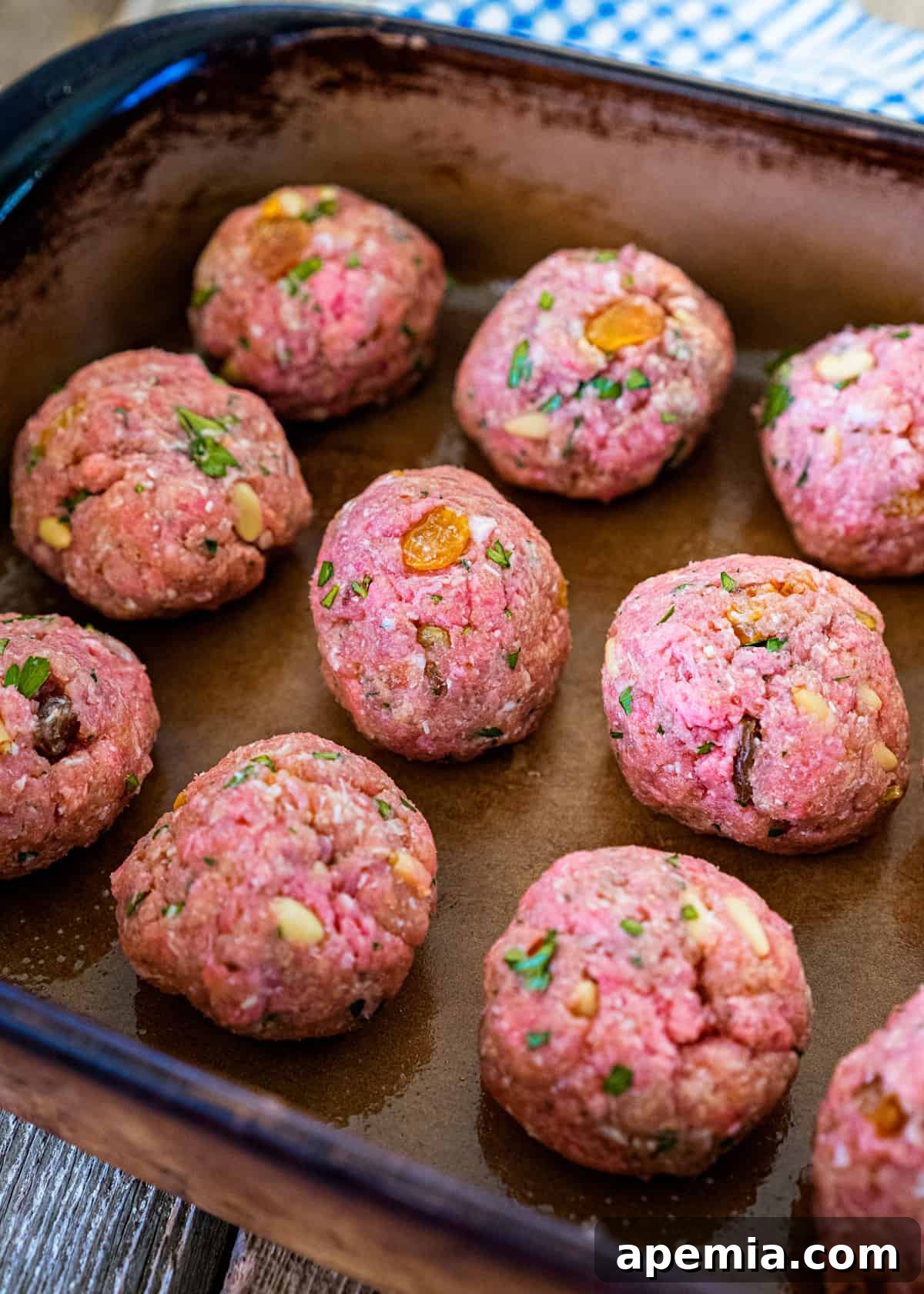
- Prepare the Mixture & Shape: In a large mixing bowl, combine all the ingredients: ground beef, ground pork, the large egg, bread crumbs, milk, chopped flat-leaf parsley, golden raisins, minced garlic, both Parmesan and Romano cheeses, kosher salt, and the cooled, toasted pine nuts. Using your hands, mix all ingredients thoroughly until they are evenly distributed throughout the meat mixture. Be careful not to overmix, as this can lead to tougher meatballs. Once combined, gently shape the mixture into 16 evenly sized balls, each roughly the size of a golf ball. Arrange these on a baking sheet that has been lined with parchment paper, ensuring they are slightly spaced apart.
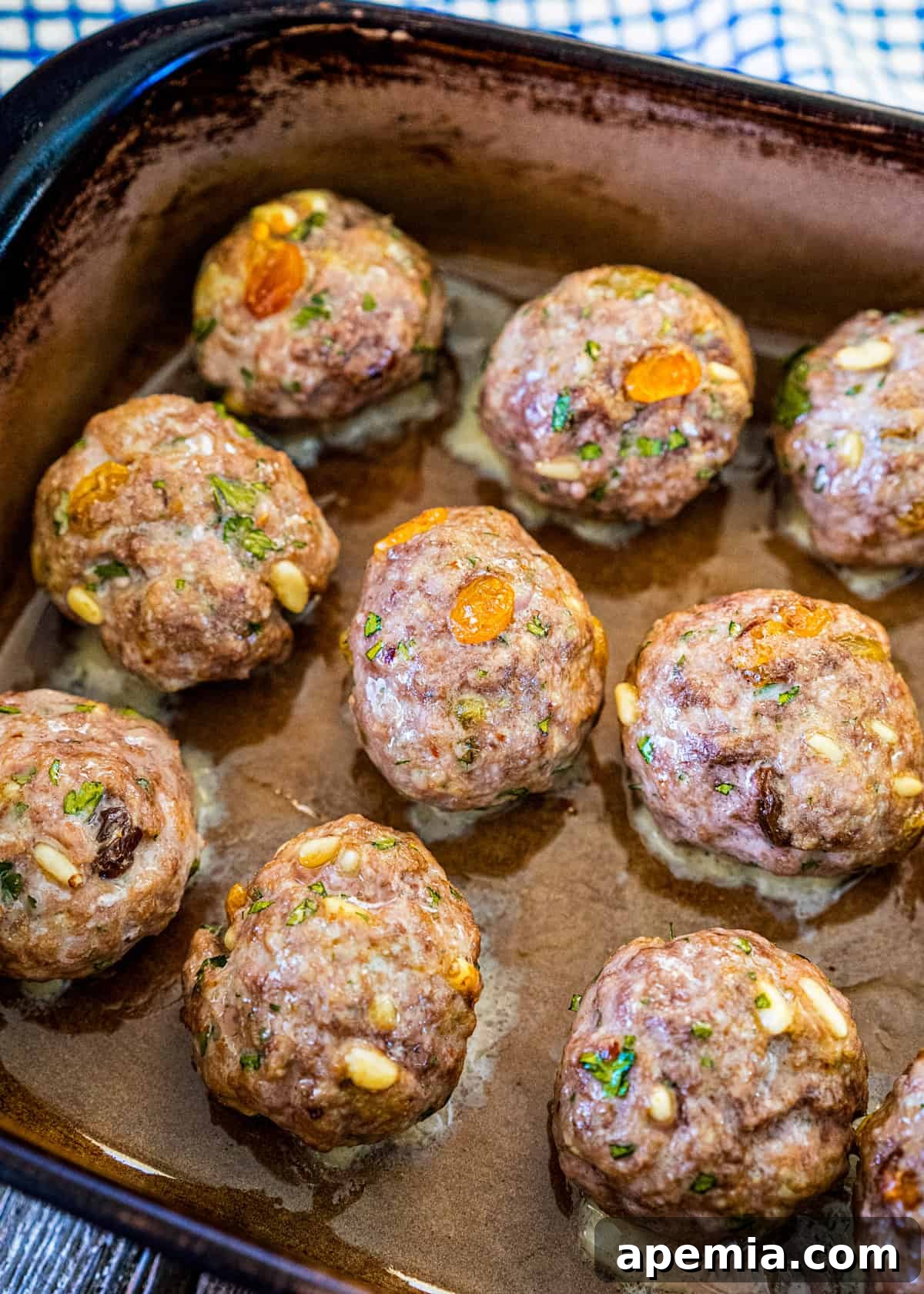
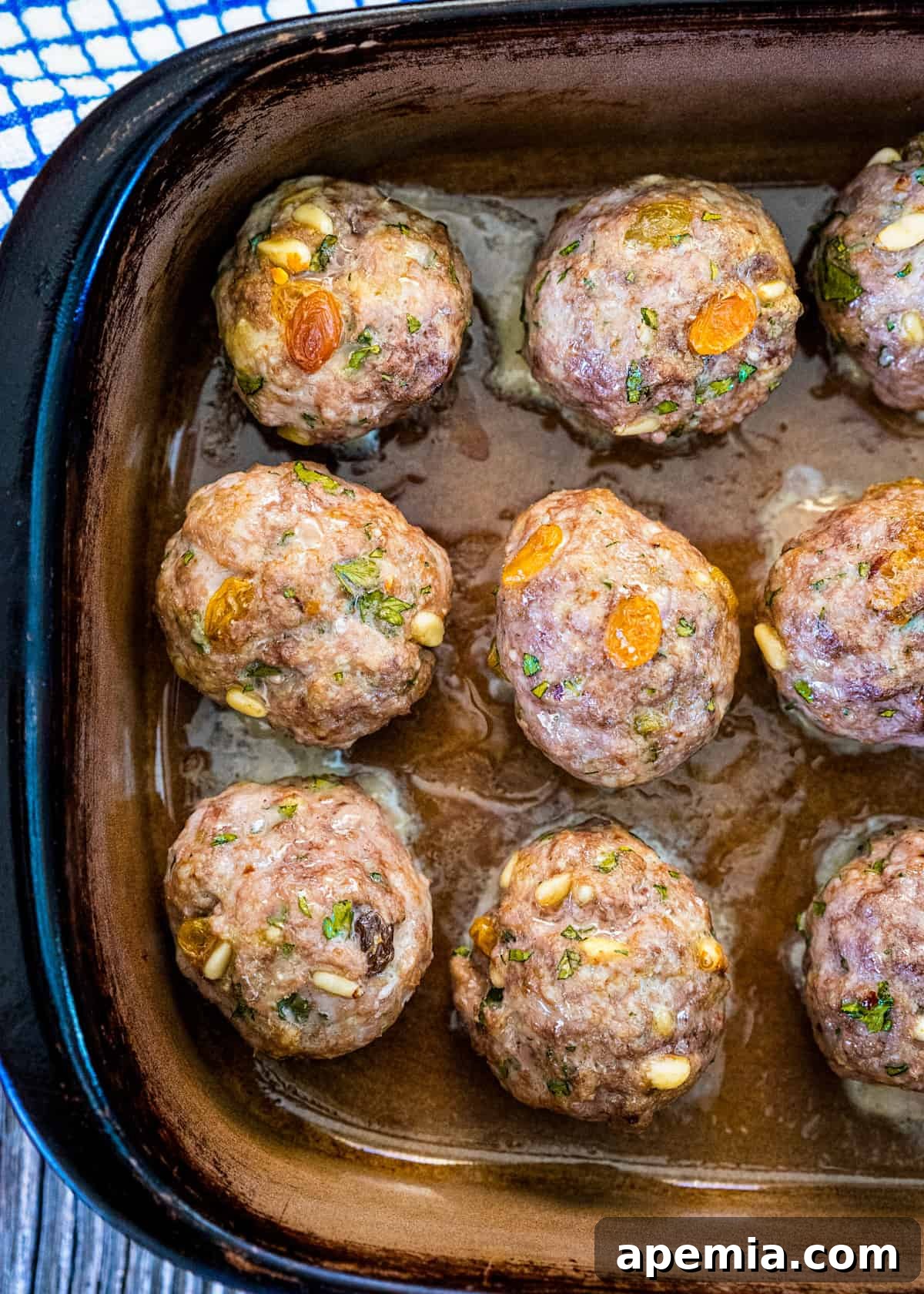
- Bake to Perfection: Preheat your oven to 400 degrees F (200°C). Once preheated, place the baking sheet with the shaped meatballs into the oven. Bake for approximately 20 minutes, or until the meatballs are cooked through and have a lovely golden-brown exterior. They should be firm to the touch.
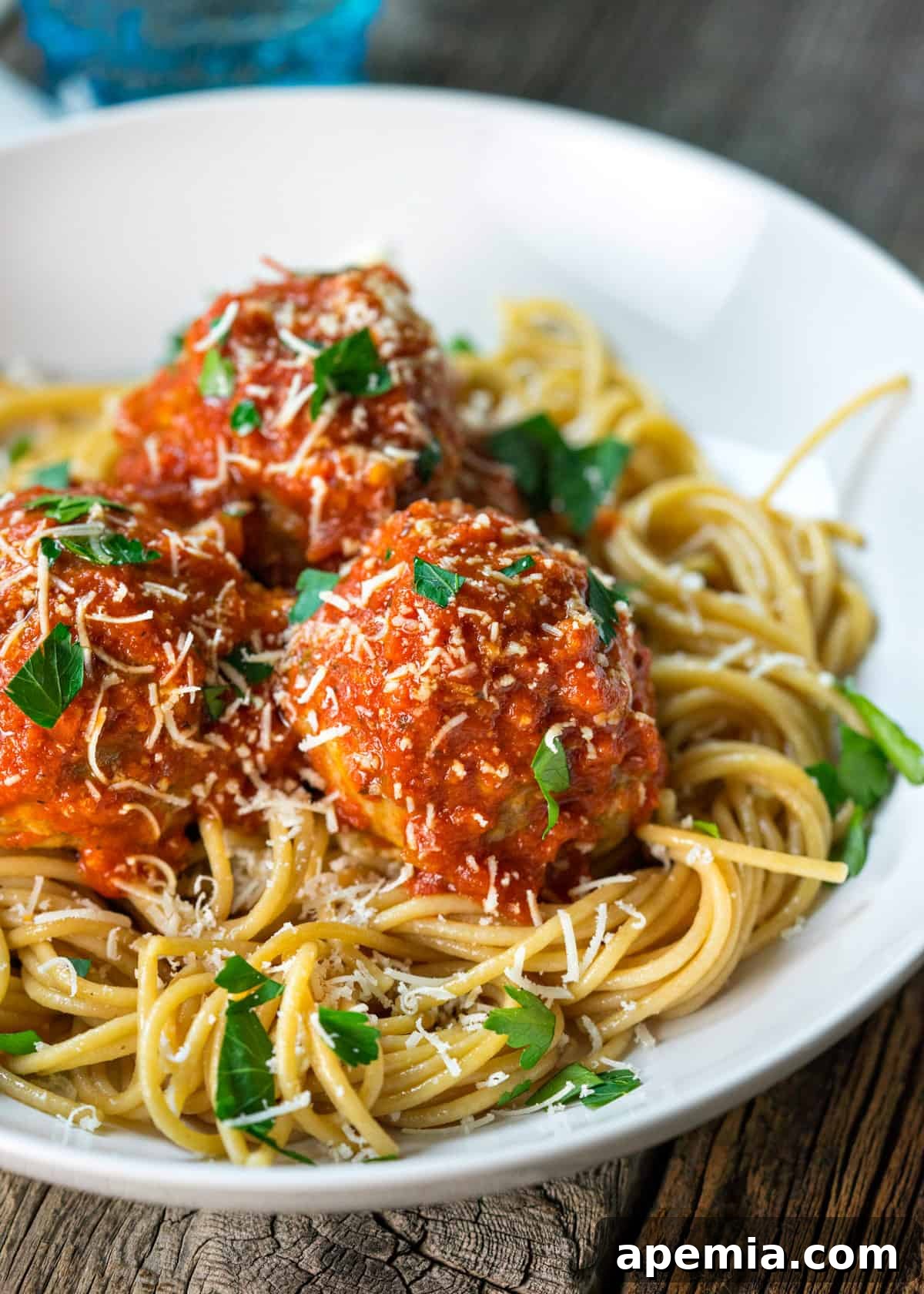
- Serve and Enjoy: Your Roman style meatballs are now ready! You can serve them immediately as is, perhaps with a side salad or crusty bread. For a more traditional and saucy presentation, carefully add the baked meatballs directly to a large stockpot containing your desired sauce—whether it’s a classic marinara or a spicy arrabbiata. Allow them to simmer gently in the sauce for about 15 minutes. This simmering step allows the meatballs to absorb the flavors of the sauce and become even more tender. Serve them generously over your favorite pasta for a complete and utterly satisfying Italian meal. Enjoy every flavorful bite!
Essential Kitchen Tools
Having the right tools can make your cooking experience much smoother and more enjoyable. Here are a couple of recommended items for preparing these Roman style meatballs:
- Saucepan or Skillet: You’ll need a small saucepan or skillet for toasting the pine nuts before adding them to your meat mixture. Any standard pan will work perfectly for this quick step.
- Baking Sheet or Roasting Pan: A sturdy baking sheet with sides, or a roasting pan, is essential for baking the meatballs. Always remember to line it with parchment paper to prevent sticking and make cleanup a breeze.
Storage and Reheating Tips
These delicious Roman style meatballs with raisins are excellent for meal prep or enjoying as leftovers. Here’s how to store and reheat them effectively:
Refrigeration: Cooked meatballs can be stored in an airtight container in the refrigerator for up to 4 days. They reheat beautifully, retaining their flavor and tenderness.
Reheating: To reheat, simply arrange the meatballs on a baking sheet and bake at 300 degrees F (150°C) until they are warmed through. This gentle heating method prevents them from drying out. Alternatively, if serving with sauce, you can simmer them gently in the sauce on the stovetop until hot.
Freezing: These meatballs freeze wonderfully, even with the cheese in the mix! You have two excellent options for freezing:
- Flash-Freezing Baked Meatballs: First, bake the meatballs according to the recipe instructions. Once cooled, arrange them in a single layer on a baking sheet and flash-freeze them until solid (this prevents them from sticking together). Then, transfer the frozen meatballs to a freezer-safe plastic baggie or other airtight container. They can be stored in the freezer for up to 2 months.
- Freezing Unbaked Meatballs: You can also prepare the meatball mixture, shape them, and then flash-freeze them raw on a parchment-lined baking sheet until solid. Transfer to an airtight container. When ready to cook, you can bake them directly from frozen, adding about 5-10 minutes to the baking time, or thaw them in the refrigerator first.
Frequently Asked Questions About Roman Meatballs
Milk plays a crucial role in this Roman style meatball recipe by adding essential moisture and acting as a tenderizer. When combined with bread crumbs, it creates a wonderfully juicy and tender texture that prevents the meatballs from becoming dense or dry. Only a small amount of milk is needed – just 2 tablespoons is sufficient. If you have dietary concerns or preferences, any plant-based milk substitute will work equally well without compromising the final texture or flavor.
Roman style meatballs, or Polpette alla Romana, distinguish themselves in several key ways. Firstly, they often feature an abundance of pork, frequently combined with other proteins like beef, and sometimes even chopped prosciutto or Italian sausage, creating a richer, more complex flavor. Regular Italian meatballs might typically be beef-only or a simpler beef-pork blend. Secondly, the inclusion of ingredients like pine nuts and golden raisins is a hallmark of Roman and Southern Italian cuisine, lending a unique sweetness and texture. While some Italian regions use these, it’s more characteristic of the Roman style. Finally, historically, Roman meatballs were often served alone in a sauce, rather than with pasta, although modern adaptations frequently pair them with pasta for a complete meal, just as I often do.
The delightful practice of adding raisins to meat dishes is a culinary tendency strongly associated with Arabic cuisine, prevalent across Western Asia and Northern Africa. Raisins are traditionally incorporated to impart sweetness, enhance juiciness, and provide an interesting textural contrast. During the 9th and 10th centuries, Sicily was under Arab rule for nearly a hundred years, and this period left a profound and lasting impact on Southern Italian cooking. Southern Italians adopted many culinary habits from the Arabs, including a fondness for both pine nuts and, of course, the addition of raisins to savory dishes. While pine nuts and raisins might not be found in every average Roman style meatball recipe, their inclusion is absolutely characteristic of the broader region’s culinary history. I firmly believe that making these meatballs with raisins and nuts adds exceptional depth, complexity, and a wonderful variety of flavors to the recipe, honoring a rich cultural exchange.
Absolutely! Roman style meatballs are an excellent candidate for making ahead. You can prepare the mixture, shape the meatballs, and then store them raw in an airtight container in the refrigerator for up to 24 hours before baking. Alternatively, you can bake them completely, cool them, and then refrigerate them for up to 4 days, or freeze them for longer storage (up to 2 months). This makes them perfect for busy weeknights or entertaining.
While traditional Roman meatballs are meat-based, you can certainly adapt the concept for a vegetarian diet. You could use a hearty mushroom and lentil base, a plant-based ground meat substitute, or even finely chopped roasted vegetables like eggplant and zucchini combined with breadcrumbs and cheese. To capture the unique Roman essence, ensure you include toasted pine nuts, a hint of sweetness from dried fruit (like currants or golden raisins), and plenty of fresh herbs and robust Italian cheeses (or vegan alternatives). The texture and flavor profile can be surprisingly close!
Share this recipe on Pinterest!
Love this recipe? Share it with the world on Pinterest to inspire others with this authentic Italian dish.
Authentic Roman Style Meatball Recipe
Roman Style Meatballs
This authentic Roman style meatball recipe creates over a dozen incredibly juicy and tender Italian meatballs. They are packed with rich cheeses, fragrant herbs, and the delightful unexpected sweetness of golden raisins and the satisfying crunch of pine nuts, offering a truly unique Roman culinary experience.
Yields: 16 meatballs
Prep Time: 15 minutes
Cook Time: 35 minutes
Total Time: 50 minutes
- Print Recipe
Ingredients
- 1/3 cup pine nuts
- 1 lb ground beef (80/20)
- 1 lb ground pork
- 1 large egg
- 1/2 cup Italian bread crumbs
- 2 tbsp milk (any kind, or plant-based alternative)
- 1/4 cup flat-leaf parsley, freshly chopped
- 1/3 cup golden raisins (sultanas)
- 3 cloves garlic, minced
- 1/2 cup shredded Parmesan cheese
- 1/2 cup shredded Romano cheese
- 1/2 tsp kosher salt
Instructions
- Preheat your oven to 400°F (200°C).
- In a dry sauté pan over medium heat, toast the pine nuts until they are golden brown and aromatic. Keep a close eye on them to prevent burning. Remove them from the pan immediately and spread them on a paper towel-lined plate to cool.
- In a large mixing bowl, combine the ground beef, ground pork, egg, bread crumbs, milk, chopped flat-leaf parsley, golden raisins, minced garlic, shredded Parmesan cheese, shredded Romano cheese, and kosher salt. Add the cooled, toasted pine nuts. Mix all the ingredients thoroughly by hand until they are well combined and evenly distributed. Be careful not to overmix, as this can make the meatballs tough.
- Gently roll the meat mixture into 16 evenly sized balls, approximately the size of a golf ball. Arrange these meatballs on a baking sheet lined with parchment paper, ensuring there is a little space between each one.
- Bake the meatballs in the preheated oven for 20 minutes, or until they are cooked through, have a golden-brown exterior, and reach an internal temperature of 160°F (71°C).
- Remove the meatballs from the pan. Serve them as is for a simple meal, or for a more traditional presentation, add them to a stockpot with your favorite sauce (such as Marinara or Arrabbiata). Simmer gently for about 15 minutes to allow the flavors to meld beautifully. Serve hot over your pasta of choice for an authentic Roman culinary experience.
Nutrition Facts
(Estimated per serving, based on 16 servings)
- Calories: 218 kcal
- Carbohydrates: 6g
- Protein: 13g
- Fat: 12g
- Saturated Fat: 5g
- Polyunsaturated Fat: 1g
- Monounsaturated Fat: 5g
- Trans Fat: 0.4g
- Cholesterol: 56mg
- Sodium: 227mg
- Potassium: 225mg
- Fiber: 0.5g
- Sugar: 2g
- Vitamin A: 173 IU
- Vitamin C: 2mg
- Calcium: 93mg
- Iron: 1mg
The information shown is an estimate provided by an online nutrition calculator. It should not be considered a substitute for a professional nutritionist’s advice. Individual results may vary based on exact ingredients and preparation.
Course: Main Dishes, Appetizer
Cuisine: Italian, Roman
Author: Kevin
Have You Made This Authentic Roman Style Meatball Recipe? Share Your Creation!
We’d love to see your delicious Polpette alla Romana! Tag @keviniscooking or use the hashtag #keviniscooking on Instagram to share your culinary masterpiece with our community!