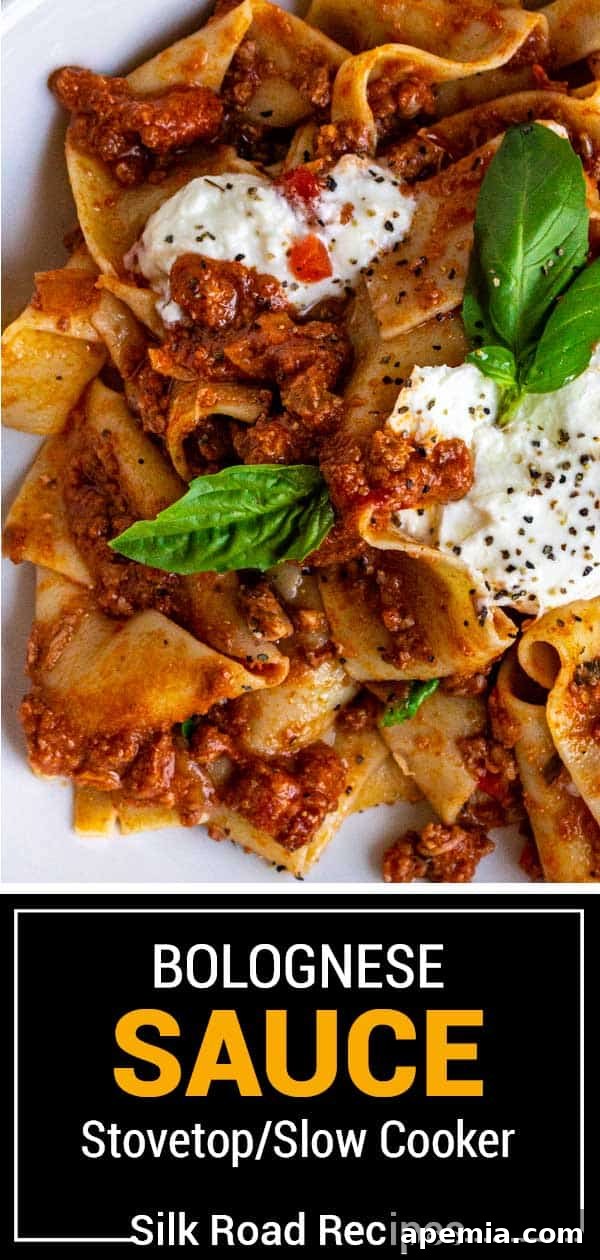
Authentic Slow Cooker Bolognese Sauce: A Rich & Flavorful Italian Classic
Prepare for an unforgettable pasta night with this truly authentic Bolognese sauce. Whether you’re whipping up a quick spaghetti dinner or assembling a hearty, family-sized lasagna, this slow cooker recipe offers a depth of flavor that only time can build. Crafted with fresh, finely diced vegetables, savory pancetta, robust Italian sausage, and lean ground beef, this sauce simmers gently, allowing a symphony of warm Italian seasonings to meld into a rich, complex masterpiece.
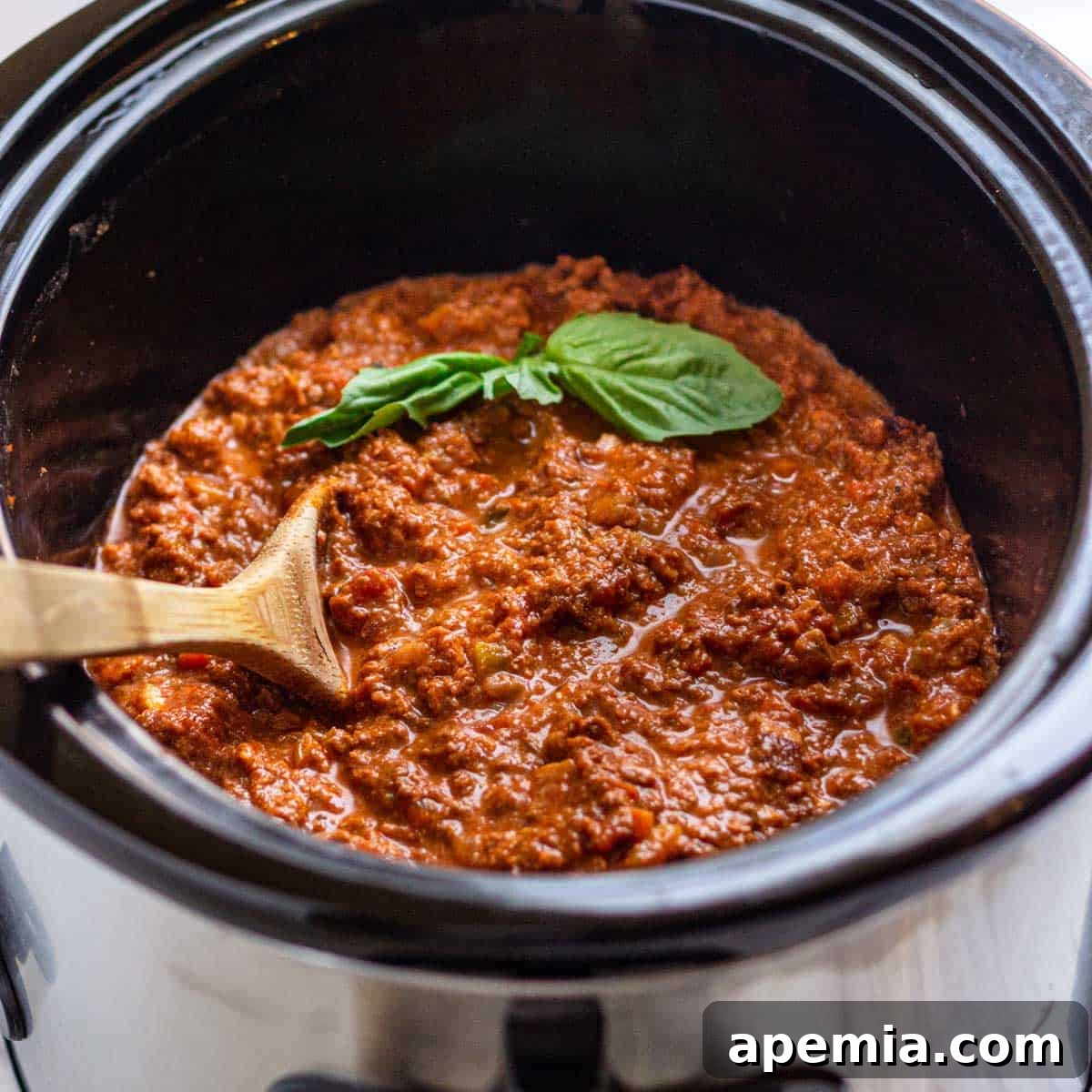
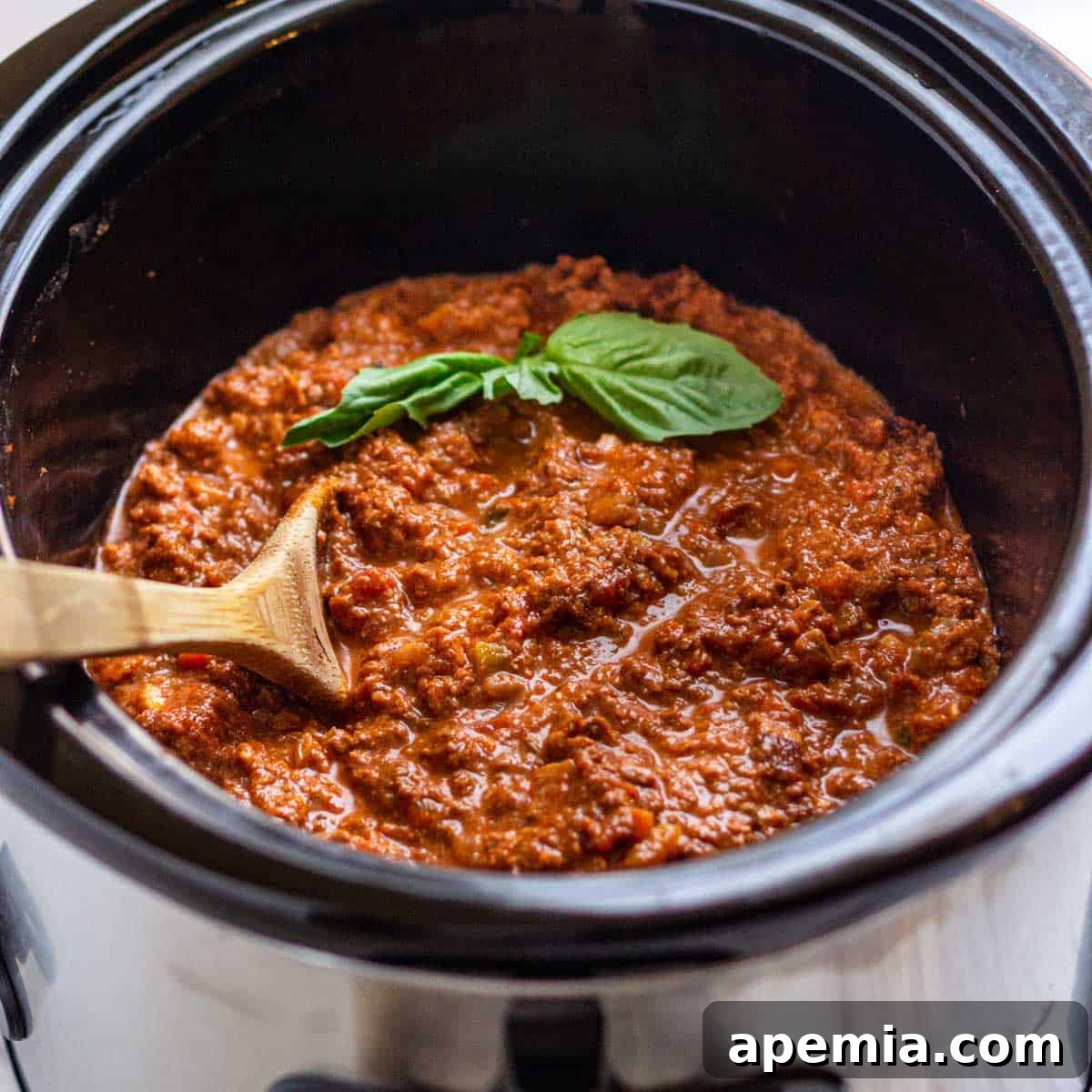
The quest for the perfect Bolognese ends here. This recipe delivers a sauce that is zesty yet never overly acidic, satisfyingly thick without being heavy, and boasts an incredible ability to cling to every strand of pasta, ensuring each bite is bursting with flavor. It hits all the right notes, transforming simple ingredients into a gourmet experience.
The Essence of Italian Flavor: Essential Spices
To achieve that robust, unmistakably Italian flavor that defines authentic Bolognese, I rely on a carefully selected blend of spices and seasonings, many of which are staples in Mediterranean cooking. These aren’t just additions; they are the soul of the sauce, providing warmth, aroma, and a subtle complexity that elevates the dish.
- Dried Bay Leaves
- Fennel Seeds
- Red Pepper Flakes
- Dried Thyme
- Whole Black Peppercorns
- Whole Cloves (for a hint of sweetness and warmth)
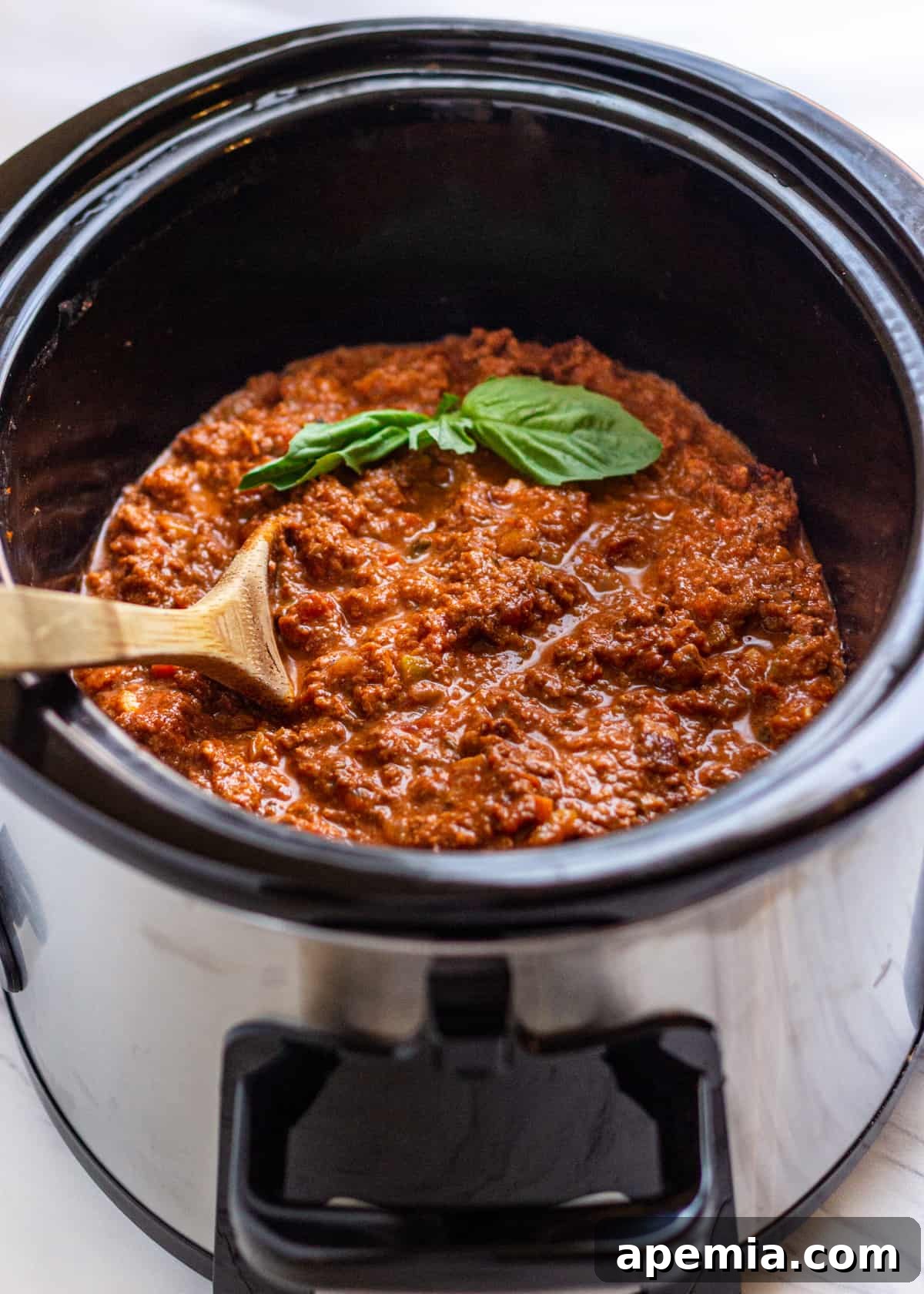
Table of Contents
- The Rich History of Bolognese
- Meat Selection: Pancetta, Sausage, and Beef
- Ingredient Notes and Substitutions
- How to Make Bolognese Sauce
- The Slow Cooker Advantage
- Serving Suggestions
- Recommended Tools
- Storing, Freezing, and Reheating
- Frequently Asked Questions
- Bolognese Sauce Recipe Card
The Rich History of Bolognese
Bolognese sauce, or “ragù alla bolognese” as it’s known in its native Italy, hails from Bologna, the capital of the Emilia-Romagna region. This region is renowned for its rich culinary traditions, particularly its egg pastas and hearty meat sauces. Authentic Bolognese is far more than just “spaghetti sauce”; it’s a slow-cooked meat-based sauce, typically served with broad, flat pasta like tagliatelle or as a key component in lasagna. Historically, it would have contained less tomato than many modern interpretations, focusing instead on the deep, umami flavors derived from the meats, aromatics, and a touch of milk or cream. This recipe honors that tradition, emphasizing a long, gentle simmer to achieve its signature richness and complexity.
Meat Selection: The Holy Trinity of Flavor
A true Bolognese is synonymous with meat, and this recipe doesn’t hold back. We’re tripling down on rich, savory flavors with a trio of essential meats: salty pancetta, flavorful Italian sausage, and lean ground beef. Each contributes a unique layer to the sauce’s overall profile, creating a symphony of textures and tastes that is simply unmatched. For those seeking meatless options, don’t worry! You might enjoy a creamy vodka sauce or a classic, vegan-friendly marinara sauce instead.
Chef’s Tip: Pancetta or Bacon?
Pancetta vs. Bacon: Understanding the Difference
Pancetta is an Italian cured pork belly, distinct from bacon primarily because it is not smoked. It’s typically seasoned with salt, pepper, and sometimes other spices, then aged. Its unsmoked quality allows the pure pork flavor to shine, adding an incredible depth and savory richness to traditional Italian dishes like this Bolognese sauce. While pancetta is the authentic choice and highly recommended for its unique contribution, good quality bacon can certainly be used as a delicious substitute. Just be aware that bacon will impart a smoky note that is not traditionally found in Bolognese.
Ingredient Notes and Substitutions: Crafting Your Perfect Sauce
Each ingredient in this Bolognese plays a crucial role. Here’s a detailed look at what you’ll need and potential alternatives:
- Spice Mix: Beyond bay leaves, fennel seeds, thyme, and red pepper flakes (for a subtle kick), we include whole black peppercorns and a pinch of cloves for an unexpected but delightful sweetness and warmth that rounds out the savory profile.
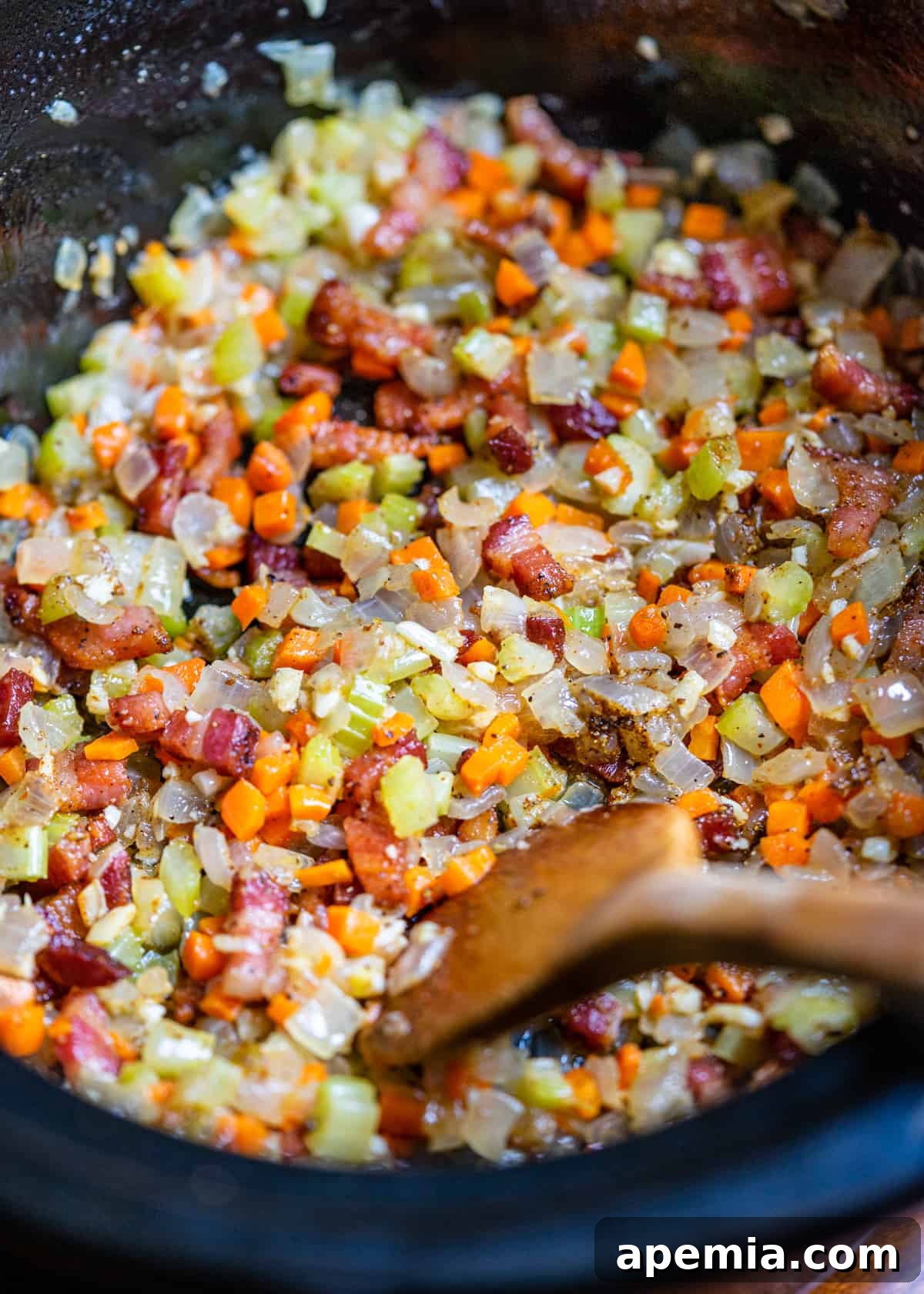
- Pancetta: The cornerstone of the authentic Italian flavor. Diced small and rendered until crisp, it provides a foundational richness. As discussed, good quality bacon is a suitable alternative if pancetta is unavailable, though it will slightly alter the classic taste.
- Ground Beef: Opt for lean ground beef (90/10 or 93/7). Since we add the meat raw directly to the slow cooker, there’s no opportunity to drain excess grease later, making lean beef ideal for a less greasy sauce.
- Italian Sausage: Choose hot, sweet, or mild Italian sausage based on your preference. The nuanced spices within the sausage contribute significantly to the sauce’s overall character. Always remember to remove the casings before incorporating the sausage meat.
- The Soffritto (Vegetables): This aromatic base is essential for building robust flavor and a beautiful aroma. In this Bolognese sauce recipe, the classic trio consists of:
- Yellow Onion: Finely chopped to melt into the sauce.
- Carrots: Peeled and finely diced, adding natural sweetness and body.
- Celery: Finely diced, providing a subtle herbaceous note.
- Garlic: Freshly minced garlic is crucial for aromatic depth.
- Canned Whole Tomatoes: High-quality canned whole tomatoes and their juice form the foundational liquid of the sauce. Crushing them by hand allows for a textured, rustic base.
- Tomato Paste: Use double-concentrated tomato paste for a potent burst of umami and depth, avoiding excessive liquid.
- Red Wine: Wine is key for deglazing and adding complexity. A dry red wine like Cabernet Sauvignon, Chianti, Merlot, or Pinot Noir works beautifully. If you prefer white, a dry Sauvignon Blanc or Pinot Grigio is an excellent choice. The alcohol evaporates during cooking, leaving behind only the concentrated flavor.
- Red Wine Vinegar: A splash of vinegar at the end brightens the flavors and balances the richness. White wine vinegar, apple cider vinegar, or balsamic vinegar are your best substitutes.
- Whole Milk: This is a defining ingredient in authentic Bolognese, contributing to its signature creamy texture and mellowing the acidity of the tomatoes. It results in a thick, luxurious sauce. For an even richer consistency, heavy cream or half-and-half can be used.
How to Make Bolognese Sauce: Step-by-Step Perfection
Crafting this incredible Bolognese is a labor of love, but it’s remarkably straightforward thanks to the slow cooker. Follow these steps for a truly rewarding culinary experience:
- Prepare the Spices: In a spice mill or a clean coffee grinder, finely grind the whole black peppercorns, cloves, bay leaf, fennel seeds, red pepper flakes, and dried thyme. Set this aromatic blend aside.
- Brown the Pancetta: In a large skillet or Dutch oven (if cooking stovetop), cook the diced pancetta until it’s wonderfully crisp and its fat has rendered out. Remove the crispy pancetta with a slotted spoon and place it on a paper towel-lined plate to drain. Reserve the rendered fat.
- Sauté the Soffritto: Remove all but about a tablespoon of the rendered pancetta fat from the skillet. Add the finely chopped yellow onion, carrots, and celery, along with ½ teaspoon of kosher salt. Sauté, stirring occasionally, for 5-6 minutes until the vegetables soften and begin to turn golden. Add the minced garlic and cook for another minute until fragrant.
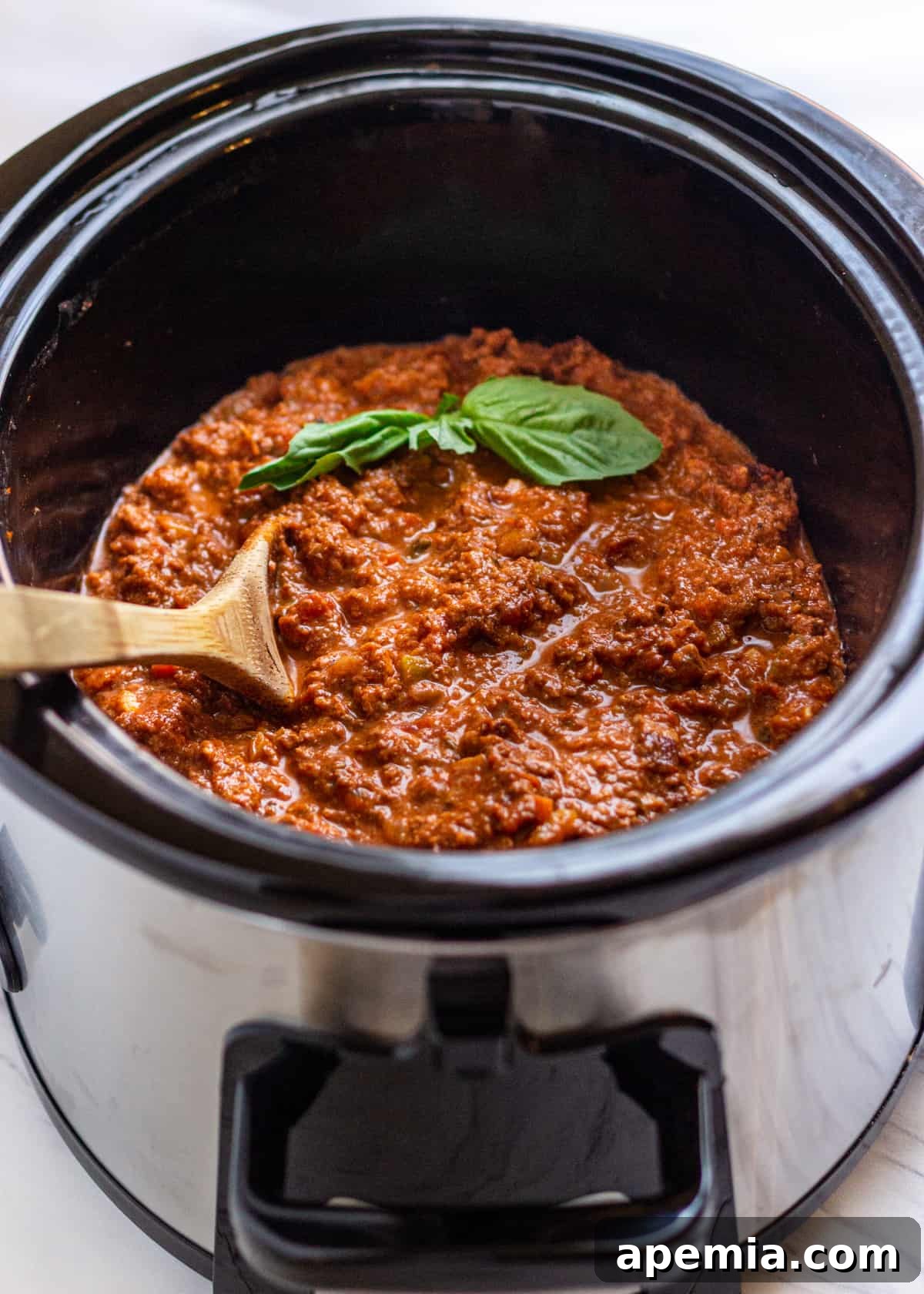
- Combine Ingredients for Slow Cook: If using a slow cooker, lightly coat the insert with cooking spray, then transfer the sautéed vegetables to it. If using a Dutch oven, simply keep all ingredients in the pot. Stir in the prepared spice blend, the reserved crispy pancetta, the raw ground beef, the raw Italian sausage (casings removed), red wine, canned whole tomatoes (crushed by hand), and tomato paste. Stir everything thoroughly, breaking up the meats and tomatoes into smaller pieces.
- Begin the Slow Cook: Cover the slow cooker with its lid and cook on the HIGH setting for 4 hours. If cooking on the stovetop in a Dutch oven, cover and simmer over medium-low heat for approximately 3 hours, stirring occasionally.
- Introduce the Milk: After the initial 4 hours (or 3 hours stovetop), remove the lid. Stir in the whole milk. Continue cooking on the HIGH setting for another 2 hours in the slow cooker, or for 1 hour over medium heat in a Dutch oven. Stir often during this phase to prevent sticking and encourage thickening. The sauce will become wonderfully rich and reduced.
- Final Adjustments & Serve: Stir in the red wine vinegar. Taste the sauce and adjust seasonings with additional salt or pepper as needed. For an extra thick and glossy finish, stir in about ½ cup of your pasta’s starchy cooking water – this emulsifies beautifully with the sauce. Serve your authentic Bolognese over your favorite pasta or use it as a luxurious sauce for lasagna.
The Slow Cooker Advantage
While this recipe can absolutely be made on the stovetop in a Dutch oven, utilizing a slow cooker offers unparalleled convenience and consistency. The low, steady heat of a slow cooker allows the flavors to meld and deepen over many hours without the risk of scorching or needing constant attention. This prolonged simmering process is what truly unlocks the rich, complex flavors characteristic of an authentic Bolognese, transforming simple ingredients into a remarkable culinary experience.
Serving Suggestions for Your Perfect Bolognese
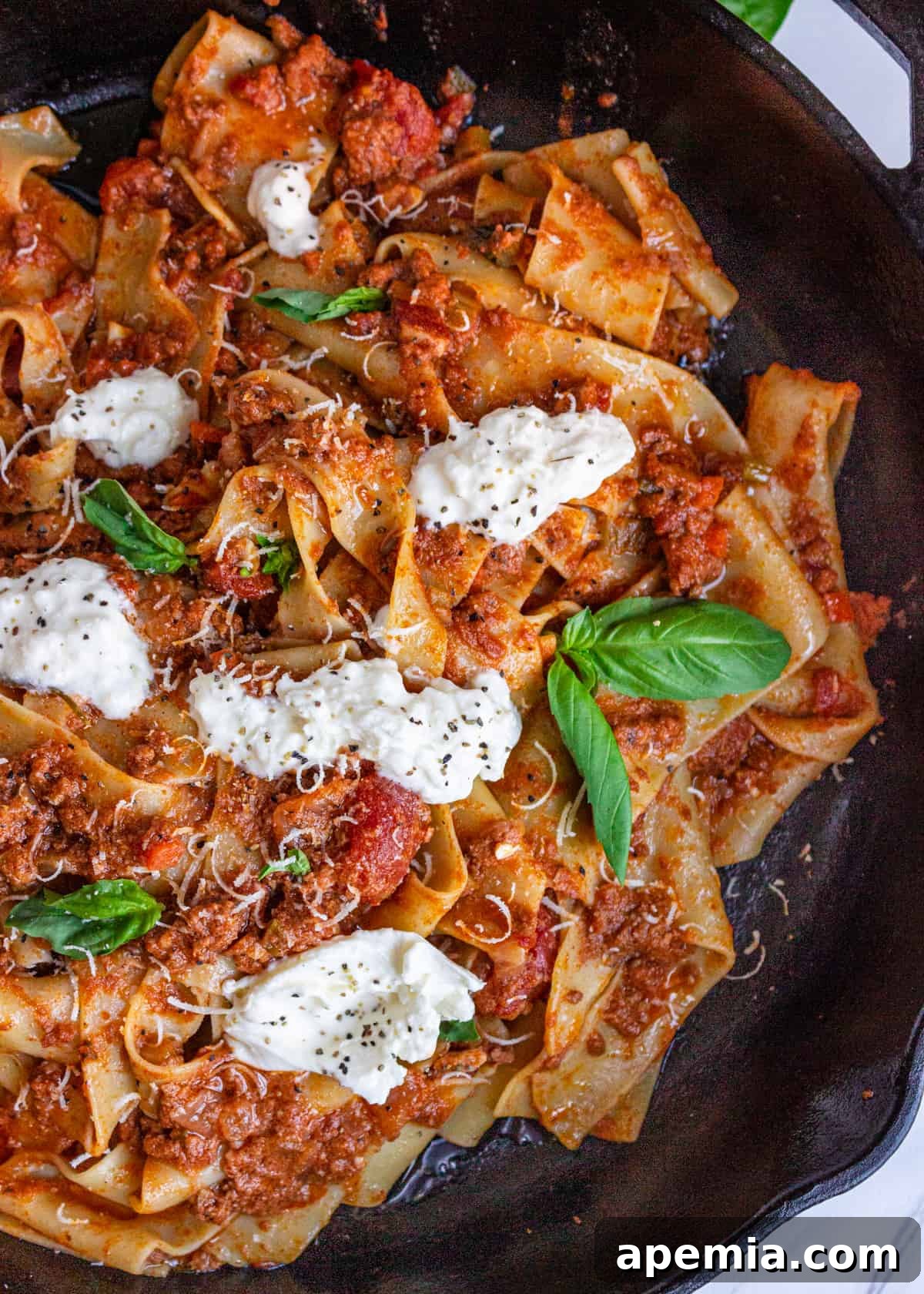
While often associated with spaghetti, an authentic Bolognese shines brightest when paired with the right pasta. Wide, flat noodles like pappardelle or tagliatelle are ideal, as their broad surface area captures every bit of the rich, meaty sauce. Tubed pastas such as rigatoni or penne are also excellent choices, as their hollow interiors and ridged exteriors are perfect for scooping up chunks of meat and sauce. Beyond pasta, Bolognese is an incredible sauce for layering into a decadent lasagna, serving over creamy polenta, or even spooning over soft gnocchi. A sprinkle of freshly grated Parmesan cheese and a few fresh basil leaves are the perfect finishing touch.
Recommended Tools for Bolognese Success
- Spice Mill or Coffee Grinder: Essential for finely grinding the whole spices, which significantly enhances their aromatic release into the sauce.
- Slow Cooker or Dutch Oven: This recipe is designed to be versatile. A traditional slow cooker allows for hands-off, long simmering, while a heavy-bottomed Dutch oven is perfect for stovetop cooking and can make this a convenient one-pot meal.
- Large Skillet: Necessary for browning the pancetta and sautéing the vegetables before transferring to the slow cooker or continuing in the Dutch oven.
Storing, Freezing, and Reheating Your Bolognese
Bolognese sauce is a fantastic make-ahead meal that often tastes even better the next day as the flavors continue to deepen. Here’s how to store it:
- Refrigeration: Allow the sauce to cool completely before transferring it to an airtight container. It will keep beautifully in the refrigerator for up to four days.
- Freezing: For longer storage, portion the cooled sauce into freezer-safe containers or heavy-duty Ziploc bags. Squeeze out any excess air from bags to prevent freezer burn, and label with the date. Bolognese can be frozen for up to three months. Thaw overnight in the refrigerator before reheating.
- Reheating: Gently reheat the sauce on the stovetop over medium-low heat, stirring occasionally until it’s warmed through. If the sauce appears too thick, you can add a splash of water, broth, or even a little pasta cooking water to achieve your desired consistency.
Frequently Asked Questions About Bolognese Sauce
Bolognese is actually a specific type of ragù! A ragù is a broad term for any slow-cooked, meat-based pasta sauce. The term “spaghetti sauce” is more generic and can refer to a wide variety of tomato-based sauces, with or without meat, cream, or other ingredients. A spaghetti sauce is always tomato-based, but its composition varies widely. So, technically, Bolognese is both a ragù and can be considered a type of spaghetti sauce, though it’s much more specific and rich in its definition.
Absolutely. The red wine in this recipe contributes depth and helps deglaze the pan, but it’s not strictly necessary. Excellent non-alcoholic substitutes include additional tomato juice, beef broth, or even a combination of mushroom broth and a splash of non-alcoholic red wine alternative. The other acidic ingredients in the sauce (like tomatoes and vinegar) provide enough balance that you generally won’t need to compensate with more vinegar.
The most popular and traditionally recommended pastas for Bolognese are broad, flat noodles like tagliatelle or pappardelle. Their wide surface area is perfect for coating with the rich, meaty sauce. Rigatoni is another fantastic choice; its large, tubular shape and ridged exterior allow it to scoop up and hold plenty of the thick, creamy sauce and meat chunks. Other tubed pastas such as penne and ziti also work well. And, of course, Bolognese is the quintessential sauce for a hearty lasagna!
Adding milk (or sometimes cream) is a traditional step in many authentic Bolognese recipes. It serves several purposes: it helps to tenderize the meat, mellows the acidity of the tomatoes, and contributes significantly to the sauce’s signature rich, velvety texture and pale, creamy color. It truly makes the sauce more luxurious and well-rounded.
The long simmering time is absolutely crucial for an authentic Bolognese. It’s not just about cooking the ingredients; it’s about allowing all the flavors to slowly meld and deepen, breaking down the meats and vegetables into a cohesive, rich sauce. This slow process develops complex umami notes and tenderizes the meat to perfection, transforming a collection of ingredients into a truly extraordinary sauce that short cooking times simply cannot achieve.
Share this recipe on Pinterest!
Love this recipe? Share it with the world on Pinterest.
Share on Pinterest
Bolognese Sauce Recipe
This Italian bolognese sauce features garlic, tomatoes, a trio of meats, and wine slowly cooked down into a robust, immensely flavorful sauce!
Ingredients
Spice Mix
- 10 black peppercorns
- 4 cloves whole
- 1 bay leaf
- 2 tsp fennel seeds
- 1 tsp red pepper flakes
- 1/2 tsp dried thyme
Bolognese
- 1/2 lb pancetta diced small (or bacon)
- 1 large yellow onion finely chopped
- 2 carrots peeled and diced small
- 2 celery stalks diced small
- 1/2 tsp kosher salt
- 4 cloves garlic finely chopped
- 14 oz canned whole tomatoes
- 4 oz tomato paste
- 1/2 cup red wine (See Note 1)
- 1 lb ground beef 90/10 (See Note 2)
- 1 lb Sweet or Hot Italian pork sausages casings removed (See Note 2)
- 1 cup whole milk
- 2 tbsp red wine vinegar
Instructions
- Blend the cloves, bay leaf, fennel seeds, red pepper flakes, and peppercorns in a spice mill or cleaned coffee grinder until finely ground. Set aside.
- In a large skillet (or large pot like a Dutch oven if cooking stovetop) add the cubed pancetta (or bacon) and brown until rendered and crispy. Remove from pan and place on a plate lined with paper towel. Set aside.
- In the same skillet (or large pot like a Dutch oven if cooking stovetop) remove all but 1 tablespoon of fat and save the remaining for other use. Add the onions, carrots, celery, and salt, stirring as needed until golden in color, about 5-6 minutes. Add the garlic and stir, cooking another 2 minutes.
- Add the sautéed vegetables to a slow cooker coated with cooking spray if using (or keep in the large pot like a Dutch oven if cooking stovetop). Stir in the spice mixture, pancetta, ground beef (uncooked), pork sausage meat (uncooked), red wine, tomatoes, and tomato paste. Stir to incorporate, breaking up meat and tomatoes, then top with a lid. Cook for 4 hours on the high setting in a slow cooker or 3 hours on Medium-Low heat for stovetop.
- At the 4-hour mark, remove the lid. Stir in the milk and cook on the high setting for 2 hours or until thickened and reduced (1 hour over medium heat for a large pot or Dutch oven). Stir often.
- After 2 hours, add the vinegar, stirring to incorporate, and adjust seasoning with salt if needed. NOTE: Stir in 1/2 cup pasta cooking water, mixing thoroughly until the sauce is thick and glossy. Serve over your favorite pasta or use as a sauce for lasagna.
Notes
- For the wine, red or white can be used. For Red, I like to use either a Cabernet Sauvignon, Chianti, Merlot, or Pinot Noir. For White, a Sauvignon Blanc, Pinot Grigio, or other dry white wine will do nicely.
- The ground beef and pork sausage meat go in raw (uncooked). No need to brown prior to adding to the slow cooker, as the long cooking time will take care of this.
Nutrition
The information shown is an estimate provided by an online nutrition calculator. It should not be considered a substitute for a professional nutritionist’s advice.
Have You Made This Recipe? Let Me Know on Instagram
Tag @keviniscooking or use the hashtag #keviniscooking!