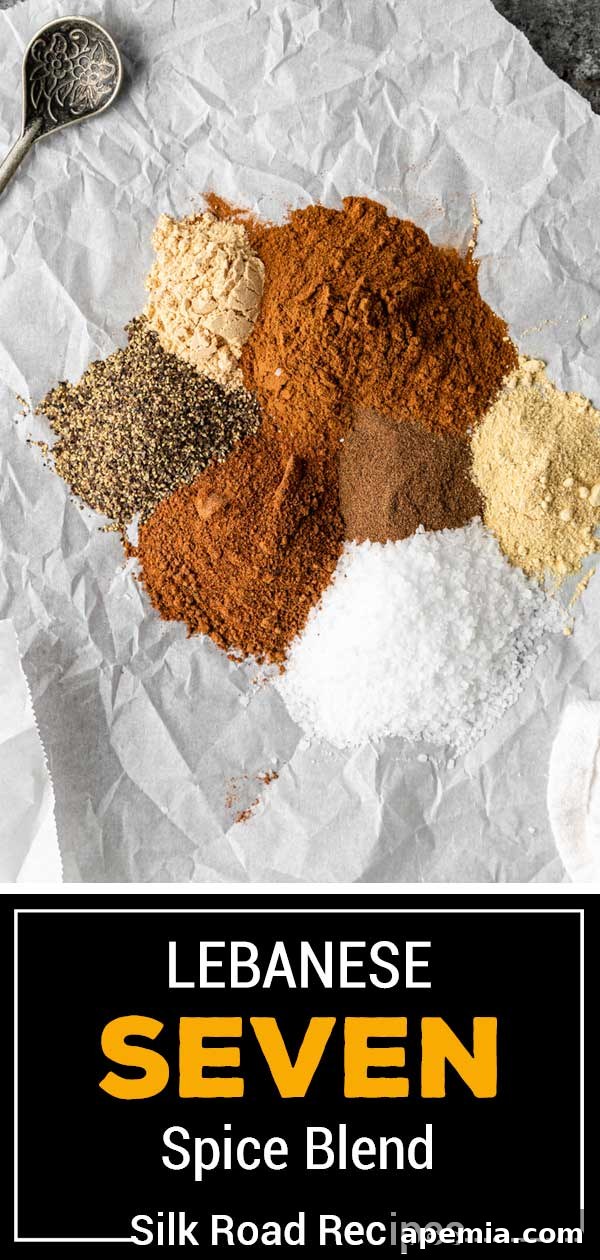
Master Lebanese Seven Spice: Your Essential Homemade Blend
Embark on a culinary journey to the heart of the Middle East with this quick and easy Lebanese Seven Spice blend. Crafted in just 5 minutes, this aromatic mixture is a cornerstone of Lebanese cuisine and a beloved staple across many Middle Eastern households. Forget store-bought options; creating your own blend at home ensures unparalleled freshness, potency, and the ability to customize it to your exact taste. Each family often has its unique rendition, and my version captures a perfect harmony of warm, spicy, savory, and subtly peppery notes, promising to transform your dishes with depth and complexity.
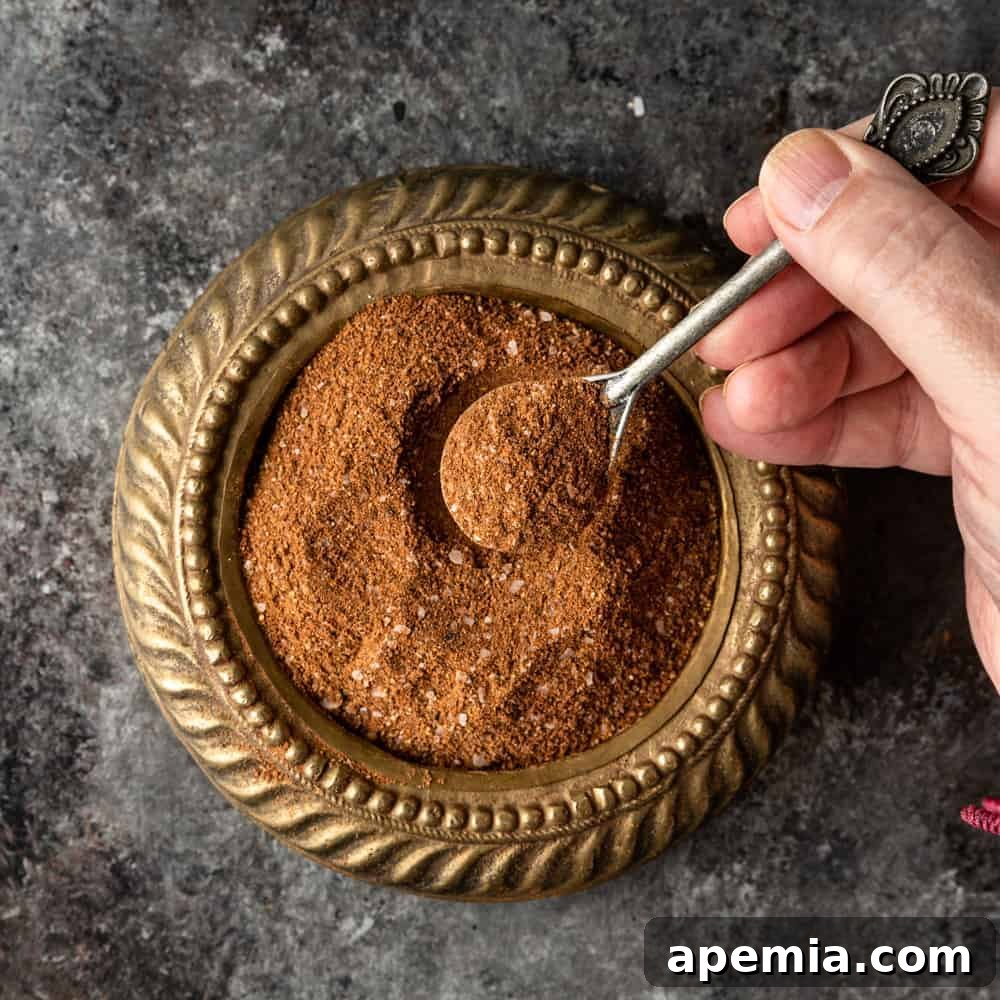
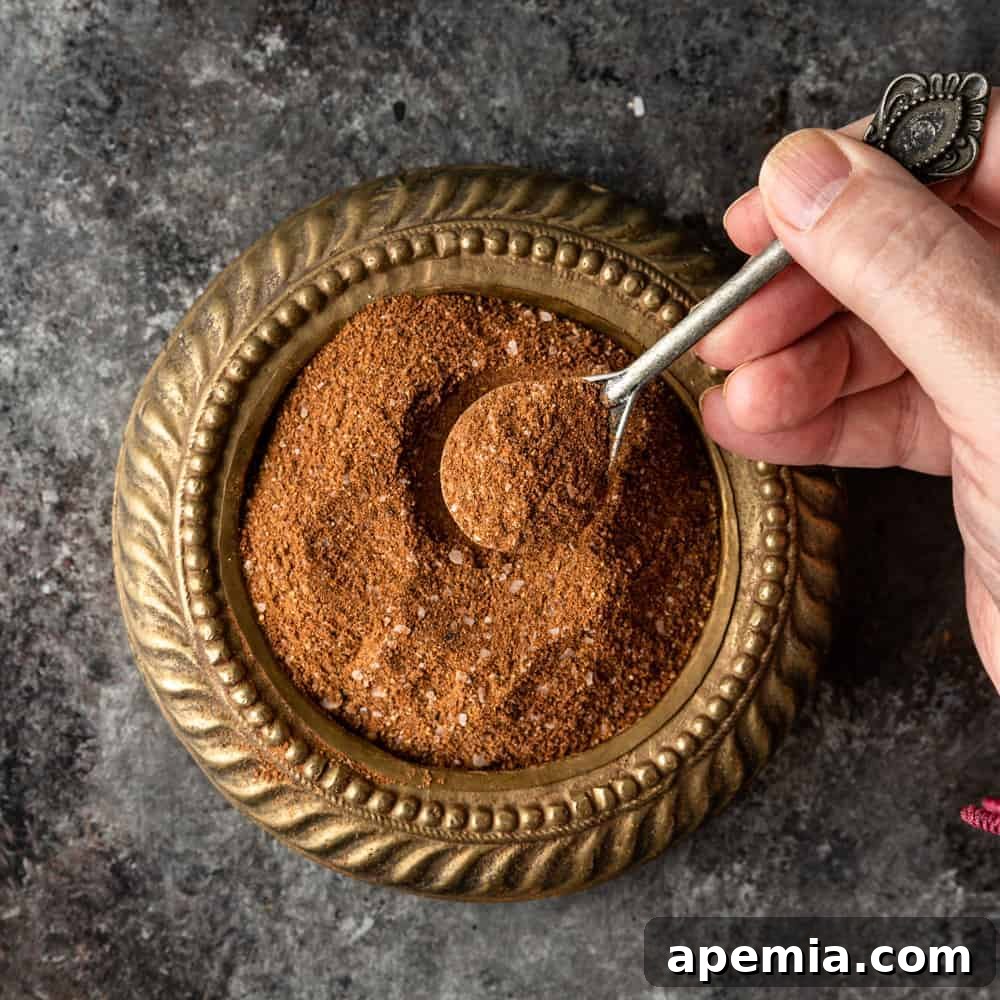
Lebanese Seven Spice, often referred to simply as Sabaa Baharat (Arabic for “seven spices”), is more than just a seasoning; it’s a culinary tradition. Its versatile nature makes it indispensable in a variety of dishes, from rich meat stews and flavorful rice pilafs to succulent grilled poultry and roasted vegetables. While the exact combination of spices can vary from region to region and family to family, the core intention remains the same: to create a deeply fragrant and balanced flavor profile that defines so much of Levantine cooking. Mastering this blend at home is a rewarding step towards authentic Middle Eastern cooking.
Table of Contents
- Spice Blending for Maximum Flavor
- Ingredient Notes and Substitutions
- How to Make Lebanese Seven Spice
- Unlock a World of Flavor: How to Use Your 7 Spice Blend
- Recommended Tools
- Storing Your Homemade Spice Blend for Lasting Freshness
- Frequently Asked Questions
- Lebanese Seven Spice Blend Recipe
Please note that all measurements provided in this recipe are for ground spices. For those working with whole spices, which often yield a more potent flavor when freshly ground, you’ll need to convert the quantities. You can find comprehensive conversion rates and tips for a range of essential Middle Eastern spices in my detailed Middle Eastern spice guide. Making your own spice blends from whole spices is a rewarding experience that elevates the final aroma and taste.
If you enjoy creating your own custom seasonings, don’t forget to explore my dedicated Spice Blend Pantry. It’s packed with a treasure trove of recipes for easy homemade spice blends from various cuisines around the world, all designed to be whipped up in 5 minutes or less. Building your spice collection with fresh, homemade blends is a game-changer for any passionate cook.
Spice Blending for Maximum Flavor
For optimal results when grinding your own whole spices, I highly recommend using a dedicated coffee grinder. Keeping one exclusively for spices prevents any lingering coffee aromas from tainting your blends and ensures a consistently fine, beautifully ground powder every time. This simple tool makes the process incredibly quick and effortless, unlocking the freshest possible flavors from your spices.
Ingredient Notes and Substitutions
(A full list of ingredients and precise quantities can be found in the recipe card below)
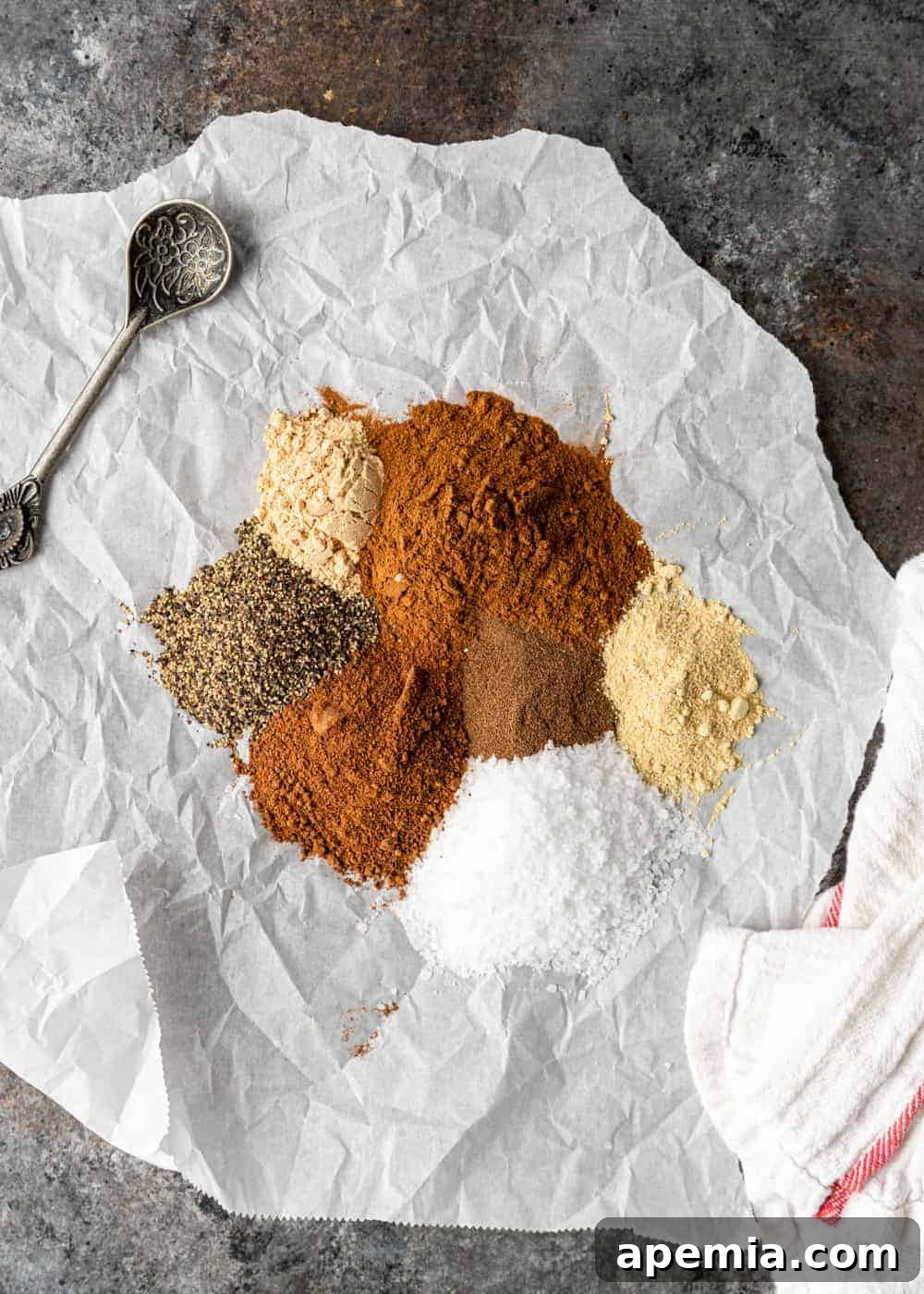
- Cinnamon – The backbone of many Middle Eastern savory dishes, cinnamon offers a bold, woody warmth and a hint of sweetness that provides incredible depth. Its inclusion in savory contexts, such as Lebanese Hashweh, is what truly sets this blend apart, lending a complex aromatic quality that is both comforting and exotic.
- Nutmeg – With its distinct nutty, slightly sweet, and bright undertones, nutmeg plays a crucial role in elevating the overall aroma and flavor profile of Lebanese Seven Spice. It adds a subtle layer of sophistication that truly rounds out the blend, making it vibrant and memorable.
- Black Pepper – An indispensable component, black pepper provides a sharp, pungent heat that balances the warmer spices. For the best flavor and a more vibrant aroma, always opt for freshly ground black pepper whenever possible, though pre-ground works perfectly fine for this blend.
- Allspice – Despite its name, allspice is a single spice, not a blend. It’s derived from the dried, unripe berries of the myrtle pepper plant and offers a wonderfully complex flavor reminiscent of cloves, cinnamon, and nutmeg combined. This multi-dimensional warmth is vital to the characteristic profile of Lebanese Seven Spice.
- Fenugreek – Fenugreek is a truly unique spice, known for its complex character. It presents a bittersweet upfront flavor that then transitions into a sweet, syrup-like undertone, often described as having notes of maple or caramel. It adds an earthy richness that is deeply satisfying. Ground fenugreek can typically be found in various ethnic food markets or online spice retailers.
- Ginger – Offering a pungent, warm, and slightly peppery kick, ginger contributes a lively spark to the blend. Should you need a substitute, mace or cardamom would be excellent alternatives, each bringing its own distinct aromatic qualities that complement the other spices well.
- Kosher Salt – Salt is essential for enhancing and balancing all the other flavors. However, remember that you can always add more salt to your final dish later. It’s better to start with a conservative amount in the blend to avoid over-salting your meal.
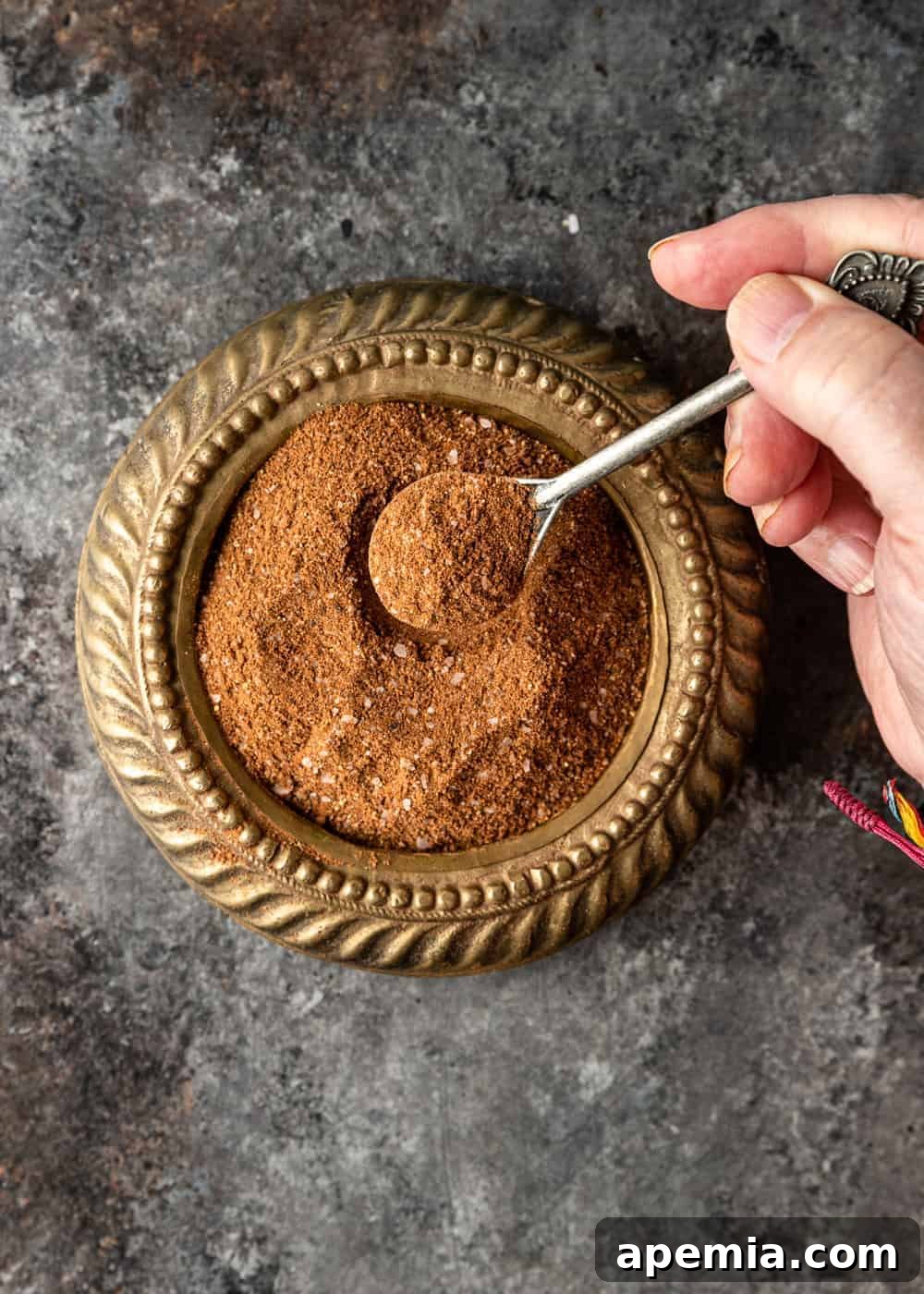
How to Make Lebanese Seven Spice
Crafting your own Lebanese Seven Spice blend is incredibly straightforward, requiring minimal effort for maximum flavor payoff. Follow these simple steps to create a fresh batch:
- Gather Your Spices: Ensure all your spices are ground. If you’re using whole spices, grind them finely before proceeding.
- Combine the Spices: In a clean mixing bowl, add all the measured ground spices.
- Whisk Thoroughly: Using a whisk, gently combine all the spices. Whisking ensures an even distribution of each spice throughout the blend, preventing clumps and guaranteeing a consistent flavor in every pinch. Continue whisking until the mixture is uniform in color and texture.
- Use or Store: Your freshly made Lebanese Seven Spice is now ready to use! Incorporate it directly into your cooking, or transfer it to an airtight container for future use.
This simple process ensures you always have a vibrant, potent spice blend on hand, far superior in flavor to most commercial varieties.
Recommended Tools for Spice Blending
- Whisk – While a spoon can work, a whisk is superior for blending spices. Its multiple wires ensure a more thorough and even mixture, effectively breaking up any small clumps that might form in the ground spices.
- Mixing Bowl with a Spout – A mixing bowl, especially one equipped with a pouring spout, makes the entire process cleaner and more efficient. It simplifies the transfer of your freshly blended spices into a small jar or storage container without spills or mess.
Unlock a World of Flavor: How to Use Your 7 Spice Blend
Lebanese Seven Spice is celebrated for its incredible versatility, making it a true workhorse in the kitchen. Once you have a fresh batch, the possibilities are endless for infusing your meals with authentic Middle Eastern flavors:
- For Meats: It excels as a dry rub for various meats. Sprinkle generously on chicken before roasting or grilling for a fragrant, golden skin. Use it to season lamb or beef for kofta, kebabs, or even larger roasts, adding an unparalleled depth that penetrates through the meat. Its warm profile complements rich, savory flavors beautifully.
- In Rice Dishes: A pinch of Lebanese Seven Spice can elevate simple rice into a sophisticated side dish or main course. It’s crucial for classic rice pilafs, especially those featuring ground meat or nuts like Hashweh, adding an aromatic foundation that makes every bite memorable.
- Soups and Stews: Introduce this blend early in the cooking process for soups and stews to build a rich, warming base. It’s particularly fantastic in lentil soups or hearty meat and vegetable stews, providing a complex flavor that ties all ingredients together. Try it in a comforting Lebanese Lentil Soup for an authentic taste.
- Vegetable Seasoning: Don’t limit it to meats and grains! Roasted vegetables like carrots, potatoes, cauliflower, or sweet potatoes are wonderfully enhanced with a dusting of Lebanese Seven Spice before baking. It can also be incorporated into vegetable tagines or pan-fried greens for an extra layer of flavor.
- Marinades and Dressings: Combine the spice blend with olive oil, lemon juice, and garlic to create a vibrant marinade for poultry or fish. For a quick savory dressing, whisk it into a yogurt or tahini base.
- Beyond the Savory: While primarily savory, its warm notes can even be experimented with in unexpected ways, such as in savory breads or pastries for a unique twist.
This blend is truly a passport to Middle Eastern culinary delights, encouraging creativity and bold flavors in your everyday cooking.
Storing Your Homemade Spice Blend for Lasting Freshness
Proper storage is paramount to maintaining the potency, aroma, and flavor of your homemade Lebanese Seven Spice blend. When stored correctly, most homemade spice blends can retain their peak quality for up to 6 months, though some may last even longer.
Here’s how to ensure your blend stays fresh:
- Choose the Right Container: Opt for an airtight container made from glass or another non-porous material. Glass jars with tight-fitting lids are ideal because they don’t absorb odors and create a good seal. Repurposing old spice jars is an excellent way to reduce waste.
- Cool, Dark, and Dry: The enemy of fresh spices is light, heat, and moisture. Store your Lebanese Seven Spice in a cool, dark place, such as your pantry, a dedicated spice cabinet, or a drawer. Avoid storing it above or next to your oven or stove, as the fluctuating heat will rapidly diminish its flavor and aroma.
- Keep it Dry: Moisture can lead to clumping and degradation of spices. Never store your blend in the refrigerator, as condensation can form and introduce moisture. Ensure your hands and any measuring spoons are completely dry before dipping them into the spice jar.
By following these simple storage guidelines, you can enjoy the vibrant flavors of your homemade Lebanese Seven Spice blend for months to come, ensuring every dish you prepare is infused with its full aromatic potential.
Share this recipe on Pinterest!
Love this recipe? Share it with the world on Pinterest.
Share on Pinterest
Frequently Asked Questions
Not necessarily. It’s important to remember that the composition of Lebanese Seven Spice can vary significantly from one household to another, and even between different regions within Lebanon or other Middle Eastern countries. Your blend can and should reflect your personal preferences and the dishes you intend to use it for. That being said, there are a handful of spices that almost always form the aromatic core: allspice, cinnamon, nutmeg, and black pepper. While some traditional blends might include clove, my personal preference typically omits it, but feel free to include it if you enjoy its distinct flavor. The “seven” is more a guideline for a complex, aromatic mix rather than a strict roster.
Yes, they are essentially very similar blends, often used interchangeably, although subtle regional differences can exist. “Baharat” is actually the Arabic word for “spices,” so “Lebanese Seven Spice” translates more directly to “Sabaa Baharat.” Both blends aim for a warm, savory, and aromatic profile. Historically, Baharat might be a broader term encompassing various spice mixes across the Middle East, sometimes featuring paprika, chili, or different ratios of the core spices depending on the country (e.g., Turkish Baharat often has mint). However, in most practical culinary contexts, especially within the Levant, if you have one, you can often use it for the other. My recipe offers a classic Lebanese interpretation.
The versatility of Lebanese Seven Spice is one of its greatest assets. It’s a fantastic all-purpose seasoning that can elevate a wide range of dishes. It’s particularly wonderful for seasoning kofta and various meatballs, infusing them with a deep, savory warmth. It’s indispensable in rice dishes and sauces, providing an aromatic base that defines Middle Eastern comfort food. Beyond that, it makes an excellent dry rub for both red meat and poultry, perfect for grilling, roasting, or pan-searing. Don’t forget to incorporate it into hearty soups and stews, where its complex flavor develops beautifully throughout the cooking process, creating truly comforting and authentic meals.
Lebanese Seven Spice Blend Recipe
Lebanese Seven Spice Blend
Lebanese seven spice is a staple Middle Eastern spice blend containing bold, warm spices like allspice, nutmeg, cinnamon, pepper, and more, perfect for enhancing any dish.
Servings: 20
Prep Time: 5 mins
Total Time: 5 mins
Print Recipe
Ingredients
- 2 tbsp ground cinnamon
- 2 tbsp kosher salt
- 4 tsp ground nutmeg
- 2 tsp ground black pepper
- 1 tsp allspice
- 1 tsp ground fenugreek
- 1 tsp ground ginger
Instructions
- Combine all ground spices in a bowl. Whisk them thoroughly until evenly incorporated and well mixed. This blend is excellent as a dry rub for grilled meats and chicken, or as a seasoning for meatballs and stews.
- Store the finished spice blend in an airtight container in a cool, dark place to maintain its freshness and potency.
Nutrition (per serving)
Calories: 6kcal | Carbohydrates: 1g | Protein: 1g | Fat: 1g | Saturated Fat: 1g | Sodium: 698mg | Potassium: 6mg | Fiber: 1g | Sugar: 1g | Calcium: 10mg | Iron: 1mg
The information shown is an estimate provided by an online nutrition calculator. It should not be considered a substitute for a professional nutritionist’s advice.
Course: Spice Blend
Cuisine: Lebanese
Author: Kevin
Have You Made This Recipe? Let Me Know on Instagram
Tag @keviniscooking or use the hashtag #keviniscooking!