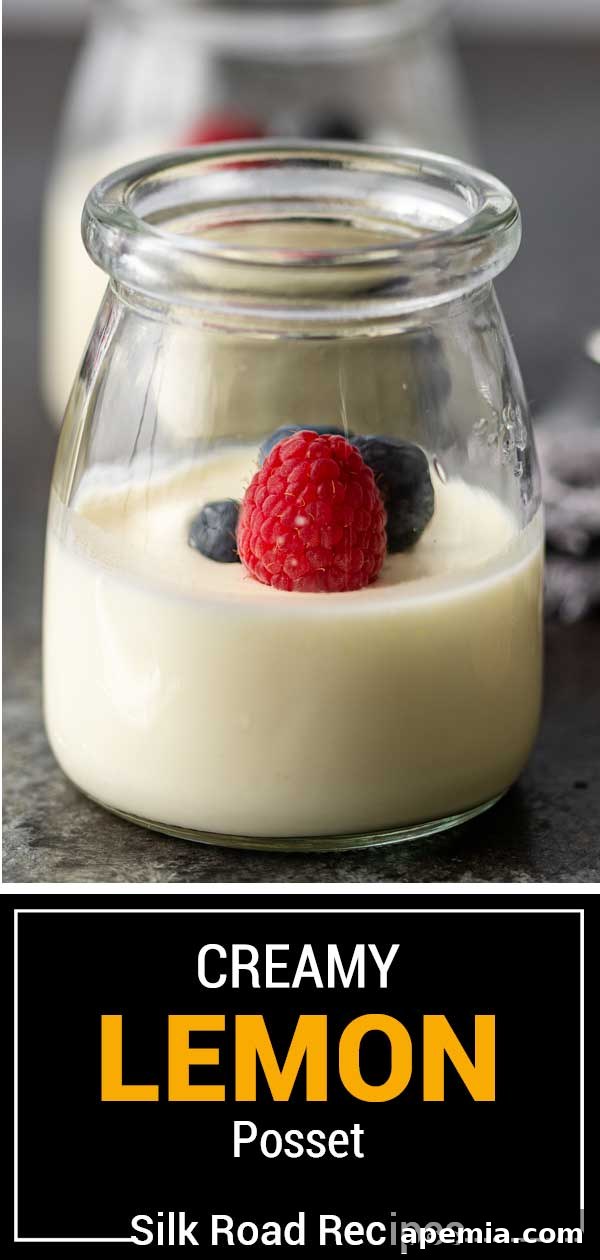
Decadent Lemon Posset: Your Guide to a Velvety Smooth British Dessert
If you’ve never experienced the sheer delight of a Lemon Posset, you are truly missing out on a culinary gem. This exquisite dessert is a testament to the magic that can happen with just a few simple ingredients and minimal effort. Imagine a velvety smooth, refreshingly chilled cream, bursting with bright, tangy lemon flavor – that’s the essence of a perfect posset. It’s a delightful British classic that promises an elegant finish to any meal, requiring just three core ingredients and four straightforward steps to bring to life. In the end, you’ll be rewarded with generous servings of this decadent, luscious lemon cream, ready to impress friends and family.
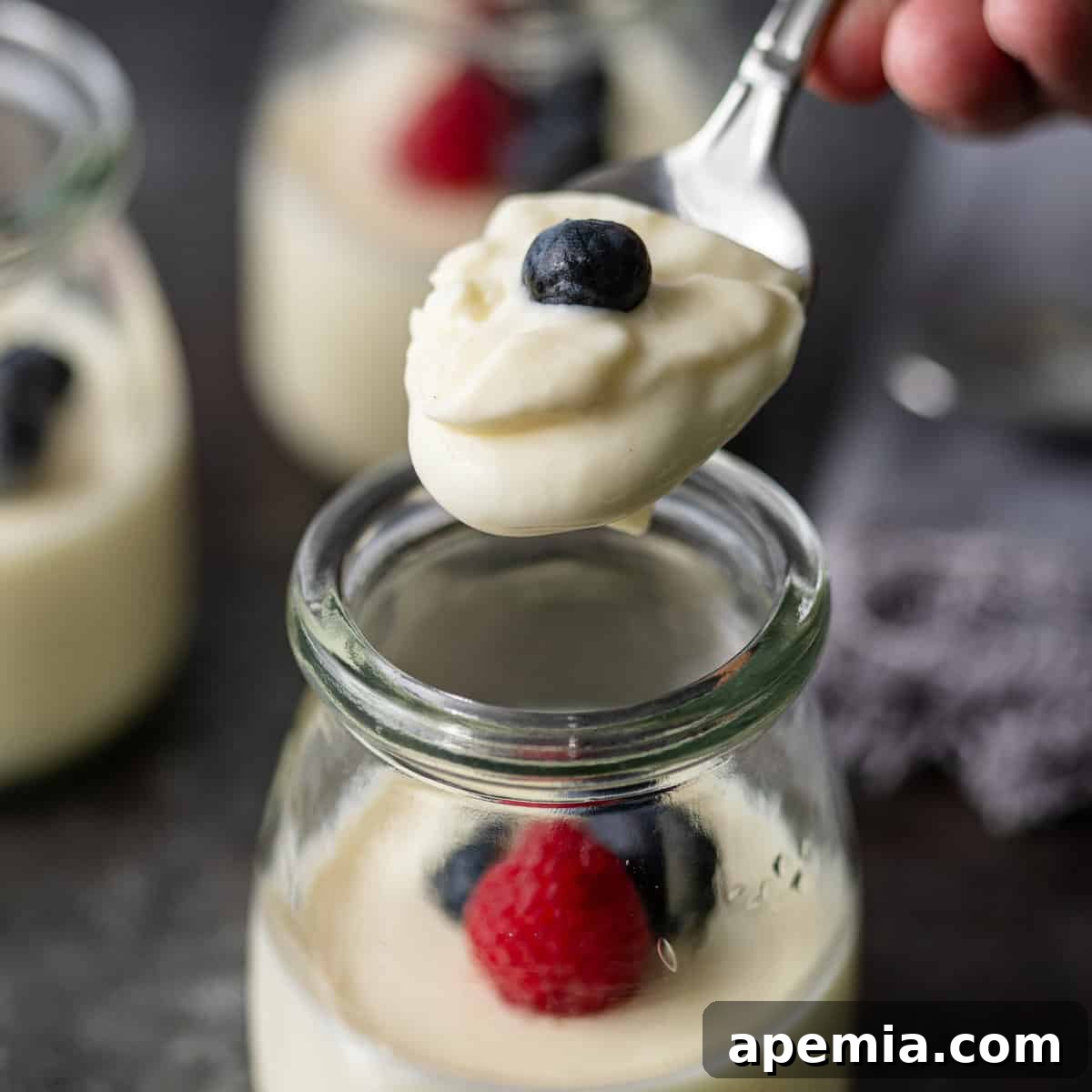
A traditional British posset (pronounced poss-it) is renowned for its irresistibly tangy, lemony profile. It’s a dessert that perfectly balances refreshment with a luxurious creaminess, offering a texture that’s softer than a firm pudding but richer than a typical mousse – truly like a thick, silky cream. The beauty of the posset lies in its elegant simplicity, relying on a magical chemical reaction between cream and citrus to achieve its unique consistency and vibrant flavor.
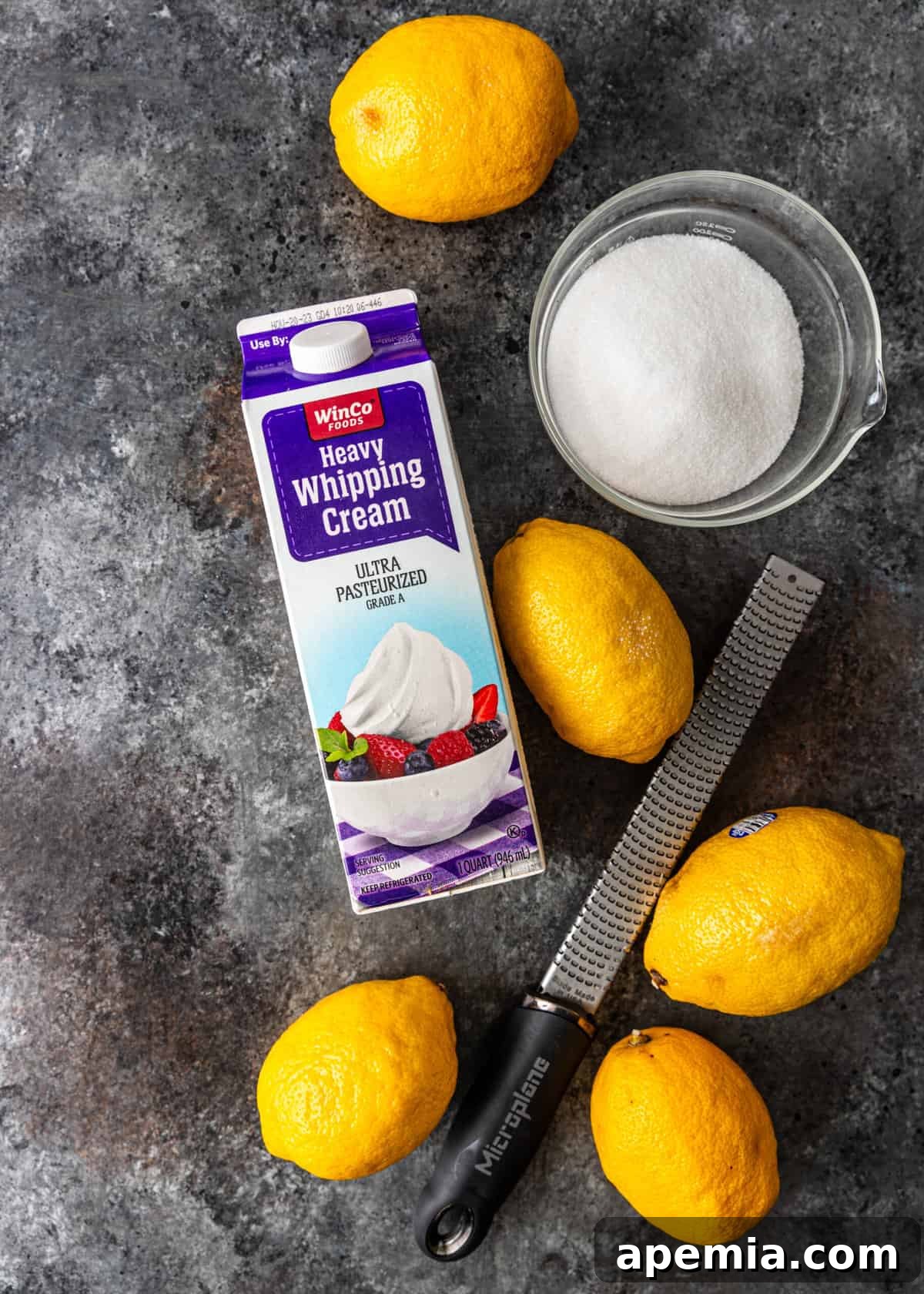
The core of this dessert involves nothing more than three humble ingredients: heavy cream, sugar, and lemons. While its minimalist ingredient list might suggest a lack of complexity, the resulting flavor is anything but. This simplicity also makes it an ideal canvas for culinary creativity. You are always welcome to enhance your homemade lemon posset with an array of fresh fruits, a dollop of whipped cream, a spoonful of your favorite jam, or even serve it dramatically in cleaned-out lemon shells for an extra touch of charm. However, it’s equally delicious and profoundly satisfying enjoyed on its own. In fact, the flavor is so wonderfully rich and concentrated that a single serving is often enough to completely satiate your dessert cravings!
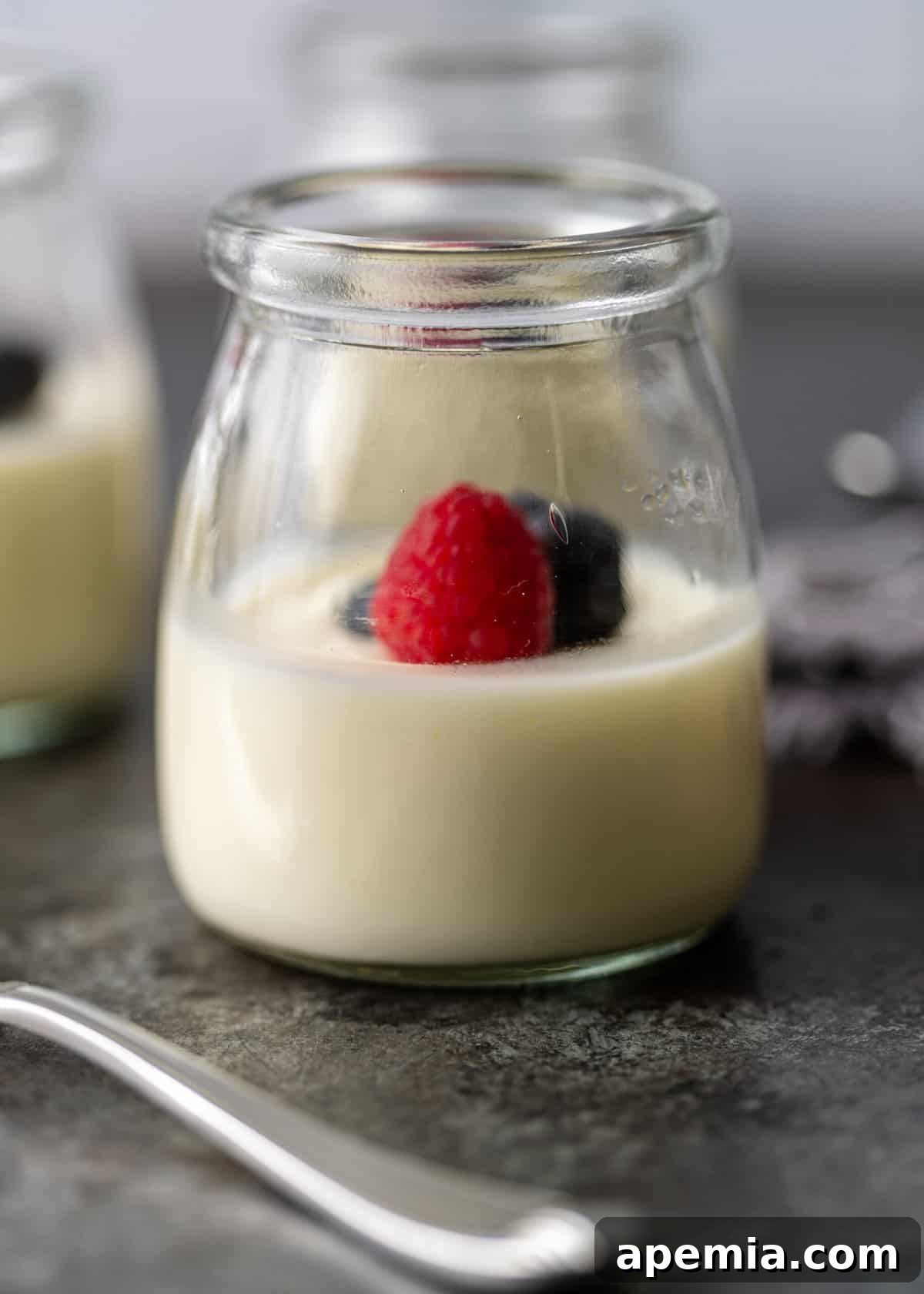
This vibrant dessert pairs beautifully with a variety of accompaniments. Consider serving it alongside crisp shortbread cookies, like buttery matcha cookies or colorful hamantaschen filled with Nutella or jam, to complement its creamy texture. For a delightful contrast that cuts through the sweetness, I highly recommend something with a hint of bitterness or spice, such as sweet and spicy tahini chocolate bark, fudgy tahini brownies, or a rich chocolate babka. The possibilities for enjoyment are truly endless!
A Brief History of Posset
A posset (also occasionally spelled poshote, poshotte, or poosay) traces its roots back to medieval Britain. Far from being the refreshing dessert we know today, it originally began as a warm, spiced drink. Typically made by curdling milk with wine or ale, often infused with various spices, it was commonly consumed as a restorative tonic or remedy, especially during times of illness. Over centuries, as culinary practices evolved, the posset transformed. The medicinal concoction gradually shed its alcoholic content and warm serving temperature, embracing sweeter ingredients and a chilled presentation. The core principle of acid curdling cream remained, but its purpose shifted from a comforting drink to a celebrated, elegant dessert, particularly popular from the 16th to the 19th centuries. Today, the lemon posset stands as a beloved classic, cherished for its simplicity and exquisite taste.
Ingredient Notes and Substitutions
While the beauty of posset lies in its short ingredient list, understanding each component is key to achieving perfection.
- Heavy Cream: This is the backbone of your posset. It is absolutely essential to use cream with a relatively high-fat content (typically 36% or higher, often labeled “heavy whipping cream”). The fat and protein in the cream are crucial for the chemical reaction that occurs when the acidity from the lemon is introduced, causing it to thicken beautifully. Avoid light creams or half-and-half, as they simply won’t set properly, resulting in a runny dessert. If you’re looking for an alternative, ensure any substitute contains a high level of protein, like casein, to ensure proper thickening.
- Sugar: Granulated sugar is the standard for this recipe, providing sweetness and contributing to the texture. You can experiment with various sugar substitutes if desired, and even honey can work, though it will impart its distinct flavor. However, it’s best to avoid liquid sweeteners that might thin the cream too much, compromising the desired thick consistency. Always adjust to your preferred level of sweetness.
- Lemon: The star of the show! To achieve enough zest and juice for a vibrant, tangy posset, you’ll typically need at least one large, fresh lemon. When zesting, be sure to only remove the bright yellow outer layer, avoiding the bitter white pith underneath. Freshly squeezed juice is non-negotiable here; bottled lemon juice lacks the fresh acidity and essential oils found in real lemons, which are vital for both flavor and the setting process.
- Toppings & Garnishes: While delightful on its own, a well-chosen topping can elevate your posset even further. Here are some highly recommended options:
- Fresh Berries: A medley of fresh blueberries, strawberries, raspberries, and blackberries adds natural sweetness, a slight tartness, and a pop of color. You could also spoon over a thick, sweet berry reduction, similar to a topping used for Japanese cheesecake, for an extra layer of flavor and elegance.
- Lemon Slice or Twist: Not merely for garnish, a fresh lemon slice or a delicate twist of zest can be squeezed gently over a spoonful of chilled cream just before eating. This burst of fresh juice enhances the tanginess and brightness, creating a truly heavenly bite.
- Mint: A small sprig of fresh mint brings a delicate aromatic note and a touch of verdant color, adding an extra layer of freshness to this already invigorating treat.
- Edible Flowers: For a truly elegant presentation, scatter a few edible flowers like pansies or violas.
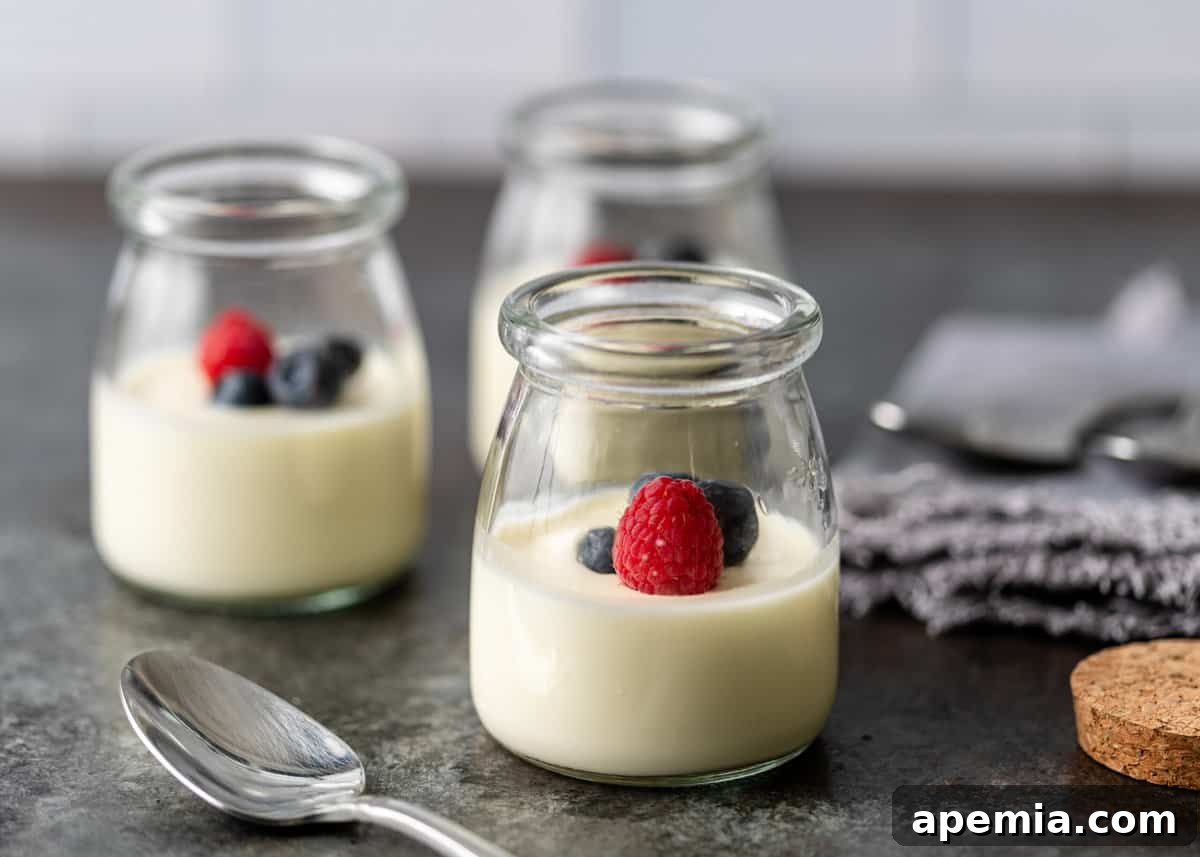
How to Make the Perfect Lemon Posset
Creating this delightful dessert is incredibly simple, but attention to detail ensures a flawless result.
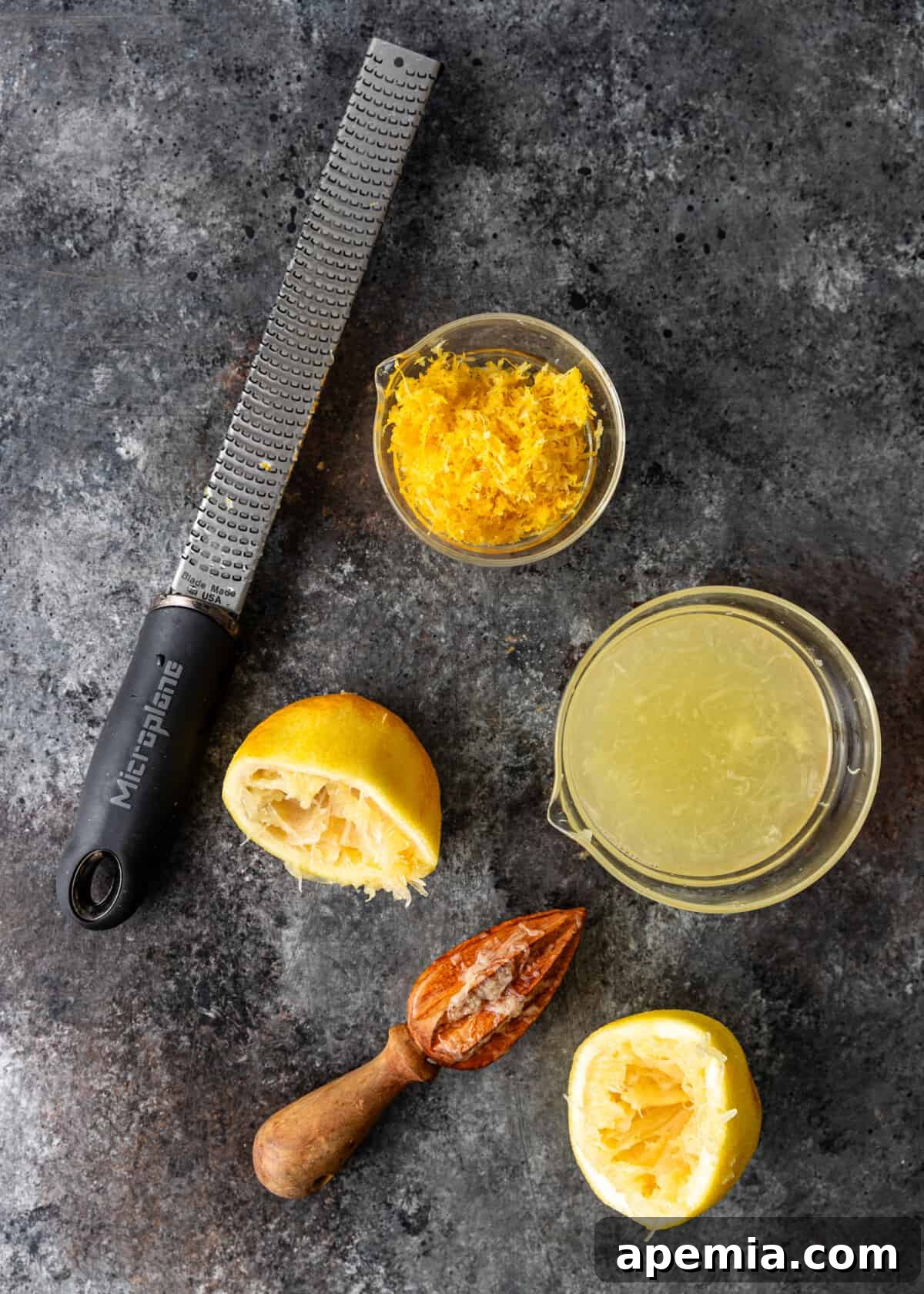
- Prepare the Lemon: Begin by thoroughly rinsing and drying your lemon. Carefully zest the entire lemon, ensuring you only get the yellow outer layer and avoid the bitter white pith beneath. Set the zest aside. Then, juice the lemon until you have a total of 5 tablespoons of fresh lemon juice. If you find it challenging to extract enough juice, a quick trick is to microwave the whole lemon for 20-30 seconds before juicing; this helps release more liquid.
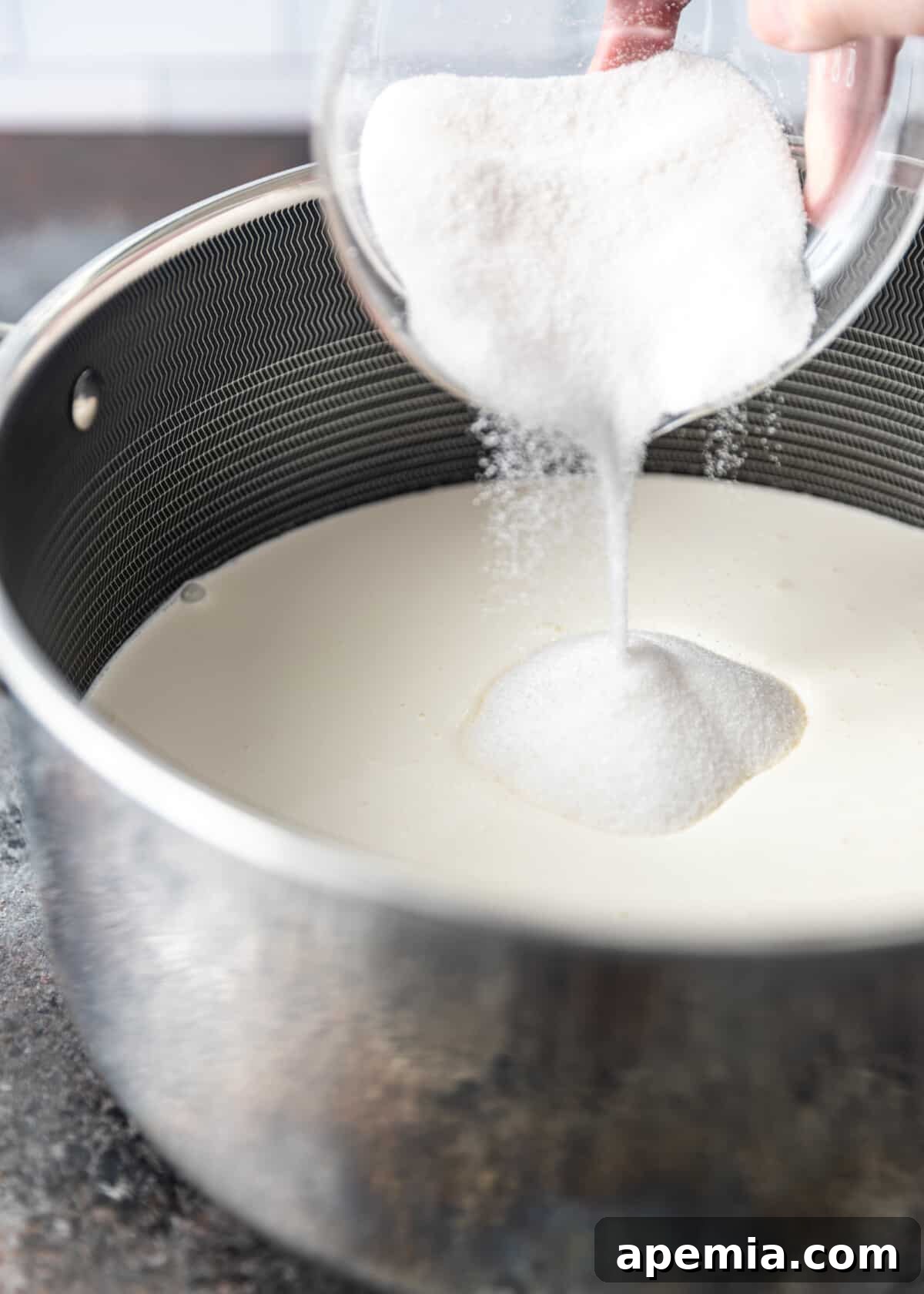
- Boil the Cream Mixture: Pour the heavy cream into a medium-sized saucepan. Add the granulated sugar and the reserved lemon zest. Place the pot over medium-high heat, stirring continuously with a whisk or spoon until the sugar completely dissolves. Once the sugar has dissolved, bring the mixture to a rolling boil. Reduce the heat to medium and continue to boil gently for precisely 3 minutes. It is crucial to stir constantly throughout this boiling process to prevent the mixture from boiling over and to ensure the bottom of the pot doesn’t scorch, which could impart an unpleasant flavor. Adjust the heat as needed to maintain a steady, gentle boil. The goal is a silky-smooth base.
- Incorporate the Lemon Juice: Immediately remove the saucepan from the heat once the 3 minutes of boiling are complete. Stir in the fresh lemon juice. You’ll observe a fascinating transformation: the mixture will quickly thicken before your eyes, changing from a liquid consistency to one resembling a soft, thick yogurt. This rapid thickening is the acid from the lemon juice reacting with the proteins in the hot cream, causing it to curdle subtly and set. Allow the mixture to sit undisturbed for 10 minutes to cool down slightly.
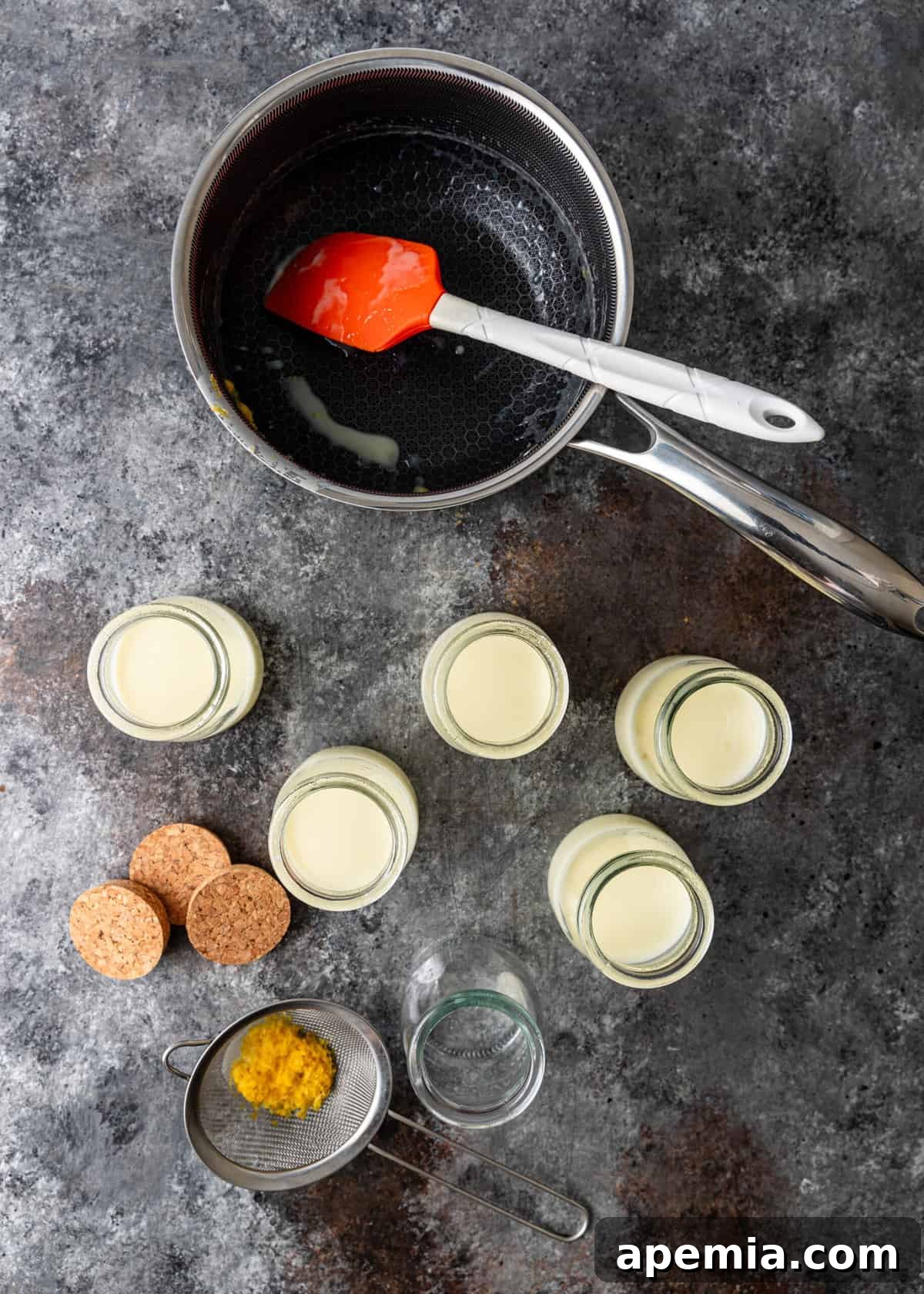
- Chill and Set: Carefully divide the cooled posset mixture evenly among your desired serving containers (ramekins, small glass jars, or elegant dessert glasses work perfectly). Cover each container tightly with plastic wrap to prevent a skin from forming and to keep out any odors from the refrigerator. Refrigerate the possets for at least 2 hours to allow them to fully set and chill. For the absolute best texture and flavor, an overnight chill is highly recommended. Just before serving, garnish with your preferred toppings, such as fresh berries, a lemon slice, or a sprig of mint.
Pro Tips for Posset Perfection
- Choosing Your Zester: For the finest, most aromatic zest, opt for a microplane zester rather than a standard grater. This tool creates delicate strands of zest that release maximum flavor without introducing bitterness.
- Efficient Juicing: A handheld citrus juicer or reamer is your best friend for extracting the most juice from your lemons. It also helps in easily transferring the juice to your measuring tools, keeping your workspace clean.
- Temperature Control is Key: Pay close attention to the heat while boiling. A steady, gentle boil for exactly 3 minutes is vital. Too low and it won’t thicken; too high and it could scorch or curdle improperly. Continuous stirring ensures even heating.
- Don’t Skimp on Chilling: While 2 hours is the minimum, an overnight chill truly allows the flavors to meld and the texture to firm up perfectly. Patience is a virtue when it comes to posset!
- Serving Vessels: Small ramekins, espresso cups, or elegant shot glasses are perfect for serving, as the richness of posset means a little goes a long way.
Serving and Pairing Suggestions
Lemon posset is a versatile dessert that shines whether served simply or dressed up. Here are some ideas to enhance your posset experience:
- For a Classic Touch: Serve with delicate shortbread cookies or biscotti for a delightful textural contrast.
- Fruity Companions: Beyond berries, consider a compote of diced peaches, roasted rhubarb, or a thin slice of candied orange peel.
- Herbal Notes: A tiny sprig of fresh thyme or rosemary can add an unexpected and sophisticated herbal counterpoint to the lemon.
- For Coffee Lovers: A small espresso or a rich black coffee can beautifully complement the tartness of the posset.
- Wine Pairings: Consider a sweet dessert wine like a Moscato d’Asti or a late-harvest Riesling to match the sweetness and acidity.
Storage and Make-Ahead Instructions
One of the many benefits of this lemon posset recipe is its suitability for making ahead, making it an ideal dessert for entertaining. Prepare this recipe at least 2 hours before you plan to serve it, allowing ample time for the mixture to properly set and chill. However, for the very best consistency and flavor development, an overnight chill in the refrigerator is highly recommended.
Once set, posset should be consumed within 3 days for optimal freshness and texture. You’ll know immediately if your posset has gone past its prime: the liquid will separate from the cream, and it will develop an unpleasantly sour odor. Always keep individual servings tightly covered with plastic wrap when stored in the refrigerator to prevent flavor absorption and maintain freshness.
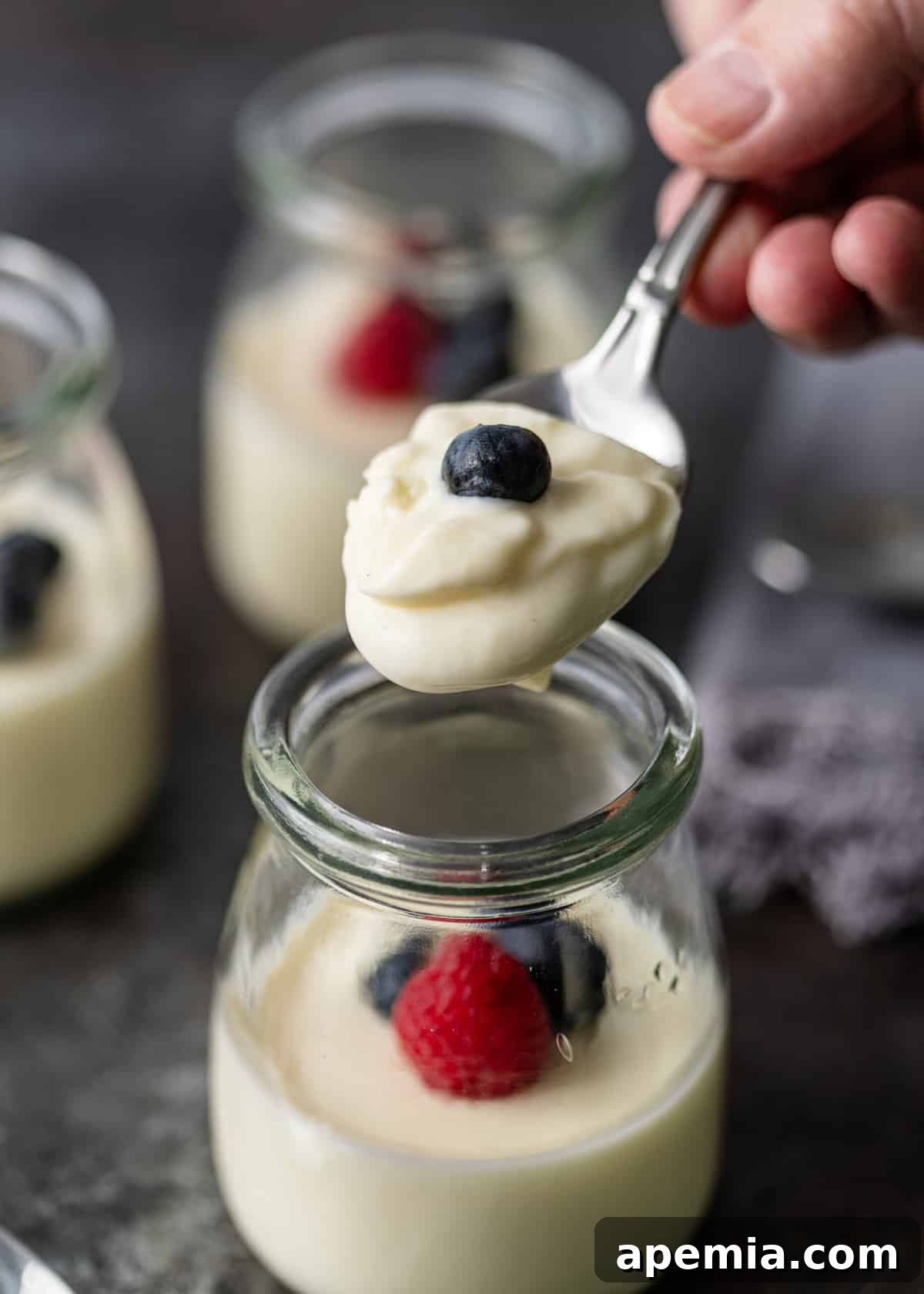
Frequently Asked Questions
While all three are delightful creamy desserts, they have distinct characteristics. A panna cotta is a cooked cream custard, the most different of the three. It’s typically flavored with subtle vanilla and achieves its jiggly, firm set through the use of gelatin. A syllabub, on the other hand, is more mousse-like in texture and traditionally contains alcohol, usually wine or sherry. The acidity in the wine, much like the lemon juice in our lemon posset recipe, is what thickens the cream. Syllabub often includes lemons as well, making it quite similar to many possets in terms of taste profile, but its airy, whipped texture sets it apart. Posset, as discussed, is a dense, smooth cream dessert thickened solely by the reaction of hot cream with citrus acid.
The magic behind a posset’s thickness comes from the lemon juice. When the hot, sweetened cream comes into contact with the acidic lemon juice, a natural chemical reaction occurs. The acid lowers the pH of the cream, causing the milk proteins (casein) to denature and coagulate, or curdle. This controlled curdling is what thickens the mixture into its characteristic soft-set texture as it cools. This reaction happens very quickly once the juice is added, so ensure any other flavorings or extracts are thoroughly mixed into the cream before this crucial step to guarantee even distribution.
If your posset ends up with a grainy texture rather than a smooth, velvety consistency, it’s typically due to one of two reasons: either there was too much acidity in proportion to the cream, or the cream was heated too quickly or unevenly. Overheating the cream or adding the lemon juice to cream that’s too hot can cause the proteins to curdle too aggressively and unevenly, leading to a grainy texture. That’s why maintaining a controlled temperature during the boiling phase and continuous stirring are incredibly important. It ensures the cream heats evenly and the subsequent curdling process with the lemon juice is gentle and uniform, resulting in a perfectly smooth posset.
Absolutely! While lemon is the classic, posset can be made with other acidic citrus fruits. Lime posset is a popular variation, offering a slightly different tang. Orange or grapefruit could also be used, but you might need to adjust the sugar content to balance their inherent bitterness or sweetness, and ensure you have enough acidity to set the cream. Experimenting with a blend of citrus zests can also yield delightful results.
Yes, the basic lemon posset recipe, made with heavy cream, sugar, and lemons, is naturally gluten-free. This makes it an excellent dessert option for individuals with gluten sensitivities or celiac disease. However, always double-check any toppings or accompaniments you choose to ensure they are also gluten-free.
Share this recipe on Pinterest!
Love this recipe? Share it with the world on Pinterest to inspire others.
Classic Lemon Posset Recipe
Posset is a simple, refreshing dessert with a tangy lemon flavor and a thick, creamy texture. All you need are three ingredients: heavy cream, sugar, and fresh lemons!
Yields: 6 servings
Prep time: 5 mins
Cook time: 10 mins
Chill Time: 2 hrs (or overnight, recommended)
Total time: 2 hrs 15 mins
Print Recipe
Ingredients
- 6 ounces (approx. 3/4 cup) heavy cream (full-fat)
- 1/2 cup granulated sugar
- 1 large lemon (for 5 tbsp juice and all zest)
For Serving (Optional)
- Berries of choice (e.g., blueberries, raspberries)
- Fresh lemon slices or twists
- Mint sprigs
Instructions
- Prepare Lemon: Rinse and dry the lemon. Zest the entire lemon, avoiding the white pith, and set aside. Juice the lemon until you have exactly 5 tablespoons of juice.
- Boil Cream Mixture: In a saucepan, combine the heavy cream, sugar, and lemon zest. Place over medium-high heat and stir continuously until the sugar completely dissolves. Bring the mixture to a rolling boil. Once boiling, reduce the heat to medium and continue to boil for 3 minutes, stirring constantly. Adjust heat as necessary to prevent boiling over or scorching the bottom of the pan. The goal is a perfectly smooth mixture.
- Add Lemon Juice & Cool: Remove the saucepan from the heat immediately. Stir in the measured lemon juice. You will notice the mixture quickly thicken to a soft, yogurt-like consistency. Let the mixture sit and cool for 10 minutes.
- Chill & Serve: Divide the posset evenly into 4-6 small ramekins, glasses, or serving dishes, depending on desired portion size. Cover each with plastic wrap and refrigerate until fully set and chilled, a minimum of 2 hours, or ideally overnight for the best results. Garnish with fresh berries, a lemon slice, or a sprig of mint just before serving.
Nutrition
The information provided is an estimate from an online nutrition calculator and should not be considered a substitute for professional nutritionist’s advice.
- Calories: 166 kcal
- Carbohydrates: 19g
- Protein: 1g
- Fat: 10g
- Saturated Fat: 7g
- Polyunsaturated Fat: 0.5g
- Monounsaturated Fat: 3g
- Cholesterol: 32mg
- Sodium: 8mg
- Potassium: 52mg
- Fiber: 1g
- Sugar: 18g
- Vitamin A: 421 IU
- Vitamin C: 10mg
- Calcium: 24mg
- Iron: 0.1mg
Course: Desserts
Cuisine: English
Author: Kevin
Have You Made This Recipe? Let Me Know on Instagram!
Tag @keviniscooking or use the hashtag #keviniscooking!