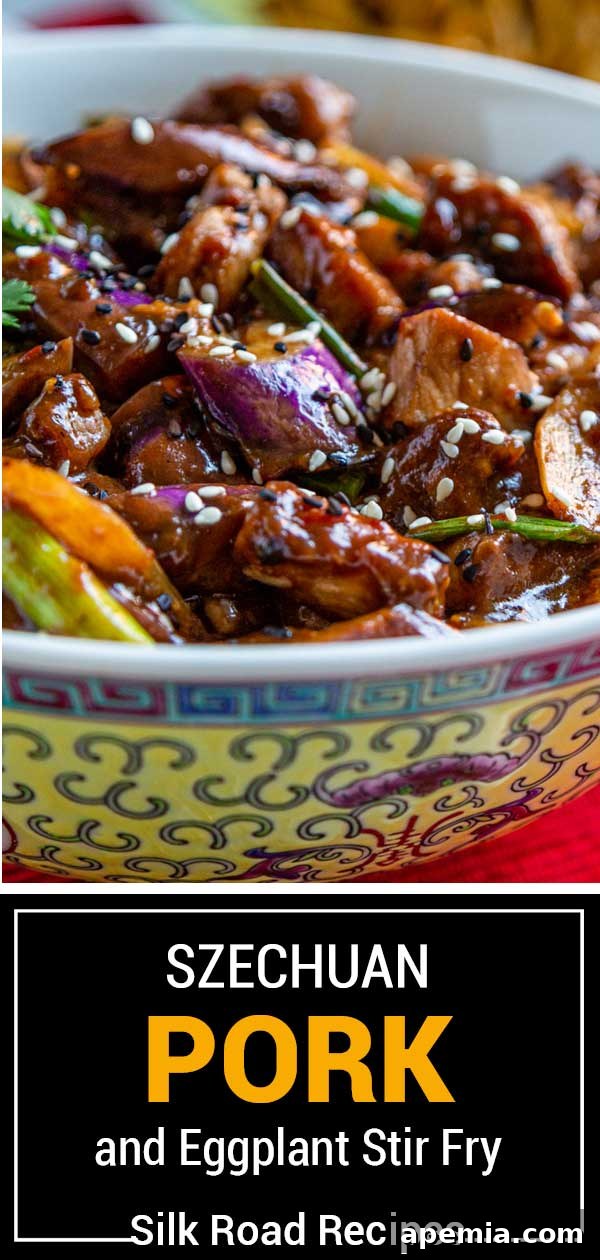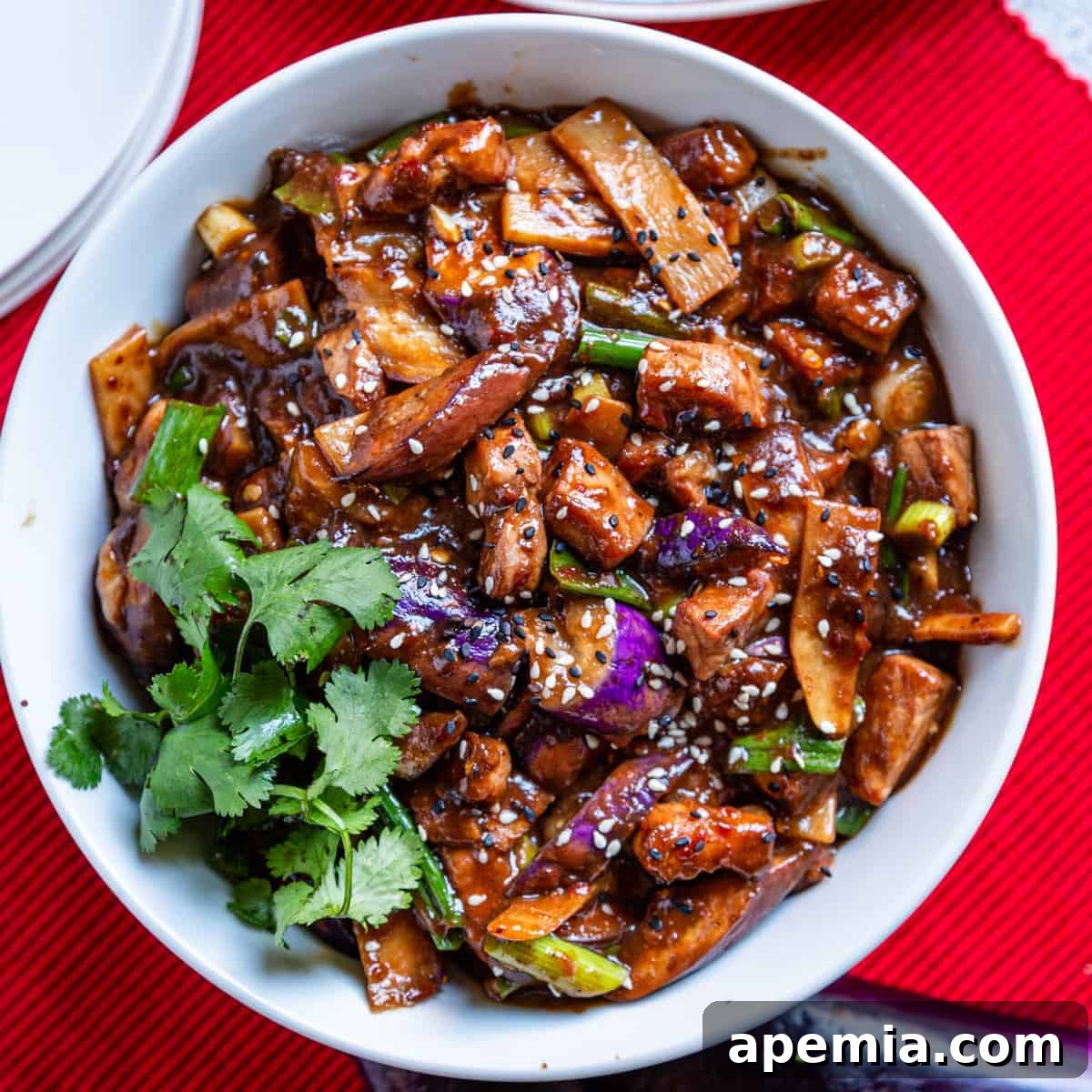
Unforgettable Szechuan Pork and Chinese Eggplant Stir Fry: A Spicy 30-Minute Delight
Experience a symphony of flavors and textures with our exquisite Szechuan Pork and Chinese Eggplant Stir Fry. This vibrant dish brings together succulent, crispy pork with tender, melt-in-your-mouth Chinese eggplant, all coated in a rich, spicy, and perfectly balanced sauce. Enhanced with fresh green onions and crunchy bamboo shoots, this effortless Asian recipe delivers an authentic Szechuan experience in just 30 minutes, making it an ideal choice for a sensational weeknight dinner.
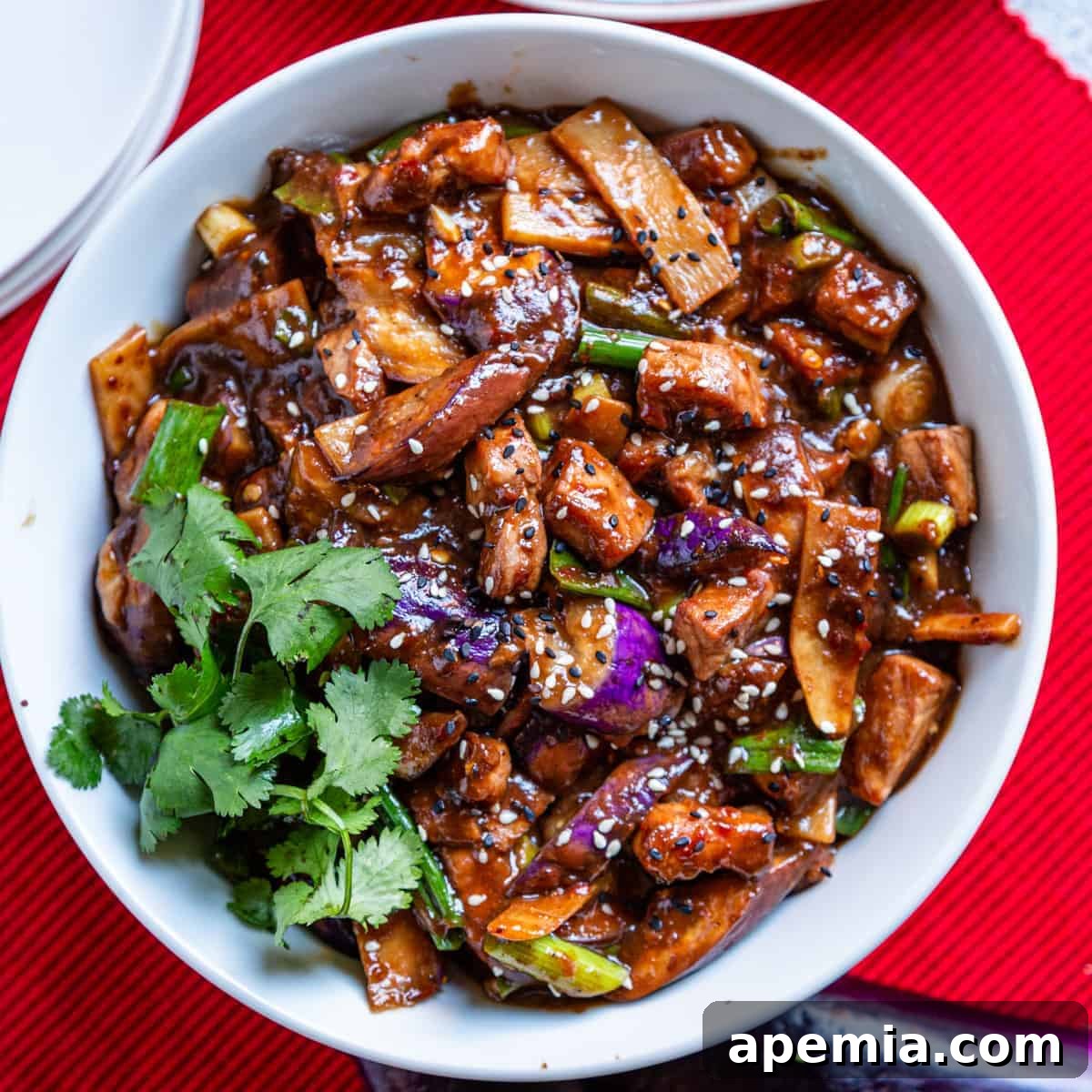
There’s an undeniable magic in a perfectly executed stir fry, especially when it comes alive in the fiery embrace of a wok. This Szechuan pork and Chinese eggplant recipe is a personal favorite, designed for those moments when you crave intense heat and profound savory flavors. It’s an incredibly satisfying dish that truly belies its simple preparation, proving that extraordinary taste doesn’t have to mean complicated cooking.
Szechuan (or Sichuan) cuisine hails from the Sichuan Province in southwestern China, renowned globally for its bold, complex, and deeply aromatic flavors. Traditionally characterized by the liberal use of garlic, chili peppers, and the distinctive numbing spice of Szechuan peppercorns, these dishes create an exciting sensory journey. While our recipe thoughtfully omits Szechuan peppercorns for broader appeal, it expertly captures the essence of this celebrated culinary region through a thoughtful blend of complementary Chinese spices and pantry staples.
Table of Contents
- Spice Level and Customization
- Essential Ingredients & Smart Substitutions
- Step-by-Step: Crafting Your Szechuan Pork Stir Fry
- Tools for Stir-Fry Success
- Storing and Reheating Your Stir Fry
- Frequently Asked Questions
- Full Szechuan Pork and Eggplant Stir Fry Recipe Card
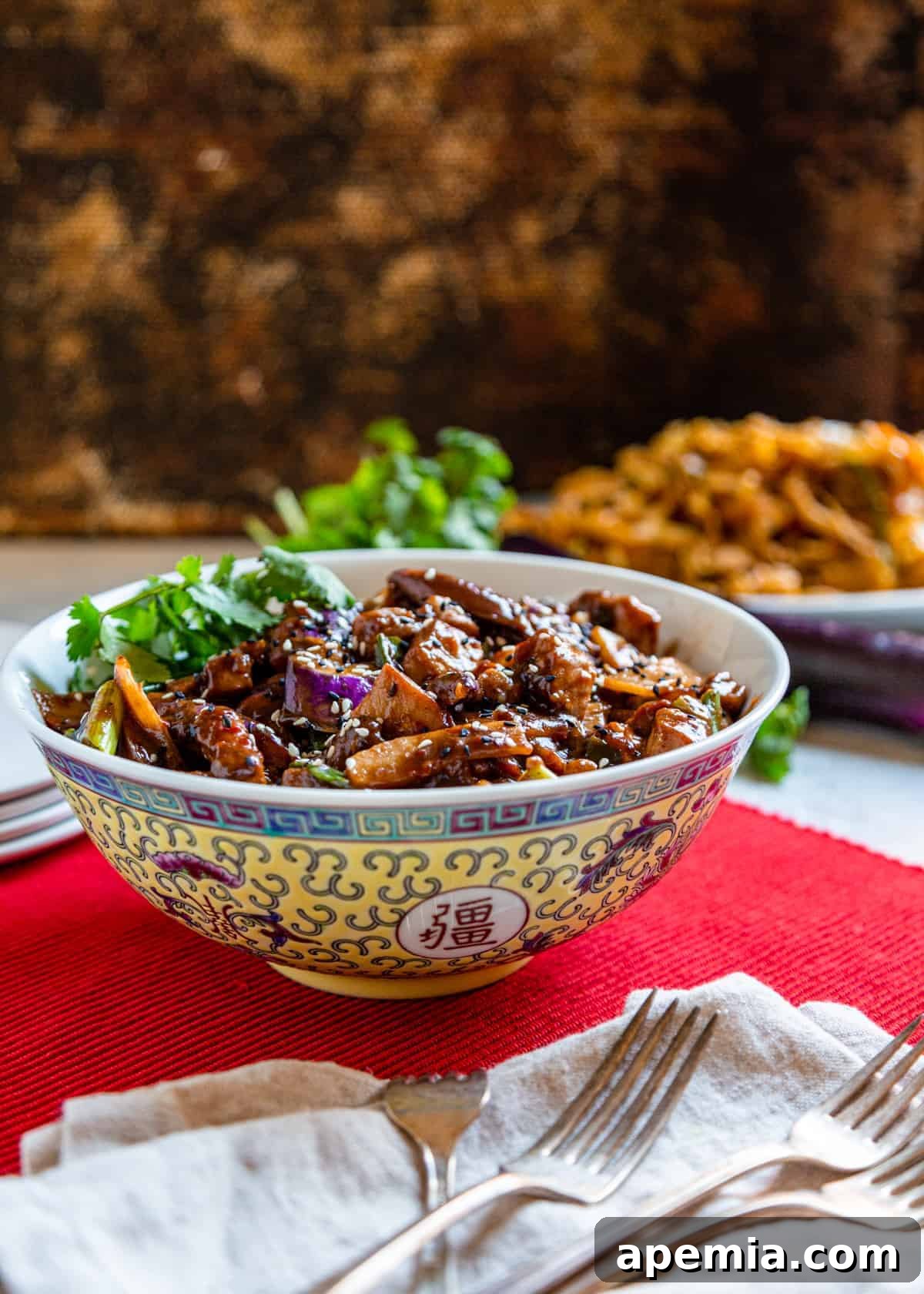
Chef’s Tip
Spice Level and Customization
This Szechuan pork recipe is crafted for those who appreciate a bold kick! It offers a significant level of spiciness that truly tantalizes the taste buds. However, if your palate prefers a milder experience, feel free to adjust the amount of chili paste to your liking. This recipe is wonderfully versatile, allowing you to easily customize the heat to perfectly suit your personal preference without sacrificing any of its rich, complex flavor.
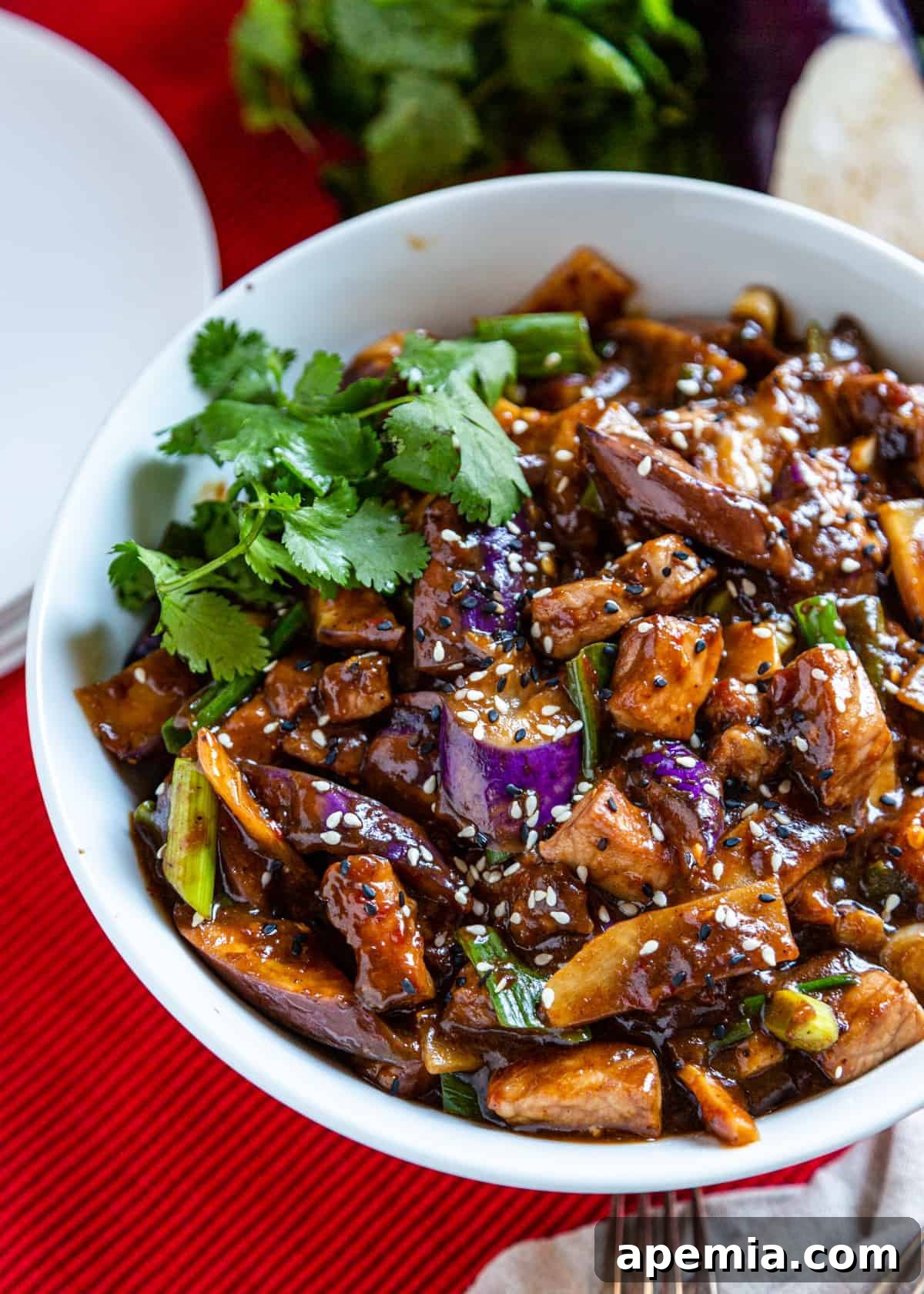
Beyond this delightful stir fry, my culinary journey often leads me to explore other incredible Asian eggplant recipes. If you’re a fan of eggplant, consider trying my Eggplant Moussaka or a comforting Spiced Eggplant Stew for a different take. And don’t let any leftover sauces or seasonings go to waste! They are perfect for crafting other savory Asian dishes such as sweet and juicy Beef with Black Bean Sauce, a fiery Hunan Chicken, or irresistible Sticky Asian Short Ribs. These recipes showcase the incredible versatility of Asian pantry staples and are sure to expand your culinary repertoire.
Essential Ingredients & Smart Substitutions
(A full, detailed list of ingredients and quantities can be found in the recipe card below.)
- Pork Tenderloin: I recommend using 1 pound of pork tenderloin for this Szechuan stir fry. Its lean nature and delicate texture make it ideal for quick, high-heat cooking, ensuring the pork remains tender while achieving crispy edges. If tenderloin isn’t available, boneless pork chops, thinly sliced against the grain, make an excellent alternative.
- Chinese Eggplant: Distinguished by its long, slender shape and beautiful lavender hue, Chinese eggplant is a star in this dish. It boasts a mild, slightly sweet flavor and a thin skin that cooks down beautifully without becoming bitter, unlike its larger American counterparts. This delicate quality helps to beautifully balance the intense heat of the Szechuan sauce. No need to peel!
- Cornstarch: This humble ingredient plays a dual role in our recipe. First, it creates a light, crispy coating on the pork when fried, contributing to that desirable texture. Second, it’s essential for thickening the rich Szechuan sauce, ensuring it clings beautifully to every piece of pork and eggplant.
- Garlic: Freshly minced garlic cloves are non-negotiable for their pungent warmth and aromatic depth. The moment it hits the hot wok, your kitchen will be filled with an irresistible aroma, laying the flavorful foundation for the entire dish.
- Green Onions: These versatile alliums offer a mild, slightly sweet, and refreshing counterpoint to the rich and spicy sauce. They add a vibrant burst of color and a subtle crispness, making them one of my favorite garnishes for authentic Chinese cuisine.
- Bamboo Shoots: Providing a delightful crunch and a unique, earthy sweetness often compared to corn, bamboo shoots contribute a satisfying texture and distinctive flavor profile. If bamboo shoots are hard to find, water chestnuts can be used as a suitable substitute, offering a similar crispness.
- Vegetable Oil: Essential for achieving that perfect stir-fry sizzle, vegetable oil allows for high-heat cooking to crisp the pork and sear the eggplant beautifully. Any neutral-flavored cooking oil with a high smoke point, such as canola or grapeseed oil, will work equally well.
- The Dynamic Szechuan Sauce: This is where the magic truly happens!
- Sambal Oelek: An Indonesian chili paste that delivers a spicy, tangy, and robust flavor. It’s my go-to for its vibrant kick, but you can certainly use your favorite chili paste if preferred. I highly recommend giving Sambal Oelek a try for its unique profile.
- Black Bean Sauce: A foundational ingredient in Chinese cuisine, known for its deep, savory, and umami-rich notes. Despite its richness, it maintains a mild, fermented flavor that enhances the overall complexity without overpowering other ingredients.
- Ginger Paste: Fresh ginger paste provides a bright, zesty, and slightly peppery warmth. While minced fresh ginger can be substituted, making a paste at home or buying a good quality one will yield a smoother texture and more integrated flavor in the sauce.
- Apple Cider Vinegar: This adds a crucial sharp, acidic note, cutting through the richness and spice to brighten the entire dish. It’s one of the subtle yet key flavors that elevates this stir fry. Rice wine vinegar is an excellent alternative if you don’t have apple cider vinegar on hand.
- Sesame Oil: A powerful, aromatic oil renowned for its distinct savory, nutty flavor. A small amount goes a long way in imparting a profound depth and authentic Asian character to the sauce.
- Soy Sauce: This fundamental ingredient infuses the dish with its signature rich, salty, and savory umami flavor. It’s used both in the pork marinade to tenderize and season, and again in the main sauce for depth.
- Honey: Beyond adding a touch of natural sweetness, honey acts as an emulsifier, helping to bind the sauce ingredients together. It contributes to the sauce’s glossy, thick glaze, perfectly balancing the heat and acidity for a well-rounded flavor profile.
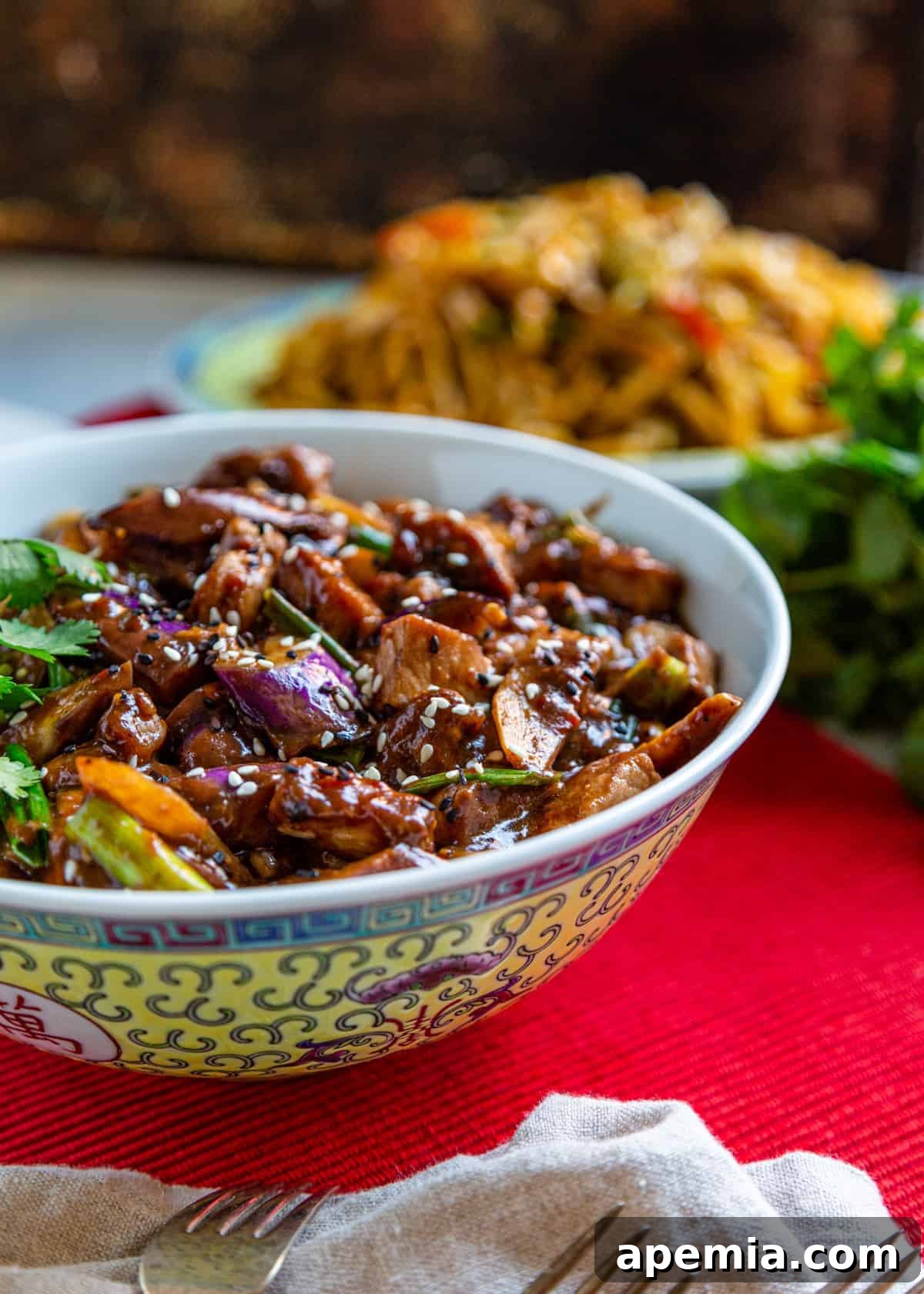
Step-by-Step: Crafting Your Szechuan Pork Stir Fry
- Prepare and Marinate the Pork: Begin by slicing your pork tenderloin into uniform 1-inch strips or squares. Consistency in size ensures even cooking. Transfer the pork to a bowl and marinate it with 2 tablespoons each of cornstarch and soy sauce. Toss thoroughly to ensure every piece is coated, then refrigerate for a minimum of 15 minutes. This step tenderizes the pork and helps achieve that desirable crispy exterior.
- Prepare the Chinese Eggplant: Trim off both ends of each Chinese eggplant. Next, cut each eggplant lengthwise into quarters, then slice these quarters crosswise into approximate 2-inch pieces. For a visual guide, refer to the instructional video often linked in such recipes. Crucially, season the cut eggplant generously with salt and allow it to sit while you prepare the sauce. The salt will draw out excess water, preventing the eggplant from becoming mushy during cooking and ensuring a tender, yet firm texture.
- Whisk Together the Flavorful Sauce: In a small bowl, combine the remaining cornstarch, chili paste (Sambal Oelek), black bean sauce, fresh ginger paste, the remaining 2 tablespoons of soy sauce, honey, apple cider vinegar, and sesame oil. Whisk all ingredients vigorously until the honey is fully dissolved and the sauce is smooth and well-integrated. Set this aside; it’s ready to transform your stir fry!
- Achieve Crispy Pork: Heat the vegetable oil in a wok or a large, heavy-bottomed skillet over high heat until shimmering. Add the minced garlic and stir-fry quickly for about 30 seconds until fragrant, being careful not to burn it. Then, gradually add the marinated pork in small batches. This is key: avoid overcrowding the pan! Overcrowding lowers the pan’s temperature and causes the pork to steam rather than fry, preventing those coveted crispy edges. Stir-fry each batch quickly until beautifully browned and crispy, then remove and set aside.
- Sear the Tender Eggplant: Gently pat the seasoned eggplant dry with paper towels to remove any extracted moisture. Add the prepared eggplant to the wok and stir-fry until seared and slightly softened, which typically takes about 3 minutes. The eggplant should develop a lovely tender texture with slightly browned edges.
- Combine and Thicken with Sauce: Return the crispy pork to the wok with the eggplant. Add the fresh green onions and crunchy bamboo shoots. Give the reserved Szechuan sauce another quick stir, then pour it over all the ingredients in the wok. Stir-fry continuously for about a minute, allowing the sauce to thicken and beautifully coat every piece of pork and eggplant. If the sauce becomes too thick for your preference, a small amount of water or chicken broth can be added to thin it out slightly to your desired consistency.
- Serve Immediately: Your vibrant Szechuan Pork and Eggplant Stir Fry is now ready to be savored! Spoon generous portions over fluffy steamed rice or your favorite Asian noodles for a complete and utterly delicious meal.
Tools for Stir-Fry Success
- Wok: For truly exceptional stir-fries, a wok is an indispensable tool. Its unique shape, with high, sloping sides and a small base, allows for concentrated high heat, perfect for searing ingredients quickly and evenly. The expansive surface also makes it incredibly easy to toss and mix ingredients without spillage, ensuring everything cooks harmoniously. While a large skillet can be used, a wok will deliver superior results in terms of texture and flavor development.
Storing and Reheating Your Stir Fry
This Szechuan Pork and Eggplant Stir Fry is not only delicious fresh but also stores remarkably well, making it an excellent candidate for meal prep or enjoying as leftovers. Any remaining portions can be transferred to an airtight container and safely stored in the refrigerator for up to 3 days. This convenient shelf life allows you to prepare the dish in advance and enjoy its robust flavors later in the week.
Freezing this stir fry is not recommended, however, as the delicate texture of the cooked eggplant tends to become mushy and unappealing upon defrosting. To reheat leftovers, simply toss them in your wok or a large skillet over medium heat until thoroughly warmed through. To prevent the pork and eggplant from drying out and to revive the sauce’s silky texture, I recommend adding a splash of chicken broth or a drizzle of cooking oil during the reheating process. This small step ensures your reheated stir fry tastes almost as good as fresh!
Share this recipe on Pinterest!
Loved this Szechuan Pork and Chinese Eggplant Stir Fry? Help us spread the word by sharing it with your friends on Pinterest!
Frequently Asked Questions
For this particular stir-fry recipe, absolutely no peeling is necessary! Chinese eggplant is celebrated for its delicate, thin skin, which becomes wonderfully tender when cooked. Not only is the skin completely edible, but it’s also packed with valuable nutrients. I always recommend keeping it on to maximize flavor, texture, and nutritional value. Just remember to give the ends a good trim!
The most common reason for pork failing to crisp up in a wok is overcrowding the pan. When too much meat is added at once, the temperature of the wok drops significantly, causing the pork to steam in its own juices rather than fry. This prevents the development of that coveted crispy, browned exterior. To achieve perfectly crispy Szechuan pork, always cook in small, manageable batches. This allows the high heat to remain consistent, ensuring the pork fries quickly and evenly without burning or drying out.
While all three are popular and delicious Chinese stir-fry styles, utilizing common Chinese spices and pantry staples, they each offer a distinct flavor experience. Szechuan cuisine is famously characterized by its bold spiciness, often accompanied by a unique “ma la” numbing sensation from Szechuan peppercorns, creating a deeply satisfying tingle. Kung Pao, while also spicy, is typically sweeter, balancing its heat with rich, sometimes nutty, undertones. Hunan stir-fries, on the other hand, are known for combining intense hot and sour flavors, often with a more straightforward heat. In essence, if you’re seeking the pinnacle of bold, spicy flavor with a kick, Szechuan is usually the top recommendation!
Absolutely! Stir-fries are incredibly versatile. While Chinese eggplant is traditional and highly recommended for its unique texture and flavor, feel free to add or substitute other quick-cooking vegetables. Bell peppers (any color), snow peas, bok choy, or sliced mushrooms would all be delicious additions. Just be sure to cut them into similar sizes for even cooking and add them to the wok according to their cooking times – denser vegetables like carrots might go in earlier, while leafy greens cook very quickly.
This stir fry is a complete meal on its own when served over a base. Classic pairings include fluffy steamed white or brown rice, which soaks up the delicious sauce beautifully. For noodle lovers, wide rice noodles, egg noodles, or even ramen noodles make an excellent foundation. To round out the meal, consider a light side salad with a sesame ginger dressing or some steamed greens like broccoli or asparagus.
Szechuan Pork and Eggplant Stir Fry
4
18 minutes
10 minutes
28 minutes
PrintRecipe
Video
Ingredients
- 1 lb pork tenderloin (See Note 1)
- 3 tbsp cornstarch divided
- 4 tbsp soy sauce divided
- 3 garlic cloves minced
- 2 Chinese eggplant
- 4 green onions
- 8 oz sliced bamboo shoots
- 3 tbsp chili paste Sambal Oelek
- 2 tbsp black bean sauce
- 1 tbsp fresh ginger paste
- 1 tbsp honey
- 1 tbsp apple cider vinegar
- 2 tbsp vegetable oil
- 1 tsp sesame oil
Instructions
-
Cut the pork tenderloin into 1-inch square pieces or strips. Place in a bowl to marinate with 2 tablespoons cornstarch and 2 tablespoons soy sauce. Toss to coat and refrigerate for at least 15 minutes.
-
Trim the ends off the Chinese eggplant. Cut each eggplant lengthwise into quarters, then cut crosswise into 2-inch long pieces. Toss lightly in a bowl with kosher salt and set aside to drain excess water while you prepare the sauce.
-
Prepare the sauce by mixing the remaining tablespoon of cornstarch, chili paste, black bean sauce, ginger, remaining 2 tablespoons soy sauce, honey, apple cider vinegar, and sesame oil in a small bowl. Stir until the honey is completely dissolved. Set aside.
-
Heat a wok or large skillet over high heat and add the vegetable oil. Add the minced garlic and stir-fry quickly until fragrant. Add the marinated pork in small batches and stir-fry quickly until browned and crispy. Do not overcrowd the pan, as this will steam the pork instead of frying it to crispy perfection.
-
Gently squeeze any excess water from the salted eggplant pieces. Add the eggplant to the wok with the pork and stir-fry until seared and tender, approximately 3 minutes.
-
Add the green onions and bamboo shoots to the wok. Next, pour in the prepared sauce mixture and stir-fry for about one minute until the sauce is fragrant and has thickened, evenly coating all ingredients. If the sauce becomes too thick, you can thin it slightly with a small amount of chicken broth or water.
-
Serve immediately with hot steamed rice or your preferred noodles for a complete and satisfying meal.
Notes
- Boneless pork chops, sliced into 1/2-inch strips, can be substituted for pork tenderloin. Adjust cooking time slightly if needed to ensure they are cooked through and crispy.
Nutrition
Carbohydrates: 32g |
Protein: 32g |
Fat: 13g |
Saturated Fat: 7g |
Cholesterol: 71mg |
Sodium: 1049mg |
Potassium: 1119mg |
Fiber: 9g |
Sugar: 16g |
Vitamin A: 196IU |
Vitamin C: 11mg |
Calcium: 47mg |
Iron: 2mg
The information shown is an estimate provided by an online nutrition calculator. It should not be considered a substitute for a professional nutritionist’s advice.
Main Course
Asian, Chinese
Kevin