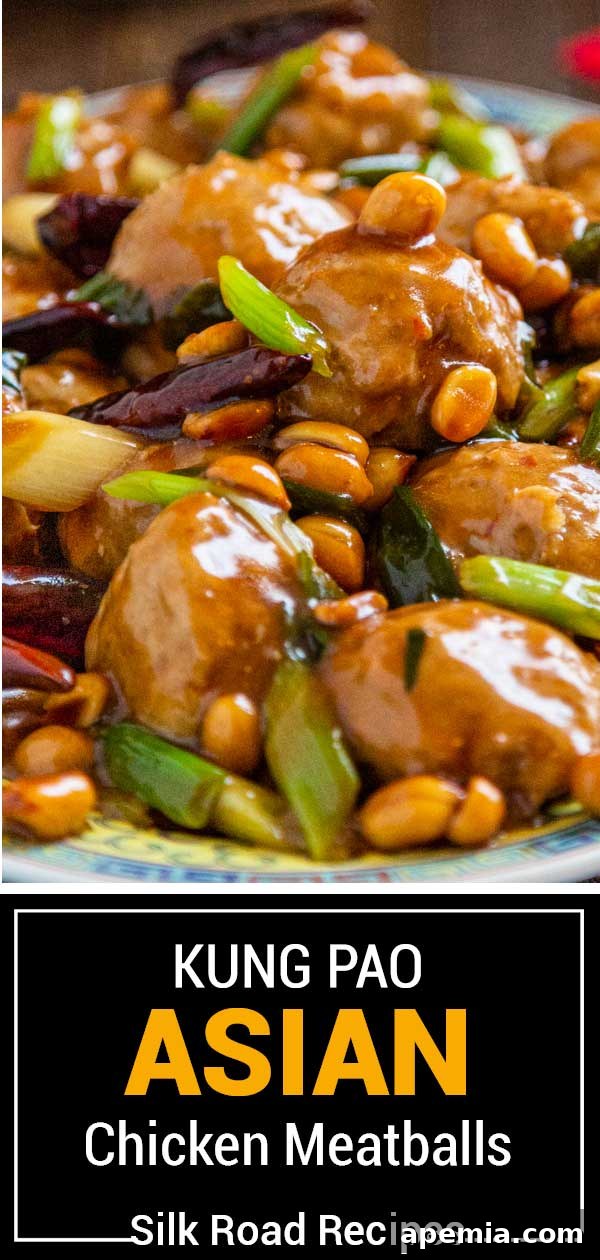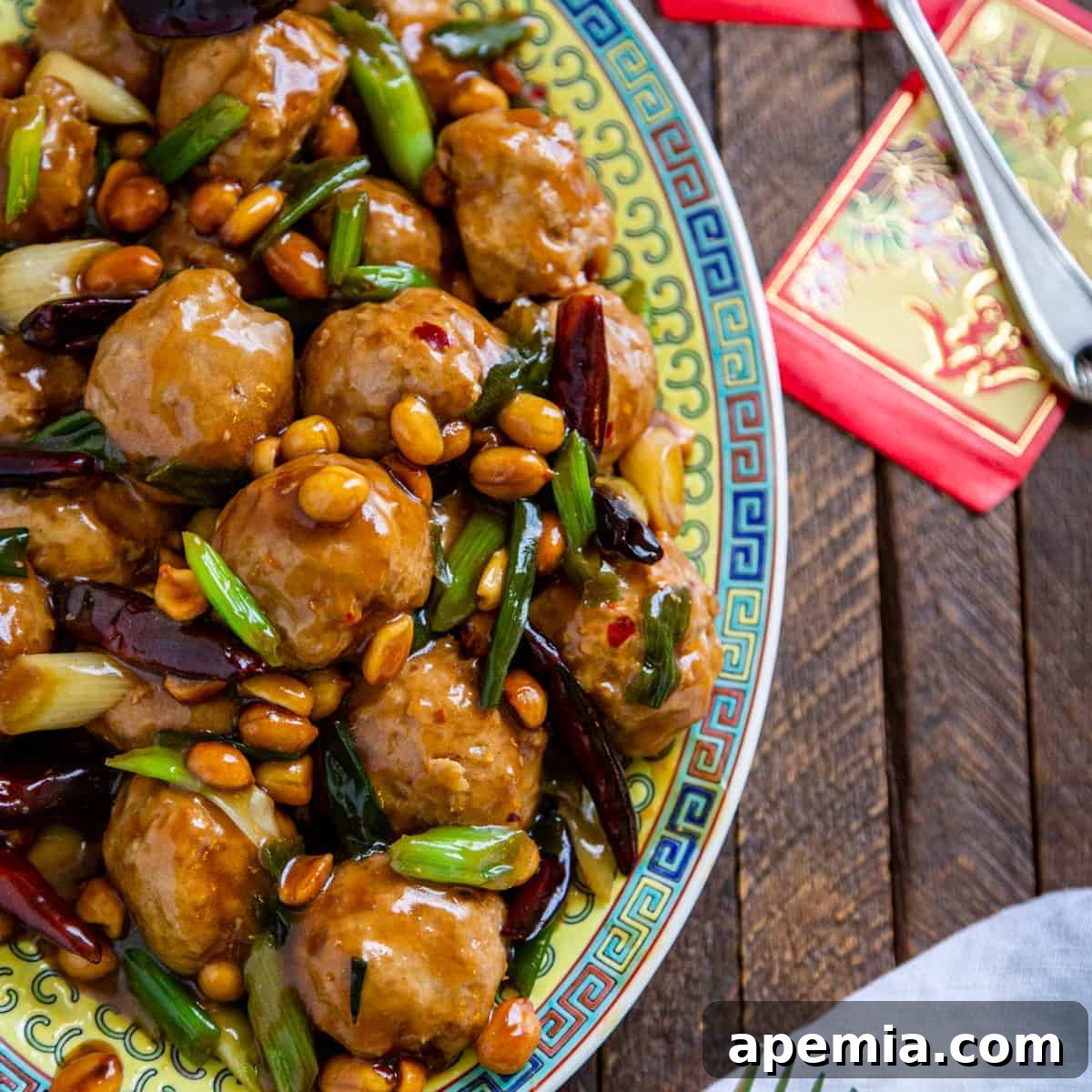
Craving the vibrant, sweet, and spicy flavors of your favorite Asian takeout but want to enjoy them from the comfort of your home? Look no further! This incredible Kung Pao Asian Meatballs recipe delivers an authentic, mouth-watering experience that truly rivals any restaurant dish. Featuring succulent ground chicken, infused with aromatic spices and a rich, complex sauce, these meatballs are a delicious and easy way to satisfy your cravings.
Like many of you, I adore the convenience of takeout. There’s a certain magic in placing an order and having a hot, delicious meal arrive right at your doorstep. However, since moving to a more rural setting, that convenience isn’t always an option. This shift ignited a passion in my kitchen: recreating beloved restaurant dishes at home. Not only does this often prove more economical, but it also offers immense peace of mind, knowing every ingredient that goes into my family’s meals.
Over the years, I’ve perfected a lineup of “better-than-takeout” recipes, from sticky honey sesame chicken to savory moo shu pork, comforting hibachi fried rice, and luscious honey garlic shrimp. Today, I’m thrilled to add another masterpiece to that collection: these sensational Kung Pao-inspired Asian meatballs. Prepare yourselves, because the depth of flavor packed into each bite is simply extraordinary!
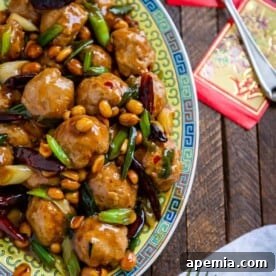
At the heart of these meatballs is lean ground chicken, artfully combined with fiery chili paste, umami-rich soy sauce, and a surprising yet essential ingredient: creamy peanut butter. Trust me, this addition is a game-changer, infusing the meatballs with an unmistakable Kung Pao authenticity. The stir-fry also features crunchy peanuts, and everything is enveloped in a perfectly balanced homemade Kung Pao sauce. The result? Flavorful, unique, and ready in just 35 minutes. Better than takeout? Absolutely!
Crafting the Perfect Kung Pao Asian Meatballs: Essential Ingredients & Savvy Substitutions
Creating truly outstanding Kung Pao Asian Meatballs begins with understanding the role of each ingredient. This section provides detailed notes and helpful substitution tips to ensure your homemade version is nothing short of spectacular.
- Ground Chicken: Opting for ground chicken keeps these meatballs lighter while still offering a tender texture, perfectly mimicking the traditional chicken pieces found in Kung Pao. For variety, you can easily substitute with other ground meats such as turkey, lean beef, or even pork, each offering a slightly different flavor profile. The key is to select a good quality ground meat.
- Peanut Butter: This might seem unconventional for meatballs, but peanut butter is the secret weapon for achieving that signature Kung Pao depth and richness. It contributes a creamy texture and a subtle nutty sweetness that balances the spice beautifully. Do not skip this ingredient for the most authentic flavor. Use creamy peanut butter for best results.
- Chili Paste: The backbone of the recipe’s heat. There’s a wide array of chili pastes available, so feel free to use your preferred type. I particularly enjoy organic sambal oelek because its vibrant, fresh chili flavor enhances the dish without overwhelming other delicate notes. Adjust the amount to suit your desired spice level.
- Soy Sauce: An absolute staple in Asian-inspired cooking, soy sauce provides essential umami, saltiness, and a deep savory base. You’ll use it in both the meatball mixture and the delectable Kung Pao sauce. For those managing sodium intake, low-sodium soy sauce is an excellent alternative.
- Chinese Shaoxing Rice Wine: This traditional Chinese cooking wine is crucial for adding a complex, aromatic depth of flavor that cannot be fully replicated. It’s often referred to as “the soul of Chinese cooking.” If you prefer to avoid alcohol, you can omit it, though a dry sherry or sake can also serve as a decent substitute if you’re looking for that layered flavor.
- Panko Breadcrumbs: Unlike regular breadcrumbs, Panko offers a lighter, crispier texture when used as a binder, contributing to the tender yet slightly firm consistency of the meatballs. This ensures your meatballs hold their shape beautifully without becoming too dense.
- Rice Wine Vinegar: Essential for adding a bright, tangy counterpoint to the rich and spicy sauce. If rice wine vinegar is unavailable, apple cider vinegar or red wine vinegar can be used in a pinch, though they will impart a slightly different flavor profile.
- Sugar: This ingredient is vital for creating the perfect sweet and savory balance that defines Kung Pao sauce. It mellows the heat from the chiles and deepens the overall flavor. Adjust to your sweetness preference.
- Cornstarch: A small amount of cornstarch is all it takes to thicken the Kung Pao sauce, giving it that luxurious, glossy texture that clings beautifully to the meatballs. It creates a silky coating that elevates the entire dish.
- Peanuts: Whole, shelled peanuts provide a delightful crunch and nutty flavor that is characteristic of authentic Kung Pao. Toasting them briefly in oil before adding them to the stir-fry enhances their aroma and crispness, making every bite more satisfying.
- Dried Red Chiles: These are the visual and aromatic signature of Kung Pao. While you might not eat them directly (they’re quite spicy!), they infuse the oil with a smoky heat and distinctive fragrance. Feel free to use Chinese dried chiles or any small, dried red chiles you can find.
- Green Onions: Freshly chopped green onions add a vibrant, slightly pungent freshness to the stir-fry, cutting through the richness of the sauce and providing a pop of color and flavor.
- Garlic: A fundamental aromatic in countless cuisines, minced garlic forms one of the core flavor bases for the Kung Pao sauce, contributing a pungent and savory depth.
- Oil: A neutral vegetable oil, such as canola, sunflower, or grapeseed oil, is perfect for stir-frying the aromatics and peanuts, allowing their flavors to shine without interference.
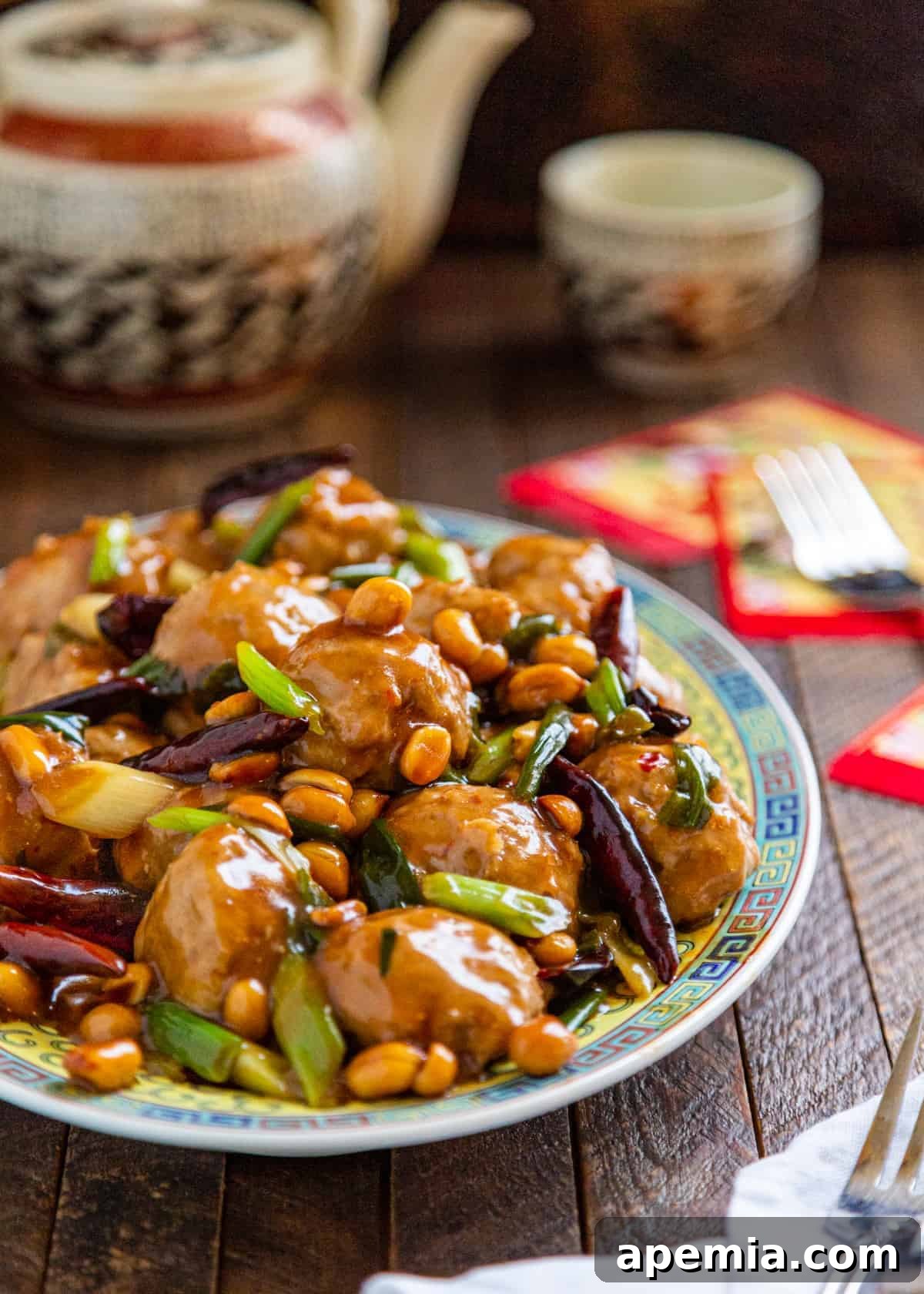
Course: Main Dish
Names/Spellings: Kung Pao, Kung Bo, Gong Bao, Gongbao
Difficulty: Easy 🥄
Description:
Traditionally, Kung Pao dishes are stir-fried or deep-fried, but for a healthier and equally delicious twist, our spicy Chinese meatballs are baked to perfection in the oven. This recipe brilliantly captures all the components you’d expect from a restaurant-quality version: tender chicken, the satisfying crunch of peanuts, the aromatic heat of dried Chinese red peppers, and a luscious coating of sweet and savory sauce. The main distinctions are our use of ground chicken meatballs instead of diced breast or thigh meat, and a significantly reduced sugar content for a lighter meal. For an extra layer of irresistible flavor, creamy peanut butter and chili paste are incorporated directly into the meatball mixture, ensuring an explosion of taste in every bite.
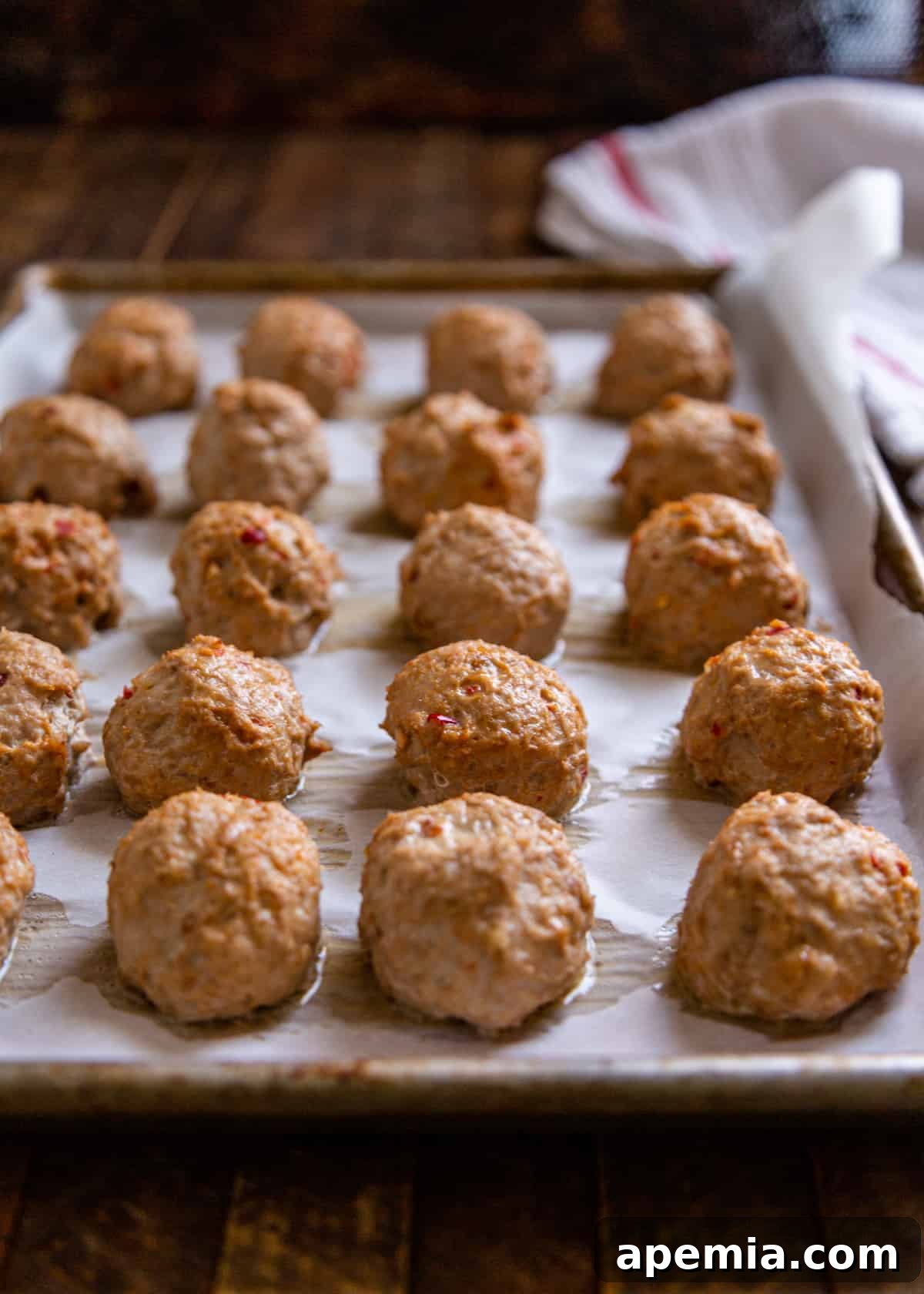
How to Make Flavorful Kung Pao Asian Meatballs
Creating these delightful Kung Pao Asian Meatballs is a straightforward process that yields incredibly rewarding results. Follow these simple steps to bring this takeout-favorite into your kitchen:
1. Prepare and Bake The Meatballs. Begin by preheating your oven to a hot 450 degrees F (230°C). While the oven heats, combine the ground chicken, creamy peanut butter, vibrant chili paste, savory soy sauce, aromatic Chinese Shaoxing rice wine, and light Panko breadcrumbs in a large mixing bowl. Using your hands, gently but thoroughly mix the ingredients until just combined – overmixing can lead to tough meatballs. Form the mixture into approximately 20 evenly sized meatballs and arrange them on a baking sheet lined with parchment paper. This ensures easy cleanup and prevents sticking. Bake for 15 minutes, allowing them to brown beautifully and cook through.
2. Whisk Up The Kung Pao Sauce. While your chicken meatballs are baking, it’s the perfect time to prepare the star of the show: the rich and glossy Kung Pao sauce! In a small bowl, whisk together water, soy sauce, rice wine vinegar, sugar, and cornstarch until smooth. The cornstarch is key to giving the sauce its signature thickened consistency. Set this mixture aside; it will be added at the end.
3. Master The Stir-Fry Base. Heat a tablespoon of oil in a hot skillet or traditional wok over medium-high heat. Add the shelled peanuts and dried red chiles, stir-frying for about 1 minute until the peanuts are lightly toasted and the chiles have released their fragrant, spicy aroma. Next, toss in the chopped green onions and minced garlic. Continue to stir-fry for another minute, allowing the aromatics to soften and become fragrant. Finally, pour in your prepared Kung Pao sauce mixture, tossing everything together quickly. Cook for an additional 2 minutes, stirring continuously, until the sauce thickens to a beautiful, glistening consistency. If it appears too thick, a splash of chicken stock or water can thin it slightly.
4. Combine and Serve The Asian Meatballs. Gently add the baked chicken meatballs into the thickened Kung Pao sauce in the skillet or wok. Toss them carefully to ensure each meatball is thoroughly coated in the delicious sauce. Allow them to simmer for a few minutes, just long enough for the meatballs to absorb some of that incredible flavor and heat through. Serve your homemade Kung Pao Asian Meatballs immediately, perhaps over a bed of steamed rice or alongside some stir-fried vegetables.
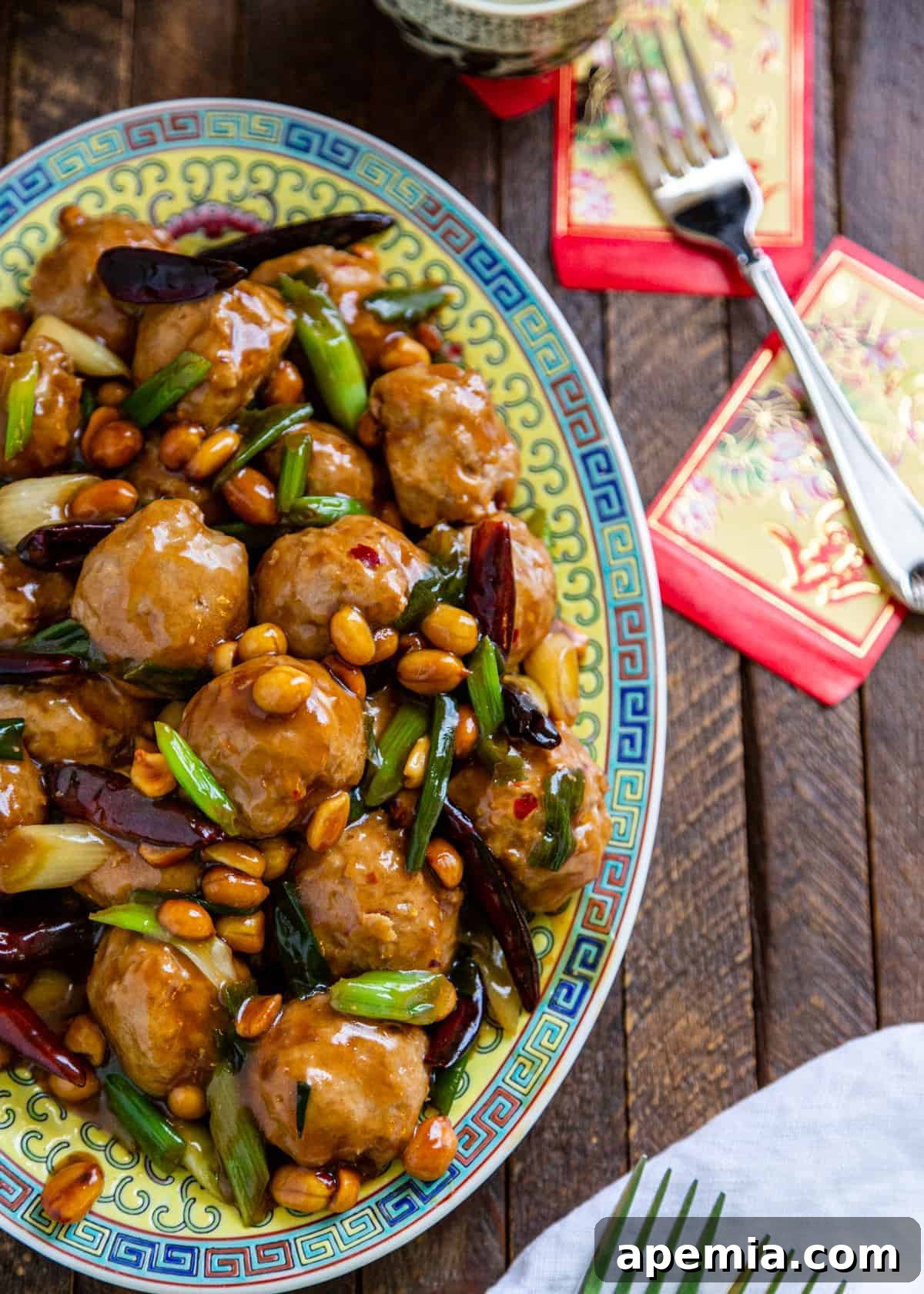
Frequently Asked Questions About Kung Pao Asian Meatballs
While the dried red chiles are an iconic part of Kung Pao and integral to its flavor profile, they are generally not meant to be eaten whole. Their primary purpose is to infuse the oil and sauce with their smoky heat and distinctive aroma during the stir-frying process. Leaving them in the final dish also contributes to the dish’s vibrant and authentic appearance. If you enjoy extreme heat, you *could* eat a small piece, but for most, they serve a purely aromatic function.
Absolutely! These spicy Asian chicken meatballs freeze beautifully, making them an excellent option for meal prepping. You can freeze them either baked or unbaked. If freezing baked, ensure they are completely cooled before transferring them to a freezer-safe storage bag or airtight container. This crucial step helps prevent the formation of ice crystals, maintaining their texture and flavor. They can be stored in the freezer for up to 3 months.
Authentic Kung Pao sauce is a delightful interplay of several flavor layers. The initial layer comes from aromatics like dried chiles, fragrant garlic, and fresh green onions, which are stir-fried to release their essences. The second, liquid layer typically consists of a balanced blend of soy sauce for umami, rice wine vinegar for tanginess, and sugar for sweetness. In my version, the addition of peanuts in the stir-fry and peanut butter in the meatballs provides an extra depth of nutty, savory flavor that truly sets it apart.
Kung Pao sauce boasts a truly distinctive flavor profile that is both sweet and savory, with a pleasant kick of spice. The combination of dried red chiles and sugar creates a harmonious balance of heat and sweetness. It’s a bold and robust sauce that perfectly complements the tender Asian meatballs, offering a complex taste that keeps you coming back for more.
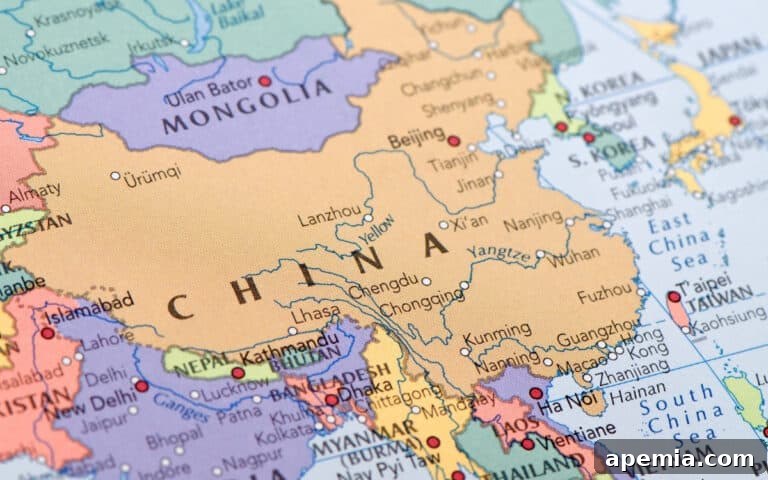
Kung Pao is not a person or a geographical location, but rather refers to a traditional Chinese cooking method and dish style. When something is described as “Kung Pao,” it indicates that the food, typically chicken or other proteins, has been stir-fried (or sometimes deep-fried) and tossed in a signature spicy and sweet sauce, usually accompanied by peanuts. It’s a culinary term for a specific preparation.
Yes, it’s quite easy to adapt this recipe to be gluten-free! The main ingredient to watch out for is soy sauce, which often contains wheat. Simply substitute traditional soy sauce with tamari, which is a gluten-free alternative that offers a very similar flavor. Ensure your Panko breadcrumbs are also gluten-free (many brands offer this option), and check your chili paste and rice wine for any hidden gluten-containing ingredients. With these simple swaps, you can enjoy delicious gluten-free Kung Pao Asian Meatballs.
Serving Suggestions for Your Kung Pao Meatballs
These flavorful Kung Pao Asian Meatballs are incredibly versatile and pair wonderfully with a variety of side dishes. For a classic and satisfying meal, serve them hot over a bed of fluffy steamed white or brown rice. The rice is perfect for soaking up every drop of that delicious, glossy sauce. Alternatively, consider serving them with stir-fried noodles or lo mein for a heartier option. For added nutrition and texture, a side of blanched or stir-fried broccoli, snap peas, or bok choy makes an excellent accompaniment, adding freshness and a vibrant crunch that contrasts beautifully with the rich meatballs and sauce. Don’t forget an extra sprinkle of toasted peanuts and sliced green onions for garnish!
Meal Prep and Storage Tips
This Kung Pao Asian Meatballs recipe is fantastic for meal prepping! You can prepare the meatballs in advance and bake them when ready. Once cooked, store any leftovers in an airtight container in the refrigerator for up to 3-4 days. To reheat, simply warm them gently in a skillet over medium heat, or in the microwave, until heated through. As mentioned in the FAQ, these meatballs also freeze exceptionally well. Allow them to cool completely before freezing in a single layer on a baking sheet, then transfer to a freezer-safe bag or container. Thaw overnight in the refrigerator before reheating. The sauce can also be made ahead and stored separately, then combined with freshly baked or reheated meatballs.
Customization and Variations
One of the best aspects of home cooking is the ability to customize!
If you prefer a different protein, ground turkey, pork, or even a mix of ground beef and pork would work wonderfully. For those who love extra heat, consider adding a pinch of red pepper flakes to the sauce or a few more dried chiles to the stir-fry. If you’re a fan of the authentic numbing sensation found in traditional Sichuan Kung Pao, a few whole Sichuan peppercorns toasted with the dried chiles will add that unique tingle.
To increase the vegetable content, feel free to add diced bell peppers, carrots, or water chestnuts to the stir-fry along with the green onions. For a nut-free version, sesame butter (tahini) can be a creative substitute for peanut butter, and toasted sesame seeds can replace the peanuts, though the flavor profile will shift. Don’t be afraid to experiment and make this recipe your own!
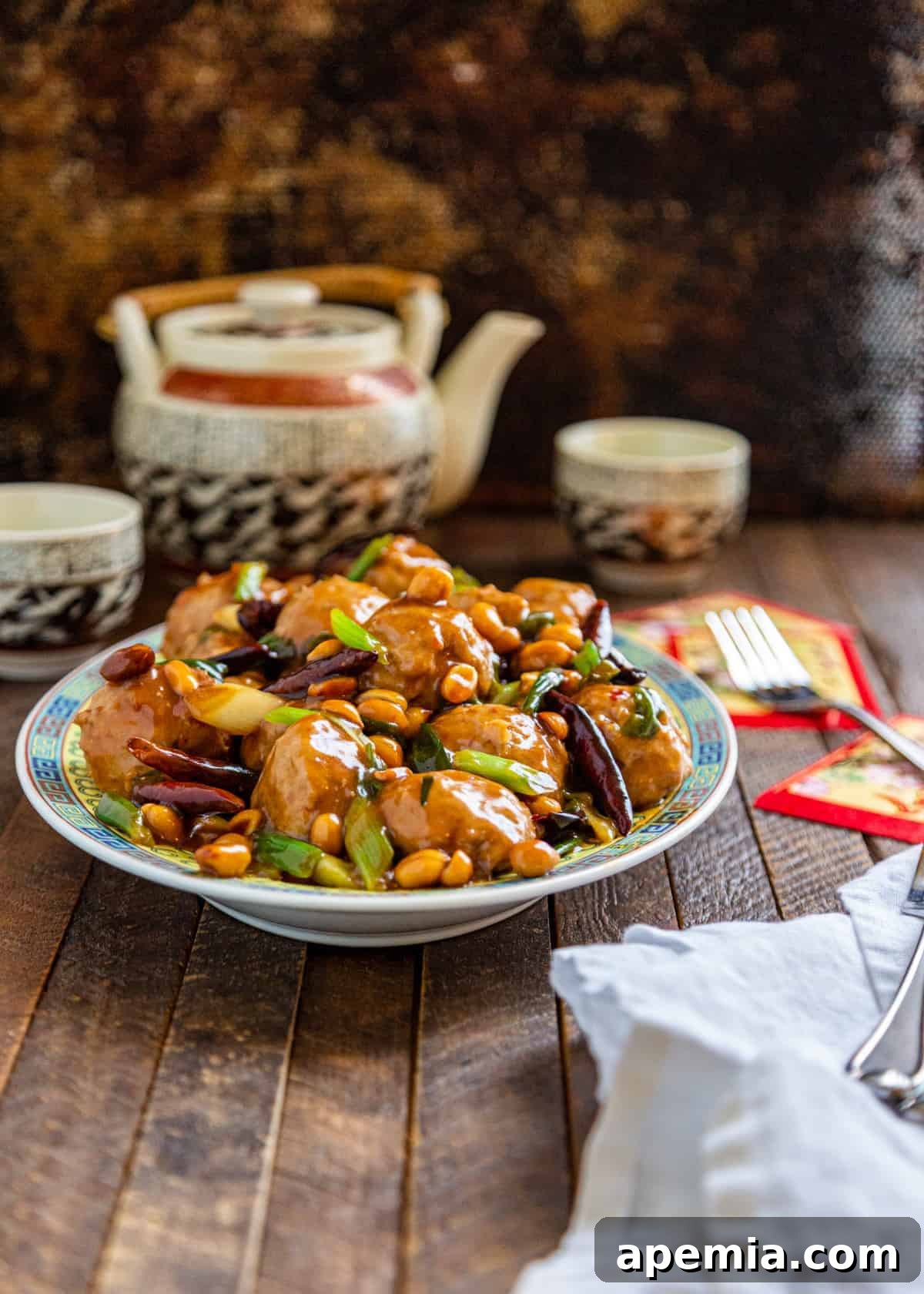
With this comprehensive guide, you’re now equipped to create a truly memorable meal. These Kung Pao Asian Meatballs are not just a recipe; they’re an experience, bringing the exciting flavors of a bustling Asian kitchen right to your dining table. So gather your ingredients, fire up your stove, and prepare to impress yourself and your loved ones with this incredible homemade rendition of a takeout classic!
This post, originally published on Silk Road Recipes July, 2021, was updated with new content, photos and/or video in September, 2022.
Kung Pao Asian Meatballs Recipe
Pin Recipe
PrintRecipe
Ingredients
Meatballs
- 1 lb ground chicken See Note 1
- 2 tbsp peanut butter
- 1 tbsp chili paste See Note 2
- 1 tbsp soy sauce
- 1 tbsp Chinese Shaoxing rice wine See Note 3
- 1/2 cup Panko breadcrumbs
Sauce
- 1/4 cup water
- 1/4 cup soy sauce
- 1 tsp rice wine vinegar See Note 4
- 3 tsp sugar
- 1 tbsp cornstarch
Stir Fry
- 1 tbsp oil
- 1/2 cup peanuts shelled
- 10 dried red chiles
- 4 green onions cut into 1″ pieces
- 1 garlic clove minced
Instructions
-
Preheat oven to 450°F.
Meatballs
-
In a bowl, mix together the ground meat, peanut butter, chili paste, soy sauce, rice wine and breadcrumbs. Form into 20 meatballs and place on a parchment lined baking sheet with sides.
-
Bake for 15 minutes.
Kung Pao Sauce
-
In a small bowl whisk together the water, soy sauce, vinegar, sugar and cornstarch. Set aside.
-
In a hot skillet or wok add the oil and stir fry the peanuts and dried chiles for a minute. Add the green onions and garlic and toss to mix, cooking for a minute. Add the sauce mixture and quickly toss, cooking for 2 minutes until thickened. If too thick, thin with a little chicken stock (optional).
-
Add the meatballs and toss to coat, heating through. Serve immediately.
Notes
- Feel free to substitute ground turkey.
- I use a ground chili paste Sambal Oelek.
- If you can’t find Chinese rice wine, dry sherry or sake may be substituted.
- Red wine vinegar or apple cider vinegar may be substituted for the rice wine vinegar.
Nutrition
The information shown is an estimate provided by an online nutrition calculator. It should not be considered a substitute for a professional nutritionist’s advice.