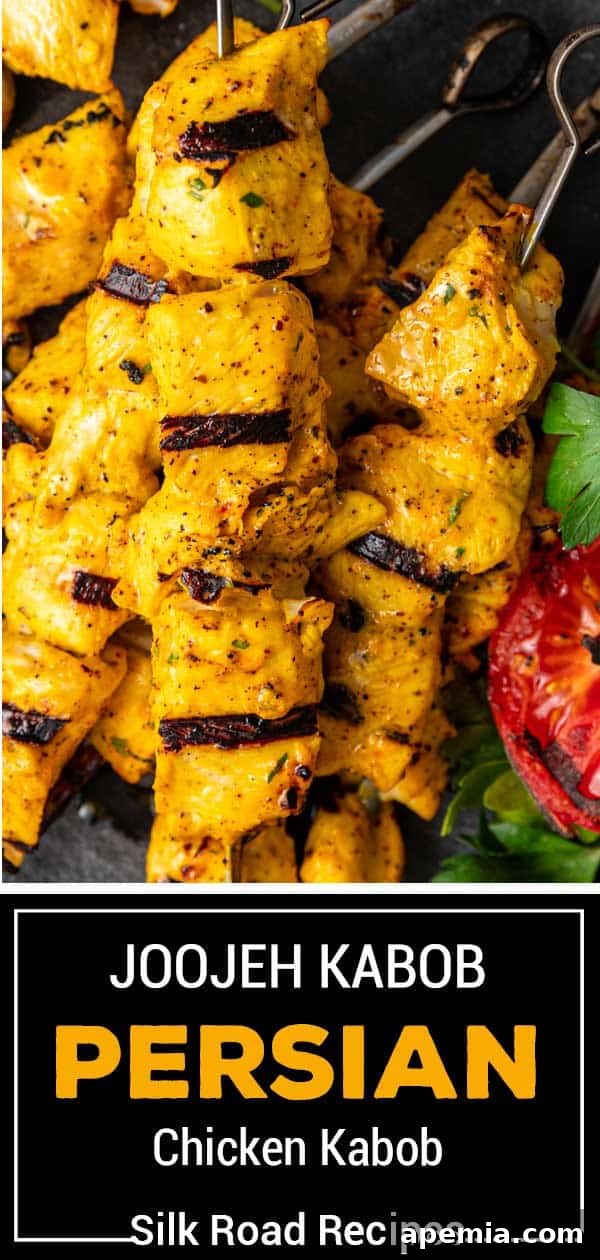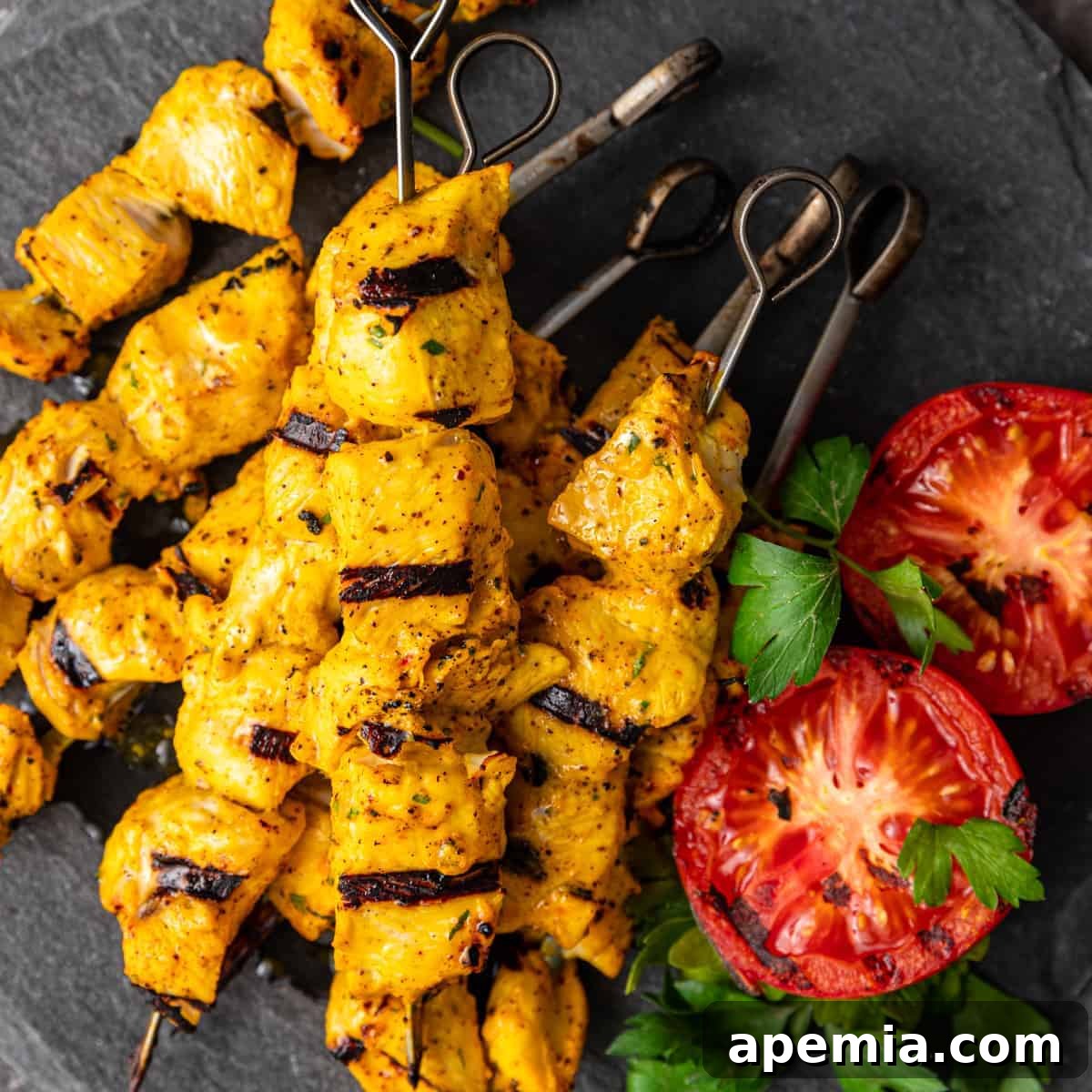
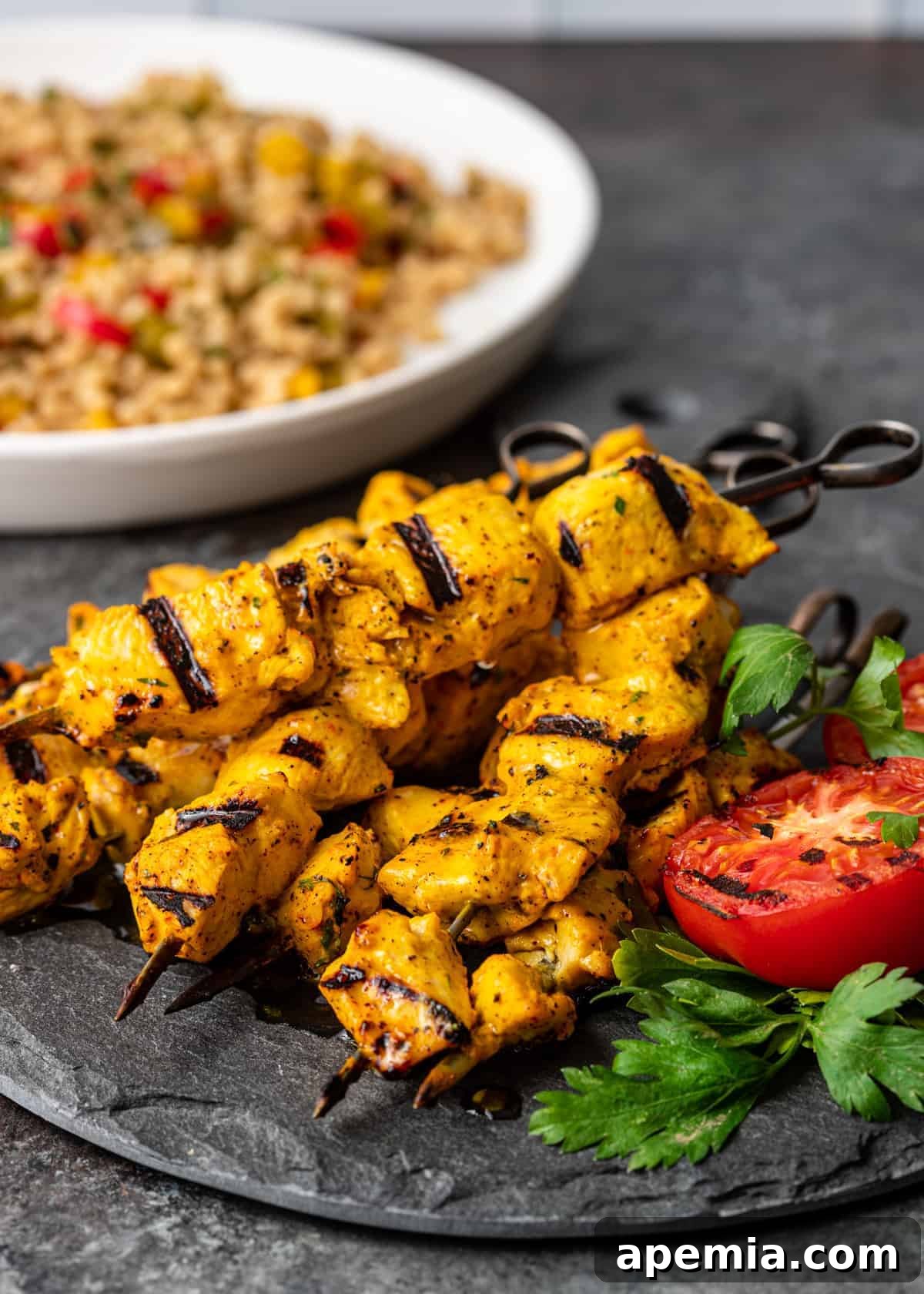
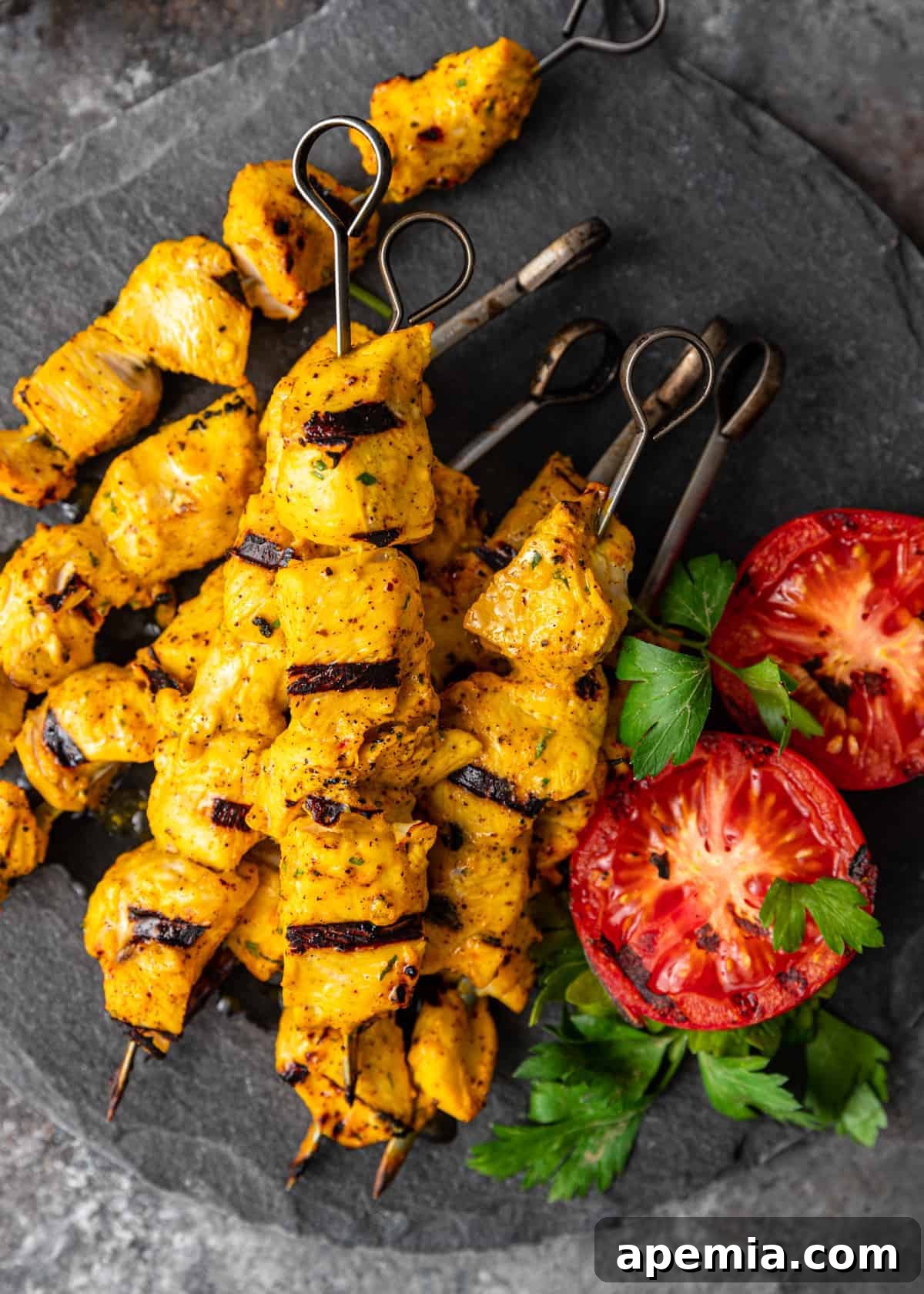
Joojeh Kabob, a beloved Persian delicacy, offers a brilliant explosion of flavors that makes it an absolute summertime essential. This popular dish, featuring succulent chicken marinated in a vibrant yogurt sauce, brings together the aromatic notes of saffron, the tangy zest of sumac, and the fresh essence of parsley and black pepper. It’s not just a meal; it’s an experience – flavorful, incredibly easy to prepare on the grill, and delightfully simple to enjoy with family and friends. With minimal preparation, you can transform simple ingredients into a gourmet feast that captures the authentic taste of Middle Eastern cuisine, perfect for any outdoor gathering.
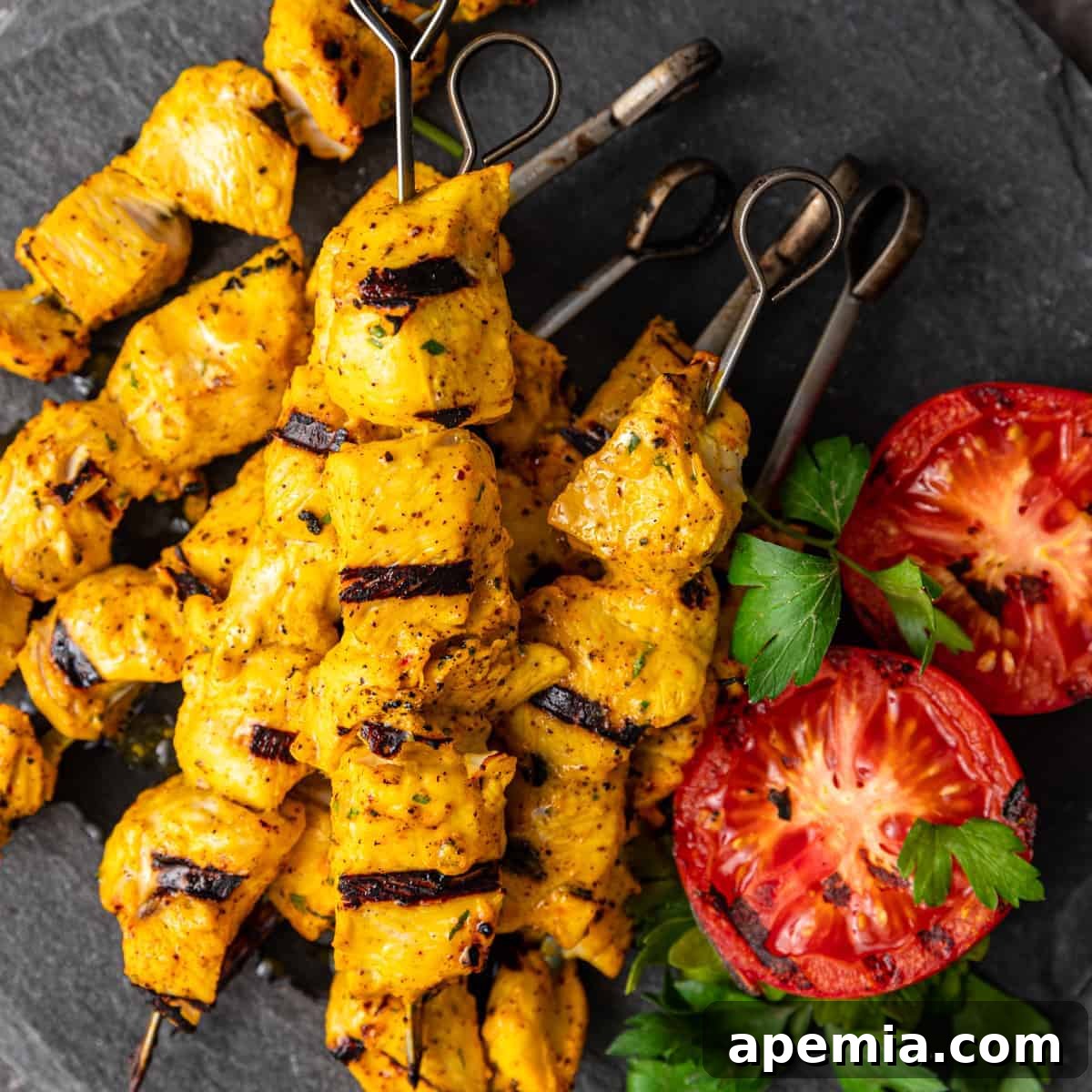
As a personal favorite for warm weather cooking, this traditional Persian chicken kabob recipe stands out. The magic truly happens in the marinade, where creamy yogurt works its wonders to tenderize the chicken pieces, ensuring each bite is incredibly moist and succulent. This quick marinade not only infuses the chicken with deep, complex flavors but also locks in the juices, preventing the meat from drying out during grilling. The result is a memorable dish dripping with exquisite taste that will transport your palate straight to the heart of Persia.
While a minimum of 45 minutes is sufficient for the chicken to absorb some of the marinade’s delightful qualities, patience is truly rewarded with this recipe. For an unparalleled depth of flavor, allowing the chicken to marinate overnight in the refrigerator is highly recommended. This extended period enables the acidic yogurt to thoroughly tenderize the meat while giving the aromatic saffron, tangy sumac, and pungent garlic ample time to blend and fully penetrate the chicken, resulting in an even more delicious and tender kabob that’s bursting with flavor from within.
One of the star ingredients in our Joojeh Kabob recipe is undoubtedly saffron. This precious spice not only imparts a brilliant, appetizing golden-red hue to the yogurt-marinated chicken but also bestows a subtle, honeyed sweetness with a unique floral aroma that is absolutely intoxicating. Saffron is revered in Persian cuisine for its distinctive qualities and appears frequently in many traditional dishes. Beyond these delectable chicken kabobs, you can experience its magic in recipes such as grilled saffron chicken, aromatic saffron and apricot rice, and rich spiced eggplant stew, each offering a delightful journey through Persian culinary traditions.
Table of Contents
- The Magic of Saffron: Tips and Insights
- Ingredient Spotlight and Smart Substitutions
- How to Master Joojeh Kabob: Step-by-Step
- Essential Tools for Perfect Kabobs
- Storing, Reheating, and Meal Prep Tips
- Frequently Asked Questions About Joojeh Kabob
- Saffron Yogurt Chicken Kabab (Joojeh Kabob) Recipe
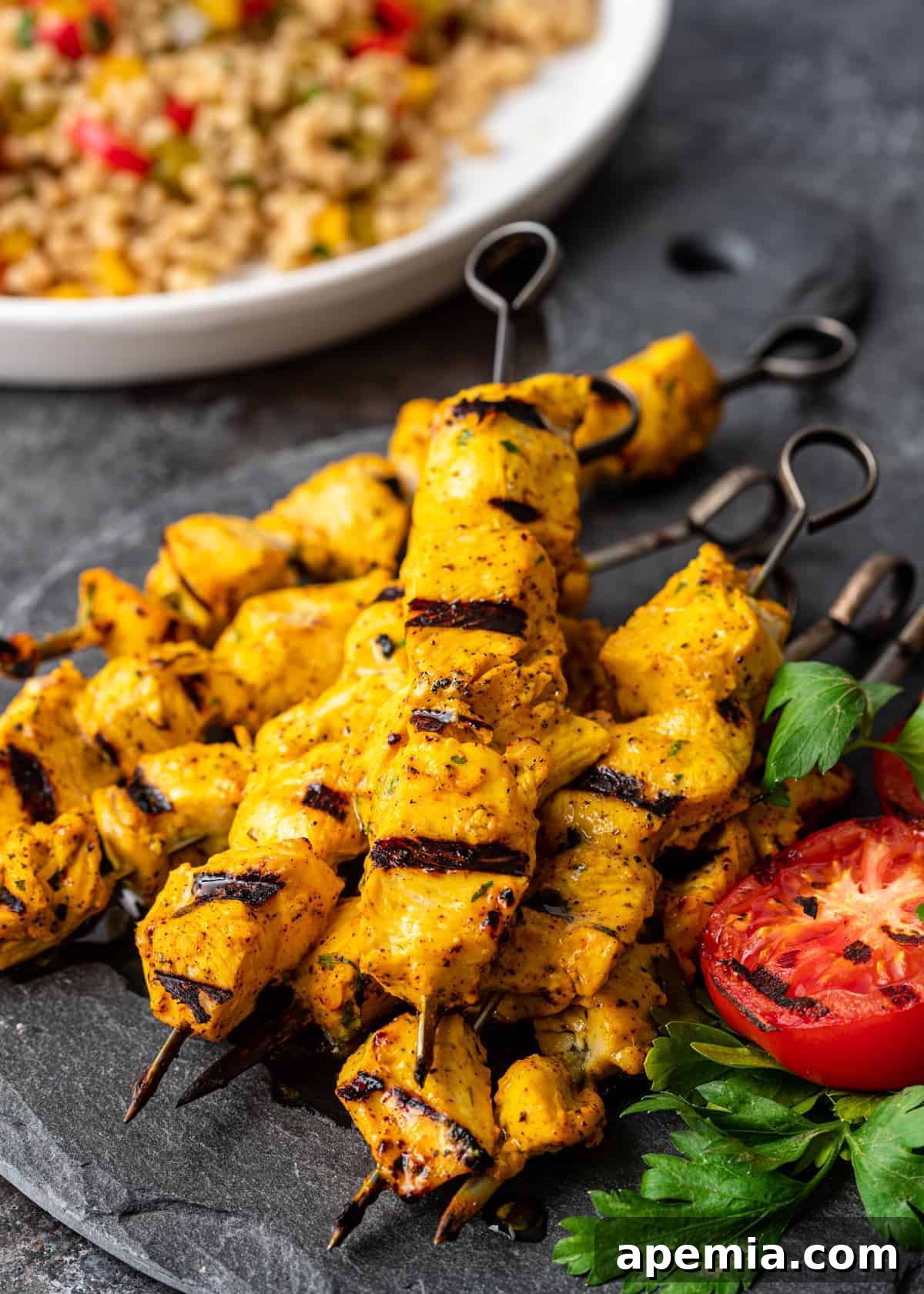
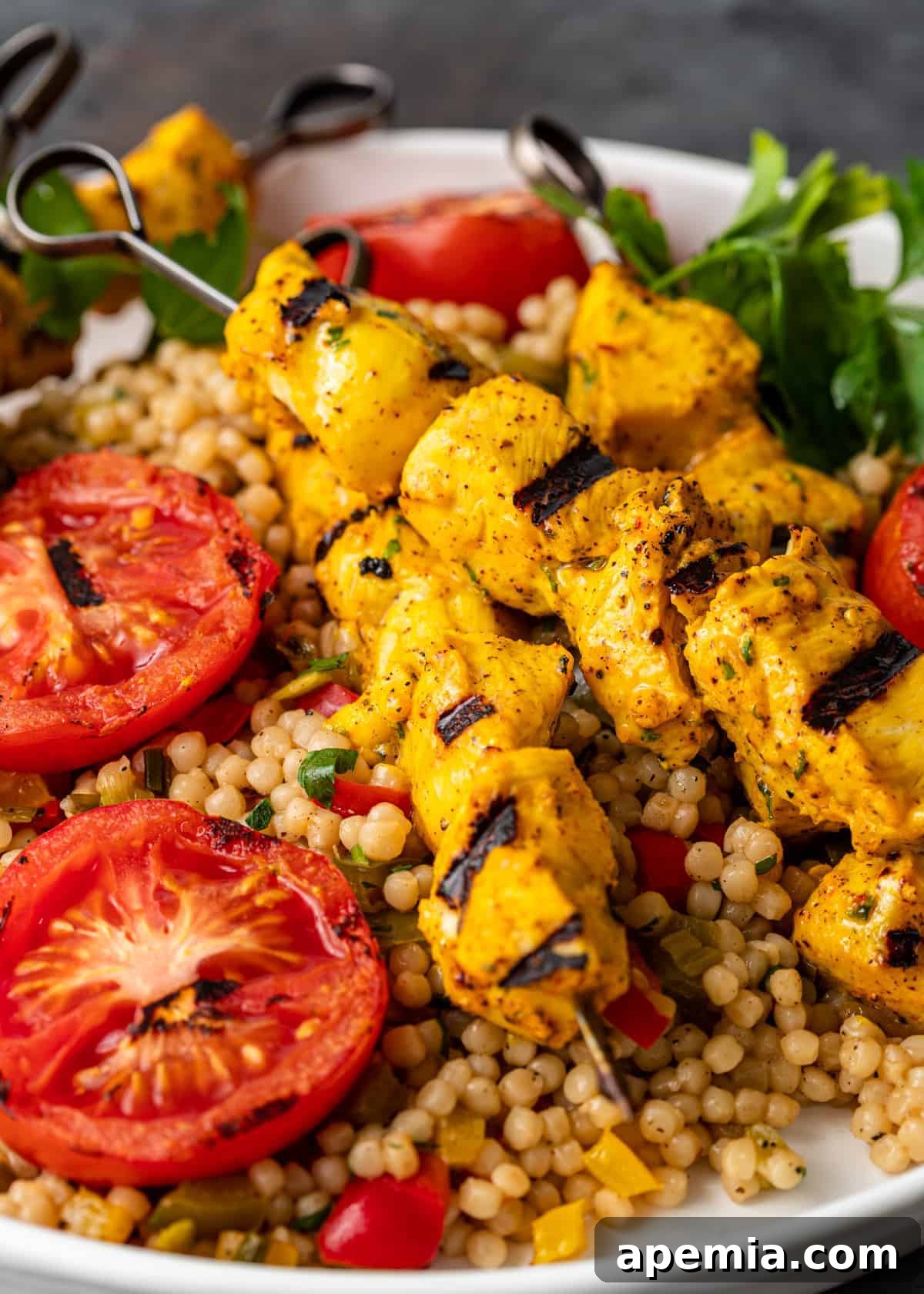
To truly savor the authentic experience of Joojeh Kabob, I highly recommend serving it with a side of warm, fresh bread. Soft, pillowy pita or delicate lavash are excellent choices, perfect for scooping up every last bit of flavor. For side dishes that remain true to Persian culinary roots, consider a refreshing cucumber yogurt salad (Mast-o Khiar) or a hearty serving of Lubia Polo (green bean rice). However, this versatile dish also pairs wonderfully with modern accompaniments. In this particular instance, I prepared a quick and delightful pearl couscous salad, tossed with lightly sautéed seasonal vegetables, offering a lighter yet equally satisfying complement to the rich flavors of the chicken.
Tip From Kevin
The Magic of Saffron: Tips and Insights
Saffron, known as the “red gold,” is not only the world’s most expensive spice by weight but also one of the most potent. A “pinch” of saffron, typically referring to about 15-20 delicate strands, is usually sufficient to impart its subtle flavor, distinctive aroma, and vibrant golden-yellow color to most dishes. Because of its intensity and value, even a small quantity is incredibly effective.
To fully unlock saffron’s powerful flavor and rich color, it’s crucial to “bloom” the threads. This involves gently grinding the strands into a fine powder, often using a mortar and pestle, then steeping them in a small amount of warm liquid (like water, milk, or broth) for a few minutes. This process allows the color and aroma compounds to release fully. When a pinch of saffron is ground, it usually measures around 1/16 to 1/8 of a teaspoon, though the exact amount can vary depending on how tightly packed the threads are. Always choose high-quality, deep red saffron threads for the best results, avoiding those with too many yellow stigmas, which indicate lower quality.
Ingredient Spotlight and Smart Substitutions
(For a complete list of ingredients and quantities, please refer to the recipe card below.)
- Cubed Chicken Breast: While chicken breast is often favored for its leanness, you can achieve equally delicious results with boneless, skinless chicken tenders, strips, or thigh meat. Thigh meat, in particular, tends to remain incredibly juicy due to its higher fat content. This versatile saffron-yogurt marinade is also fantastic with other proteins like lamb, beef, or turkey, offering a delightful twist if you wish to experiment with different meats. Ensure all cuts are uniform in size for even cooking.
- Plain Yogurt: The foundation of our tenderizing chicken kabob marinade, yogurt serves multiple crucial functions. Its acidity helps break down tough protein fibers, moistens the meat, and acts as a carrier for the rich flavors. You can use either plain regular yogurt or plain Greek yogurt. Greek yogurt will result in a thicker marinade that clings more effectively to the chicken, potentially intensifying the flavor. Opt for full-fat yogurt for the richest taste and best tenderizing effect.
- Saffron: There is truly no perfect substitute for saffron’s unique flavor profile – a delicate blend of floral notes, a hint of honeyed sweetness, and a subtle peppery earthiness. It is absolutely integral to the authentic taste and vibrant color of this Joojeh Kabob recipe. While you might be tempted to use turmeric for color, it will not replicate the distinct flavor, so it’s worth investing in good quality saffron for this dish.
- Parsley: A staple in Persian cooking, fresh parsley brightens the dish with its clean, slightly peppery flavor. Italian flat-leaf parsley is preferred. If fresh parsley is unavailable, chervil is the best substitute, offering a similar delicate anise-like flavor. Fresh basil can also work in a pinch, providing a slightly different but still aromatic herbaceous note.
- Sumac: This distinctive, reddish-purple spice provides a wonderful warm, lemony tartness that is characteristic of many Middle Eastern and Mediterranean dishes. It’s a key component in popular spice blends like Za’atar, Baharat, Turkish Spice Blend, and Shawarma Spice Blend. Sumac truly is a jack of all trades, adding a vibrant acidity without the liquid of lemon juice. If you absolutely must substitute, a touch of fresh lemon zest can mimic some of its bright notes, but I highly recommend seeking out authentic ground sumac for the best flavor.
- Onion: Finely grated onion contributes moisture and a crucial aromatic base to the marinade. Yellow onions are common, but white or red onions can also be used. Red onions may impart a slightly sweeter and sharper flavor. The key is to grate them finely to release their juices, which play a significant role in tenderizing the chicken.
- Garlic: Freshly minced garlic is essential for a robust flavor in the chicken kabob marinade. Its pungent notes complement the other spices perfectly. While jarred minced garlic can be used for convenience, powdered garlic is generally less effective in marinades as it doesn’t release its flavors as readily and can have a slightly different taste. Always opt for fresh whenever possible for the most impactful garlic flavor.
How to Master Joojeh Kabob: Step-by-Step
- Bloom the Saffron: Begin by gently grinding the saffron threads into a fine powder. The easiest way to do this is using a mortar and pestle. Transfer the ground saffron to a small bowl and add 2 tablespoons of warm water. Stir gently and allow it to steep for at least 2 minutes. You’ll notice the water transforming into a deep, ruby red or vibrant orange hue as the saffron’s color and aroma compounds are released. This blooming process is crucial for maximizing flavor and color.
- Prepare the Onion: Take a medium yellow onion and, using a box grater, finely grate it over a bowl. Onions release a lot of liquid when grated, so gather the grated onion and transfer it to a fine-mesh sieve set over another bowl. Press gently to drain as much liquid as possible; this “onion water” is discarded, and only the solids are used in the marinade. This step ensures the marinade isn’t too watery.
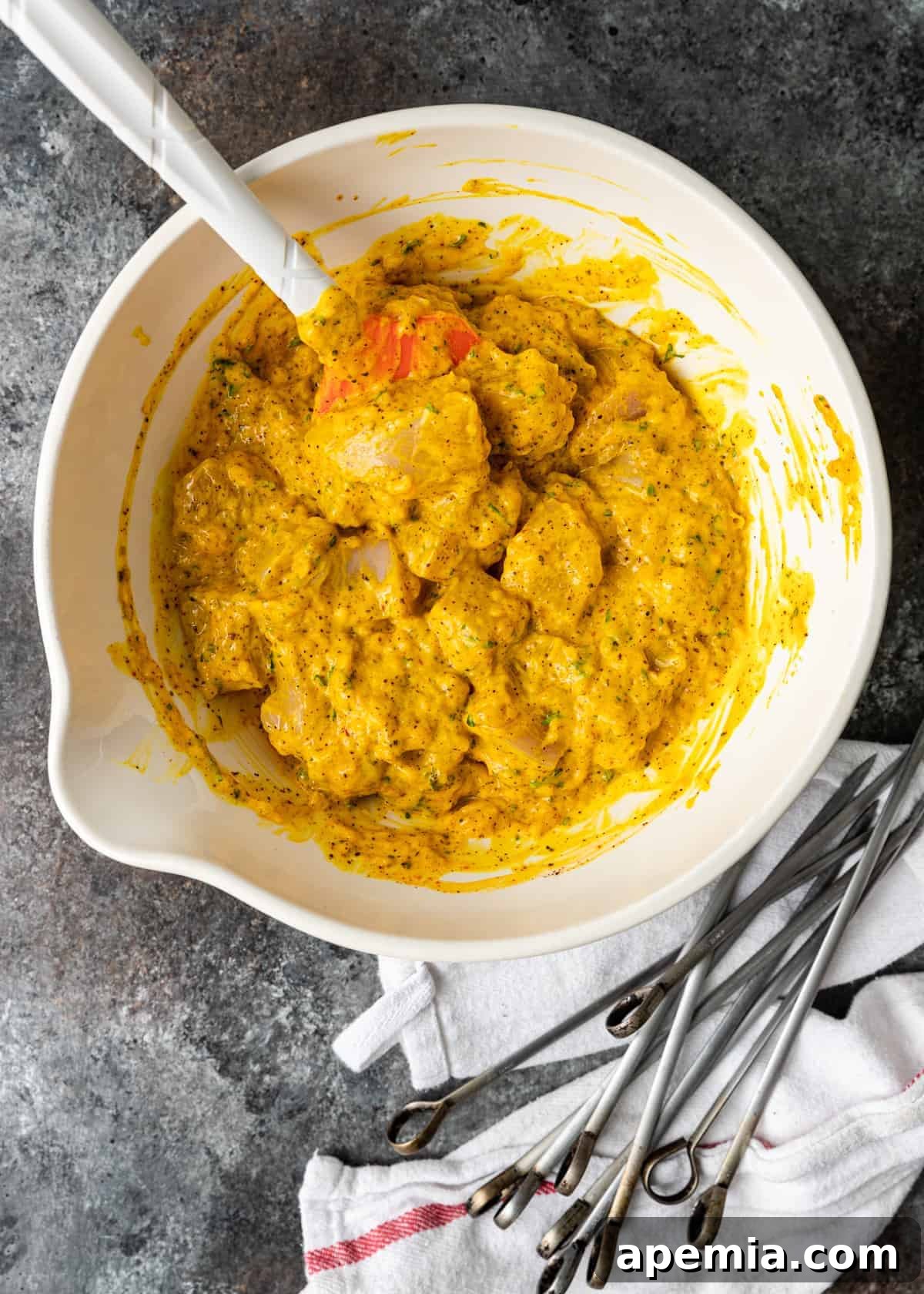
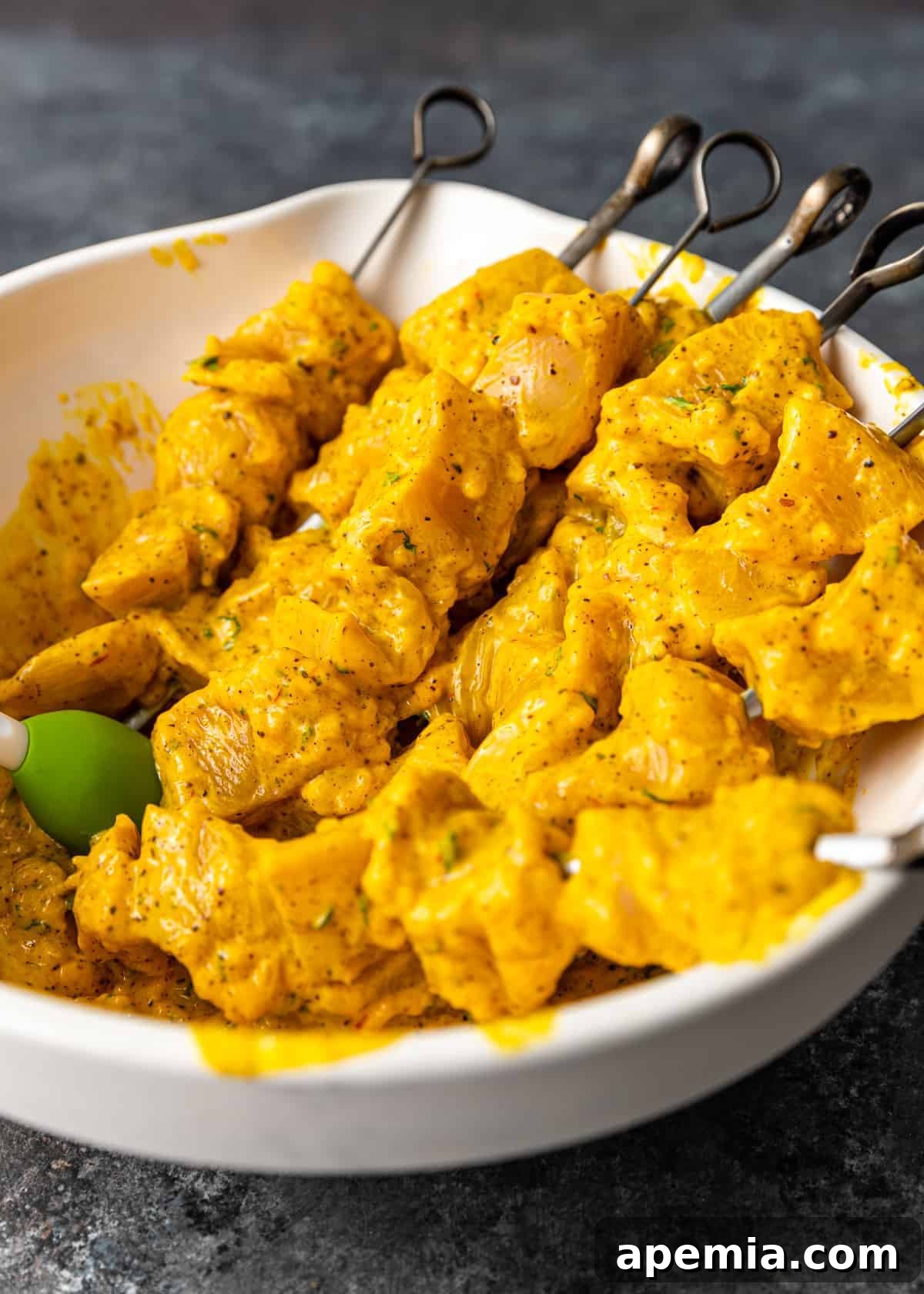
- Craft the Marinade & Marinate the Chicken: In a large mixing bowl, combine the drained grated onion with the bloomed saffron (and its liquid). Add the plain yogurt, minced garlic, chopped fresh parsley, sumac, kosher salt, and black pepper. Mix all these ingredients thoroughly until well combined, creating a thick, aromatic marinade. Add the cubed chicken to the bowl, tossing gently to ensure every piece is completely coated. Cover the bowl tightly with plastic wrap and refrigerate for at least 45 minutes. For best results and maximum flavor penetration, marinate overnight (8-12 hours).
- Skewer and Grill to Perfection: When you’re ready to cook, preheat your grill to a medium-high temperature, approximately 350-375°F (175-190°C). Clean the grill grates thoroughly and lightly coat them with oil or cooking spray to prevent sticking. Remove the chicken from the marinade, shaking off any excess. Thread 4-5 cubes of marinated yogurt chicken onto each skewer, ensuring the pieces are evenly spaced for uniform cooking. Discard any remaining marinade. Grill the skewers directly over the heat for 2-3 minutes per side, turning them until all sides are golden brown and the internal temperature of the thickest piece of chicken reaches 165°F (74°C). Avoid overcooking to keep the chicken moist.
- Serve and Savor: Once cooked, remove the Joojeh Kabob from the grill. Let them rest for a few minutes before serving. Enjoy your tender and flavorful Persian chicken kabobs with your choice of warm bread, fragrant rice, fluffy couscous, fresh grilled vegetables, or a crisp side salad. Garnish with a sprinkle of fresh parsley or a dash of extra sumac for an added touch of freshness and zest.
Essential Tools for Perfect Kabobs
- Mortar & Pestle: This traditional tool is indispensable for grinding saffron threads into a fine powder, which is essential for blooming and extracting maximum color and flavor. It also helps in grinding other spices for the marinade.
- Box Grater: A sturdy box grater is ideal for finely grating the onion, ensuring its juices and pulp are thoroughly incorporated into the marinade for optimal tenderization and flavor. A food processor with a grating attachment can also work.
- Skewers: Long, flat metal skewers are highly recommended for Joojeh Kabob. The flat design prevents the chicken pieces from rotating when you flip them on the grill, ensuring even cooking. If using bamboo skewers, remember to soak them in water for at least 30 minutes before use to prevent them from burning.
- Grill or Grill Pan: Whether you use an outdoor charcoal or gas grill for that authentic smoky flavor, or an indoor grill pan for convenience, ensure it’s preheated and properly oiled.
- Instant-Read Thermometer: A crucial tool for food safety and preventing overcooked, dry chicken. Use it to check the internal temperature of the chicken (165°F / 74°C).
Storing, Reheating, and Meal Prep Tips
To store leftover Joojeh Kabob, simply slide the cooked chicken pieces off the skewers and transfer them to an airtight container. Refrigerate promptly, and they will remain fresh for up to 3-4 days. For longer storage, cooked chicken kabobs can be frozen for up to 2-3 months. Thaw frozen kabobs in the refrigerator overnight before reheating.
For reheating, the best method to retain moisture is to arrange the cubed chicken on a baking sheet lined with parchment paper. Bake at 350°F (175°C) for 10-15 minutes, or until warmed through, flipping halfway. You can also briefly warm them in a skillet over medium heat with a splash of water or broth to prevent drying. Avoid microwaving if possible, as it can make the chicken rubbery.
For convenient meal prep, you can marinate the chicken up to 24 hours in advance. This saves significant time on busy weekdays and allows the flavors to develop beautifully. The marinated chicken can also be frozen raw for up to 3 months; simply thaw in the refrigerator before skewering and grilling.
Pin
Share this recipe on Pinterest!
Love this recipe? Share it with the world on Pinterest.
Frequently Asked Questions About Joojeh Kabob
While both are popular Persian grilled meats, the primary difference lies in their preparation. A traditional kabob, like Joojeh Kabob, consists of cubed pieces of meat (often chicken, lamb, or beef) threaded onto a skewer. Koobideh, on the other hand, is made from minced meat (typically ground beef or lamb, or a mixture) that is seasoned and then molded directly around a wide, flat skewer. While kabobs are generally easier to prepare for home cooks, Koobideh offers a unique texture and appeal, often considered a staple of Persian restaurants and special occasions.
Absolutely! If grilling isn’t an option, you can easily prepare Joojeh Kabob in your oven. You can still thread the marinated chicken onto skewers for presentation, or simply spread the cubed chicken pieces in a single layer on a baking sheet lined with parchment paper. Preheat your oven to 350°F (175°C) and bake for 15 to 20 minutes, flipping the chicken halfway through to ensure even cooking. For a slight char and deeper flavor, you can finish the last few minutes under the broiler, keeping a close eye on it to prevent burning.
Dry kabobs are a common issue, often due to overcooking, especially when using lean cuts like chicken breast. The key to juicy Joojeh Kabob lies in precise cooking. Firstly, ensure your chicken pieces are cut to a uniform size to cook evenly. Secondly, monitor the cooking time carefully; skewered chicken, especially bite-sized cubes, cooks relatively quickly, usually no more than 4 minutes per side on the grill. The most reliable way to prevent dryness is to use an instant-read thermometer and remove the chicken from the heat as soon as it reaches an internal temperature of 165°F (74°C). Using chicken thigh meat instead of breast can also help, as its higher fat content makes it more forgiving if slightly overcooked.
Yes, you can prepare the marinade up to 24 hours in advance and store it in an airtight container in the refrigerator. This allows for quick assembly on grilling day. Simply add the chicken to the prepared marinade at least 45 minutes before you plan to cook, or preferably, marinate overnight for the best flavor.
If you don’t have a mortar and pestle, you can gently crush the saffron threads between two spoons, or even between your thumb and forefinger if they are brittle enough. Some people also use a coffee grinder or spice grinder, though this can sometimes be overkill for such a small quantity. The goal is to break the threads down into a fine powder to maximize flavor extraction during blooming.
While traditional Joojeh Kabob usually features just chicken, you can absolutely add vegetables to the skewers for a more complete meal. Bell peppers (red, yellow, orange), cherry tomatoes, zucchini, or onion wedges are excellent choices. Be mindful that vegetables cook at different rates than chicken, so you might consider skewering them separately or cutting them into larger pieces to prevent them from overcooking or burning.
Saffron Yogurt Chicken Kabab (Joojeh Kabob)
PrintRecipe
Ingredients
- 2 lbs chicken breast (cubed, see Note 1 below)
- 30 saffron threads (about 1/8 teaspoon ground)
- 1 cup plain yogurt
- 1 medium yellow onion (finely grated)
- 2 cloves garlic (minced)
- 1 tsp fresh parsley (chopped)
- 1 tsp sumac
- 1/2 tsp kosher salt
- 1/2 tsp black pepper
Instructions
-
Grind the saffron threads into a fine powder using a mortar and pestle. Mix with 2 tablespoons of warm water in a small bowl and let the saffron bloom for a few minutes until it develops a deep, ruby red color. Set aside.
-
Using a box grater set over a bowl, finely grate the onion. Transfer the grated onion to a mesh sieve and gently press to drain excess liquid. Discard the onion water. Transfer the drained onion solids to a large mixing bowl.
-
To the bowl with the grated onion, add the plain yogurt, minced garlic, chopped parsley, sumac, bloomed saffron (including its liquid), salt, and pepper. Mix all ingredients thoroughly until well combined. Add the cubed chicken to the marinade and toss to ensure all pieces are evenly coated. Cover the bowl with plastic wrap and refrigerate for at least 45 minutes, or ideally, overnight for best flavor.
-
Preheat your grill to 350°F (175°C). Clean the grill grates and lightly coat them with oil or cooking spray. Remove the chicken from the marinade, shaking off any excess. Thread about 4 pieces of marinated chicken onto each skewer, ensuring even spacing. Discard any leftover marinade.
-
Grill the skewers for 2-3 minutes on one side, then flip and grill for another 2-3 minutes on the other sides, depending on the size of the chicken cubes. Continue turning until all sides are nicely browned and the internal temperature of the thickest piece of chicken reaches 165°F (74°C).
-
Remove from the grill and let rest for a few minutes before serving. Enjoy your delicious Joojeh Kabob with warm pita or lavash bread, steamed rice, couscous, grilled vegetables, or a fresh salad of your choice.
Baked/Oven Method
-
To cook this Joojeh Kabob recipe in the oven, arrange the marinated chicken pieces (on skewers or simply cubed) on a baking sheet lined with parchment paper. Bake at 350°F (175°C) for 15 to 20 minutes, flipping halfway through to ensure the meat cooks evenly and thoroughly to 165°F (74°C).
Notes
- I typically use boneless, skinless chicken breast meat, but chicken tenders, strips, or thigh meat are also excellent choices and may result in an even juicier kabob.
- Here are approximate grilling times for chicken at 350°F (175°C). Always check with an instant-read thermometer to ensure the internal temperature reaches 165°F (74°C):
- Boneless chicken breast, cubed/skewered: Grill for about 2-3 minutes per side, for a total of 8-12 minutes.
Nutrition
- Calories: 219kcal
- Carbohydrates: 5g
- Protein: 35g
- Fat: 6g
- Saturated Fat: 2g
- Trans Fat: 1g
- Cholesterol: 105mg
- Sodium: 398mg
- Potassium: 688mg
- Fiber: 1g
- Sugar: 4g
- Vitamin A: 109IU
- Vitamin C: 4mg
- Calcium: 89mg
- Iron: 1mg
The information shown is an estimate provided by an online nutrition calculator. It should not be considered a substitute for a professional nutritionist’s advice.
Have You Made This Recipe? Let Me Know on InstagramTag @keviniscooking or use hashtag #keviniscooking!