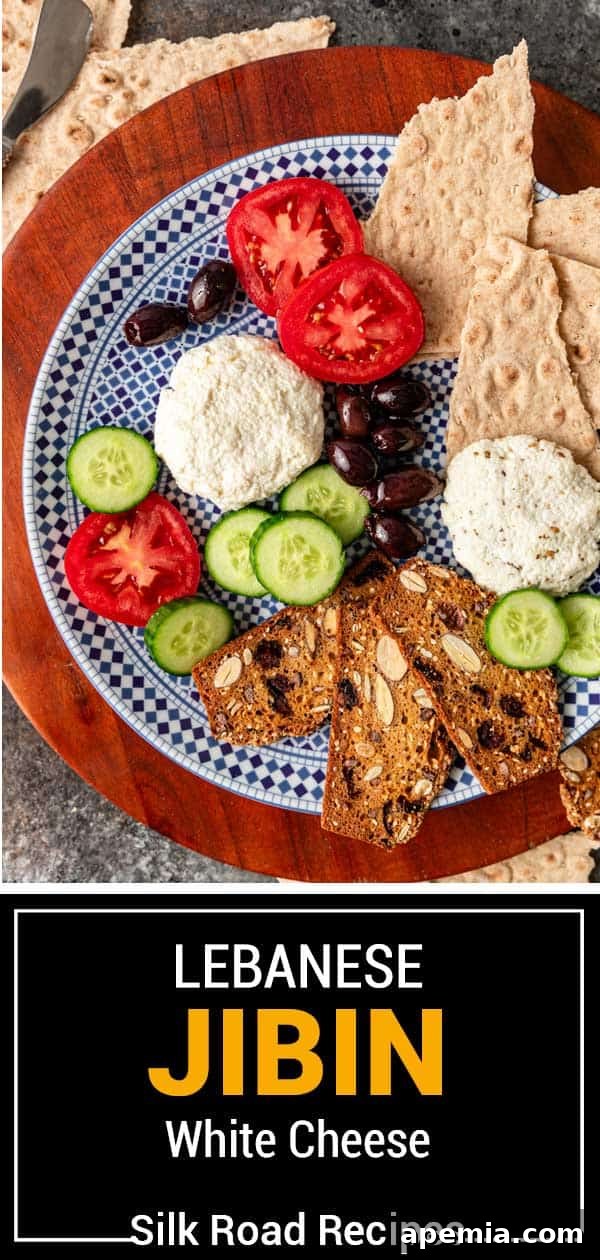
Jibin: The Ultimate Homemade Lebanese White Cheese Recipe
Jibin is renowned as one of the simplest and quickest homemade cheeses to prepare. With a straightforward recipe involving only a handful of ingredients, you can craft this delicious soft Lebanese white cheese in less than three hours. Often described as a milder, creamier version of feta, Jibin is a beloved staple, frequently enjoyed as a versatile breakfast item or a satisfying snack.
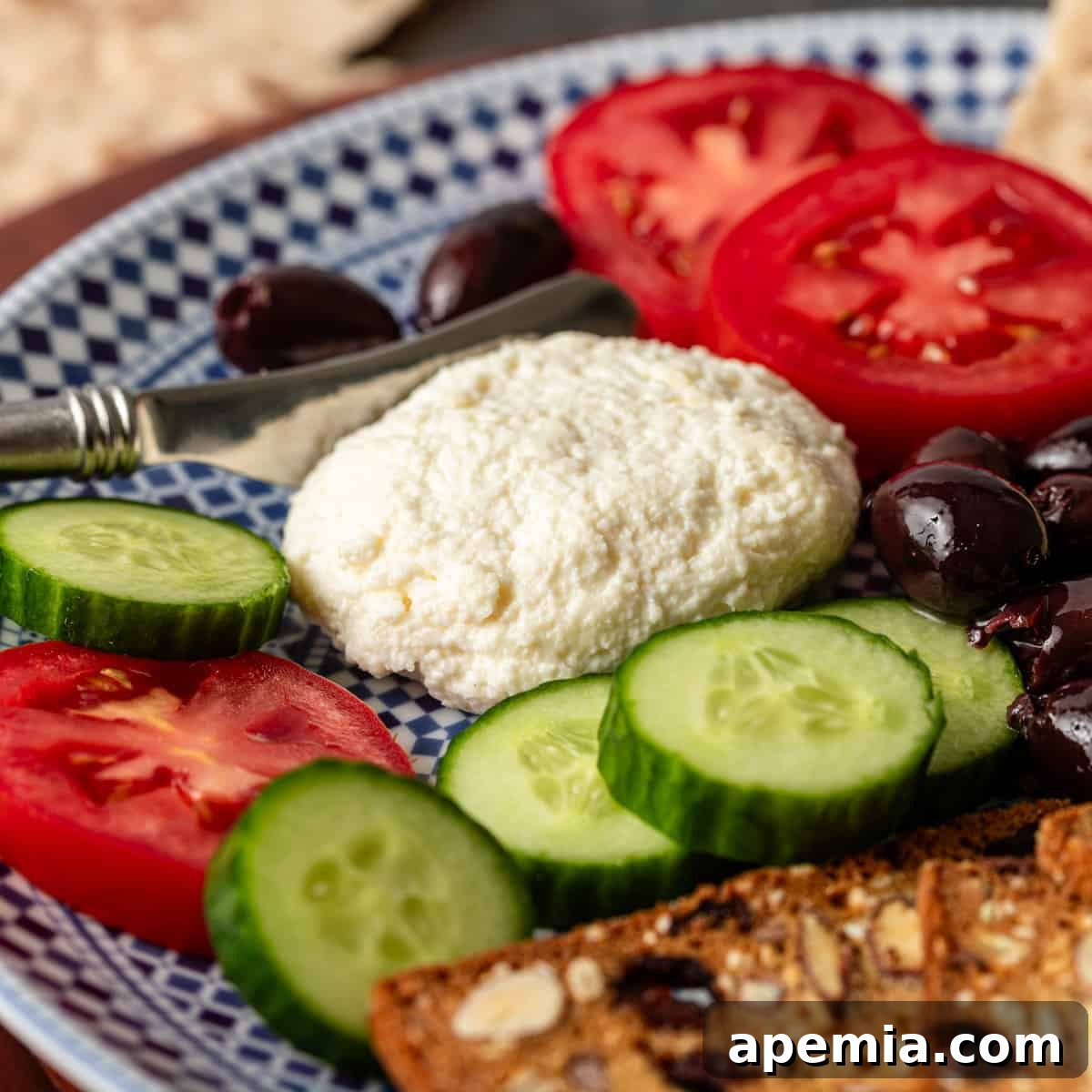
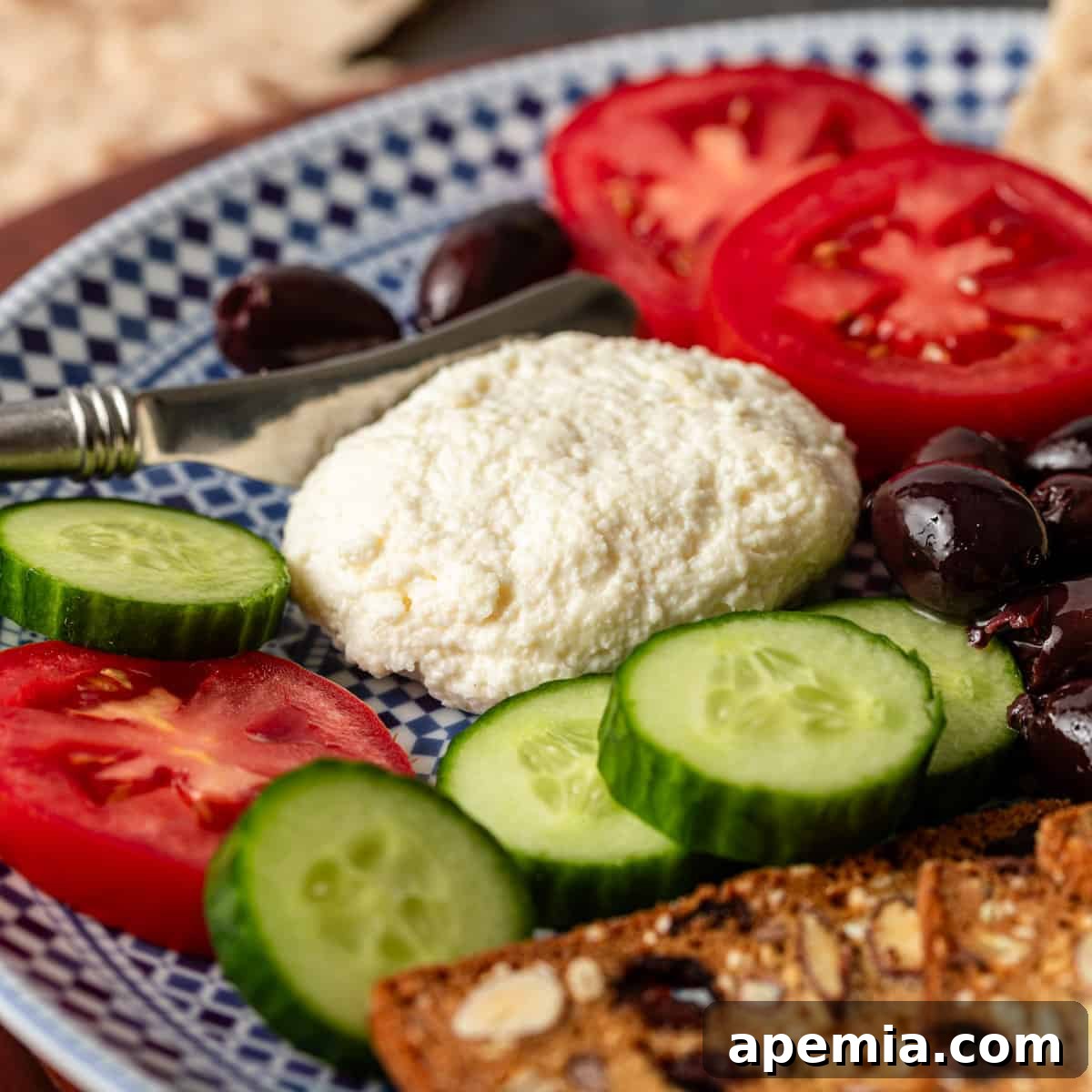
Discover the Irresistible Charm of Jibin
Known by various names such as Jibin, Jiban, Joban, Jibneh, or Jibneh Arabieh, this fresh Lebanese white cheese might have a few linguistic variations, but its unmistakable taste and delightful texture are consistent and utterly irresistible from the very first bite. This simple Jibin recipe demystifies the cheesemaking process, making it incredibly accessible for home cooks. While the steps might seem numerous at first glance, each one is remarkably straightforward, contributing to its widespread popularity and enduring love across Lebanon. The primary reason for its revered status, however, is undeniably its deliciousness.
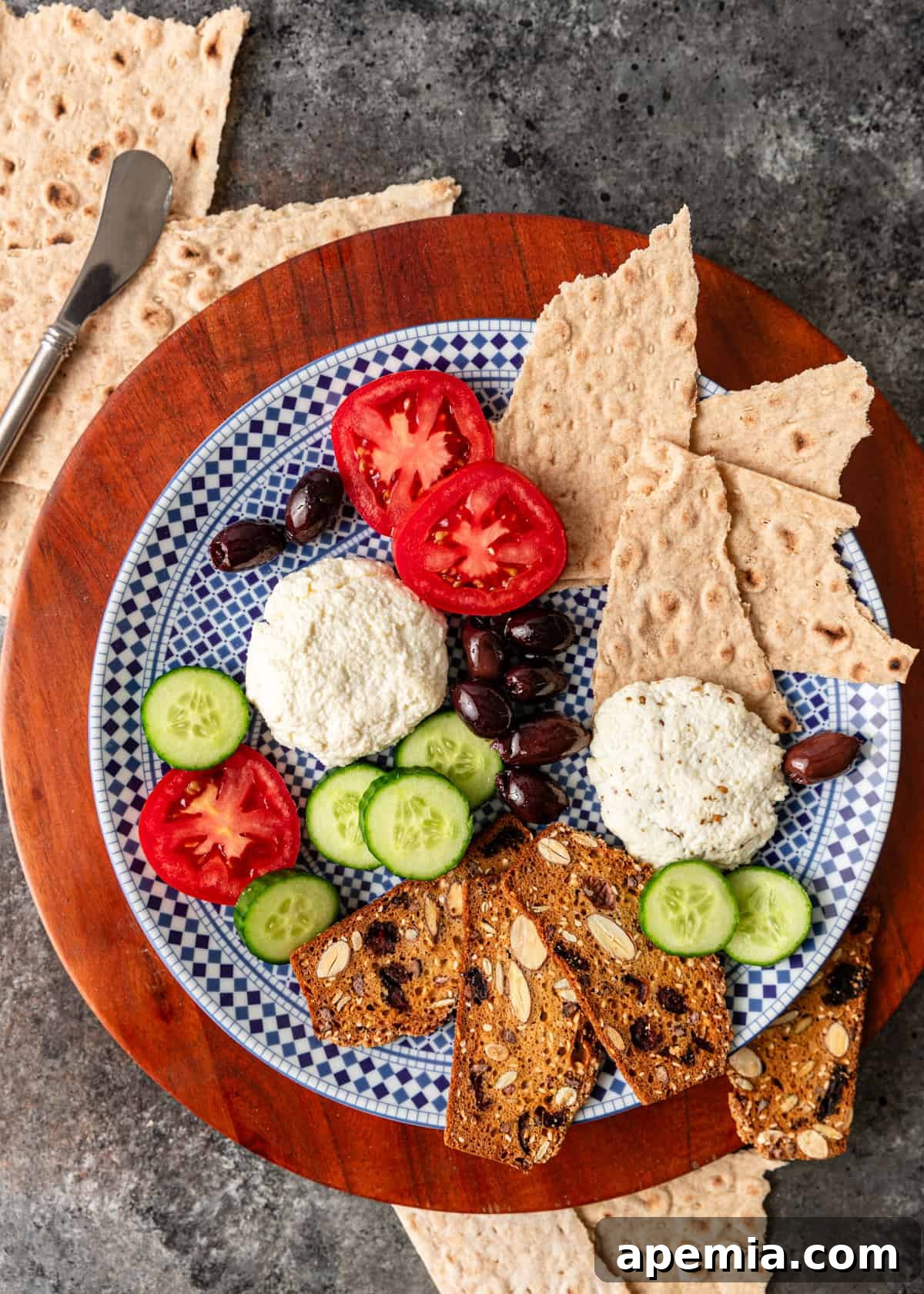
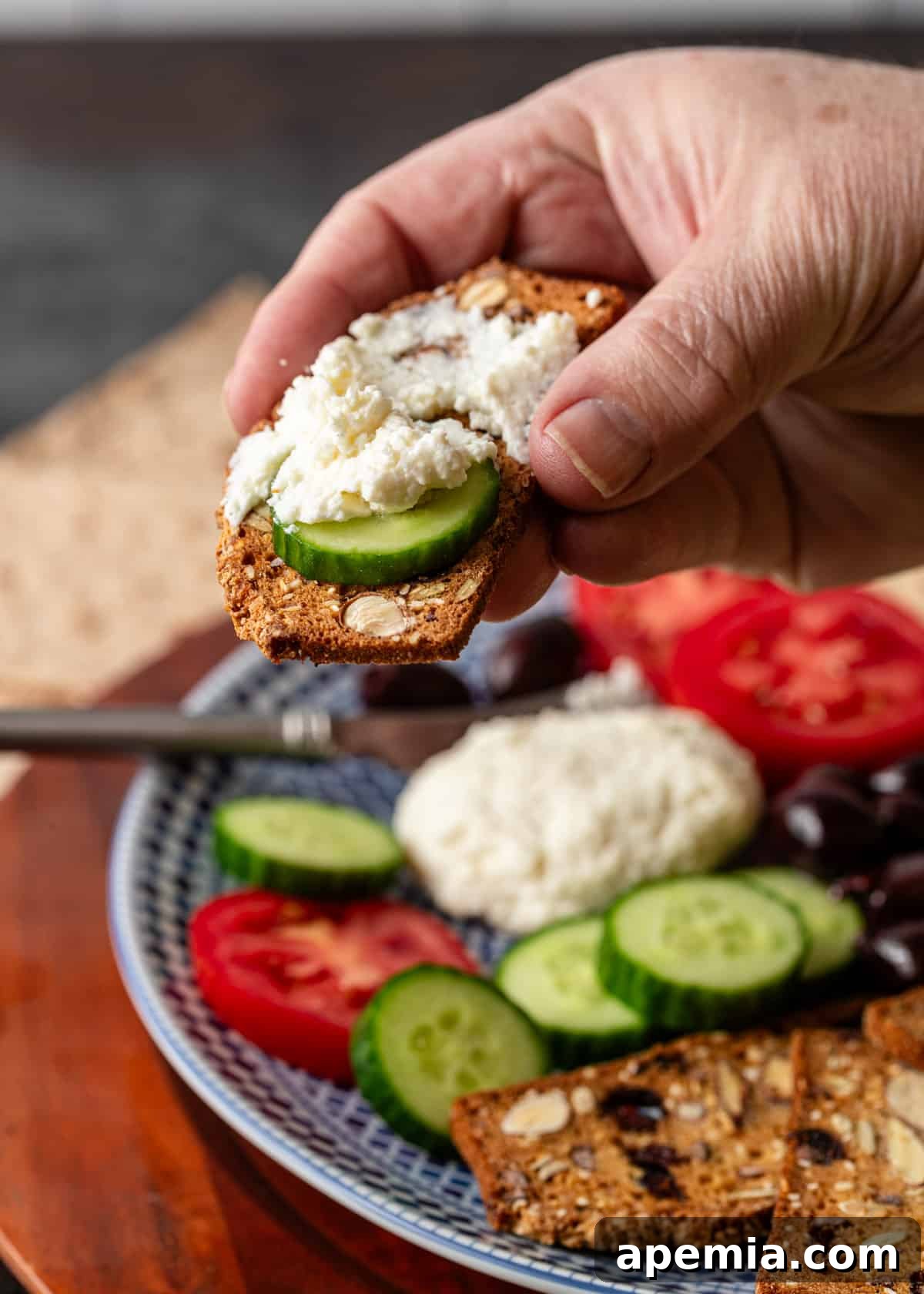
Jibin boasts a mild, milky, and exceptionally creamy profile. It carries a subtle tang, often enhanced by the addition of fresh lemon juice, which lends it a bright and rich flavor. This taste pairs magnificently with fresh vegetables like juicy tomatoes and crisp cucumbers, and it finds one of its most popular companions in salty, briny olives. Its harmonious blend of flavors makes it a perfect complement to a wide array of Mediterranean and Middle Eastern ingredients. Imagine enjoying it on a warm slice of pide or as a star topping on any flatbread pizza for an authentic culinary experience.
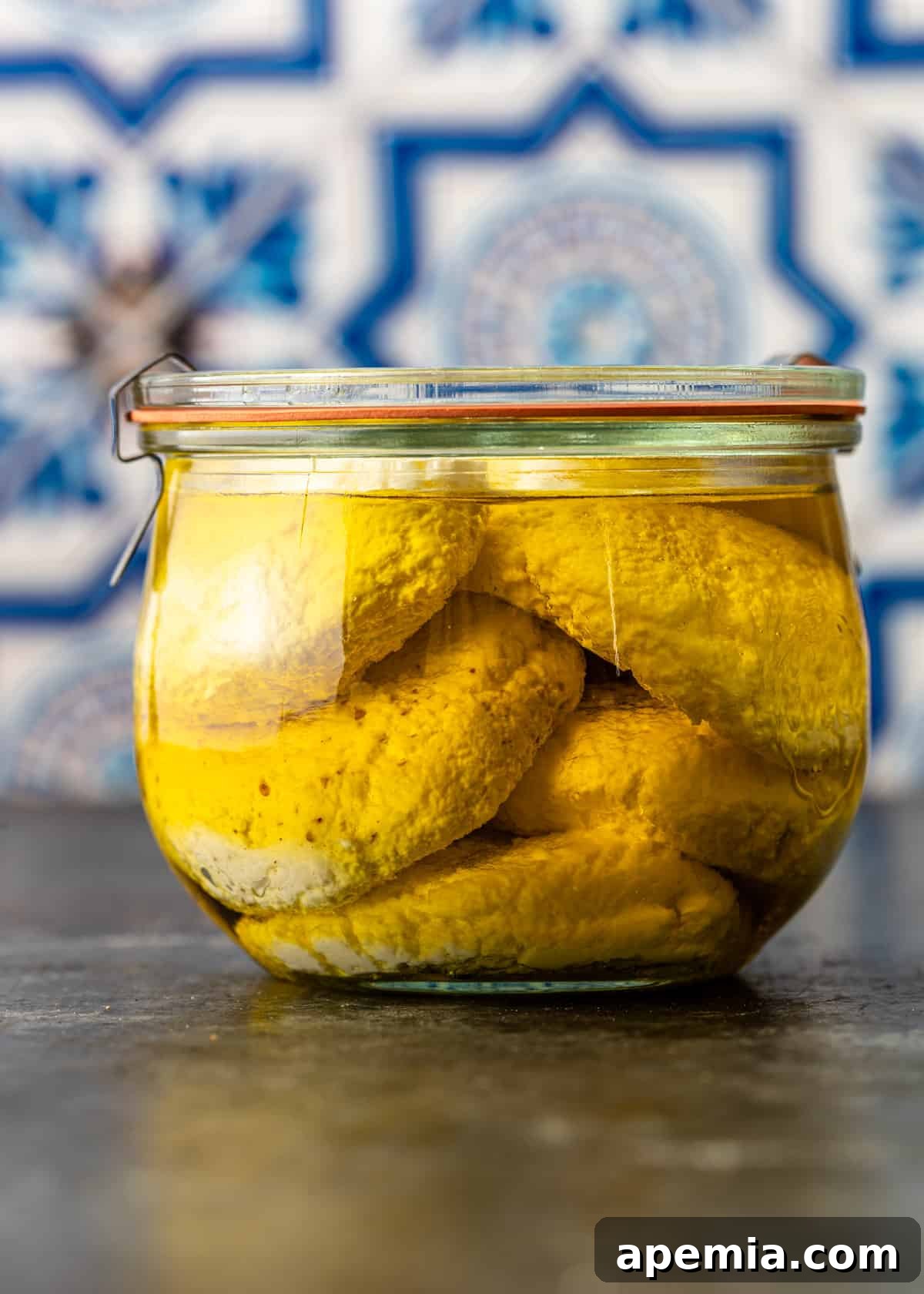
Table of Contents
- Rennet or Vinegar: The Coagulant Conundrum
- Understanding Milk: Pasteurized and Homogenized Varieties
- Ingredient Notes and Substitutions for Perfect Jibin
- How to Make Jibin: Your Step-by-Step Guide
- Recommended Tools for Cheesemaking
- Storing Your Homemade Jibin
- Frequently Asked Questions About Jibin
- Jibin (Lebanese White Cheese) Full Recipe
Essential Insights for Homemade Cheesemaking
Rennet or Vinegar: The Coagulant Conundrum in Cheesemaking
When embarking on the journey of homemade cheesemaking, one of the first decisions you’ll face is choosing your coagulant: rennet or vinegar. Both serve the purpose of separating milk solids (curds) from liquid (whey), but they do so with different effects on the final product. While vinegar can indeed be used as a substitute for rennet in certain cheesemaking scenarios, it’s crucial to understand that the two are not directly interchangeable in terms of quantity or outcome. Generally, about 1/4 cup of white vinegar could roughly replace one rennet tablet, but this is a broad guideline. The specific amount required varies greatly depending on the type of cheese you aim to create and the fat content of your milk.
Rennet, an enzyme complex, is widely favored by cheesemakers for its efficiency and consistent results. It promotes coagulation without significantly altering the milk’s acidity, thus preserving the natural flavors of the cheese. Rennet-produced curds tend to be firmer and more elastic, yielding cheeses with a more traditional texture. Vinegar, being an acid, works by directly acidifying the milk, which causes the proteins to denature and coagulate. While this method can produce delicate curds suitable for some fresh cheeses, it can also impart a noticeable tang or acidic flavor to the cheese, which might not always be desired. For Jibin, which benefits from a mild, creamy profile, rennet is generally preferred for its ability to create a smooth curd without an overpowering acidic taste. However, if rennet is unavailable, distilled white vinegar offers a viable alternative, though some experimentation with quantities might be necessary to achieve your preferred texture and flavor.
Understanding Milk: Pasteurized and Homogenized Varieties for Cheesemaking
My initial foray into cheesemaking was met with frustration when my curds refused to separate as recipes described. The culprit? Homogenized milk. Understanding how milk processing affects cheesemaking is key to success.
Homogenization Explained
Homogenization is a process that gives conventional milk its smooth, uniform texture. Milk is forced through fine nozzles at high pressure, breaking down its fat globules into much smaller particles. These smaller fat particles remain evenly dispersed throughout the milk, preventing the cream from separating and rising to the top, as it naturally does in non-homogenized milk. While this creates a consistent product for drinking, it can be detrimental to cheesemaking. Homogenization can lead to a softer, weaker curd structure and may complicate the coagulation process, making it harder for curds to form distinctly and separate cleanly from the whey.
If you find yourself with curds that are too soft or don’t set properly due to homogenized milk, here are a couple of adjustments you can try:
- Add Calcium Chloride: Calcium ions play a vital role in curd formation. Homogenization can reduce the availability of these ions. Dissolve calcium chloride in non-chlorinated water and add it to your milk before coagulation to help firm up the curds.
- Slightly Increase Rennet: A small increase in the amount of rennet used can sometimes compensate for the weaker curd formation caused by homogenized milk.
Pasteurization: A Necessity with Nuances
Pasteurization is a heat treatment designed to eliminate harmful bacteria in milk, making it safe for consumption. Milk can be heated to various temperatures (from 145°F to 212°F) for different durations, then rapidly cooled. Pasteurized milk, when processed using standard methods (like HTST – High-Temperature Short-Time), generally performs well in cheesemaking because its proteins remain mostly intact and responsive to coagulants.
However, Ultra-Pasteurized (UP) or Ultra-High Temperature (UHT) milk is another story. This milk is heated to extreme temperatures (275°F or higher) for a very short period. While it extends shelf life significantly, this intense heat denatures the milk proteins and destabilizes the calcium. As a result, the calcium in ultra-pasteurized milk doesn’t bond correctly, which severely hinders proper curd formation, making it unsuitable for most cheesemaking, including Jibin. For best results, always stick to conventionally pasteurized milk and avoid ultra-pasteurized varieties.
For more in-depth information on how milk processing affects cheesemaking, you can consult resources like Cultures for Health.
Ingredient Notes and Substitutions for Perfect Jibin
(A full list of ingredients and precise quantities can be found in the recipe card below)
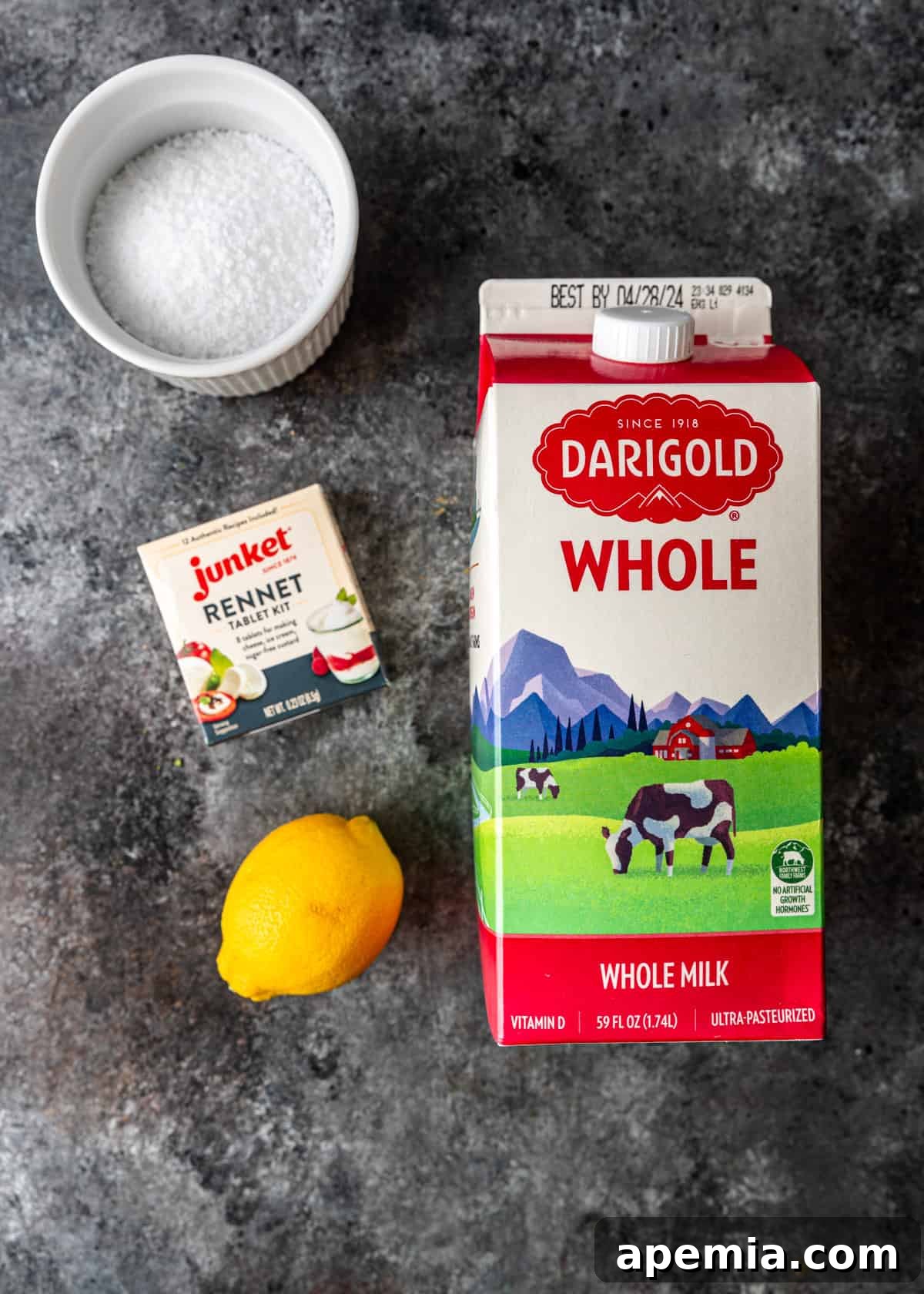
- Whole Milk: The foundation of exceptional Jibneh Arabieh is quality whole milk. It’s imperative to use regular, pasteurized whole milk. As discussed, ultra-pasteurized milk will not curdle properly, leading to disappointment. Whole milk provides the necessary fat and protein content for a creamy texture and rich, authentic flavor.
- Rennet: This critical enzyme blend is responsible for promoting the coagulation, or curdling, of milk, which forms the basis of your Joban. Rennet ensures a clean separation of curds and whey, resulting in a superior cheese texture.
- Fresh Lemon Juice: Beyond its role as an acidic coagulant, fresh lemon juice introduces a wonderfully bright and tangy note to the Jibneh. Its slightly sweet, fruity undertones elevate the flavor profile, making it extra delicious. While not always featured in traditional Lebanese white cheese recipes, I highly recommend including it for that exceptional zest.
- Kosher Salt: For homemade cheesemaking, kosher salt is generally preferred. While the old wives’ tale about iodine preventing bacterial growth in cheese is a myth, non-iodized salts like kosher salt are best because iodine can sometimes interfere with the rennet’s action or impart an undesirable flavor. Salt is crucial for flavor and acts as a preservative.
- Zaatar (Optional, but Recommended): This tangy, herbal, and aromatic Middle Eastern spice blend is a fantastic addition to your Jibin. A tablespoon of zaatar transforms your cheese, imbuing it with savory notes, a subtle nuttiness, and a delightful additional dimension of tanginess. It’s a highly recommended inclusion for those looking to enhance the authentic flavor.
How to Make Jibin: Your Step-by-Step Guide to Homemade Lebanese White Cheese
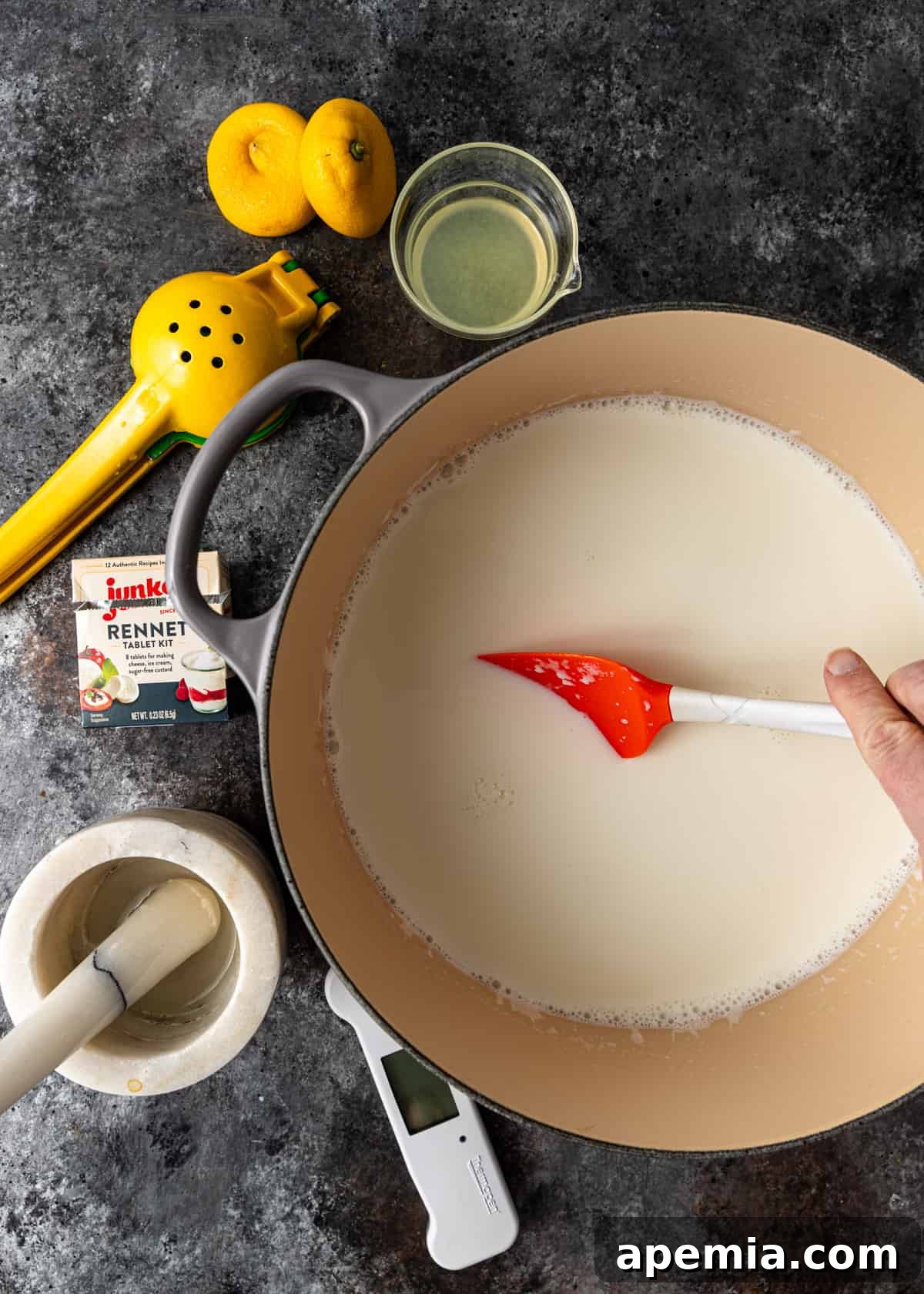
- Gently Heat the Milk: Pour the whole milk into a large stainless steel pot. It’s crucial to avoid aluminum pots, as acidic ingredients like milk can react with aluminum, causing corrosion and imparting a metallic taste to your cheese. Heat the milk slowly until it reaches a lukewarm temperature, ideally between 90-100°F (32-38°C). Use a digital thermometer for accuracy. Once the target temperature is reached, remove the pot from the heat source.
- Prepare the Rennet: If using a rennet tablet, crush it thoroughly in a small bowl. A mortar and pestle work best for this, but the handle of a sturdy knife or spoon can also be used. Add 2 tablespoons of cold water to the crushed rennet and stir until it is completely dissolved. If using liquid rennet, simply measure the required amount.
- Initiate Coagulation with Rennet & Lemon Juice: Gently stir the dissolved rennet mixture and fresh lemon juice into the warmed milk. Stir slowly and thoroughly for about 30 seconds to ensure even distribution. After a few minutes, you should start to observe small pools of clear, yellowish liquid forming in the milk; this is the whey separating from the solid curds. If separation is not evident after 5-10 minutes, add another tablespoon of lemon juice, stir gently, and wait a few more minutes. Repeat until you see clear whey formation.
- Allow the Curds to Set: Once the whey begins to separate, cover the pot and let it rest undisturbed in a warm spot in your kitchen. Allow it to sit for approximately one hour. During this time, the milk will transform into a soft, yogurt-like block of curd, which should visibly pull away from the sides of the pot.
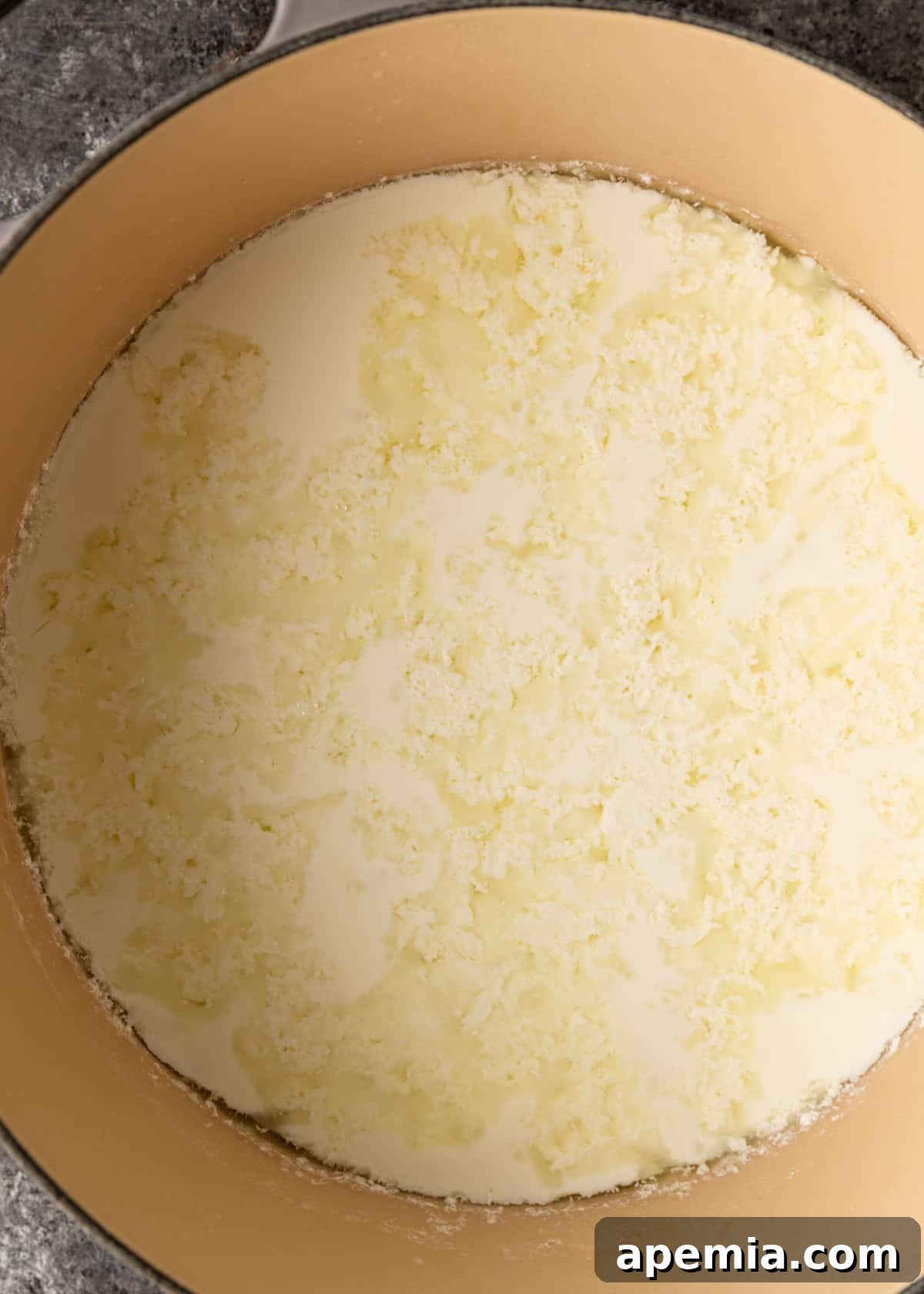
- Break the Curds and Settle: After the hour, remove the lid. You’ll see a solid mass of curd. Gently break this curd block into smaller pieces using a whisk or a long-handled spoon. Continue breaking it down until the curds resemble the consistency of small-curd cottage cheese. This step helps release more whey. Let the curds settle in the pot for another 30 minutes, allowing them to firm up slightly and further release liquid.
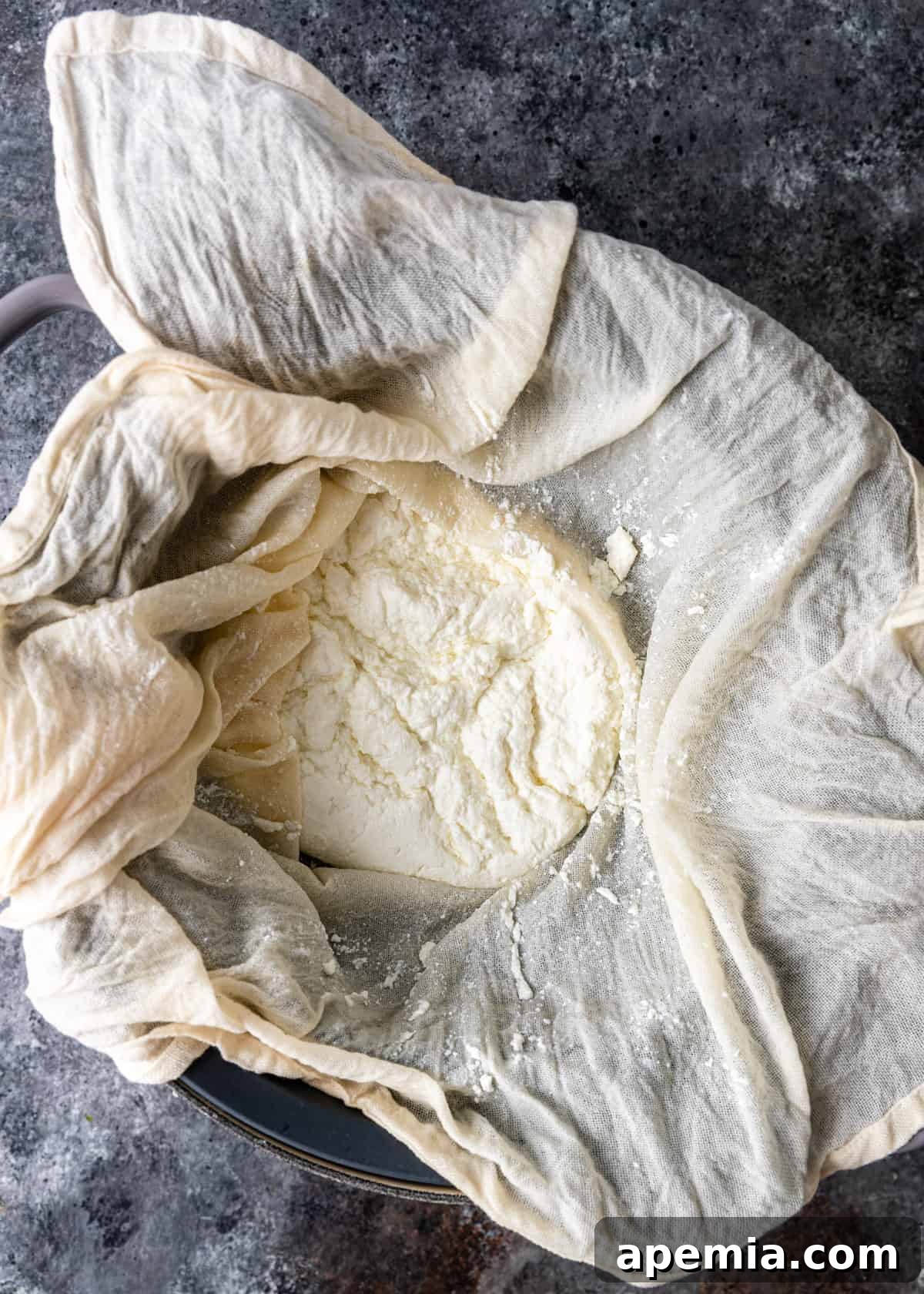
- Strain and Drain the Curds: Line a colander with a single layer of ultra-fine cheesecloth, ensuring there’s enough overhang to gather later. Carefully pour the entire contents of the pot (curds and whey) into the cheesecloth-lined colander. At this stage, the mixture will appear very wet, but this is normal. The whey will begin to drain away immediately. Stir the curds regularly within the cheesecloth for about one hour to ensure even drainage and promote a firmer texture.
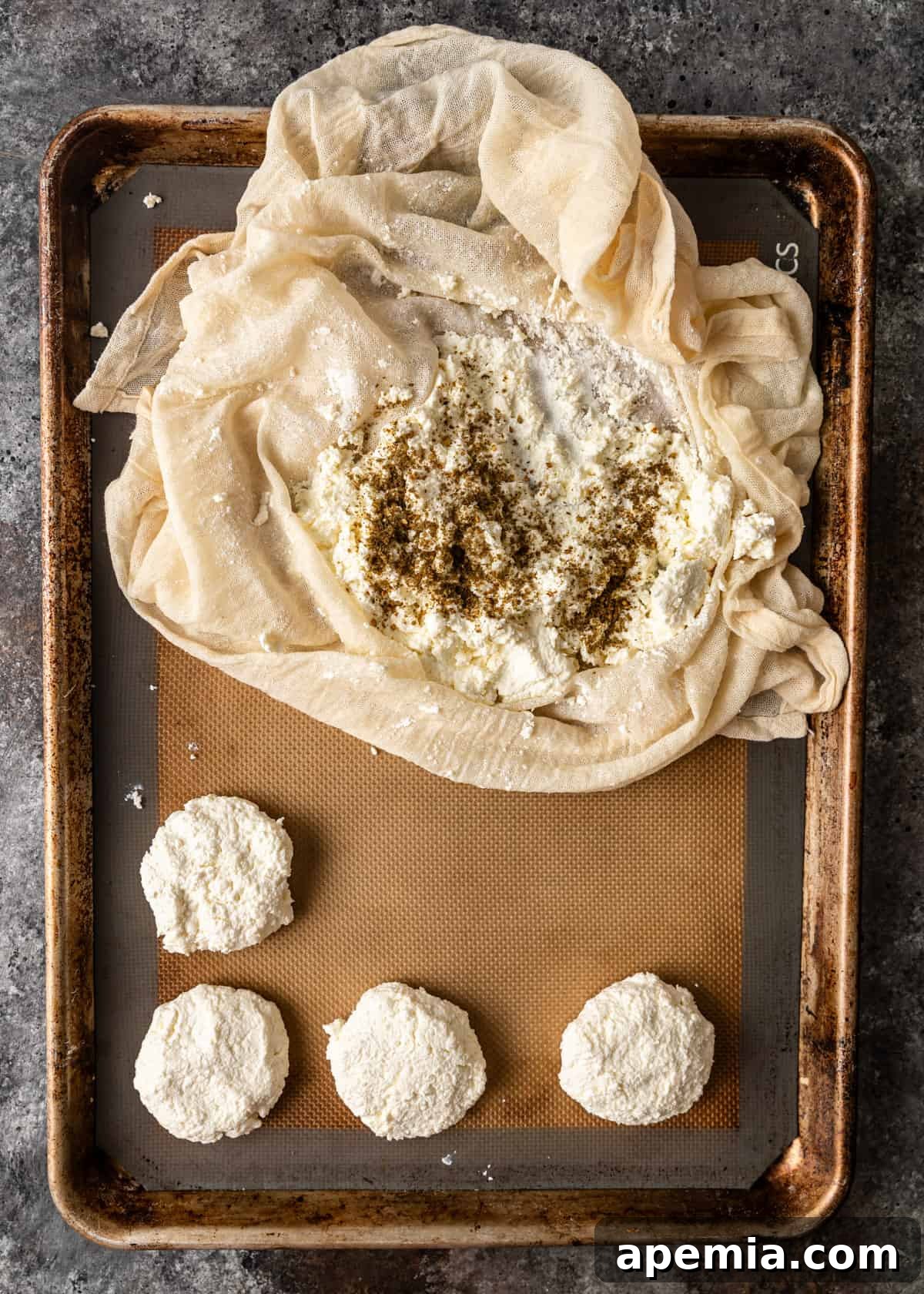
- Season and Squeeze for Texture: Transfer the drained curds to a mixing bowl. Now is the time to stir in the kosher salt and the optional (but highly recommended) zaatar, ensuring they are evenly incorporated. Next, gather the ends of the cheesecloth together to form a tight ball around the curds. Gently but firmly squeeze out any remaining excess liquid from the jibneh. The more liquid you squeeze out, the firmer your cheese will be. Open the cheesecloth and taste a small piece of the cheese. Adjust seasoning by adding more salt or zaatar if desired.
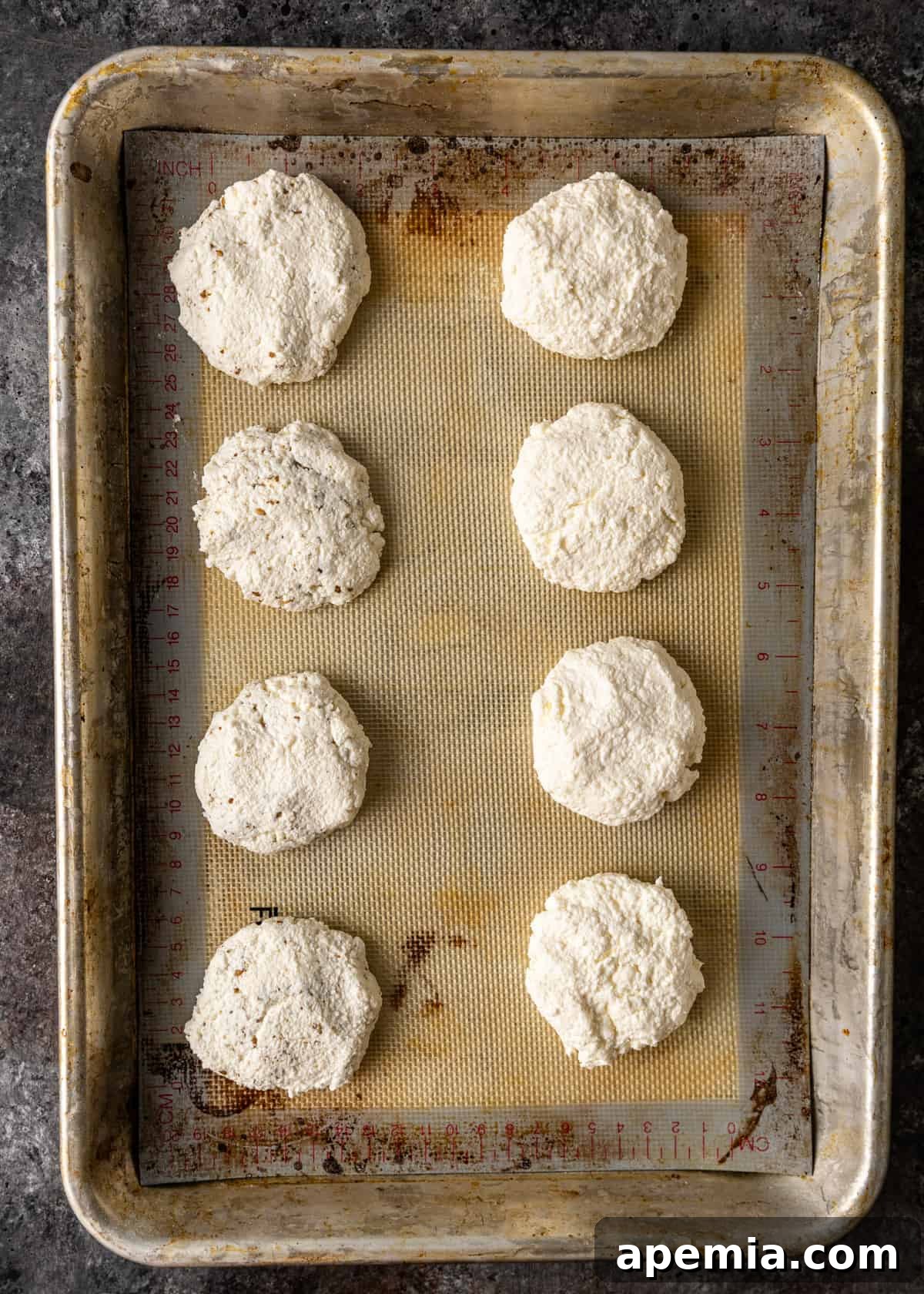
- Shape and Refrigerate: Line a baking sheet with parchment paper or clean paper towels. Using your hands, roll and shape the soft jiban into small, round patties or oblong balls, aiming for a thickness of about 1.5-2 inches at the center. As you shape each piece, give it a final gentle squeeze to remove any last drops of whey. Arrange the shaped cheeses on the lined baking sheet. Lightly cover them with another sheet of paper towel or a clean cloth and refrigerate overnight. This allows the cheese to firm up and further develop its flavors.
- Store and Serve: Your homemade Jibin is ready to be served the next day! For storage, place the whole or cut-up patties in an airtight jar or container. You can cover them with a homemade brine (recipe below) or high-quality extra virgin olive oil. Ensure the cheese is fully submerged. Keep refrigerated. When stored properly, homemade Jibin will stay fresh and delicious for up to 10 days.
Recommended Tools for Effortless Cheesemaking
- Stainless Steel Pot: This is a non-negotiable item. As mentioned, acidic ingredients like milk react with aluminum, causing corrosion and leaching undesirable flavors. Stainless steel is inert and safe for cheesemaking.
- Mortar & Pestle: Ideal for finely crushing rennet tablets, ensuring they dissolve quickly and evenly. If unavailable, the back of a spoon or the handle of a heavy knife in a small sturdy bowl can work in a pinch.
- Digital Thermometer: Precision is key in cheesemaking. A digital thermometer ensures your milk reaches and maintains the correct temperature, which is crucial for successful curd formation.
- Cheesecloth: An essential for straining curds. Opt for an ultra-fine, food-grade cheesecloth to prevent curds from escaping while allowing whey to drain efficiently.
- Colander: Used in conjunction with cheesecloth to support the curds while draining the whey.
- Sheet Pan & Parchment Paper: Provides an easy, non-stick surface for arranging and refrigerating your shaped Jibin patties. Parchment paper prevents sticking and aids in easy transfer.
Storing Your Homemade Jibin: Keeping it Fresh
To preserve the freshness and flavor of your homemade Jibin, proper storage is essential. Once the cheese has firmed up in the refrigerator, transfer the patties or balls to an airtight jar or container. You have two excellent options for covering the cheese:
- Brine Solution: A simple brine will keep your Jibin moist and flavorful. To make brine at home, combine 1 cup of warm water with 2 tablespoons of kosher salt. Stir until the salt is fully dissolved, then let the brine cool completely to room temperature (or chill it) before pouring it over your cheese. Ensure the Jibin is fully submerged.
- Extra Virgin Olive Oil: Alternatively, you can cover your Jibin with good-quality extra virgin olive oil. This method imparts a rich flavor to the cheese and is a fantastic way to store it. Again, ensure the cheese is completely covered by the oil.
Regardless of the method chosen, your Jibin must be kept refrigerated at all times. When stored correctly, your delicious homemade cheese will maintain its quality for up to 10 days.
Love this recipe? Share it with your friends and family!
If you’ve enjoyed making this delightful Lebanese white cheese, consider sharing your culinary creation on social media. Your shares inspire others to discover the joy of homemade goodness. You can also save this recipe for later on Pinterest!
Pin This Recipe on Pinterest
Frequently Asked Questions About Jibin
This point cannot be overstressed: pasteurized whole cow’s milk is the ideal choice for this Jibin recipe. The quality of your homemade cheese is directly proportional to the quality of the milk you use. Whole milk provides the perfect balance of fat and protein, which are crucial for achieving Jiban’s signature creamy texture and rich, fresh flavor. Avoid ultra-pasteurized or skim milk, as they will not yield satisfactory results.
Both rennet and vinegar function as coagulants, initiating the curdling process in milk. However, they differ in their mechanism and impact on the final cheese. Rennet is generally more effective and creates curds without excessively acidifying the mixture, preserving the natural taste of the cheese. It doesn’t alter the flavor profile, which is a significant advantage for delicate cheeses like Jibin. Vinegar, on the other hand, is an acid that directly causes milk proteins to coagulate. While it’s commonly used in many soft cheeses because it produces a delicate curd, it will invariably impart a degree of its own acidic flavor to the cheese. For Jibin, rennet is typically preferred for its ability to produce a clean, mild-flavored curd with excellent texture, as long as it’s used in the correct proportions.
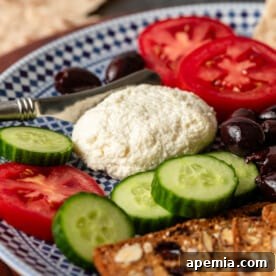
Jibin (Lebanese White Cheese)
Jibin is a creamy, soft, fresh cheese crafted from cow’s milk, rennet, salt, and a hint of lemon juice. This recipe also features tangy zaatar seasoning for an enhanced flavor profile.
Prep: 5 mins
Cook: 3 mins
Resting Time: 2 hrs 30 mins
Total: 2 hrs 38 mins
Print Recipe
Ingredients
- ½ gallon whole milk (Pasteurized, not Ultra-Pasteurized)
- 1 tablet rennet or 1/4 cup of distilled white vinegar (See Note 1)
- 2-3 tbsp fresh lemon juice
- 1 tbsp kosher salt
- 1 tbsp zaatar (optional)
Instructions
- In a large stainless steel pot (not aluminum), warm the milk to a lukewarm temperature between 90-100°F (32-38°C). Remove from the heat.
- Crush the rennet using a mortar and pestle (or use the handle end of a large knife or spoon in a small bowl). Stir 2 tablespoons of cold water into the rennet until completely dissolved. If rennet is unavailable, substitute with 1/4 cup of distilled white vinegar.
- Stir the rennet mixture and lemon juice gently into the milk. Small pools of yellow liquid (the whey) should begin to form in the milk within a few minutes, indicating the whey is separating from the curd. If separation is not occurring, add more lemon juice, stir, and wait a few minutes.
- Cover the pot and let it rest undisturbed in a warm spot for about an hour, or until a soft yogurt-like curd block forms. A clear separation around the edge of the pan will be evident where the curd is forming.
- Gently break up the curd into the whey with a whisk. It should resemble small-curd cottage cheese. Allow it to rest in the pan for 30 minutes to settle.
- Layer a colander with a single layer of ultra-fine cheesecloth. Pour the curd into the colander (the curd will appear very wet initially, but the whey will drain off, and the curds will become evident). Stir regularly to ensure even draining as the curds drain for an hour.
- Prepare a sheet pan with parchment paper or a clean paper towel. Season the curds with the salt and optional zaatar, stirring thoroughly. Then gather the ends of the cheesecloth together and gently squeeze out excess liquid. Open the cheesecloth and taste. Season with more salt if needed and shape the cheese into round balls or oblong patties about 1.5-2 inches thick at the center, pressing out excess whey as you shape them.
- Place the patties on the lined sheet pan and lightly cover with additional paper towel or a clean cloth. Refrigerate overnight.
- To store the Jibin, place whole or cut-up patties in a jar and cover with brine (1 cup warm water to 2 tablespoons kosher salt; bring to room temperature or chill before covering the cheese with it), or good-quality extra virgin olive oil. Keep refrigerated. Good for 10 days.
Notes
- While vinegar can be used as a substitute for rennet in some cheesemaking situations, the exact amount is not a direct conversion and depends on the type of cheese you’re making. Generally, around 1/4 cup of white vinegar could be used to roughly replace one rennet tablet; however, this might not produce the same texture or quality as using proper rennet, and it’s best to experiment with small amounts to achieve the desired result.
- Recipe adapted from Maureen Abood.
Nutrition
The information shown is an estimate provided by an online nutrition calculator. It should not be considered a substitute for a professional nutritionist’s advice.
Cuisine: Lebanese
Author: Kevin
Have You Made This Recipe? Let Me Know on Instagram!
Tag @keviniscooking or use the hashtag #keviniscooking!