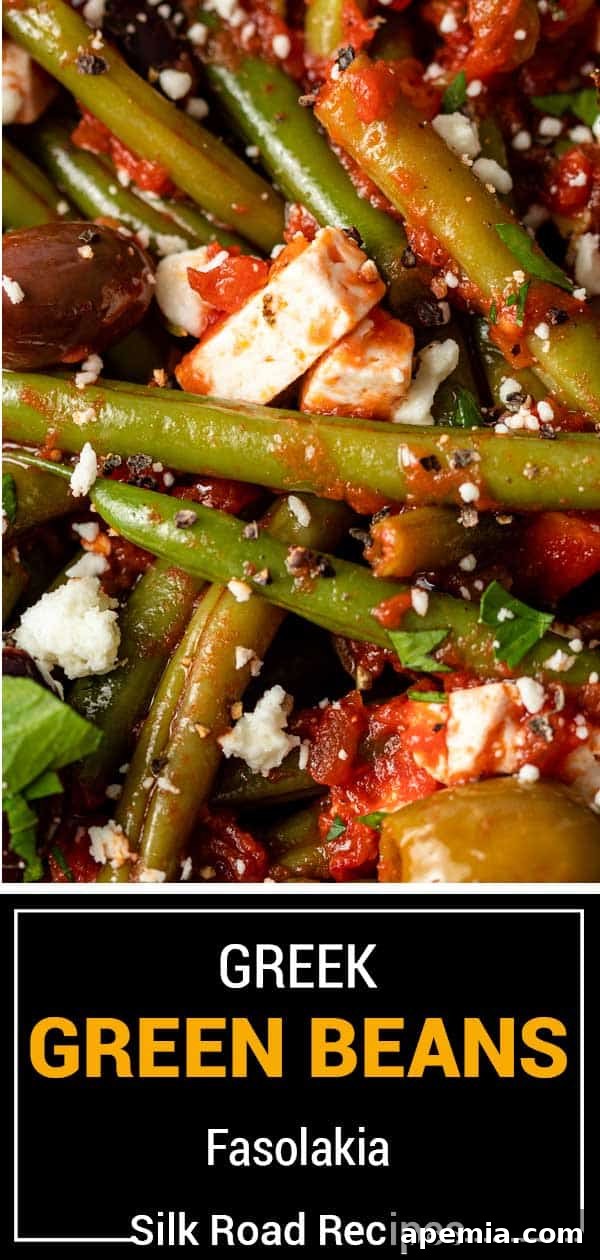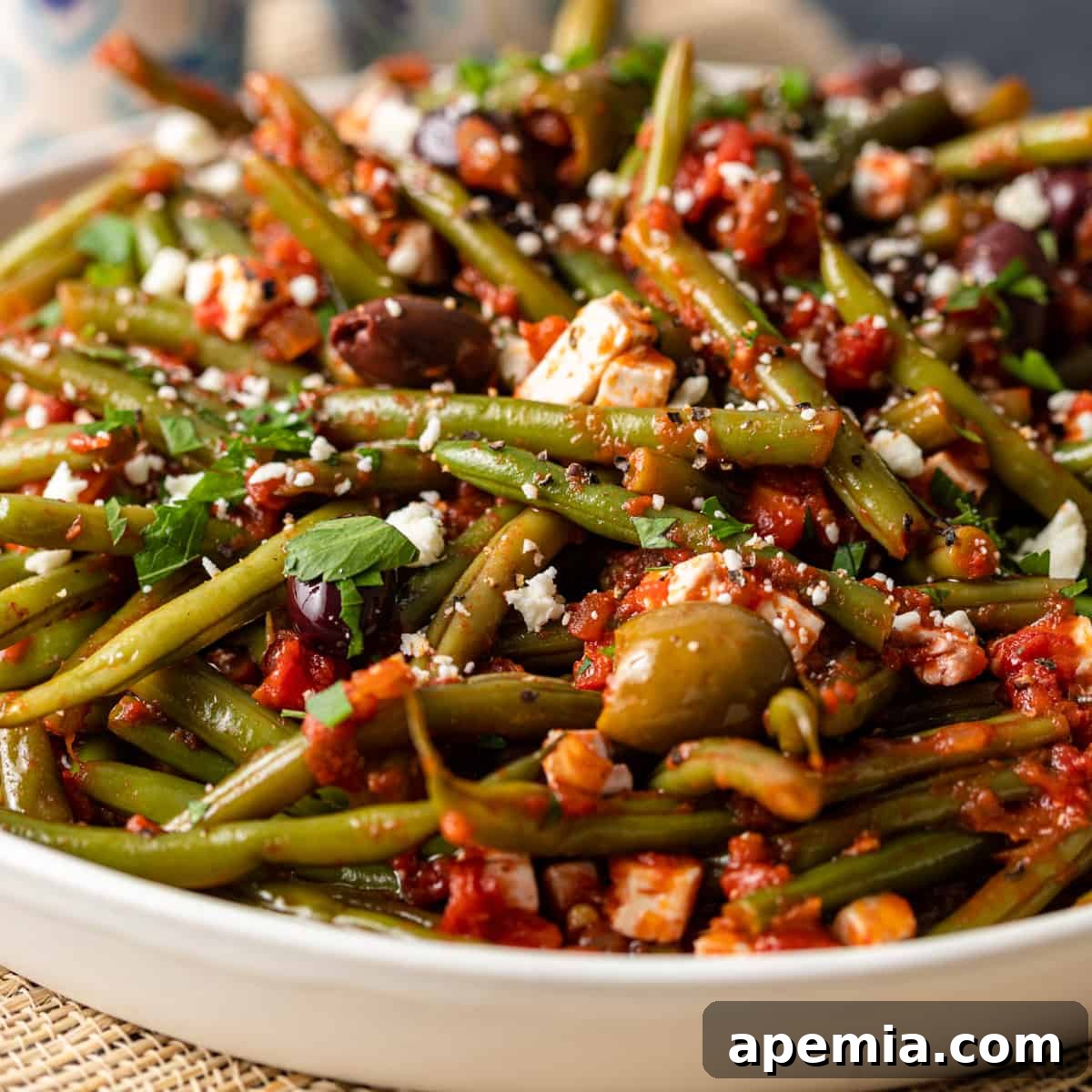
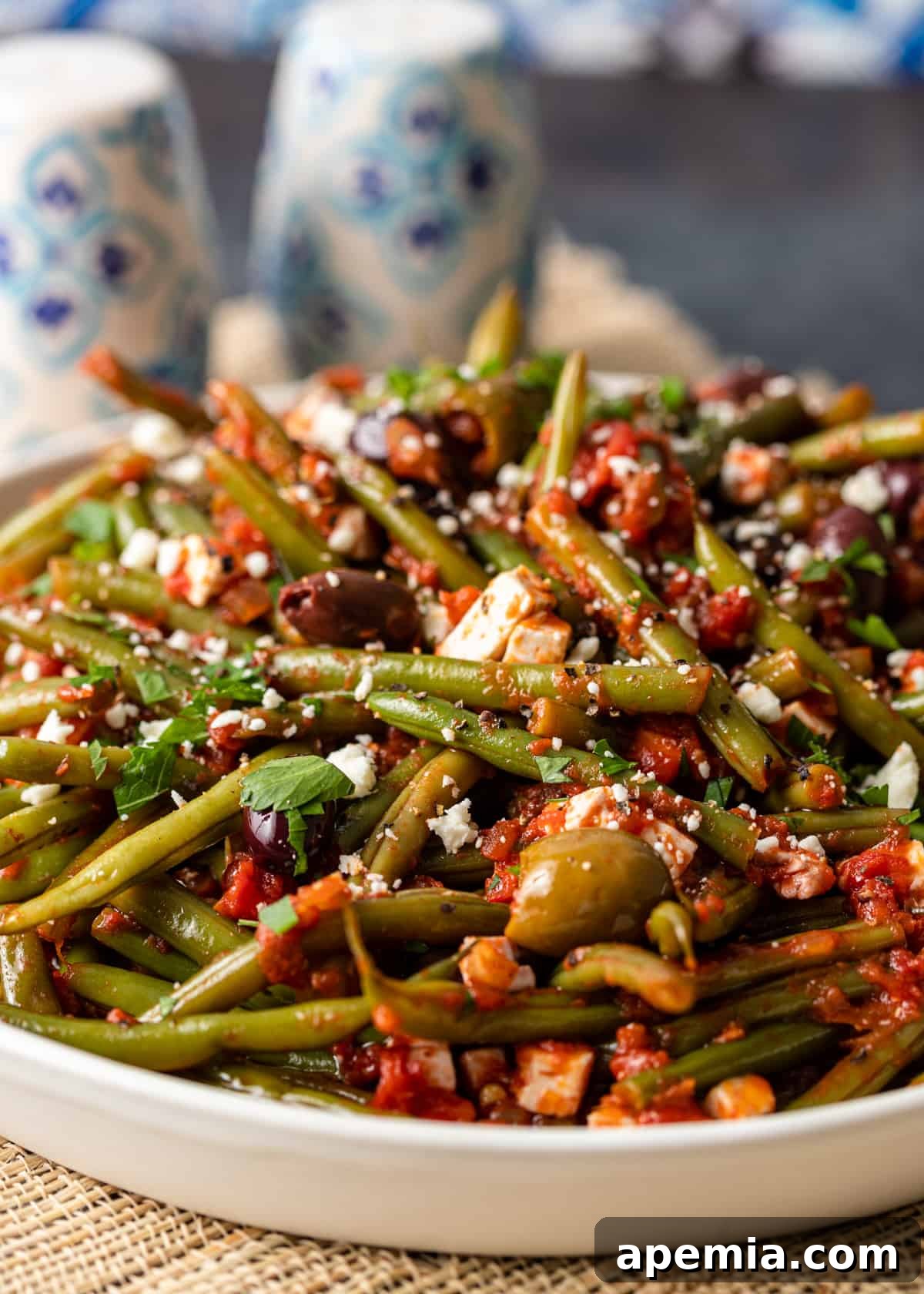
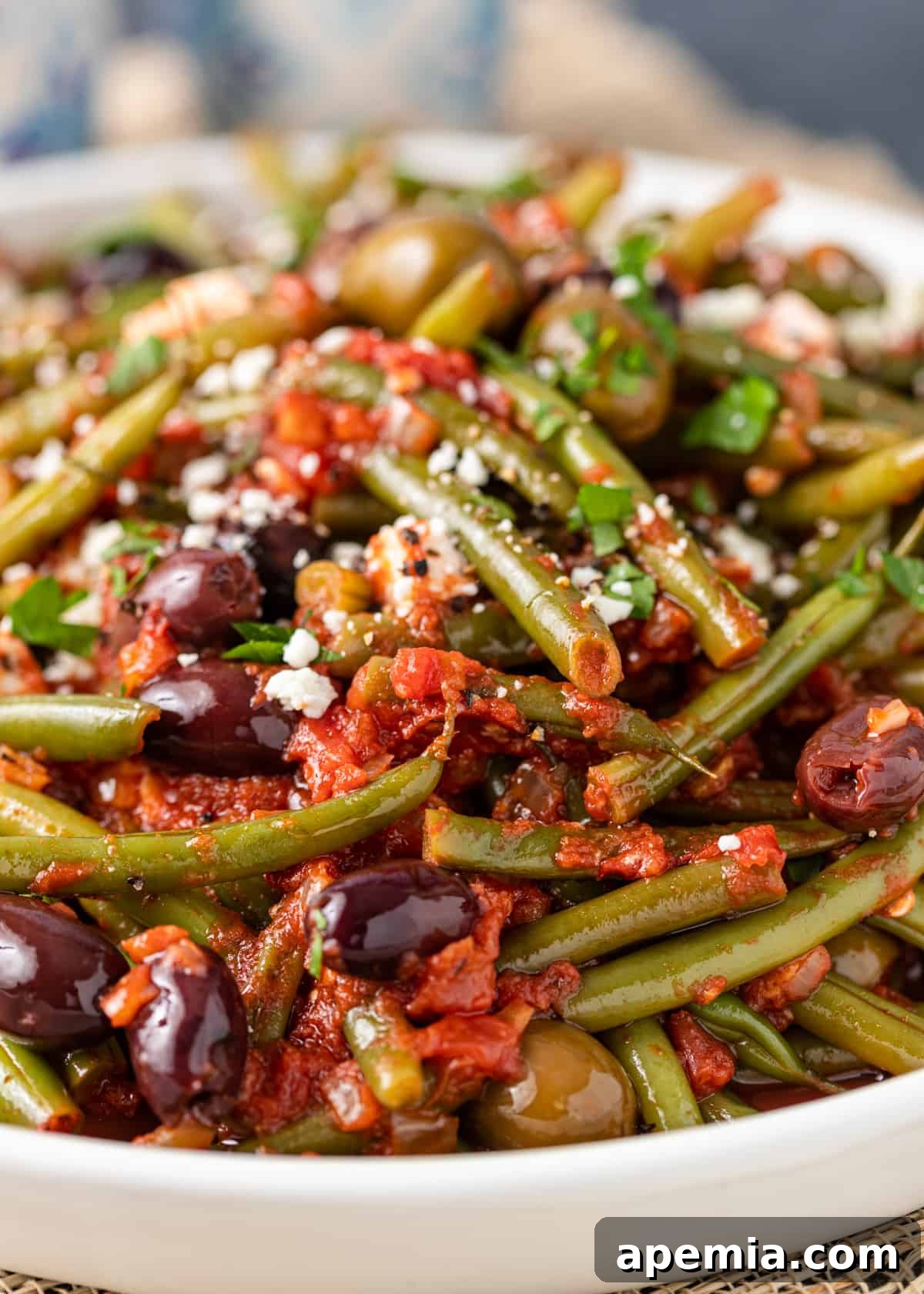
Step into the heart of Mediterranean cuisine with Fasolakia, a truly exceptional Greek dish that transforms humble green beans into a culinary masterpiece. This beloved recipe features tender green beans slow-braised to perfection with aromatic onions, fragrant garlic, and rich, ripe tomatoes. A final flourish of briny Kalamata olives, fresh parsley, and creamy crumbled feta cheese elevates this simple preparation to a trademark Greek meal, ready to savor in under an hour! Whether served as a vibrant side dish, a satisfying vegetarian main course, or a delightful appetizer, Fasolakia offers an authentic taste of Greece that’s both healthy and incredibly flavorful.
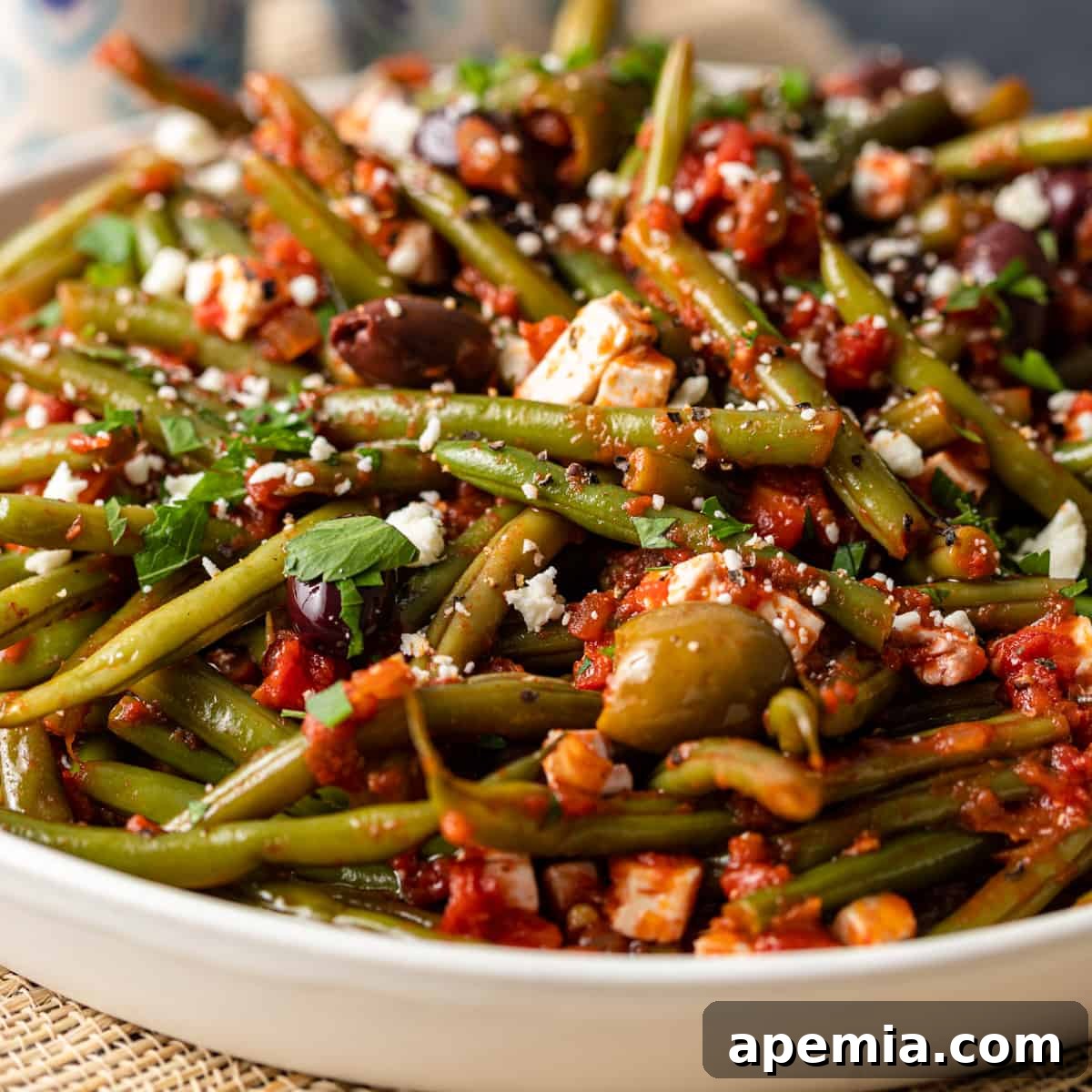
Fasolakia: Authentic Greek Braised Green Beans
The allure of the Mediterranean region lies in its celebration of fresh, vibrant flavors and an unwavering emphasis on wholesome, simple ingredients. Across the sun-drenched coasts of France, Spain, Italy, and especially Greece, culinary traditions consistently showcase an abundance of fresh produce, making vegetables often the undisputed stars of the plate. It’s a cuisine built on the philosophy that less is more, allowing the natural goodness of ingredients to shine through.
While lovingly known as “Greek green beans” in many parts of the world, this delightful dish, universally called Fasolakia, is cherished far beyond Greece’s picturesque borders. Its traditional preparation method is deeply rooted in the concept of “giaxni,” a term that roughly translates to “steamy” or “cooked in steam.” This refers to the gentle, slow simmering process that ensures vegetables become incredibly tender while retaining their intrinsic flavors and nutrients. The full name, Fasolakia Lathera, further illuminates its essence, translating directly to “braised green beans,” perfectly describing how these crisp green beans are lovingly slow-cooked with generous olive oil and sweet tomato until they achieve a melt-in-your-mouth tenderness. This “lathera” technique is fundamental to many Greek vegetable dishes, guaranteeing maximum flavor and a wonderfully soft texture.
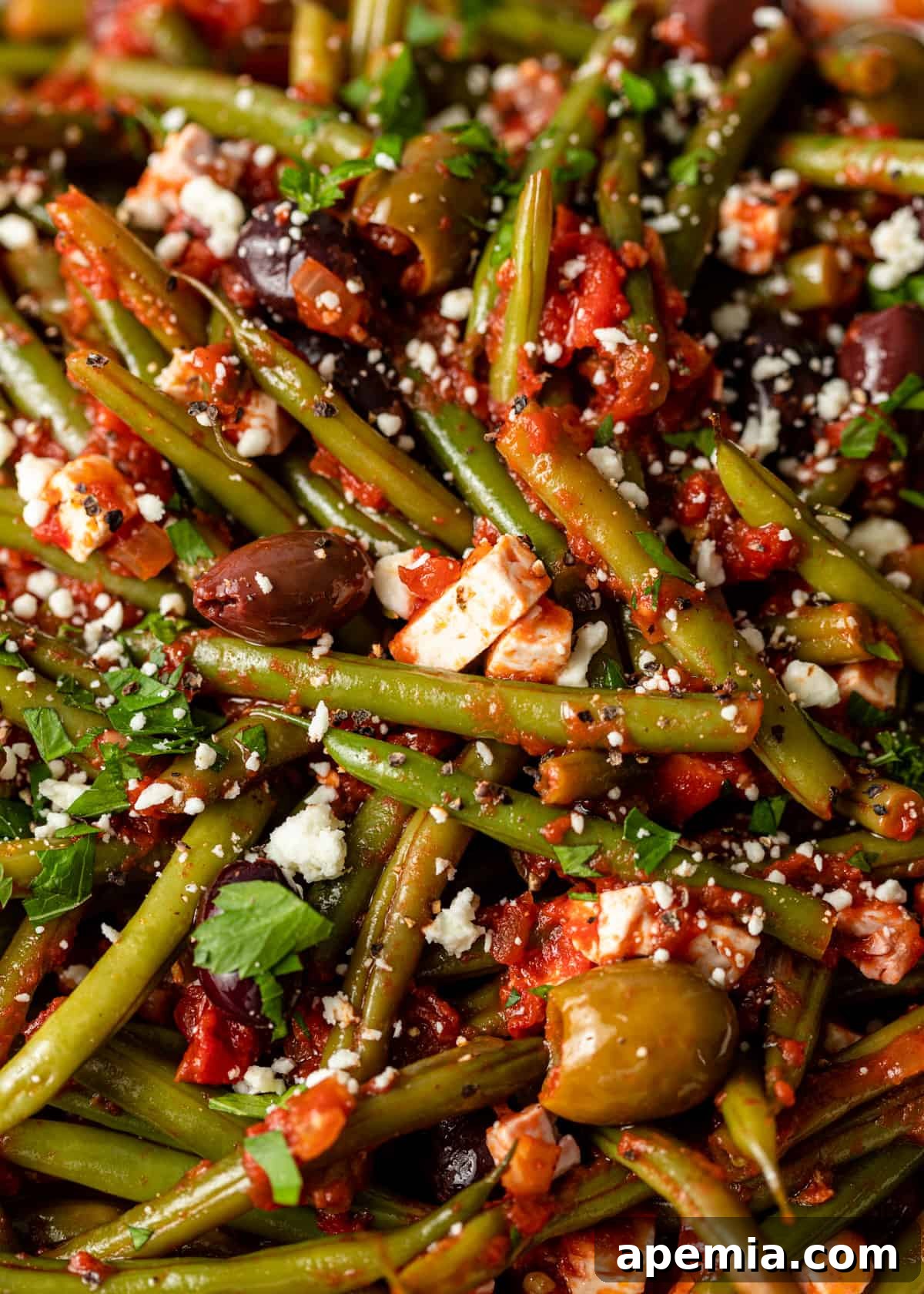
Imagine fresh, vibrant green beans, carefully simmered in a rich, aromatic tomato puree, infused with the subtle sweetness of sautéed onions, the pungent kick of fresh garlic, and the unparalleled richness of high-quality Greek olive oil, all seasoned to absolute perfection. The result is a dish that is wonderfully tender, deeply savory, and incredibly satisfying. Fasolakia shares a comforting kinship with Briam, another popular Greek vegetable medley that typically features a broader array of roasted produce alongside a similar tomato base. For those eager to explore more delightful Mediterranean vegetarian options, we also highly recommend the hearty Gigantes Plaki (giant baked beans) and the refreshing, textural Mediterranean Barley Salad.
Table of Contents
- The Mediterranean Magic of Fasolakia
- Why You’ll Love This Fasolakia Recipe
- Ingredient Notes and Expert Substitutions
- How to Make Perfect Fasolakia: Step-by-Step
- Variations and Serving Suggestions
- Essential Tools for Success
- Storing and Reheating Your Greek Green Beans
- Frequently Asked Questions About Fasolakia
- Fasolakia (Greek Green Beans) Recipe Card
The Mediterranean Magic of Fasolakia
Fasolakia truly epitomizes the elegance and simplicity of Greek home cooking, transforming readily available, fresh ingredients into a dish bursting with exquisite flavor and significant nutritional benefits. At its core, this recipe brilliantly showcases the very essence of the Mediterranean diet – a diet celebrated worldwide for its richness in vegetables, healthy fats (especially premium olive oil), and minimal processing. It’s more than just a meal; it’s an experience that not only tantalizes the taste buds but also leaves you feeling deeply nourished and revitalized from the inside out. The slow braising technique is key here, allowing the green beans to fully absorb all the savory, sun-kissed notes of the tomato sauce. This creates an unparalleled depth of flavor that is both wonderfully comforting and invigoratingly fresh. It stands as a powerful testament to the fact that healthful eating can indeed be incredibly delicious, satisfying, and deeply rewarding.
Why You’ll Love This Fasolakia Recipe
There are countless reasons why Fasolakia has remained a beloved staple in Greek homes for generations, and why it’s poised to become a favorite in your kitchen:
- Incredibly Flavorful: The masterful combination of slow-braised green beans, a rich and savory tomato sauce, aromatic garlic and onion, and the finishing touch of tangy feta creates a symphony of tastes that is both complex and comforting.
- Healthy & Wholesome: Abundantly packed with nutrient-dense vegetables and heart-healthy fats derived from olive oil, this dish aligns perfectly with the principles of the renowned Mediterranean diet, promoting overall well-being.
- Remarkably Versatile: Fasolakia is wonderfully adaptable. It shines as a light and satisfying vegetarian main course, makes for a vibrant and colorful side dish to almost any meal, or can be presented as a delightful appetizer (meze) alongside other Greek favorites.
- Surprisingly Easy to Make: Despite its impressive flavor profile, this recipe involves straightforward steps, making it accessible and achievable for home cooks of all skill levels, from beginners to seasoned chefs.
- Diet-Friendly: Naturally vegetarian, Fasolakia can be effortlessly adapted to be completely vegan simply by omitting the feta cheese garnish. It is also inherently gluten-free, catering to various dietary needs.
- Perfect for Meal Prep: The flavors of Fasolakia often deepen and improve on the second day, making it an ideal candidate for meal prepping. It’s also an excellent choice when preparing food in advance for gatherings or entertaining guests.
Ingredient Notes and Expert Substitutions
Achieving the authentic taste of Fasolakia relies on selecting and understanding the role of each key ingredient. Here’s a deeper dive:
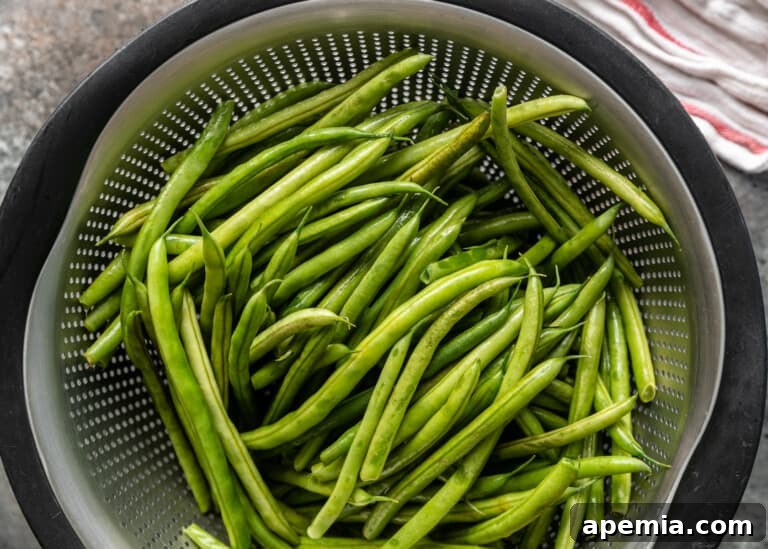
- Green Beans: As the undeniable star of our Greek green beans recipe, their quality is paramount. When browsing your local market or the produce aisle, always keep an eye out for green beans that boast a vibrant, healthy color and a firm texture. The freshest beans will audibly “snap” crisply when bent – a sure sign of their peak freshness. While fresh is undoubtedly superior for this Fasolakia recipe, frozen green beans can serve as a convenient alternative in a pinch; just ensure they are thoroughly thawed and meticulously drained to prevent any excess water from diluting your delicious sauce.
- Onion: In traditional Mediterranean cooking, red onions are often favored for their slightly sweeter and milder flavor profile, which becomes wonderfully mellow when cooked. However, white or yellow onions are perfectly acceptable and will contribute their essential aromatic base, adding depth and complexity to the dish.
- Garlic: To truly infuse your Fasolakia with that authentic and robust garlicky aroma, always opt for fresh garlic cloves, finely minced. Garlic paste or powdered garlic, while convenient, simply cannot replicate the vibrant, pungent depth and nuanced flavor that fresh garlic imparts to the sauce.
- Crushed Tomatoes: The quality of your crushed tomatoes will significantly impact the final taste of your Fasolakia. I consistently recommend using San Marzano tomatoes, revered for their exceptional sweetness, balanced acidity, and meaty texture. They are my absolute go-to for countless Mediterranean recipes, including a truly authentic marinara sauce. If San Marzano tomatoes are unavailable, select the highest quality crushed tomatoes you can find, ideally those with no added sugar or excessive sodium.
- Parsley: Fresh, finely chopped parsley is added at the end, providing a crucial bright, herbaceous finish that cuts through the richness of the tomato sauce. While other fresh herbs like chervil, oregano, or tarragon could offer interesting variations, it’s important to note that each will impart its unique flavor profile, tangibly altering the traditional taste of your Greek green beans. For classic authenticity, fresh flat-leaf parsley is the undisputed choice.
- Olive Oil: More than just a cooking medium, olive oil is a fundamental flavor component and a cornerstone of Greek cuisine. The traditional Greek Fasolakia recipe is quite generous with olive oil, a characteristic that significantly contributes to the dish’s silky texture, rich mouthfeel, and distinct Mediterranean taste. Do not compromise on either the quality or the quantity of olive oil if you are aiming for true authenticity and profound flavor.
- Kalamata Olives: These distinctively fruity, tangy, and brined Kalamata olives are a game-changer for Fasolakia. They introduce a delightful pop of juicy texture and a welcome salty counterpoint that brightens the entire dish, adding another essential layer of classic Greek flavor.
- Feta Cheese Cubes: Crumbled feta cheese provides a creamy, salty, and exquisitely tangy finish that beautifully complements the tender, braised vegetables. For an extra special and slightly spicy kick, consider experimenting with feta cheese cubes marinated with herbs and chiles – they add an exciting dimension!
- Sugar, Salt, and Pepper: A small pinch of sugar is vital for balancing the natural acidity of the tomatoes, thereby enhancing their inherent sweetness and roundness of flavor. Kosher salt and freshly ground black pepper are crucial for seasoning the dish to perfection, bringing all the complex flavors into harmonious balance. Always remember to taste and adjust seasonings as you cook.
Variations and Serving Suggestions
Fasolakia is a versatile dish that lends itself well to various modifications and can be enjoyed in numerous ways.
Bulk it up with potatoes
To enhance the heartiness of your Fasolakia recipe and transform it into an even more substantial one-pot meal, consider incorporating potatoes. Begin by preparing the rich tomato sauce as directed in the recipe, but initially, hold off on adding the green beans. Cut medium-sized potato cubes – Yukon Golds are an excellent choice for their creamy texture and ability to hold their shape – and add them to the simmering sauce along with about a cup of water. Allow the potatoes to boil gently on low heat for approximately 15 minutes, or until they have slightly softened but are not yet fully cooked. Once the potatoes are partially tender, introduce the trimmed green beans to the pot and continue simmering for an additional 30 minutes. Cook until both the beans and potatoes are perfectly tender, and most of the delicious sauce has been absorbed or evaporated, leaving a beautifully cohesive and satisfying dish.
Other Vegetable Additions
While the traditional Greek green beans recipe typically emphasizes simplicity, focusing primarily on the core ingredients, you are welcome to explore other Mediterranean-friendly vegetables. Adding slices of zucchini, tender eggplant, or vibrant green bell peppers can further enhance the dish’s complexity, texture, and nutritional value. When adding extra vegetables, ensure to introduce them at the appropriate stage of cooking so they reach tender perfection without becoming overly mushy. Often, they can be added alongside the green beans, or slightly earlier if they require a longer cooking time.
Make it Vegan
This recipe is inherently vegetarian, rich in plant-based goodness. To make it completely vegan-friendly, simply omit the feta cheese garnish, or replace it with a dairy-free feta alternative. The dish is incredibly flavorful and satisfying on its own, and you’ll find it loses none of its charm without the cheese, making it accessible to a wider range of dietary preferences.
Serving Suggestions
Fasolakia’s versatility makes it a perfect complement to many meals or a delightful standalone dish. Serve it:
- As a light and satisfying vegetarian main course, perhaps with a generous slice of crusty bread to soak up every last drop of the savory juices.
- A fantastic and vibrant side dish to accompany grilled fish, roasted chicken, or succulent lamb. Its fresh flavors provide a wonderful contrast.
- As an essential component of a larger Mediterranean meze spread, presented alongside other small plates such as hummus, creamy tzatziki, or various olives.
- Warm or at room temperature, making it an incredibly practical and ideal option for casual gatherings, picnics, or potlucks. Its flavors truly shine at any temperature.
How to Make Perfect Fasolakia: Step-by-Step
Creating delicious Fasolakia is a simple process, yielding maximum flavor with minimal effort. Follow these steps for best results:
- Prepare the Green Beans: Begin by carefully trimming the tough, fibrous stem ends off your fresh green beans. For a more manageable and consistent bite, you may also choose to cut longer beans in half. Once trimmed, transfer the beans to a colander and rinse them thoroughly under cool running water. Ensure they are completely drained and set them aside while you prepare the aromatic sauce. This step guarantees your beans are clean and ready to absorb the rich flavors to come.
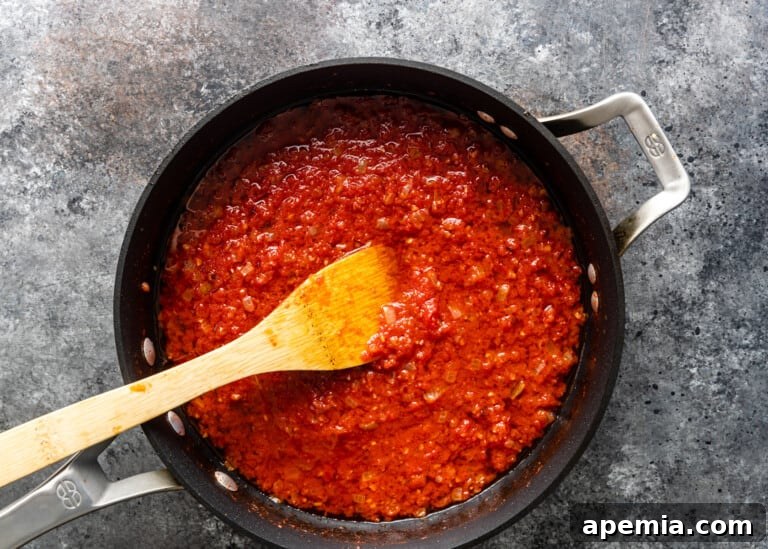
- Build the Aromatic Base: Heat a large, sturdy skillet or a heavy-bottomed pot over medium heat. Once hot, generously add the olive oil. Add the diced onions and sauté them gently, stirring occasionally, until they become beautifully translucent and tender, which typically takes about 7-8 minutes. This slow sautéing process allows the onions to sweeten and release their full flavor. Next, stir in the minced garlic, crushed tomatoes, sugar, salt, and black pepper. Continue to stir and bring this flavorful mixture to a gentle boil, allowing the ingredients to meld.
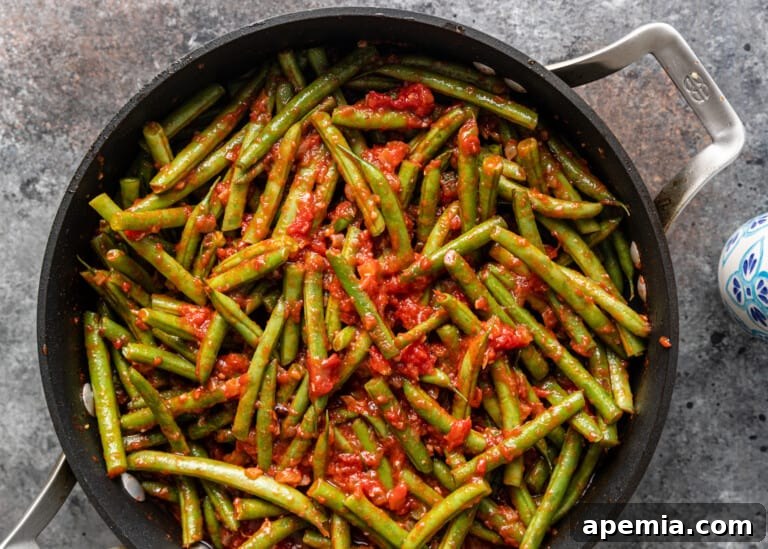
- Braise to Perfection: Carefully add the prepared green beans to the gently boiling tomato sauce. Toss them thoroughly with a spoon or spatula, ensuring that every single bean is completely coated in the rich olive oil and savory tomato juices. Once coated, reduce the heat to a low simmer, cover the skillet tightly with a lid, and allow the Fasolakia to cook undisturbed for approximately 30 to 35 minutes. The braising process is complete when the green beans are incredibly tender, soft enough to be easily pierced with a fork, and almost all of the liquid has cooked off, leaving a concentrated, deeply flavorful sauce clinging to the beans.
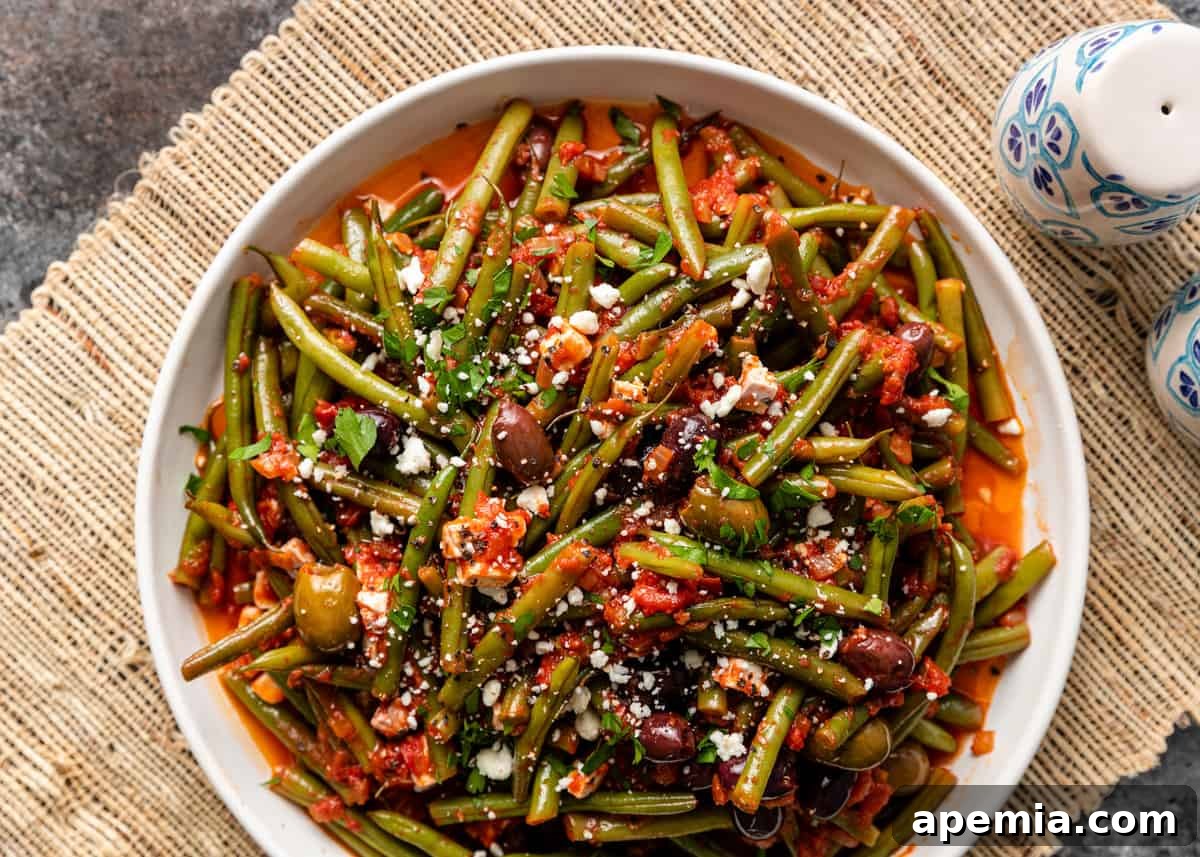
- Garnish and Serve: Once the green beans have reached their desired tenderness, remove the lid. Stir in the freshly chopped parsley, which provides a vibrant burst of freshness and color. Serve your authentic Greek green beans warm, or embrace the Mediterranean tradition and serve them at room temperature. Generously top each serving with crumbled feta cheese (if not making vegan) and an ample scattering of briny Kalamata olives for the perfect balance of flavors and textures. Enjoy this wonderfully fresh and savory dish!
Essential Tools for Success
Having the right kitchen tools on hand will make preparing Fasolakia a smooth and enjoyable process:
- Large Skillet or Dutch Oven: The most crucial piece of equipment. Select a spacious skillet or a heavy-bottomed Dutch oven that comes with a tight-fitting lid. This is essential for allowing the green beans to simmer slowly and steam properly, ensuring they become melt-in-your-mouth tender as the liquid gradually cooks down. A wide surface area also helps in uniform cooking and evaporation of excess liquid.
- Sharp Knife and Cutting Board: Indispensable for efficiently trimming your green beans, dicing onions, and mincing garlic with ease and precision.
- Colander: A sturdy colander is necessary for thoroughly rinsing and draining your fresh green beans, ensuring they are clean and free of excess moisture before cooking.
- Wooden Spoon or Spatula: Ideal for stirring and gently tossing the ingredients in the hot skillet without damaging the delicate green beans or the non-stick surface of your cookware.
- Measuring Cups and Spoons: For accurate ingredient proportions, ensuring the perfect balance of flavors in your Fasolakia.
Storing and Reheating Your Greek Green Beans
Proper storage and reheating ensure your delicious Fasolakia can be enjoyed for days to come, making it a fantastic make-ahead meal option.
Leftover Fasolakia should be transferred promptly to an airtight container and refrigerated within two hours of cooking. It will maintain its best quality, flavor, and texture for up to 5 days in the refrigerator. While the dish might technically remain safe to eat beyond this period, the texture of the green beans will gradually become softer and mushier with each passing day, potentially losing its fresh appeal. For the optimal taste and consistency, it’s highly recommended to consume it within the specified timeframe.
To reheat, you have two convenient options: the microwave or the stovetop. If using a microwave, place your Fasolakia in a microwave-safe dish and heat in short intervals (30-60 seconds), stirring gently between each interval, until it is warmed through evenly. For stovetop reheating, transfer the Fasolakia to a skillet or saucepan and place it over medium-low heat. Stir constantly to prevent any sticking or scorching, allowing the dish to heat through slowly and evenly. If the sauce has thickened considerably in the refrigerator, you might want to add a tablespoon or two of water or vegetable broth to loosen it back to your desired consistency.
Frequently Asked Questions About Fasolakia
This is a very common misconception – “string beans” and “green beans” actually refer to the exact same vegetable! Historically, many older varieties of green beans had a prominent, fibrous “string” running along their seam, which had to be manually removed before cooking. While modern agricultural cultivation has largely bred out this string (resulting in the “stringless” green beans we commonly find today), the older name persists in common usage. So, when a recipe calls for either string beans or green beans, you are generally looking for the same tender, edible pods.
While fresh green beans are highly recommended for their superior crisp texture and vibrant flavor in Fasolakia, you can certainly use frozen green beans as a convenient alternative when fresh ones are not available. If opting for frozen, it is crucial to thaw them completely and drain any excess water thoroughly before adding them to the sauce. This essential step prevents the dish from becoming watery and allows the beans to properly absorb the rich, savory tomato flavors.
The traditional Fasolakia recipe is quite simple in its composition, primarily focusing on green beans, onions, olives, and tomatoes. However, there are several popular and delicious variations that include sliced Yukon Gold potatoes, which notably bulk up the dish and introduce a lovely creamy texture. If you’re less concerned with strict “authenticity” and wish to incorporate more produce while staying within the harmonious boundaries of Mediterranean cuisine, consider adding green bell peppers, zucchini, or eggplant. These vegetables complement the existing flavors beautifully and add additional texture and nutrients to the dish.
Trimming the tough stem ends off green beans serves several important culinary purposes. Firstly, it removes the unpalatable, and sometimes woody or tough, part of the bean, ensuring that the entire pod is enjoyable to eat. Secondly, trimming allows for more even cooking, as the stem ends can be significantly tougher and take longer to soften than the rest of the bean. By preparing the beans uniformly, you ensure they are all ready to absorb the simmering sauce and become perfectly tender at the same time, leading to a more consistent and pleasant texture in your Fasolakia.
Absolutely! Fasolakia is an excellent dish for meal prepping or for preparing in advance for entertaining guests. In fact, many traditional Mediterranean stews and braises, including Fasolakia, often taste even better the next day as the flavors have more time to meld and deepen. Simply prepare the dish as instructed, allow it to cool completely to room temperature, and then store it in an airtight container in the refrigerator for up to 5 days. Reheat gently on the stovetop or in the microwave when you are ready to serve.
Share this recipe on Pinterest!
Love this recipe? Help others discover the joy of Fasolakia by sharing it with the world on Pinterest.
Fasolakia (Greek Green Beans) Recipe
Rating: 5 out of 5 stars (based on 6 votes)
Fasolakia is a zesty Greek vegetable side dish, where tender green beans are braised with onions, garlic, olives, and tomatoes, then topped with tangy feta cheese for an authentic Mediterranean experience.
Servings: 6
Prep time: 10 minutes
Cook time: 40 minutes
Total time: 50 minutes
Save Recipe | Pin Recipe | Print Recipe
Ingredients
For the Main Dish
- 2 lbs green beans, trimmed and halved
- 1/2 cup olive oil
- 1 cup white or red onion, diced
- 2 cloves garlic, minced
- 15 ounce can crushed tomatoes in puree
- 1/8 tsp granulated sugar
- 1/2 tsp kosher salt
- 1/4 tsp black pepper, freshly ground
- 2 tbsp fresh parsley, chopped
For Garnish
- 12 Kalamata olives, pitted
- 1/2 cup feta cheese, crumbled or cubed (omit for vegan)
(Measurements are based on US Customary units)
Instructions
- Prepare Green Beans: Trim the stems off the green beans and cut them in half for easier eating. Place them in a colander, rinse thoroughly under cool water, and drain well. Set aside.
- Sauté Aromatics & Build Sauce: Heat the olive oil in a large skillet or Dutch oven over medium heat. Add the diced onions and sauté for 7-8 minutes, stirring occasionally, until they become translucent and softened. Stir in the minced garlic, crushed tomatoes, granulated sugar, kosher salt, and black pepper. Bring the mixture to a gentle boil, stirring to combine all ingredients.
- Braise the Beans: Add the prepared green beans to the boiling tomato sauce. Toss gently with a spoon or spatula, ensuring the green beans are thoroughly coated with the olive oil and tomato sauce. Reduce the heat to a low simmer, cover the skillet tightly with a lid, and cook for 30-35 minutes. Continue cooking until the green beans are very soft and tender, and most of the liquid has evaporated, leaving a rich, concentrated sauce.
- Garnish and Serve: Remove the lid and stir in the freshly chopped parsley. Serve the Fasolakia warm, or at room temperature, garnished generously with pitted Kalamata olives and crumbled feta cheese (if using). Enjoy your authentic Greek green beans!
Nutrition Information (Estimated per Serving)
Calories: 286kcal | Carbohydrates: 20g | Protein: 6g | Fat: 22g | Saturated Fat: 5g | Cholesterol: 11mg | Sodium: 563mg | Potassium: 589mg | Fiber: 6g | Sugar: 10g | Vitamin A: 1393IU | Vitamin C: 29mg | Calcium: 156mg | Iron: 3mg
The information shown is an estimate provided by an online nutrition calculator. It should not be considered a substitute for a professional nutritionist’s advice.
Course: Side Dish, Vegetarian Main Course
Cuisine: Greek, Mediterranean
Author: Kevin
Have You Made This Recipe? Let Me Know on Instagram!
Tag @keviniscooking or use the hashtag #keviniscooking so I can see your delicious creations!