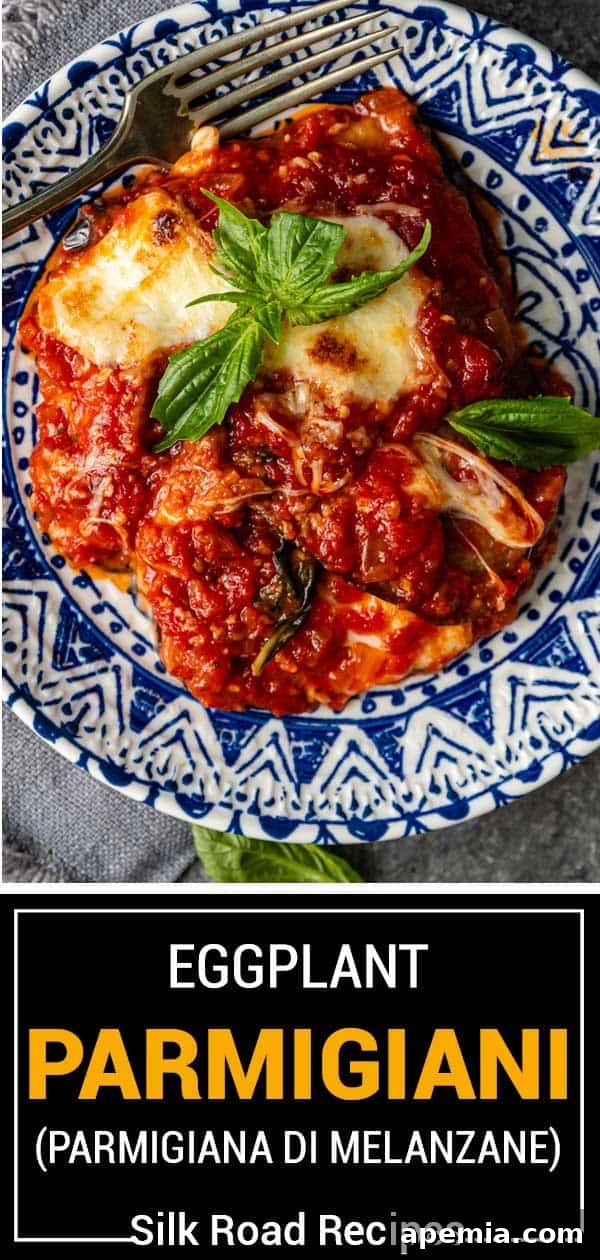
Authentic Eggplant Parmigiana: A Timeless Italian Comfort Classic
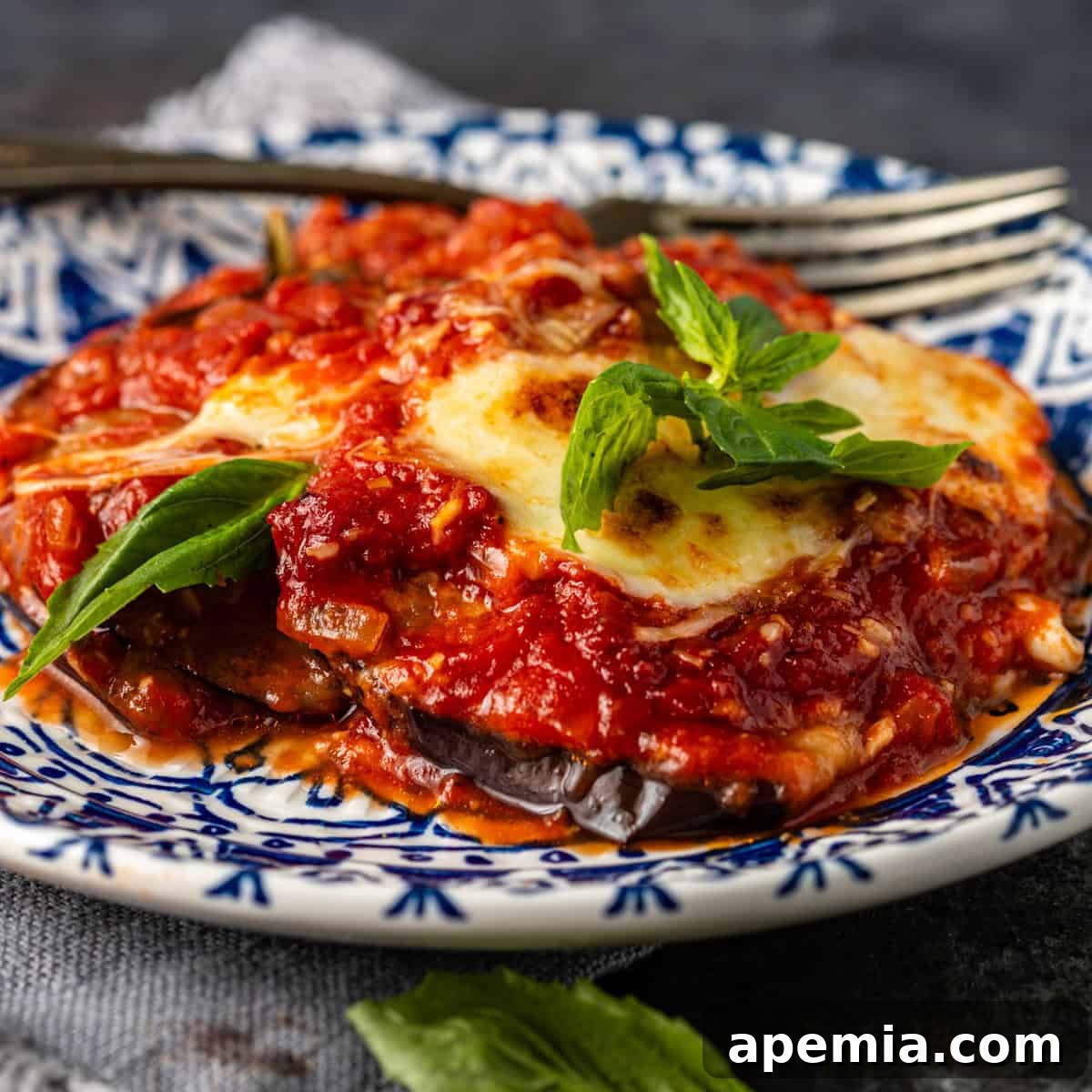
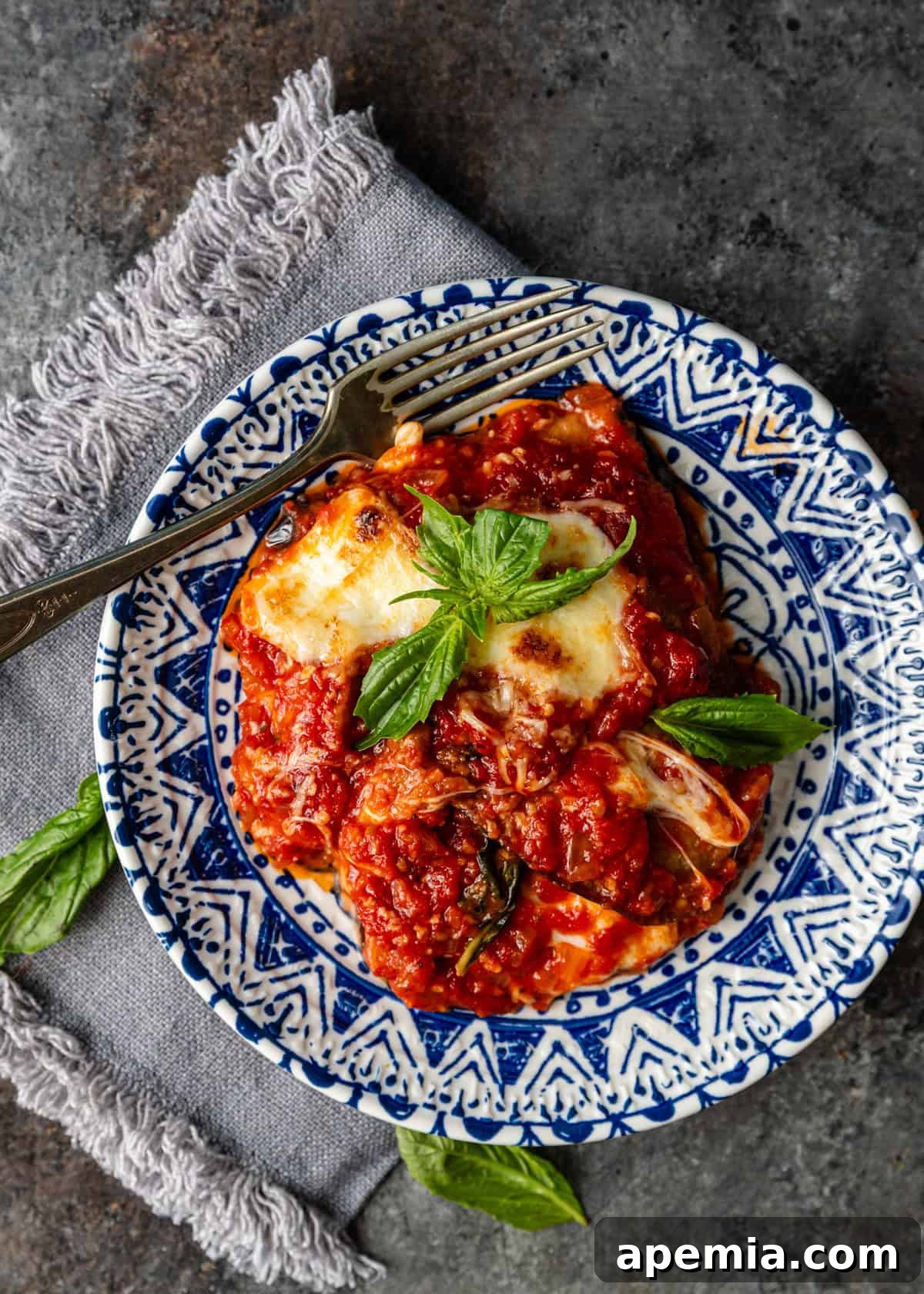
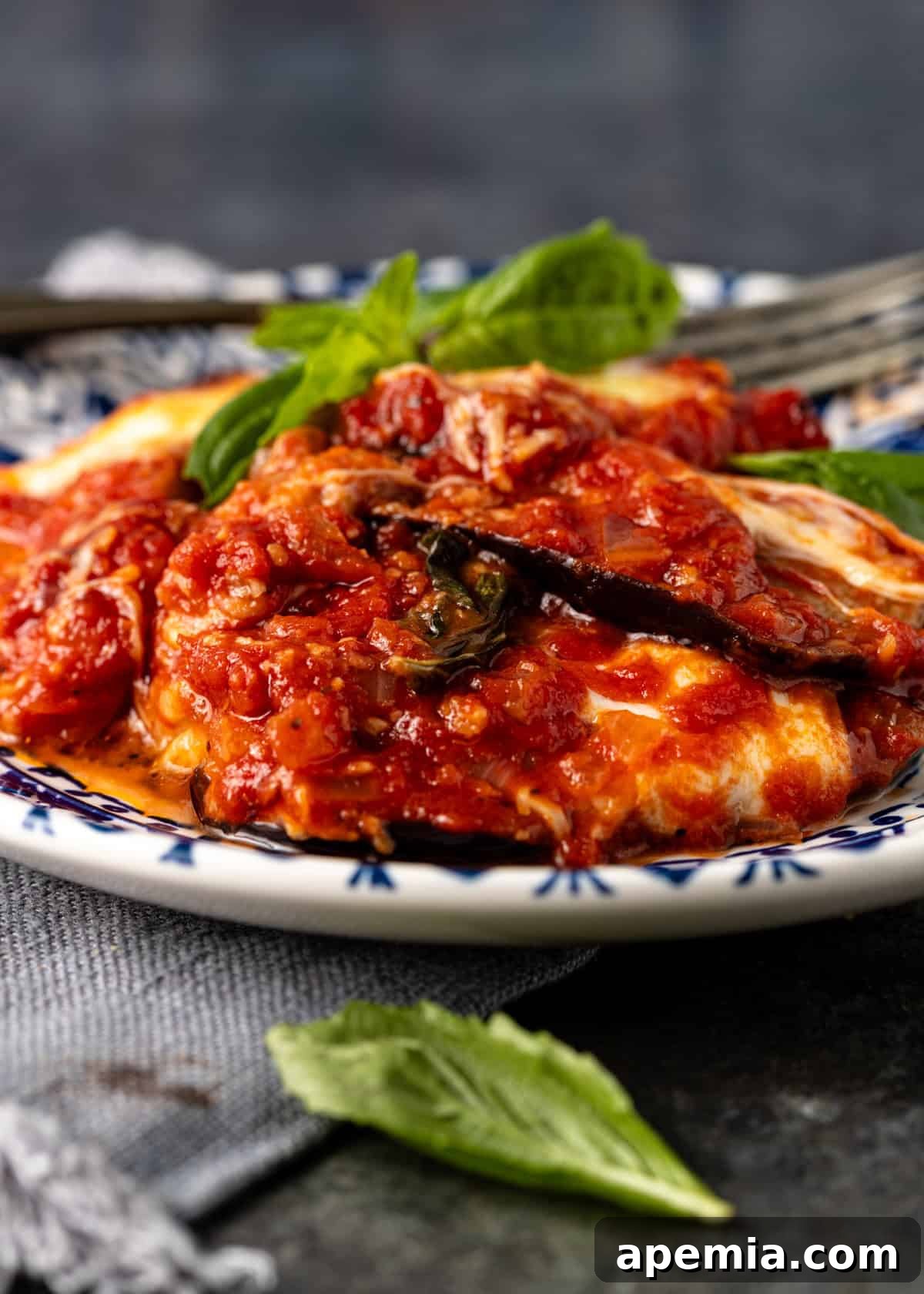
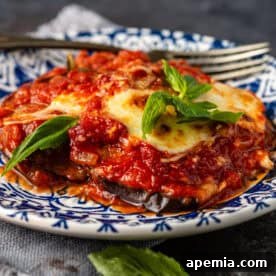
Eggplant Parmigiana (also known as Eggplant Parmesan or Parmigiana di Melanzane) is a celebrated Italian culinary masterpiece that embodies warmth, tradition, and exquisite flavor. This comforting dish features delicate layers of tender, golden-fried eggplant slices, generously coated in a rich, homemade tomato sauce, and generously interleaved with melted mozzarella and nutty Parmesan cheese, all baked to golden perfection. It’s more than just a meal; it’s a culinary embrace, offering a taste of Southern Italy right in your home.
Whether you’ve savored its authentic taste in a bustling trattoria in Naples or prepared it from scratch in your own kitchen, Parmigiana di Melanzane holds a special place in the hearts of food lovers worldwide. This timeless Italian classic, known as Eggplant Parmesan in the States, transforms simple ingredients into an extraordinary feast. The harmonious blend of pan-fried eggplant, tangy tomato sauce, and a symphony of melted cheeses creates a dish that is both deeply satisfying and incredibly flavorful.
For many years, eggplant was not a vegetable I actively sought out. That changed dramatically during a trip to Turkey in 2012, where I encountered the delightful Karniyarik, a flavorful stuffed eggplant dish, in Izmir. This experience opened my eyes to the incredible versatility of eggplant. Since then, my culinary journey has been enriched by a diverse array of eggplant-based dishes from across the globe, including savory Egyptian Stuffed Eggplant, the smoky Moroccan dip Zaalouk, the charred perfection of Mutabal, the creamy Greek Melitzanosalata, the hearty Moussaka, the aromatic Persian stew Khoresh Bademjan, and the ever-popular Baba Ganoush. Each dish showcased eggplant’s unique ability to absorb flavors and transform textures, paving the way for my deep appreciation of this wonderful vegetable and, ultimately, inspiring me to perfect this authentic Eggplant Parmigiana recipe.
At the heart of this Southern Italian delight lies its incredible sauce, affectionately known as sugo. This isn’t just any tomato sauce; it’s a vibrant concoction brimming with the pungent warmth of fresh garlic and the aromatic freshness of basil. A subtle splash of balsamic vinegar is introduced to perfectly balance the rich, stringy mozzarella and the nutty, salty notes of Parmesan cheese, elevating the entire dish. The sugo provides the essential moisture and deep flavor that brings all the elements of Eggplant Parmigiana together, creating a truly unforgettable experience.
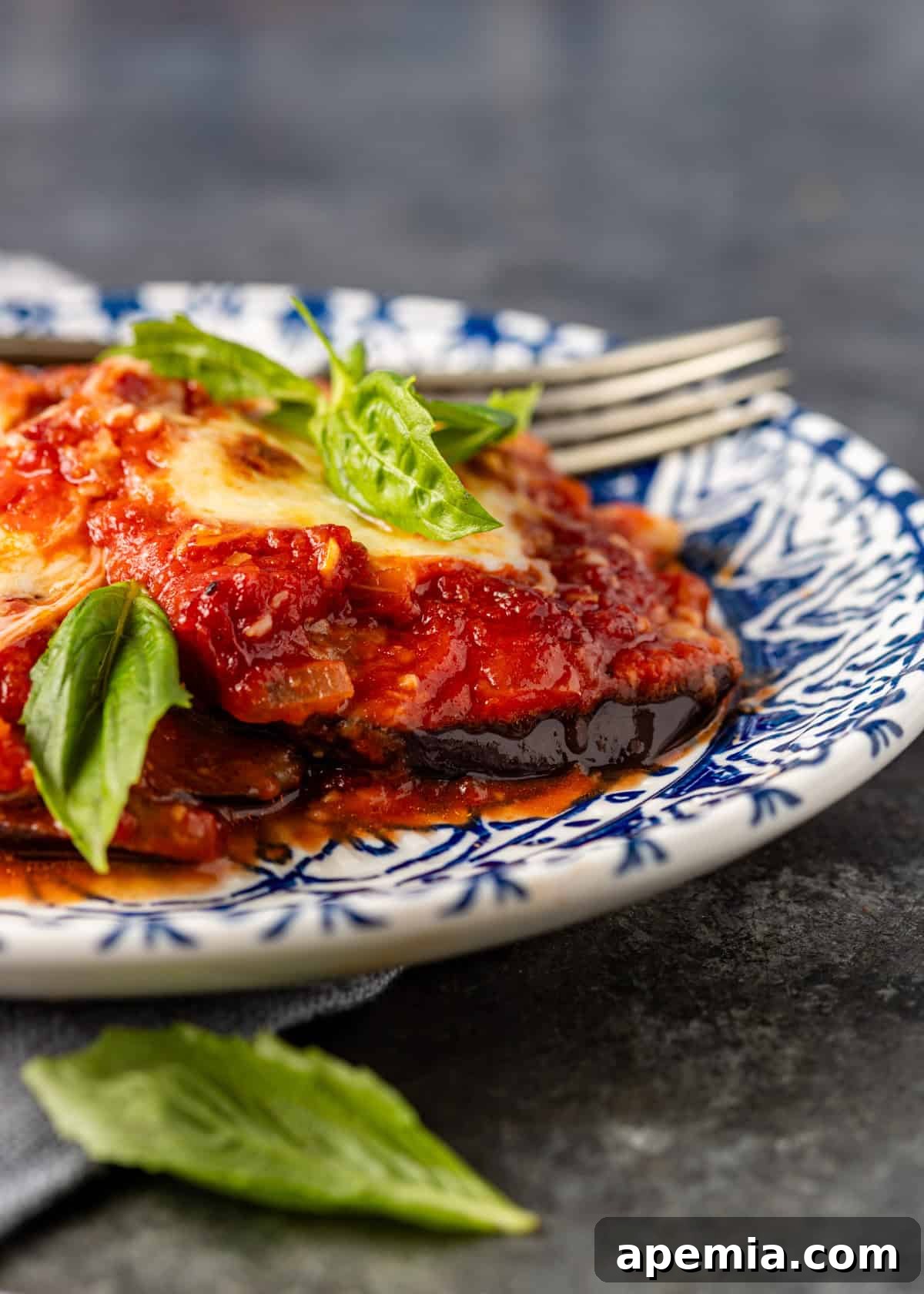
Table of Contents
- The Art of Salting Eggplant
- Baking vs. Frying Eggplant for Parmigiana
- Mastering Fresh Mozzarella
- Ingredient Notes and Substitutions for Perfect Parmigiana
- How to Craft Your Perfect Eggplant Parmigiana
- Recommended Tools for Success
- Storage and Reheating Tips
- Frequently Asked Questions About Eggplant Parmigiana
- Eggplant Parmigiana (Parmigiana di Melanzane) Recipe Card
If you’re a devotee of hearty and satisfying Italian classics like savory Beef Meatballs, rich Spinach Beef Cannelloni, or cheesy Baked Ziti, then this Eggplant Parmigiana recipe is destined to become a new favorite in your culinary repertoire. It’s wonderfully filling, deeply delicious, and the authentic tomato sugo is simply divine, especially when sopped up with warm, crusty garlic bread straight from the oven. Prepare to elevate your midweek meal plans; once you try this recipe, you’ll understand why there’s no going back!
Chef’s Tip
The Art of Salting Eggplant: A Step for Perfection
While modern eggplant varieties, such as globe or Italian eggplants, have been cultivated to possess less bitterness, making salting less critical for flavor alone, it remains a highly recommended step for achieving optimal texture. Salting draws out excess moisture, preventing the eggplant from becoming soggy during frying or baking, and helps it maintain its structural integrity. For crispy, golden eggplant in your Parmigiana, a quick 20-minute salt-and-rinse routine can make a noticeable difference in the final result of your eggplant parmesan.
Chef’s Tip
Baking vs. Frying Eggplant: A Healthier Alternative
Absolutely! If you’re aiming to reduce the oil content or prefer a lighter version of this classic dish, baking the eggplant slices is an excellent alternative to frying. Simply brush your eggplant slices lightly with olive oil and arrange them on a baking sheet. Bake at 400°F (200°C) for approximately 20 minutes, flipping them halfway through, until they are tender and lightly golden. This method yields a delicious result with fewer calories and less mess, proving that you can still achieve a fantastic Eggplant Parmigiana without deep-frying.
Chef’s Tip
Mastering Fresh Mozzarella for Optimal Texture
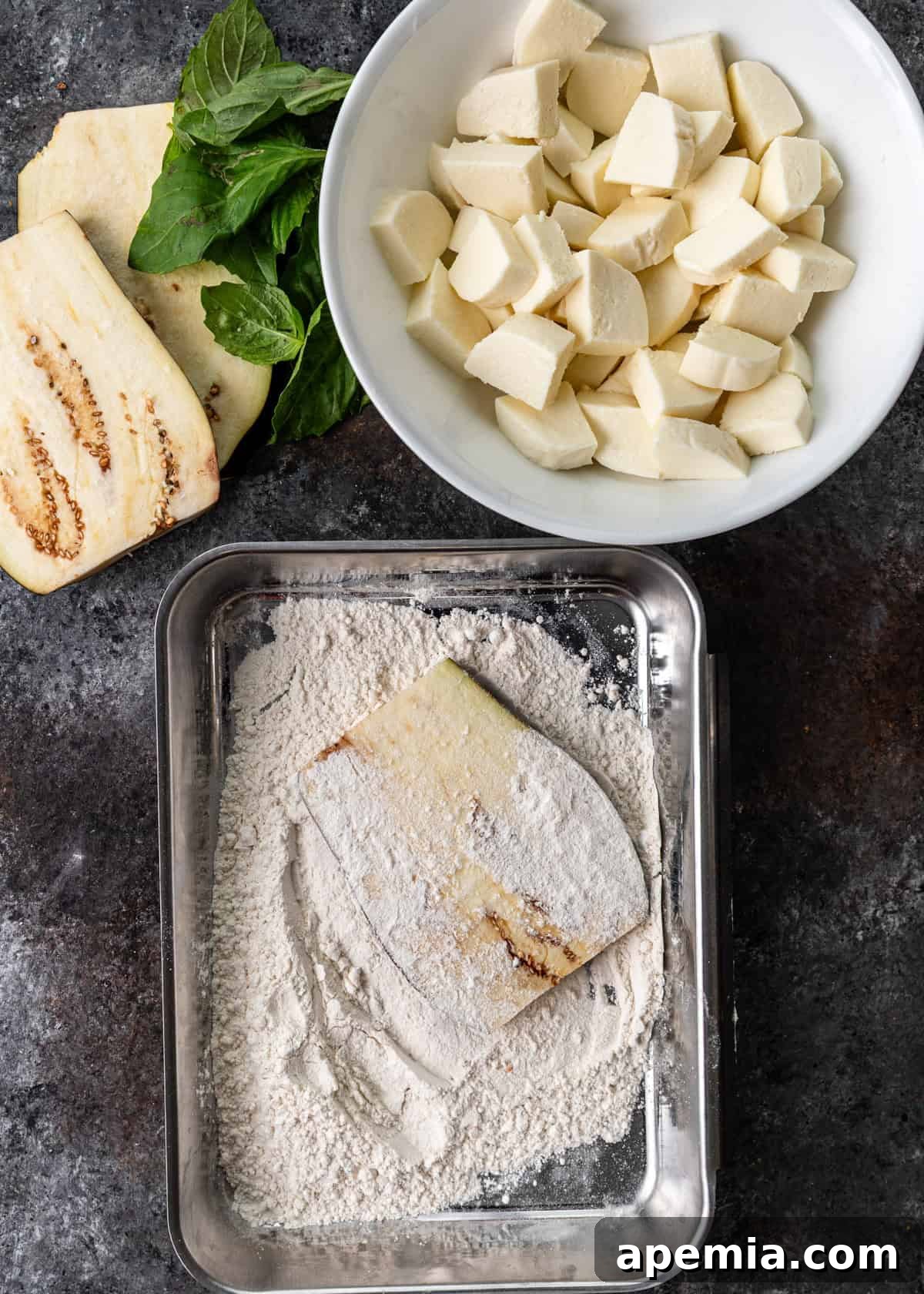
Employing fresh mozzarella is paramount for achieving the creamiest, most authentic texture in your Eggplant Parmigiana. However, fresh mozzarella naturally retains a significant amount of water, which, if not properly managed, can lead to an excessively watery dish upon baking. To circumvent this, it’s crucial to prepare your fresh mozzarella in advance. Remove it from its brine, dice it into small cubes or slice it, and then spread it out on several layers of paper towels. Allow it to drain for at least 30 minutes, or even longer, gently pressing down occasionally to encourage moisture release. When you’re ready to assemble the dish, pat the cheese thoroughly dry with fresh paper towels. Keep the drained and dried mozzarella covered with a damp paper towel until use to prevent it from drying out.
Ingredient Notes and Substitutions for Perfect Parmigiana
(Be sure to check the recipe card for a full list of ingredients and quantities)
- Eggplant: The undisputed star of this dish. Opt for large, firm, and glossy eggplants that are free of blemishes. Globe or Italian eggplants are ideal for their size and texture. As discussed, salting and draining the slices before cooking is a highly recommended step to draw out excess moisture and potential bitterness, ensuring your eggplant remains tender yet firm and not watery in the final dish.
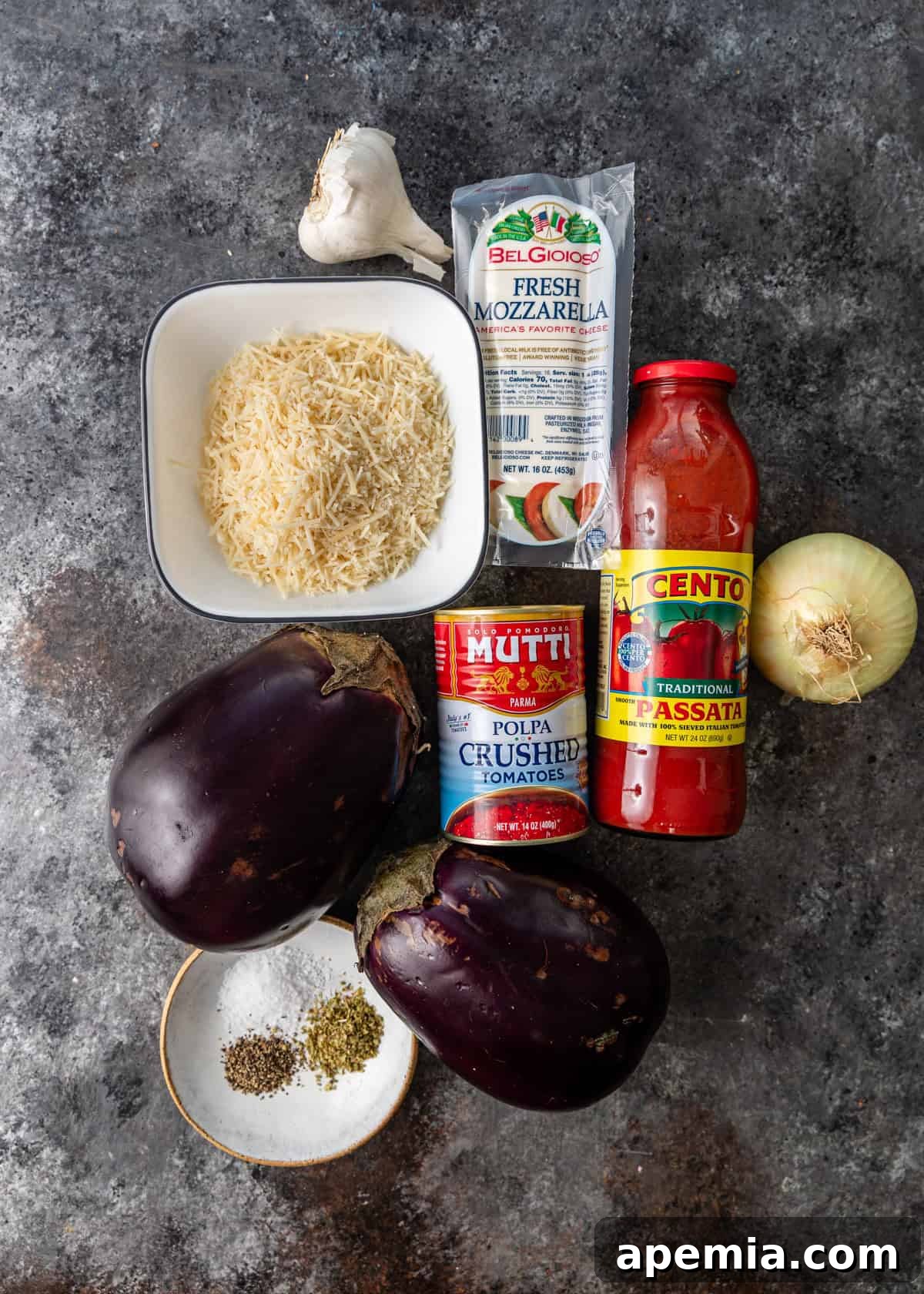
- Fresh Mozzarella: For that characteristic creamy, gooey melt, fresh mozzarella is non-negotiable. It brings an unparalleled texture and delicate flavor. Remember the crucial step of draining and dicing it well in advance to prevent any excess moisture from compromising your Parmigiana’s texture. If fresh mozzarella is truly unavailable, a high-quality, low-moisture shredded mozzarella can be used, though the texture will be slightly different.
- Fresh Basil: The vibrant, aromatic leaves of fresh basil are indispensable for imparting that quintessential Italian flavor and a bright, herbaceous contrast to the rich cheese and tangy tomato sauce. While dried oregano can be a substitute in a pinch, fresh basil truly elevates this dish to its traditional glory. Don’t skip it if possible!
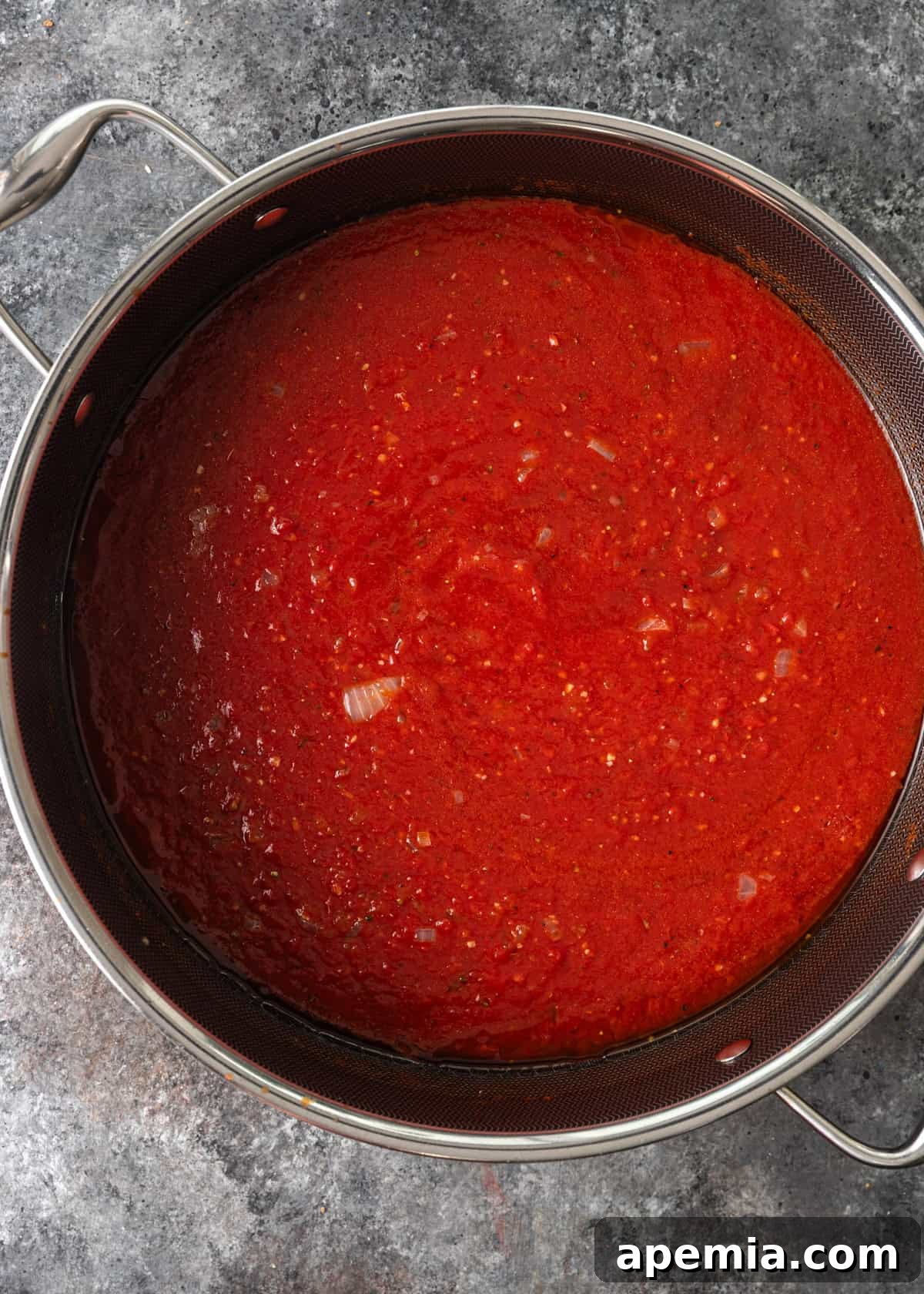
- Tomato Paste & Canned Tomatoes: A combination of high-quality tomato passata (for smoothness and intense tomato flavor) and crushed tomatoes (for texture and depth) forms the foundation of our robust sugo. Tomato paste, cooked down, adds a concentrated sweetness and umami that deepens the sauce’s character. Using good quality Italian canned tomatoes will make a noticeable difference in the overall flavor.
- Parmesan Cheese: Adds a sharp, salty, and wonderfully nutty complexity to each layer of the Parmigiana. For the most profound flavor, always opt for freshly grated Parmesan cheese from a block rather than pre-grated varieties, which often contain anti-caking agents that can affect texture and flavor.
How to Craft Your Perfect Eggplant Parmigiana
- Prepare the Eggplant: Begin by trimming the ends of your eggplants and slicing them into uniform ¼-inch thick rounds or planks. This even thickness ensures consistent cooking. Generously sprinkle both sides of each slice with kosher salt. Arrange the salted eggplant in a colander set over a large bowl and allow it to rest for at least 15-30 minutes. This crucial step draws out excess moisture and any residual bitterness, making the eggplant less watery and firmer. After draining, rinse the eggplant slices thoroughly under cold water to remove the salt, then pat them completely dry with paper towels.
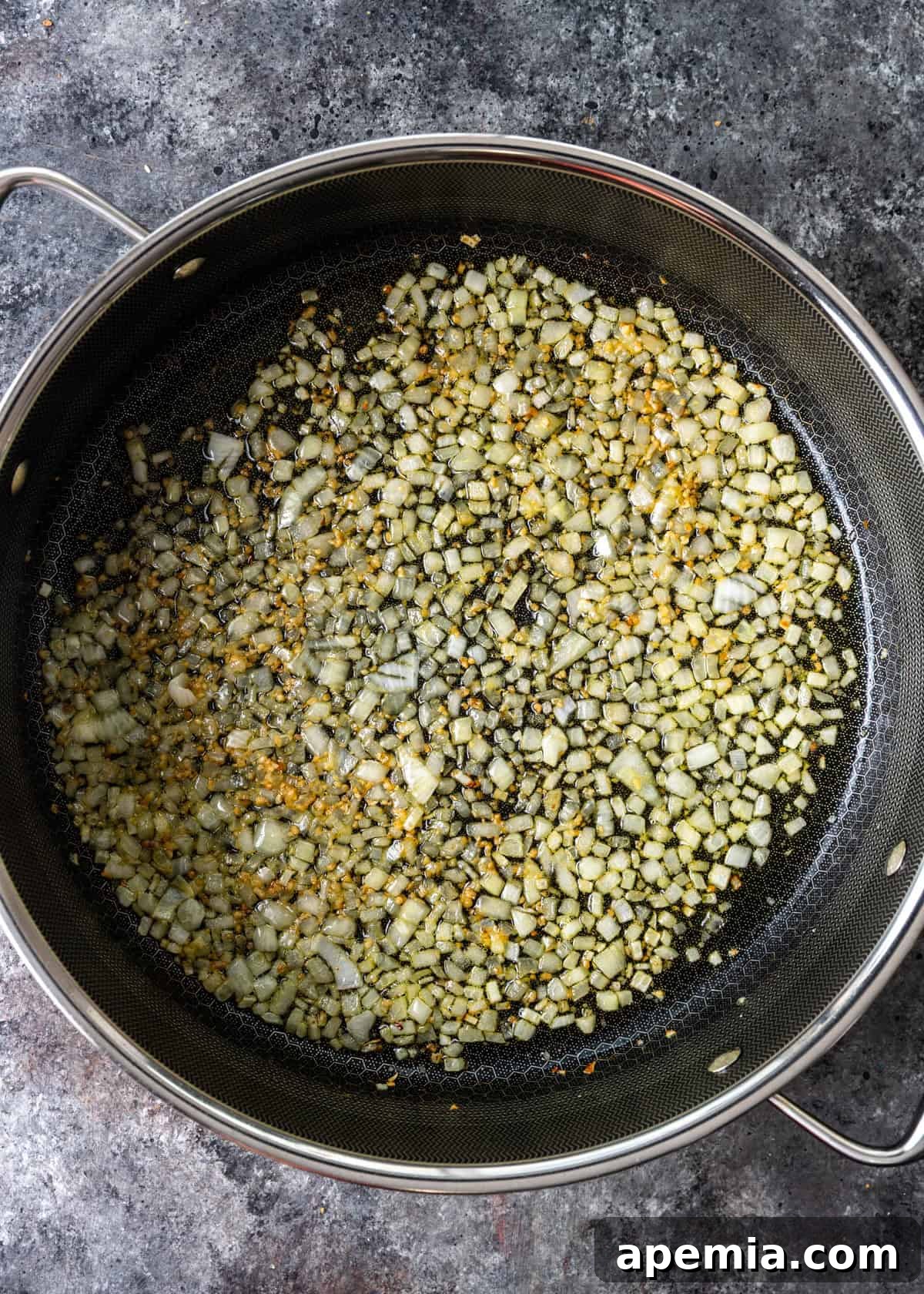
- Craft the Authentic Sugo (Tomato Sauce): In a deep frying pan or pot, heat olive oil over medium-high heat. Add the diced yellow onion and sauté, stirring occasionally, until it caramelizes and turns a light golden-brown, which usually takes about 3-5 minutes. This caramelization adds a depth of sweetness to the sauce. Next, add the minced garlic and cook for another 2 minutes until fragrant, being careful not to burn it. Stir in the tomato passata, crushed tomatoes, tomato paste, balsamic vinegar, dried oregano, salt, black pepper, and the reserved basil stalks (for extra flavor, to be removed later). Bring the sauce to a gentle simmer, then reduce the heat to medium-low. Let it simmer, stirring occasionally, for at least 30 minutes, or until the sauce thickens and beautifully coats the back of a spoon. Before assembly, remove and discard the basil stalks. For an extra smooth sauce, use an immersion blender or carefully transfer to a regular blender to purée. Taste and adjust seasonings as needed.
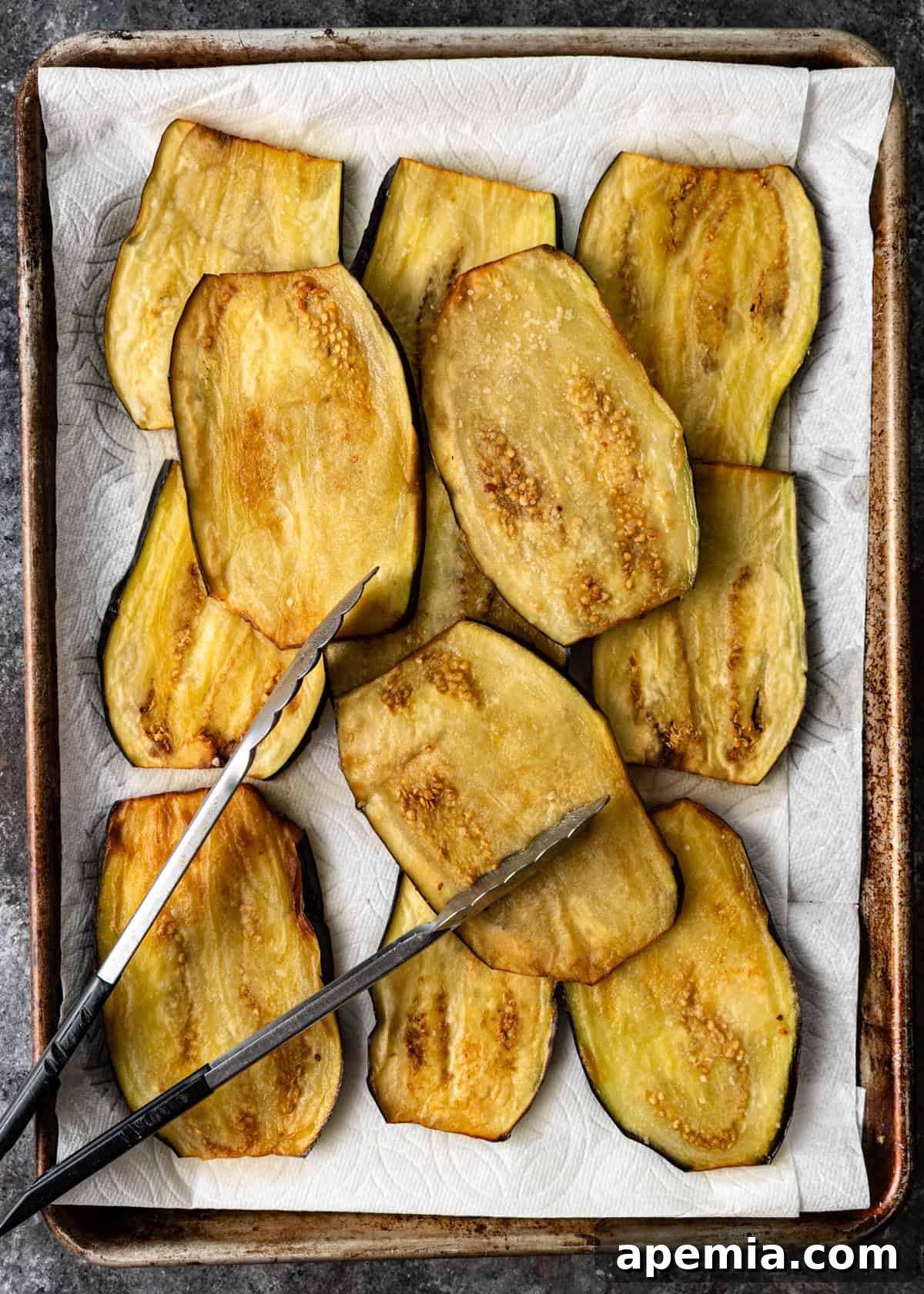
- Fry the Eggplant to Golden Perfection: Pour about ½-inch of olive oil into a large frying pan and heat it over medium-high heat. While the oil heats, lightly dust each dried eggplant slice with flour, shaking off any excess. Fry the eggplant slices in batches, ensuring not to overcrowd the pan, until they are beautifully golden-brown and crispy on both sides, typically 2-4 minutes per side. Add more oil as needed between batches. Once fried, transfer the eggplant slices to a plate lined with paper towels to drain any excess oil, helping them stay crisp.
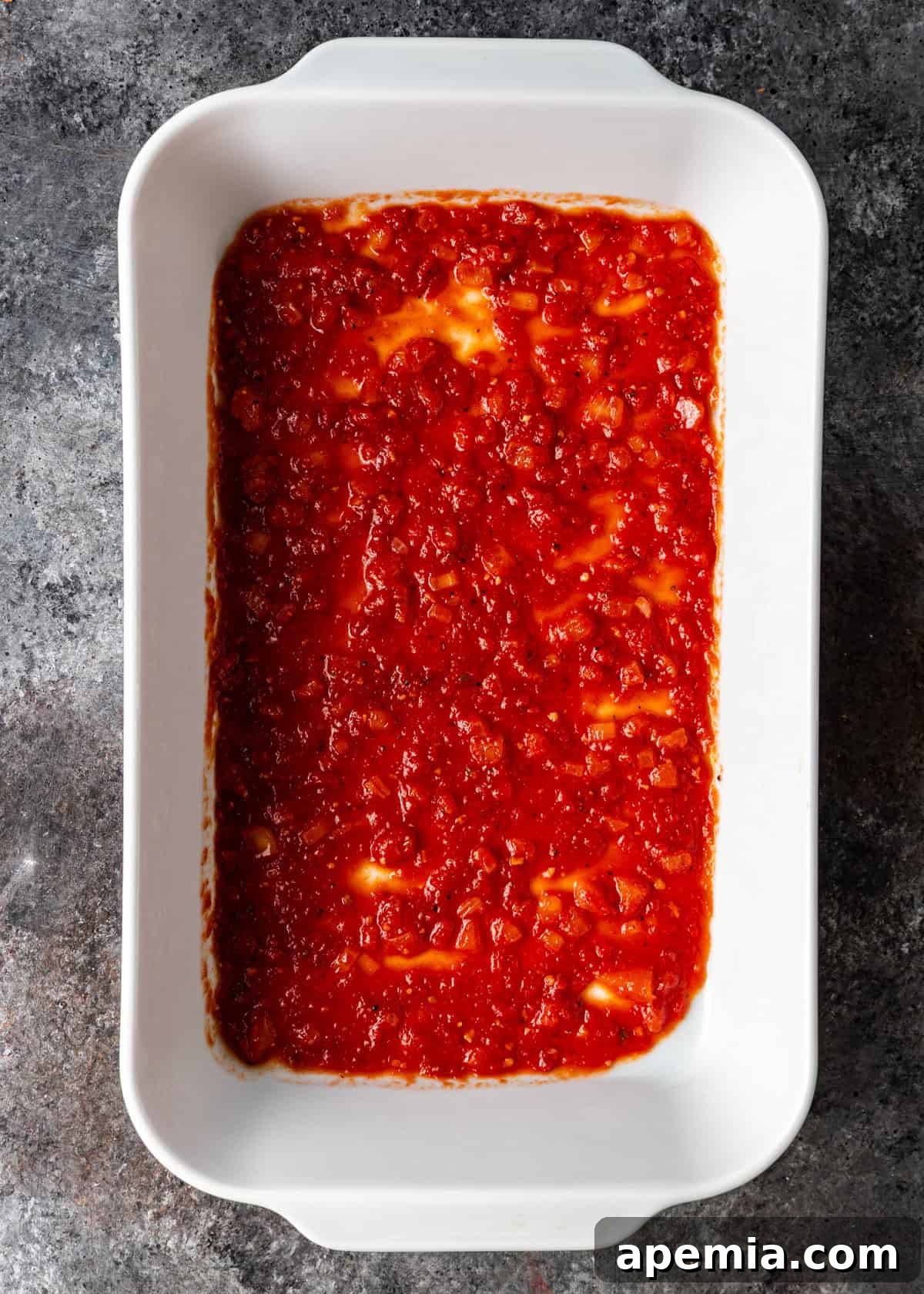
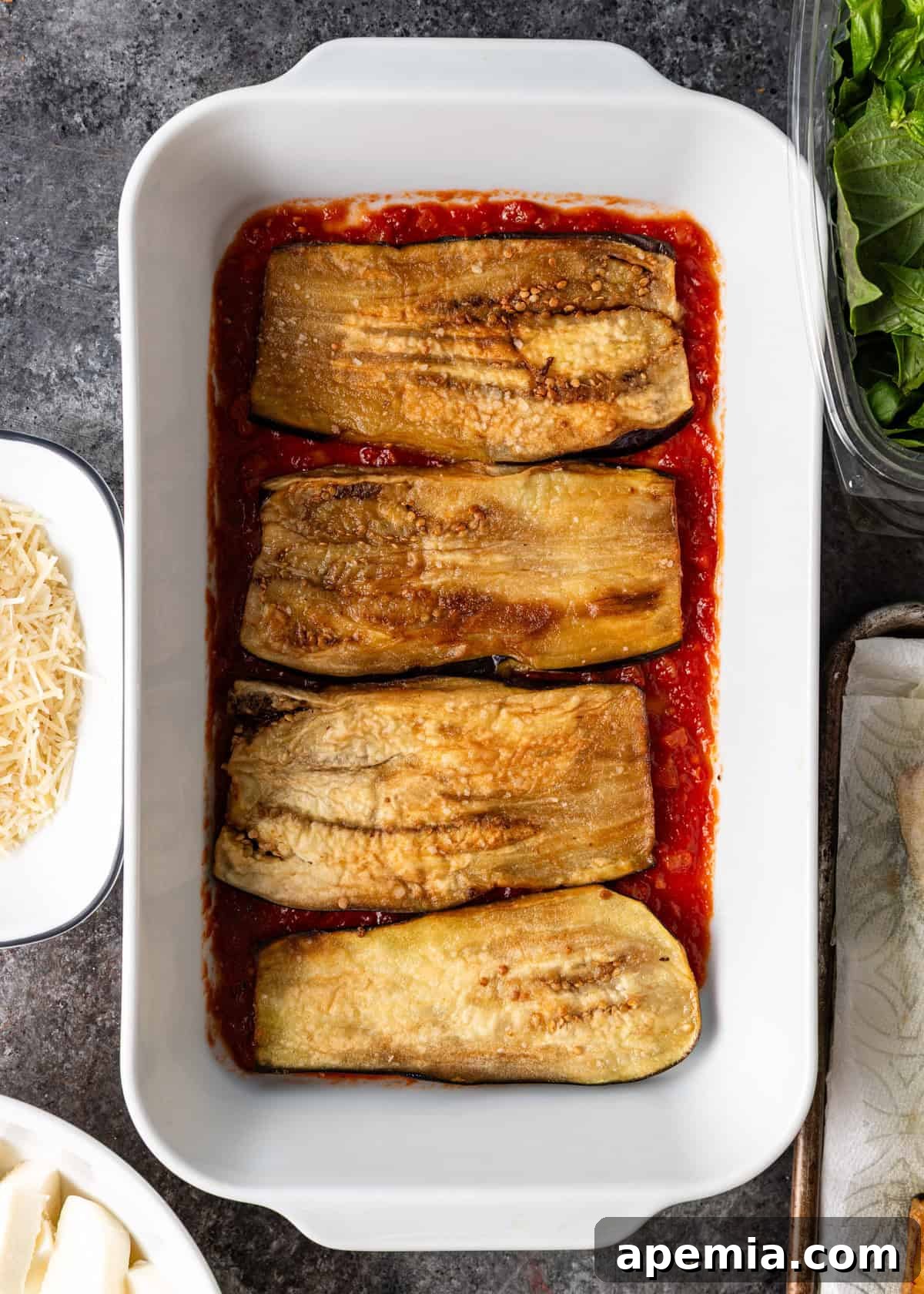
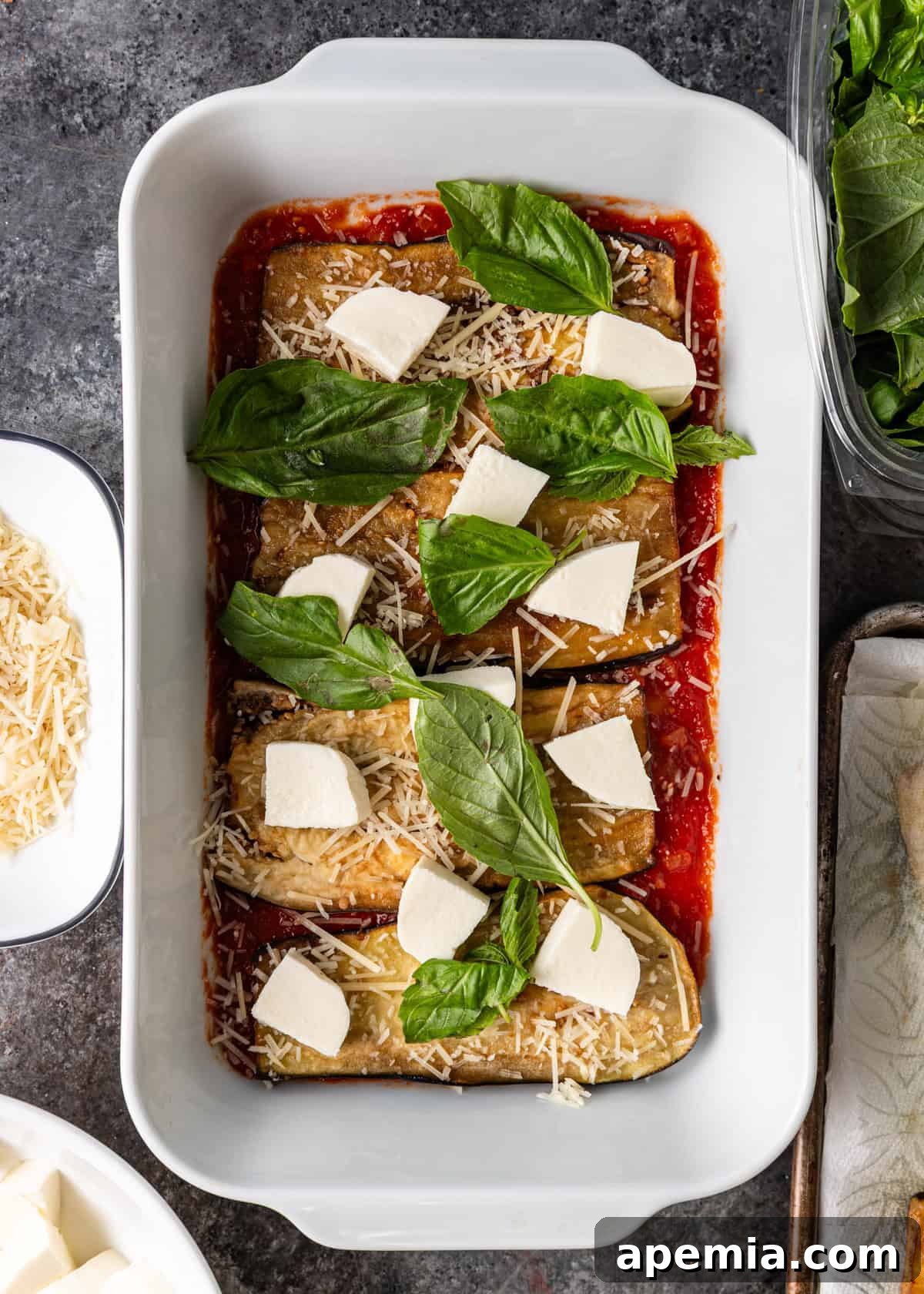
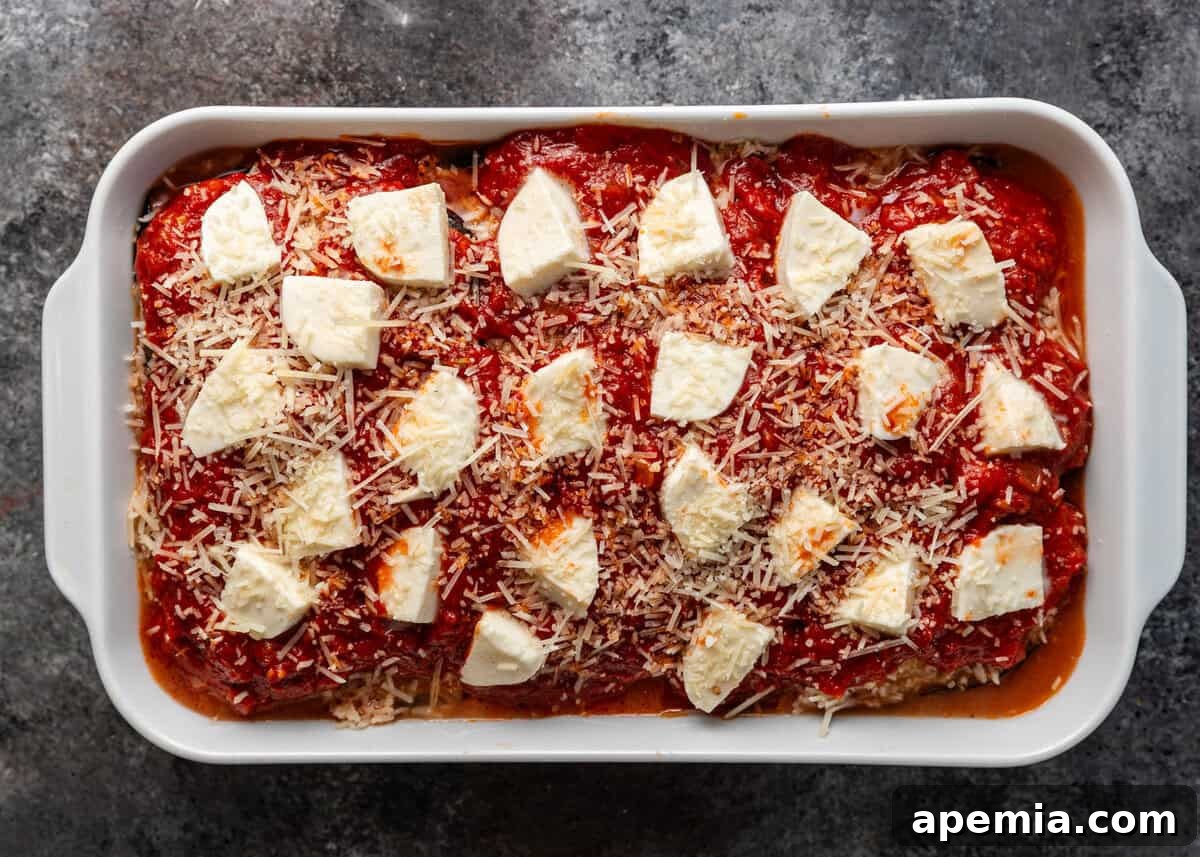
- Assemble the Layers of Flavor: Preheat your oven to 350°F (175°C). In a 9×13-inch baking dish, spread a thin layer of your delicious tomato sugo at the bottom. Arrange a single layer of your golden-fried eggplant slices over the sauce. Evenly scatter a portion of grated Parmesan cheese, diced fresh mozzarella, and fresh basil leaves over the eggplant. Repeat these layers—sugo, eggplant, Parmesan, mozzarella, basil—until all ingredients are used, ensuring the top layer finishes with a generous spread of sugo. Sprinkle the remaining Parmesan and mozzarella cheese over the very top of the dish.
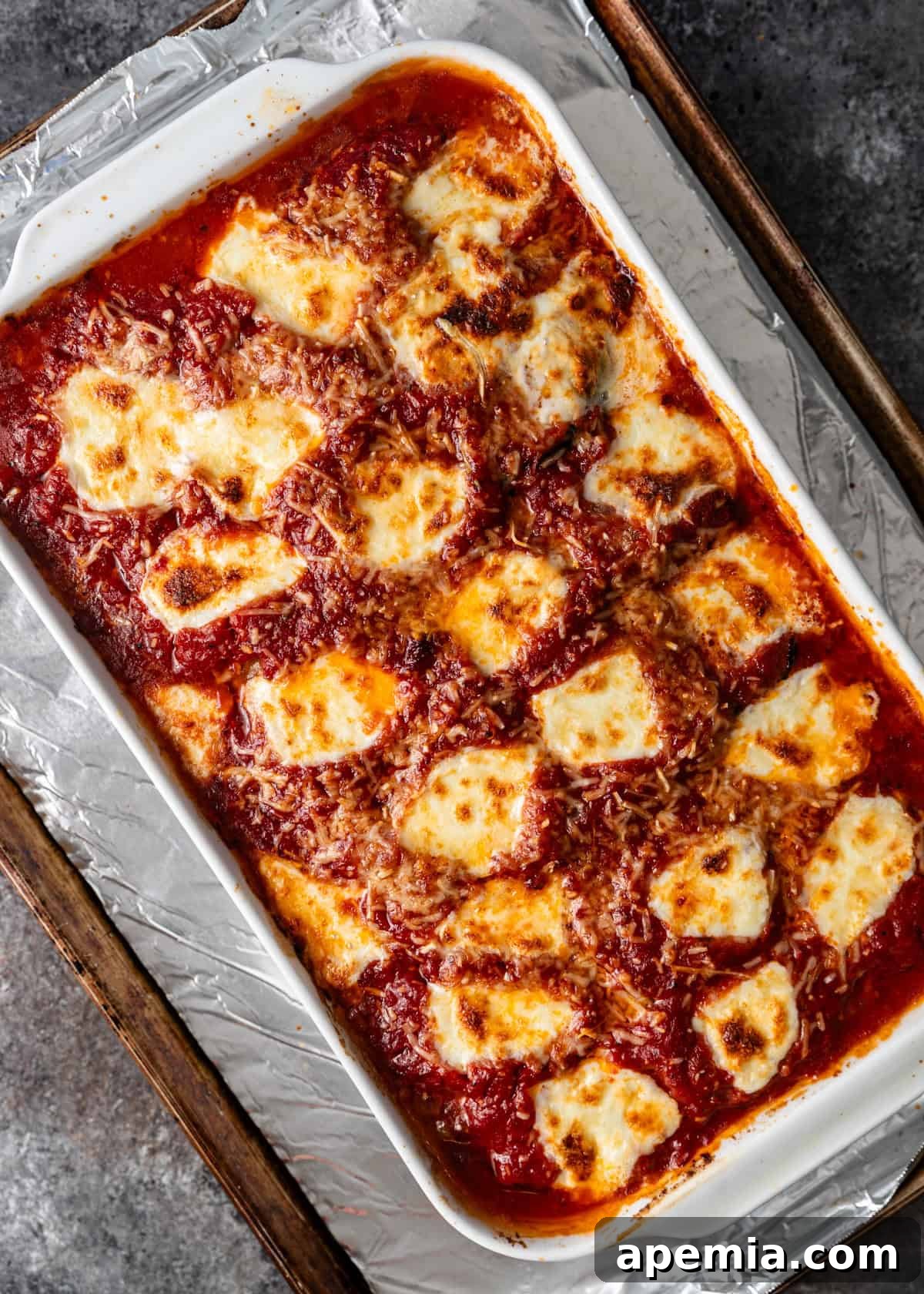
- Bake and Serve: Place the assembled Parmigiana, uncovered, into your preheated oven. Bake for 25-30 minutes, or until the top is golden-brown and the cheese is gloriously bubbling. The aroma will be incredible! Once baked, remove the dish from the oven and allow it to rest for about 10 minutes. This resting period is crucial as it allows the layers to set, making it easier to slice and serve without falling apart. Garnish with a final sprinkle of fresh basil before cutting into squares and serving warm.
Recommended Tools for Success
- 9×13-inch Baking Dish: Essential for assembling and baking the layers of this classic dish. A ceramic or glass dish works best for even heat distribution.
- Large Deep Frying Pan: Crucial for frying the eggplant slices evenly. A heavy-bottomed pan helps maintain consistent oil temperature.
- Large Colander and Bowl: For efficiently salting and draining the eggplant, removing excess moisture.
- Sharp Knife or Mandoline Slicer: For achieving uniformly thin eggplant slices, which cook evenly and layer beautifully.
- Immersion Blender (Optional): For creating an extra smooth tomato sugo, if desired.
- Paper Towels: Indispensable for drying eggplant slices and draining fried pieces, as well as managing excess moisture from fresh mozzarella.
Storage and Reheating Tips for Enjoying Later
Eggplant Parmigiana is one of those fantastic dishes that often tastes even better the next day! Leftovers can be stored in the refrigerator for up to 3 days. Simply ensure the dish has cooled completely to room temperature before transferring it to an airtight container.
When it’s time to reheat, for best results, place individual servings or the entire dish back in the oven at 350°F (175°C) for 10 to 15 minutes, or until it’s thoroughly heated through and the cheese is bubbling again. This method helps maintain the integrity of the layers and the crispy edges.
If you opt to microwave individual portions, cover the Parmigiana with a damp paper towel. This helps create steam and prevents the dish from drying out, ensuring a moist and delicious reheat.
For longer storage, Eggplant Parmigiana freezes exceptionally well for up to 3 months. To freeze, allow the baked dish to cool completely. You can freeze it in individual portions or as a whole in a freezer-safe container. When you’re ready to enjoy it, thaw the dish overnight in the refrigerator before reheating it in the oven as described above. This makes it an ideal meal prep option for busy weeks!
Share this irresistible recipe on Pinterest!
Loved making this classic Italian dish? Inspire others by sharing it with your followers on Pinterest!
Frequently Asked Questions About Eggplant Parmigiana
Absolutely! Eggplant Parmigiana is a fantastic dish for meal prepping. You can assemble the entire dish, up to the point of baking, and then refrigerate it, tightly covered, for up to 24 hours. When you’re ready to serve, simply pull it out of the fridge and bake as directed, adding a few extra minutes to the baking time if starting from cold.
The key to avoiding soggy eggplant lies in two main steps. First, always salt your eggplant slices before frying or baking. This process, as detailed in our “Art of Salting Eggplant” tip, draws out excess moisture. Let the salted slices sit in a colander for 15-20 minutes, then rinse thoroughly and pat them absolutely dry with paper towels before cooking. Second, ensure you properly drain your fresh mozzarella. Un-drained fresh mozzarella releases a lot of water during baking, which can make the entire dish watery and soggy. Refer to our “Mastering Fresh Mozzarella” tip for detailed instructions on this essential step.
Yes, you certainly can! If you wish to reduce the oil content or prefer a lighter preparation, you can bake the eggplant slices in the oven instead of frying them. To do so, brush the eggplant slices lightly with olive oil and bake them on a baking sheet at 400°F (200°C) for about 20 minutes, flipping them halfway through, until they are tender and slightly golden. This yields a delicious, healthier alternative to traditional fried eggplant.
For Eggplant Parmigiana, large globe eggplants or Italian eggplants are generally preferred. They have a good flesh-to-skin ratio, relatively few seeds, and a firm texture that holds up well to slicing, salting, and cooking. Look for eggplants that are firm to the touch, heavy for their size, and have smooth, shiny skin without any soft spots.
This recipe is inherently vegetarian! For a vegan version, you would need to substitute the dairy cheeses (mozzarella and Parmesan) with high-quality, plant-based alternatives that melt well. Ensure your tomato sauce ingredients (like Worcestershire sauce, if used in some recipes) are also vegan. The core method remains the same, focusing on the eggplant and rich tomato sugo.
Eggplant Parmigiana (Parmigiana di Melanzane)
10
40 minutes
1 hour
1 hour
40 minutes
Pin Recipe
PrintRecipe
Equipment
-
9×13 baking dish
-
Large deep frying pan or pot
-
Colander and large bowl
Video
Ingredients
-
4
lbs
large eggplant
about 5 medium-sized eggplants, sliced ¼-inch thick -
1/2
cup
all-purpose flour -
1 1/2
cups
Parmesan cheese
freshly grated, divided -
16
oz
fresh mozzarella cheese
drained and diced -
4
oz
fresh basil
leaves, divided, plus stalks for sauce -
1/2
cup
olive oil
for frying eggplant -
Kosher salt
for salting eggplant
Sugo (Tomato Sauce)
-
1/4
cup
extra-virgin olive oil -
1
yellow onion
diced -
6
cloves
garlic
minced -
24.5
oz
tomato passata -
14
oz
canned crushed tomatoes -
2
tbsp
tomato paste -
1
tbsp
balsamic vinegar -
1/2
tsp
dried oregano -
1
tsp
kosher salt -
1/2
tsp
ground black pepper
Metric
Instructions
Prep
-
Trim the top and bottom from each eggplant. Slice into ¼-inch pieces lengthwise. Dust both sides of each slice with kosher salt and lay in a colander set in a large bowl to drain the bitter liquid, about 15-30 minutes. Rinse thoroughly and pat completely dry.
-
Remove the basil leaves from the stalks; reserve the leaves for later use and set aside the stalks to infuse flavor into the sugo.
-
Dice fresh mozzarella and allow it to drain on paper towels for at least 30 minutes, patting dry before use to prevent excess moisture in the final dish.
Sugo (Tomato Sauce)
-
Begin the sauce by heating 1/4 cup extra-virgin olive oil in a deep frying pan or pot over medium-high heat. Add the diced yellow onion and stir until it starts to caramelize and turn a light brown, approximately 3-5 minutes. Then, add the minced garlic and cook for another 2 minutes until fragrant. Stir in the tomato passata, crushed tomatoes, tomato paste, balsamic vinegar, dried oregano, 1 tsp kosher salt, ½ tsp black pepper, and the reserved basil stalks. Bring the mixture to a simmer, then reduce the heat to medium-low and let it simmer gently, stirring occasionally, until the sauce thickens and coats the back of a spoon, about 30 minutes. Remove and discard the basil stalks. If a smoother texture is preferred, use an immersion blender or carefully transfer the sauce to a blender and blend until desired consistency. Taste and adjust seasoning as necessary.
Eggplant Preparation
-
Heat about ½-inch of olive oil in a large frying pan over medium-high heat. Lightly dust each thoroughly dried eggplant slice with flour, shaking off any excess. Fry the eggplant slices in batches until golden-brown and crispy, approximately 2-4 minutes per side. Add more oil to the pan if necessary between batches. Once fried, transfer the eggplant to a plate lined with paper towels to drain excess oil.
Assemble & Bake
-
Preheat oven to 350°F (175°C). Spoon a thin layer of sugo into a 9×13 inch baking dish. Arrange a single layer of fried eggplant slices over the sauce. Evenly scatter a portion of the Parmesan cheese, diced fresh mozzarella, and fresh basil leaves over the eggplant. Repeat these layers—sugo, eggplant, Parmesan, mozzarella, basil—until all ingredients are used, ensuring the final layer on top is a generous spread of the sugo. Sprinkle the remaining Parmesan and mozzarella over the very top of the dish. Bake uncovered until golden and bubbling, 25-30 minutes.
-
Remove the Parmigiana from the oven and let it rest for 10 minutes. This allows the layers to set properly, making for cleaner slices. Sprinkle with the remaining fresh basil leaves just before serving cut into squares.
Notes
- Maximizing Fresh Mozzarella: Using fresh mozzarella is crucial for the best creamy texture, but it also means there will be water in the cheese that can create excess liquid in your final dish once cooked. To avoid this, prepare ahead of time: remove the fresh mozzarella from its water, dice it into small cubes or slices, and leave it on paper towels to drain for at least 30 minutes. Gently press to release more moisture. Pat dry thoroughly when ready to use, but keep it covered with a damp paper towel until needed to prevent it from drying out.
- Eggplant Bitterness: While modern eggplants are bred to be less bitter, the salting step is still highly recommended for its texture benefits (drawing out water). If you find your eggplant still has a hint of bitterness after salting, a brief soak in milk before frying can also help neutralize it, though this is rarely necessary with modern varieties.
- Spice It Up: For those who enjoy a little heat, a pinch of red pepper flakes can be added to the sugo along with the garlic for a subtle spicy kick that complements the rich tomato flavors beautifully.
Nutrition
Calories:
403
kcal
|
Carbohydrates:
27
g
|
Protein:
20
g
|
Fat:
25
g
|
Saturated Fat:
10
g
|
Polyunsaturated Fat:
2
g
|
Monounsaturated Fat:
12
g
|
Cholesterol:
46
mg
|
Sodium:
839
mg
|
Potassium:
911
mg
|
Fiber:
8
g
|
Sugar:
12
g
|
Vitamin A:
1467
IU
|
Vitamin C:
18
mg
|
Calcium:
477
mg
|
Iron:
3
mg
The information shown is an estimate provided by an online nutrition calculator. It should not be considered a substitute for a professional nutritionist’s advice.
Main Dishes, Comfort Food
Italian, Southern Italian
Kevin
Have You Made This Recipe? Let Me Know on Instagram!
Tag @keviniscooking or use the hashtag #keviniscooking!