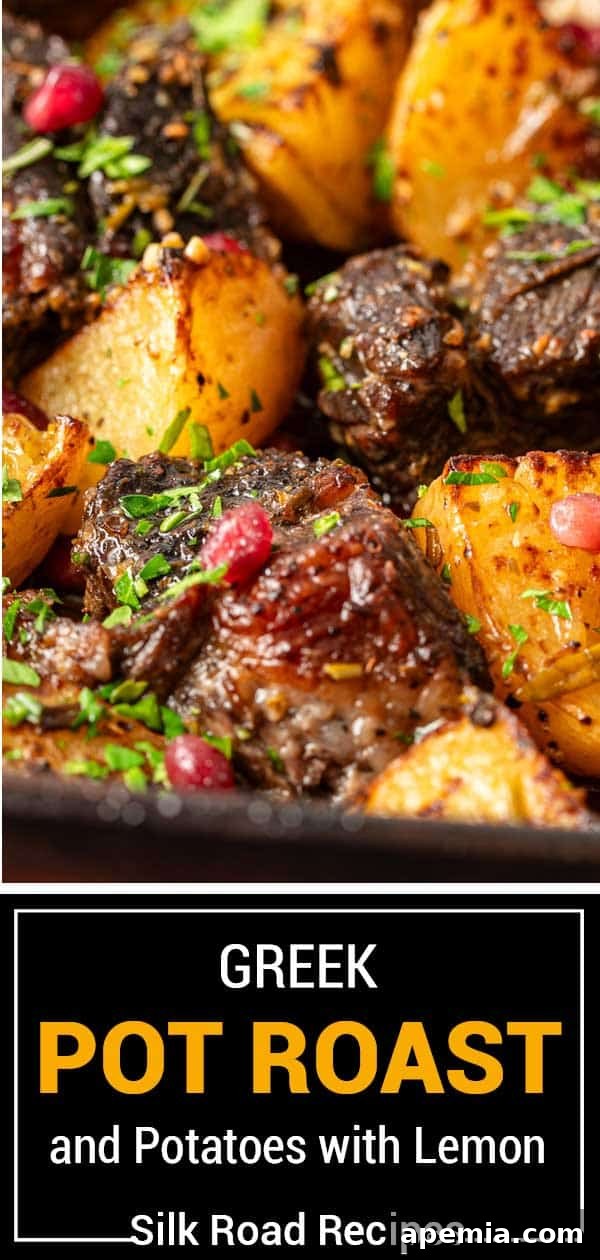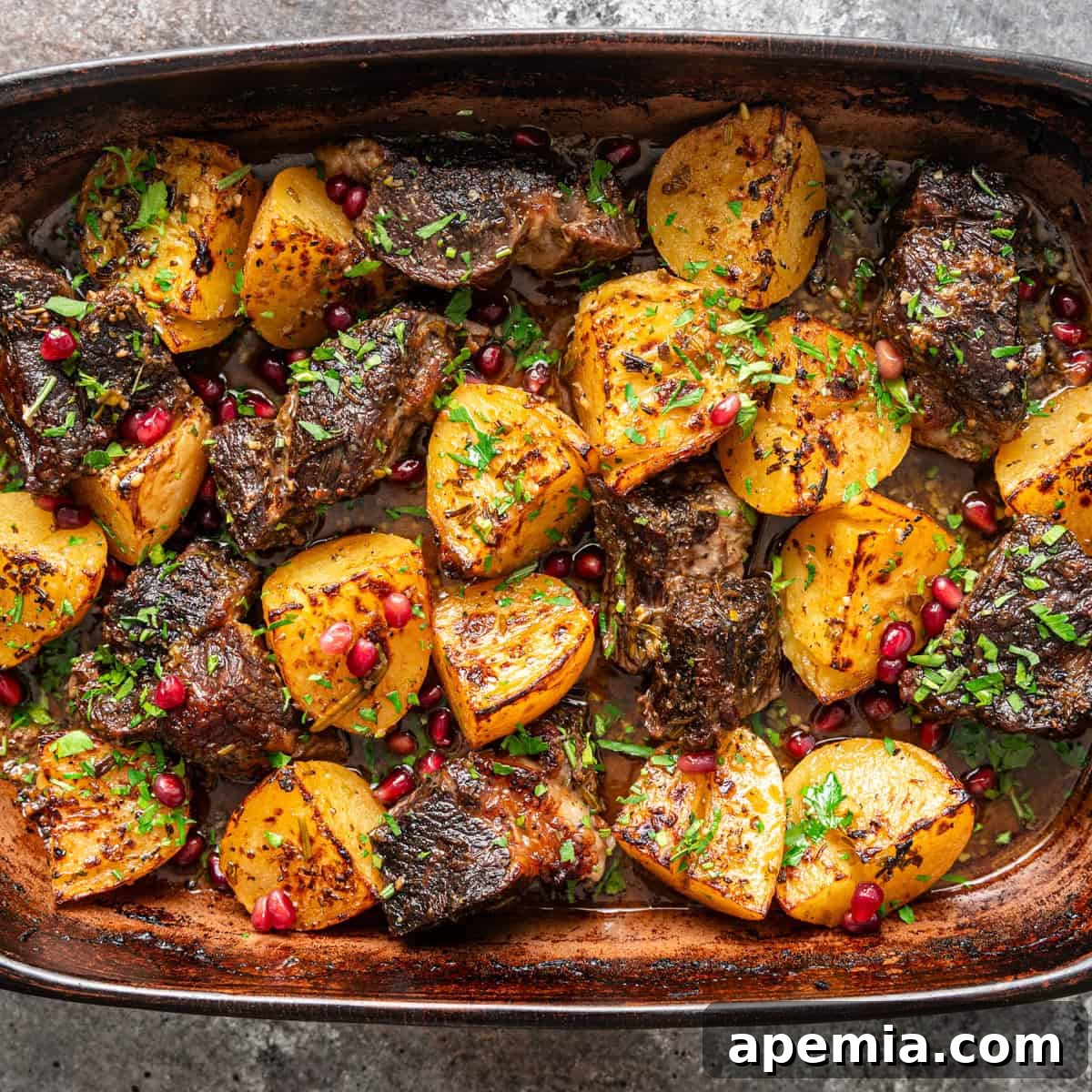
Greek Pot Roast and Lemon Potatoes: A Mediterranean Delight
Prepare to tantalize your taste buds with this incredible Greek Pot Roast, a vibrant Mediterranean twist on the classic comfort food. Forget your average pot roast; this recipe elevates the experience with a symphony of fresh, aromatic flavors. Imagine succulent, fall-apart tender beef, perfectly roasted, alongside crispy potatoes, all smothered in a rich, gorgeous pan sauce. This isn’t just a meal; it’s an experience, steeped in the sun-drenched flavors of oregano, fragrant rosemary, zesty lemons, pungent garlic, and golden olive oil. Your family will undoubtedly adore this unique and flavorful rendition of a beloved dish.
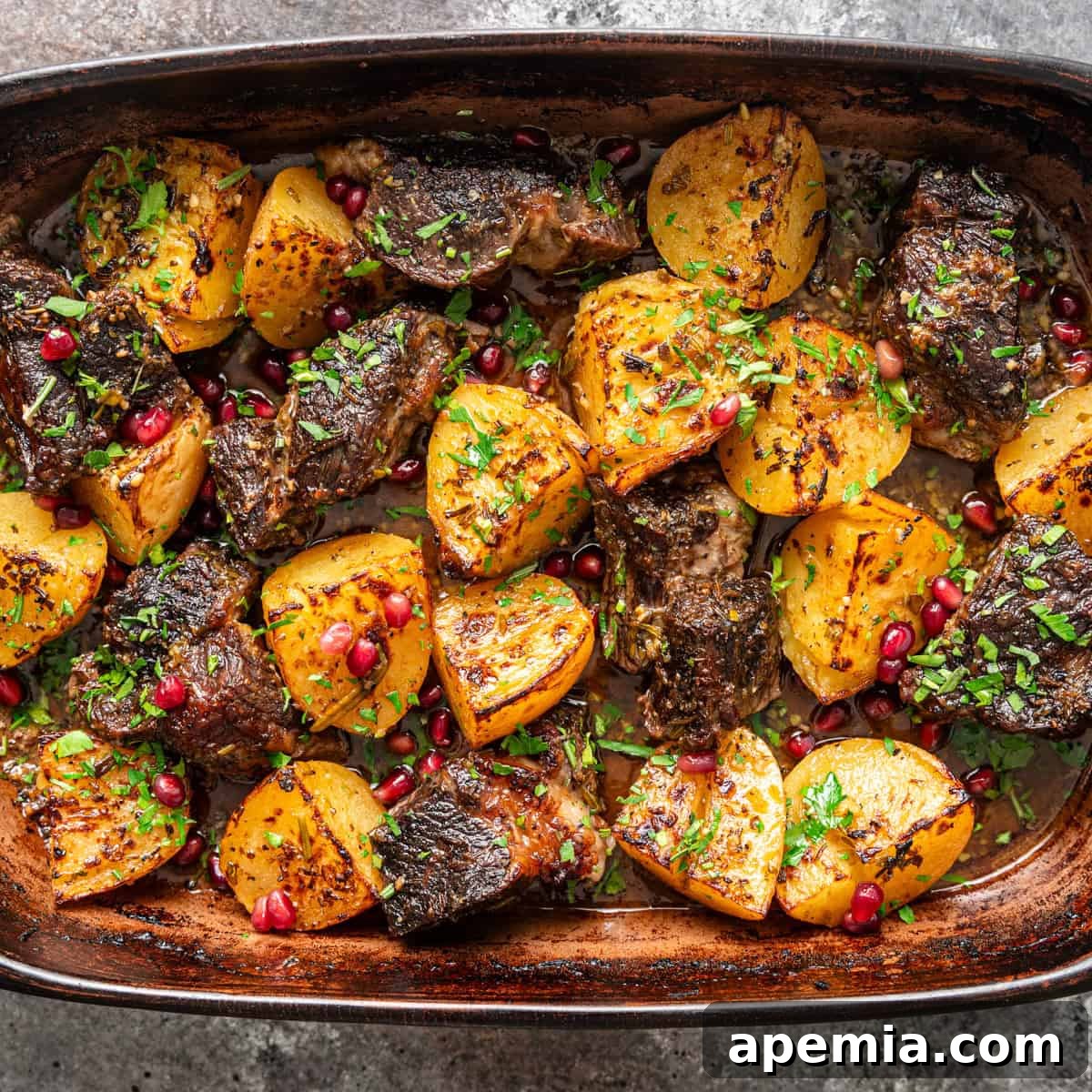
You truly can’t go wrong with the timeless appeal of a meat and potatoes dinner. While it may not be the quickest meal to prepare, its ease of execution and the unparalleled depth of flavor make it a worthwhile endeavor. This slow-roasted beef chuck, infused with a warm and savory Mediterranean profile, offers a refreshing departure from typical pot roast recipes. It’s a culinary journey that brings the bright, herbaceous notes of the Greek islands straight to your dinner table, transforming a simple meal into something extraordinary.
The secret to this dish’s unparalleled taste lies in its remarkable pan sauce. As the beef and potatoes slowly roast in the oven, they bathe in this luscious liquid, allowing every fiber and surface to soak up its exquisite flavors. Crafted from robust olive oil, a generous medley of fresh herbs, an abundance of garlic, and, critically, ample lemon, this sauce is a hallmark of Greek cuisine. It’s a beautifully balanced combination of floral aromatics, earthy herbs, and peppery spices, all brightened by the citrusy zing of lemon. The result is a fresh, vibrant, and utterly irresistible taste that will have everyone asking for seconds.
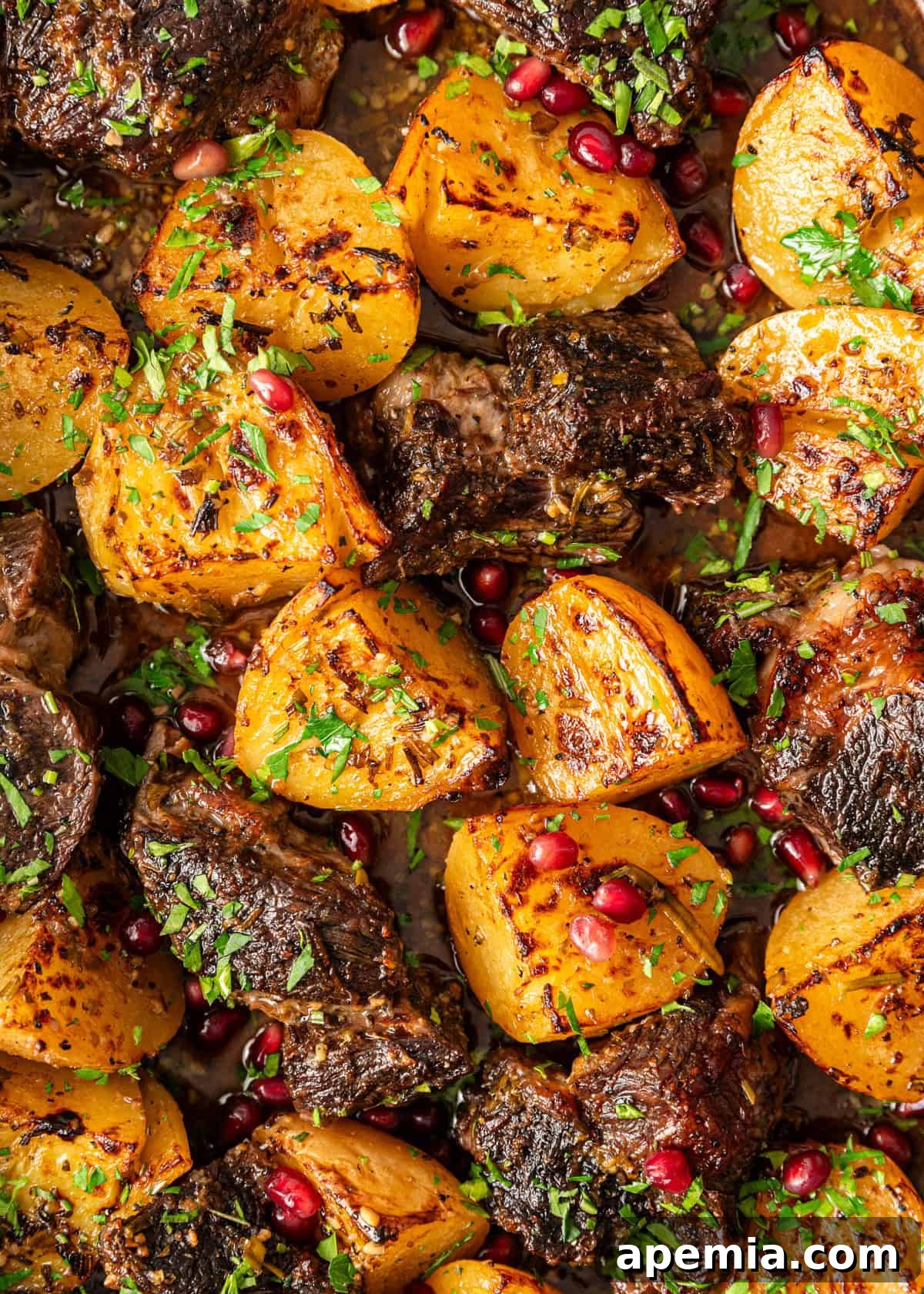
Serving Suggestions for Your Mediterranean Feast
This Greek Pot Roast is a complete meal in itself, but it pairs beautifully with a variety of side dishes that complement its rich flavors. Consider serving it alongside a refreshing Greek feta salad, offering a crisp, cool counterpoint to the warm, savory roast. Another excellent choice is some fluffy Greek lemon rice, perfect for soaking up every last drop of that incredible pan sauce. For an extra dose of vegetables, you could also prepare some more roasted vegetables, such as zucchini, bell peppers, or eggplant, to complete your Mediterranean spread.
Table of Contents
- Understanding Pot Roast Cuts (Pot Roast 101)
- Achieving Perfect Potatoes and Other Vegetables
- Essential Ingredient Notes and Smart Substitutions
- Step-by-Step Guide to Making Greek Pot Roast
- Recommended Kitchen Tools for Success
- Storage and Reheating Tips
- Frequently Asked Questions About Pot Roast
- Greek Pot Roast and Potatoes with Lemon Recipe
Craving another authentic Greek-style roast? Don’t miss this tantalizing Lamb Kleftiko, featuring tender lamb, an array of extra vegetables, and a zesty marinade that’s equally unforgettable.
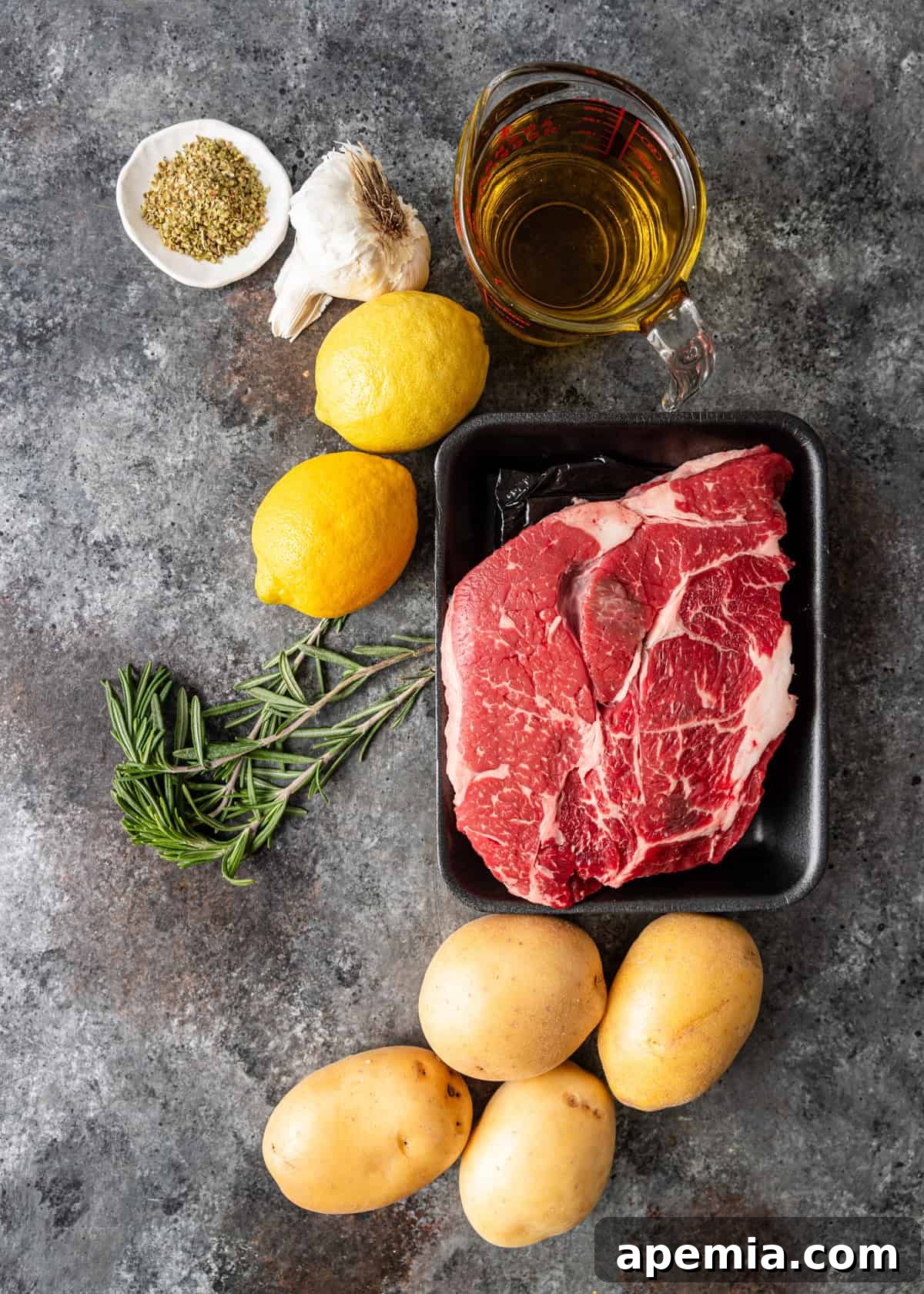
Understanding Pot Roast Cuts (Pot Roast 101)
It’s important to clarify that “pot roast” isn’t a specific cut of meat; rather, it’s a cooking method. It refers to the technique of slow-cooking tougher, yet incredibly flavorful, cuts of beef until they become irresistibly fall-apart tender. The magic of a pot roast lies in this low and slow braising, which breaks down connective tissues and renders fat, resulting in a dish bursting with savory juices. When selecting your meat for the ultimate pot roast, look for cuts from the chuck, brisket, or round sections of the beef. Each offers unique characteristics for the perfect slow-cooked meal.
Chuck roast stands out as the top recommendation for pot roast. Cut from the shoulder, it boasts excellent marbling, meaning it has intramuscular fat distributed throughout the meat. This marbling melts during the long braising process, infusing the beef with moisture and richness, making it exceptionally juicy and flavorful. When cooked properly, chuck roast achieves that coveted fork-tender texture that defines a great pot roast.
Brisket is another fantastic contender. This cut, from the breast or lower chest of the cow, is known for its robust beefy flavor. While it requires a longer cooking time to truly soften and become tender, the patience pays off with incredibly succulent results. Brisket benefits greatly from slow, moist heat, making it ideal for pot roasting.
Finally, a round roast, typically from the hindquarter, can also be used. However, it’s generally leaner than chuck or brisket, meaning it has less fat content. To ensure it remains moist and doesn’t dry out during the long cooking process, round roast requires extra care, often benefiting from more liquid and perhaps shorter cooking times relative to its tenderness compared to fattier cuts.
Achieving Perfect Potatoes and Other Vegetables
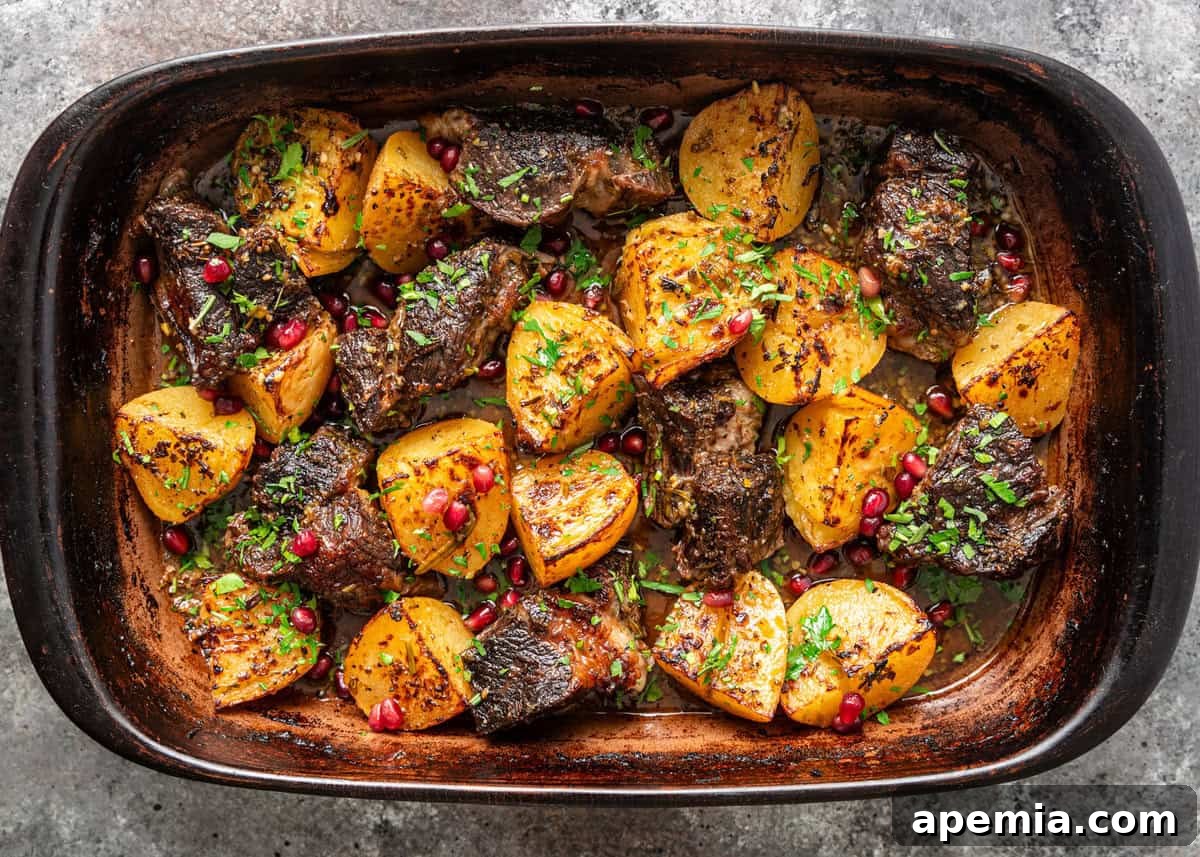
For a truly harmonious pot roast, the timing of adding your vegetables is crucial, especially for potatoes. I’ve found through experience that adding potatoes (and any other preferred root vegetables like carrots or onions) in the last two hours of roasting yields the best results. Initially, I tried adding them at the very beginning with the beef chuck, but by the time the roast was cooked to its desired fall-apart tenderness, the potatoes were unfortunately overcooked. While mashed potatoes in the delicious sauce were certainly tasty, I genuinely prefer them whole, with a slight firmness and a beautifully crispy exterior that contrasts wonderfully with the tender beef and rich sauce.
This staggered addition ensures that your vegetables maintain their integrity and texture, absorbing the flavors of the pan sauce without turning to mush. If you’re incorporating other hardy vegetables like carrots, parsnips, or even pearl onions, adding them at this two-hour mark will allow them enough time to soften and caramelize slightly, contributing another layer of flavor and texture to your magnificent Greek Pot Roast.
Essential Ingredient Notes and Smart Substitutions
Crafting the perfect Greek Pot Roast begins with understanding your ingredients. Here’s a closer look at what you’ll need and how you can make smart substitutions without compromising flavor. (Remember to consult the full recipe card below for precise quantities!)
- Beef Chuck Roast: This is your star ingredient. I recommend cubing the meat into 6-8 manageable pieces. This technique provides more surface area for a beautiful sear, locking in flavor, and also significantly speeds up the cooking process. Always remember to slice the beef against the grain; this crucial step breaks up tough muscle fibers, ensuring the meat remains incredibly tender and easy to shred after hours of slow roasting.
- White Potatoes: You simply can’t go wrong with classic Russet potatoes for this dish. Their high starch content means the outside gets wonderfully crispy and golden brown when roasted, while the inside turns incredibly tender and fluffy. Quartering them ensures they cook evenly and have a good bite. Other waxy potatoes like Yukon Gold or red potatoes can also be used for a slightly creamier texture.
- Garlic: My recipe calls for four cloves, roughly equivalent to two teaspoons of minced garlic. However, garlic is a cornerstone of Mediterranean cuisine, so feel free to adjust this amount to your personal preference. Love a bold garlic flavor? Add a couple more cloves!
- Dried Oregano: I specifically prefer dried oregano for roasts and sauces. Its flavor becomes more concentrated and permeates liquids and meats more effectively during long cooking times, deepening the overall taste. If you’re not a fan of oregano, or simply prefer another herb, dried thyme makes an excellent substitute, offering an equally earthy and aromatic profile.
- Fresh Rosemary: In contrast to oregano, I strongly advocate for fresh rosemary in this dish! Dried rosemary can sometimes be a bit overpowering and woody. The bright, piney, and herbaceous notes of fresh rosemary are simply unparalleled, adding a vibrant lift that perfectly complements the rich beef and zesty lemon. Mince it finely to evenly distribute its potent flavor.
- Lemons: The essence of Greek cuisine! We harness the power of two whole lemons, utilizing both their juice and zest. The zest contributes a floral, intensely aromatic citrus oil, while the juice provides crucial acidity. This combination brightens the pan sauce, cuts through the richness of the beef, and creates a harmonious flavor profile, especially when paired with the rosemary and oregano.
- Olive Oil: A staple in Mediterranean cooking, good quality olive oil is essential. It not only moistens the ingredients but also acts as a binder, helping the seasonings adhere to the beef chuck and potatoes. It also forms the luscious base of our incredible pan sauce.
- Pomegranate Arils: These jewel-toned seeds are an optional, yet highly recommended, garnish. Sprinkled over the finished dish, they provide a burst of tangy sweetness and a delightful textural contrast, giving this pot roast a truly authentic Mediterranean finish that’s both beautiful and delicious.
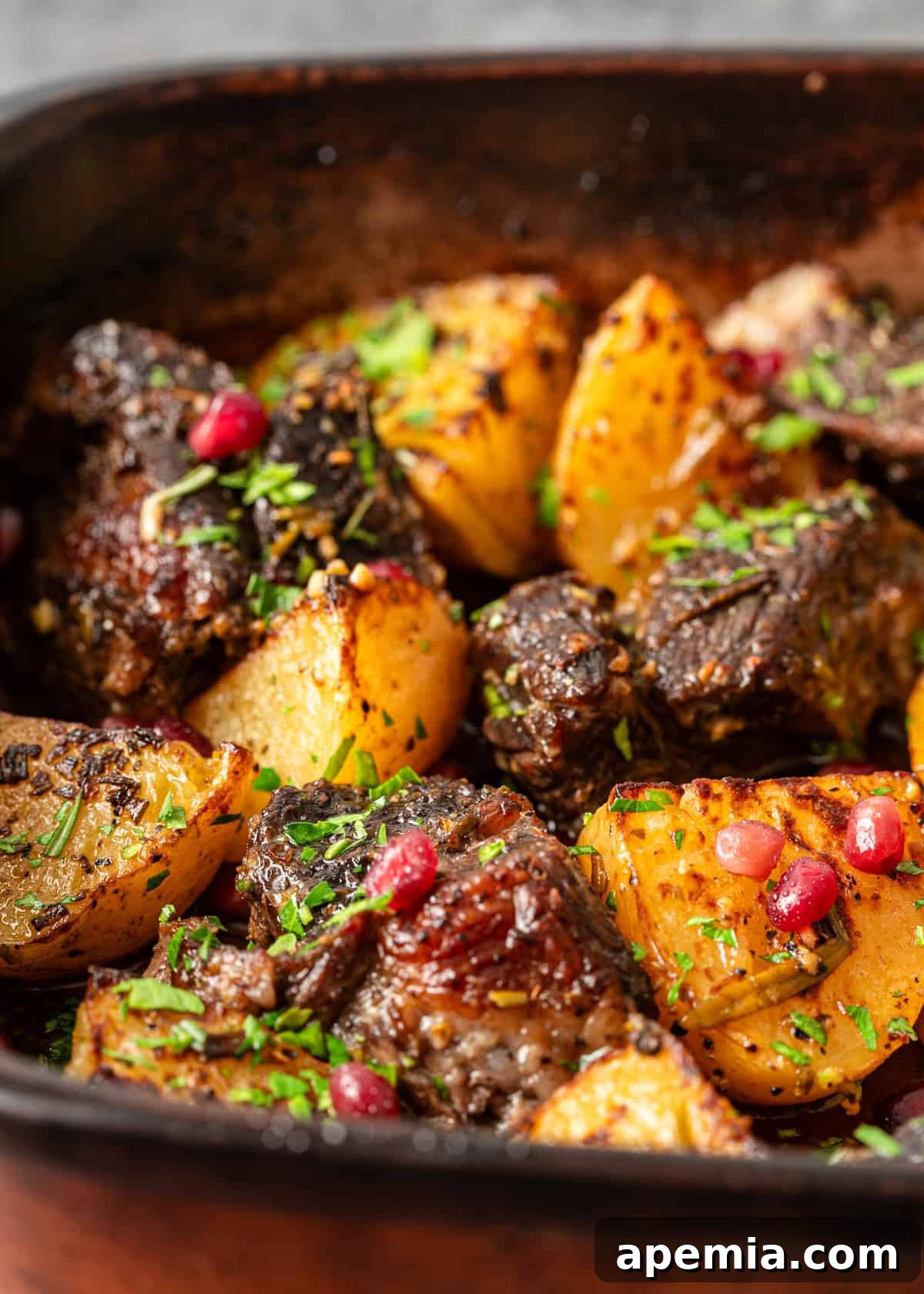
Step-by-Step Guide to Making Greek Pot Roast
Follow these detailed steps to create a truly unforgettable Greek Pot Roast and Lemon Potatoes:
- Preparation & Preheat: Begin by positioning an oven rack in the lower third of your oven. Preheat the oven to 300 degrees F (150 degrees C). This low and slow temperature is key for tenderizing the beef.
- Slice & Season the Meat: Take your beef chuck roast and roughly slice it against the grain into 6 to 8 substantial chunks. This ensures better searing and aids in faster, more even cooking. Season these chunks generously with kosher salt and freshly ground black pepper on all sides. Transfer the seasoned meat to your chosen roasting pan.
- Add Seasonings & Roasting Liquid: To the roasting pan with the beef, add the minced fresh rosemary and dried oregano, the fragrant minced garlic, and the bright lemon juice along with its zest. Drizzle the olive oil over everything, then pour in the water. Mix all the ingredients gently to ensure the meat and pan bottom are well coated with this flavorful mixture. The liquid should ideally cover about half of the meat. If it doesn’t, add a little more water until the beef is sufficiently submerged.
- Initial Cook: Tightly cover the roasting pan with aluminum foil. This seals in moisture, creating a braising effect that will tenderize the beef. Carefully transfer the covered pot roast to the preheated oven and cook for 1 ½ hours.
- Turn Meat & Add Potatoes: After the initial cooking period, carefully retrieve the hot pan from the oven. Remove the foil and use tongs to turn each piece of beef over, ensuring even cooking. Now, add the quartered white potatoes to the pan, nestling them around the beef. Spoon some of the luscious pan sauce over the potatoes to coat them well. Re-cover the pan tightly with the foil and return it to the oven to roast for another 2 hours. This timing allows the potatoes to cook through without becoming mushy.
- Broil for Crispy Potatoes (Optional but Recommended): For an extra layer of texture and truly crispy potatoes, you can take this additional step. Once the beef is fork-tender (internal temperature should be 190-205°F / 88-96°C for “fall-apart” results, not medium-rare), carefully remove the beef chunks from the pan and transfer them to a platter. Tent the beef loosely with the same foil to keep it warm and allow it to rest. Return the pan, containing just the sauce and potatoes, to the oven and switch the oven setting to broil (or grill). Broil for approximately 10 minutes, or until the potatoes achieve a beautiful golden-brown crispness. Keep a close eye on them to prevent burning.
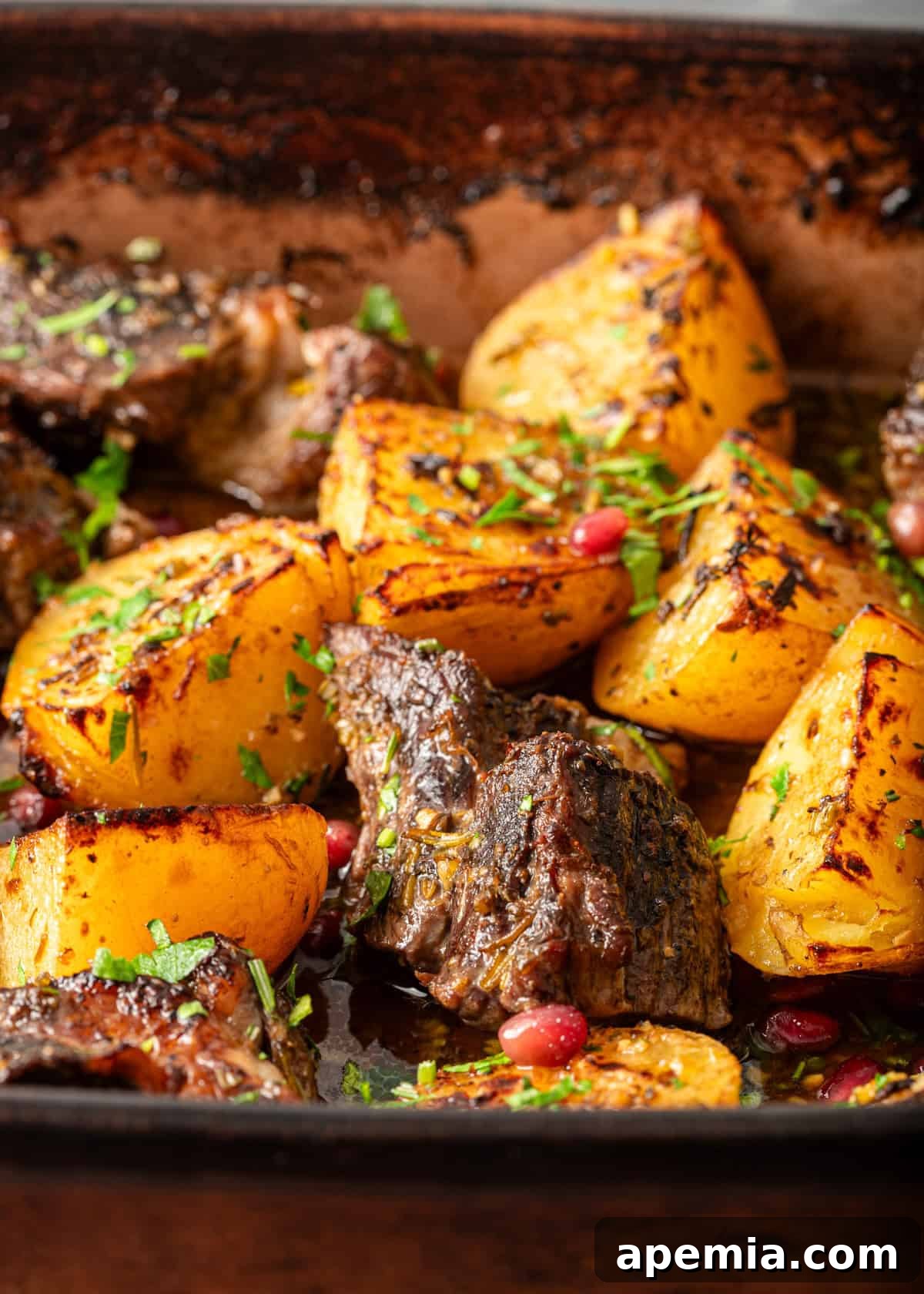
- Serve: Arrange the tender pot roast and crispy potatoes on a serving dish. Drizzle generously with the incredible lemon and herb pan sauce. For a final flourish and a burst of flavor, sprinkle with the optional pomegranate arils. Serve immediately and enjoy!
Recommended Kitchen Tools for Success
Having the right tools can make all the difference in preparing this delicious pot roast:
- 13×9-inch Roasting Pan: A sturdy roasting pan with higher sides is ideal. The deeper sides prevent the flavorful pan sauce from sloshing over and spilling in the oven during the long cooking process, ensuring all that goodness stays with your meat and potatoes.
- Heavy-Duty Aluminum Foil: Essential for covering the pan during the initial braising stages. The same piece of foil can then be used to tent your beef while it rests, keeping it warm and juicy as you crisp up the potatoes.
- Tongs: Very useful for safely turning the hot beef chunks and moving the potatoes around in the pan.
Storage and Reheating Tips
Proper storage and reheating ensure your Greek Pot Roast remains delicious for days:
Leftover roasted beef chuck, when stored correctly, will last for up to 4 days in the refrigerator. To maximize flavor and moisture, always store the beef along with its wonderful pan sauce and seasonings in an airtight container. For the best texture, I recommend storing the roasted potatoes separately. This simple step helps them maintain their delightful crispiness, preventing them from becoming soggy from the sauce.
When you’re ready to enjoy your leftovers, reheating in the oven is the preferred method for maintaining quality. Place the beef and sauce in an oven-safe dish, and the potatoes on a separate baking sheet. Reheat both at 300 degrees F (150 degrees C) until they are thoroughly warmed through. Crucially, make sure to cover the beef with foil again during reheating to prevent too much of the precious sauce from cooking down and evaporating, keeping the meat moist and flavorful.
Alternatively, for individual servings, you can use a microwave. Place a portion of beef and potatoes in a covered, microwave-safe dish and heat in 30-second increments until hot. While quicker, the oven method generally yields superior results for maintaining texture.
Share this recipe on Pinterest!
Love this recipe? Share it with the world on Pinterest.
Frequently Asked Questions About Pot Roast
For the best pot roast experience, I highly recommend using beef chuck roast. This cut, sourced from the shoulder of the cow, possesses an ideal balance of meat and a good amount of intramuscular fat (marbling). While it might feel a little firm when raw, this characteristic is precisely what we want for a “low and slow” cooking method like pot roasting. The fat and connective tissues break down beautifully over time, yielding incredibly tender, juicy, and flavorful results. When selecting your chuck roast, look for a piece with a vibrant red color and visible marbling throughout. If chuck roast isn’t available, alternative cuts like a top-round or bottom-round roast can also be used, though they are leaner and may require a bit more attention to prevent drying out.
Absolutely, yes! Covering your pot roast with aluminum foil is a critical step in achieving that signature fall-apart tenderness. The foil creates a sealed environment within your roasting pan, which helps to trap steam and prevent excessive liquid evaporation. This process is essentially braising, where the meat cooks in a moist, flavorful liquid at a low temperature for an extended period. Braising allows the tough connective tissues in the beef chuck to slowly break down, transforming the meat into something incredibly tender and succulent. Without the foil, the liquid would evaporate too quickly, and the meat would likely dry out instead of becoming tender.
The cooking time for a pot roast can vary, generally ranging from 60 to 90 minutes per pound of meat, depending on the oven temperature and the specific cut. For this Greek Pot Roast recipe, cooked at a steady 300 degrees F (150 degrees C), you’ll want to cook it in the oven for at least 3 ½ hours in total. I emphasize “at least” because every oven has its quirks, and actual cooking times can differ. The ultimate goal is for the meat to become completely fork-tender, easily shredding with minimal effort. Don’t be afraid to extend the baking time by another 30 minutes to an hour if your meat isn’t quite falling apart yet. The internal temperature for this “fall-apart” tenderness typically ranges from 190–205°F (88-96°C), significantly higher than a medium-rare steak, ensuring a melt-in-your-mouth experience.
Greek Pot Roast and Potatoes with Lemon
This Greek-style pot roast is a delicious recipe featuring tender, juicy meat and crispy potatoes, all brought together in a mouthwatering lemon and herb sauce that encapsulates the flavors of the Mediterranean.
Recipe Overview
- Servings: 6
- Prep Time: 15 mins
- Cook Time: 3 hrs 30 mins
- Total Time: 3 hrs 45 mins
Equipment
- 13×9″ roasting pan
Ingredients
- 3 lbs beef chuck roast
- 1 tsp kosher salt
- 1 tsp ground black pepper
- 6 white potatoes, quartered (such as Russet)
- 4 cloves garlic, minced (approximately 2 tsp)
- 1 tbsp dried oregano
- 4 sprigs fresh rosemary, minced
- 2 lemons, juice and zest
- 1/2 cup olive oil
- 1/2 cup water (or more, as needed)
- 1/2 cup pomegranate arils (optional, for garnish)
Instructions
- Preheat your oven to 300°F (150°C). Position a rack in the lower third of the oven.
- Cut the beef chuck roast against the grain into 6-8 substantial chunks. Season these pieces generously with the kosher salt and ground black pepper. Place the seasoned beef into your 13×9-inch roasting pan.
- Add the minced garlic, dried oregano, minced fresh rosemary, and the juice and zest from both lemons to the pan with the beef. Pour the olive oil and 1/2 cup of water over all the ingredients. Gently mix everything together to ensure the beef and herbs are well coated. The liquid should cover about half of the meat. If not, add a little more water until the beef is sufficiently submerged.
- Cover the roasting pan tightly with aluminum foil. Place the covered pan on the rack in the preheated oven and cook for 1 1/2 hours.
- After 1 1/2 hours, carefully remove the pan from the oven. Remove the foil. Using tongs, turn each piece of beef over. Add the quartered white potatoes to the pan, nestling them around the beef. Spoon some of the flavorful pan sauce over the potatoes to coat them. Re-cover the pan tightly with the foil.
- Return the covered pan to the oven and roast for an additional 2 hours, or until the beef is exceptionally fork-tender. You are aiming for an internal temperature of 190–205°F (88-96°C) for that desired “fall-apart” tenderness (this is not for medium-rare). For extra crispy potatoes, proceed with the next step. Otherwise, the roast is ready to serve. If making crispy potatoes: carefully remove the beef to a platter, cover it loosely with foil, and keep warm. Place the roasting pan with only the sauce and potatoes back into the oven, but under the broiler, for about 10 minutes, watching carefully to prevent burning. This will crisp them up beautifully.
- Serve the tender beef and potatoes immediately, with a generous spoonful of the savory lemon sauce drizzled over both. Sprinkle with the optional pomegranate arils for a burst of color and tangy sweetness.
Nutrition
The following information is an estimate provided by an online nutrition calculator. It should not be considered a substitute for a professional nutritionist’s advice.
- Calories: 467kcal
- Carbohydrates: 27g
- Protein: 32g
- Fat: 27g
- Saturated Fat: 9g
- Polyunsaturated Fat: 2g
- Monounsaturated Fat: 15g
- Trans Fat: 1g
- Cholesterol: 104mg
- Sodium: 521mg
- Potassium: 1085mg
- Fiber: 5g
- Sugar: 4g
- Vitamin A: 48IU
- Vitamin C: 43mg
- Calcium: 71mg
- Iron: 5mg
Recipe Meta
- Course: Main Dishes
- Cuisine: Greek
- Author: Kevin
Have You Made This Recipe? Let Me Know on Instagram
Tag @keviniscooking or tag me #keviniscooking!