
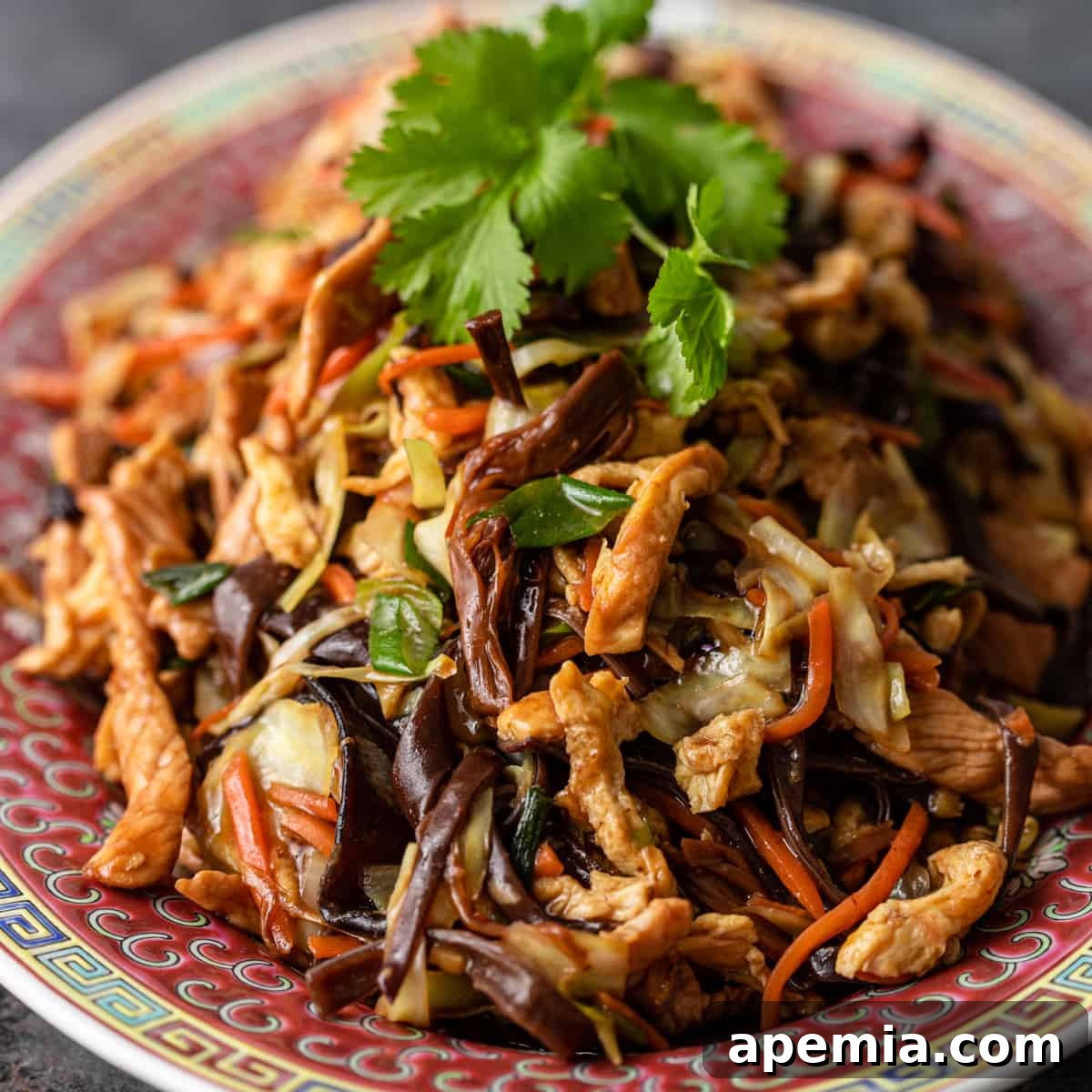
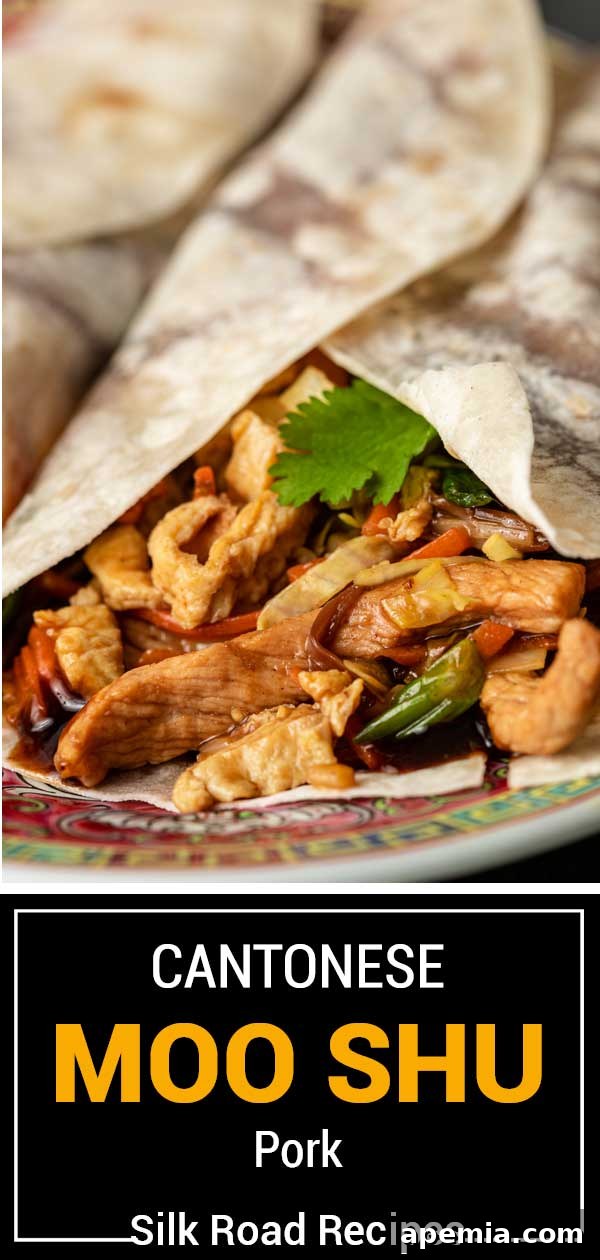
Experience the rich flavors and delightful textures of authentic Moo Shu Pork, a celebrated Northern Chinese stir-fry that has captured hearts worldwide. This dish features tenderly marinated strips of pork, expertly stir-fried with a vibrant medley of savory and sweet vegetables, all brought together by a luscious, thick sauce. Whether you roll it up in a soft pancake like a savory wrap, serve it elegantly over a bed of fluffy rice, or savor it on its own, Moo Shu Pork promises a truly unforgettable culinary journey.
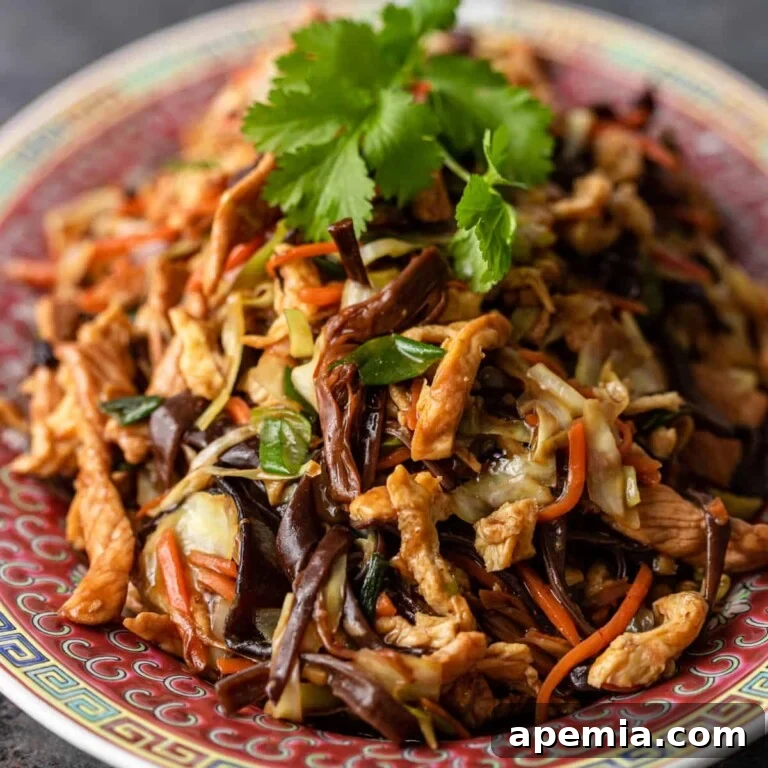
Moo Shu Pork, often seen on menus as “Mu Shi,” “Mu Xu,” or “Mu Shu” pork, is a cornerstone of Northern Chinese cuisine. Regardless of the spelling, the essence of the dish remains consistent: thinly-sliced, marinated pork, stir-fried to perfection with an array of fresh, crisp vegetables, and generously coated in a profoundly flavorful sauce. This classic Chinese stir-fry is brimming with authentic spices and seasonings, offering a complex yet harmonious taste profile that is both comforting and exciting.
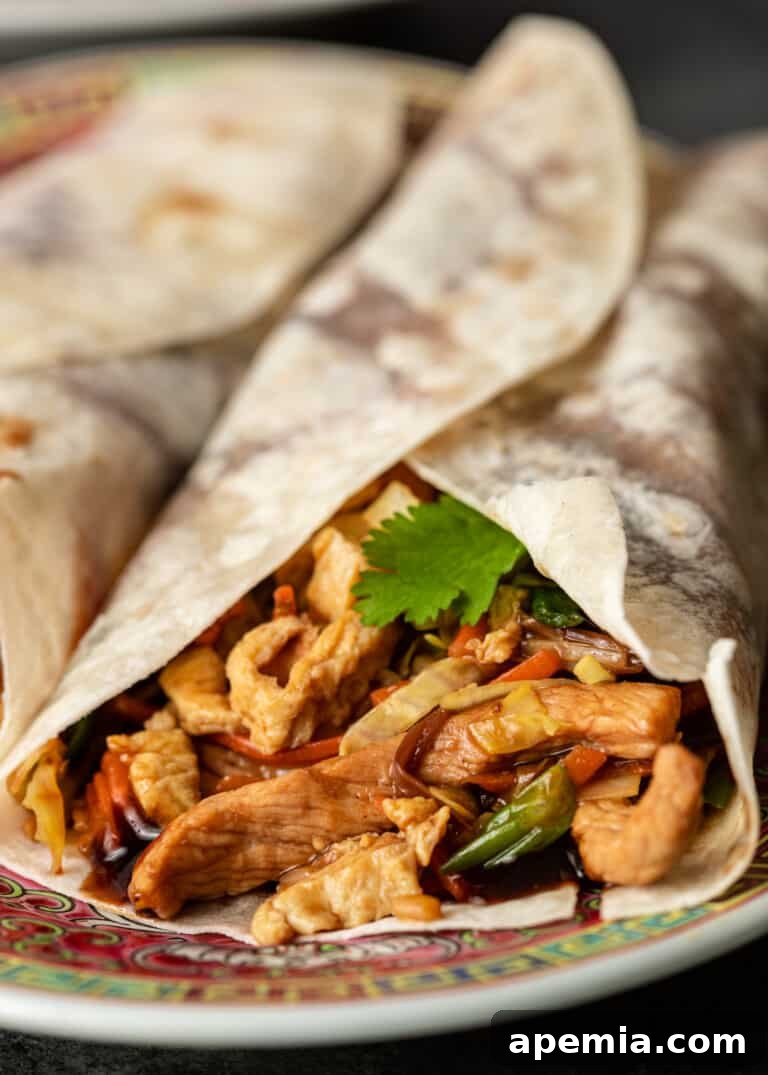
While traditional Chinese preparations of Moo Shu Pork might not have included pancakes, the dish found its iconic form in America around the 1960s, evolving into a beloved Chinese-American staple often likened to a savory burrito. This recipe embraces that popular adaptation, providing a convenient and delicious way to enjoy all the flavorful fillings wrapped in a soft, warm pancake. This fusion of tradition and innovation makes homemade Moo Shu Pork an accessible and incredibly satisfying meal for any home cook.
The delicious flavor profile of Moo Shu Pork is a testament to the versatility and depth of Chinese cuisine. If you enjoy this dish, you’ll love exploring other culinary gems such as Chinese BBQ (Char Siu) or a spicy and aromatic Szechuan Pork and Chinese Eggplant Stir Fry, both offering unique and delightful experiences.
The Story Behind Moo Shu Pork
The intriguing name “Moo Shu” is believed to be a phonetic approximation of “mù xū ròu” (木须肉), which literally translates to “wood ear meat.” This refers to the inclusion of wood ear mushrooms, a staple in many Chinese dishes, and the visual resemblance of the scrambled eggs to osmanthus flowers, sometimes called “wood ear blossoms.” Originating in Northern China, particularly Beijing, Moo Shu Pork has a long history as a hearty and flavorful dish, traditionally served with rice or steamed buns (mantou). The adaptation of serving it with thin pancakes, often brushed with hoisin sauce, is largely an American innovation that has become so popular it is now a standard offering in Chinese restaurants across the West. This delicious evolution allows diners to customize each bite, creating a unique, interactive dining experience.
Why Make Moo Shu Pork at Home?
Recreating Moo Shu Pork in your own kitchen offers several compelling advantages over ordering takeout. Firstly, you gain complete control over the freshness and quality of your ingredients, ensuring a healthier and more flavorful meal. You can select lean cuts of pork, adjust the amount of oil, and ensure your vegetables are at their peak crispness. Secondly, mastering this dish at home allows for customization; you can tweak the spice levels, add your favorite vegetables, or experiment with different proteins. Finally, there’s an immense satisfaction in preparing such an iconic dish from scratch. The aroma of garlic and ginger sizzling in the wok, the vibrant colors of the stir-fry coming together, and the joy of rolling your own flavorful wraps make for a rewarding culinary adventure that is truly impressive for family and guests alike.
Ingredient Notes and Substitutions for Perfect Moo Shu Pork
Crafting exceptional Moo Shu Pork begins with understanding each ingredient’s role. Here’s a detailed look at what you’ll need and potential substitutions:
- Pork: The key to tender Moo Shu Pork is thinly julienned pork. Lean cuts like pork loin, tenderloin, or boneless pork chops are ideal. Slicing the pork thinly ensures it cooks quickly and absorbs the marinade effectively, resulting in a succulent texture.
- Marinade: This quick marinade is designed to tenderize the pork and infuse it with rich flavor.
- Shaoxing Wine: A dark, fragrant Chinese cooking wine essential for authentic flavor. Its sweet and earthy notes add depth. If unavailable, dry sherry makes a suitable substitute.
- Light Soy Sauce: Provides a salty, umami base without the darker color and sometimes overpowering flavor of regular soy sauce. Regular soy sauce can be used if light soy sauce is not at hand.
- Cornstarch: A crucial ingredient that creates a protective coating on the pork, ensuring it stays moist and tender during high-heat stir-frying, giving it that desirable velvety texture.
- White Pepper: Offers a milder, slightly mustier heat compared to black pepper, contributing to the delicate balance of Chinese flavors.
- Minced Garlic & Ginger: These aromatic staples are fundamental to Chinese cooking. They not only flavor the meat but also contribute to its tenderness.
- Stir Fry Vegetables: A harmonious blend of textures and flavors makes the vegetable component shine.
- Cabbage: Thinly cut green cabbage adds a refreshing crunch and subtle sweetness.
- Carrots: Shredded carrots provide a pop of color, natural sweetness, and a tender-crisp texture.
- Green Onion: Sliced green onions offer a mild oniony bite and vibrant freshness.
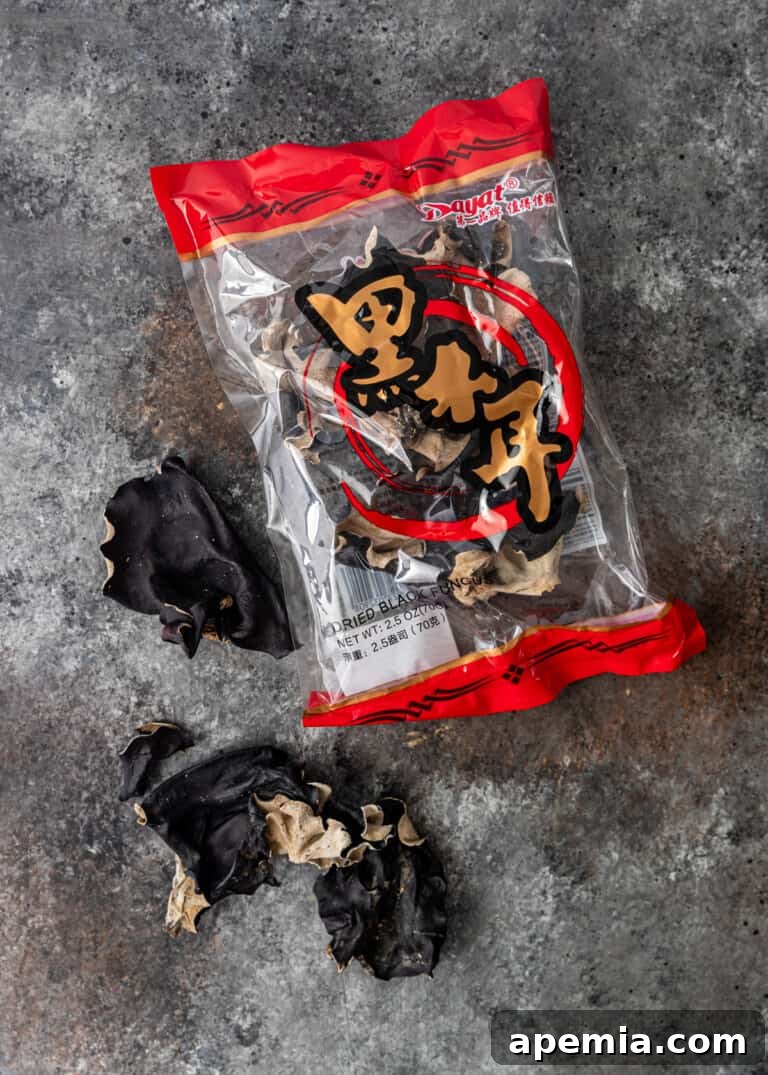
- Dried Black Wood Ear Fungus: This mushroom is prized for its unique soft yet crunchy texture and mild, earthy flavor. Rehydrate it thoroughly before slicing. Shiitake mushrooms can be used as an alternative, offering a richer, more umami flavor.
- (Optional) Rehydrated Lily Buds: Also known as “golden needles,” these edible dried flowers contribute a distinct crisp texture and a sweet-tart, subtly floral flavor. They add an authentic touch but are optional if hard to find.
- (Optional) Cucumber: Sliced cucumber can be added for extra freshness and a cool, crisp counterpoint to the stir-fry.
- Eggs: Lightly beaten eggs are quickly cooked into a thin omelet, then sliced into delicate ribbons, adding a soft, fluffy texture and rich flavor to the dish.
- Sauce: The thick, savory sauce binds all the ingredients together, creating the signature coating.
- Chicken Stock: Forms the liquid base of the sauce, providing a savory foundation.
- Cornstarch: Thickens the sauce, giving it a glossy sheen and ensuring it clings beautifully to the pork and vegetables.
- Oyster Sauce: A key ingredient for its rich, savory, slightly sweet, and umami depth.
- Soy Sauce: Enhances the overall savory profile.
- Sesame Oil: Added at the end for its distinctive nutty aroma and flavor, a hallmark of many Asian dishes.
- Assembly:
- Moo Shu Pancakes: Soft, thin, and pliable, these are essential for wrapping the stir-fry. Homemade pancakes are highly recommended for the best experience.
- Hoisin Sauce: A sweet and savory Chinese barbecue sauce that is spread on the pancakes before filling, adding a crucial layer of flavor and moisture.
- Cilantro: Fresh cilantro leaves provide a vibrant, herbaceous garnish, adding a refreshing counterpoint to the rich flavors.
-

dried black wood ear fungus -
dried lily flowers
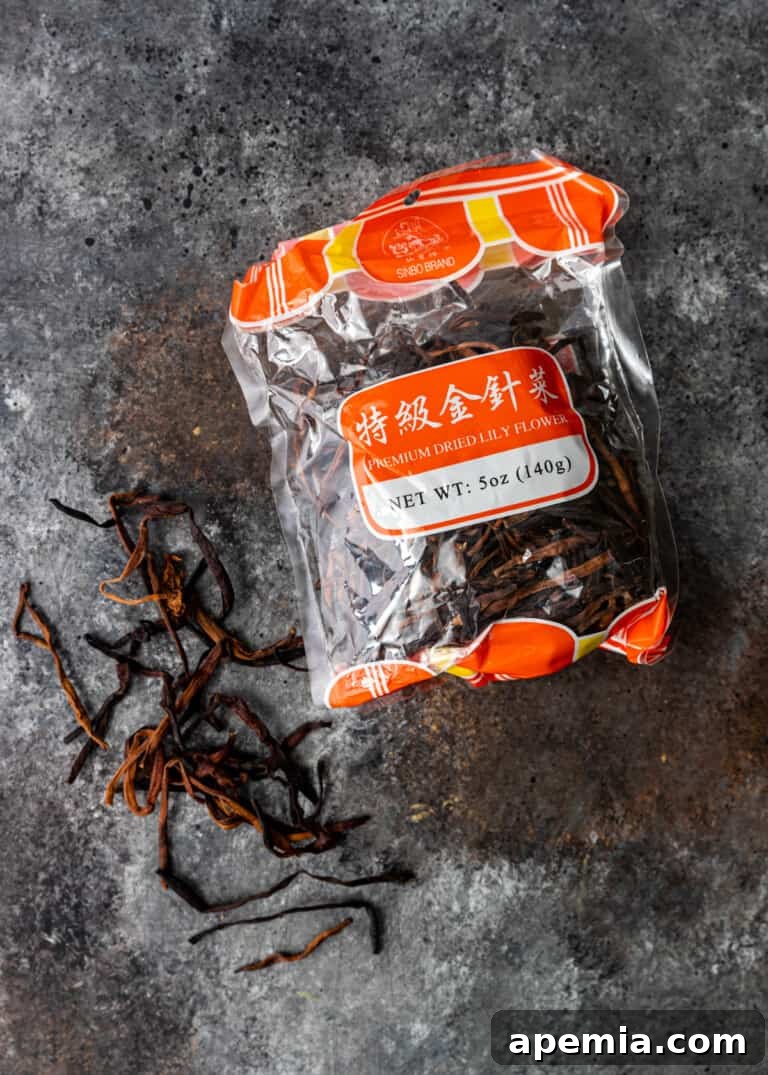
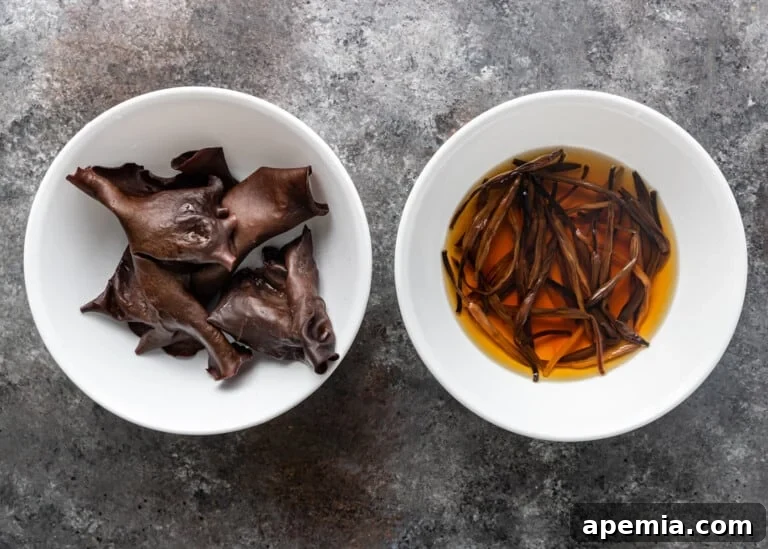
How to Prepare the Ingredients for Moo Shu Pork
Efficient preparation, or “mise en place,” is key to the success of any stir-fry. Have all your ingredients ready before you start cooking.
- Rehydrate and Mix the Sauce: Begin by placing the dried wood ear fungus (and lily buds, if using) in hot water for about 10 minutes until plump and tender. While they rehydrate, whisk together all the sauce ingredients—chicken stock, cornstarch, oyster sauce, soy sauce, and sesame oil—in a small bowl. Set this mixture aside.
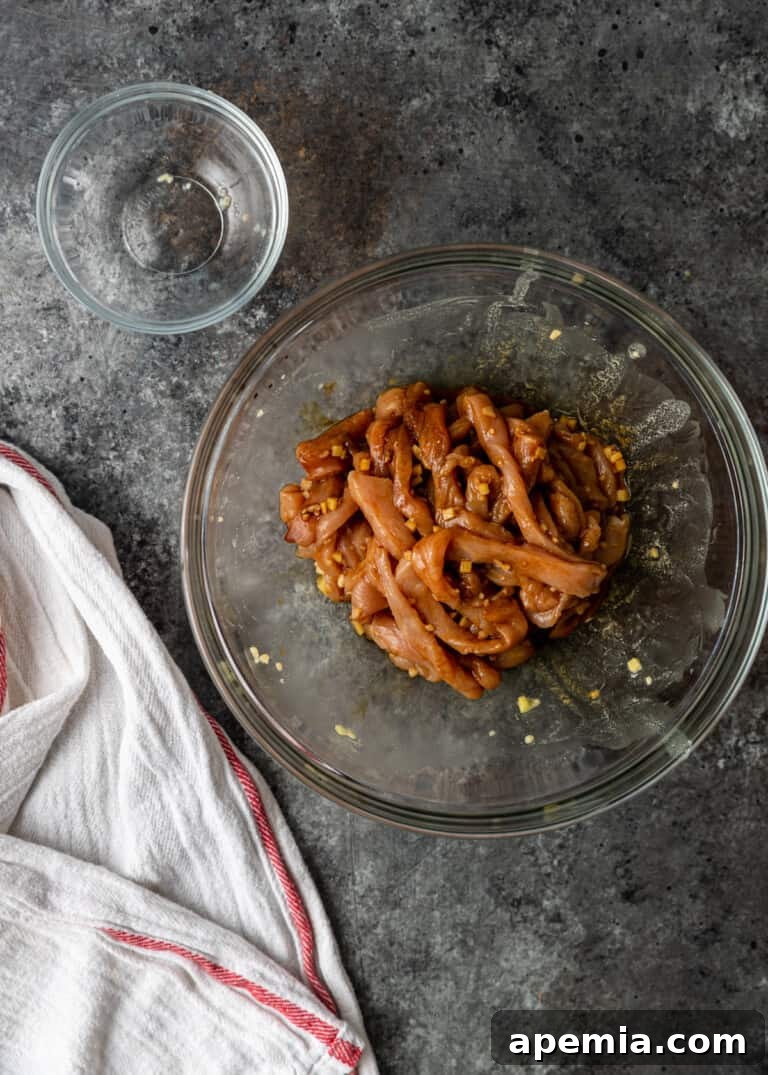
- Marinate the Pork: In a separate bowl, combine the thinly sliced pork with all the marinade ingredients: Shaoxing wine, cornstarch, light soy sauce, white pepper, minced garlic, and ginger. Toss the pork thoroughly with your hands or a spatula until every strip is evenly coated. Set aside to allow the flavors to meld.
- Prepare the Vegetables: Once the fungus is rehydrated, squeeze out any excess water and thinly slice it. Do the same for the cabbage. Combine the sliced fungus, cabbage, shredded carrots, and diagonally sliced green onions in a large bowl. Add optional cucumber slices if desired. Keep these ready for the stir-fry.
- Beat the Eggs: Crack the eggs into a small bowl and beat them lightly with a whisk until the yolks and whites are fully combined. Set this aside.
-
sliced vegetables -
sliced pork and marinade ingredients -
marinade mixed pork -
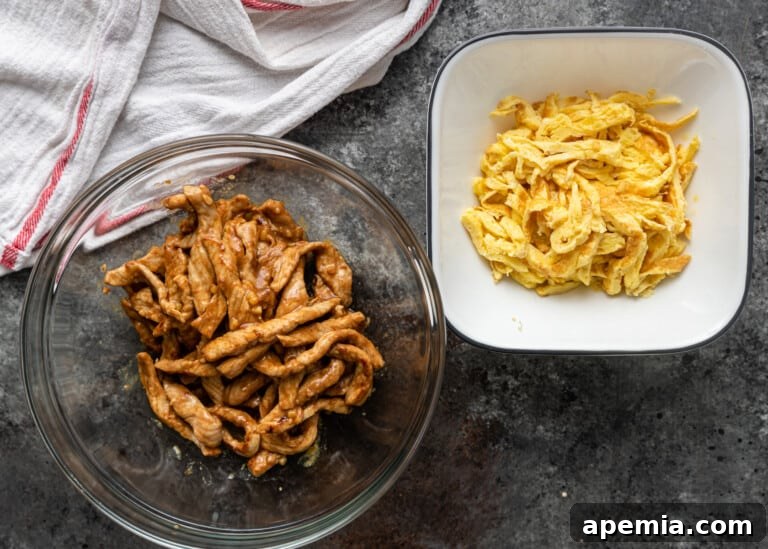
cooked pork and sliced egg
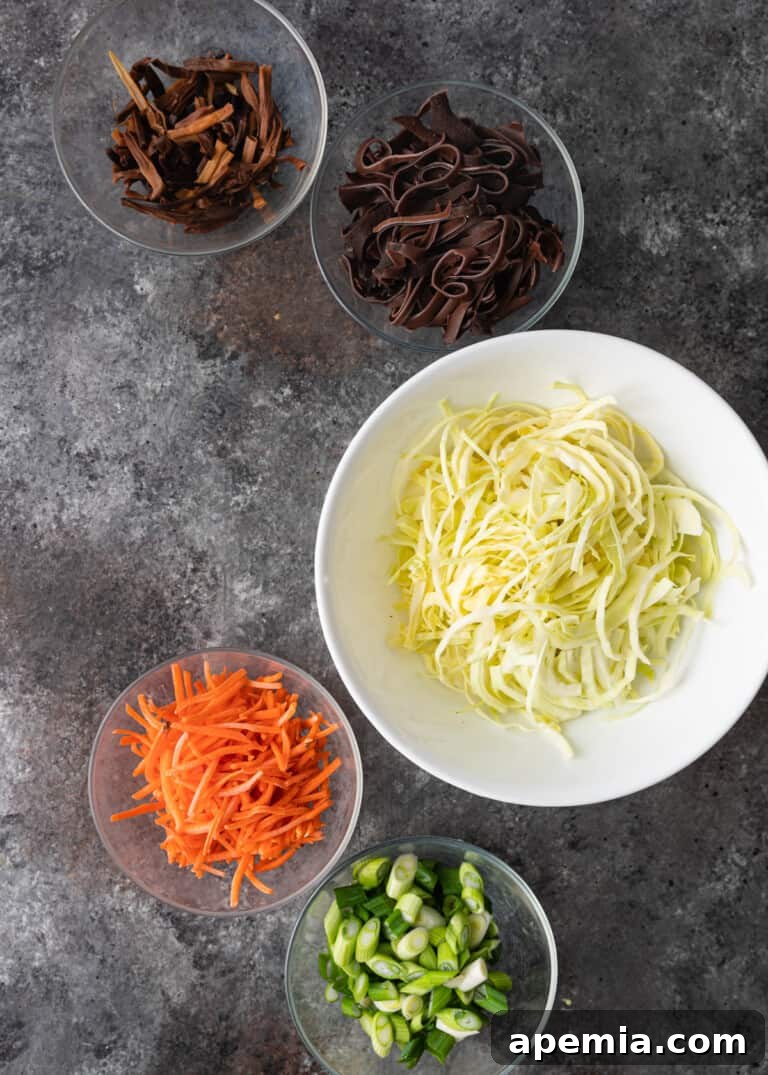
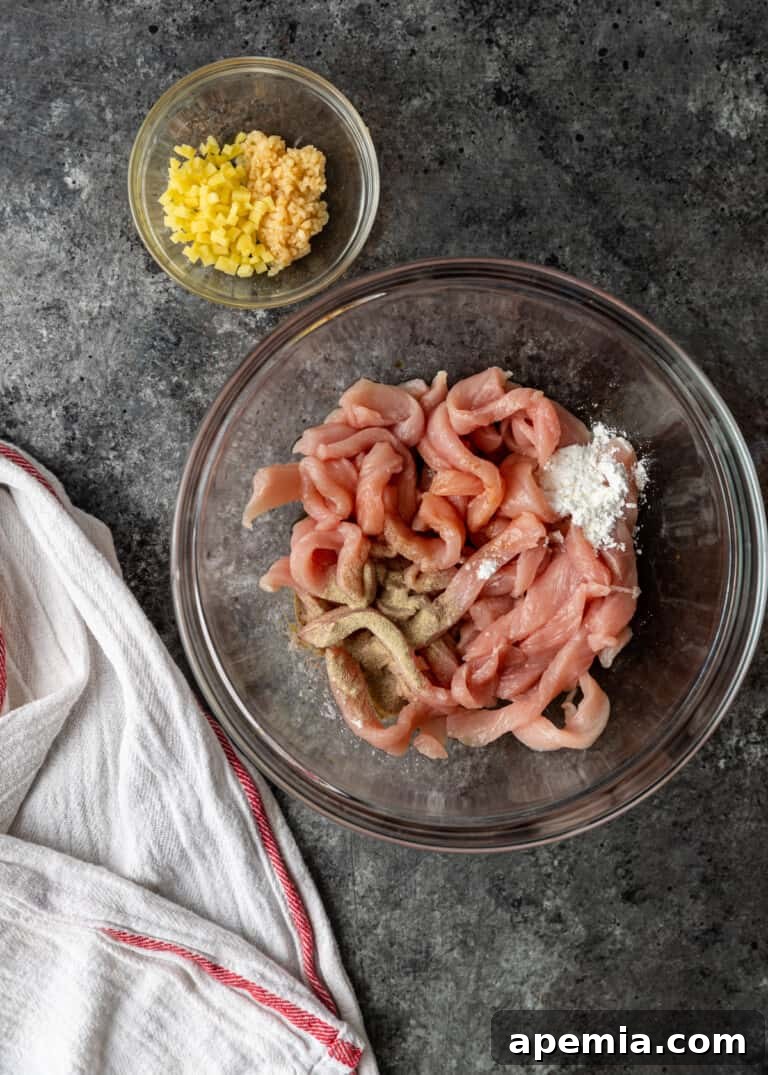
How to Make Moo Shu Pork
The magic of Moo Shu Pork comes alive with quick, high-heat cooking in a wok. Follow these steps for a perfectly cooked dish:
1. Make the Omelet: Heat your wok over high heat for 2-3 minutes until it’s smoking lightly. Add about one tablespoon of oil and swirl to coat the surface. Pour in the beaten eggs and quickly swirl the wok to create a thin, even layer like an omelet. Cook for about a minute until set, then carefully flip it with a spatula and cook for another minute. Remove the cooked omelet from the wok, let it cool slightly, then thinly slice it into ribbons. Set these egg strips aside with the cooked pork.
2. Cook the Pork: Add another tablespoon of oil to the hot wok. Once shimmering, add the marinated pork strips in a single layer (cook in batches if necessary to avoid overcrowding). Sauté for 2-3 minutes, stirring frequently, until the pork turns white and is no longer pink. Remove the cooked pork from the wok and set it aside with the egg strips.
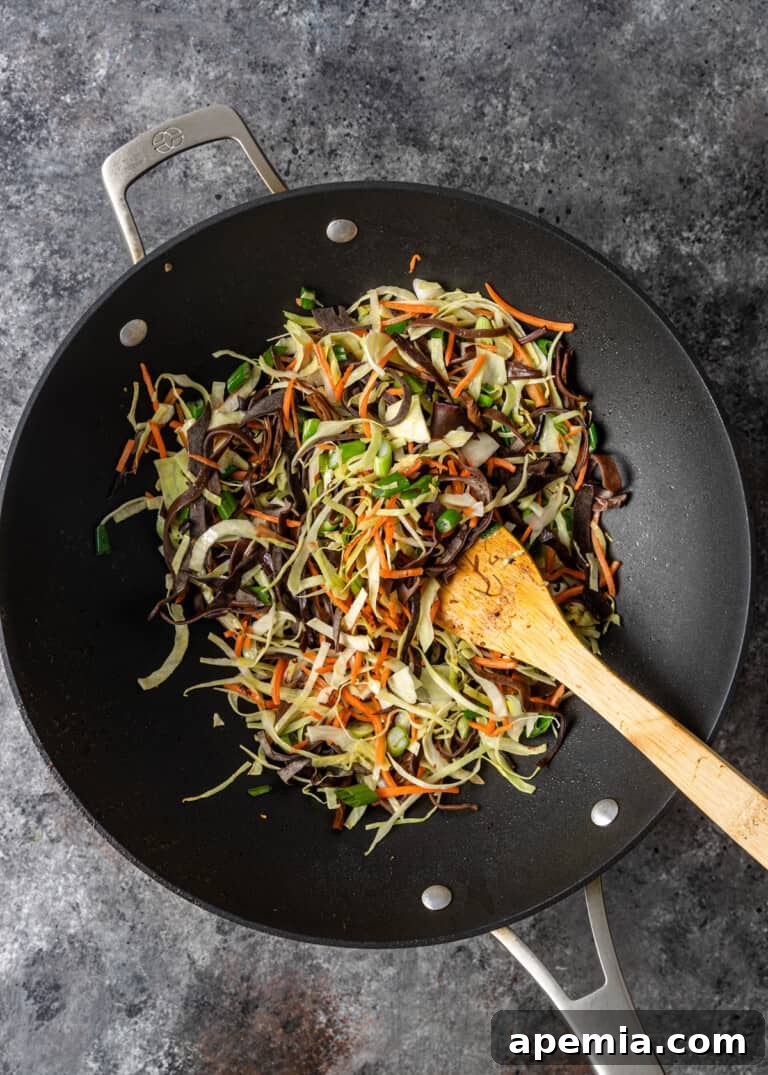
3. Stir Fry the Vegetables: With the wok still hot, add all the prepared vegetables (cabbage, carrots, green onion, wood ear fungus, and optional lily buds/cucumber). Stir-fry vigorously for approximately 8 minutes, or until the vegetables are tender-crisp and bright. The goal is to retain some of their natural crunch.
-
stir fried vegetables -
pork and egg added
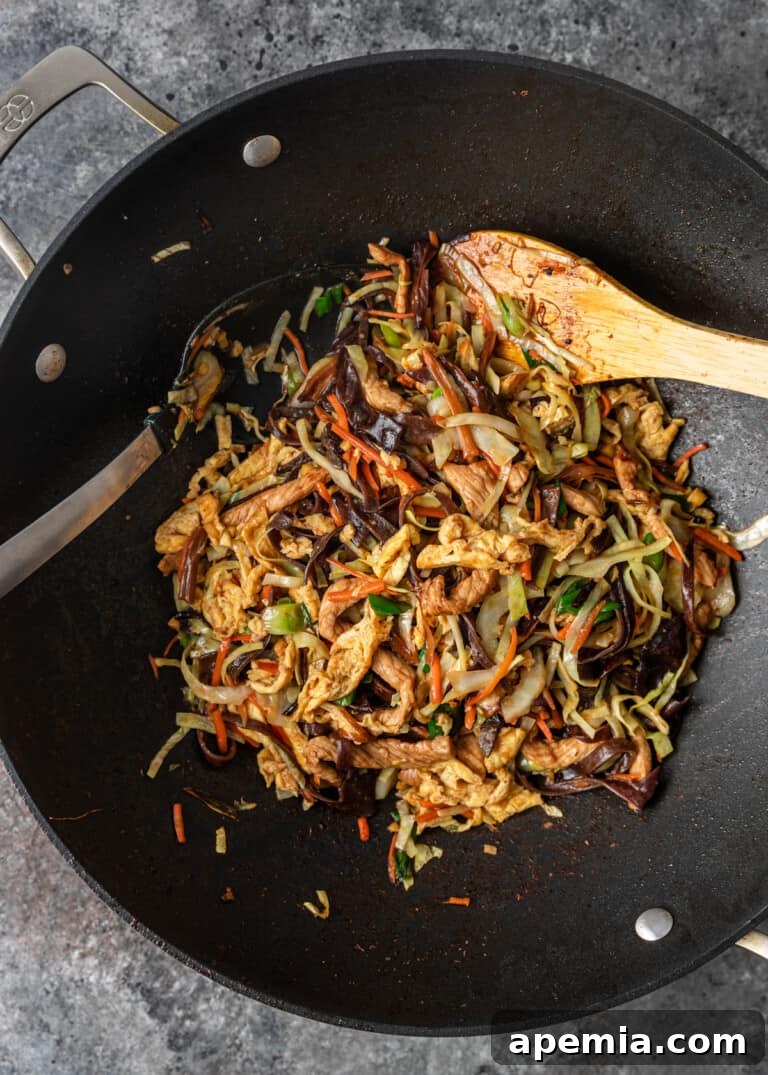
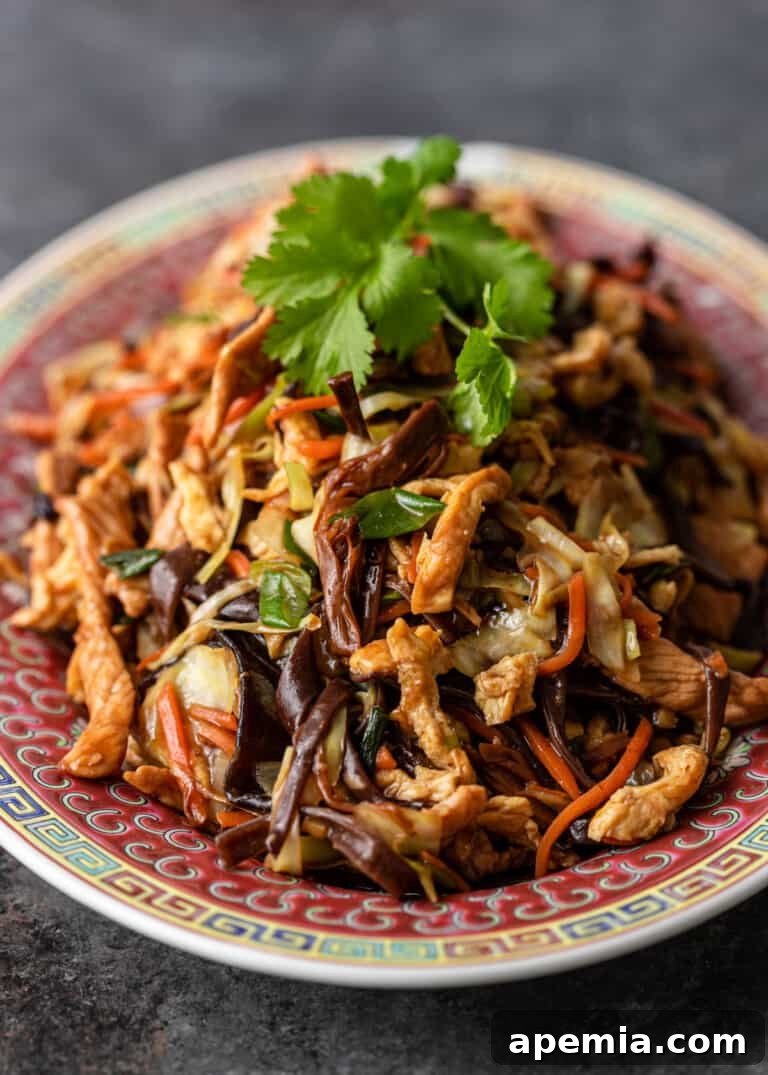
4. Combine with Sauce: Give the prepared sauce a quick stir to ensure the cornstarch is well mixed. Pour the entire sauce mixture over the stir-fried vegetables in the wok. Immediately return the cooked pork and sliced egg to the wok. Stir everything together constantly for about 2 minutes, allowing the sauce to thicken and beautifully coat all the ingredients. This quick simmering ensures the flavors meld and the desired glossy consistency is achieved.
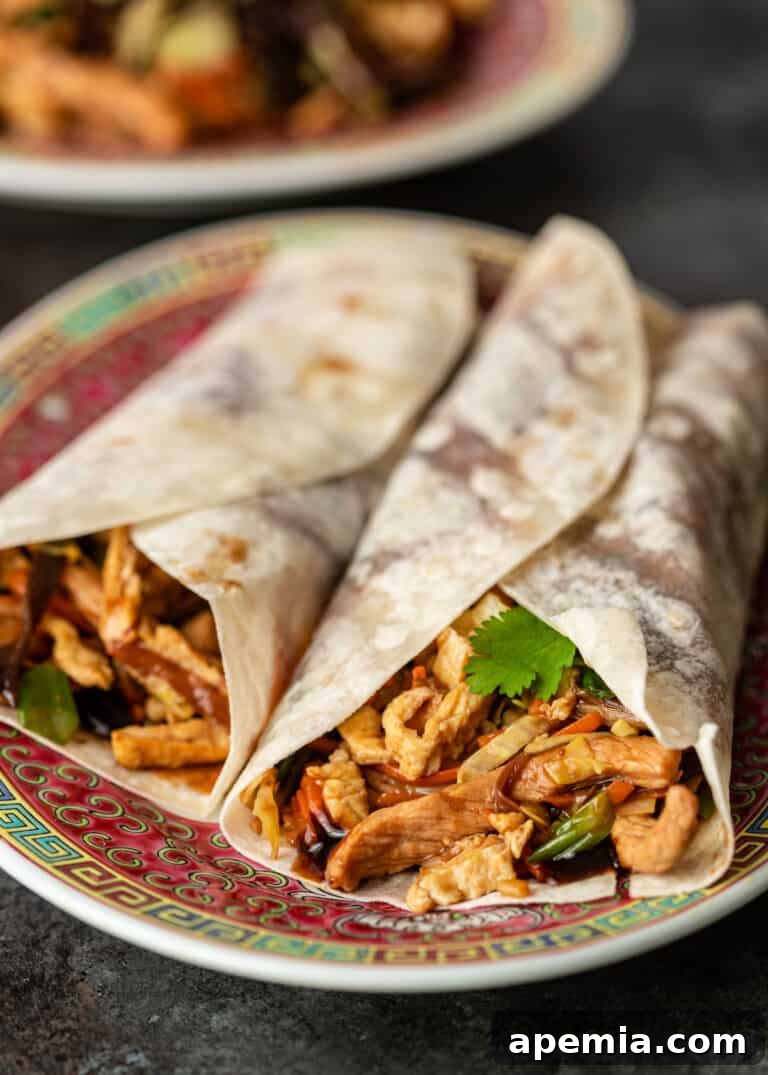
5. Assemble & Serve: Warm your moo shu pancakes until soft and pliable. Lay out each pancake and spread a tablespoon of rich hoisin sauce across its surface. Divide the delicious mu shu pork filling evenly among the pancakes. Garnish with fresh cilantro leaves if desired. Roll them up tightly like a burrito, and serve immediately for an authentic and satisfying meal!
What Does Moo Shu Pork Taste Like?
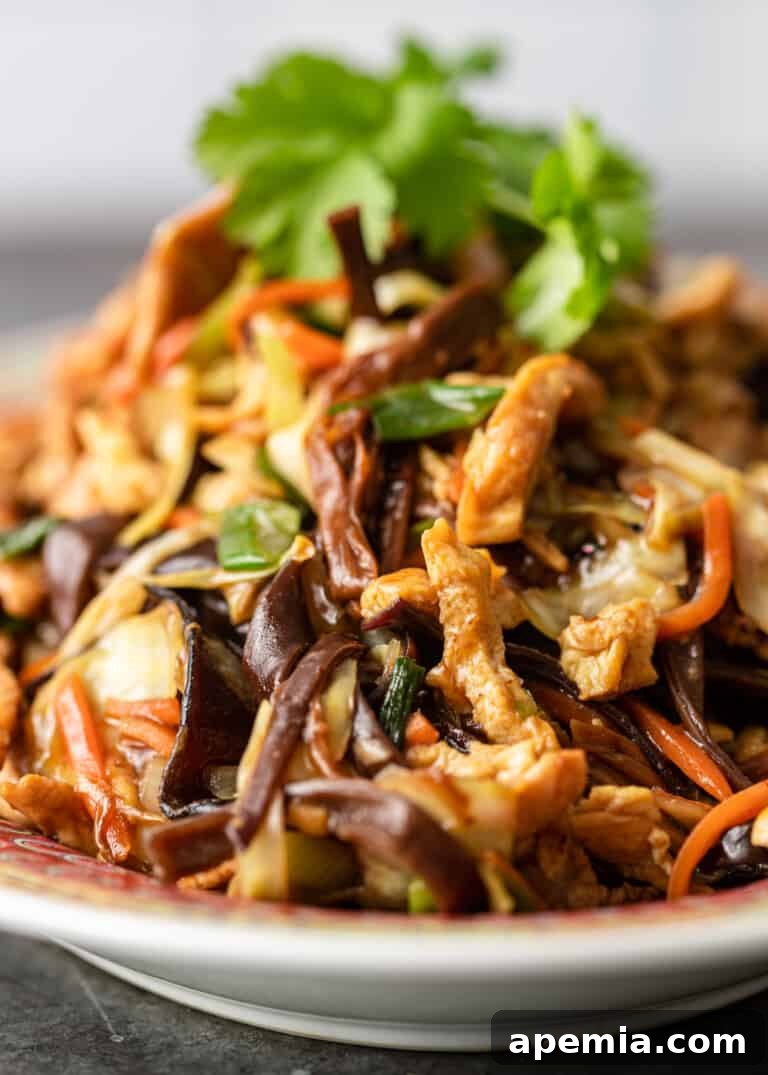
Moo Shu Pork offers a delightful symphony of flavors that is both complex and incredibly balanced. The thinly sliced pork is quickly marinated in a savory blend of rice wine, white pepper, garlic, ginger, and soy sauce, allowing it to rapidly absorb these aromatic notes and become incredibly tender. When stir-fried, it develops a delicious, savory depth. The vegetables, cooked to a crisp-tender perfection, contribute a fresh, slightly sweet contrast, while the delicate ribbons of egg add a subtle richness. All of these components are enveloped in a thick, glossy sauce that is simultaneously sweet, salty, and bursting with umami. The overall experience is one of savory satisfaction, with distinct aromatic highlights and a wonderfully varied texture.
How Do You Eat Moo Shu Pork?
While historically Moo Shu Pork might have been served simply with rice or steamed bread, the American-style presentation with pancakes has become incredibly popular and is how many now prefer to enjoy it. To eat, take a warm, soft moo shu pancake, spread a generous layer of rich hoisin sauce over it, then spoon a portion of the stir-fried pork and vegetable filling into the center. Roll it up tightly, like a savory burrito or taco, and enjoy! This interactive method allows each diner to customize their wrap and experience the delightful combination of tender pork, crisp vegetables, savory sauce, and sweet hoisin in every bite.
You can purchase ready-made pancakes from Asian markets, but I highly recommend making them fresh. My moo shu pancake recipe is incredibly easy to follow and yields perfectly soft, chewy wrappers that elevate the dish significantly. A warm homemade pancake with a nice smear of hoisin sauce truly completes the authentic experience!
If you prefer not to use pancakes, this flavorful and saucy stir-fry is also excellent served over a bed of steamed white rice or even enjoyed on its own as a hearty, low-carb meal.
What is Moo Shu Pork Sauce Made Of?
The delicious sauce that coats every ingredient in Moo Shu Pork is surprisingly simple yet incredibly effective. It’s typically a blend of savory chicken stock, rich oyster sauce, classic soy sauce for umami, and aromatic sesame oil for a nutty finish. A touch of cornstarch is whisked in to thicken the mixture, giving the sauce its characteristic glossy texture that beautifully clings to the pork, vegetables, and eggs. This combination creates a perfect balance of sweet, savory, and umami flavors that is the hallmark of a great Moo Shu Pork dish.
Moo Shu Pork
Pin Recipe
Print Recipe
Video
Ingredients
Pork / Marinade
- 8 ounces pork julienned thin strips (See Note 1)
- 1 tbsp Shaoxing wine (or dry sherry)
- 1 tsp cornstarch
- 1 tsp light soy sauce (or soy sauce)
- 1/2 tsp white pepper
- 3 cloves garlic minced
- 1 tbsp ginger minced
Vegetables
- 1 ounce dried black wood ear fungus (or 8 dried shitake mushrooms)
- 20 dried lily buds (optional)
- 2 cups green cabbage cut thin
- 1 cup carrot shredded
- 4 green onions cut 45° slices
- 1 cucumber halved and cut 45° slices (optional)
Eggs
- 3 eggs beaten lightly
- 2 tbsp oil
Sauce
- 1/4 cup chicken stock
- 1 tsp cornstarch
- 1 tablespoon oyster sauce
- 1 tsp soy sauce
- 1/2 teaspoon sesame oil
Assembly
- 8 moo shu pancakes
- 1/2 cup hoisin sauce (8 tablespoons, 1 per pancake)
- cilantro leaves (optional)
Instructions
Prep
-
Rehydrate the wood ears or mushrooms by submerging in hot water for 10 minutes. Whisk together the Sauce ingredients in a bowl and set aside.
-
In a bowl, add the julienned pork and then add Marinade ingredients. Use your hands or a spatula and toss the pork in the marinade until thoroughly coated. Set aside.
-
Squeeze excess water from the rehydrated vegetables. Cut your wood ears or mushrooms and cabbage into thin strips. Add to a bowl with shredded carrot, sliced green onions, and cucumber (if using). Set aside.
-
Whisk the eggs lightly in a small bowl. Set aside.
Cook
-
Set your wok over high heat for 2-3 minutes until hot. Add 1 tablespoon of oil and swirl to coat the wok. Pour in the beaten eggs and swirl to coat the bottom of the wok, cooking for 1 minute until set. Carefully flip the omelet with a spatula and cook for another minute. Remove from the wok and cut into thin strips. Set aside.
-
Reheat the wok over high heat for 1 minute and add the remaining 1 tablespoon of oil, swirling to coat. Add the marinated pork and cook until the pork is no longer pink and turns white (2-3 minutes). Remove the cooked pork from the wok and set aside. Add all the prepared vegetables to the wok and stir-fry for 8 minutes until tender-crisp.
-
Stir the Sauce mixture well and pour it over the vegetables in the wok. Return the cooked pork and sliced eggs to the wok. Stir for 2 minutes, allowing the sauce to thicken and coat all the ingredients beautifully.
Assemble
-
Warm the moo shu pancakes. Spread a tablespoon of hoisin sauce on each pancake. Divide the moo shu pork filling evenly among 8 pancakes. Garnish with optional fresh cilantro leaves. Roll up each pancake like a burrito and serve immediately.
Notes
- I recommend using a lean 4-ounce piece of pork, such as pork loin, pork tenderloin, or a boneless pork chop, for best results.
Nutrition
The information shown is an estimate provided by an online nutrition calculator. It should not be considered a substitute for a professional nutritionist’s advice.
Tips for Success
To ensure your Moo Shu Pork turns out perfectly every time, consider these essential tips:
- Prep Everything First (Mise en Place): Stir-frying is a fast cooking method, so having all your ingredients chopped, measured, and ready before you even turn on the heat is crucial. This prevents overcooking and ensures a smooth cooking process.
- Use a Hot Wok: A blazing hot wok is essential for achieving that authentic “wok hei” (breath of the wok) flavor and for searing ingredients quickly. Don’t be afraid to let your wok get very hot before adding oil.
- Don’t Overcrowd the Wok: Cook the pork in batches if necessary. Overcrowding lowers the temperature of the wok, leading to steaming instead of searing, which can result in tough meat and soggy vegetables.
- Thin Slicing is Key: Ensure your pork and vegetables are thinly and evenly sliced or julienned. This promotes even cooking and a consistent texture throughout the dish.
- Adjust Seasoning to Taste: Taste your sauce and the finished stir-fry. Depending on your preference and the saltiness of your soy sauce, you might want to add a pinch more salt or a dash of sugar.
- Make Your Own Pancakes: While store-bought moo shu pancakes are convenient, homemade ones are significantly better in texture and flavor, elevating the entire dish.
Variations and Customizations
Moo Shu Pork is a versatile dish that can be easily adapted to your preferences or what you have on hand:
- Protein Swaps: Not a fan of pork? This recipe works beautifully with thinly sliced chicken breast or thigh, beef, or even firm tofu for a vegetarian option. Simply adjust cooking times accordingly.
- Vegetable Alternatives: Feel free to experiment with other stir-fry friendly vegetables. Bean sprouts, bamboo shoots, snow peas, or sliced bell peppers can all be excellent additions, adding different textures and flavors.
- Spice Level: For those who enjoy a bit of heat, consider adding a pinch of red pepper flakes to the stir-fry, or a dash of chili oil to your hoisin sauce.
- Gluten-Free Option: To make this dish gluten-free, substitute regular soy sauce with tamari and ensure your hoisin sauce is certified gluten-free (some brands are).
- Different Wraps: If moo shu pancakes aren’t available, lettuce cups can provide a crisp, refreshing alternative, or you can use small flour tortillas.
Conclusion: Your Homemade Moo Shu Pork Adventure Awaits
Moo Shu Pork is more than just a meal; it’s an experience. This comprehensive guide has walked you through every step, from understanding its rich history and authentic flavors to mastering the art of its preparation and cooking. By using fresh ingredients, applying proper techniques, and embracing the interactive nature of the dish, you can bring the vibrant tastes of Northern Chinese cuisine right into your home. The combination of tender marinated pork, crisp stir-fried vegetables, delicate egg, and a savory sauce, all nestled within a warm pancake, creates a harmonious blend of textures and flavors that is truly irresistible. We encourage you to embark on this culinary adventure, customize it to your liking, and share the joy of homemade Moo Shu Pork with your loved ones. Get ready to impress and savor every delicious bite!