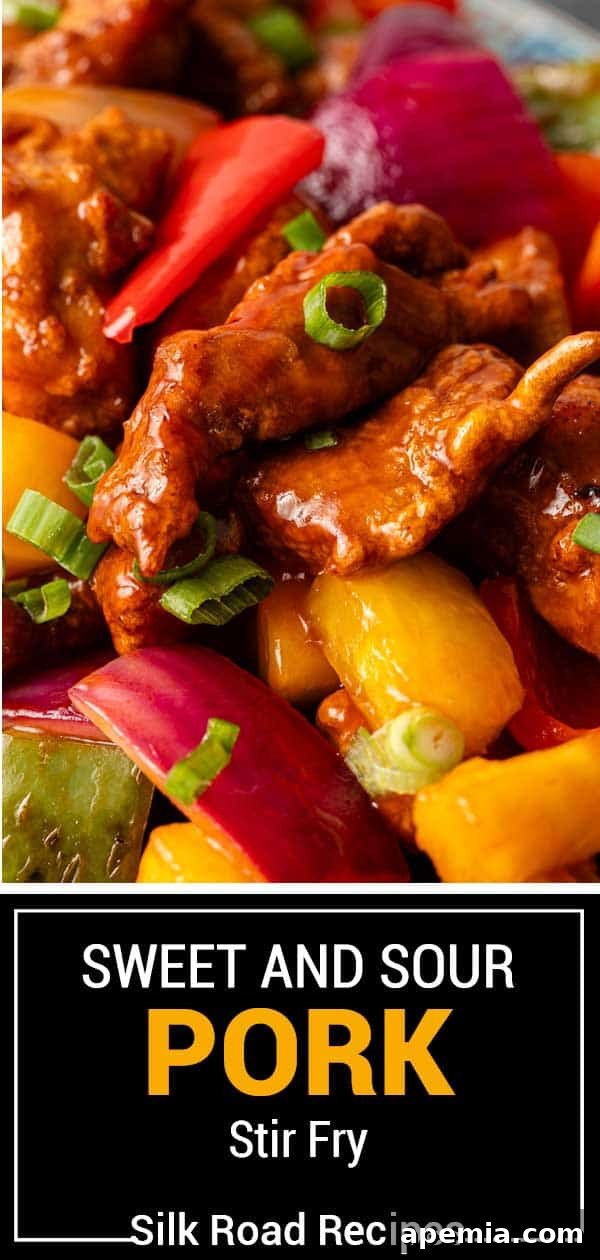
Experience the ultimate in Chinese comfort food with this incredibly delicious and easy-to-make Crispy Sweet and Sour Pork. Perfectly tender pork, expertly velveted and fried to a golden crisp, is then generously coated in a vibrant, tangy-sweet sauce. Tossed with crunchy stir-fried onions, colorful bell peppers, and juicy pineapple chunks, this dish promises an explosion of classic Cantonese flavors that will transport your taste buds straight to your favorite Chinese restaurant – all from the comfort of your own kitchen! What’s even better? This mouthwatering meal can be ready in just 30 minutes, making it a perfect weeknight dinner solution that truly outshines takeout.

Sweet and sour pork isn’t just a dish; it’s a global culinary icon that embodies the heart of Chinese cuisine, particularly the widely celebrated Cantonese style. When one thinks of Chinese food, this vibrant and flavorful creation often springs to mind, cherished for its unique balance of tastes and textures. Its origins trace back to Southern China, where cooks mastered the art of combining savory, sweet, and sour elements into a harmonious whole. This classic preparation utilizes time-honored Chinese cooking techniques to transform simple ingredients into an extraordinary meal.
At the core of an unforgettable sweet and sour pork lies its magnificent sauce. This luscious, glossy concoction is the star of the show, bringing all the elements together. Our recipe begins with succulent pork, meticulously “velveted” in a peppery, garlicky soy sauce marinade, which ensures unparalleled tenderness. After a quick stir-fry to achieve a beautifully crispy, golden-brown exterior, the juicy pork pieces are enveloped in a rich, homemade sweet and sour sauce. This signature sauce, crafted from a perfect blend of sugar and vinegar, receives an extra layer of tanginess from ketchup and a velvety thickness from cornstarch. As it simmers, the thick sauce clings effortlessly to each tender, crispy morsel, coating them in a irresistible glaze, perfectly complemented by the crisp stir-fried bell peppers, onions, and sweet pineapple.
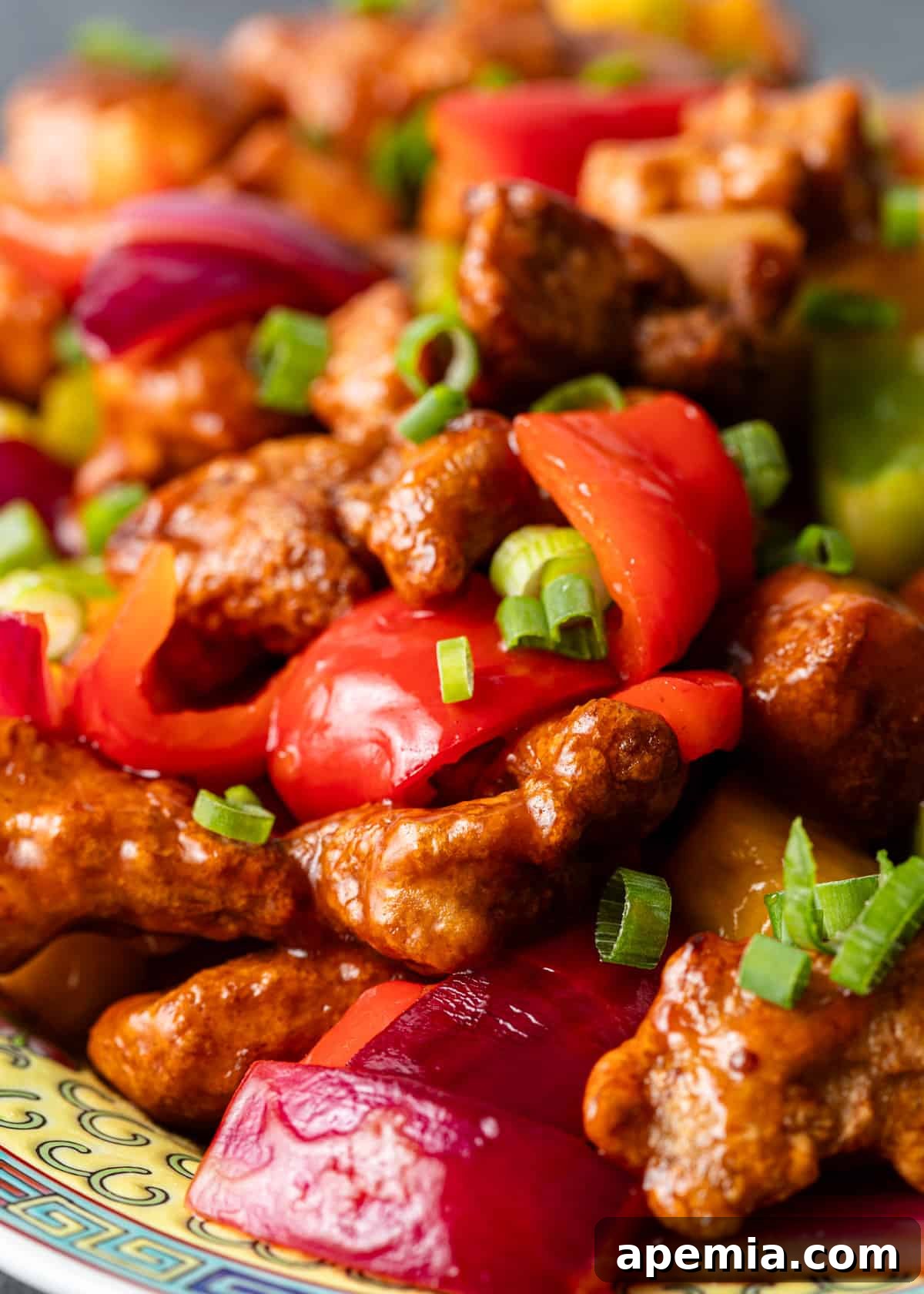
While this delightful sweet and sour flavor profile pairs wonderfully with various proteins – from chicken to tofu – it truly shines with pork. The robust texture and rich flavor of pork stand up beautifully to the bold sauce, creating a truly satisfying experience. You might also recognize this versatile sauce as a fantastic dipping sauce for appetizers like crispy egg rolls or other fried Chinese delicacies, proving its widespread appeal. We even love it on slow-cooked ribs for a different, yet equally delicious, spin!
Table of Contents
- Mastering the Crispy Batter
- Essential Ingredient Notes and Smart Substitutions
- Step-by-Step Guide: How to Make Sweet and Sour Pork
- Recommended Kitchen Tools for Success
- Storing and Reheating Leftovers
- Frequently Asked Questions about Sweet and Sour Pork
- Sweet and Sour Pork Recipe Card
This homemade sweet and sour pork recipe is incredibly versatile and makes a fantastic centerpiece for any meal. It’s superb when served alongside a bowl of fluffy, steamed white rice, which perfectly soaks up the extra sauce. For a more indulgent side, pair it with savory pork fried rice. However, my absolute favorite accompaniment remains tender lo mein noodles, which offer a delightful textural contrast to the crispy pork and vibrant vegetables. No matter your choice, this dish promises a satisfying and wholesome meal.
Chef’s Tip
Mastering the Crispy Batter for Sweet and Sour Pork
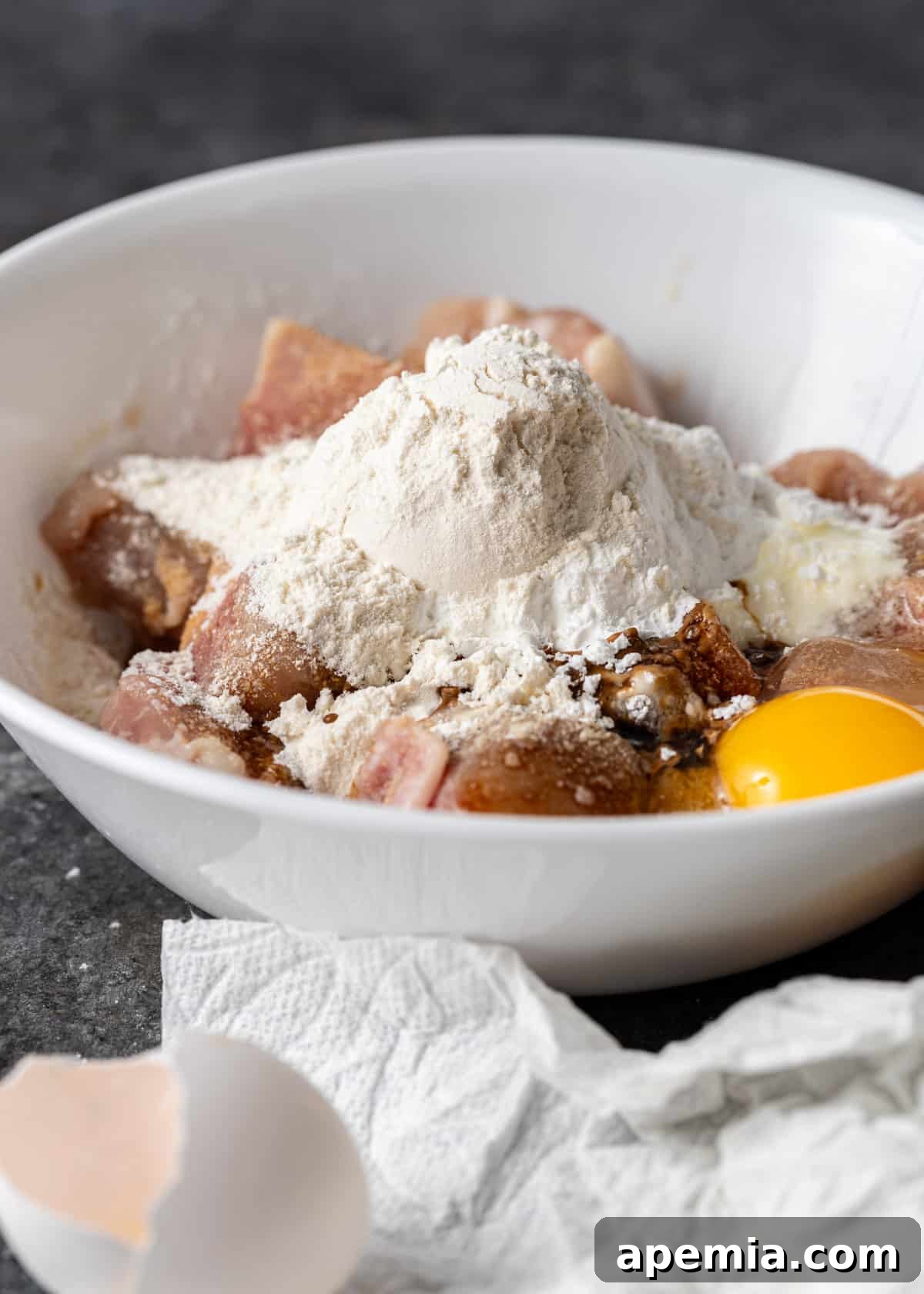
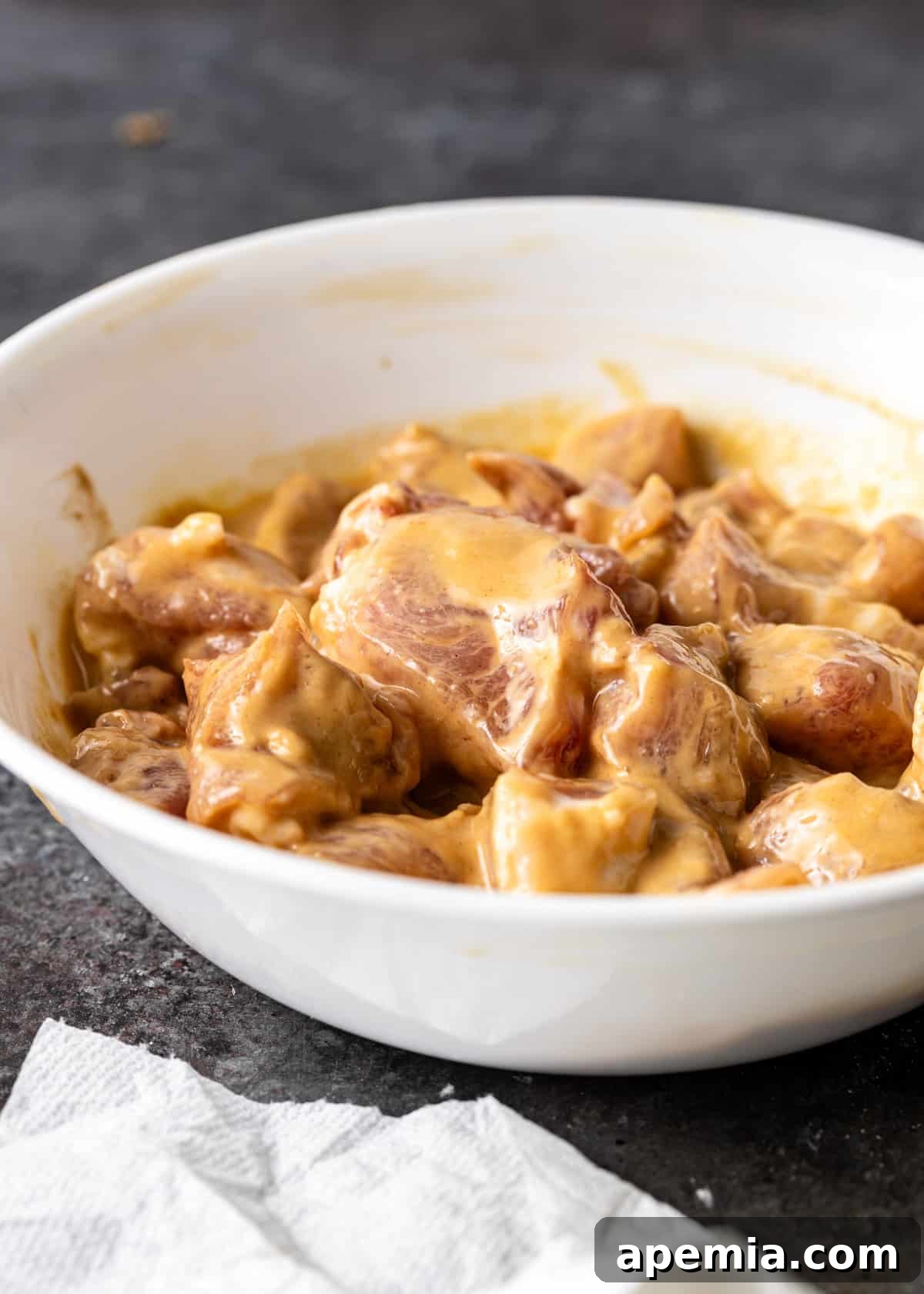
The secret to truly exceptional sweet and sour pork lies in its unique, crispy exterior. This recipe employs a light yet effective batter that serves a dual purpose: it acts as a flavorful marinade, tenderizing the pork from within, and it creates that highly coveted crunchy coating when fried. This ingenious method ensures each piece of pork is succulent on the inside and irresistibly crisp on the outside, ready to absorb the rich sweet and sour sauce. This approach isn’t just about taste; it’s about making your cooking process easier and faster, without compromising on that authentic takeout-style crunch.

Essential Ingredient Notes and Smart Substitutions
- Pork: For a classic sweet and sour pork stir-fry, pork shoulder is an excellent choice. It’s flavorful and holds up well to frying. However, don’t feel limited! As explored in our FAQ section below, other cuts like pork butt (often labeled Boston butt), loin, or even tenderloin can be used with great success, especially when employing the velveting technique.
- Bell Peppers: We opt for a vibrant mix of green and red bell peppers for their contrasting colors and slightly different flavor profiles. Feel free to incorporate yellow or orange bell peppers for an even more colorful and aesthetically pleasing dish. They all contribute a wonderful sweetness and crisp texture.
- Red Onion: Red onion offers a slightly sharper, more pungent flavor that mellows beautifully when stir-fried, adding depth to the dish. If you prefer a milder onion flavor, yellow onion is a perfectly suitable and common substitute for sweet and sour pork.
- Pineapple: Fresh pineapple brings an irresistible tropical sweetness and tartness that is crucial to authentic sweet and sour pork. If fresh pineapple is difficult to source or prepare, fear not! Canned pineapple chunks (ensure they are drained of their liquid to prevent sogginess) or even frozen pineapple chunks can be used. For those who aren’t fans of pineapple, it can be simply omitted without ruining the dish, though you’ll miss a classic flavor note.
- Pork Marinade: This potent marinade is key to tenderizing the pork and building flavor from the inside out. It consists of light soy sauce for umami, garlic powder for aromatic depth, white pepper for a subtle heat, and kosher salt. The real magic happens with three crucial additions:
- Egg, Cornstarch, & All-Purpose Flour: This powerful trio works synergistically to both tenderize the pork through a process known as “velveting” and to create a thick, seasoned coating. When fried, this coating crisps up beautifully, becoming the perfect canvas to “swallow” and hold onto the sweet and sour sauce, ensuring every bite is flavorful and satisfying.
- Sweet and Sour Sauce: Our signature sweet and sour pork sauce is a marvel of balance, typically built on equal parts ketchup and brown sugar, which provide a foundational sweetness and depth. A slightly lesser amount of white vinegar introduces the essential tangy kick. Water helps achieve the right consistency, and a touch of cornstarch is crucial for giving the sauce its signature luscious viscosity, allowing it to beautifully coat the ingredients. Finally, a pinch of salt balances the flavors. If necessary, regular white sugar can be substituted for brown sugar, and other neutral-tasting vinegars like rice vinegar or apple cider vinegar can replace white vinegar, though they may slightly alter the flavor profile.

Step-by-Step Guide: How to Make Crispy Sweet and Sour Pork
- Prepare for Frying: Preheat your oven to a low 200°F (95°C). Line a baking tray with paper towels and place a wire rack over it. This setup will keep your fried pork crispy and warm while you finish the rest of the dish.
- Marinate the Pork: In a medium bowl, thoroughly whisk together all the pork marinade ingredients until well combined. Add your cubed pork shoulder to the bowl and toss gently, ensuring each piece is fully coated in the marinade/batter mixture. Set the pork aside to marinate while you prepare the sauce and chop your vegetables. Even a short 10-15 minute marinade makes a difference.
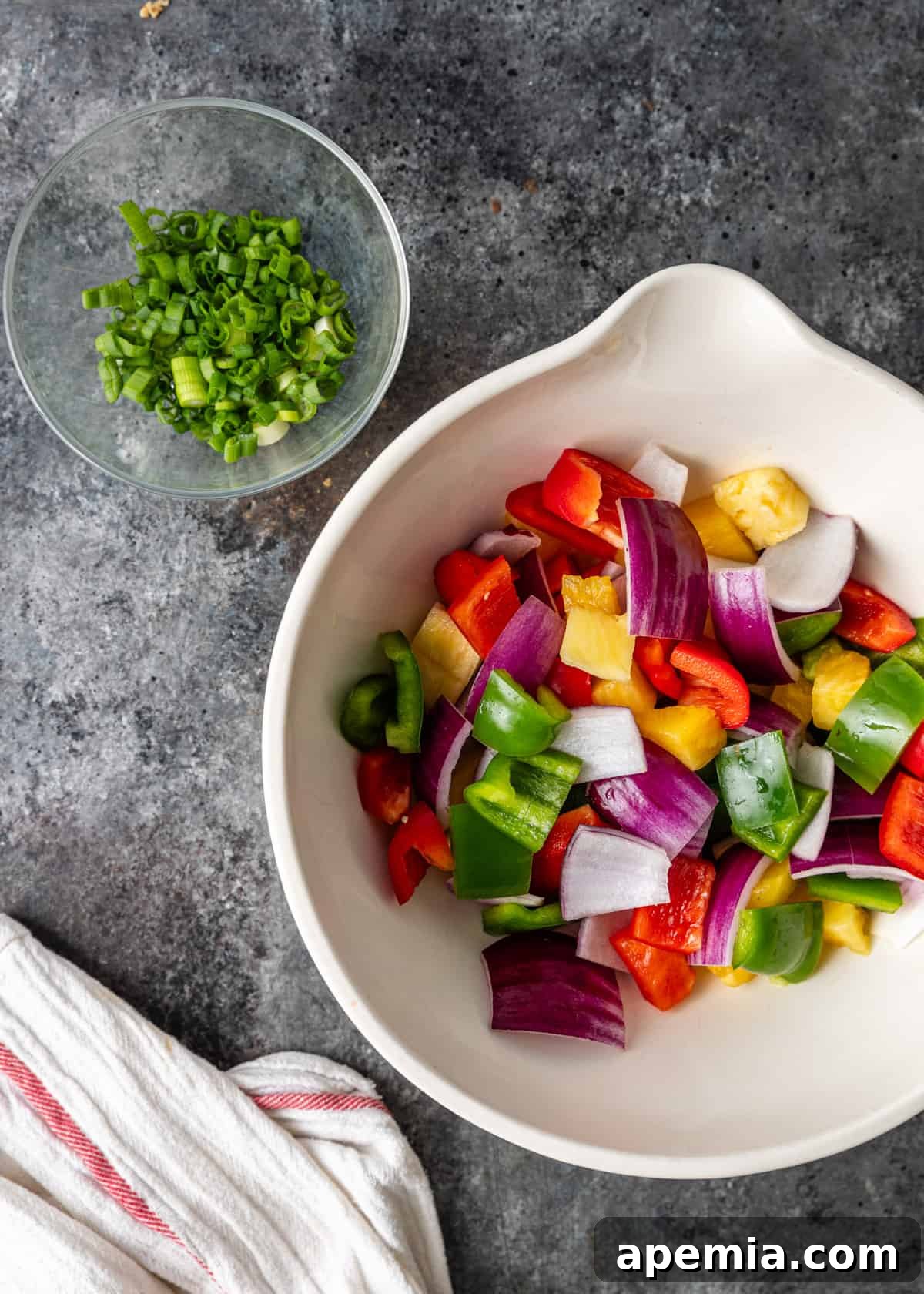
- Prep the Vegetables: Wash and pat dry all your bell peppers, red onion, and fresh pineapple. Cut them into uniform 1-inch cubes for even cooking. Thinly chop the green onion for garnish and set it aside separately. Having all your ingredients prepped beforehand (mise en place) is crucial for successful stir-frying.
- Make the Sweet and Sour Sauce: In another small bowl, whisk together all the sauce ingredients: ketchup, brown sugar, white vinegar, water, cornstarch, and salt. Whisk vigorously to ensure the cornstarch dissolves completely and there are no lumps. Set the sauce aside.
- Fry the Pork to Perfection: Heat the vegetable or canola oil in your wok to 350°F (175°C). Using a deep-fry thermometer is highly recommended for accuracy. Once the oil reaches temperature, carefully add the marinated pork pieces in small batches. Avoid overcrowding the wok, as this will drop the oil temperature and lead to soggy pork. Fry each batch for about 3 minutes per side, or until golden brown and crispy. Remove the cooked pork with a slotted spoon or spider strainer, allowing excess oil to drain, and place it on the prepared wire rack in the preheated oven to keep warm and maintain its crispiness. Repeat this process until all pork is fried.
- Cook the Vegetables & Sauce: Carefully remove all but 2 tablespoons of the frying oil from the wok (you can strain and save the cooled oil for future use). Heat the remaining oil in the wok over high heat for about a minute until it shimmers. Add the pineapple and all the prepared vegetables (bell peppers and onion). Stir-fry quickly for 2 minutes until they are tender-crisp. Give your prepared sweet and sour sauce another quick whisk, then pour it into the wok. Stir continuously to coat all the ingredients. Cook for another 1 minute as the sauce thickens and becomes glossy.
- Toss and Serve: Finally, add the warm, crispy fried pork back into the wok with the vegetables and thickened sauce. Toss everything gently but thoroughly to ensure every piece of pork and every vegetable is beautifully coated in the luscious sweet and sour glaze. Garnish immediately with the chopped green onions. Serve your crispy sweet and sour pork right away while it’s still warm and at its peak crispiness for the best possible experience!
Recommended Kitchen Tools for Success
Having the right equipment can make all the difference in achieving perfect sweet and sour pork. Here are a few recommended tools:
- Wok: While a large skillet can work in a pinch, there’s truly no better pan for stir-frying than a good quality wok. Its unique shape allows for even heat distribution, makes it easy to quickly fry, stir, and toss large quantities of food without spilling, and is ideal for deep-frying in batches.
- Deep-Fry Thermometer: Achieving and maintaining the correct oil temperature is crucial for crispy pork. A deep-fry thermometer will ensure your oil is consistently at 350°F (175°C), preventing soggy or burnt results.
- Slotted Spoon or Spider Strainer: Essential for safely removing the fried pork from hot oil and draining excess oil.
- Whisk: For smoothly combining the marinade and sauce ingredients, preventing lumps.
- Sharp Knife and Cutting Board: For efficiently cutting pork and vegetables into uniform pieces.
- Wire Rack and Baking Tray: To keep fried pork warm and crispy while the sauce and vegetables are prepared.
Storing and Reheating Leftovers
Sweet and sour pork, with its delicious crispy exterior, is best enjoyed immediately after serving. Once the crispy pork is coated in the warm sauce, its delightful crunch will gradually soften over time. This is a natural occurrence as the batter absorbs moisture from the sauce.
However, you can still enjoy delicious leftovers! Store any uneaten sweet and sour pork in an airtight container in the refrigerator for up to 3-4 days. To regain as much crispiness as possible when reheating, avoid the microwave. Instead, spread the leftovers in a single layer on a baking sheet and reheat in a preheated oven at 350°F (175°C) for 10-15 minutes, or until heated through and slightly re-crisped. An air fryer is also an excellent option for reheating, offering a good balance of speed and crisping action. Reheat at 375°F (190°C) for 5-8 minutes, shaking the basket halfway through.

Frequently Asked Questions about Sweet and Sour Pork
Absolutely, sweet and sour pork (糖醋里脊, táng cù lǐjǐ or 咕嚕肉, gūlū ròu) is a truly traditional and iconic Chinese dish. More specifically, it is a staple of Cantonese cuisine, originating from the southern regions of China. While the core flavors of sweet and sour have deep roots in Chinese culinary history, the dish has evolved over the centuries. Its modern form, particularly the redder, ketchup-infused version popular in the West, became more prominent after the introduction of tomatoes and ketchup to Chinese cooking. This Westernized style gained significant popularity after Chinese immigrants brought their culinary traditions to the United States in the 1800s. Despite these adaptations, the essence of the sweet and sour pork recipe remains unchanged: incredibly tender, often crispy, pork coated in a delectable, perfectly balanced sugary, tangy vinegar sauce.
The secret to the exceptionally tender meat found in Chinese stir-fry dishes, including sweet and sour pork, is a technique called “velveting.” This involves marinating the meat, often in a mixture of cornstarch, egg white, and sometimes baking soda, before cooking. The cornstarch forms a protective barrier around the meat, sealing in moisture, while the egg white acts as a binder and tenderizer. This process ensures that the meat remains incredibly soft and juicy, even when subjected to high-heat cooking like stir-frying. Our sweet and sour pork recipe effectively utilizes both cornstarch and egg in the marinade, not only to velvet the pork for tenderness but also to create a thick, flavorful crust that crisps beautifully when fried.
Many chefs favor pork butt (also known as Boston butt) for sweet and sour pork due to its fattiness and marbling, which yields a very tender and flavorful result. However, I personally lean towards pork shoulder. While it might be slightly tougher than pork butt, it’s generally less expensive, widely available, and just as easy to work with, especially when using the velveting method described in this recipe. Both pork butt and pork shoulder are cuts from the shoulder of the pig. Ultimately, with the tenderizing magic of velveting, the specific cut of pork becomes less critical. You can successfully use various cuts such as pork shoulder, pork butt, pork tenderloin (which is naturally very tender), or even a lean pork loin roast cut into cubes. The key is consistent sizing and proper preparation.
Yes, you can certainly adapt this recipe to be healthier! To reduce fat, consider baking or air-frying the pork instead of deep-frying it. While the texture will differ slightly, it will still be delicious. You can also reduce the amount of oil used for stir-frying the vegetables. For the sauce, consider using a lower-sodium soy sauce and reducing the amount of sugar slightly, perhaps compensating with a natural sweetener like a touch of honey or pineapple juice (if using fresh pineapple). Increase the vegetable content by adding more bell peppers, snap peas, carrots, or broccoli, boosting fiber and nutrients.
While the dish is best fresh due to the crispy pork, some components can be prepped in advance. You can cut and marinate the pork up to 1 day ahead and store it in the refrigerator. The vegetables can also be chopped and stored in an airtight container in the fridge a day in advance. The sweet and sour sauce can be whisked together and kept in the refrigerator for up to 3 days. When you’re ready to cook, simply fry the pork, stir-fry the vegetables, combine with the sauce, and toss. This greatly reduces active cooking time on the day of serving.
Share this recipe on Pinterest!
Love this recipe? Help others discover it by sharing it on Pinterest.


Crispy Sweet and Sour Pork
4
20 mins
10 mins
30 mins
Pin Recipe
Print Recipe
Ingredients
Main Ingredients
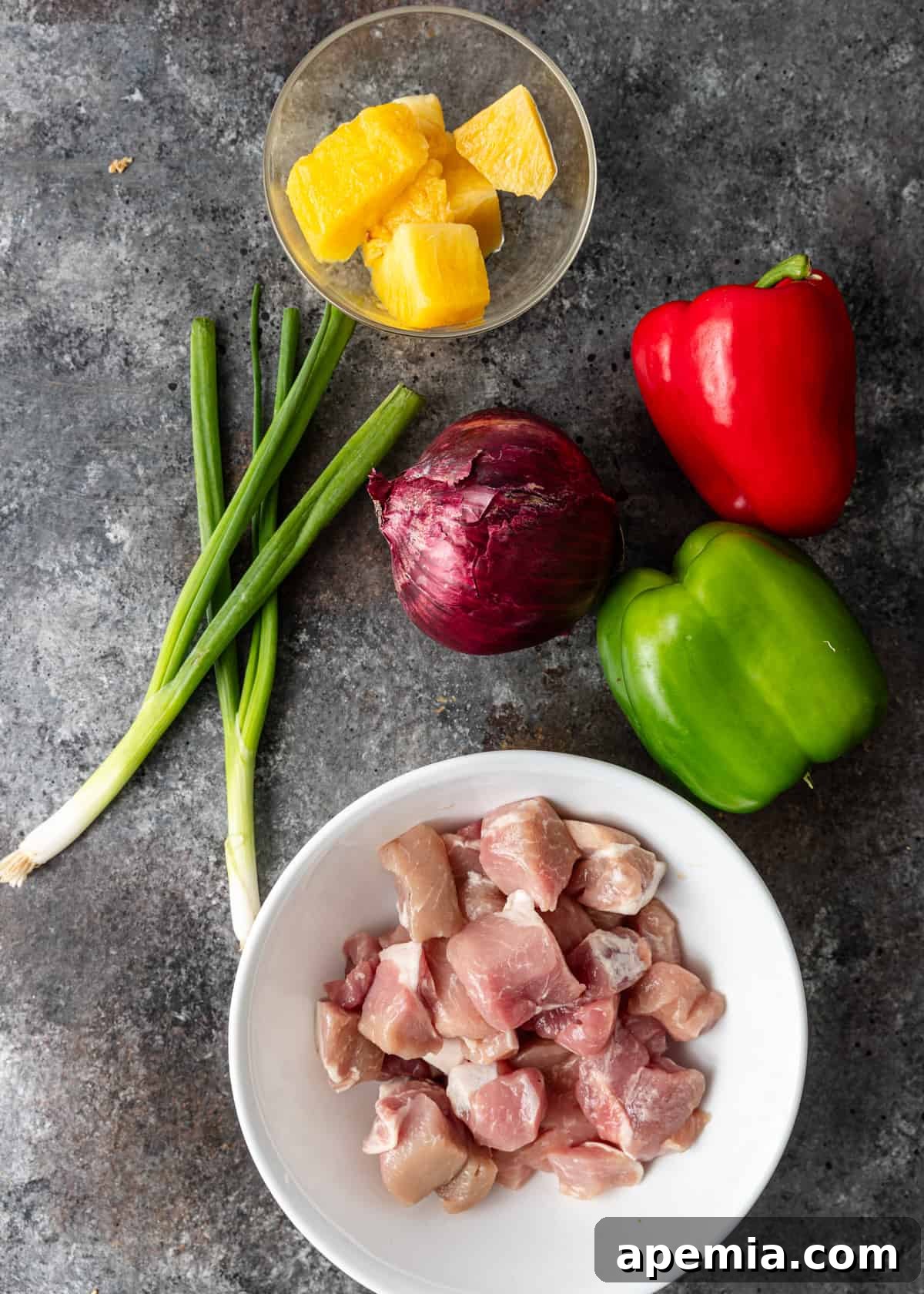
- 1 1/2 lbs pork shoulder cut into 2-inch cubes
- 1 red bell pepper cut into 1-inch cubes
- 1 green bell pepper cut into 1-inch cubes
- 1 red onion (larger outer layers only) cut into 1-inch cubes
- 4 oz pineapple cut into 1-inch cubes
- 1 green onion thinly chopped, for garnish
- 2 cups vegetable or canola oil for frying
Pork Marinade (Batter)
- 1 tbsp light soy sauce
- 1 tsp garlic powder
- 1/2 tsp kosher salt
- 1/4 tsp white pepper
- 1 egg
- 3 tbsp cornstarch
- 2 tbsp all-purpose flour
Sweet and Sour Pork Sauce
- 4 tbsp ketchup
- 4 tbsp brown sugar
- 3 tbsp white vinegar
- 2 tbsp water
- 1 tsp cornstarch
- 1/2 tsp kosher salt
Instructions
- Preheat oven to 200°F (95°C). Line a baking tray with paper towels and place a wire rack on top. This will keep your fried pork warm and crispy.
- In a medium bowl, thoroughly mix all the marinade ingredients together. Add the cubed pork and toss to coat each piece evenly in the marinade/batter. Let the pork marinate while you prepare the sauce and vegetables.
- Wash, pat dry, and cut all the bell peppers, red onion, and pineapple into 1-inch cubes. Thinly chop the green onion for garnish and set aside.
- In a small bowl, whisk together all the sweet and sour sauce ingredients until smooth and well combined. Set aside.
- Heat the vegetable or canola oil in a wok to 350°F (175°C). Fry the pork pieces in batches to avoid overcrowding the wok. Cook for about 3 minutes per side, until golden brown and crispy. Remove the cooked pork and place it on the prepared wire rack on the baking tray. Repeat with the remaining pork. Place the tray in the preheated oven to keep the pork warm and crispy while you prepare the sauce and vegetables.
- Carefully remove all but 2 tablespoons of the oil from the wok (save the cooled oil for other uses). Heat the remaining oil in the wok over high heat for about a minute. Add the pineapple, bell peppers, and red onion. Stir-fry quickly for 2 minutes until tender-crisp.
- Give the prepared sauce another quick whisk, then pour it into the wok with the vegetables. Stir continuously to coat the ingredients and cook for another 1 minute as the sauce thickens and becomes glossy.
- Add the warm, fried pork back into the wok. Toss everything gently but thoroughly to coat the pork and vegetables completely in the sweet and sour sauce. Garnish with chopped green onions and serve immediately while hot and crispy.
Notes
Nutrition
Carbohydrates: 35g |
Protein: 24g |
Fat: 35g |
Saturated Fat: 7g |
Trans Fat: 0.4g |
Cholesterol: 110mg |
Sodium: 1072mg |
Potassium: 644mg |
Fiber: 2g |
Sugar: 21g |
Vitamin A: 1231IU |
Vitamin C: 80mg |
Calcium: 54mg |
Iron: 2mg
The information shown is an estimate provided by an online nutrition calculator. It should not be considered a substitute for a professional nutritionist’s advice.
Have You Made This Recipe? Let Me Know on Instagram!
Tag @keviniscooking or tag me #keviniscooking!