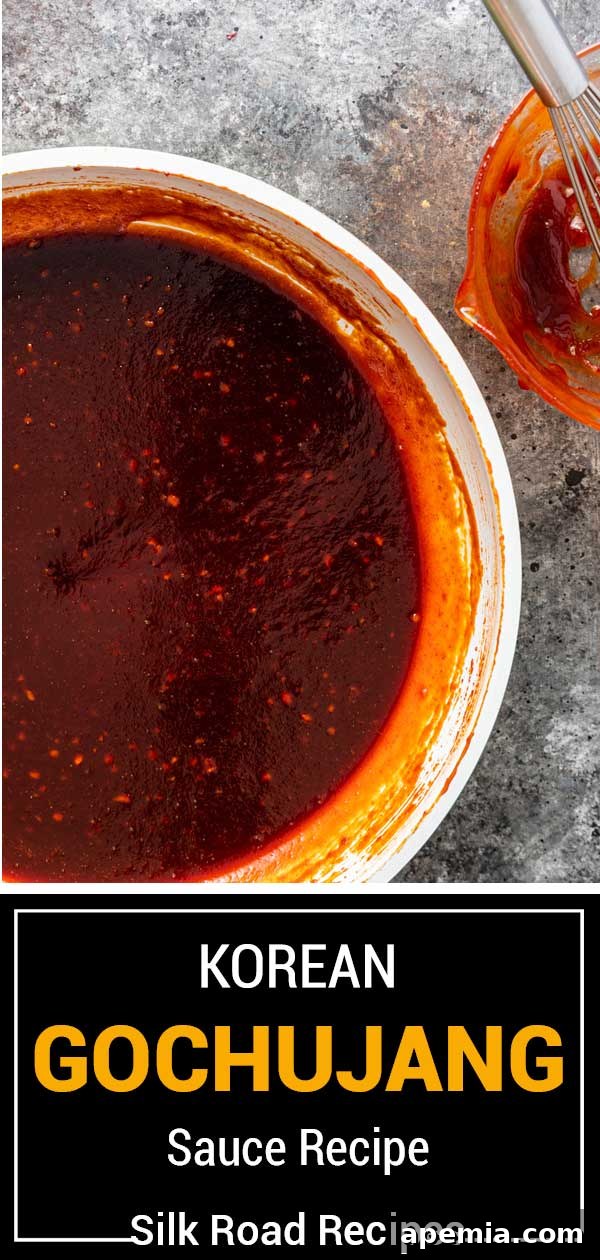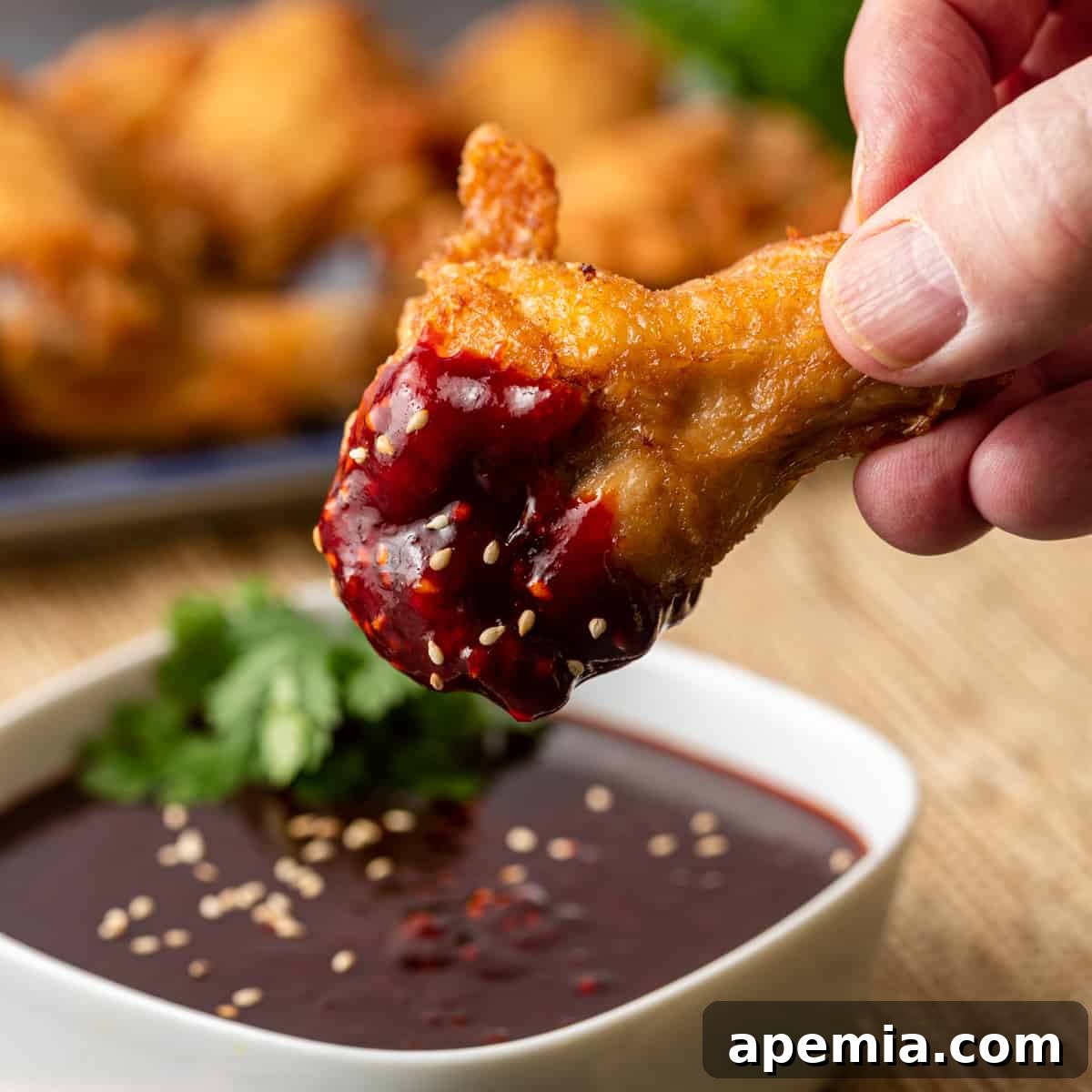
Embark on a culinary journey to Korea with this easy-to-master gochujang sauce recipe, a versatile condiment that perfectly balances sweet, spicy, and savory notes. Ideal for drizzling over vibrant vegetable and rice dishes or as a dynamic dipping companion, this homemade sauce promises to elevate your meals with an authentic Korean flair.
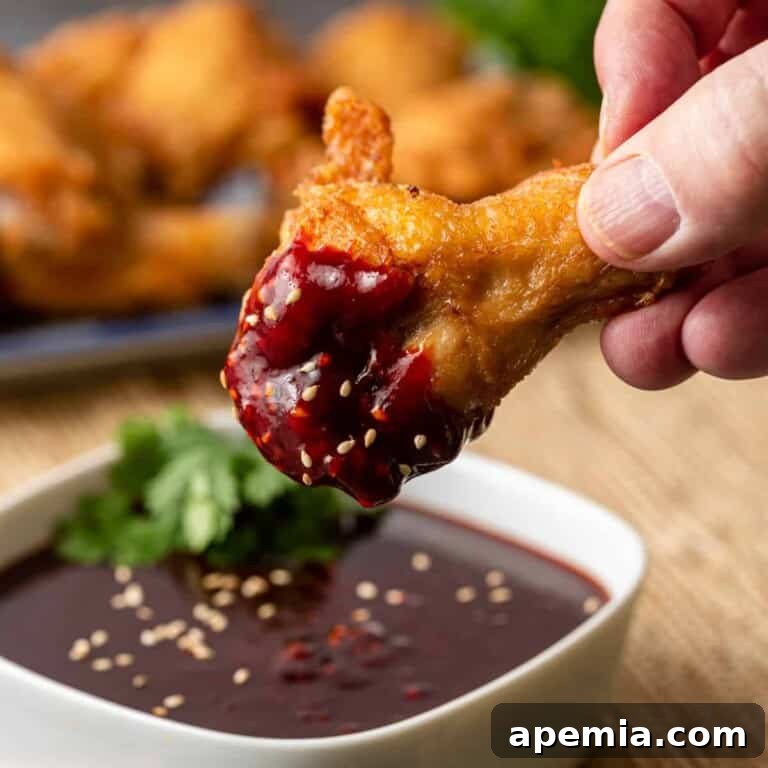
Authentic Korean Gochujang Sauce: Your Ultimate Sweet & Spicy Companion
In the vast world of gastronomy, a truly exceptional condiment holds the power to transform a simple dish into an unforgettable dining experience. Whether it’s the garlicky richness of a Lebanese toum recipe complementing a warm chicken souvlaki pita, or the fresh vibrancy of pudina chutney paired with crispy corn pakoras, the right sauce can tie all elements of a meal together. Among these culinary treasures, Korean Gochujang Sauce stands out as a unique and intensely flavorful option, offering an exciting blend of tastes that resonates with food lovers worldwide.
This homemade Korean Gochujang Sauce recipe is not only incredibly easy to prepare but also exceptionally versatile. In a mere 10 minutes, you can create a luscious, vibrant sauce that is perfect for infusing a sweet and spicy kick into virtually any dish. It’s designed to be the ultimate dipping sauce, yet equally fantastic when drizzled over your favorite stir-fries, rice bowls, or grilled proteins. Forget store-bought versions; crafting your own Gochujang sauce allows you to customize the flavor profile to your exact preferences, ensuring a fresh and authentic taste every time.
Understanding Gochujang Sauce: A Korean Culinary Gem
Gochujang sauce is a cornerstone of Korean cuisine, celebrated for its complex flavor profile that delivers a harmonious blend of sweetness, spiciness, and umami with an underlying, warming heat. The heart and soul of this sauce is gochujang paste – a traditional fermented Korean chili paste. This distinctive paste is meticulously crafted from glutinous rice, fermented soybeans (known as meju), red chili pepper flakes (gochugaru), and salt. The lengthy fermentation process is critical; it develops the deep, savory umami and profound complexity that distinguishes gochujang from other chili pastes around the world.
While gochujang paste itself is a thick, concentrated ingredient often used directly in marinades, stews like Kimchi-jjigae, or stir-fries, gochujang sauce takes this powerful paste and transforms it into a more refined, ready-to-use condiment. By carefully blending the paste with other complementary ingredients, the sauce achieves a smoother texture and a more balanced, nuanced flavor, making it exceptionally versatile for a wide array of culinary applications. One of the greatest advantages of making homemade gochujang sauce is the complete control you have over its heat level. Whether you prefer a gentle warmth that tickles the tongue or a fiery inferno, you can easily adjust the amount of gochujang paste to suit your personal taste, ensuring every batch is lip-smacking good and perfectly tailored.
Cuisine: Korean/Asian
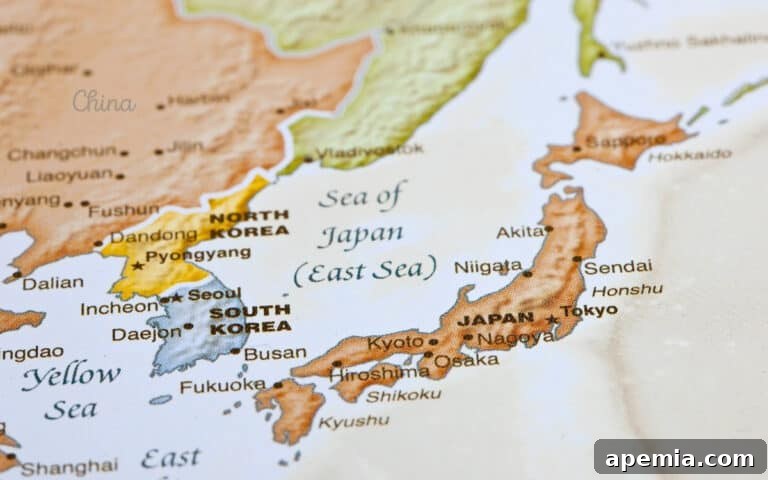
Quick Facts About This Gochujang Sauce
Pronunciation: gow·choo·jang saas
Course: Condiment, Dipping Sauce, Marinade Base
Preparation Method: Simmered
Difficulty: Easy 🥄
Description: This recipe delivers a popular, incredibly versatile Korean chili sauce, simple to make at home. It offers a perfect balance of sweet, spicy, and savory notes, designed for maximum flavor impact and ease of use.
Your Essential Questions About Gochujang Answered
What exactly is gochujang paste?
Gochujang paste is an indispensable cornerstone of Korean cooking. It’s a thick, lustrous deep red paste meticulously crafted from a blend of red chile pepper flakes (gochugaru), glutinous rice (often referred to as sticky rice), carefully fermented soybeans, and salt. Its signature complex flavor, a unique combination of spicy, sweet, and profound umami, is developed through a traditional, lengthy fermentation process. This paste is widely available in red plastic tubs in the international aisles of most large supermarkets and, most reliably, in Asian grocery markets.
Is gochujang paste the same as gochujang sauce?
No, these two are distinct, though related. While some might simply thin the concentrated gochujang paste with a little water for a quick dip, a true gochujang sauce involves a more thoughtful preparation. Our recipe transforms the paste by gently simmering it with specific ingredients: rice vinegar for a bright acidity, honey for a balanced sweetness, aromatic sesame oil for nutty depth, and fresh garlic for an essential pungent kick. This brief simmering process not only smooths out the paste’s texture but also mellows its raw edge and perfectly melds all the flavors into a cohesive, ready-to-use sauce.
Is gochujang similar to Sriracha?
While both Sriracha and gochujang are spicy chili condiments with a somewhat thick texture, their flavor profiles are quite different. Sriracha typically offers a sharper, more direct heat with prominent notes of garlic and vinegar. Gochujang, on the other hand, provides a more complex, nuanced flavor that is distinctly sweet and savory, with a deep warming spice. This difference primarily stems from gochujang’s fermented nature and the inclusion of glutinous rice, which imparts a unique depth. Our gochujang sauce recipe further enhances this complexity with the addition of honey and sesame oil, while rice vinegar ensures a perfectly balanced acidity, resulting in a richer, more rounded, and utterly irresistible flavor experience compared to Sriracha.
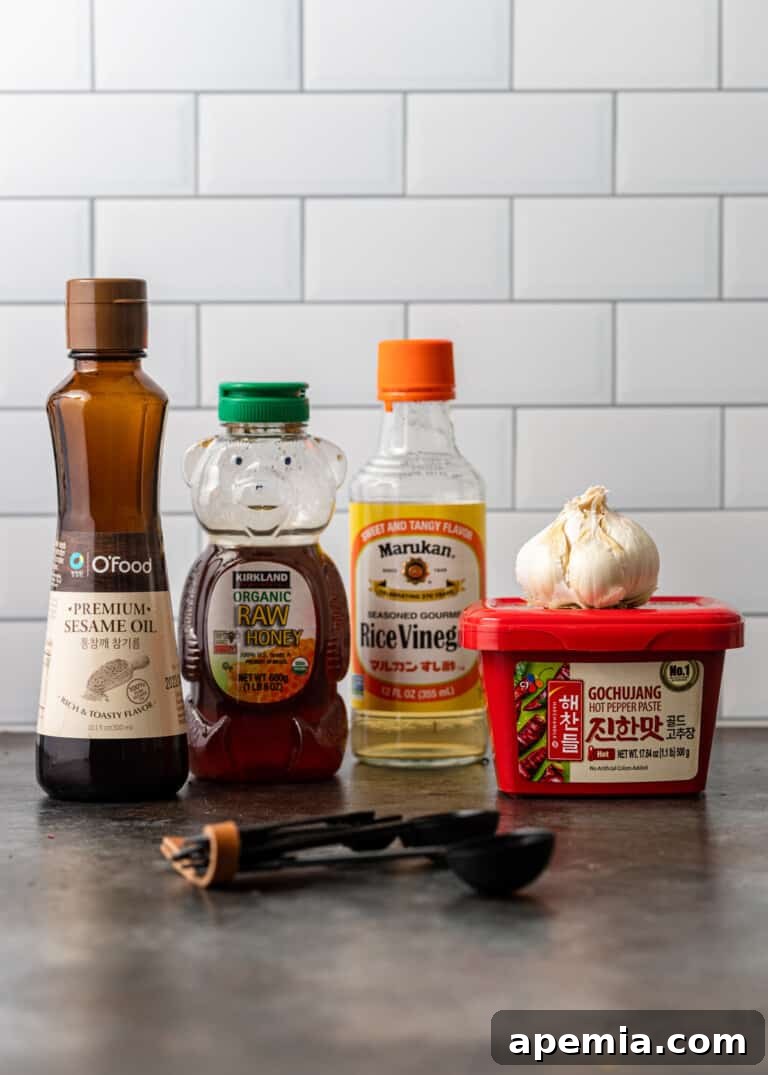
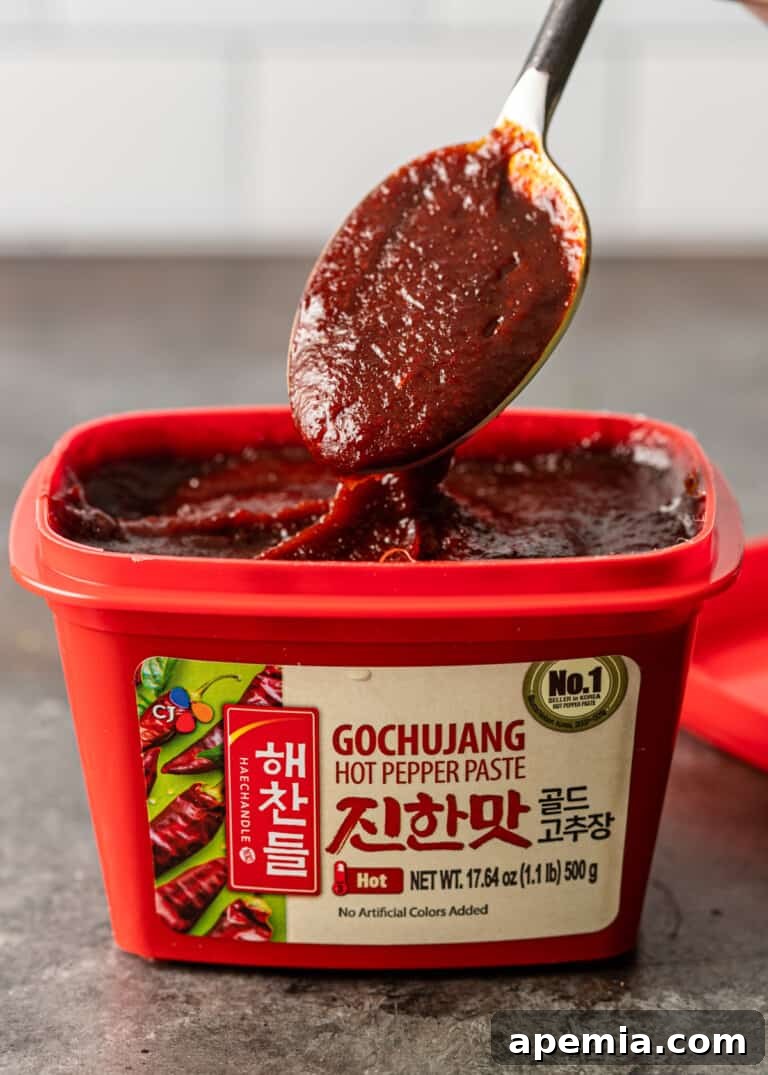
Essential Ingredients for Crafting the Perfect Gochujang Sauce
The magic of an exceptional Gochujang sauce lies not only in its preparation but also in the quality of its components. While the recipe itself is straightforward, selecting fresh, high-quality, and ideally authentic Korean ingredients will significantly enhance the depth and vibrancy of your homemade sauce. Each ingredient plays a crucial role in building the layered flavor profile that makes this condiment so irresistible.
- Gochujang Paste: This is the undeniable star of our sauce. This thick, rich, deep red fermented chili paste provides the fundamental sweet, spicy, and umami base. It’s made from red chile pepper flakes, glutinous rice, fermented soybeans, and salt. For the most authentic and robust flavor, always seek out gochujang paste that is imported from Korea. Its unique fermentation profile is irreplaceable.
- Rice Vinegar: A vital component for achieving balance. Rice vinegar’s mild yet distinct acidity skillfully cuts through the inherent sweetness of the honey and the richness of the gochujang paste, preventing the sauce from being overly cloying. It brightens the overall flavor, adding a pleasant tang without overpowering the other delicate notes. Do not substitute with harsher vinegars like white vinegar or apple cider vinegar, which can dramatically alter the sauce’s intended profile.
- Honey: Essential for perfectly contrasting the gochujang’s heat with a natural, rounded sweetness. Honey also contributes to the sauce’s inviting glossy sheen and subtle, fragrant notes. You have the flexibility to adjust the amount of honey to match your preferred level of sweetness. While honey is ideal, pure maple syrup can serve as a decent substitute if necessary, though it will introduce a slightly different flavor nuance.
- Sesame Oil: This ingredient, though used in small quantities, is indispensable. Toasted sesame oil imparts a rich, deeply nutty aroma and flavor that is a hallmark of authentic Korean cuisine. It adds layers of savory depth and complexity, transforming the sauce into a truly aromatic delight. Always opt for toasted sesame oil for maximum flavor impact.
- Garlic: Freshly minced garlic is paramount for its pungent, aromatic qualities. In this recipe, the garlic is lightly sautéed, a step that is crucial for mellowing its raw sharpness. This gentle cooking process coaxes out its inherent sweetness and allows it to infuse the sesame oil with an incredible, foundational flavor that permeates every drop of the finished sauce.
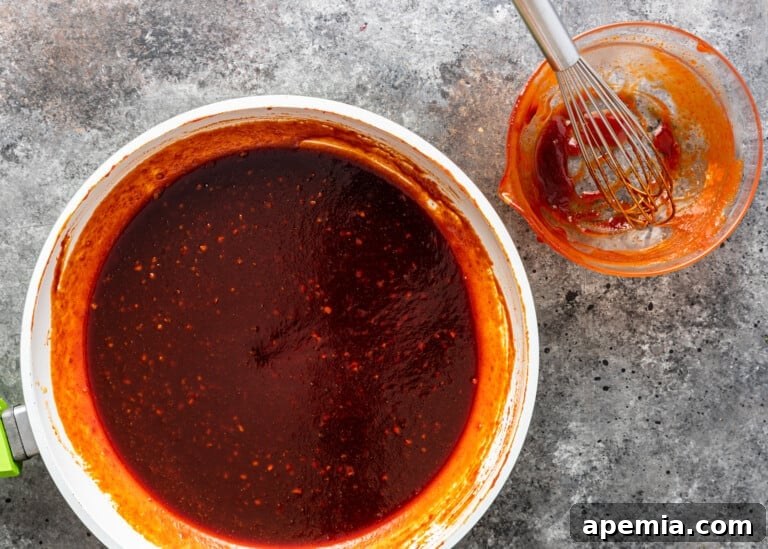
Gochujang Sauce: Expert Tips and Tricks for a Flawless Result
While this Gochujang sauce recipe boasts incredible simplicity, incorporating a few expert tips can elevate your homemade condiment from merely good to truly outstanding. These small adjustments ensure a perfectly flavored, consistently textured sauce every single time, making it worthy of any Korean culinary creation.
- The Sautéed Garlic Secret: A distinctive feature that sets this recipe apart from many others is the crucial initial step of gently simmering fresh, minced garlic in sesame oil. While many recipes instruct you to simply whisk all ingredients together, this brief sautéing period is a game-changer. Cooking the garlic first subtly mellows its raw intensity, transforming its sharp bite into a sweeter, more fragrant aroma. This aromatic garlic-infused oil then creates a profound flavor base that deeply enriches the entire sauce, adding layers of complex savory notes that would otherwise be absent. This short step is impactful and should not be skipped!
- Achieving Perfect Flavor Integration with a Quick Simmer: After you’ve combined the gochujang paste, honey, and rice vinegar with the fragrant garlic-infused oil, bringing the mixture to a gentle simmer is essential. This brief cooking period, typically just 1-2 minutes, allows all the diverse flavors to meld beautifully, creating a harmonious and cohesive sauce where no single ingredient dominates. The simmering also helps to slightly thicken the sauce, contributing to its desirable glossy consistency. Remember to stir continuously during this phase to prevent the sauce, especially the honey, from sticking to the bottom of the saucepan.
- Customizing the Heat Level: Gochujang paste is available in various degrees of spiciness, from mild to extra hot. Before mixing, it’s wise to taste a tiny amount of your specific gochujang paste to gauge its inherent heat. If you prefer a milder sauce, begin by using slightly less gochujang paste than recommended, and then gradually add more to reach your desired level of spice. For those who adore an extra fiery kick, consider incorporating a small pinch of additional gochugaru (Korean chili flakes) during the simmering stage for an added punch.
- Adjusting Consistency: The perfect gochujang sauce should be smooth and pourable, yet thick enough to cling to whatever you’re dipping or drizzling. If you find your sauce is too thick after it has cooled, you can easily thin it out by whisking in a small amount of warm water or an extra splash of rice vinegar until it achieves your desired consistency. Conversely, if the sauce appears too thin, return it to low heat for a few extra minutes of gentle simmering to allow it to reduce and thicken slightly.
- Patience for Optimal Flavor Development: While the aroma of freshly made gochujang sauce is incredibly tempting, allowing it to cool completely before serving is beneficial. As the sauce cools, its flavors have time to deepen and fully integrate, resulting in a richer, more complex taste. It also reaches its ideal serving consistency upon cooling, making it perfect for dipping and drizzling.
- Storage and Shelf Life: Proper storage ensures your homemade Gochujang sauce remains fresh and delicious. Transfer any leftover sauce to an airtight container and store it in the refrigerator. It will retain its quality and vibrant flavor for up to 10 days, making it an excellent candidate for meal prepping. This versatile sauce is equally delicious served warm or chilled, adapting perfectly to various dishes and preferences.
Endless Culinary Uses for Your Korean Gochujang Sauce
The true brilliance of this homemade Korean Gochujang sauce lies in its incredible versatility. Once you’ve whipped up a batch, you’ll discover a multitude of ways to infuse its vibrant sweet, spicy, and savory notes into your everyday cooking. This sauce is far more than just a dip; it’s a powerful flavor enhancer capable of transforming ordinary ingredients into extraordinary culinary delights.
As a Drizzling Sauce:
- Bibimbap’s Best Friend: This is arguably the most iconic pairing! A generous drizzle over a warm bowl of bibimbap – a delightful Korean mixed rice dish featuring an array of sautéed vegetables (namul), marinated meat (often beef or tofu), kimchi, and crowned with a perfectly fried sunny-side-up egg – is a must. The sauce acts as the unifying element, blending all the diverse textures and flavors into a cohesive, savory, and spicy experience.
- Elevate Rice & Noodle Bowls: Instantly upgrade simple rice bowls laden with roasted vegetables, grilled proteins, or fried eggs by adding a healthy swirl of gochujang sauce. It’s equally fantastic stirred into stir-fried noodles or poured over instant ramen for an added layer of complex, spicy flavor.
- Avocado Toast Reinvented: For a modern, unexpected twist, add a dollop of gochujang sauce to your avocado toast. The sauce’s spice and tang beautifully complement the creamy richness of the avocado, creating a surprisingly harmonious combination.
As an Irresistible Dipping Sauce:
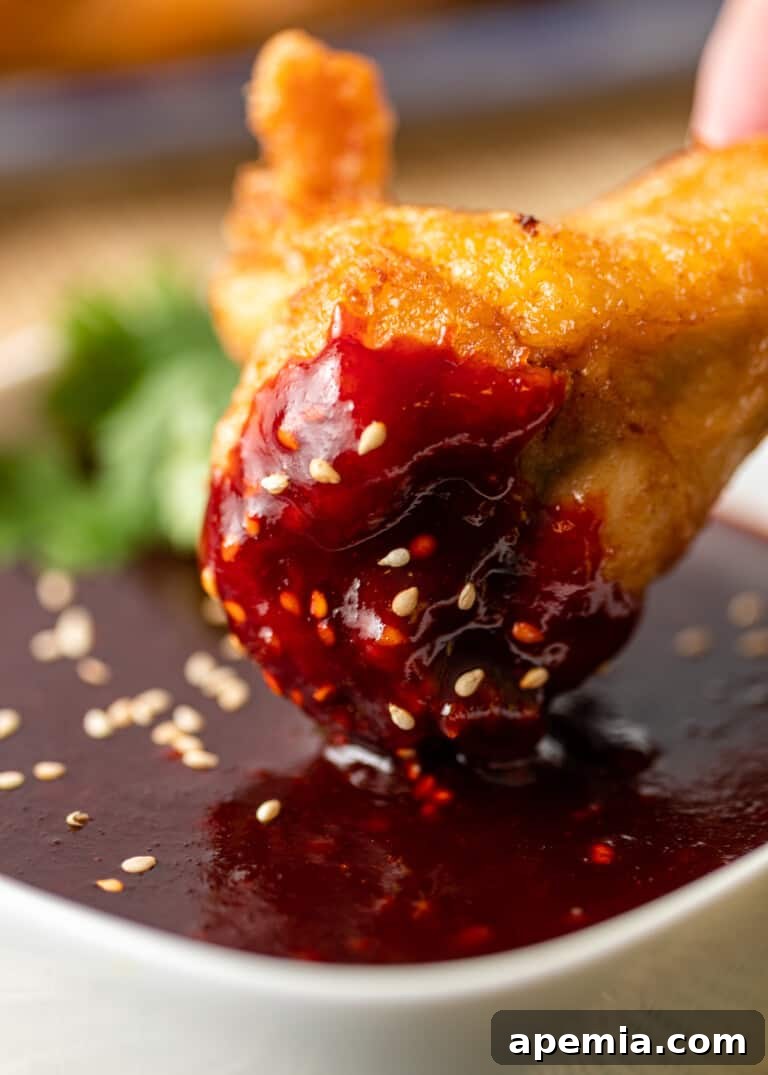
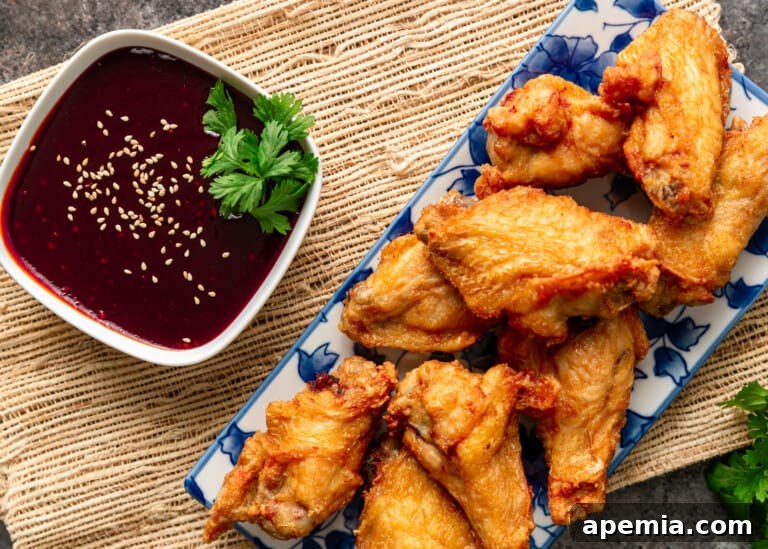
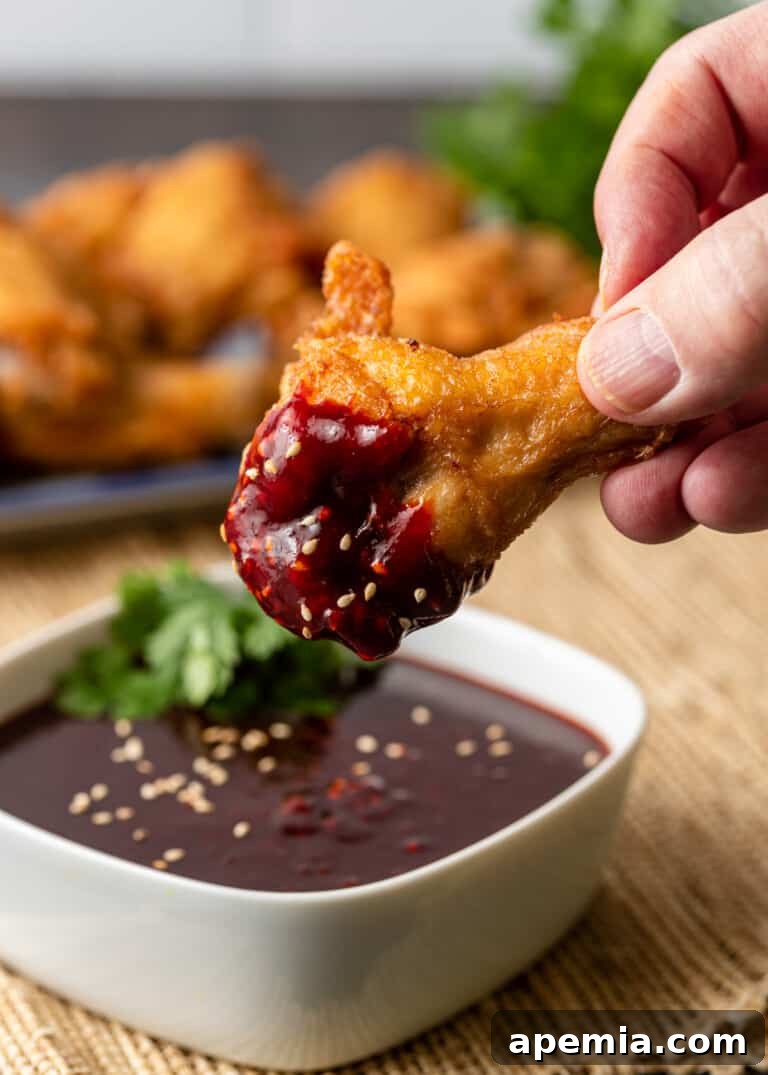
- Crispy Baked Chicken: Whether you’re enjoying crispy baked chicken wings, succulent drumsticks, or tender chicken strips, this sauce is the ultimate dipping companion. Its balanced sweet heat perfectly complements the savory crunch of any fried or baked chicken, making every bite incredibly satisfying and addictive.
- Dumplings & Potstickers: Move beyond traditional soy sauce! Dip your favorite steamed, pan-fried, or deep-fried dumplings and potstickers into this gochujang sauce for an instant flavor upgrade. Its slightly thick consistency ensures it clings perfectly, delivering a burst of flavor with every bite.
- Fresh & Fried Spring Rolls: This sauce offers a fantastic, zesty alternative to standard peanut or hoisin sauces for both fresh Vietnamese summer rolls and crispy fried spring rolls, providing a lighter yet equally flavorful experience.
- Vegetable Platter Companion: Serve it alongside a platter of crunchy crudités like cucumber sticks, carrot batons, vibrant bell pepper strips, or lightly blanched broccoli florets for a healthy, flavorful, and exciting snack.
As a Marinade or Cooking Ingredient:
- Dynamic Stir-fries: Incorporate this versatile sauce directly into your stir-fry base for vegetables, tofu, or various meats. It provides an instant infusion of Korean-inspired flavor, reducing the need for multiple other seasonings.
- Grilling & Glazing: Use it as a marinade for grilled chicken, pork, beef, or firm tofu. The honey in the sauce will caramelize beautifully on the grill, creating a delicious, slightly charred crust with a perfect balance of sweet and spicy. It can also be brushed on as a glaze towards the end of cooking.
- Hawaiian Stuffed Peppers: As a delightful suggestion, this sauce makes a fantastic and more exciting alternative to traditional teriyaki sauce in dishes like stuffed peppers, offering a more dynamic and complex flavor profile that will surprise and please your taste buds.
- Burgers & Sandwiches: For an unexpected yet delicious twist, spread a thin layer of gochujang sauce on your burger buns or incorporate it into a sandwich wrap. It adds a spicy, savory kick that will liven up any lunch.
With its perfectly balanced flavor and incredibly adaptable nature, this homemade Korean Gochujang Sauce is undoubtedly destined to become a beloved staple in your kitchen, inspiring countless delicious and creative culinary adventures.
Subscribe to our Newsletter for delicious updates, and make sure to follow us on Facebook, Pinterest, Instagram, and YouTube for all our latest recipes, cooking tips, and inspiring videos!
Easy Homemade Gochujang Sauce Recipe
Ingredients
- 6 tbsp Gochujang Paste
- 1/4 cup Honey
- 4 tsp Rice Vinegar
- 4 tsp Sesame Oil (divided)
- 3 cloves Garlic (minced)
Instructions
-
In a small bowl, thoroughly whisk together the gochujang paste, honey, rice vinegar, and 1 teaspoon of sesame oil until smooth. Set this mixture aside.
-
In a small saucepan, heat the remaining 3 teaspoons of sesame oil over low heat. Add the minced garlic and cook for 2 minutes, stirring constantly to prevent burning, until the garlic is fragrant and slightly softened.
-
Stir the reserved gochujang paste mixture into the saucepan with the garlic and sesame oil. Increase the heat to medium-high and bring the sauce to a gentle simmer, continuing to stir for about 1 minute to ensure all flavors meld.
-
Remove the saucepan from the heat and allow the Gochujang sauce to cool completely before using. Cooling allows the flavors to deepen and the sauce to reach its ideal consistency. Store any leftovers in an airtight container in the refrigerator for up to 10 days.
Nutrition Facts (per 1 tbsp serving)
Serving: 1 tbsp |
Calories: 43 kcal |
Carbohydrates: 8 g |
Protein: 1 g |
Fat: 1 g |
Saturated Fat: 1 g |
Sodium: 2 mg |
Potassium: 36 mg |
Fiber: 1 g |
Sugar: 7 g |
Vitamin A: 16 IU |
Vitamin C: 2 mg |
Calcium: 3 mg |
Iron: 1 mg
The information shown is an estimate provided by an online nutrition calculator. It should not be considered a substitute for a professional nutritionist’s advice.
Have You Made This Recipe? Let Me Know on Instagram!
Tag @keviniscooking or use the hashtag #keviniscooking!