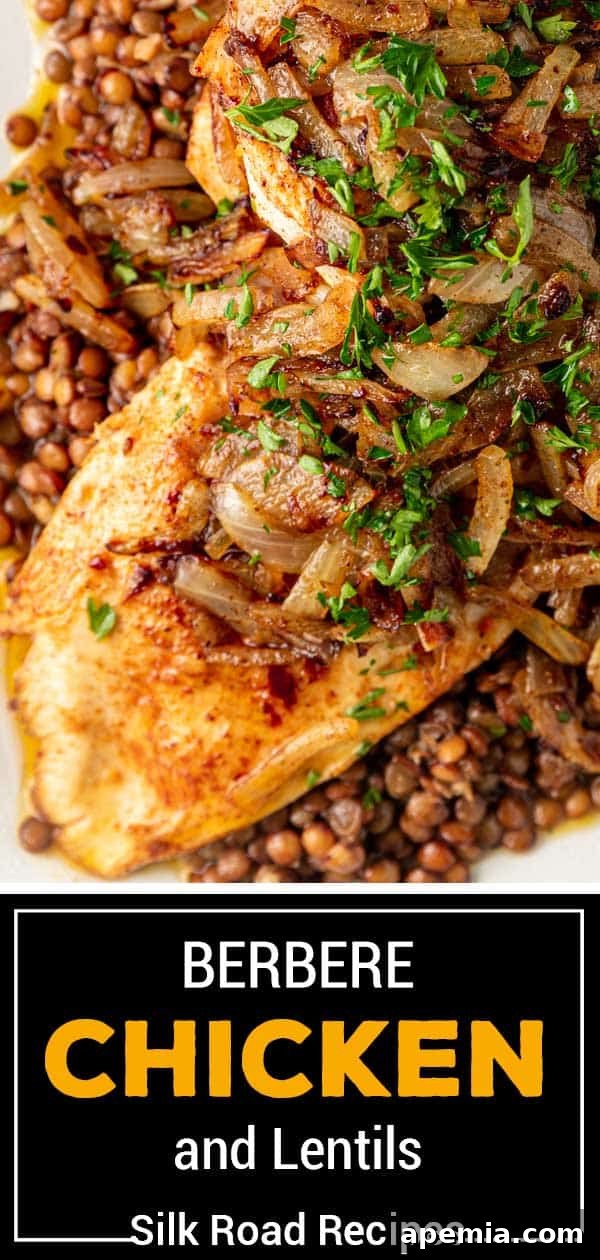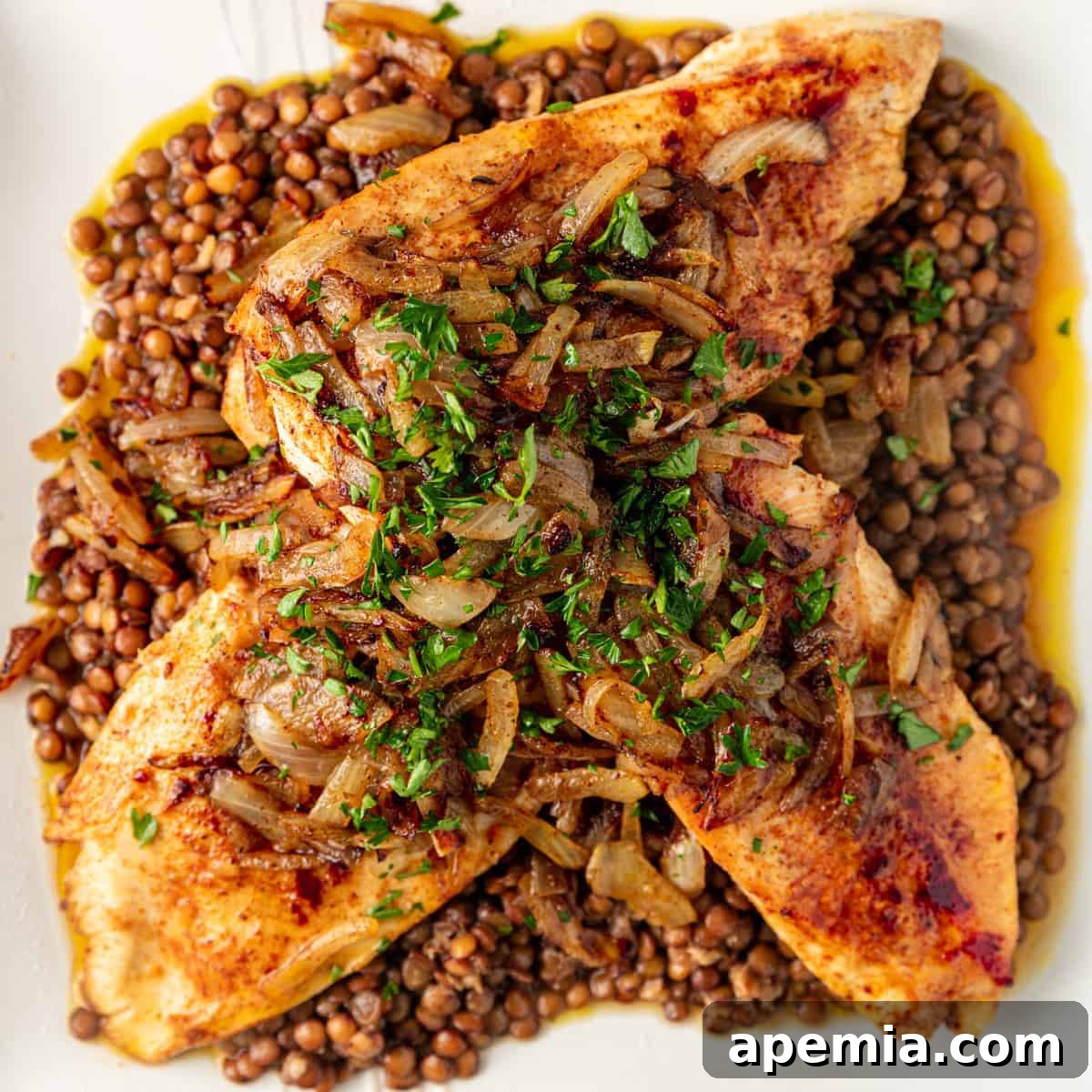
Welcome to a culinary journey that promises to tantalize your taste buds and nourish your body: Berbere Chicken and Lentils. This exceptional dish is a celebration of flavor, marrying the aromatic complexity of Ethiopian berbere spice with tender chicken and wholesome lentils. It’s an effortlessly satisfying meal that strikes a perfect balance between sweet, smoky, tangy, and subtly spicy notes, making it a truly unique addition to your recipe repertoire.
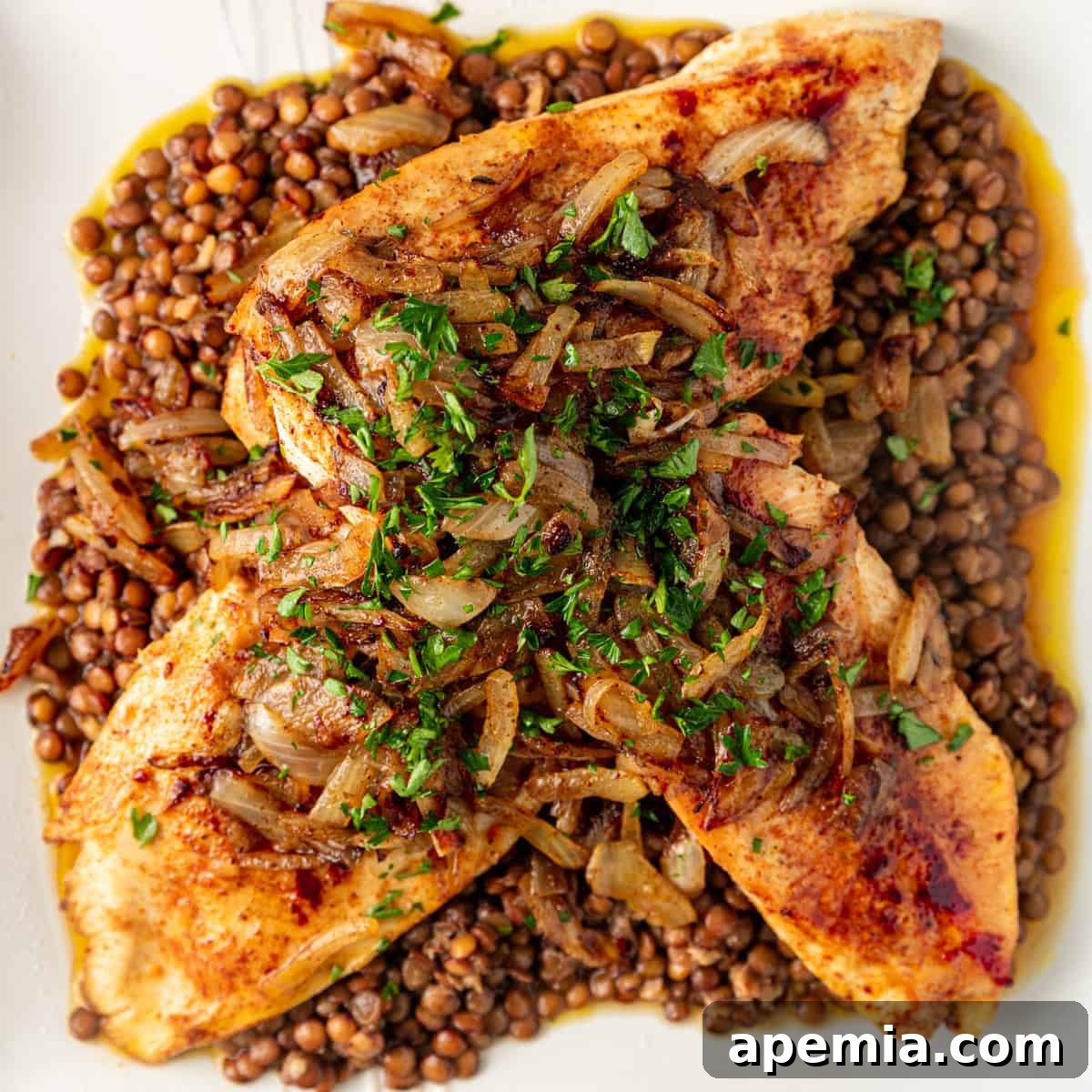
In the realm of global cuisine, Ethiopian dishes stand out for their vibrant spices and comforting textures. This Berbere Chicken and Lentils recipe is a shining example, offering a deeply flavorful experience that is both filling and light. The star of the show, Berbere spice, infuses every bite with a delightful complexity that will transport you straight to the heart of East Africa. Beyond its incredible taste, this dish is a nutritional powerhouse, packed with protein, fiber, and essential vitamins and minerals, proving that healthy eating can indeed be incredibly delicious.
If you’re eager to discover more light yet robust chicken recipes, consider exploring options like Arabic Chicken and Rice, Chinese Roast Chicken, or Chicken Tikka Kebab, each offering a distinct cultural flavor profile.
Unveiling the Rich Flavors of Berbere Chicken
For those uninitiated in the glorious world of Ethiopian spices, prepare for an awakening. Berbere, pronounced bare-bur-AY (like the hat or the Prince song “Raspberry Beret”), is more than just a spice blend; it’s an experience. This traditional Ethiopian mixture delivers an intoxicating aroma and a flavor profile that is truly one-of-a-kind. It harmonizes smoky undertones with sweet notes and a bright, citrusy zing, all while carrying a warm, inviting heat. It’s a blend that quickly becomes a personal favorite for its addictive depth and versatility.
The beauty of Berbere lies in its ability to transform simple ingredients into something extraordinary. When combined with tender chicken and earthy lentils, it creates a symphony of flavors that is robust yet refined. The spice doesn’t just add heat; it provides layers of taste that evolve with every mouthful, from the initial burst of warmth to the lingering sweetness and tang.
Essential Ingredients & Smart Substitutions for Berbere Chicken and Lentils
Crafting the perfect Berbere Chicken and Lentils dish starts with understanding each ingredient’s role. Here’s a detailed look at what you’ll need and how you can adapt the recipe to your preferences:
- Chicken: For this recipe, I’ve opted for succulent chicken breast, which cooks quickly and absorbs flavors beautifully. However, if you prefer richer, darker meat, boneless, skinless chicken thighs are an excellent alternative, offering a slightly juicier texture. Ensure chicken is cut into even pieces for uniform cooking.
- Brown Lentils: These legumes are the ideal choice for their ability to hold their shape and provide a satisfying, hearty texture. Green lentils also work wonderfully. It’s best to avoid red and yellow lentils for this specific dish, as they tend to break down more readily and can result in a mushier consistency, which isn’t ideal for the desired texture of this recipe.
- Red Wine Vinegar: A crucial component for the vinaigrette, red wine vinegar introduces a vibrant dash of bright acidity that cuts through the richness of the other flavors and awakens the palate. Should you not have red wine vinegar on hand, apple cider vinegar or white wine vinegar can serve as suitable substitutes, each offering a slightly different acidic nuance.
- Dijon Mustard: This potent ingredient is key to the dressing, providing a sharp, spicy, and tangy kick that elevates the entire dish. Its emulsifying properties also help bind the vinaigrette. If Dijon is unavailable, other spicy mustards such as stoneground, spicy brown, or even a touch of horseradish mustard can be used to achieve a similar flavor depth and pungency.
- Berbere Spice Mix: The undisputed star of the show. This complex blend, typically featuring allspice, fenugreek, cayenne pepper, ginger, coriander, and more, imparts warm, earthy, and distinctly bright citrusy notes. Making your own Berbere spice mix at home allows you to customize its intensity and freshness, ensuring the most authentic and vibrant flavor.
- Cinnamon: Often overlooked in savory dishes, cinnamon plays a vital role in the dressing. It adds a subtle warming, earthy element that harmonizes beautifully with the other spices and rounds out the overall flavor profile. Don’t skip it; its contribution is more profound than you might expect.
- Cloves: Offering another layer of spicy-sweet and intensely aromatic flavor, cloves enhance the depth of the Berbere spice blend. They contribute to the dish’s signature warmth and fragrant complexity, making each bite more captivating.
- Onion: Caramelized onions are non-negotiable for this recipe. Their slow cooking process unlocks a rich umami depth and a natural savory-sweetness that significantly elevates the dish, providing a luxurious counterpoint to the spice and tang.
- Garlic: Freshly minced garlic is indispensable for its pungent aroma and flavor, building the foundation of the vinaigrette and complementing the robust spices.
- Parsley: Freshly chopped parsley serves as a vibrant garnish, offering a burst of fresh, herbaceous flavor and a beautiful contrasting green color that brightens the presentation of the finished dish.
- Olive Oil: Used both in the vinaigrette for its smooth, fruity notes and for sautéing, good quality olive oil is essential for binding flavors and achieving perfect caramelization.
- Lemon Slices: A final flourish, fresh lemon slices provide a vital squeeze of bright, acidic juice just before serving. This enhances all the other flavors and adds a refreshing finish.
Step-by-Step Guide: Crafting Berbere Chicken and Lentils
Follow these detailed steps to bring this sensational Ethiopian-inspired dish to life:
Preparing the Lentils
- Cook the Lentils: In a large pot, combine 8 cups of water with 1 teaspoon of salt. Bring the mixture to a rolling boil over high heat. Add the rinsed brown lentils, then reduce the heat to medium-low, cover the pot, and simmer gently for approximately 20 minutes, or until the lentils are tender but still hold their shape. The cooking time may vary slightly depending on the age and type of lentils. For more in-depth information on cooking lentils, you can explore resources on how to cook lentils effectively.
- Rinse and Drain: Once cooked, carefully drain the lentils in a fine-mesh colander. Rinse them thoroughly with cold water to halt the cooking process and prevent them from becoming mushy. Drain again completely, then transfer the cooled lentils to a large mixing bowl.
Creating the Dynamic Dressing
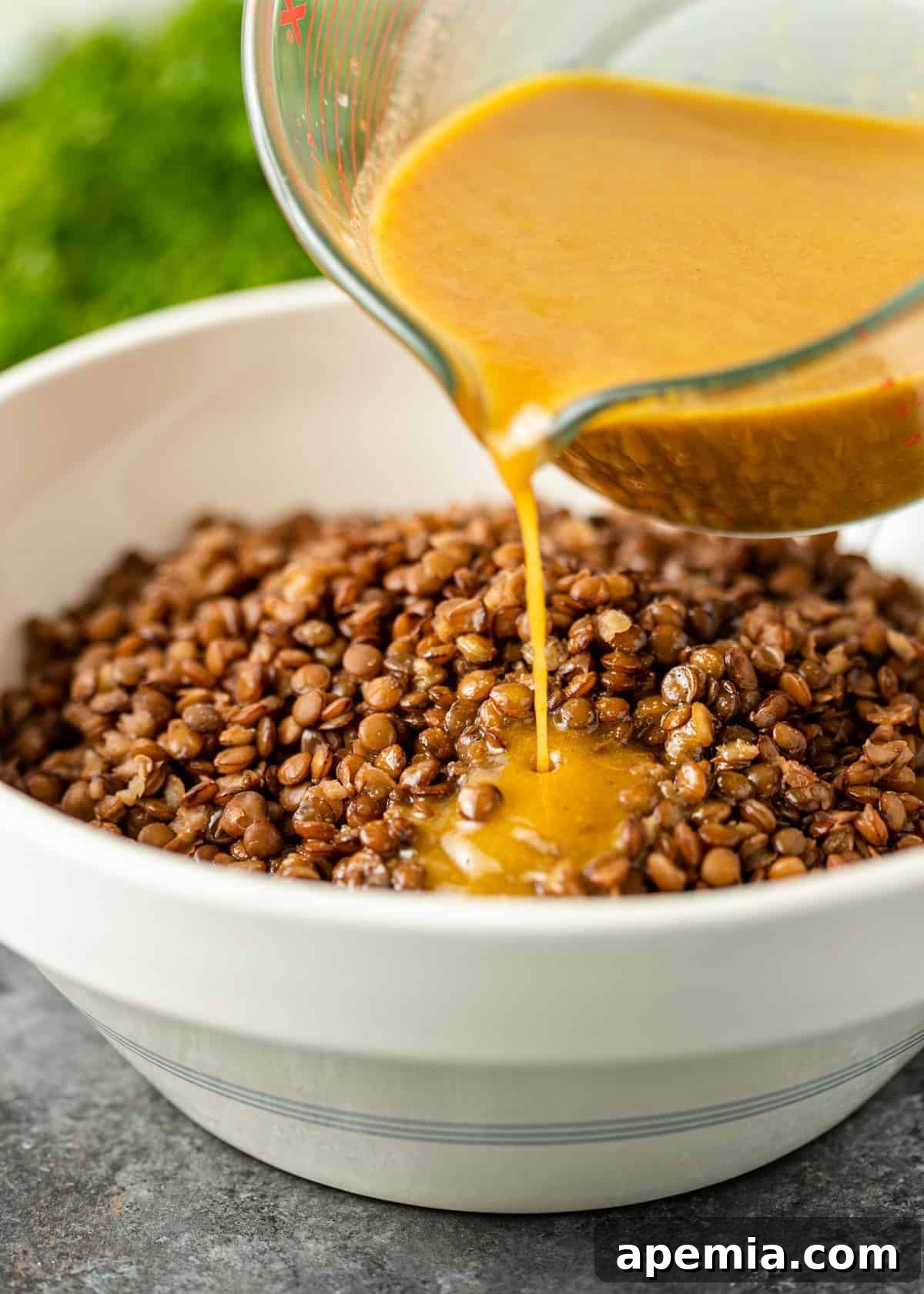
- Prepare the Vinaigrette: In a blender or using an immersion hand blender, combine the ⅔ cup of olive oil, ½ cup of red wine vinegar, 1 teaspoon of Dijon mustard, 1 tablespoon of Berbere spice, ½ teaspoon of cinnamon, the 2 minced garlic cloves, and 1 teaspoon of salt. Blend until the mixture is thick, creamy, and beautifully emulsified. Emulsification is key here, as it prevents the oil and vinegar from separating, ensuring a consistently flavorful dressing.
- Dress the Lentils: Pour ¾ cup of the freshly made dressing over the warm (or cooled) lentils in the large bowl. Toss gently to ensure every lentil is evenly coated with the rich vinaigrette. Set the dressed lentils aside while you prepare the chicken.
Cooking the Flavorful Chicken
- Season the Chicken: Take the remaining 1 tablespoon of Berbere spice and 1 teaspoon of salt. Generously rub this spice mixture all over the chicken breasts, ensuring they are thoroughly coated. This dry rub creates a flavorful crust when seared.
- Sauté Onions and Chicken: Heat 2 tablespoons of olive oil in a large skillet over medium heat. Add the chopped onion and sauté, stirring occasionally, for about 8 minutes, or until the onions turn soft, translucent, and beautifully caramelized, developing a sweet, rich flavor. Remove the caramelized onions from the skillet and set them aside. Place the seasoned chicken breasts into the same skillet. Sauté for approximately 3 minutes per side, or until the chicken is golden brown and cooked through to an internal temperature of 165°F (74°C).
Serving Your Masterpiece
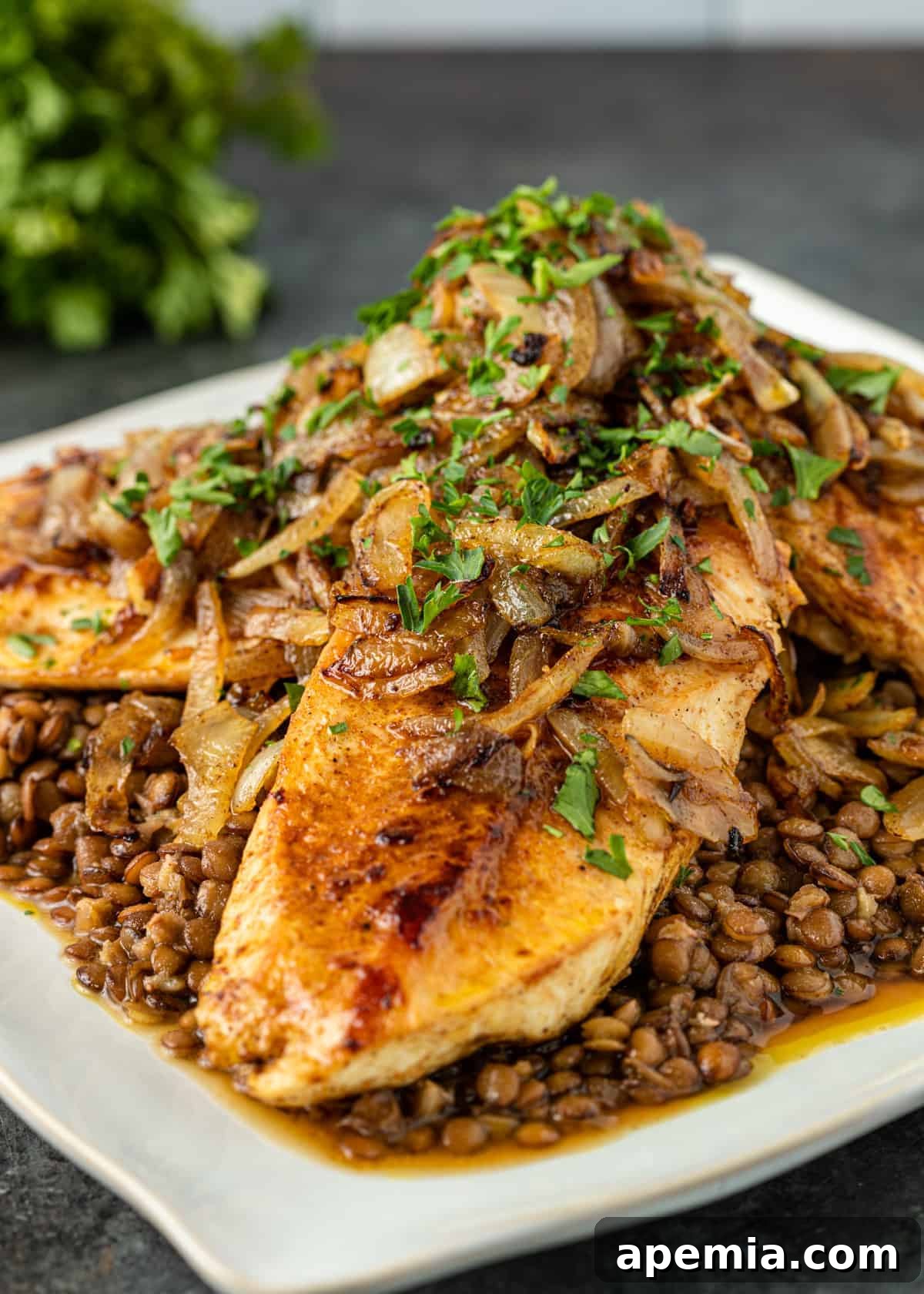
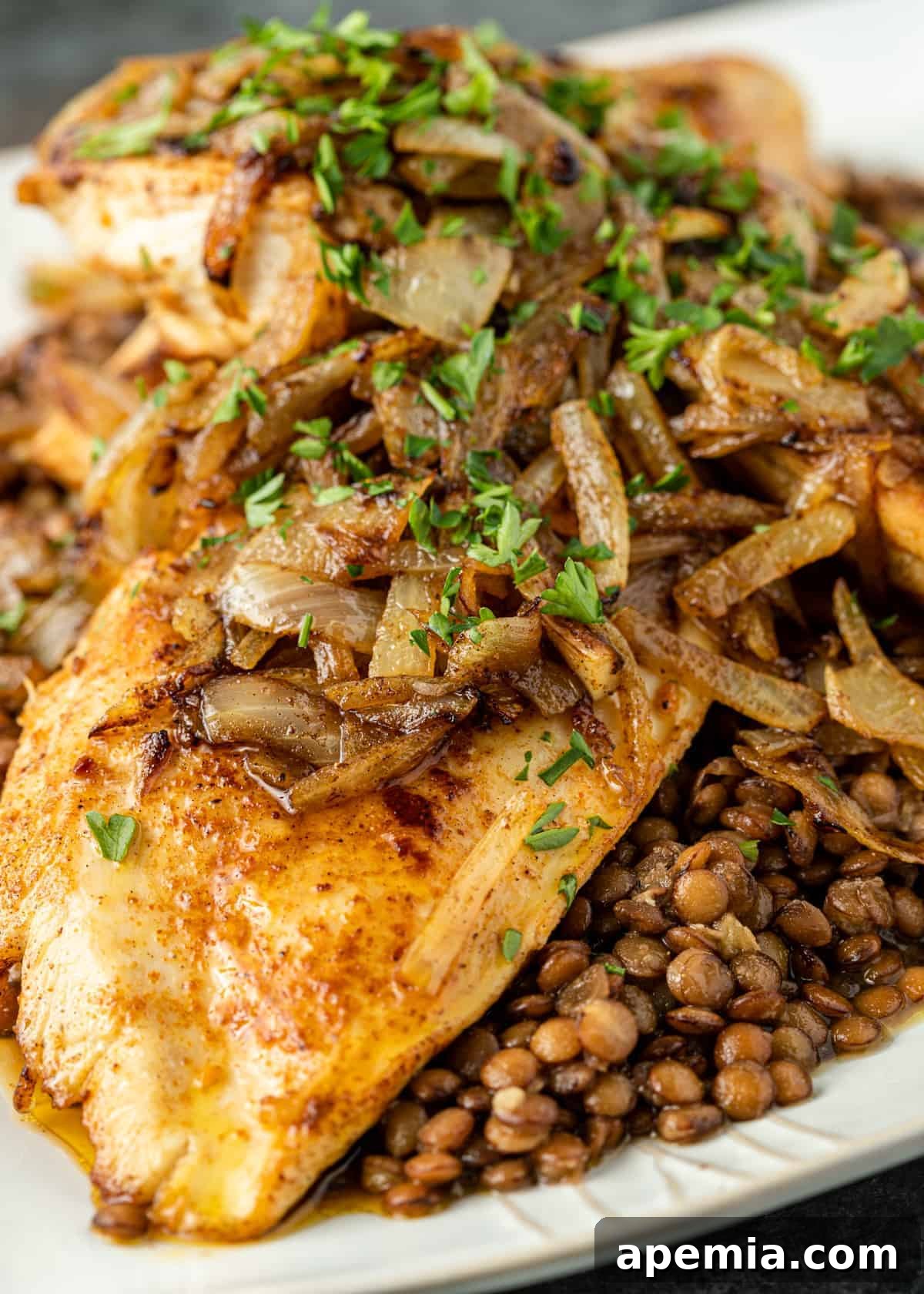
- Assemble the Dish: Give the dressed lentils another quick toss to refresh the flavors. Arrange the lentils attractively on a large serving platter or individual plates. Top the bed of lentils with the perfectly sautéed chicken breasts. Scatter the caramelized onions generously over the chicken. Drizzle any remaining dressing over the entire dish to add an extra layer of moisture and flavor.
- Garnish and Enjoy: For the finishing touch, sprinkle fresh, chopped parsley over the top for a burst of color and herbaceous freshness. Serve immediately with freshly sliced lemons on the side for squeezing, allowing each diner to add a bright, zesty finish to their portion. Enjoy this hearty and healthy Berbere Chicken and Lentils!
Expert Tips for Perfect Berbere Chicken and Lentils
Achieving culinary perfection often comes down to a few key techniques and considerations:
Mastering the Dressing Emulsion
When preparing the lentil salad dressing, using an immersion hand blender or a regular blender is highly recommended. These tools effectively emulsify the ingredients, creating a thick, cohesive dressing where the oil and vinegar are perfectly blended and won’t separate. While you can combine the ingredients in a mason jar and shake them, this method will not create a stable emulsion, meaning the dressing will separate quickly. A properly emulsified dressing ensures consistent flavor distribution throughout the lentils.
Ensuring Chicken is Perfectly Cooked
Food safety is paramount when cooking chicken. The most reliable way to ensure chicken is safe to eat is by checking its internal temperature. Chicken is fully cooked when it reaches an internal temperature of 165°F (74°C). While visual cues like the meat being no longer pink and juices running clear are generally accurate, they can sometimes be misleading. For absolute certainty, invest in an instant-read cooking thermometer. Simply insert it into the thickest portion of the chicken breast, avoiding bones, to get an accurate reading. This prevents both undercooking, which poses health risks, and overcooking, which can lead to dry, rubbery chicken.
Serving Suggestions for Berbere Chicken and Lentils
Berbere Chicken and Lentils is a beautifully balanced dish on its own, offering a complete and satisfying meal. However, you can enhance the dining experience with thoughtful accompaniments:
To maintain the meal’s healthy profile, consider serving it alongside steamed or lightly marinated vegetables. Green beans, asparagus, or a simple side salad with a light vinaigrette would complement the rich flavors of the chicken and lentils without adding heaviness. For those who enjoy a fuller meal, a side of traditional flatbreads such as Pide (Turkish bread), soft Naan bread, or wholesome Khubz (whole wheat pita bread) would be excellent choices for soaking up the delicious dressing and spices. The slight chewiness of these breads provides a wonderful textural contrast to the tender chicken and lentils. You might also consider a simple rice pilaf or couscous if you desire an additional grain element.
Diving Deeper: What Exactly is Berbere Spice?
Berbere spice is truly the MVP (Most Valuable Player) of Berbere Chicken, an aromatic treasure from the rich tapestry of Ethiopian cuisine. This vibrant, warming, and complex spice blend is a cornerstone of East African cooking and is renowned for its ability to infuse dishes with unparalleled depth and character.
At its heart, Berbere is a intricate medley of numerous spices, creating a symphony of flavors that is both bold and nuanced. Common ingredients typically include allspice, fenugreek, coriander, ginger, cinnamon, cardamom, nutmeg, and a generous amount of chilies (often cayenne or bird’s eye chilies) for its characteristic warmth. Some blends might also incorporate garlic, onions, or other regional additions, contributing to its unique signature.
The magic of Berbere lies in its balanced profile: it delivers an earthy warmth, a lively yet manageable spice, and bright, zesty citrus tones to virtually everything it touches. This combination of sweet, spicy, savory, and tangy flavors makes it an incredibly versatile seasoning. It excels as a mouthwatering meat rub or marinade for chicken, beef, or lamb, tenderizing and flavoring simultaneously. But its utility extends far beyond meats; Berbere can elevate all manner of rice and vegetable dishes, impart an exotic twist when sprinkled on popcorn, or even add an unexpected kick when paired with certain fruits. For the most authentic and fresh experience, many enthusiasts, myself included, prefer to make their own Berbere Spice Mix from scratch, allowing for a personalized balance of its magnificent components.
Do I Need to Soak Lentils Before Cooking?
No, soaking lentils is generally not a necessary step for this Berbere Chicken and Lentils recipe, nor for most brown or green lentil preparations. Unlike some larger legumes or beans, lentils cook relatively quickly without pre-soaking. The most important step is simply to give them a good rinse under cold running water to remove any dust or small debris before cooking.
However, if you choose to soak your lentils, perhaps to maximize their digestibility or to reduce cooking time, you certainly can. A soaking period of around 2 hours is usually adequate. Be mindful that soaking will significantly soften the lentils and will cut their required cooking time by roughly half. Always adjust your cooking duration accordingly if you opt for pre-soaking to prevent them from becoming overly mushy.
Berbere Chicken and Lentils
★
★
★
★
6
10 mins
20 mins
30 mins
Print Recipe
Video
A video demonstration of this recipe can be found here:
Watch the Berbere Chicken and Lentils Recipe Video
Ingredients
For the Lentils:
- 8 cups water
- 1 tsp salt
- 1 lb dried brown lentils, rinsed and drained
For the Berbere Vinaigrette:
- ⅔ cup olive oil
- ½ cup red wine vinegar
- 1 tsp Dijon mustard
- 1 tbsp Berbere spice
- ½ tsp cinnamon
- 2 garlic cloves, minced
- 1 tsp salt
For the Chicken & Assembly:
- 1 large onion, chopped
- 2 lbs skinless, boneless chicken breasts (or thighs)
- 1 tbsp Berbere spice (remaining from total 2 tbsp)
- 1 tsp salt (remaining from total 3 tsp)
- 2 tbsp olive oil
- ¼ cup fresh parsley, chopped
- 1 lemon, sliced, for serving
Instructions
Lentils
- Combine 8 cups of water and 1 teaspoon salt in a large saucepan over high heat. Add lentils and bring to a boil. Cover, reduce heat to medium, and simmer until lentils are tender, about 20 minutes. Drain and rinse thoroughly with cold water, then drain again. Place in a large bowl.
Dressing
- In a blender or using an immersion hand blender, mix the ⅔ cup olive oil, ½ cup vinegar, 1 teaspoon mustard, 1 tablespoon of Berbere spice, ½ teaspoon cinnamon, 2 minced garlic cloves, and 1 teaspoon salt until thick and emulsified. Pour ¾ cup of this dressing over the warm lentils and toss to coat; set aside.
Chicken
- Rub the chicken all over with the remaining 1 tablespoon Berbere spice and 1 teaspoon of salt.
- Heat 2 tablespoons olive oil in a large skillet over medium heat. Add the chopped onion and sauté until soft and caramelized, about 8 minutes. Remove the onions and set them aside. Add the chicken breasts to the skillet and sauté for 3 minutes per side, or until cooked through and golden brown.
Serving
- Toss the lentils with the dressing again. Arrange the dressed lentils on a large platter or individual plates. Place the chicken on top of the lentils, then layer the caramelized onions on top of the chicken. Drizzle with any remaining dressing and sprinkle generously with fresh parsley. Serve immediately with fresh lemon slices for squeezing.
Nutrition
Calories: 719kcal
| Carbohydrates: 50g
| Protein: 52g
| Fat: 34g
| Saturated Fat: 5g
| Cholesterol: 97mg
| Sodium: 1126mg
| Potassium: 1355mg
| Fiber: 25g
| Sugar: 3g
| Vitamin A: 299IU
| Vitamin C: 21mg
| Calcium: 76mg
| Iron: 8mg
The information shown is an estimate provided by an online nutrition calculator. It should not be considered a substitute for a professional nutritionist’s advice.
Main Course
Ethiopian
Kevin
Have You Made This Recipe? Let Me Know on Instagram!
Tag @keviniscooking or use the hashtag #keviniscooking!