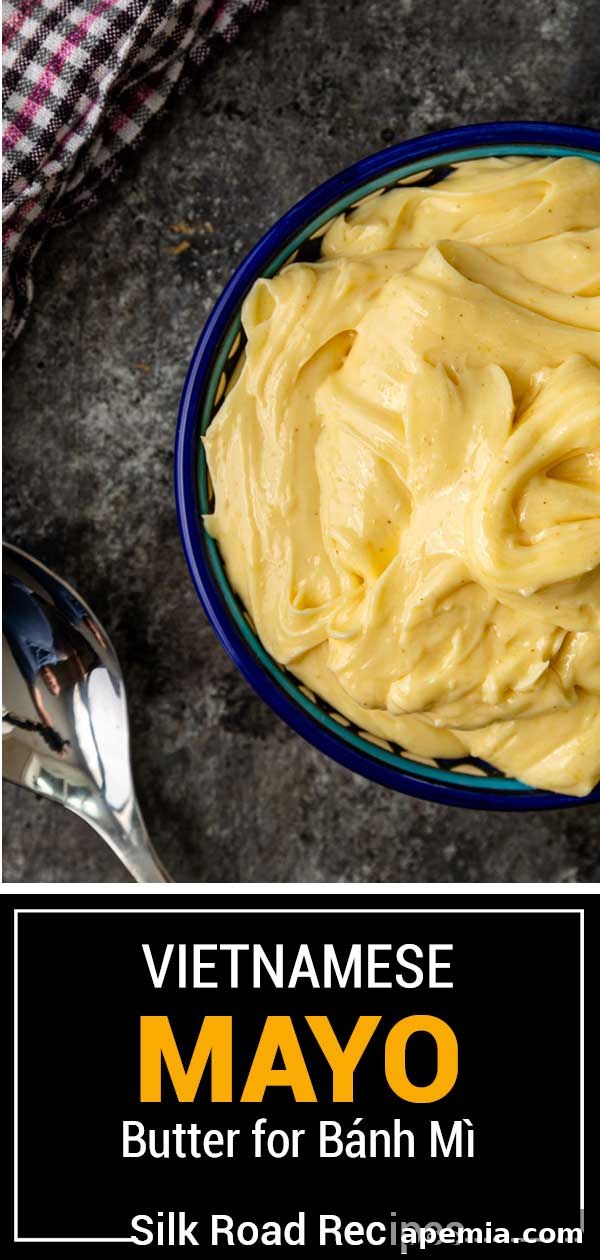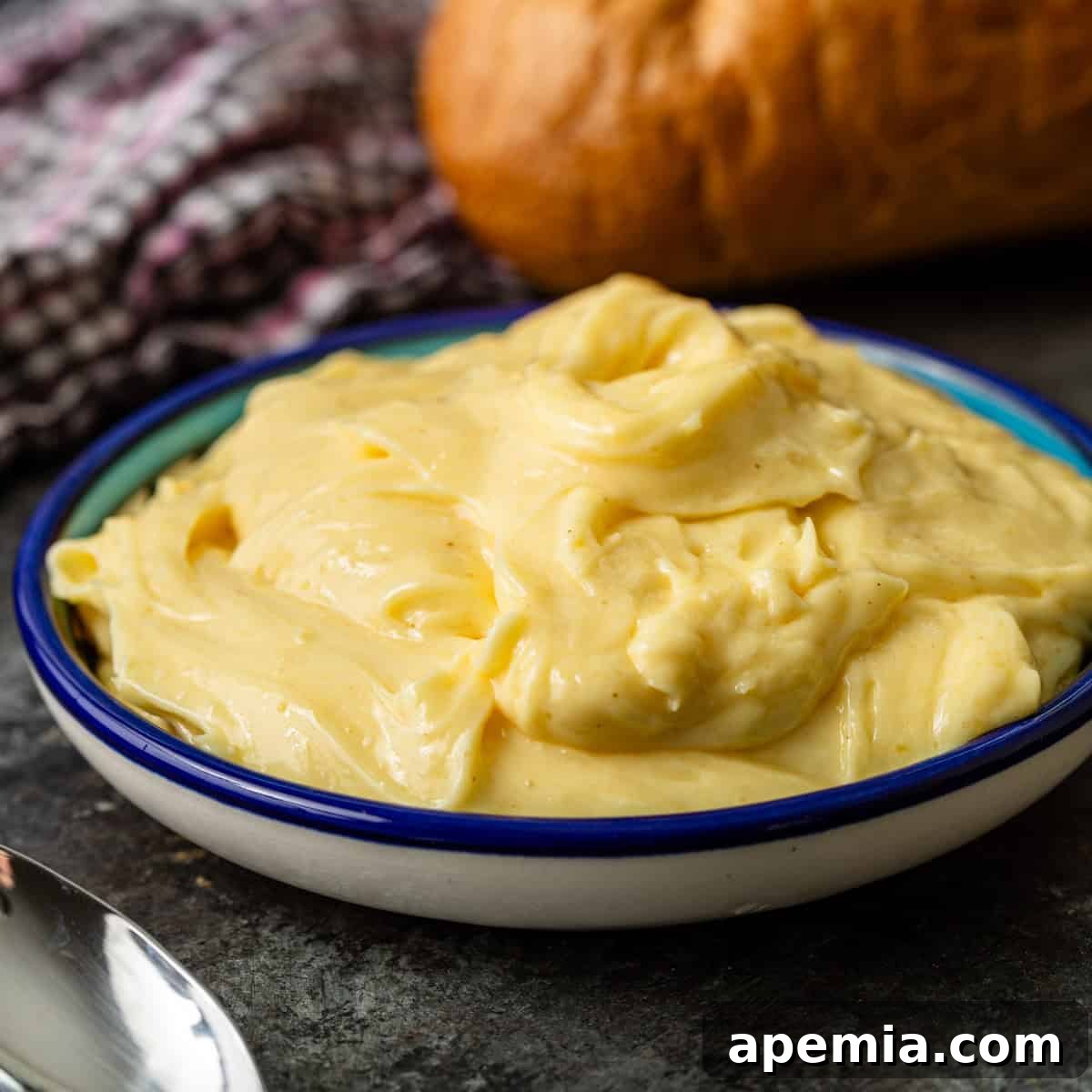
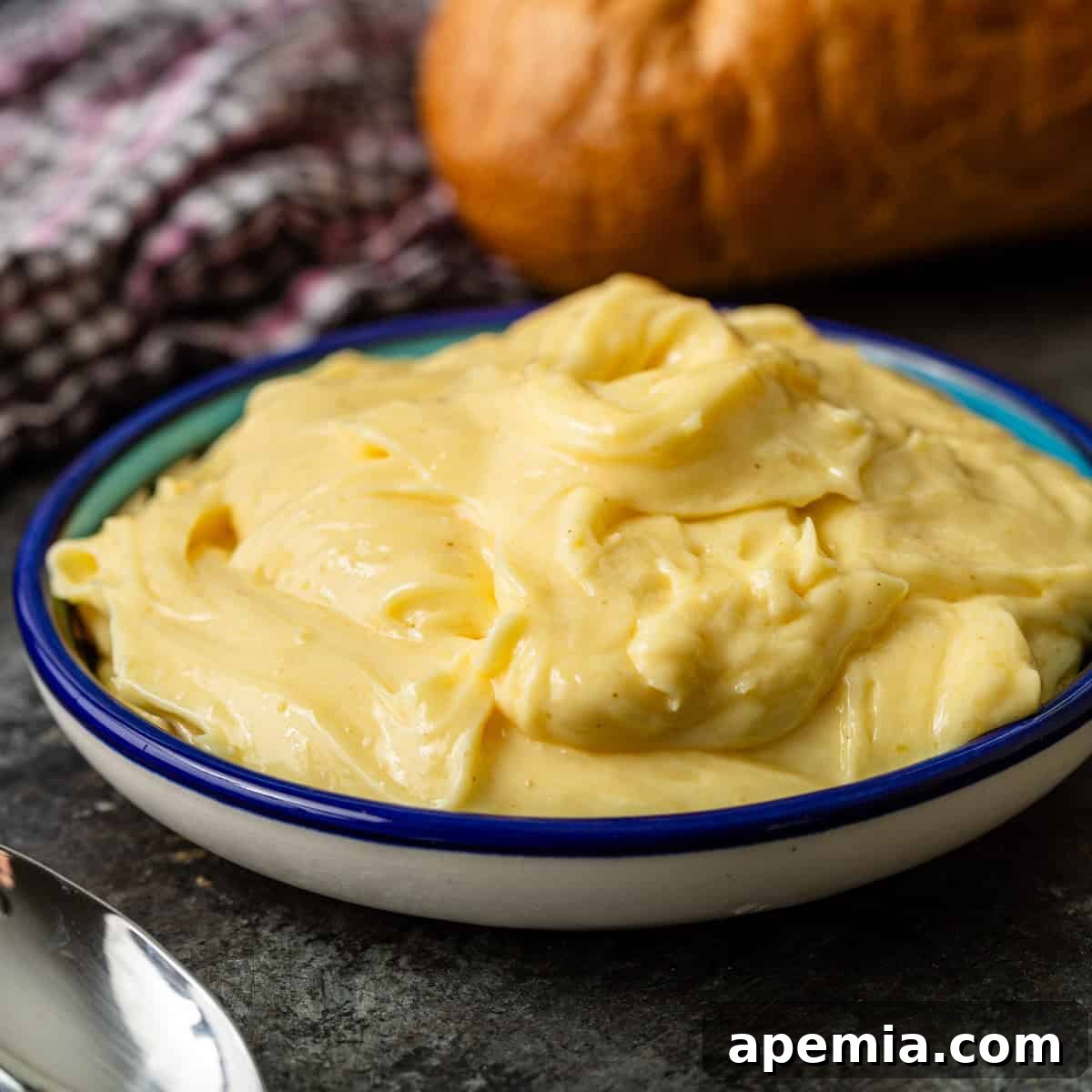
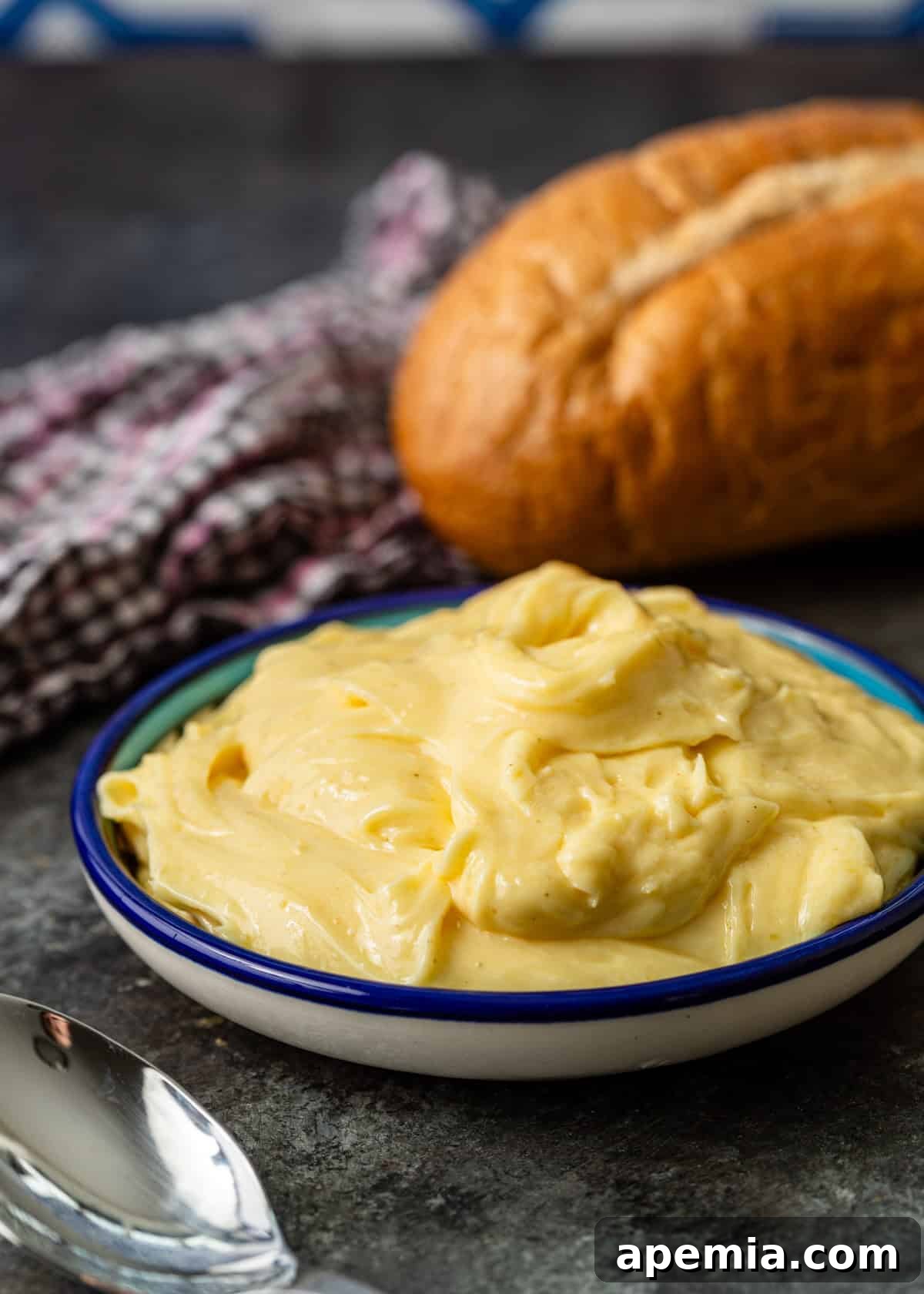
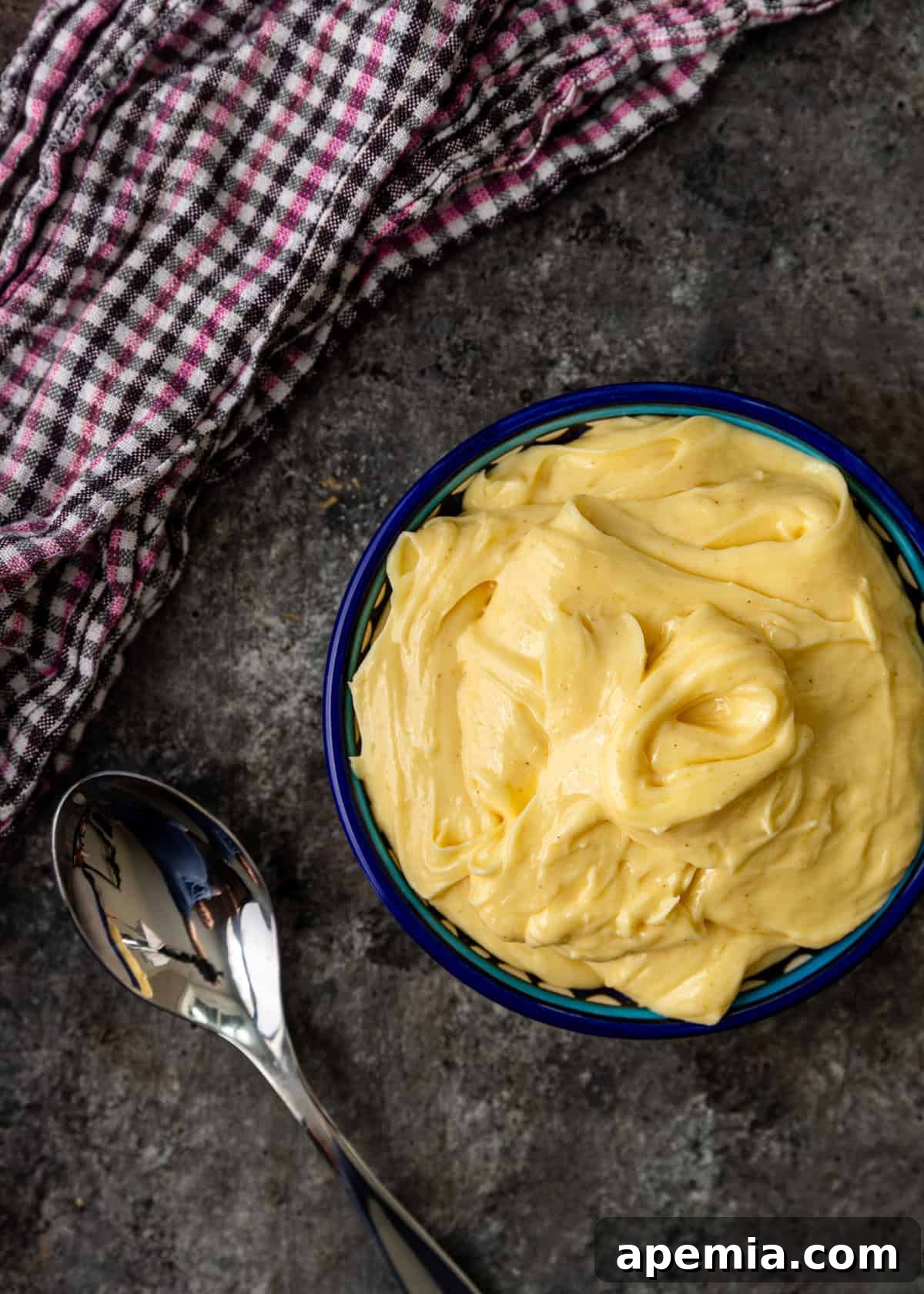
This rich and creamy **Vietnamese mayo**, known as sốt bơ trứng, is incredibly easy to prepare in 10 minutes or less. It’s a staple sandwich spread, especially beloved for its role in the iconic Bánh Mì, characterized by its savory depth and appealing golden hue. Beyond sandwiches, this versatile condiment enhances a variety of savory dishes, pairing exceptionally well with pork, seafood, poultry, and even grilled vegetables.
Authentic Homemade Vietnamese Mayo: The Secret to Perfect Bánh Mì and More
Have you ever savored the distinct, creamy spread on your favorite Bánh Mì sandwich and wondered what magic lay within? That irresistible condiment is sốt bơ trứng, often simply called bơ trứng or bơ. This Vietnamese mayonnaise boasts a flavor profile distinctly different from regular Western mayonnaise, offering a rich, savory experience that’s hard to forget.
What sets Vietnamese mayo apart is its generous use of egg yolks and a touch of garlic, creating a profoundly rich and savory emulsion. The inspiration for this recipe comes directly from a knowledgeable street vendor I encountered during my last trip to Vietnam. This particular recipe offers a fundamental, authentic version of the spread, providing a perfect base from which you can explore various customizations. For instance, some enthusiasts enjoy incorporating a touch of chili paste or hot sauce for a spicy kick, finely minced shallots for aromatic depth, or even a hint of brown sugar to complement specific pairings. The beauty of homemade Vietnamese mayo lies in its adaptability to your personal taste and intended use.
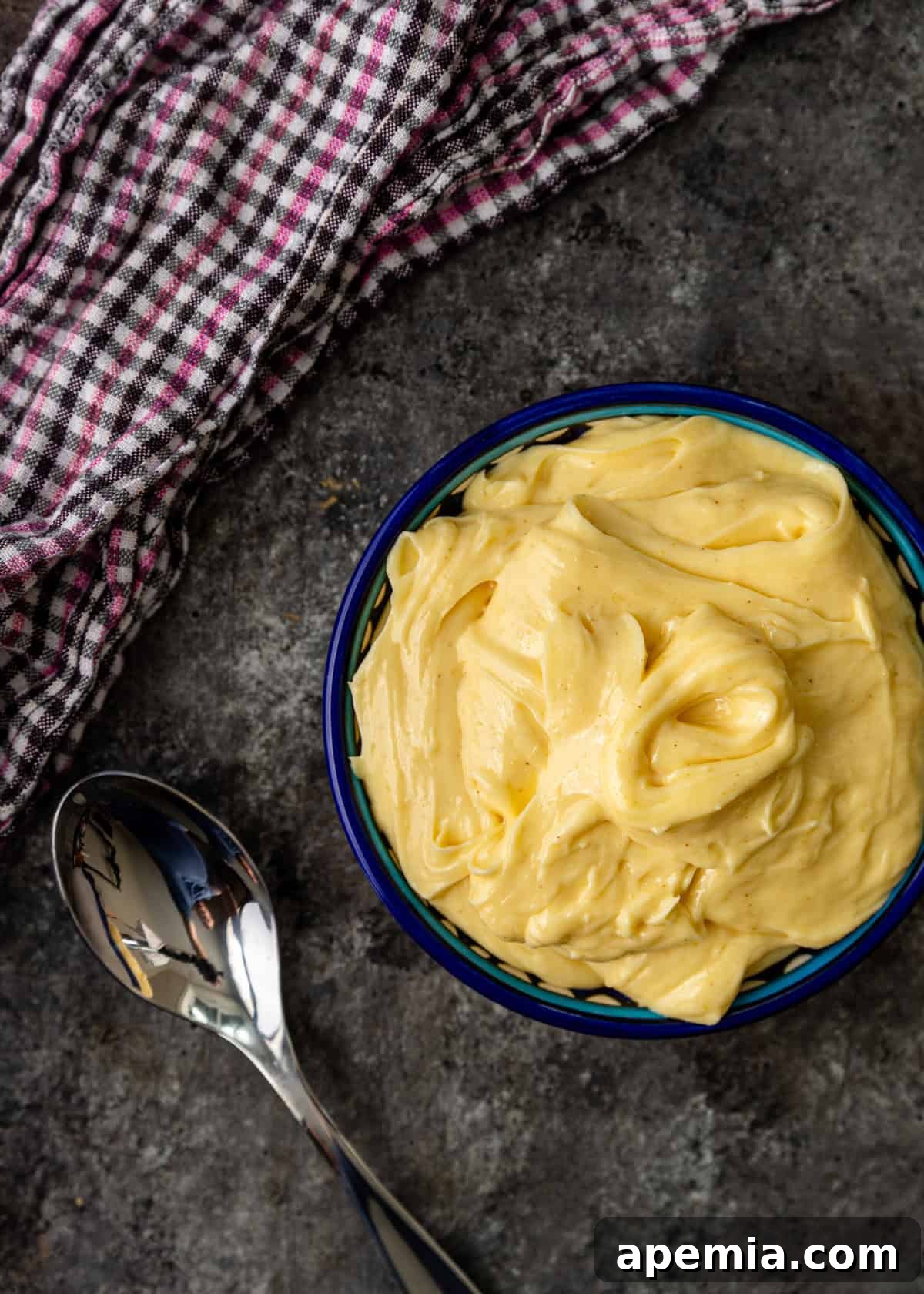
Table of Contents
- What Makes Vietnamese Mayo Unique?
- Why Make Your Own Vietnamese Mayo?
- Key Ingredients for Authentic Flavor
- Step-by-Step Guide to Perfect Vietnamese Mayo
- Serving Suggestions & Culinary Pairings
- Recommended Tools for Mayo Making
- Storage & Safety Tips
- Frequently Asked Questions
- Vietnamese Mayo Butter for Bánh Mì Recipe
What Makes Vietnamese Mayo Unique?
Unlike standard mayonnaise, which typically uses whole eggs and vinegar or lemon juice for acidity, Vietnamese mayo focuses purely on the richness of egg yolks. This omission of egg whites and acid results in a spread that is incredibly “eggy” in flavor, profoundly rich, and exceptionally smooth on the palate, without the tanginess that often cuts through the fat in Western versions. The golden color is also a direct result of using only yolks. This unique composition gives it a distinct character that perfectly complements the complex flavors of Vietnamese cuisine.
Why Make Your Own Vietnamese Mayo?
Making your own Vietnamese mayo at home offers several compelling advantages. Firstly, freshness is paramount; homemade mayo tastes undeniably better than store-bought varieties, free from preservatives and artificial flavors. Secondly, you have complete control over the ingredients, allowing you to select high-quality oils and adjust seasonings to your exact preference. Whether you prefer a stronger garlic note, a hint of spice, or a touch of sweetness, homemade allows for endless customization. Plus, the process itself is surprisingly quick and satisfying, transforming simple ingredients into a gourmet condiment in mere minutes. It’s a culinary skill that will elevate your home cooking and impress your guests.
Key Ingredients for Authentic Flavor
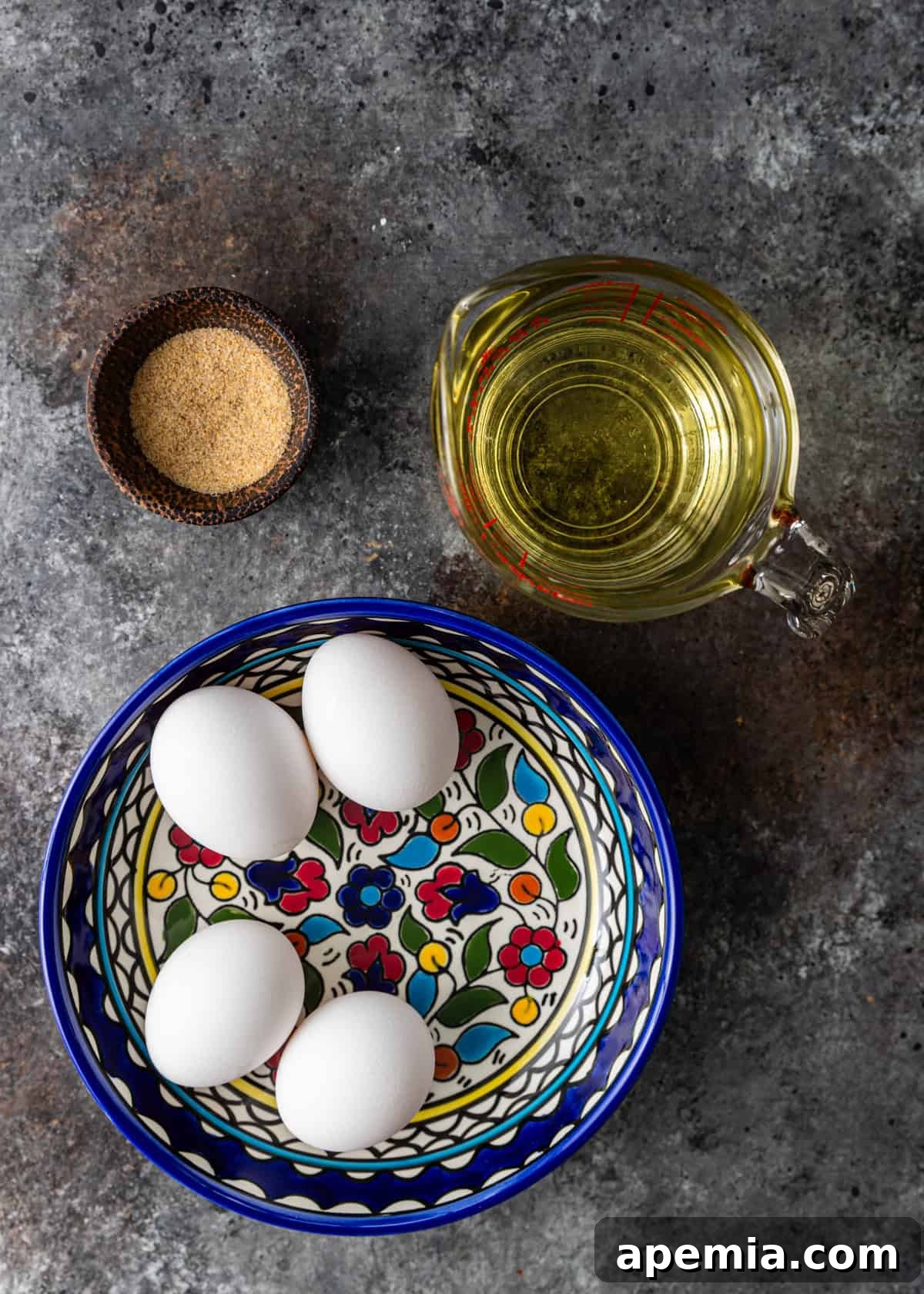
Creating this delicious Vietnamese mayo requires just a handful of simple ingredients. Each plays a crucial role in achieving its signature flavor and texture:
- Egg Yolks: The foundation of this creamy spread. We use only the yolks to achieve that characteristic rich flavor and deep golden color. For the best emulsification, allow your egg yolks to come to room temperature before beginning. Due to the use of raw eggs, it is paramount to ensure they are pasteurized and handled safely. (More details on raw egg safety are available in the FAQ section below.)
- Neutral Vegetable Oil: The choice of oil is critical for mayonnaise, as it forms the bulk of the emulsion. A neutral, flavorless oil ensures that the rich egg and garlic flavors shine through without interference. Vegetable oil is an excellent choice, but canola oil or grapeseed oil are also great alternatives. Avoid strong-flavored oils like olive oil, which can overpower the delicate balance of this mayo.
- Garlic Powder: To infuse the spread with a tangy, nutty garlic essence without compromising its silky-smooth texture. Unlike minced fresh garlic, which could introduce unwelcome chunks, garlic powder dissolves seamlessly, distributing flavor evenly. If garlic powder is unavailable, a small amount of onion powder can provide a subtle savory depth, though it will alter the classic flavor profile slightly.
- Celery Salt: This often-overlooked ingredient adds a subtle complexity, providing a savory saltiness along with a delicate, aromatic, and slightly bitter note. It complements the richness of the mayo beautifully. If celery salt isn’t on hand, you can certainly use regular fine sea salt. Alternatively, to boost the garlic flavor even further, you could substitute the garlic powder and salt with garlic salt, adjusting the quantity to taste.
Step-by-Step Guide to Perfect Vietnamese Mayo
Making this creamy condiment is surprisingly straightforward. Here’s how to achieve perfect results every time:
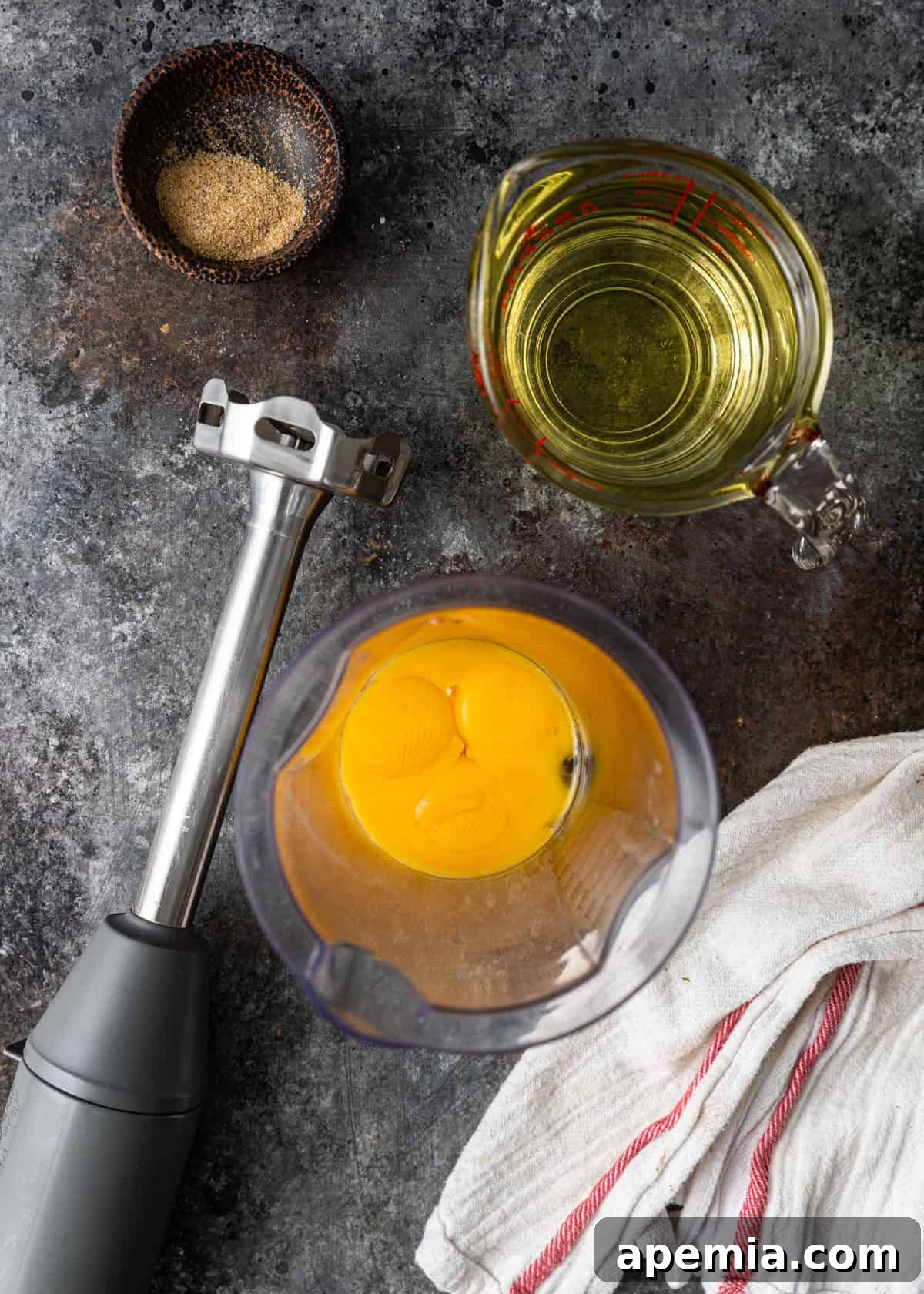
- Prepare the Egg Yolks: Carefully crack and separate your eggs, transferring only the vibrant yolks into a bowl specifically designed for an immersion blender, or a narrow, tall cup. Reserve the egg whites for another culinary creation, like an omelet or meringue. Ensuring the yolks are at room temperature will greatly aid in the emulsification process, making your mayo smoother and less likely to break.
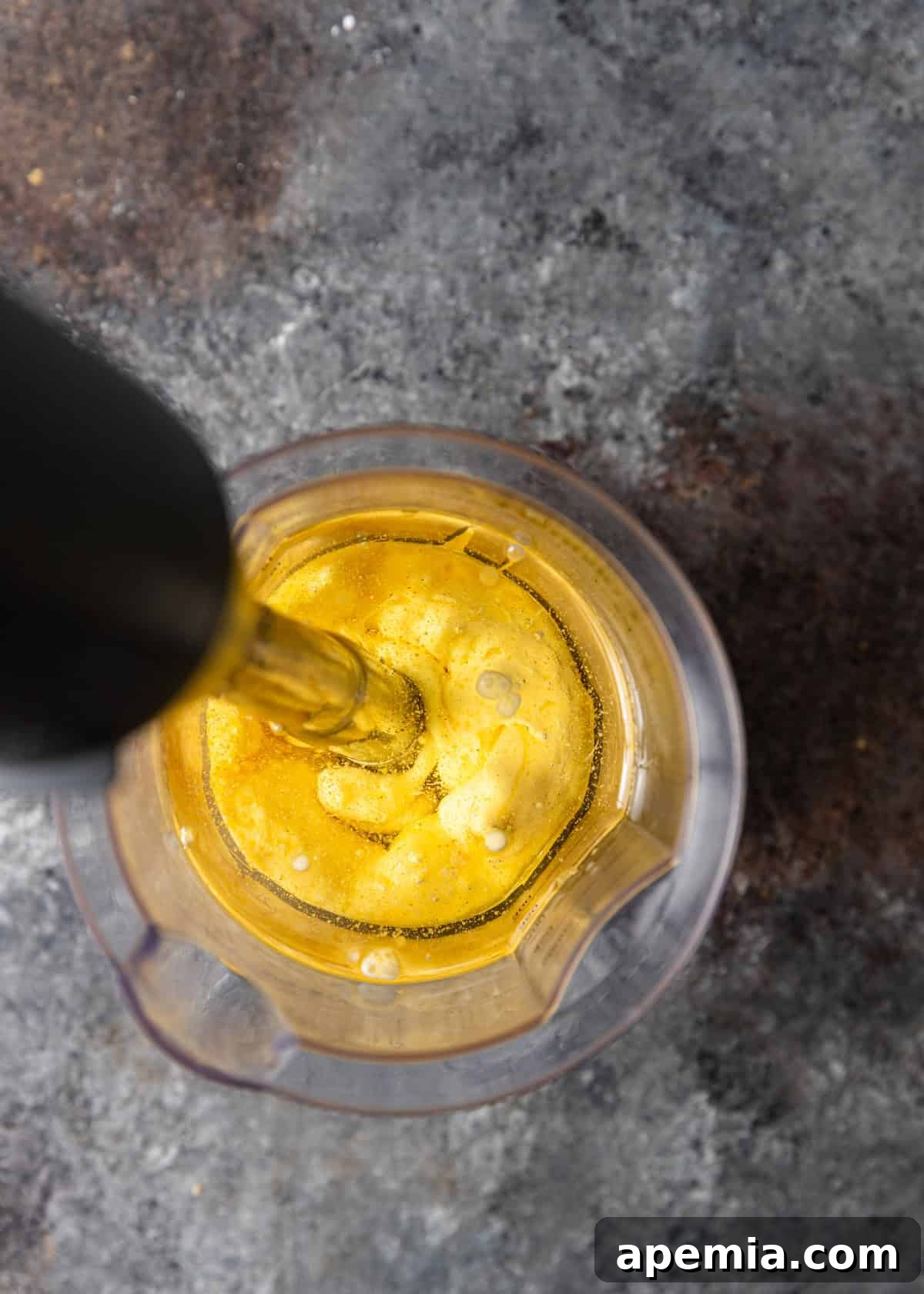
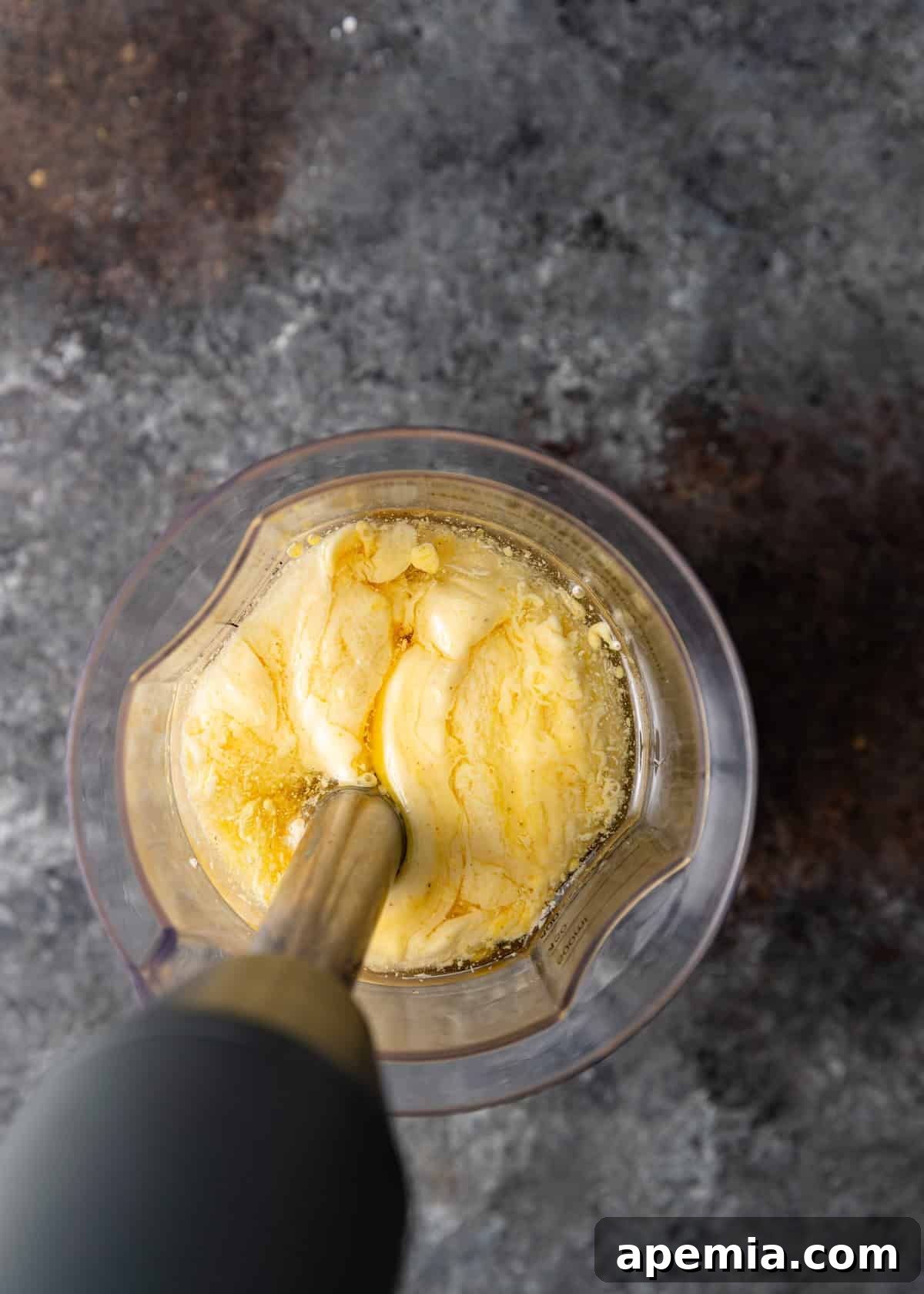
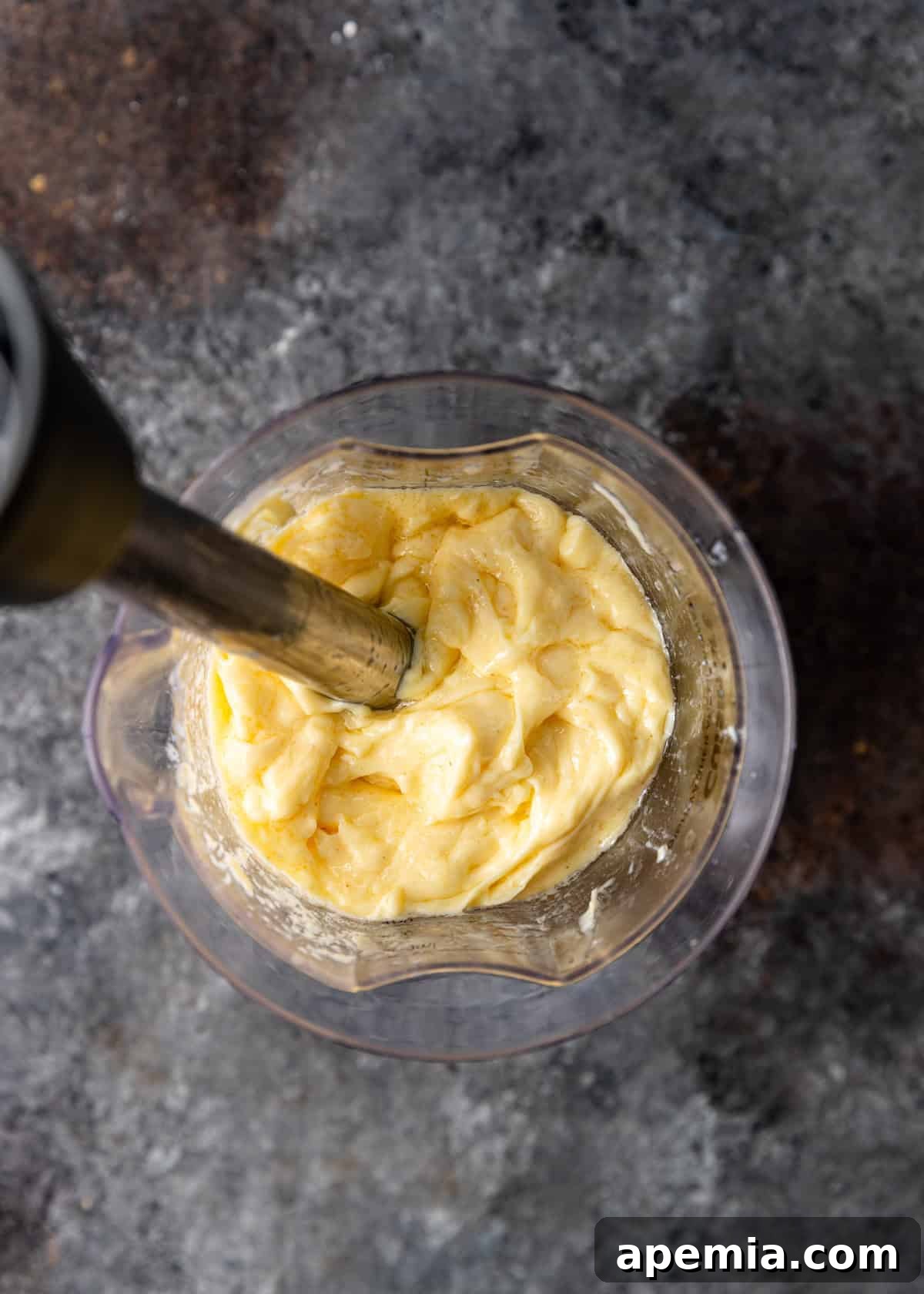
- Combine and Blend: To the bowl containing the egg yolks, add the neutral vegetable oil, garlic powder, and celery salt. If using an immersion blender, place the blender head at the bottom of the cup, turn it on, and slowly lift it upwards as the mixture emulsifies, forming a thick, creamy consistency. Continue blending until the mixture is completely smooth and cohesive.
Alternatively, if using a whisk: This method requires a bit more arm power and patience. Drizzle the oil into the egg yolk mixture very slowly, just a few drops at a time initially, while continuously whisking vigorously. As the emulsion begins to form and thicken, you can increase the oil flow to a thin, steady stream. Keep whisking without interruption until the mayo reaches your desired thick and smooth texture. - Chill and Serve: Once blended, cover the homemade Vietnamese mayo tightly with plastic wrap, pressing it directly onto the surface to prevent a skin from forming. Alternatively, transfer it to an airtight container. Place it in the refrigerator to chill for at least one hour before serving. Chilling allows the flavors to meld and the mayo to firm up slightly, enhancing its texture and taste.
Serving Suggestions & Culinary Pairings
The versatility of Vietnamese mayo extends far beyond the humble Bánh Mì. Use it anywhere you’d typically enjoy regular mayonnaise, but prepare for an elevated flavor experience!
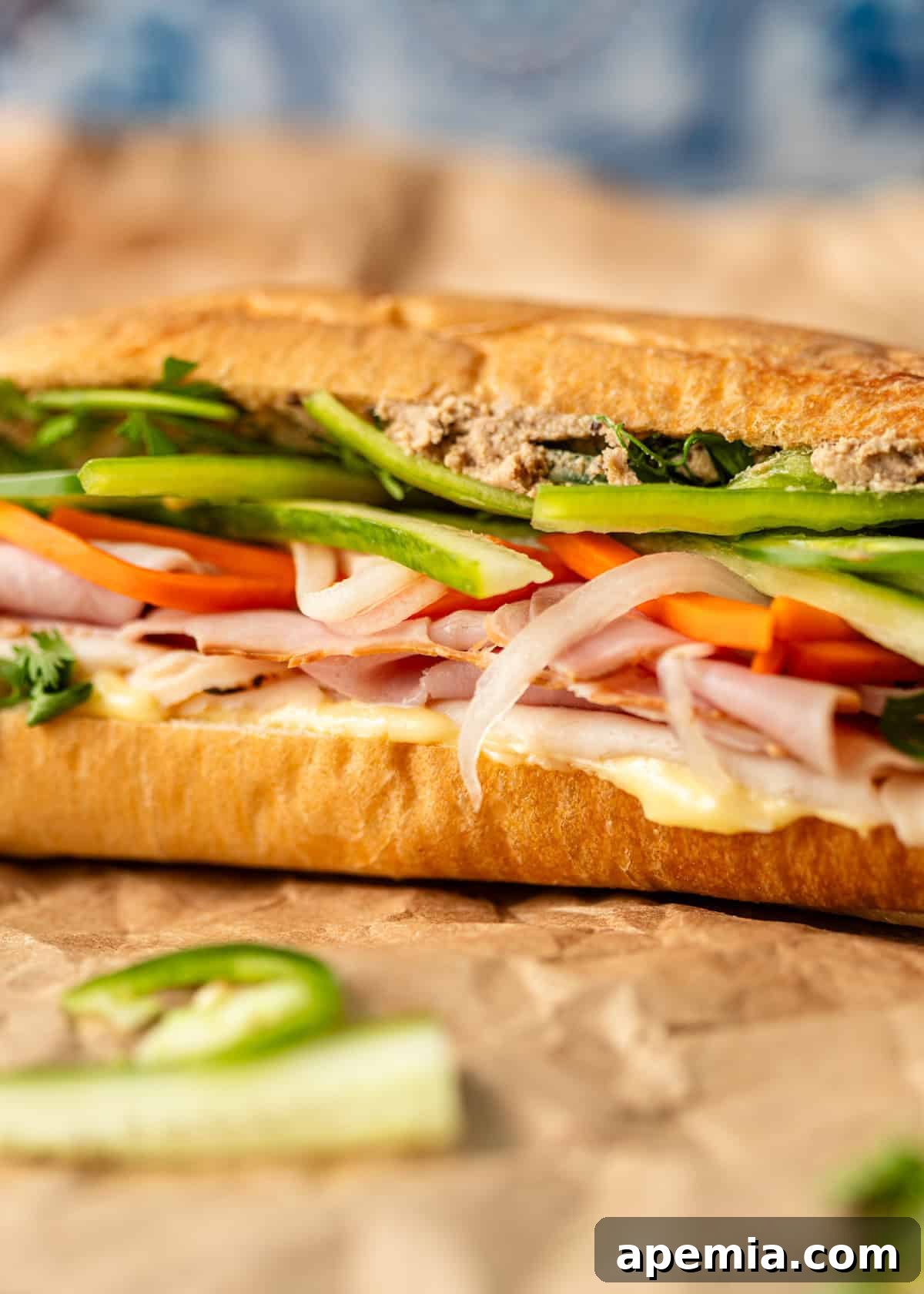
- The Ultimate Bánh Mì Companion: This is its most famous application. A generous spread of this mayo on a fresh, crusty baguette is essential for an authentic Bánh Mì sandwich, perfectly complementing the savory meats and pickled vegetables.
- Elevate Your Sandwiches and Burgers: Transform everyday sandwiches into gourmet delights. It’s fantastic on pork belly sliders, burgers, and even a simple turkey or ham sandwich, adding a rich, savory depth.
- Dipping Sauce Extraordinaire: Serve it alongside crispy fried chicken, tempura, spring rolls, or even French fries. The creamy texture and savory notes make it an ideal dip.
- Fantastic with Seafood: Its rich flavor pairs beautifully with various seafood dishes. Try it as a dipping sauce for honey walnut shrimp, grilled fish, or crab cakes.
- Upgrade Your Salads: Use it as a base for chicken salad (like Circassian chicken salad), potato salad, or coleslaw, adding a unique richness.
- Delicious with Vegetables: A dollop on roasted asparagus, steamed broccoli, or grilled corn can turn simple vegetables into a memorable side dish.
Tip From Kevin
Bánh Mì Hồng Hoa: A Source of Inspiration
This particular Vietnamese Mayo recipe, a true “butter” for Bánh Mì, was inspired by one of the best Bánh Mì sandwiches I ever tasted. During my last visit to Saigon (Ho Chi Minh City), I was on a quest for the ultimate Bánh Mì, and I found it at Bánh Mì Hồng Hoa. The owner, a true master of his craft, was gracious enough to share some insights that helped refine this recipe. If your travels ever take you to Ho Chi Minh City, I highly recommend visiting his establishment located at 54 Nguyễn Văn Tráng, Phường Phạm Ngũ Lão, Quận 1, Hồ Chí Minh, Vietnam. You can even watch a glimpse of the bustling Bánh Mì scene below.
Recommended Tools for Mayo Making
While you can certainly make mayonnaise with a good old-fashioned whisk and some elbow grease, certain tools make the process quicker and more efficient:
- Immersion Blender: This is by far the easiest and most recommended tool for making small batches of mayonnaise. Its compact size is perfect for emulsifying the limited ingredients in this recipe without needing to scale up to a full-sized blender. It whips up creamy mayo in seconds with minimal effort.
- Narrow Mixing Bowl or Cup: Essential when using an immersion blender. A tall, narrow container helps the blender blade engage with all the ingredients, creating a strong vortex that encourages emulsification.
- Whisk and Mixing Bowls: If an immersion blender isn’t available, a sturdy whisk and a medium-sized mixing bowl are your alternatives. Be prepared for a good arm workout, as consistent, vigorous whisking is key to achieving a stable emulsion.
Storage & Safety Tips
Proper storage is crucial for maintaining the quality and safety of your homemade Vietnamese mayo:
- Refrigeration: Your freshly made Vietnamese mayo will keep beautifully for up to 2 weeks when stored in an airtight container in the refrigerator. Always scoop out only what you need with a clean spoon to prevent contamination and prolong its shelf life.
- Freezing is Not Recommended: Unfortunately, freezing this homemade mayo is not advisable. The delicate emulsion tends to break during the freezing and thawing process, resulting in an undesirable, separated texture. Given how quickly this recipe comes together, it’s always best to whip up a fresh batch whenever you’re craving its creamy goodness.
- Raw Egg Safety: As this recipe uses raw egg yolks, it’s vital to prioritize food safety. Always use fresh, high-quality, pasteurized eggs if possible, as pasteurization significantly reduces the risk of salmonella. While raw egg consumption carries inherent risks, these can be mitigated by choosing safe ingredients and following proper hygiene. Individuals who are pregnant, very young, elderly, or have compromised immune systems should consult a healthcare professional regarding the consumption of raw or undercooked eggs.
📌
Share this recipe on Pinterest!
Love this recipe? Share it with the world on Pinterest.
Frequently Asked Questions
Yes, this Vietnamese mayo recipe utilizes raw egg yolks. For safety, it is strongly recommended to use pasteurized eggs, which have been treated to reduce the risk of foodborne illness. However, vulnerable populations such as pregnant women, young children, the elderly, and individuals with compromised immune systems should exercise caution or avoid consuming raw eggs, even if pasteurized.
The striking golden-yellow color of Vietnamese mayo comes from the exclusive use of egg yolks. Unlike many standard mayonnaise recipes that include egg whites, this recipe concentrates all the rich color and flavor of the yolks, resulting in its beautiful, appetizing hue.
Vietnamese mayo differs significantly from typical Western mayonnaise in two key aspects. Firstly, it uses only egg yolks, omitting the egg whites found in most standard recipes. Secondly, it does not traditionally contain vinegar or lemon juice, which are common acidic components in regular mayonnaise. This absence of acid results in a richer, heavier, and distinctly “eggy” flavor profile that lacks the tangy counterbalance of its Western counterpart, making it a unique and satisfying condiment.
The beauty of homemade mayo is its adaptability! To add a savory umami depth, consider incorporating a small amount of fish sauce or soy sauce. Some recipes also include a hint of sugar, which is a matter of personal preference; if you enjoy a touch of sweetness in your condiments, give it a try. For a Bánh Mì application, a little sweet teriyaki sauce could add both sweetness and a complementary flavor dimension. Don’t be afraid to experiment with other aromatics like finely minced shallots, a pinch of white pepper, or a dash of your favorite hot sauce for a spicy kick!
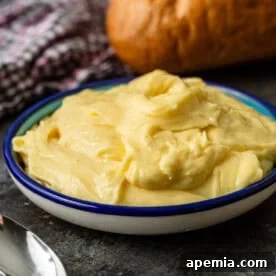
Vietnamese Mayo Butter for Bánh Mì
Vietnamese mayo is a rich, golden spread made from egg yolks, garlic, celery salt, and oil. It’s delicious on more than just your bánh mì!
Pin Recipe
Print Recipe
Ingredients
- 4 egg yolks
- 1 cup vegetable oil
- 1/2 tsp garlic powder
- 1/2 tsp celery salt
Instructions
-
Add the 4 egg yolks to a bowl or immersion blender cup (save whites for other uses). Ensure yolks are at room temperature.
-
Add the vegetable oil, garlic powder, and celery salt. If using an immersion blender: Place the blender head at the bottom and puree, slowly lifting upwards until emulsified and thick. If using a whisk: Gradually add the oil, a few tablespoons at a time, while continuously whisking vigorously until the mixture is thickened and completely incorporated. Taste and adjust seasoning as needed.
-
Cover tightly with plastic wrap or transfer to an airtight container and refrigerate for at least 1 hour before serving. Stored properly, it’s good for up to 2 weeks.
Nutrition
The information shown is an estimate provided by an online nutrition calculator. It should not be considered a substitute for a professional nutritionist’s advice.
Have You Made This Recipe? Let Me Know on Instagram
Tag @keviniscooking or tag me #keviniscooking!