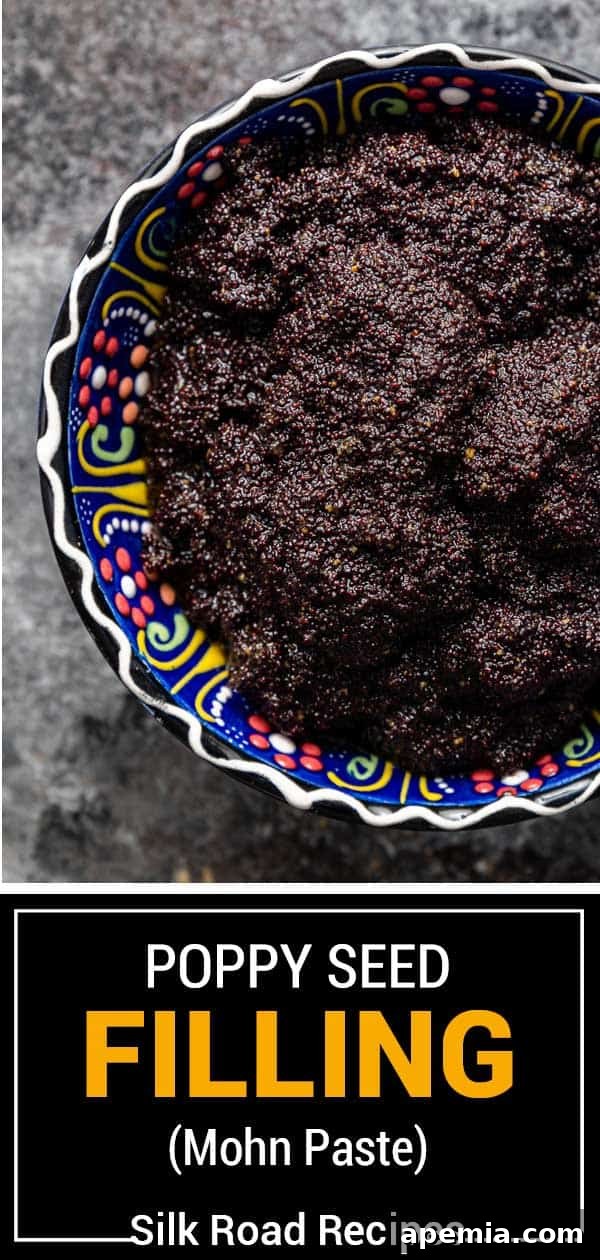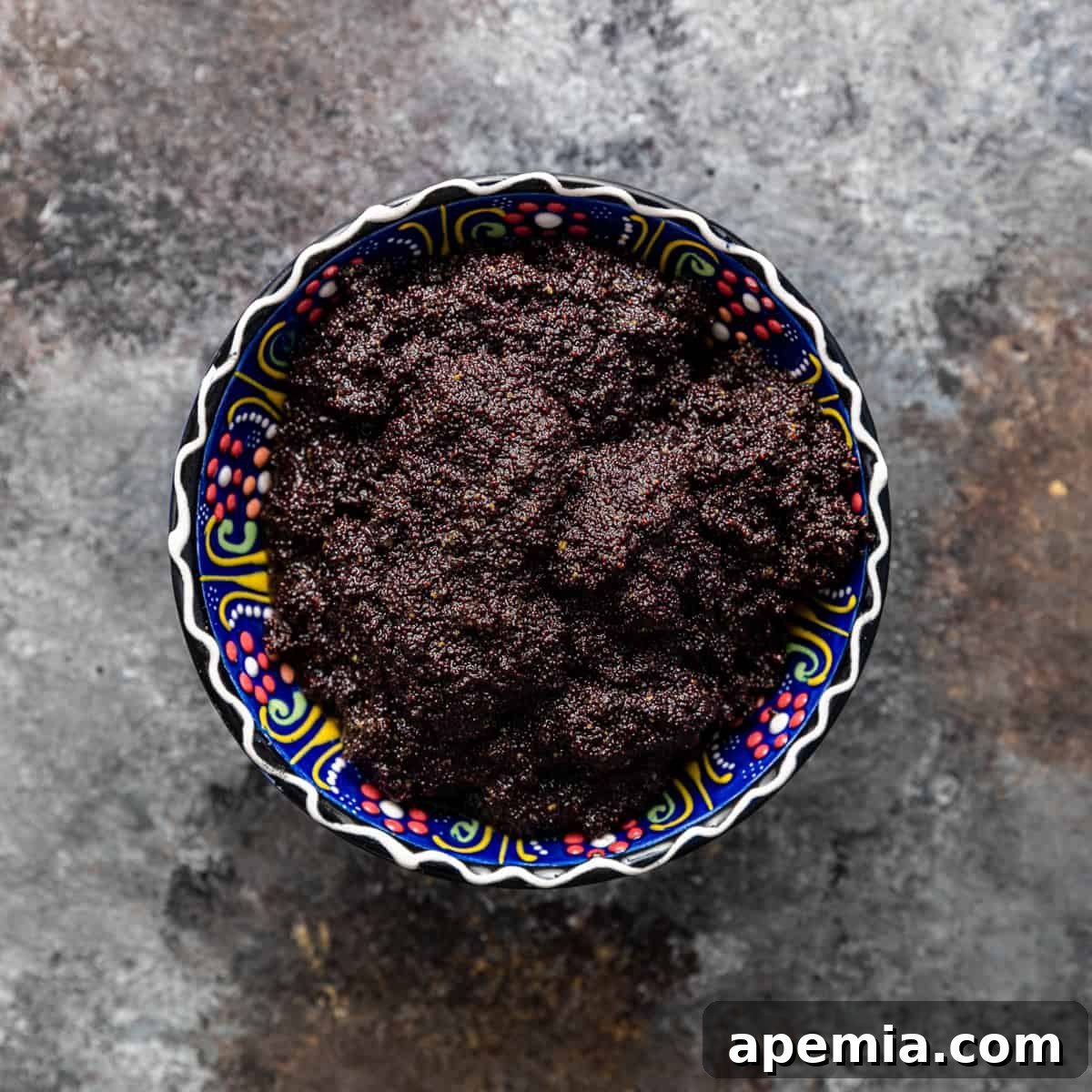
Indulge in the rich, sweet, and wonderfully nutty flavor of homemade poppy seed filling. Known also as Mohn Paste, this delightful confection offers a uniquely complex taste profile—a harmonious blend of fruity, subtly bitter, and bright citrus notes that transforms ordinary baked goods into extraordinary treats. Whether you’re crafting classic tarts, elegant rolled cakes, fluffy sweet buns, or celebrating with traditional Purim desserts, this versatile filling is an essential recipe for any baker.
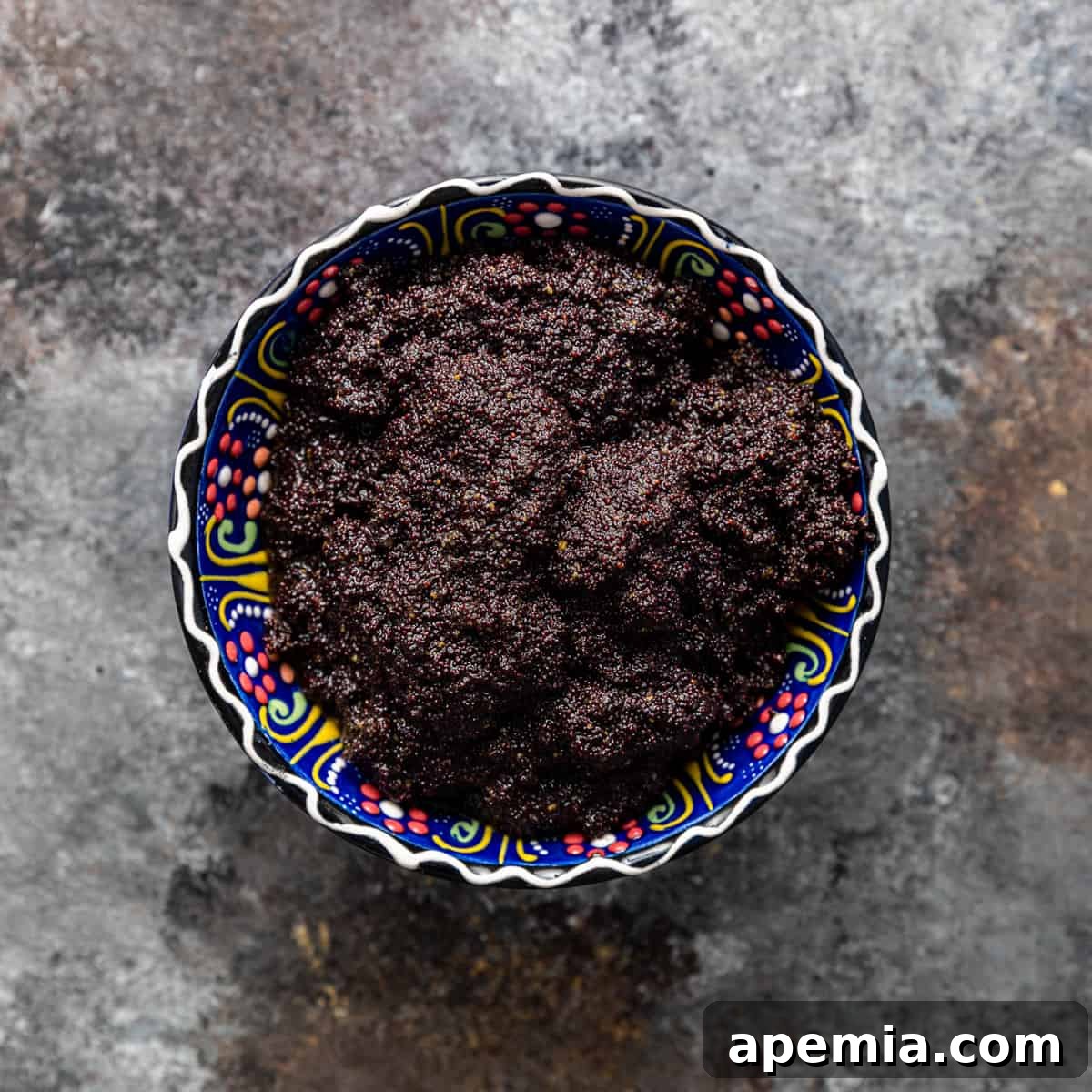
Derived from the Yiddish and German word “Mohn” meaning poppy, mohn paste is a rich, thick, and flavorful poppy seed filling deeply rooted in the culinary traditions of Central and Eastern European Jewish communities. Its popularity truly peaks around the joyous Jewish holiday of Purim, a time when families gather to exchange gifts and share an abundance of delicious food and drink with loved ones. This homemade version surpasses any store-bought alternative, offering an unparalleled depth of flavor and creamy texture.
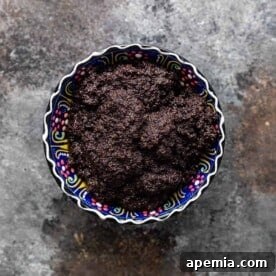
The magic of poppy seed filling lies in the transformation of the tiny seeds. When properly ground, poppy seeds release their essential oils, taking on an almost lemony and distinctly fruity aroma. To create this luxurious paste, the freshly ground poppy seed powder is gently simmered with a carefully balanced mixture of pure vanilla extract, fresh lemon juice, wholesome milk, and golden honey. The mixture cooks down slowly, developing into a thick, mellow, and intensely nutty paste that is both comforting and sophisticated.
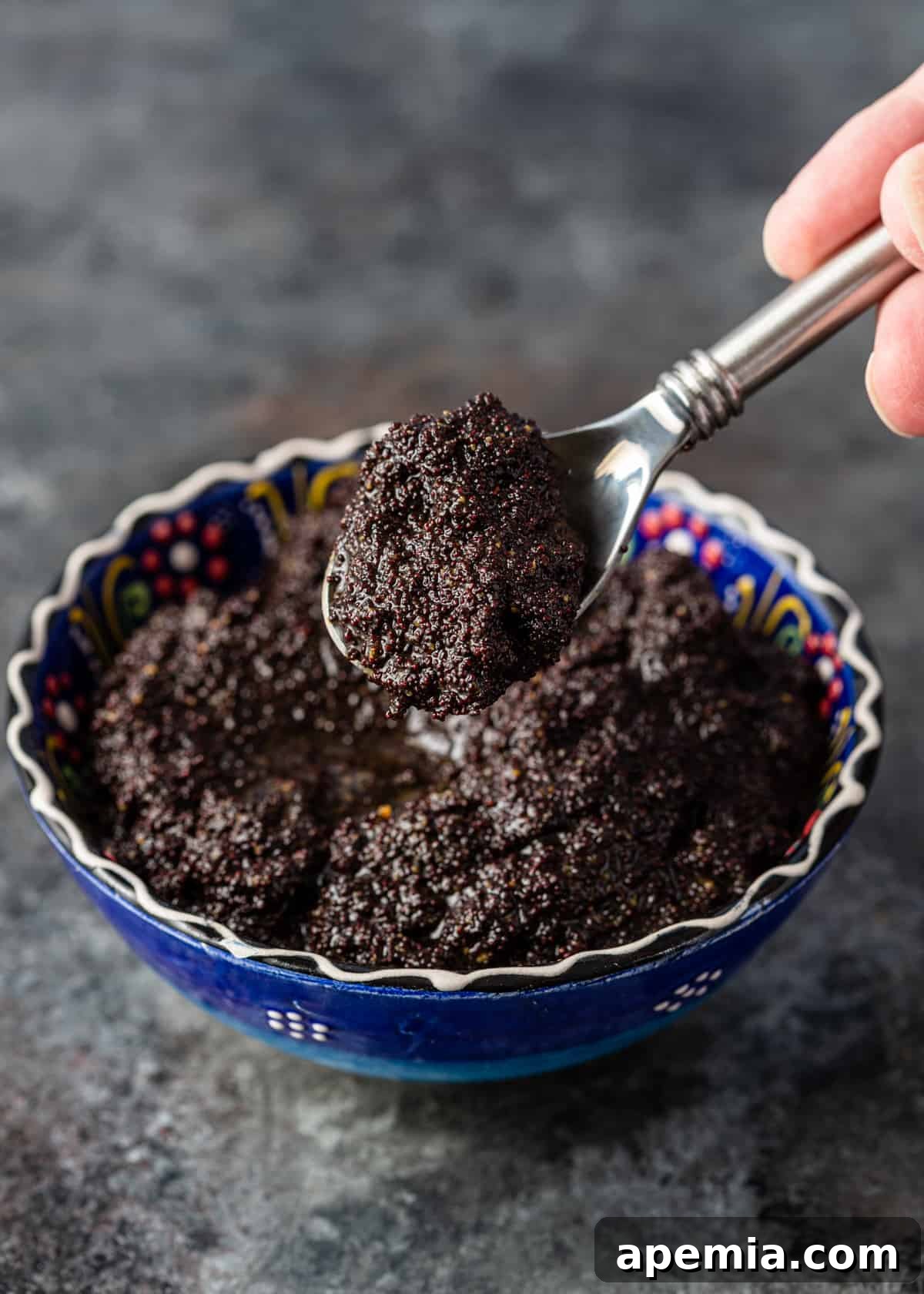
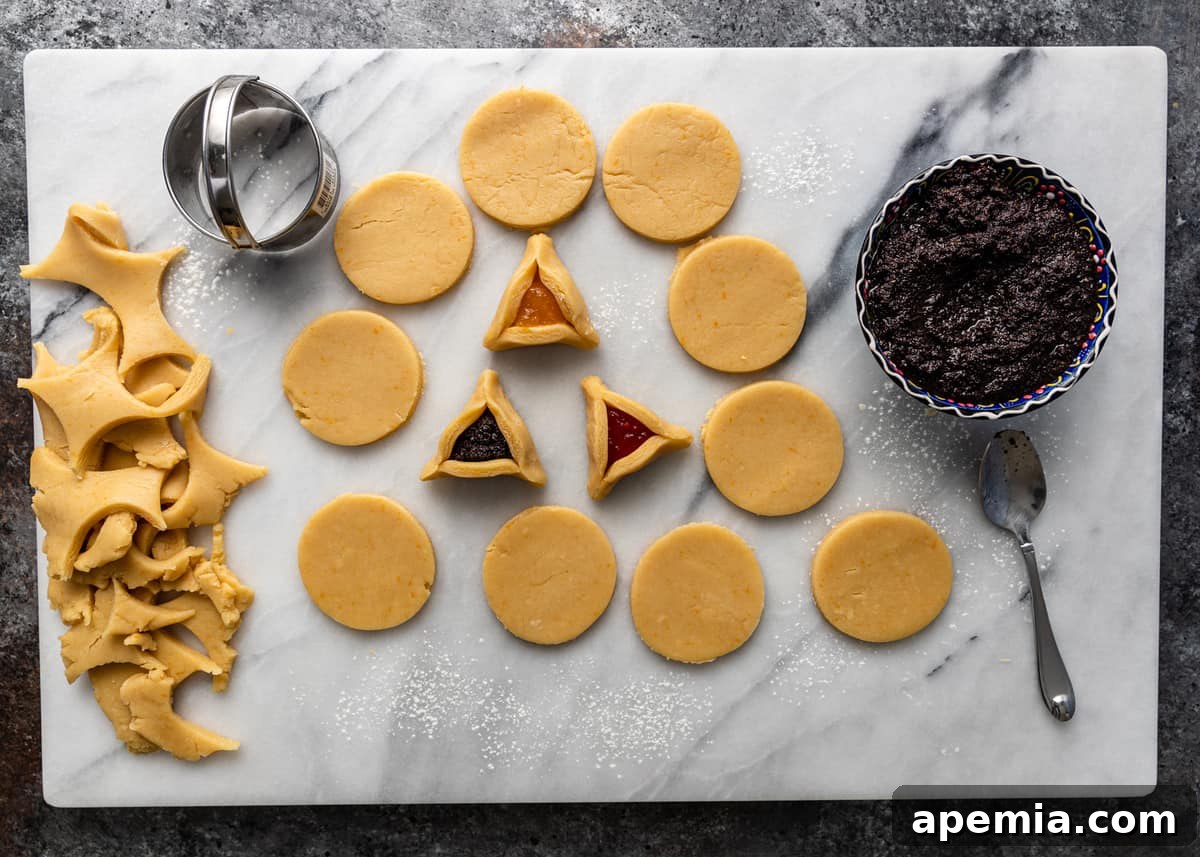
While its most iconic application is undoubtedly as the irresistible filling for hamantaschen shortbread cookies, the versatility of homemade poppy seed filling extends far beyond this Purim staple. Imagine stirring it into a homemade cake batter for a remarkably moist and dense cake, or generously spreading it across layers of delicate rolled cakes. It’s also an exquisite choice for filling buttery rugelach pastries or braiding into mouthwatering babka bread as a unique and equally delicious alternative to traditional chocolate. Its rich flavor profile pairs beautifully with various doughs, making it a beloved component in many sweet culinary creations.
Table of Contents
- The Importance of Grinding Poppy Seeds
- Ingredient Notes and Substitutions for Mohn Paste
- How to Make the Perfect Poppy Seed Filling
- Essential Tools for Making Mohn Paste
- Storing and Serving Your Poppy Seed Filling
- Frequently Asked Questions About Poppy Seed Filling
- Pastry Poppy Seed Filling (Mohn Paste) Recipe
If the unique flavors of this poppy seed filling tantalize your taste buds, you might also enjoy exploring maamoul, another cherished dessert often enjoyed during festive occasions like Purim. Expanding your baking repertoire with these traditional delights promises a rewarding culinary journey.
Tip From Kevin
The Importance of Grinding Poppy Seeds
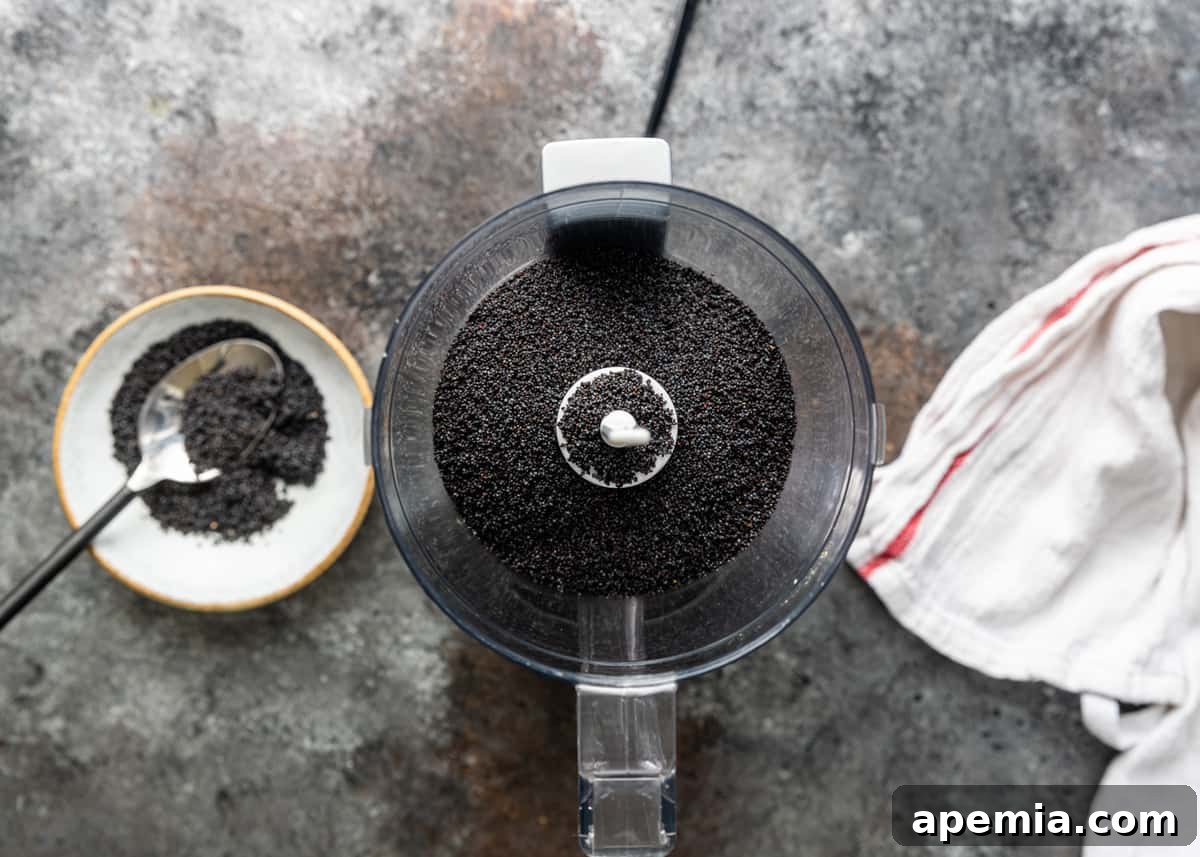
Grinding poppy seeds is the cornerstone of creating truly exceptional mohn paste. This crucial step goes beyond simply breaking down the seeds; it actively releases their natural oils, which are packed with intense nutty and sweet flavors. This oil release significantly enhances the overall taste profile and aroma of the paste. Furthermore, grinding the seeds into a fine powder ensures a wonderfully smooth and creamy texture, preventing any grittiness. It also facilitates the seamless incorporation of other key ingredients like milk, sugar, and honey, leading to a consistently well-blended and remarkably flavorful filling that’s a joy to work with in any pastry.
Ingredient Notes and Substitutions for Mohn Paste
- Poppy Seeds – You’ll need one cup, or approximately 8 ounces, of good quality poppy seeds for this recipe. There’s no need for any special soaking or pre-treatment; simply ensure they are fresh for the best flavor. While blue poppy seeds are most common, white poppy seeds (often used in Indian cuisine) can also be used, offering a slightly milder flavor and lighter color.
- Honey – For optimal flavor in your mohn paste, always opt for pure, high-quality honey. Local honey varieties often impart unique floral notes that can beautifully complement the nutty poppy seeds. The fewer added ingredients, the better the overall taste and texture of your filling. Any type of liquid honey, such as clover or wildflower, will work wonderfully.
- Milk – The milk plays a vital role in softening the texture of the ground poppy seeds and mellowing out any potential bitterness. For an exceptionally creamy and rich poppy seed paste, whole milk is highly recommended due to its higher fat content. However, 2% milk is a perfectly acceptable alternative. For a dairy-free poppy seed filling, you can easily substitute with almond milk, oat milk, or soy milk. Remember to check if your chosen milk substitute has added vanilla, as this might influence the amount of vanilla extract you add later.
- Sugar – Granulated white sugar is preferred for a lighter, cleaner flavor that allows the poppy seeds to shine. However, brown sugar can be used for a deeper, molasses-like sweetness and slightly chewier texture. Adjust the quantity to your personal sweetness preference. Coconut sugar is another alternative for those looking for a different flavor profile.
- Lemon Juice – This touch of acidity is absolutely crucial for balancing the richness and sweetness of the filling, brightening the overall flavor. Freshly squeezed lemon juice will always yield the best results, providing a vibrant, natural zest. If lemon isn’t available, orange juice or lime juice are both excellent alternatives, each imparting its own unique fruity tang to the paste.
- Vanilla Extract – A mere ½ teaspoon of pure vanilla extract goes a long way in enhancing the aromatic qualities of the mohn paste. If you wish to amplify the nutty undertones, consider using almond extract as a substitute. Alternatively, a hint of maple syrup can introduce a warm, caramel-like note. When using almond or soy milk substitutes, which often contain added vanilla flavors, it’s wise to perform a quick taste test before stirring in additional vanilla extract to avoid an overpowering flavor.
- Kosher Salt – A small pinch of salt, typically 1/4 teaspoon, acts as a flavor enhancer, bringing out the sweetness and nutty notes of the poppy seeds without making the paste taste salty.
How to Make the Perfect Poppy Seed Filling
- Grind the Poppy Seeds. Begin by carefully grinding your poppy seeds. Utilize a powerful food processor or a dedicated coffee grinder to break down the seeds into a very fine, almost flour-like powder. For best results and to ensure an even consistency, it’s often easiest and most effective to process the seeds in smaller batches. This prevents the machine from overheating and guarantees every tiny seed is properly ground, releasing its full flavor and oils.
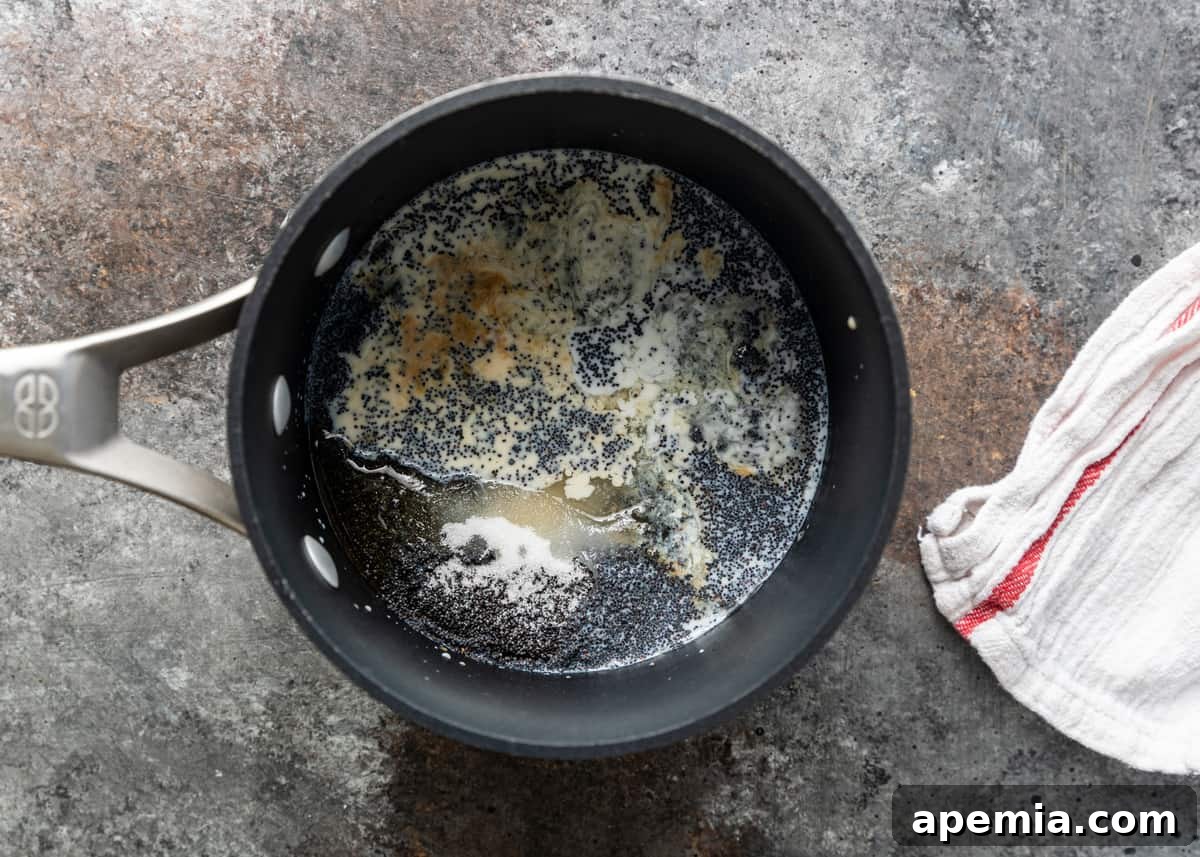
- Combine the Filling Ingredients. Transfer the freshly ground poppy seeds to a medium-sized, heavy-bottomed saucepan. Add the honey, milk, sugar, lemon juice, and a pinch of salt to the pan. Using a whisk, thoroughly combine all ingredients until the mixture is smooth and uniform, with no dry clumps of poppy seeds remaining. This initial mixing is key to a consistent final product.
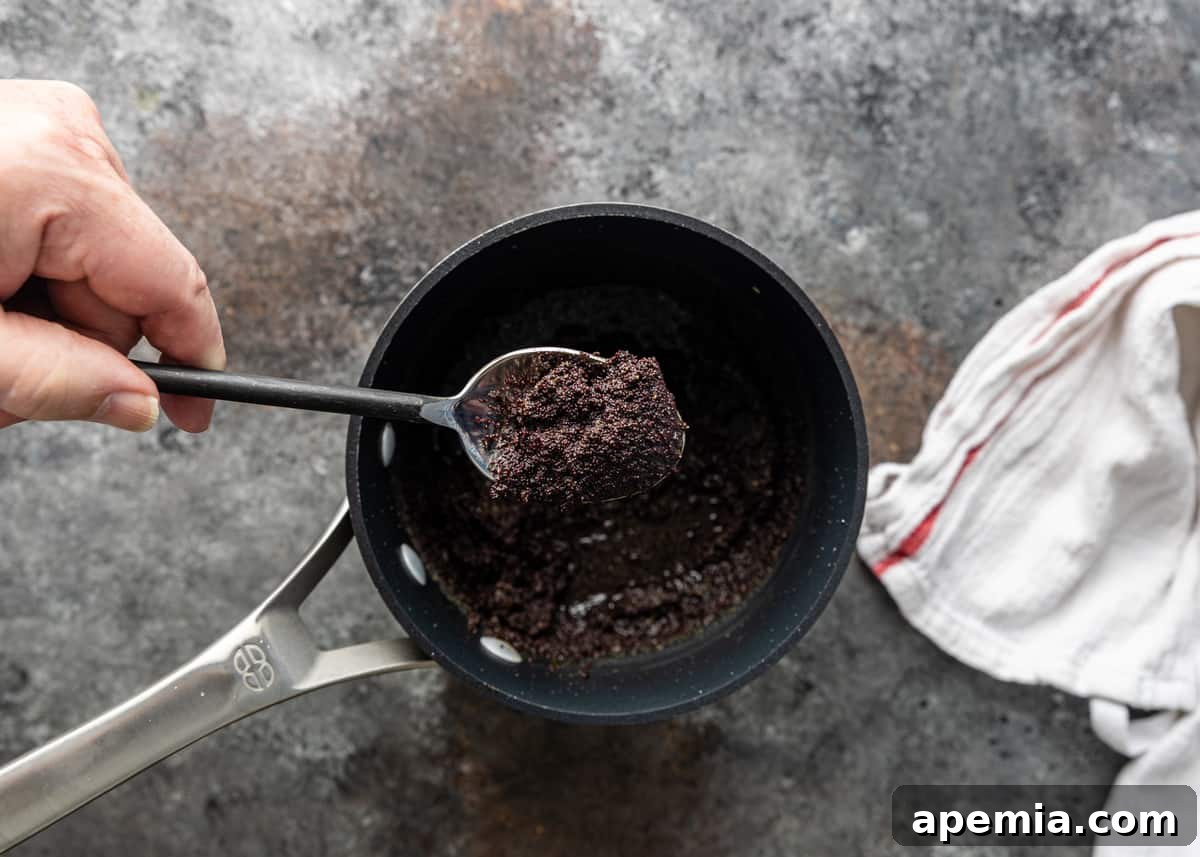
- Boil & Simmer to Perfection. Place the saucepan over medium-high heat. Stir the mixture occasionally to prevent it from sticking to the bottom and scorching. Continue heating until it reaches a vigorous, rolling boil. Once boiling, immediately reduce the heat to a low setting. Allow the mixture to simmer gently for approximately 15 minutes, or until it visibly thickens into a rich, spreadable paste. The consistency should be thick enough to hold its shape on a spoon, but still spreadable. Keep stirring periodically during simmering.
- Season & Let Cool. Remove the pan from the heat. Stir in the vanilla extract, ensuring it is thoroughly incorporated. The vanilla adds a final layer of aromatic sweetness. Set the saucepan aside or transfer the hot paste to a heatproof storage container. It is crucial to let the poppy seed filling cool completely, uncovered, at room temperature. As it cools, it will continue to thicken and achieve its ideal consistency for use.
- Store or Serve. Once fully cooled, your homemade poppy seed filling is ready to be used immediately as a delicious filling in your favorite cookies, pastries, or cakes. If you’re not using it right away, ensure it is stored properly to maintain freshness.
Essential Tools for Making Mohn Paste
- Food Processor or Coffee Grinder – This is the most critical tool for achieving the perfect poppy seed filling. Grinding the poppy seeds to a very fine consistency is paramount for two main reasons: firstly, it develops a wonderfully smooth, soft, and palatable texture, eliminating any undesirable grittiness. Secondly, and equally important, it effectively releases the sweet, fruity, and nutty essential oils locked within the seeds, intensifying the overall flavor of your mohn paste. A good quality grinder will make all the difference.
- Medium, Heavy-Bottomed Saucepan – A heavy-bottomed pan ensures even heat distribution, preventing the filling from scorching at the bottom while simmering. This is essential for a smooth, perfectly cooked paste.
- Whisk – For thoroughly combining the ingredients before cooking and ensuring no clumps remain. It’s also useful for stirring during the simmering process.
Storing and Serving Your Poppy Seed Filling
Homemade poppy seed paste is truly at its peak of flavor – sweetest, nuttiest, and creamiest – immediately after it’s made and cooled. This is a recipe designed to be served fresh for the ultimate culinary experience. The vibrant flavors and ideal texture are best appreciated shortly after preparation.
For any leftover filling, proper storage is key to maintaining its quality. The paste, being milk-based, must always remain refrigerated when not in use. Transfer it to an airtight container to prevent it from drying out or absorbing other odors from the refrigerator. Stored correctly, your homemade poppy seed filling will remain fresh and delicious for up to 5 days.
While technically you can freeze this filling, it is generally not recommended. The dairy content in the mohn paste means that upon freezing and then thawing, the texture can become somewhat altered or grainy, losing some of its desirable creaminess. To ensure the best possible flavor and texture for your baked goods, it is always advisable to prepare and serve your poppy seed paste fresh. If you absolutely must freeze it, consider stirring it well after thawing and possibly warming it gently to help restore some of its smoothness.
Frequently Asked Questions About Poppy Seed Filling
Canned poppy seed fillings typically contain a base of poppy seeds, sugar, salt, and water. However, they often include additional industrial ingredients such as corn syrup for sweetness, corn starch for thickening, and citric acid. Citric acid is a weaker, less flavorful citrus extract that replaces fresh lemon juice, resulting in a less vibrant taste. The absence of key fresh ingredients like milk, honey, and fresh lemon juice in many commercial brands results in a significantly blander, flatter, and often less aromatic paste compared to a lovingly made homemade version, which boasts a superior depth of flavor and texture.
Your poppy seed filling should be relatively thick and easily spreadable, holding its shape without being stiff. It should have a consistency similar to a thick jam or a soft nut butter. If the mixture appears too runny after simmering for the recommended time, it might need a little more time on the stove to reduce further and thicken. Alternatively, if you’re in a hurry or it’s still too thin, it can be slightly thickened with a cornstarch slurry. To make a slurry, combine equal parts cornstarch and cold water, then whisk a small amount into the simmering paste and cook for another minute until it reaches your desired consistency. To avoid needing to adjust, always ensure you precisely follow the measurements in the recipe card, especially for the ratio of dry to wet ingredients.
No, bitterness should not be the prevailing flavor of a well-made poppy seed filling. While poppy seeds naturally possess an earthy undertone, the dominant flavors should be predominantly sweet and nutty, complemented by a hint of citrus. If your poppy seed filling tastes noticeably bitter, there could be a few reasons. Improperly ground seeds might release undesirable compounds, leading to bitterness. More commonly, seeds that have spoiled or are past their prime tend to develop a much stronger, almost rancid or overly bitter flavor. If your poppy seeds have been sitting in the cabinet for a considerable period, it’s always a good practice to taste a small amount before using them in your recipe to ensure they are fresh and not compromised.
Share this recipe on Pinterest!
Love this recipe? Share it with the world on Pinterest.
Pastry Poppy Seed Filling (Mohn Paste)
1.5
cups
10 minutes
18 minutes
28 minutes
Saved
Pin Recipe
PrintRecipe
Ingredients
-
1 cup poppy seeds -
1/2 cup honey -
1/2 cup milk or almond milk -
1 tablespoon sugar -
1 tablespoon lemon juice -
1/4 teaspoon kosher salt -
1/2 teaspoon vanilla extract
Metric
Instructions
-
Blitz poppy seeds in a food processor or coffee grinder until they reach a very fine, flour-like consistency. Work in batches if necessary to ensure thorough grinding.
-
Add the finely ground poppy seeds, honey, milk, sugar, lemon juice, and kosher salt to a medium, heavy-bottomed saucepan. Whisk all ingredients together until thoroughly combined and smooth.
-
Bring the mixture to a rolling boil over medium-high heat, stirring occasionally. Once boiling, reduce the heat to low and simmer gently for about 15 minutes, stirring frequently, until the mixture thickens into a rich paste. Remove the pan from the heat and stir in the vanilla extract until fully incorporated. Set aside to cool completely, uncovered, at room temperature.
-
Once cooled, use this delightful homemade poppy seed filling for hamantaschen, rugelach, babka, or any other pastries and baked goods that call for a sweet, nutty filling.
Nutrition
Carbohydrates: 125g |
Protein: 15g |
Fat: 30g |
Saturated Fat: 5g |
Cholesterol: 8mg |
Sodium: 445mg |
Potassium: 658mg |
Fiber: 13g |
Sugar: 107g |
Vitamin A: 132IU |
Vitamin C: 5mg |
Calcium: 1058mg |
Iron: 7mg
The information shown is an estimate provided by an online nutrition calculator. It should not be considered a substitute for a professional nutritionist’s advice.
Dessert, Filling
Israeli, Jewish, European
Kevin
Have You Made This Recipe? Let Me Know on Instagram
Tag @keviniscooking or tag me #keviniscooking!