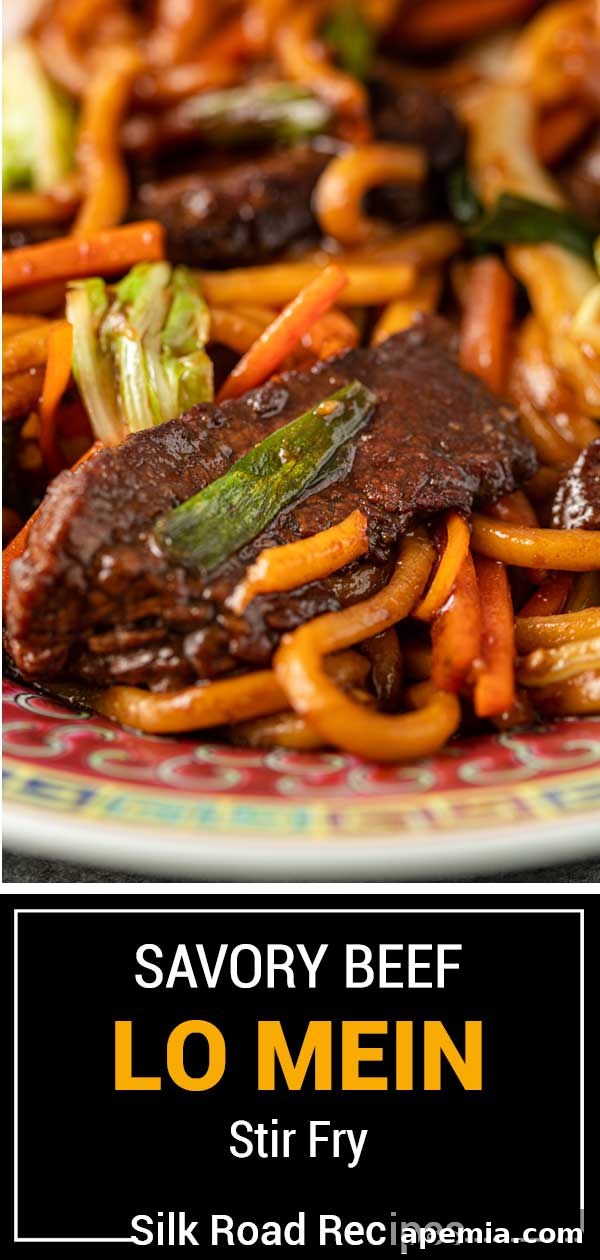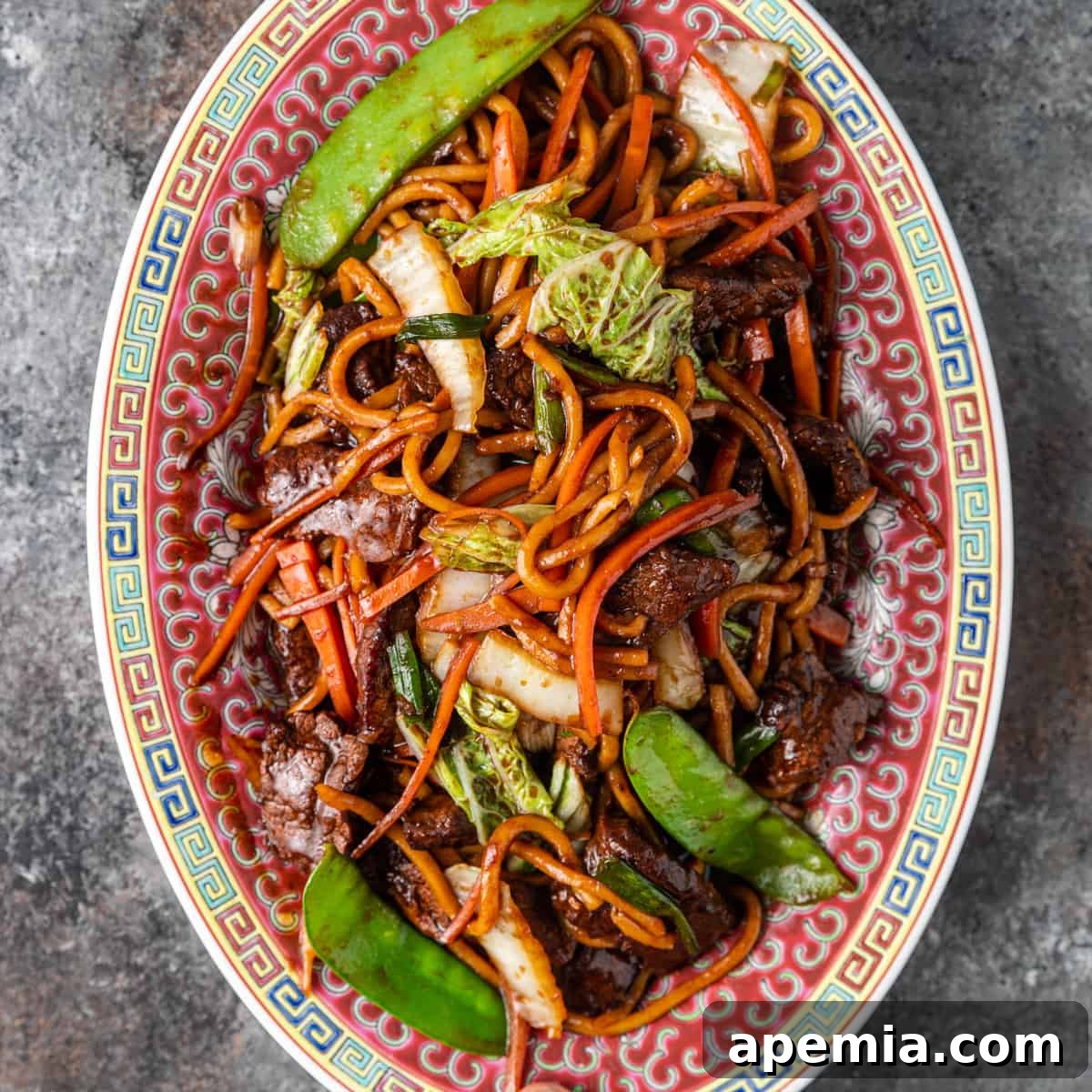
Beef Lo Mein is a quintessential Chinese noodle dish, beloved globally for its irresistible blend of textures and flavors. While it’s a popular takeout staple, preparing this incredibly delicious recipe at home is surprisingly easy and far more rewarding. Imagine perfectly cooked, springy noodles, succulent strips of tender beef, and a vibrant medley of crunchy vegetables, all stir-fried together in a glossy, sweet, savory, and deeply umami sauce. What if we told you this culinary masterpiece could be on your table in just 30 minutes? This homemade Beef Lo Mein recipe is not only fast and simple but also promises a fresh, vibrant taste that far surpasses any restaurant version.
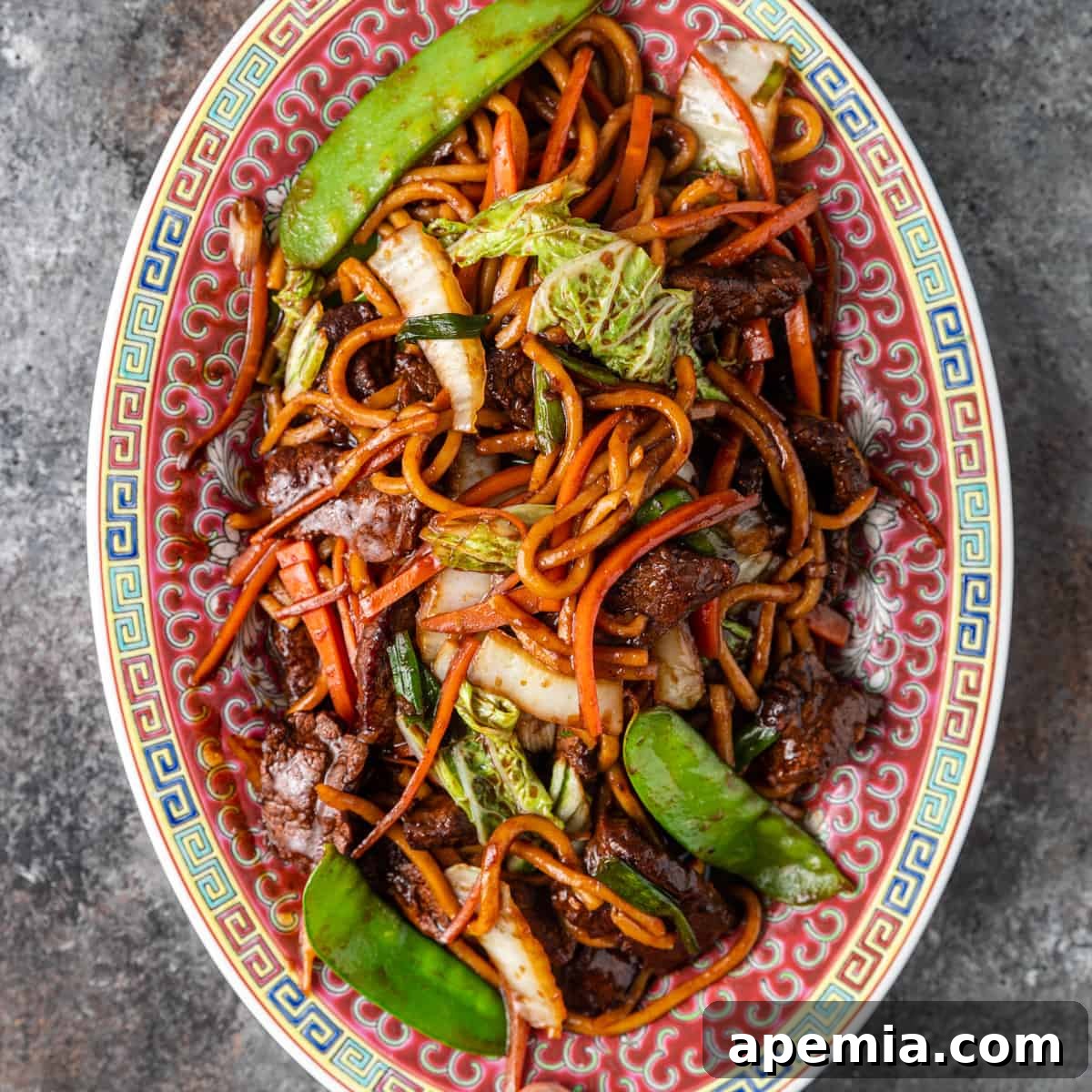
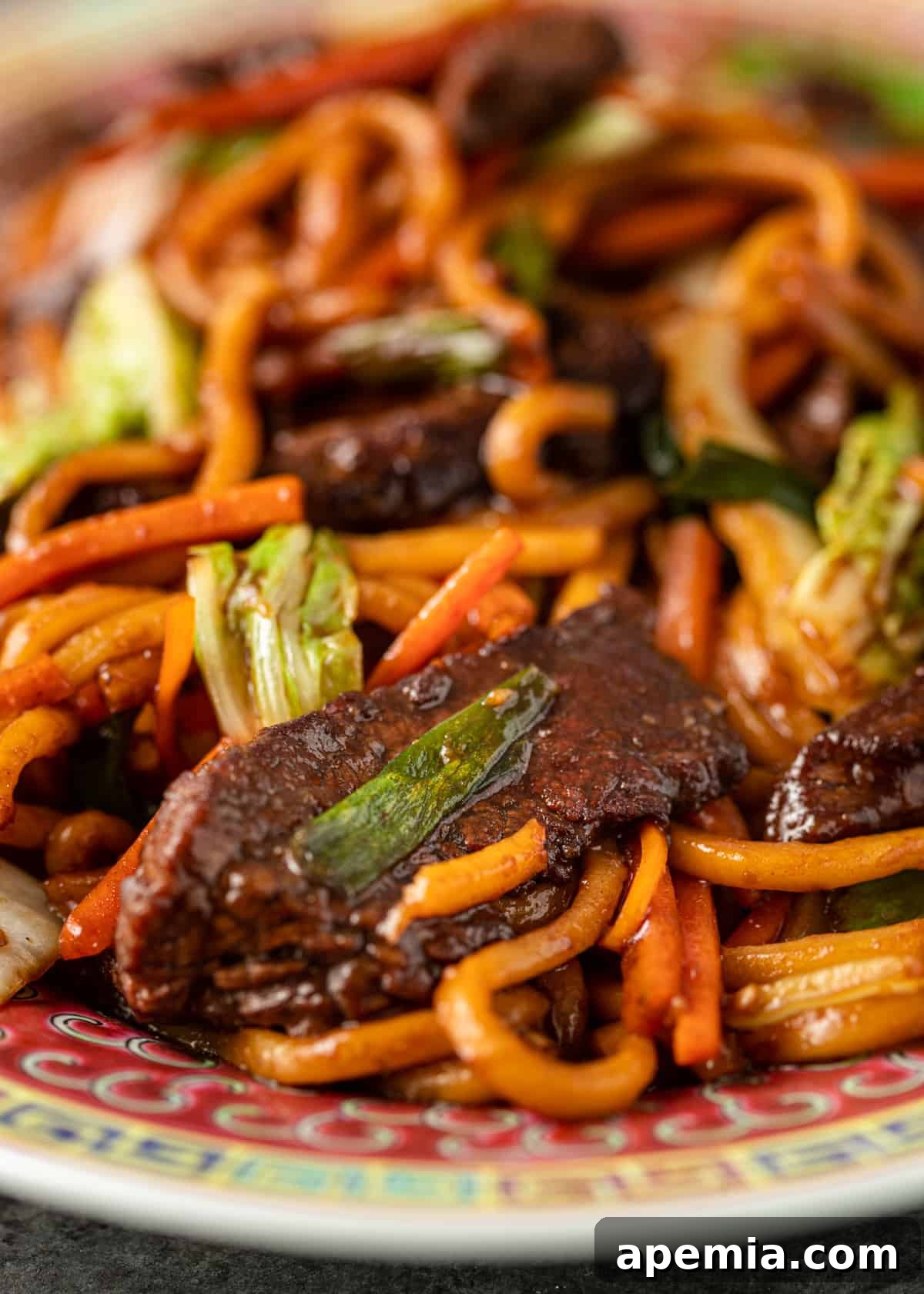
There’s something truly satisfying about a meal that delivers maximum flavor with minimal effort. Between the perfectly cooked lo mein noodles, the juicy, marinated steak, and the assortment of fresh, crisp vegetables, it’s hard to imagine a more flavorful and satisfying dish you can whip up in 30 minutes or less. This recipe is so quick and straightforward that you’ll quickly discover there’s no longer any reason to order takeout. Plus, the beauty of homemade Lo Mein lies in its incredible versatility. You can opt for fresh or dried noodles, use a mix of fresh or frozen vegetables, and even swap out the beef for other proteins like chicken, shrimp, or tofu if you’re looking to change things up or utilize what’s on hand. It’s a truly adaptable recipe that won’t break your budget, allowing you to enjoy authentic Chinese flavors from the comfort of your kitchen.
Table of Contents
- Why Homemade Beef Lo Mein Is The Best
- Can’t Find Lo Mein Noodles? No Problem!
- Ingredient Notes and Smart Substitutions
- How to Make the Perfect Beef Lo Mein
- Recommended Tools for Stir-Fry Success
- Storing, Reheating, and Meal Prep Tips
- Frequently Asked Questions About Lo Mein
- Beef Lo Mein Stir Fry Recipe Card
Why Homemade Beef Lo Mein Is The Best
Diving into the world of homemade Chinese cuisine offers numerous advantages, and Beef Lo Mein is a perfect starting point. The primary benefit is unparalleled freshness. When you make it yourself, you control the quality and quantity of every ingredient – from the cut of beef to the crispness of your vegetables and the richness of your sauce. This allows for a much brighter, more vibrant flavor profile than often found in commercial takeout dishes, which can sometimes be overly oily or sweet. Furthermore, preparing your own Lo Mein means you can customize it to your exact preferences. Love extra garlic? Add more! Want spicier? A dash of chili oil will do the trick. You can also cater to dietary needs, such as reducing sodium or incorporating more vegetables, making it a healthier option for your family. Beyond the taste and health benefits, there’s a real sense of accomplishment that comes with creating a delicious, restaurant-quality meal from scratch in your own kitchen.
If you’re looking for fantastic vegetarian options, don’t miss my Hot and Sour Cabbage Stir Fry. And for those who crave the savory meat dishes without the noodles, give my incredible General Tso’s Chicken or classic Sweet and Sour Chicken recipes a try next!
Expert Tip
Can’t Find Lo Mein Noodles? No Problem!
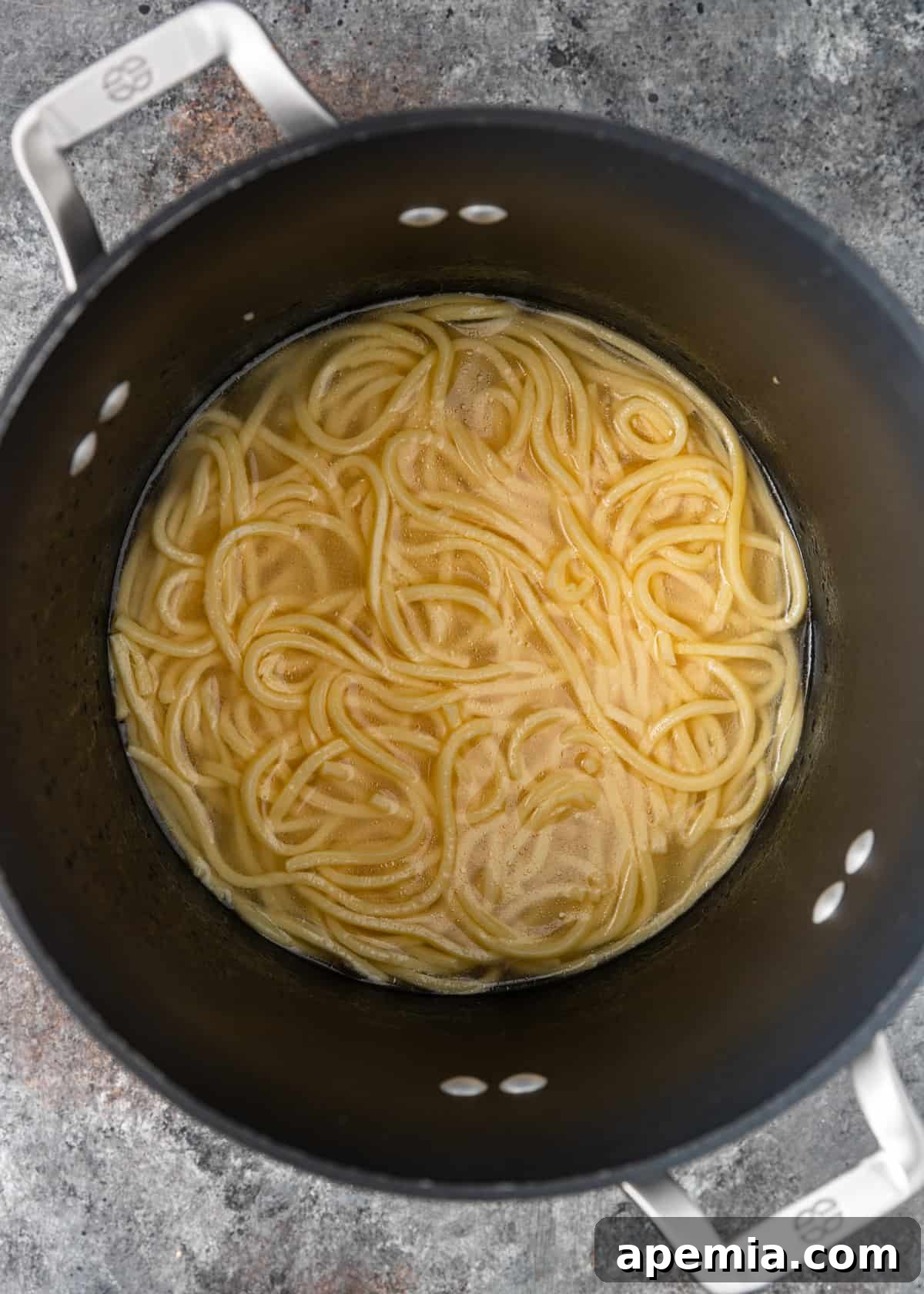
Finding authentic fresh lo mein noodles isn’t always easy, depending on your grocery store. But don’t despair! If regular spaghetti or linguine is all you have available, there’s a clever trick to transform them. Simply boil your pasta with a small amount of baking soda. The change in the pH of the water creates an alkaline environment, which helps to break down the gluten in the pasta, giving the spaghetti a chewier, more slippery, and springy texture that is remarkably similar to traditional lo mein noodles. This simple hack ensures you can enjoy delicious lo mein even without specialized Asian noodles!
Ingredient Notes and Smart Substitutions
(Be sure to check the recipe card for a full list of ingredients and precise quantities)
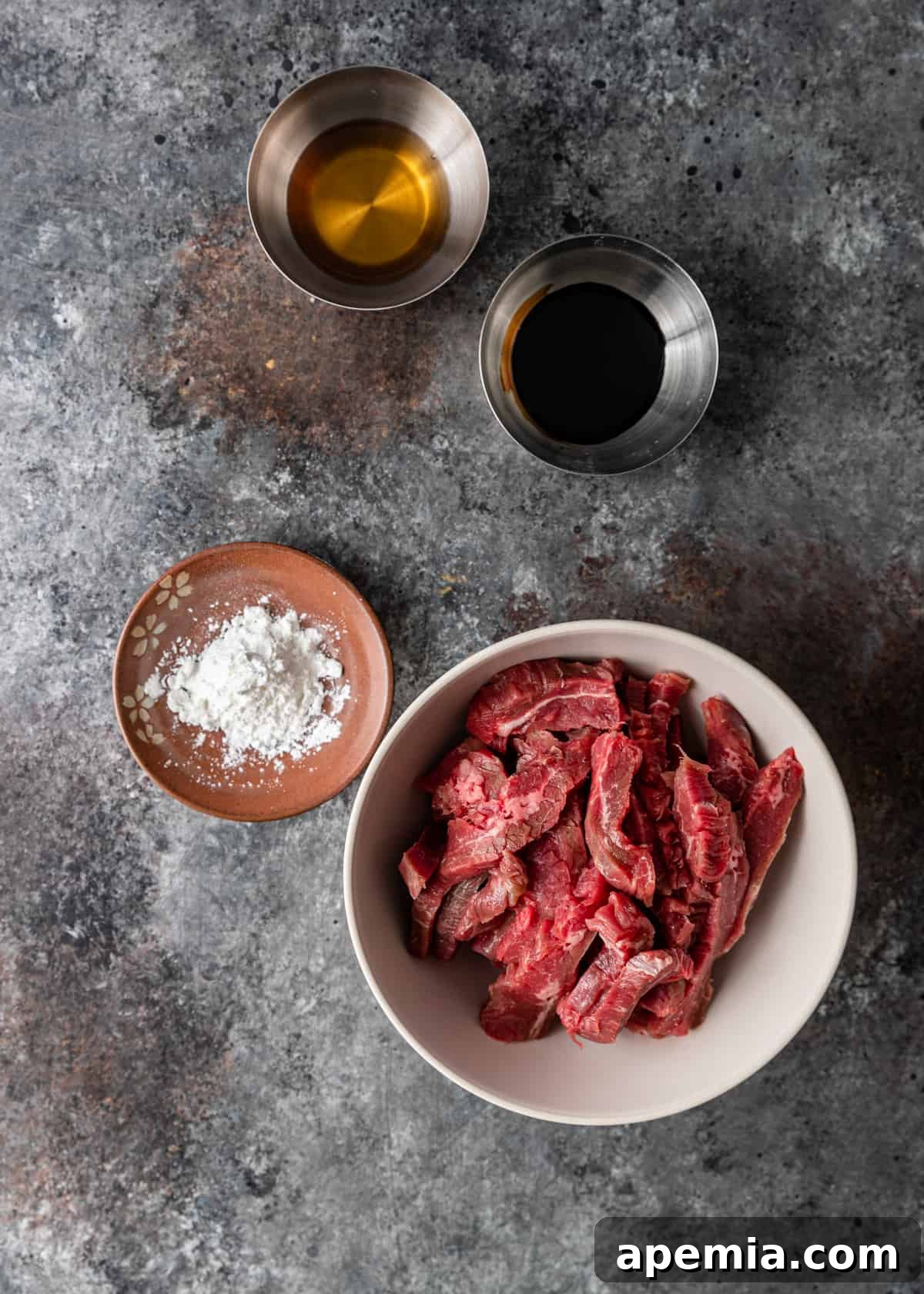
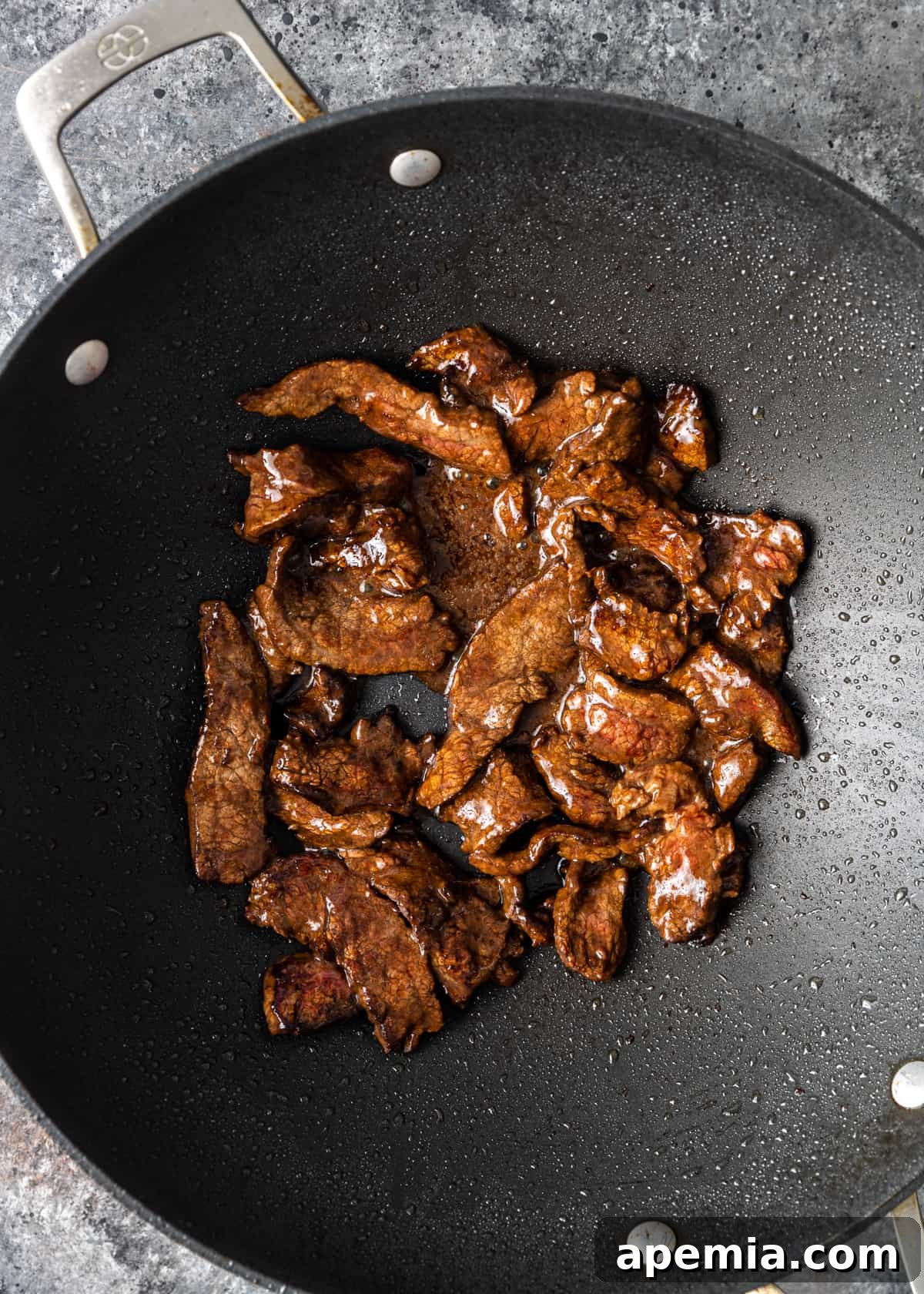
- Flank Steak – For the most tender bite, it is crucial to slice the flank steak against the grain into thin pieces. Flank steak is our preferred cut for its robust flavor and texture, but skirt steak is an excellent alternative that offers similar characteristics. The beef is carefully marinated to ensure maximum tenderness and flavor, using:
- Shaoxing Wine – This sweet, dry Chinese cooking wine is indispensable for authentic flavor, adding depth and a subtle aromatic complexity. If you can’t find Shaoxing wine, a dry sherry makes a suitable substitute, though the flavor profile will be slightly different.
- Dark Soy Sauce – Primarily used for its rich color and subtle sweetness, dark soy sauce gives your beef lo mein that characteristic deep, appetizing hue. While you can substitute with regular soy sauce in a pinch, be aware that your dish will be lighter in color and might require a touch more sugar to balance the flavor.
- Cornstarch – A true secret weapon in Chinese cooking, cornstarch serves multiple purposes here. It coats and tenderizes the meat, creating a “velveted” texture that locks in moisture during cooking. It also helps to form a delightful crust on the beef when seared, and will later act as a thickening agent for the sauce.
- Lo Mein Noodles – The soul of the dish! Fresh lo mein egg noodles typically offer the best bouncy and chewy texture, which is ideal for this stir-fry. However, high-quality dried egg noodles designed for stir-fries will work wonderfully if fresh ones are unavailable. Remember the baking soda trick if using regular spaghetti!
- Vegetables – This Beef Lo Mein recipe is incredibly flexible when it comes to vegetables. The selection below provides a perfect balance of crunch, sweetness, and freshness, but feel free to get creative with what you have on hand:
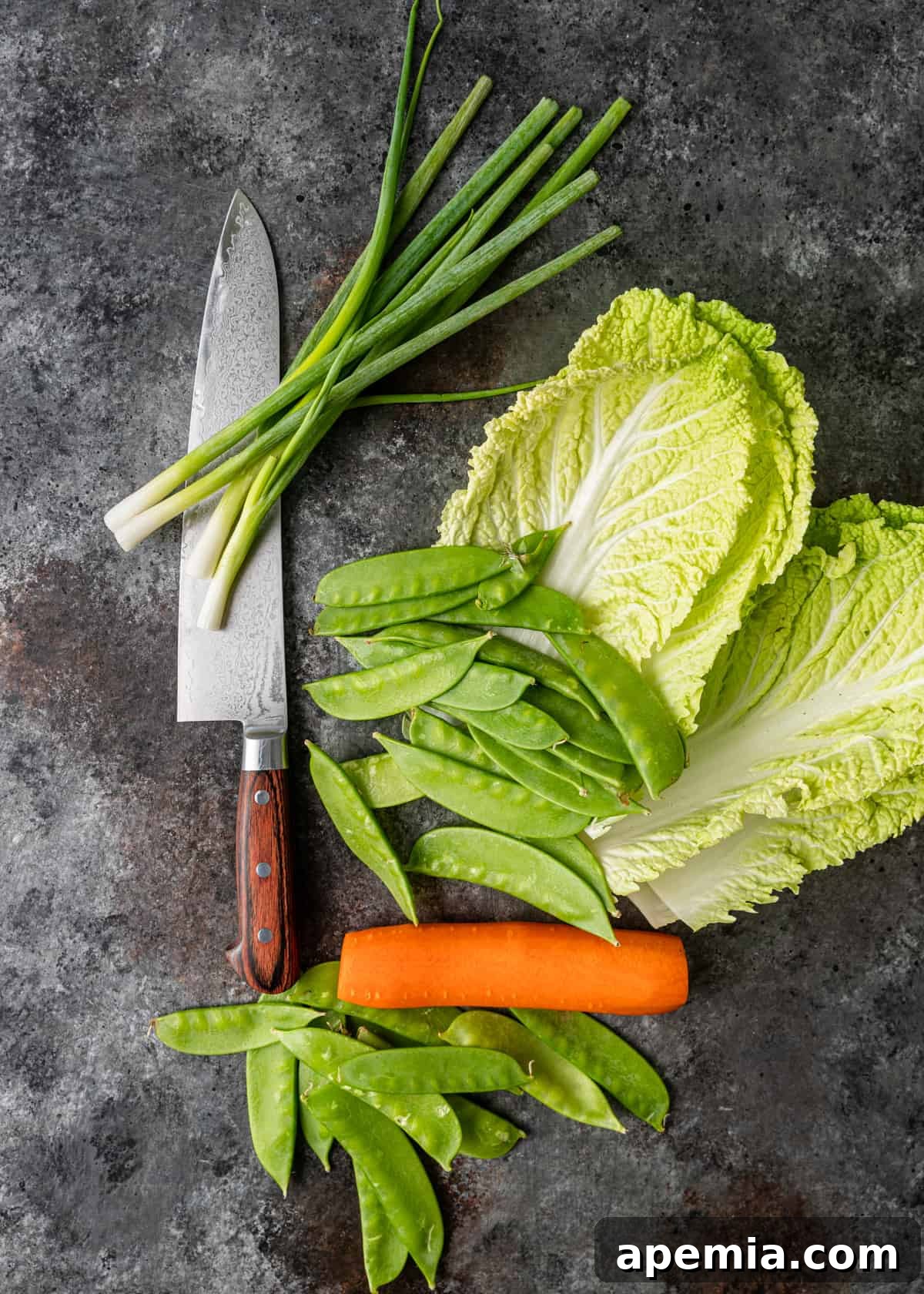
- Napa Cabbage – Known for its tender leaves and slightly crisp stems. The trick to perfect cabbage is to separate the leaves from the tougher stems and cook them separately. This ensures the stems soften nicely while the leaves retain a slight bite, bringing out the best in every mouthful.
- Green Onions – These aromatic alliums add a fresh, pungent kick. Similar to cabbage, separating the white and green parts and adding them at different stages of cooking allows their distinct flavors to shine through fully. The whites are cooked earlier for a deeper flavor, while the greens are added at the end for freshness. Shallots can be used as a substitute for a milder onion flavor.
- Snow Peas – These bright green pods provide a wonderful sweet crunch that contrasts beautifully with the tender beef and soft noodles. Sugar snap peas or even blanched green beans can make excellent substitutes, offering a similar refreshing texture.
- Carrots – Sliced into thin matchsticks, carrots contribute a touch of natural sweetness and a lovely firm texture, adding both flavor and visual appeal to the dish.
- Optional Additions: Consider adding sliced bell peppers (red or yellow for sweetness and color), mushrooms (shiitake or cremini for umami), broccoli florets for extra green, or bean sprouts for an added fresh crunch.
- The Ultimate Lo Mein Sauce – This is where the magic happens, transforming simple ingredients into a deeply satisfying meal. Each component plays a vital role:
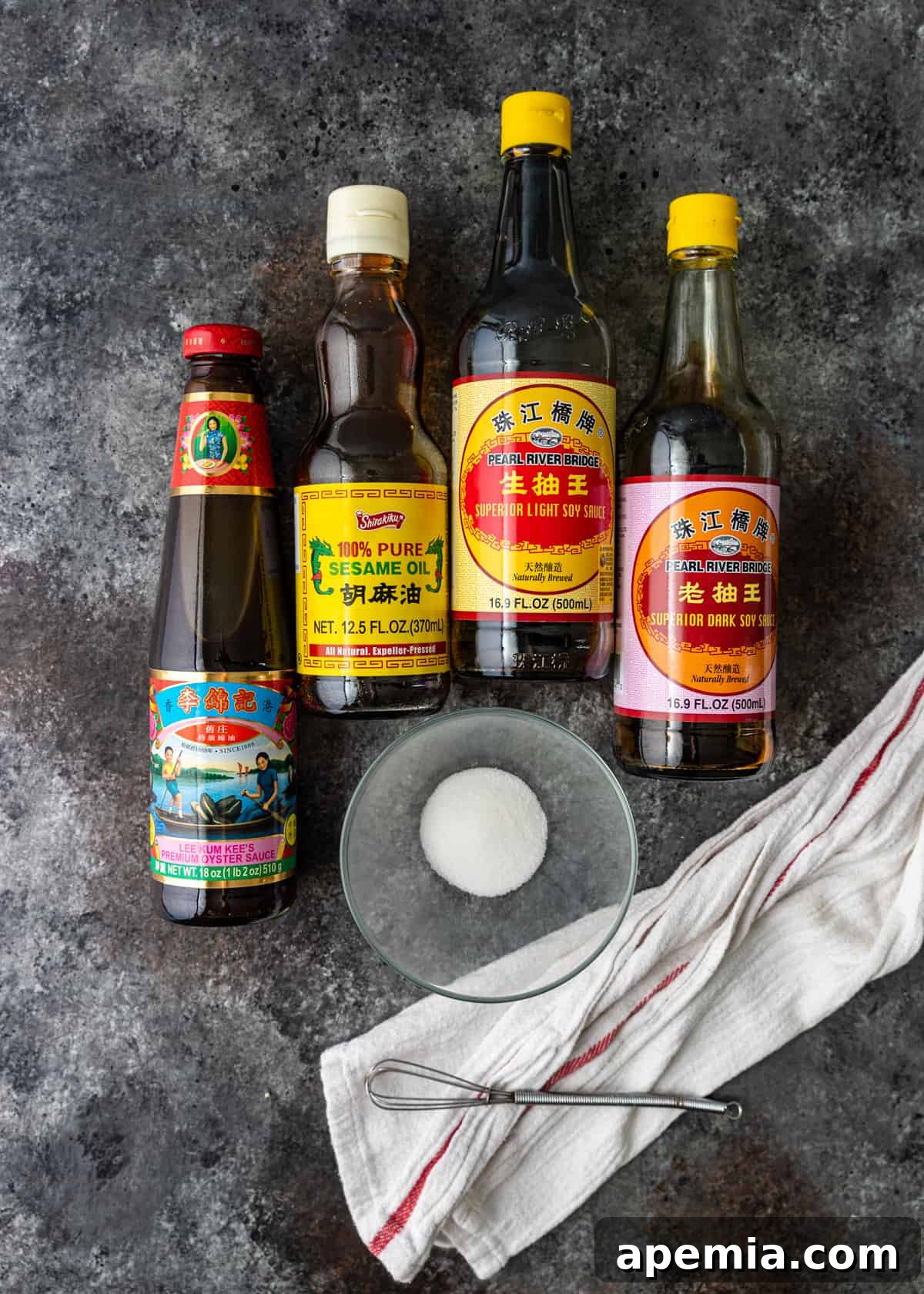
- Dark & Light Soy Sauce – Using both dark and light soy sauces adds complexity. Light soy sauce provides the primary salty and umami base, while dark soy sauce contributes a richer color and a deeper, slightly sweeter, less salty umami flavor. While you can use entirely regular soy sauce if necessary, combining both will yield a more profound and authentic Cantonese flavor profile.
- Oyster Sauce – This ingredient is truly crucial for achieving an authentic Cantonese flavor in your lo mein. It boasts a unique profile that is sweet, savory, salty, and packed with umami all at once. For vegetarian options, there are excellent mushroom-based “vegetarian oyster sauces” available that replicate the umami depth.
- Sesame Oil – Used in the sauce, sesame oil provides a distinct nutty aroma that is characteristic of Asian cuisine. It’s important to note this is for flavor in the sauce, not for stir-frying. For stir-frying, always use a neutral oil with a high smoke point like vegetable, canola, or grapeseed oil.
- Sugar – A small amount of sugar is essential for balancing the savory and salty notes in the sauce, creating a harmonious sweet-savory dynamic that makes the dish so addictive. Honey or your preferred liquid sweetener can be used as a substitute.
- Garlic – Freshly minced garlic is a must for building the aromatic base of the stir-fry, contributing a pungent and fragrant foundation.
- Optional Flavor Enhancers: A touch of fresh ginger, a pinch of white pepper, or a few drops of chili oil can further elevate the complexity and heat of your sauce, tailored to your preference.
How to Make the Perfect Beef Lo Mein
- Marinate the Beef: In a medium bowl, combine the Shaoxing wine, cornstarch, and dark soy sauce. Whisk until well blended. Add the thinly sliced beef, tossing gently to ensure each piece is evenly coated. Set this aside to marinate for at least 15 minutes while you prepare other ingredients; this step is crucial for tenderizing the meat and infusing it with flavor.
- Craft the Flavorful Sauce: In a separate bowl, whisk together all the sauce ingredients until thoroughly combined and the sugar has dissolved. Having the sauce ready to go before you start stir-frying is key to maintaining a quick cooking pace. Set aside.
- Prepare Your Vegetables: Thorough mise en place is vital for stir-frying. Separate and trim the green onions, keeping the white and green parts in separate bowls. Trim the hard ends off the napa cabbage leaves, separate the thicker stems from the tender leaves, and slice them into bite-sized pieces. De-string the snow peas by snapping off the ends and pulling the string along the edges. Peel and slice the carrot into thin matchsticks for even cooking and aesthetic appeal.
- Boil the Lo Mein Noodles: Bring a large pot of water to a rolling boil. Add your fresh lo mein noodles and cook according to package instructions until al dente – typically just a few minutes. Overcooked noodles will be mushy, so keep a close eye on them. Once cooked, drain them thoroughly and toss immediately with a teaspoon of sesame oil. This crucial step prevents the noodles from sticking together as they cool and adds an aromatic foundation.
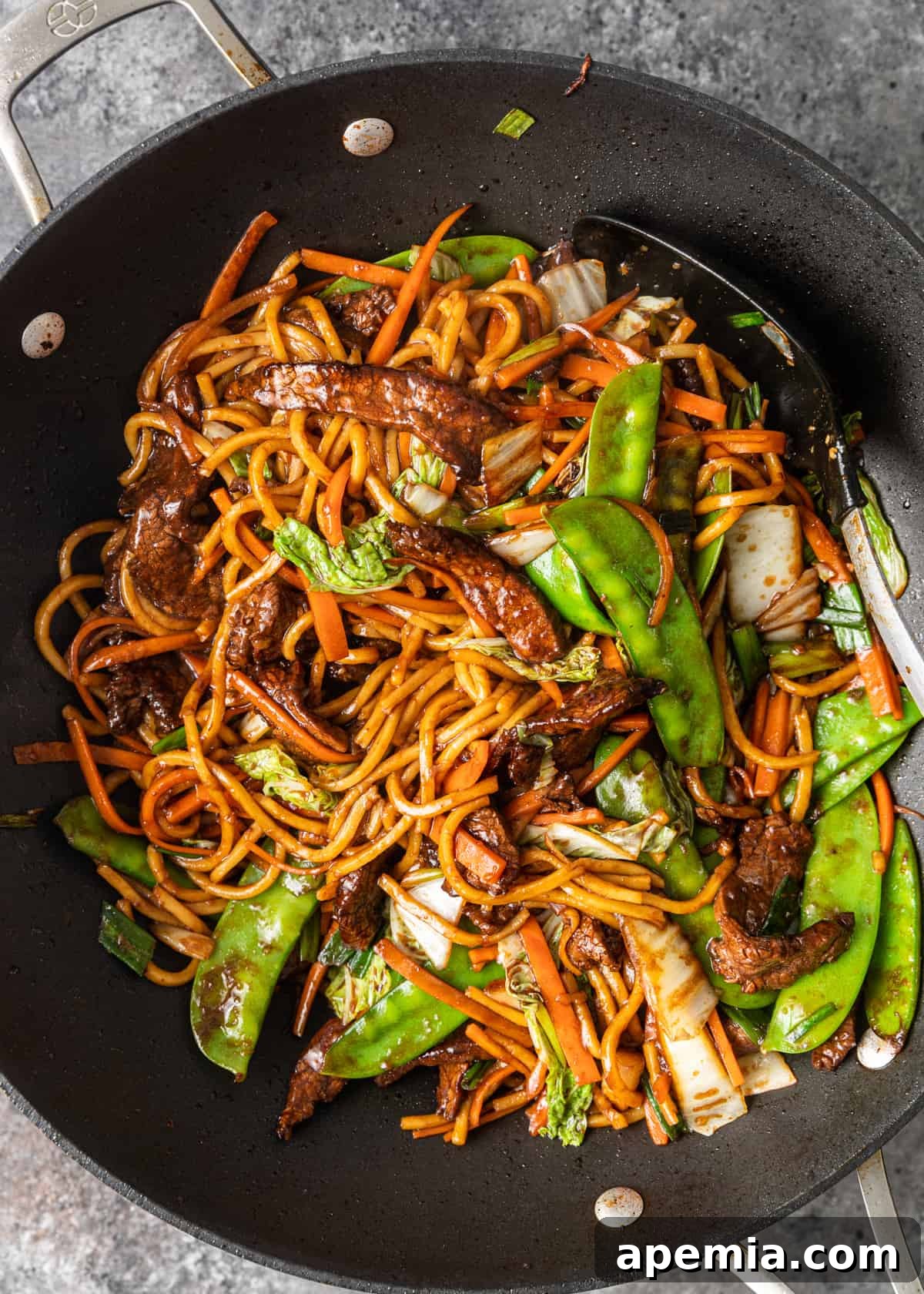
- Sear the Marinated Beef: Heat 2 tablespoons of vegetable oil in a wok or a large, heavy-bottomed skillet over medium-high heat until it shimmers and just begins to smoke. Working in batches to avoid overcrowding the pan, add the marinated beef and sear quickly for just 1 minute per side until nicely browned but still tender. Overcooking the thin slices will make them tough. Remove the seared beef from the pan and set it aside; it will be added back in at the end.
- Stir-Fry the Aromatics and Vegetables: Add the remaining 1 tablespoon of oil to the hot wok. Add the minced garlic and stir-fry for about 30 seconds until fragrant. Immediately add the white parts of the green onions, cabbage stems, snow peas, and carrots. Stir-fry for 3 minutes, continuously tossing to ensure the vegetables cook evenly and remain crisp-tender, not soggy. Keep the heat high and the ingredients moving!
- Combine with Noodles & Sauce: Add the drained and sesame-oiled noodles directly into the wok with the stir-fried vegetables. Pour the prepared sauce mixture over everything. Quickly stir and toss to coat all the noodles and vegetables thoroughly with the rich sauce, allowing the noodles to warm through and absorb the flavors.
- Final Mix and Serve: Return the seared beef to the wok. Add the green onion tops and the tender napa cabbage leaves. Continue to stir-fry for another 1-2 minutes, tossing until the cabbage leaves just begin to wilt and all ingredients are heated through. Serve your homemade Beef Lo Mein immediately, garnished with extra green onions or a drizzle of chili oil if desired, and enjoy this incredibly satisfying meal!
Recommended Tools for Stir-Fry Success
While you don’t need a professional kitchen setup, a few key tools can significantly enhance your Beef Lo Mein cooking experience and ensure the best results:
- Wok or Large Skillet: A traditional wok is ideal for stir-frying due to its sloped sides and ability to distribute heat evenly and quickly. This design allows you to toss ingredients efficiently and creates different heat zones. If you don’t have a wok, a large, heavy-bottomed skillet or even a cast-iron pan will work well, just ensure it’s spacious enough to prevent overcrowding, which can lead to steamed rather than stir-fried vegetables.
- Mixing Bowls & Whisk: You’ll need several mixing bowls for marinating the beef, preparing the sauce, and holding your prepped vegetables. A whisk is essential for thoroughly combining the marinade and sauce ingredients, ensuring a smooth and evenly flavored mixture.
- Sharp Knife and Cutting Board: Precision in slicing your beef and uniform chopping of vegetables are crucial for even cooking in a stir-fry. A sharp chef’s knife and a sturdy cutting board will make your prep work much faster and safer.
- Tongs or Spider Skimmer: These tools are invaluable for tossing ingredients in the wok, ensuring everything is evenly cooked and coated in sauce. A spider skimmer is also excellent for retrieving noodles from boiling water.
Storing, Reheating, and Meal Prep Tips
One of the many joys of homemade Beef Lo Mein is that it tastes just as fantastic, if not better, the next day! This makes it an ideal candidate for meal prepping. Your delicious homemade Beef Lo Mein can be refrigerated in an airtight container for up to 4 days. Don’t be shy about doubling or even tripling your batch to enjoy flavorful leftovers throughout the week.
For those who like to get a head start, many components of this dish can be prepped in advance:
- Marinate the Beef: The sliced beef can be marinated up to 24 hours in advance. Store it in an airtight container in the refrigerator.
- Prepare the Sauce: The stir-fry sauce can be mixed and refrigerated overnight. Give it a quick whisk before adding it to the wok.
- Chop Vegetables: All the vegetables can be cleaned, chopped, and stored in separate airtight containers in the refrigerator for a day or two. This significantly reduces your active cooking time on the day you plan to serve.
However, it’s generally best to cook the lo mein noodles fresh right before you plan to assemble the dish, as pre-cooked noodles can sometimes become clumpy or soggy when reheated.
To reheat leftovers, transfer your Beef Lo Mein to a microwave-safe bowl. Microwave in 1-minute increments, stirring in between, until it is warmed through. This gentle reheating method helps to prevent the noodles from drying out and the meat from becoming tough, preserving the delightful texture and flavor of your meal.
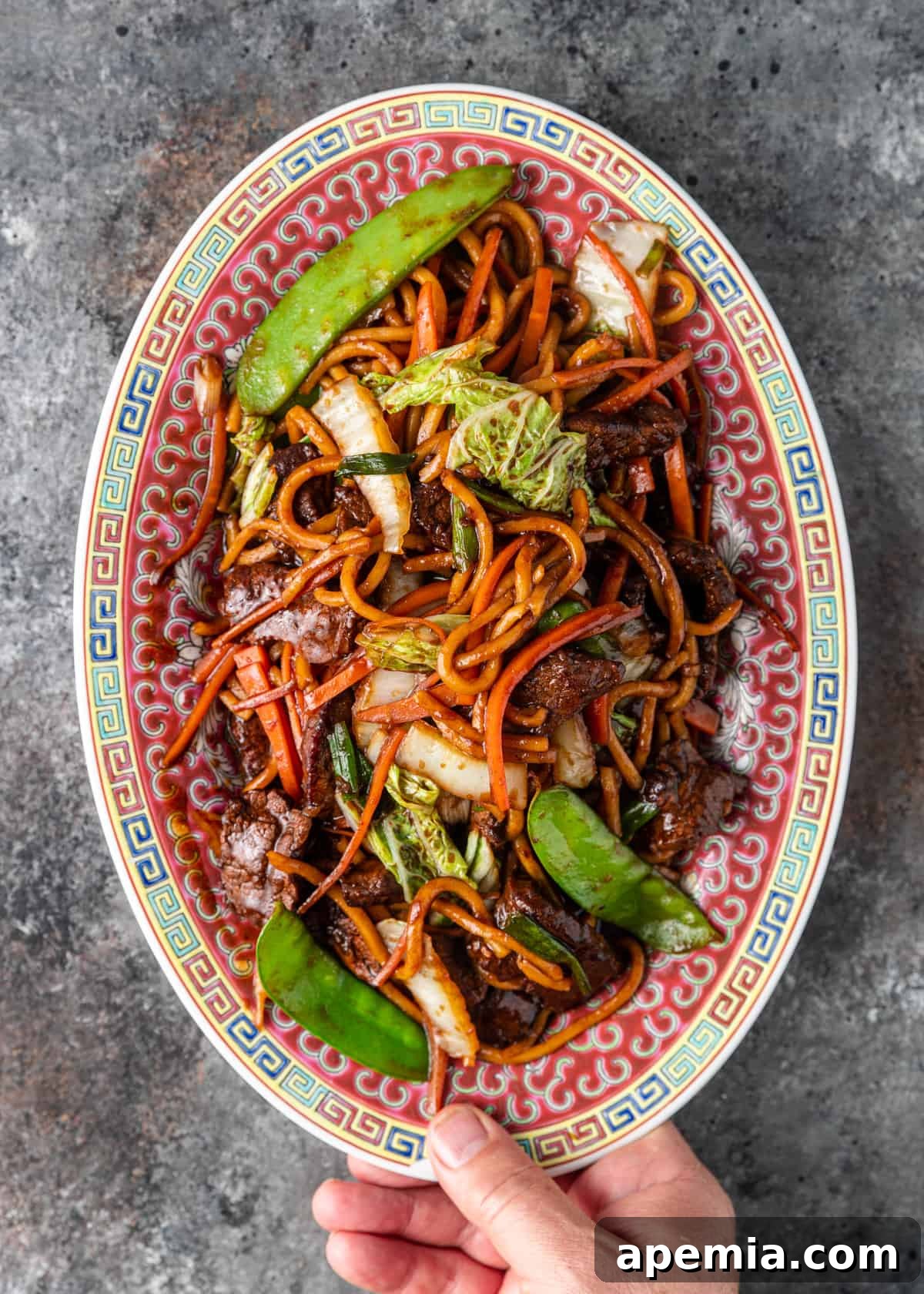
Share this recipe on Pinterest!
Love this recipe? Share it with the world on Pinterest so others can discover this amazing dish.
Frequently Asked Questions About Lo Mein
The primary distinction between lo mein and chow mein lies in their cooking methods and the resulting noodle texture. In a lo mein recipe, the noodles are boiled until soft and pliable before being quickly tossed with the sauce, meat, and vegetables. This technique results in soft, silky, and delightfully springy noodles that are the star of the dish. Chow mein, on the other hand, involves briefly cooking the noodles and then frying them, often until they are crispy and firm, offering a more textural contrast. Additionally, chow mein noodles are typically thinner than those used for lo mein.
If traditional lo mein noodles aren’t available, you have several excellent substitution options. Good quality fresh or dried egg noodles (sometimes labeled “Shanghai noodles”) work well. For a widely accessible alternative, regular spaghetti or linguine pasta can be used. To achieve a texture closer to authentic lo mein noodles, boil your spaghetti with a small amount of baking soda. This simple trick increases the water’s alkalinity, resulting in a chewier, more authentic noodle feel. Rice noodles, while offering a different texture, can also be used for a gluten-free variation.
Absolutely! To make this Beef Lo Mein recipe gluten-free, the key is to substitute gluten-containing ingredients with their GF counterparts. Use tamari or a certified gluten-free soy sauce instead of regular soy sauce, and ensure your Shaoxing wine substitute (if using dry sherry) is also gluten-free. For noodles, opt for gluten-free lo mein noodles or a rice noodle variety. Always check the labels of oyster sauce and any other condiments to ensure they are free from gluten.
Adjusting the spice level of your Beef Lo Mein is simple! If you prefer a milder dish, simply omit any chili oil or fresh chilies. For a moderate kick, add a dash of chili oil or a pinch of red pepper flakes to the sauce. If you crave intense heat, incorporate minced fresh chilies (like bird’s eye chilies) during the vegetable stir-fry step or add extra chili oil and Sriracha sauce to taste at the end. Always start with a small amount and add more as desired.
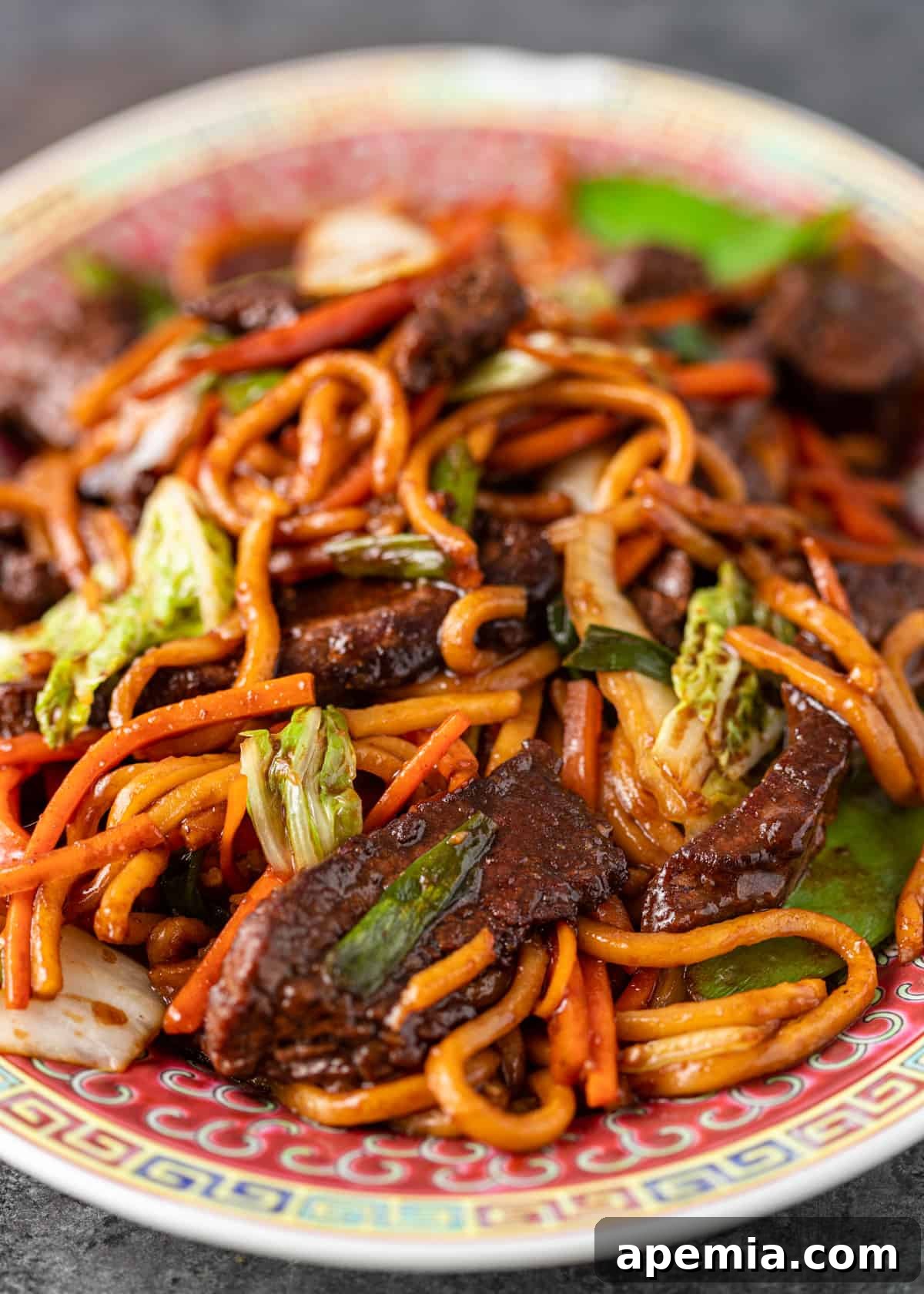
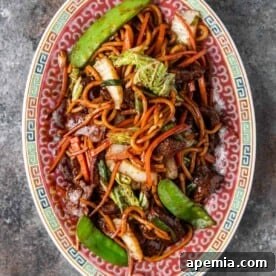
Beef Lo Mein Stir Fry
6
20
10
30
Pin Recipe
PrintRecipe
Video
A video guide for making Beef Lo Mein Stir Fry is available here to walk you through each step visually.
Ingredients
- 1 lb flank steak See Note 1
- 2 teaspoons Shaoxing wine See Note 2
- 1 teaspoon dark soy sauce
- 2 teaspoons cornstarch
- 6 green onions
- 6 napa cabbage leaves
- 6 ounces snow peas
- 1 large carrot peeled
- 8 ounces fresh lo mein noodles
Sauce
- 2 tablespoons light soy sauce
- 1 tablespoon dark soy sauce
- 1 tablespoon oyster sauce
- 1 tablespoon sugar
- 1 1/2 teaspoons sesame oil
Stir Fry
- 3 tablespoons vegetable oil
- 4 cloves garlic minced
Instructions
Marinate Beef
-
Transfer sliced beef to a bowl and toss with Shaoxing wine, 1 teaspoon of dark soy sauce, and cornstarch. Set aside to marinate for at least 15 minutes.
Sauce
-
In a separate bowl, whisk together all the sauce ingredients until well combined. Set aside.
Vegetables
-
Trim the ends of the green onions and separate the green tops from the white parts. Cut both into 1-inch pieces and place into separate bowls.
-
From the napa cabbage, trim the hard stem from the tender leaves by making an upside-down V-shaped cut down to the end of the stem. Remove the white stem pieces and cut them into 1/2-inch pieces. Tear or cut the leaves into bite-sized pieces and add to the bowl with the green onion tops.
-
Pinch and remove the string from both ends of the snow peas.
-
Cut a thin piece from the side of the peeled carrot to create a flat base. Lay the carrot on the cut side and cut into thin slices. Stack 3 slices at a time and cut into thin matchstick pieces.
Noodles
-
Bring a pot of water to a rolling boil and cook fresh noodles according to package instructions. Drain thoroughly and toss with 1 teaspoon of sesame oil to prevent sticking.
Stir Fry
-
Heat a wok or large skillet over medium-high heat. Add 2 tablespoons of vegetable oil. Sear the marinated beef in two batches to avoid overcrowding. Cook for 1 minute per side until browned but still tender. Remove the beef from the pan and set it aside. Repeat with any remaining beef.
-
Add the remaining 1 tablespoon of oil to the pan. Add the minced garlic and cook for 30 seconds until fragrant. Then add the white parts of the green onions, cabbage stems, snow peas, and carrots. Quickly stir-fry and toss for 3 minutes, keeping the vegetables moving constantly.
-
Add the drained noodles to the wok and pour the prepared sauce mixture over all the ingredients. Quickly stir-fry and toss to coat all the noodles and vegetables evenly, ensuring the noodles are heated through.
-
Finally, add the seared beef, green onion tops, and tender cabbage leaves back into the wok. Continue tossing until the cabbage leaves begin to wilt, about 1-2 minutes. Serve immediately and enjoy!
Notes
- Slice flank steak across the grain into 1/4 inch thin pieces for maximum tenderness.
- Shaoxing wine is a Chinese cooking wine; dry sherry can be used as a suitable substitute if needed.
Nutrition
Calories:
288
kcal
|
Carbohydrates:
36
g
|
Protein:
22
g
|
Fat:
6
g
|
Saturated Fat:
2
g
|
Polyunsaturated Fat:
1
g
|
Monounsaturated Fat:
2
g
|
Cholesterol:
45
mg
|
Sodium:
808
mg
|
Potassium:
478
mg
|
Fiber:
2
g
|
Sugar:
4
g
|
Vitamin A:
2215
IU
|
Vitamin C:
28
mg
|
Calcium:
68
mg
|
Iron:
2
mg
The information shown is an estimate provided by an online nutrition calculator. It should not be considered a substitute for a professional nutritionist’s advice.
main dishes
Chinese
Kevin
Have You Made This Recipe? Let Me Know on Instagram
Tag @keviniscooking or tag me #keviniscooking!