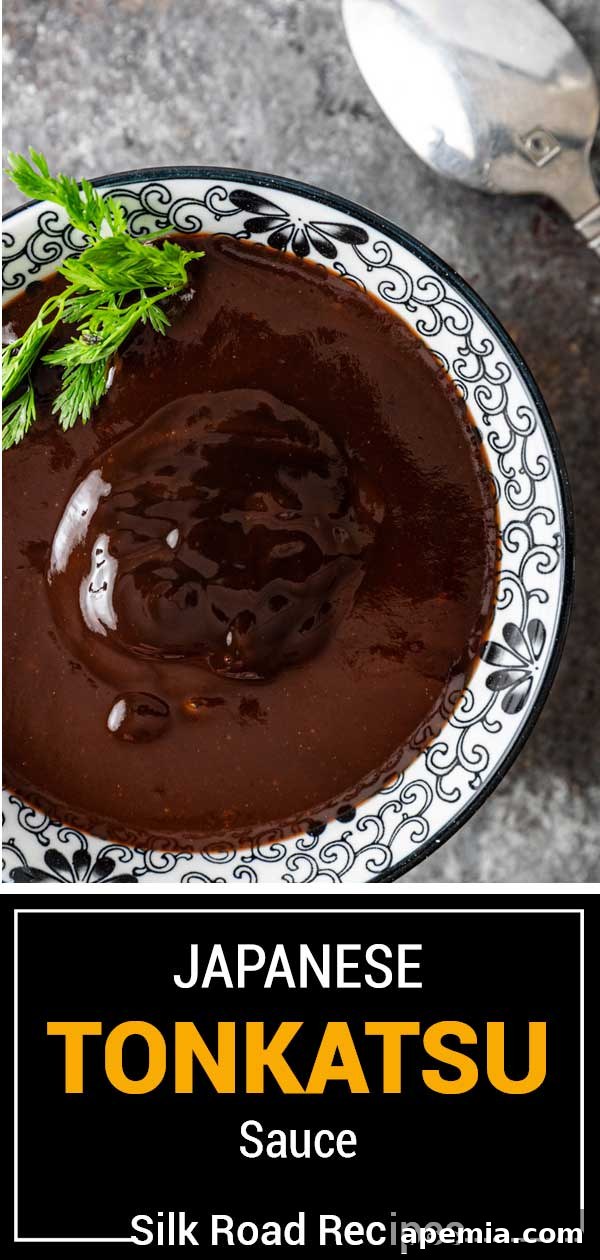
Easy Homemade Katsu Sauce: The Best 4-Ingredient Recipe
Unlock the secret to authentic Japanese flavor with this incredibly fast and easy 4-ingredient katsu sauce recipe. Often hailed as the Japanese answer to barbecue sauce, this delightful condiment combines the bright tang of ketchup, the deep umami of Worcestershire and oyster sauce, and a hint of brown sugar for a perfectly balanced, irresistibly savory-sweet experience. It’s the ultimate pairing for crispy fried cutlets and much more!
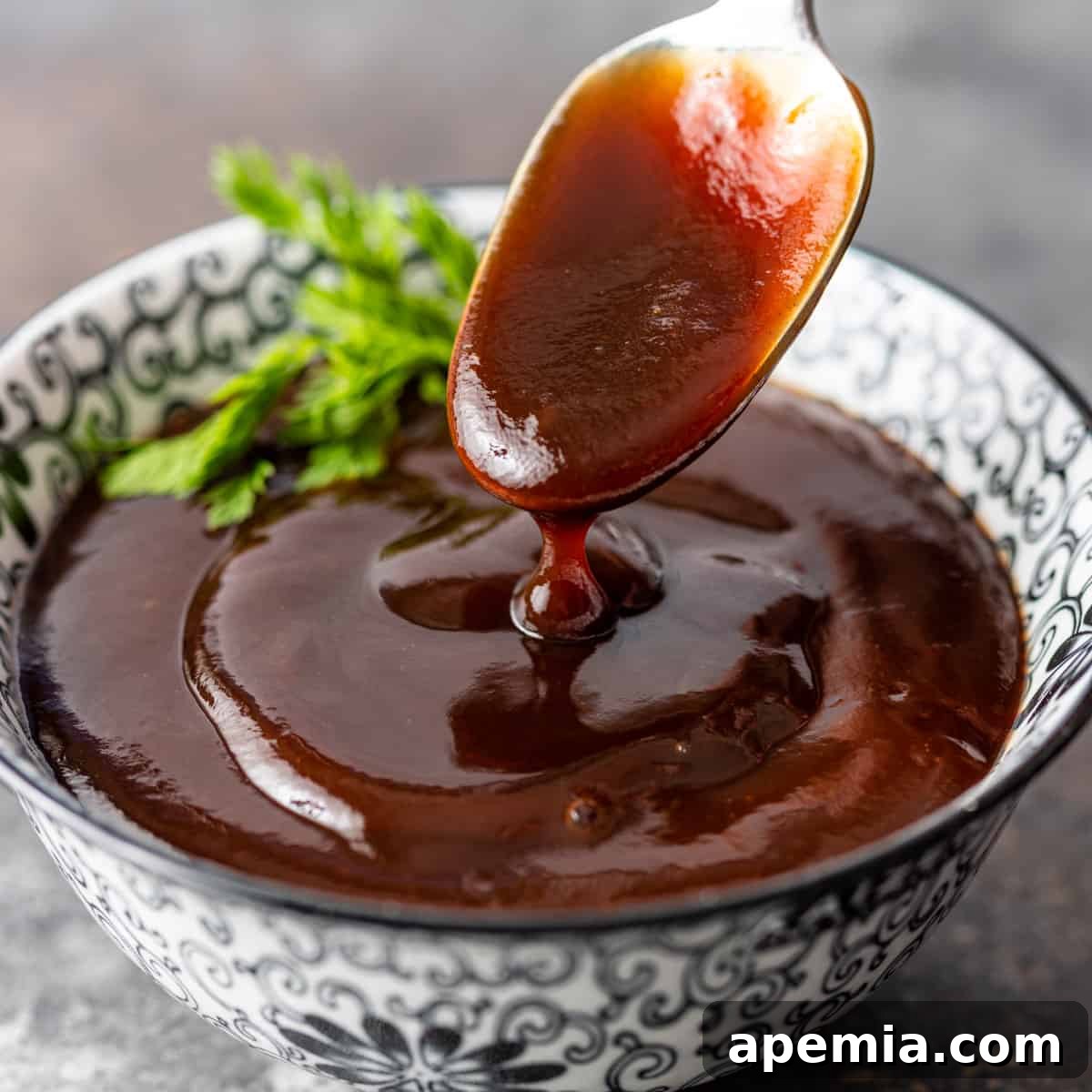
Welcome to the world of Japanese cuisine, where simplicity often yields the most profound flavors. Today, we’re diving into the essential condiment that elevates many classic dishes: Katsu Sauce, often interchangeably called Tonkatsu Sauce. While its traditional home is alongside succulent, breaded, and fried cutlets of meat, its versatility makes it a beloved staple in kitchens worldwide. Think of it as a sophisticated, intensely flavorful Japanese barbecue sauce.
Despite an incredibly short ingredient list, this sauce delivers an astonishing depth of flavor. Each component plays a crucial role: ketchup provides a vibrant, enticing tanginess, Worcestershire sauce contributes a complex savory sweetness and umami punch, and oyster sauce adds another layer of rich, unique savory depth. A touch of brown sugar ties it all together, harmonizing the flavors into a sweet-and-sour masterpiece that will transform even the simplest meal into a culinary sensation.
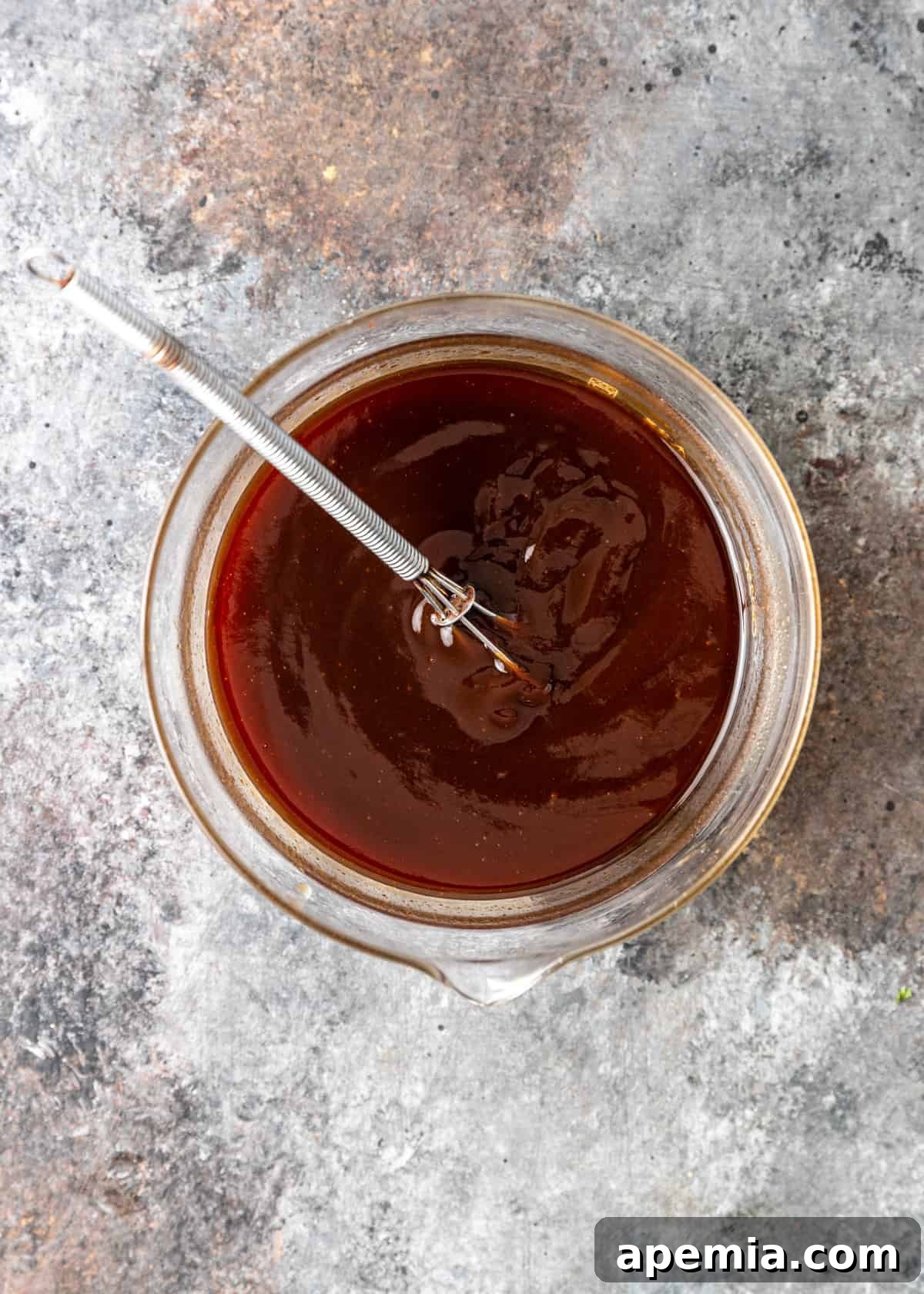
Table of Contents
- What is Katsu Sauce?
- Why Make Your Own Katsu Sauce?
- Essential Ingredients for Katsu Sauce
- How to Make Katsu Sauce (Quick and Easy!)
- Serving Suggestions for Katsu Sauce
- Storing Your Homemade Katsu Sauce
- Frequently Asked Questions (FAQ) About Katsu Sauce
- Tonkatsu Sauce Recipe
What is Katsu Sauce?
Katsu sauce, or Tonkatsu sauce, is a popular Japanese condiment traditionally served with “katsu” dishes – breaded and deep-fried cutlets of meat or vegetables. While the term “katsu” refers to the cutlet itself (derived from “katsuretsu,” meaning cutlet), Tonkatsu specifically means pork cutlet (“ton” meaning pork). This sauce is often compared to a Western barbecue sauce due to its rich, tangy, and sweet profile, but it boasts a unique blend of Japanese flavors.
Authentic katsu sauce can be quite complex, often involving a variety of fruits, vegetables, and up to 10 different spices, simmered down to create a thick, savory-sweet concoction. However, this simplified homemade version captures the essence of that classic flavor using readily available pantry staples, making it accessible for any home cook looking to add a touch of Japanese flair to their meals.
Why Make Your Own Katsu Sauce?
While store-bought katsu sauce is available, making your own offers several advantages. Firstly, it’s incredibly easy and takes less than 5 minutes to prepare, making it perfect for a busy weeknight. You have full control over the ingredients, ensuring no artificial preservatives or unnecessary additives. Plus, customizing the sweetness or tanginess to your personal preference is a breeze. The fresh, vibrant flavor of homemade sauce simply can’t be beaten, elevating your dishes to a new level of deliciousness. This recipe is your perfect secret weapon to jazz up a quick weeknight meal!
For those who love exploring Asian flavors, don’t miss out on other easy homemade sauces like Ginger Sauce, Pineapple Teriyaki Sauce, and Bulgogi Sauce (Korean BBQ Sauce).
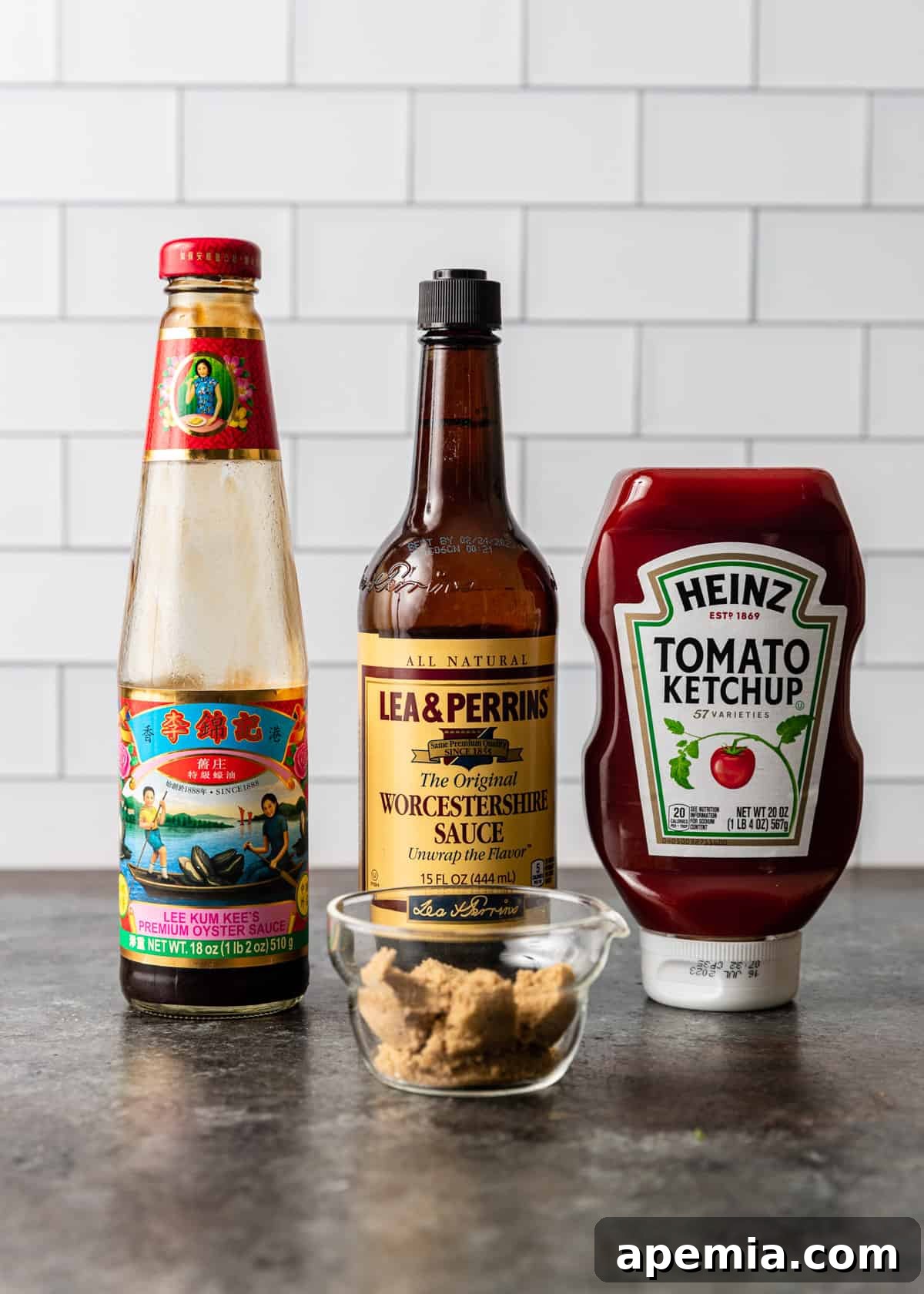
Essential Ingredients for Katsu Sauce
Creating this delicious katsu sauce requires just four core ingredients. Each one plays a vital role in building the sauce’s signature sweet, savory, and tangy profile. Here’s a closer look at what you’ll need and potential substitutions:
-
Ketchup
Ketchup isn’t just a base; it’s a powerhouse of flavor, bringing sweet, salty, savory, and sour notes all at once. Its smooth, slightly thick consistency also makes it an excellent foundation for a dipping and drizzling sauce. Choose your favorite brand, as the quality of ketchup will subtly influence the final taste of your katsu sauce.
-
Worcestershire Sauce
This intensely umami-rich sauce is a secret weapon in many dishes, infusing the katsu sauce with its complex salty, savory, sour, and sweet profile. It’s crucial for that deep, layered flavor. If you’re looking for an anchovy-free option or simply don’t have it on hand, a good quality balsamic vinegar or a combination of soy sauce with a tiny pinch of sugar can work as a substitute. Be aware that the flavor will be slightly different, but still incredibly delicious.
-
Oyster Sauce
Oyster sauce provides a unique, deep, and complex savory-sweet flavor with a hint of brininess – tasting somewhat between fish sauce and soy sauce. It adds an authentic East Asian depth that is hard to replicate. You can usually find it in the international food aisle of most supermarkets or at any Asian grocery store. For alternatives, fish sauce, soy sauce, or even additional Worcestershire sauce sweetened with a bit of sugar can be used, though they will slightly alter the sauce’s distinct character.
-
Brown Sugar
Brown sugar is essential for harmonizing the sauce and adding an earthy, caramel-like sweetness. I highly recommend brown sugar for its rich molasses notes, which complement the other ingredients beautifully. However, if you’re in a pinch, white sugar, honey, molasses, or maple syrup can also be used. Adjust the amount to your liking – feel free to add more or less depending on your preferred level of sweetness.
-
Optional Additions
While this 4-ingredient recipe is fantastic on its own, you can customize it further. A tiny dash of cayenne pepper can introduce a subtle warmth, or a micro-grating of fresh garlic or ginger can add a zesty aromatic kick. Remember, a traditional katsu sauce can have many ingredients, so feel free to experiment with what you enjoy!
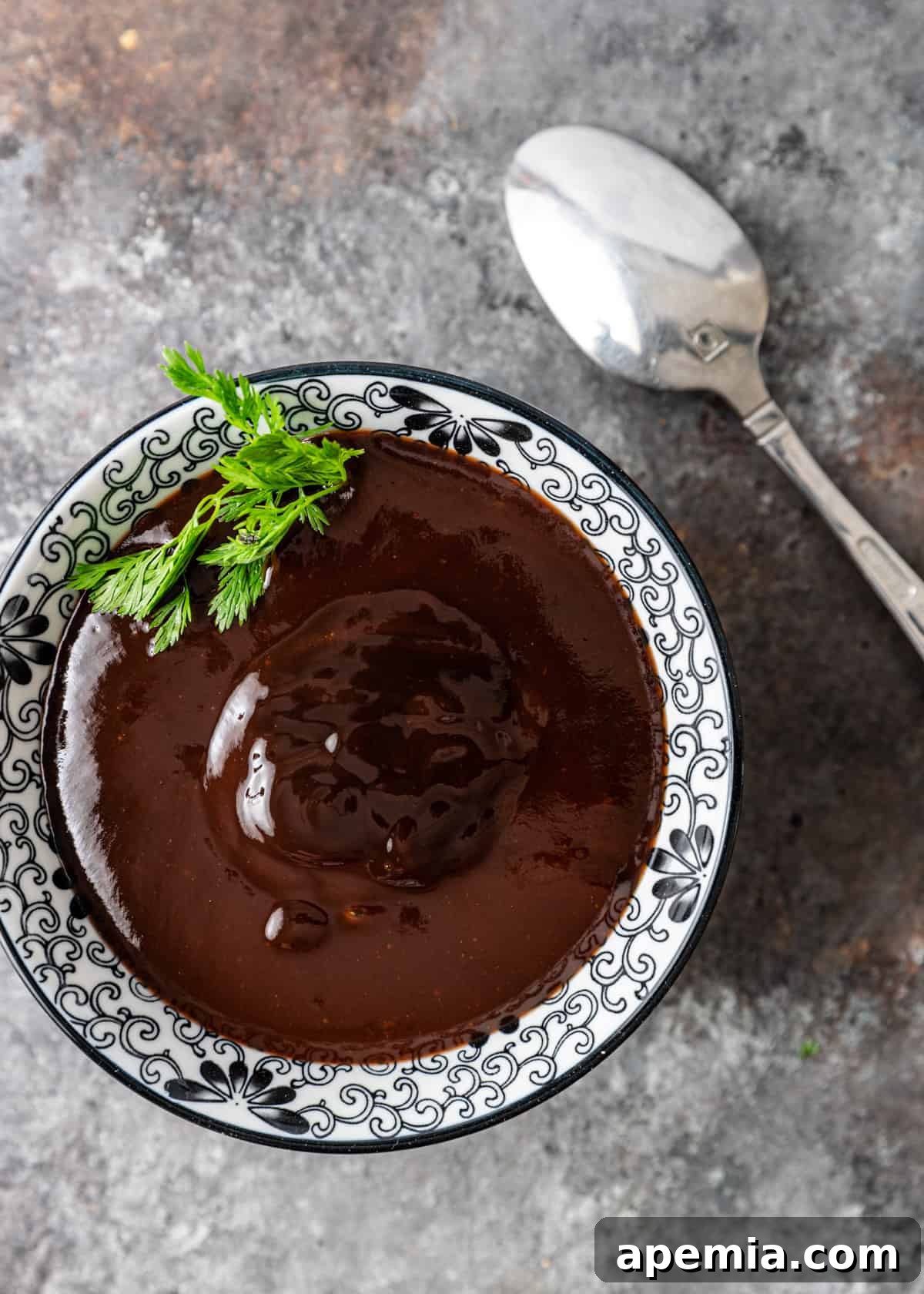
Tip From Kevin
What does katsu mean?
Katsu is a shortened version of the Japanese term katsuretsu, which roughly translates to cutlet in English. When you hear tonkatsu, the “ton” prefix means pork, so tonkatsu translates specifically to pork cutlet. This helps explain why the sauce is so commonly associated with fried cutlets of various kinds!
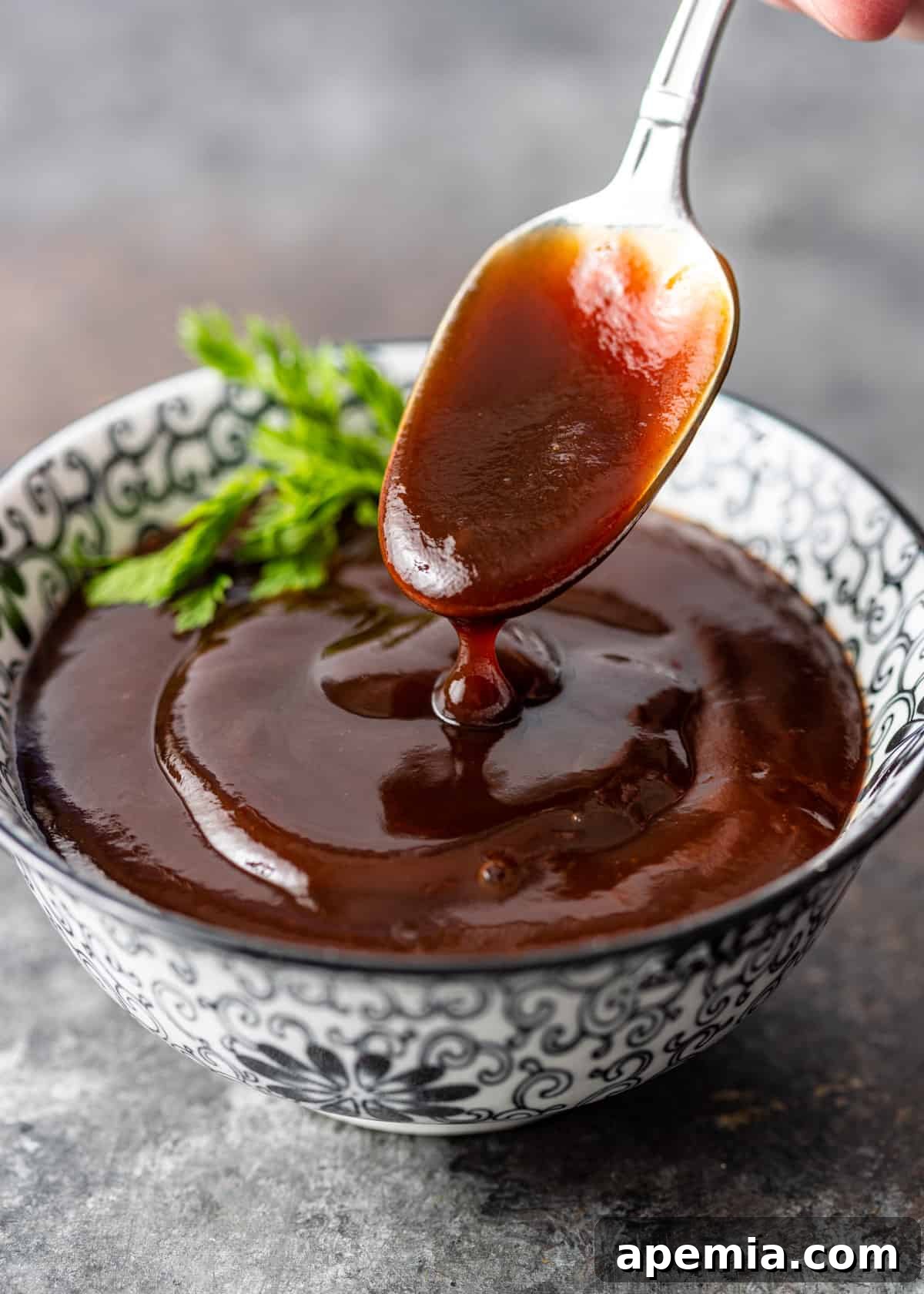
How to Make Katsu Sauce (Quick and Easy!)
Making this homemade katsu sauce couldn’t be simpler. It’s a two-step process that takes mere minutes!
- Combine Ingredients: In a small bowl or a jar with a tight-fitting lid, add all the katsu sauce ingredients: ketchup, Worcestershire sauce, oyster sauce, and brown sugar.
- Whisk or Shake: Whisk the mixture thoroughly until all the brown sugar has completely dissolved and the sauce achieves a nice, smooth, uniform consistency. If using a jar, simply close the lid tightly and shake vigorously until combined. And that’s all there is to it!
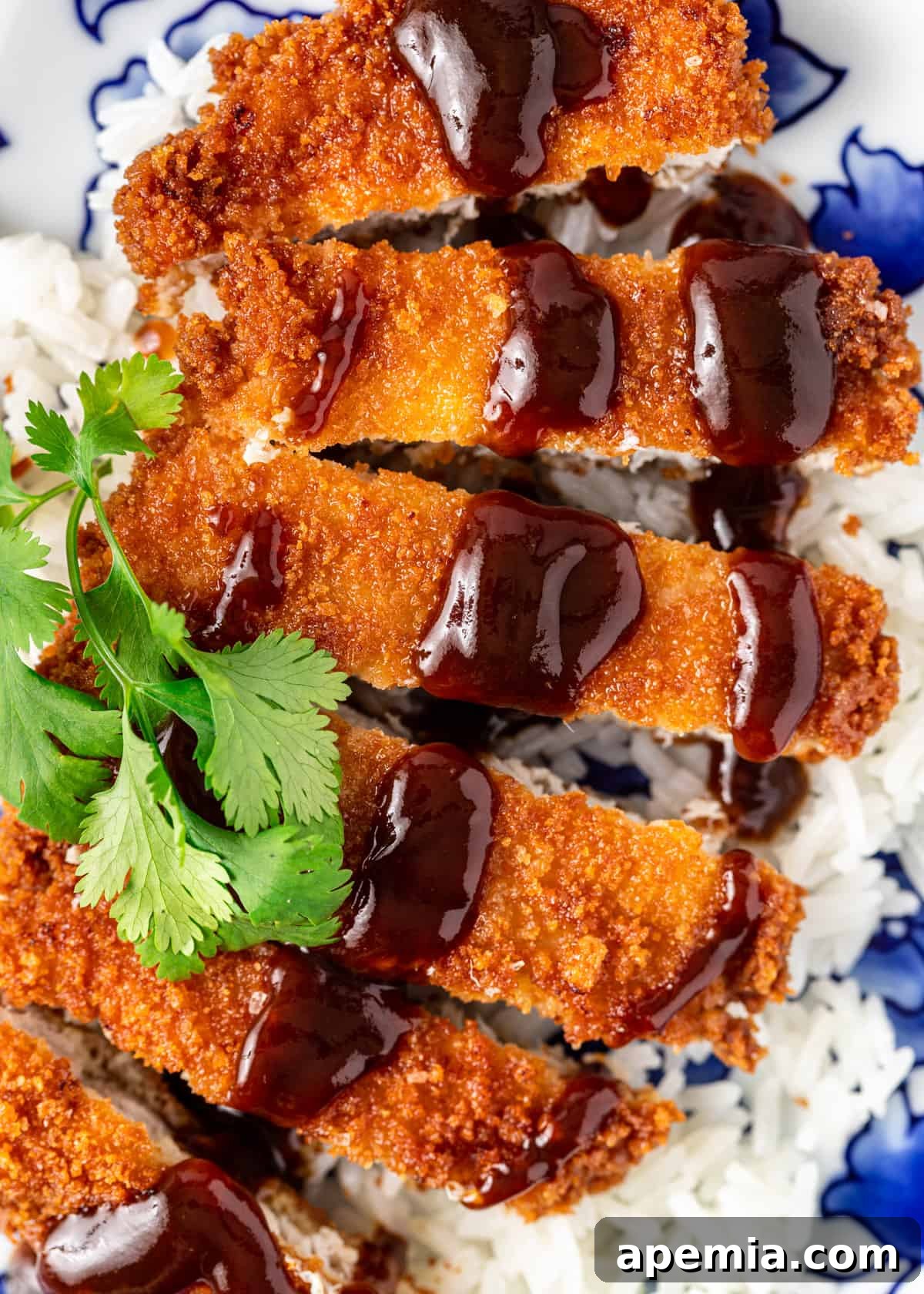
Serving Suggestions for Katsu Sauce
This savory-sweet, tangy sauce is incredibly versatile and can enhance a wide array of dishes, far beyond just its traditional use with fried cutlets. Here are some ideas to inspire your next meal:
Classic Katsu Pairings
- Katsu Dishes: Drizzle generously over any breaded and fried cutlet. This includes the classic Pork Tonkatsu, succulent Chicken Katsu, or even vegetarian options like Tofu Katsu, Salmon Katsu, or various Veggie Katsu preparations.
- Rice: Serve your katsu dish alongside a steaming heap of perfectly cooked Jasmine Rice or flavorful Hibachi Fried Rice.
- Soups: Start your meal with a comforting bowl of Hot and Sour Soup or a traditional Miso Soup.
- Salads: Complement the richness of katsu with a refreshing Japanese Cucumber Salad (Sunomono Salad) or any crisp garden salad.
- Stir-Fried Vegetables: Add a side of tender, stir-fried vegetables like Bok Choy Stir Fry, a colorful Vegetable Stir Fry, or delectable Asian Green Beans.
Creative Uses
- Dipping Sauce: It makes an amazing dipping sauce for various Asian appetizers, such as crispy Pork Pot Stickers or creamy Crab Rangoon.
- Snack Enhancer: Get creative and use your tonkatsu sauce anywhere you might typically use barbecue sauce. It’s fantastic with chicken tenders, chicken wings, french fries, sweet potato fries, onion rings, or even as a unique sandwich spread.
- Burger/Sandwich Spread: Elevate your next burger or chicken sandwich by spreading a generous layer of katsu sauce for an unexpected flavor twist.
Storing Your Homemade Katsu Sauce
One of the best things about this simple katsu sauce recipe is how easily it stores. Once prepared, transfer your sauce to an airtight container, such as a glass jar with a lid. Store it in the refrigerator, and it will remain fresh and flavorful for up to 2–3 weeks. This makes it perfect for meal prepping or having on hand whenever a katsu craving strikes!
Frequently Asked Questions (FAQ) About Katsu Sauce
What is Japanese katsu sauce made of?
Katsu sauce is typically a simple combination of intensely flavorful ingredients. This particular recipe is quite minimal, requiring only 4 ingredients: ketchup, Worcestershire sauce, oyster sauce, and brown sugar. These come together to create a sweet and savory masterpiece. Other quick recipes might include freshly chopped garlic, ginger, or a dash of cayenne. However, a traditional katsu sauce recipe can be much more elaborate, containing upwards of 10 different spices and a medley of fruits and vegetables such as carrots, onions, celery, tomatoes, lemon juice, prunes, dates, and apples. Don’t worry though! This version is designed to be the quickest and easiest you’ll find, letting the Worcestershire and oyster sauce do the heavy lifting to deliver authentic flavor with minimal effort.
Is tonkatsu sauce the same as katsu sauce?
Yes, tonkatsu sauce is generally the same as katsu sauce. “Katsu” is a broad term for fried cutlets, while “tonkatsu” specifically refers to a pork cutlet. The sauce that is served with these dishes is essentially the same, regardless of the type of katsu. Therefore, the names are often used interchangeably. So, while all katsu is not necessarily tonkatsu (it could be chicken katsu, for example), the sauces used for these dishes are indeed the same in concept and flavor profile.
What do you eat katsu sauce with?
This versatile savory-sweet sauce is traditionally served with breaded and fried cutlets, most famously Pork Tonkatsu (Katsu) or Chicken Katsu. However, its uses extend far beyond that. It makes an amazing drizzle, a delicious dipping sauce, or even a unique sandwich spread. Here are just a few ideas: drizzle it on various katsu dishes (pork, chicken, tofu, salmon, veggie), use it as a dipping sauce for Asian appetizers like Pork Pot Stickers or Crab Rangoon, pair it with sides like Jasmine Rice or Hibachi Fried Rice, or alongside a Japanese Cucumber Salad. Feel free to get creative! Try it with chicken tenders, chicken wings, french fries, or any of your favorite snacks – anywhere you might typically use barbecue sauce, this katsu sauce will add a delicious Japanese twist.
Can I make katsu sauce without oyster sauce?
Yes, you can make katsu sauce without oyster sauce if you have dietary restrictions or simply don’t have it on hand. Oyster sauce adds a unique, slightly briny umami sweetness. Good substitutes include fish sauce (use slightly less as it’s saltier), soy sauce for umami, or even a bit more Worcestershire sauce along with a touch more brown sugar to compensate for the lost sweetness and depth. While the flavor profile will be slightly altered, it will still yield a delicious homemade katsu sauce.
What’s the difference between Katsu Sauce and BBQ Sauce?
While both Katsu Sauce and BBQ Sauce are often described as tangy, sweet, and savory condiments, they have distinct flavor profiles and origins. BBQ sauce is typically smoky, often with notes of liquid smoke, paprika, mustard, and vinegar, and is central to American barbecue cuisine. Katsu sauce, on the other hand, is distinctly Japanese, characterized by a more nuanced umami depth from ingredients like Worcestershire and oyster sauce, often with a brighter, fruitier tang from ketchup (though traditional versions can include actual fruits). It doesn’t typically feature the smoky notes found in most BBQ sauces. Both are excellent dipping and glazing sauces, but their cultural heritage and primary flavor drivers set them apart.
Share this recipe on Pinterest!
Love this recipe? Share it with the world on Pinterest.
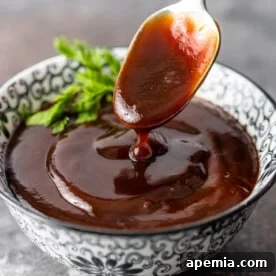
Tonkatsu Sauce
This katsu sauce recipe is an easy-to-make version of classic Japanese tonkatsu sauce. It is sweet, savory, salty, and tangy — just like a superb BBQ sauce!
7
5 mins
5 mins
Ingredients
- 6 tbsp ketchup
- 4 Tbsp Worcestershire sauce
- 2 tbsp oyster sauce
- 2 tbsp brown sugar
Instructions
-
In a small bowl or jar, whisk together the ketchup, Worcestershire sauce, oyster sauce, and brown sugar until the sugar is completely dissolved and a smooth sauce forms.
-
Store in an airtight container and keep in the refrigerator for up to 2–3 weeks.
Notes
This recipe yields approximately 14 tablespoons of tonkatsu sauce. Nutritional information is based on a 2-tablespoon serving.
Nutrition
Calories: 36kcal | Carbohydrates: 9g | Protein: 0.2g | Fat: 0.03g | Saturated Fat: 0.004g | Polyunsaturated Fat: 0.01g | Monounsaturated Fat: 0.01g | Sodium: 384mg | Potassium: 121mg | Fiber: 0.1g | Sugar: 7g | Vitamin A: 74IU | Vitamin C: 2mg | Calcium: 17mg | Iron: 1mg
The information shown is an estimate provided by an online nutrition calculator. It should not be considered a substitute for a professional nutritionist’s advice.
Have You Made This Recipe? Let Me Know on Instagram
Tag @keviniscooking or tag me #keviniscooking!