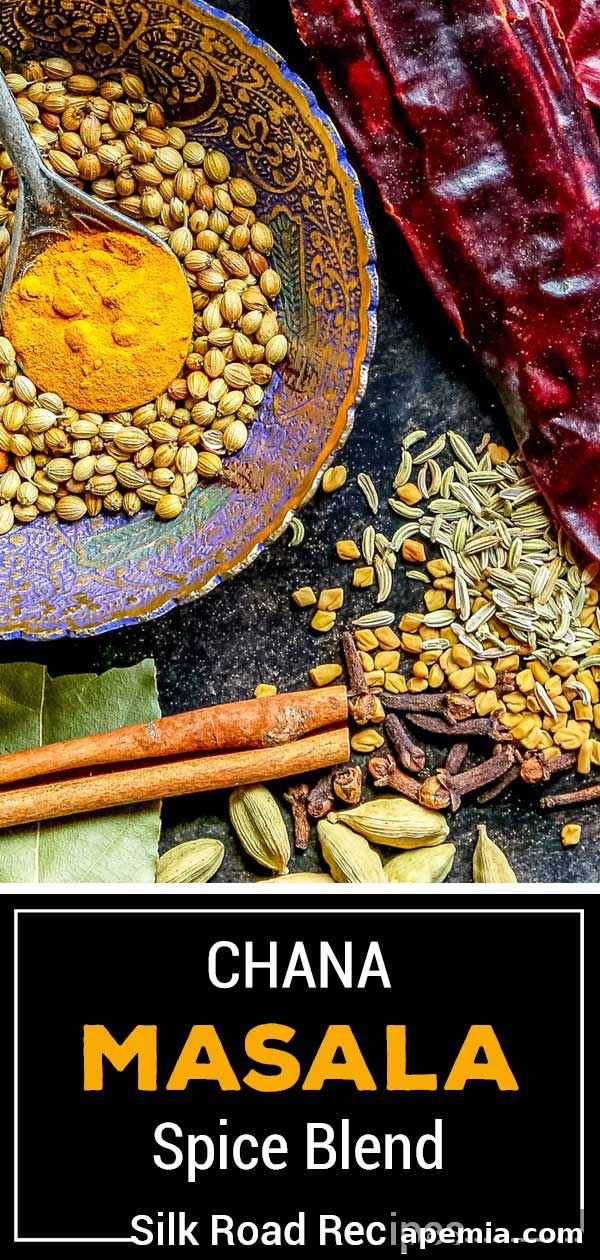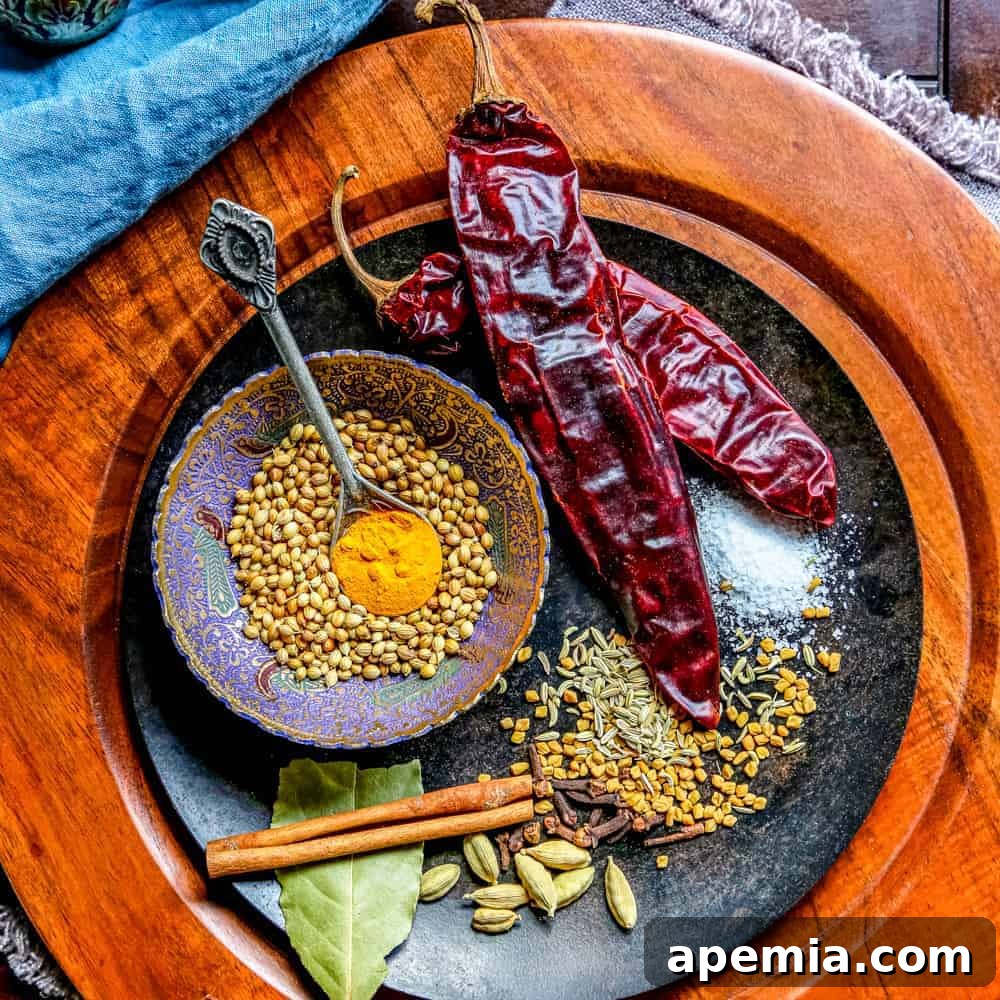
Homemade Chana Masala Powder: Crafting Authentic Indian Flavors at Home
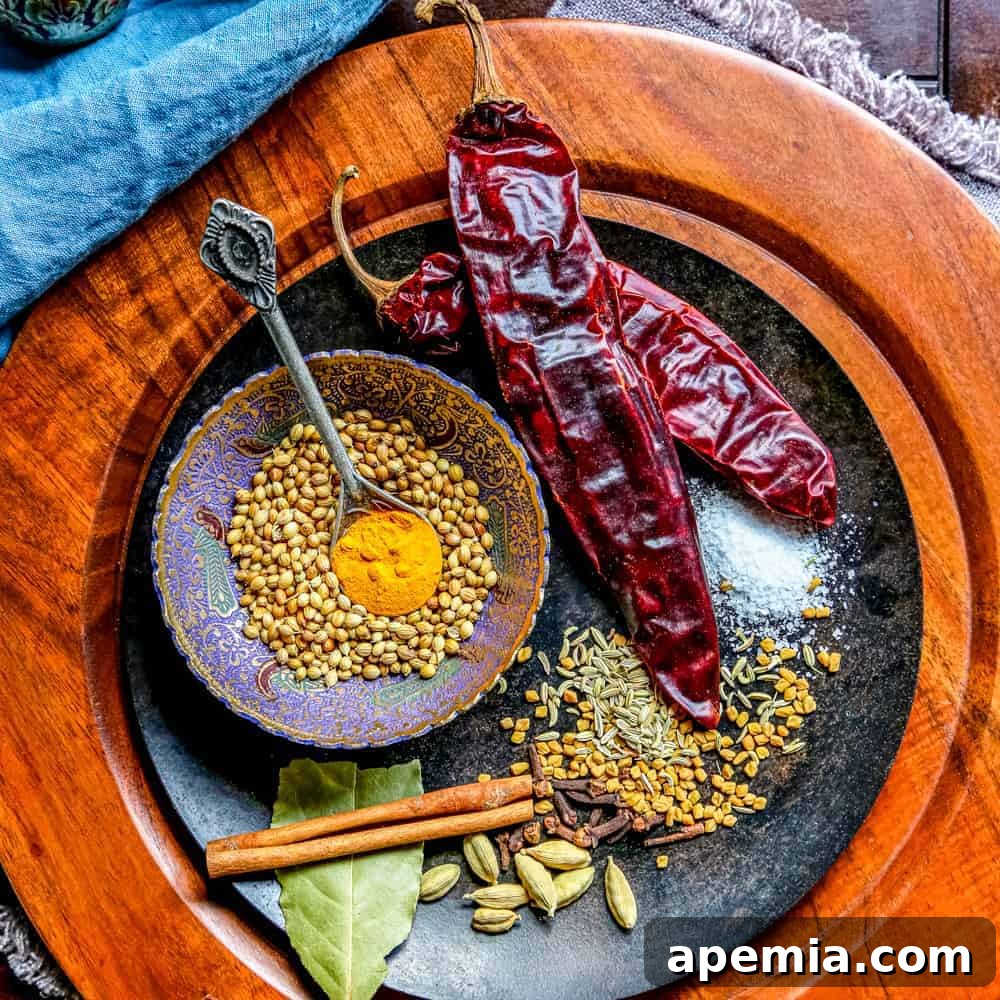
The essence of truly authentic and incredibly flavorful Indian cuisine often lies in the quality and freshness of its spice blends. Among these, Chana Masala Powder stands out as a cornerstone for many beloved vegetarian dishes, particularly those featuring chickpeas. Forget bland store-bought versions that often lack vibrancy; the secret to a bright, aromatic, and intensely satisfying chana masala dish begins with a homemade blend crafted from whole, potent Indian herbs and spices. This comprehensive guide will walk you through creating your own chana masala powder – a simple, rewarding process that promises unparalleled depth of flavor and transforms your kitchen into a spice haven!
Chana masala powder is a dynamic and aromatic spice blend celebrated for its unique balance of incredible warmth, zesty tanginess, and deep earthy undertones. This harmonious profile makes it an ideal companion for the nutty, creamy texture of chickpeas, creating a symphony of flavors that is both comforting and exhilarating. While it is most famously used in various delicious Indian chickpea curries, its versatility extends far beyond, proving itself to be an indispensable ingredient in any spice enthusiast’s pantry. From enhancing the simplest lentil soup to providing a flavorful coating for roasted vegetables, the possibilities are endless when you have a fresh, potent chana masala blend at your fingertips.
Whether you’re a long-time fan of the traditional chickpea curry or prefer the robust kick of a spicy potato chickpea curry (Aloo Chana Masala), this iconic spice blend is the foundation upon which these culinary masterpieces are built. Crafting your own blend ensures a remarkable freshness and vibrancy that pre-packaged spices simply cannot match, allowing you to tailor the intensity and nuances to your personal taste. This article will not only provide a detailed recipe but also delve into the individual characteristics of each spice, offering insights into their roles in creating this complex flavor profile. Embark on this journey to create a spice blend that will not only elevate your favorite chickpea dishes but also inspire countless new culinary explorations.
Table of Contents
- The Magic of Homemade Chana Masala: Why Make Your Own?
- Essential Ingredient Notes and Substitutions for Your Spice Blend
- How to Make Chana Masala Powder: Step-by-Step
- Recommended Tools for Spice Blending
- Optimizing Flavor and Shelf Life: Storing Your Chana Masala Powder
- Beyond Chickpea Curries: Versatile Uses for Chana Masala Powder
- Frequently Asked Questions About Chana Masala Powder
- Homemade Chana Masala Powder Recipe
The Magic of Homemade Chana Masala: Why Make Your Own?
This quick and surprisingly easy chana masala powder recipe will yield approximately ⅓ cup of this exquisite blend in less than 10 minutes from start to finish. The process begins with the crucial step of dry toasting whole spices and aromatic leaves. This technique is paramount as it gently heats the spices in a dry pan, coaxing out their volatile essential oils and intensifying their complex flavors and intoxicating aromas. As the spices toast, your kitchen will fill with an incredible fragrance, a testament to the freshness and potency you’re about to achieve. Once perfectly toasted and slightly cooled, a quick grind transforms them into a fine, ready-to-use powder. It’s an incredibly simple yet transformative process that yields results far superior to any pre-ground spice blend you might find on supermarket shelves.
The benefits of making your own chana masala powder are manifold and truly impact the overall quality of your cooking. Firstly, freshness is paramount. Whole spices retain their potency and vibrant essential oils for much longer than their ground counterparts. By toasting and grinding them just before use, you unlock their full aromatic potential, resulting in a significantly more vibrant, fragrant, and flavorful dish. This step alone can elevate a good dish to an extraordinary one.
Secondly, you gain complete control over ingredients. Store-bought spice blends can sometimes contain hidden fillers, anti-caking agents, or excessive sodium. When you make your own, you know exactly what goes into your blend, allowing you to maintain a pure and wholesome approach to your cooking, free from unwanted additives. This is particularly beneficial for those with dietary restrictions or specific health goals.
Finally, the cost-effectiveness is undeniable. Buying whole spices in bulk is often more economical in the long run, especially when considering the superior quality and extended shelf life you achieve compared to frequently purchasing smaller, less potent pre-ground blends. This small effort translates into a huge impact on the authenticity, deliciousness, and even the healthfulness of your Indian meals, making homemade chana masala powder a truly worthwhile endeavor for any culinary enthusiast.
Essential Ingredient Notes and Substitutions for Your Spice Blend
(Be sure to check the detailed recipe card below for a full list of ingredients and precise quantities)
- Asafoetida (Hing): This pungent, sulfurous spice is a staple in Indian vegetarian cooking, often used to replicate the flavors of onion and garlic, especially in curries, chutneys, and pakoras. It has a unique aroma when raw but mellows beautifully into an onion-garlic flavor when cooked. While distinct, it can be challenging to source in some Western regions. If you can’t find it, a decent substitute can be achieved by using ⅛ teaspoon each of garlic powder and onion powder.
- Dried Kashmiri Chilis: Prized for their vibrant red color and mild, smoky heat, Kashmiri chilis are a hallmark of many Indian dishes, imparting both color and a gentle warmth without overwhelming spiciness. If these are unavailable, you can create a suitable alternative using a 3:1 ratio of sweet paprika to cayenne pepper. Alternatively, I’ve successfully used dried and ground Guajillo chilis, which lend a wonderful, slightly fruity warmth to the blend. Experiment to find your preferred chili profile and heat level.
- Coriander Seeds (Dhania) & Cumin Seeds (Jeera): These two foundational spices are often paired in Indian cuisine, forming the aromatic backbone of countless dishes. Coriander offers a bright, citrusy, and slightly floral note, providing freshness and complexity. Cumin, on the other hand, contributes a warm, earthy, and pungent aroma that grounds the blend. Together, they create a beautifully balanced flavor base that is instantly recognizable as Indian.
- Ground Cardamom (Elaichi): This highly aromatic spice, with its sweet, floral, and slightly pungent notes, adds an elegant complexity and a hint of exotic sweetness to the chana masala blend. We recommend ½ teaspoon of ground cardamom, which is roughly equivalent to the seeds from 6 whole green cardamom pods. For maximum impact, always use freshly ground cardamom.
- Cinnamon (Dal Chini): A single 3-inch cinnamon stick (it’s important to use one stick, not three!) is enough to impart its sweet and woody fragrance, adding a deep, comforting warmth. If using ground cinnamon, approximately 2 teaspoons will suffice. For the best, most nuanced flavor, always opt for Ceylon cinnamon if possible.
- Dry Mango Powder (Amchur): This optional but highly recommended ingredient provides a delightful tart, fruity tang that brightens the entire spice blend and is crucial for that authentic sour kick often found in chana masala. It’s made from unripe green mangoes that are dried and ground into a powder.
- Cloves (Laung): Sweet, warm, and intensely aromatic, cloves contribute a distinctively bold, slightly woody, and pungent note to the blend. Their strong flavor means a small amount goes a long way. If you’re out of cloves, a pinch of allspice or a bit more cinnamon, nutmeg, or cardamom can work as a subtle alternative, though the flavor profile will inevitably shift.
- Dry Fenugreek Leaves (Kasturi Methi): These dried leaves offer a unique, slightly bitter, and herbaceous aroma that is essential to the authentic taste of chana masala. They add a deep, complex flavor that is hard to replicate. If you only have fenugreek seeds on hand, use about half the amount of seeds compared to leaves, as seeds are more potent and have a stronger, somewhat bitter flavor when not properly tempered. Toast them lightly with the other whole spices.
- Fennel Seeds (Saunf): Offering a sweet, licorice-like, and anise-like flavor, fennel seeds contribute a lovely fragrant depth and a subtle cooling effect to the blend, balancing the warmth of other spices.
- Black Peppercorns (Kali Mirch Dane): For a sharp, piquant heat and aromatic depth, black peppercorns are indispensable. Their fresh grind offers a brighter, more complex heat than pre-ground pepper. If using pre-ground black pepper, increase the quantity slightly as whole peppercorns are typically more potent when freshly ground.
- Nutmeg Powder: A hint of freshly grated nutmeg adds a warm, sweet, and nutty aroma, complementing the other spices beautifully and adding another layer of complexity to the blend.
- Ginger Powder (Sonth): While fresh ginger is often used in the final dish, a touch of ginger powder directly in the blend adds a foundational warmth and gentle spice, ensuring a consistent ginger note throughout.
- Salt: Essential for balancing all the flavors, a small amount of salt is included directly in the blend. This enhances the perception of all the other spices. You can always adjust the final seasoning in your dish to taste.
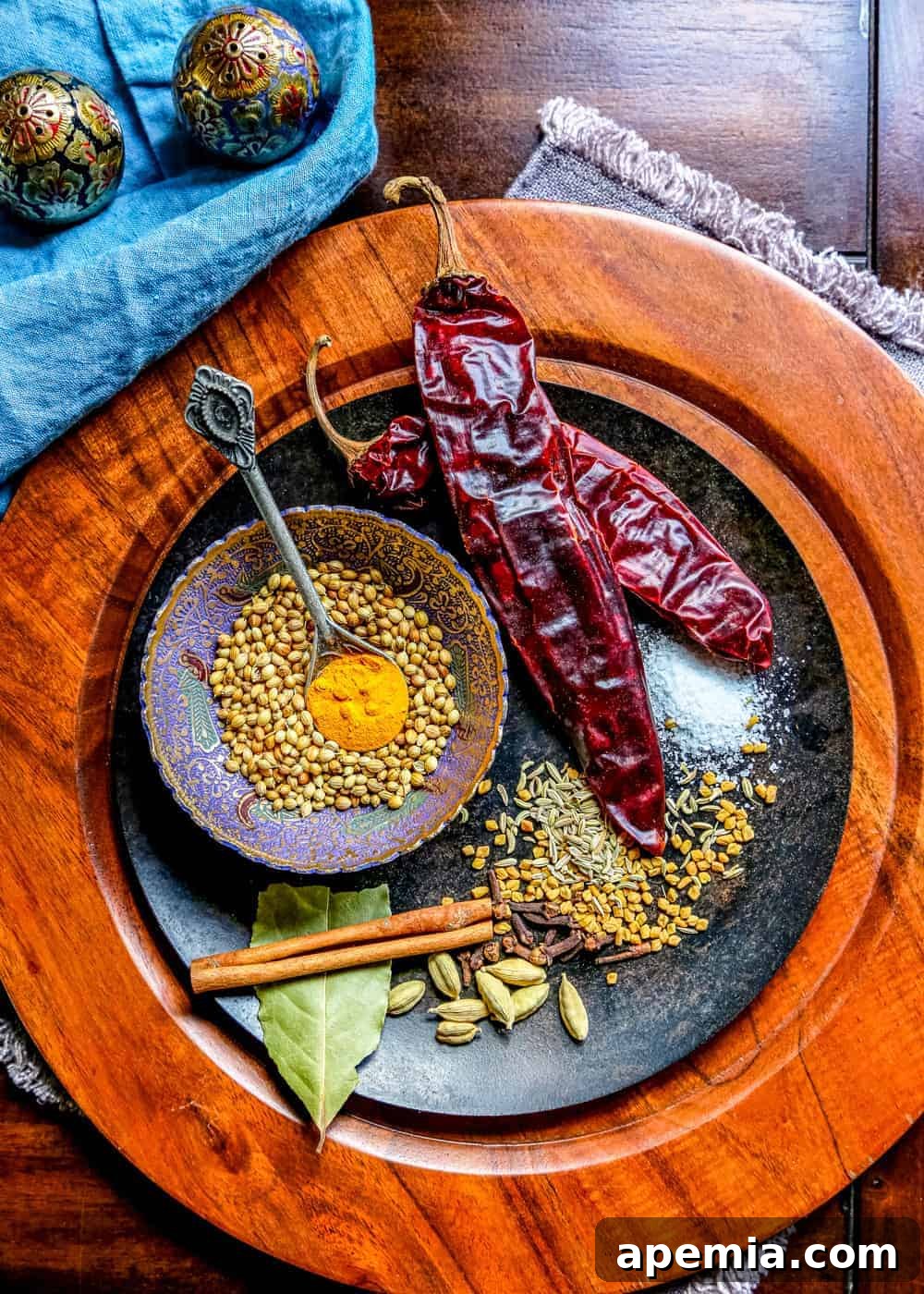
How to Make Chana Masala Powder: Step-by-Step
- Gather and Prepare Your Spices: Before you begin, gather all your whole spices (cloves, dried chilis, bay leaf, cinnamon stick, coriander seeds, cumin seeds, dry fenugreek leaves, fennel seeds, and black peppercorns) and measure out your ground spices. Having everything ready ensures a smooth and efficient process.
- Dry Toast the Whole Spices: Place a small, heavy-bottomed saucepan or skillet over low to medium-low heat. Add all the whole spices to the dry pan. Begin toasting them for approximately 3 to 4 minutes, or until you can distinctly smell their rich aroma and some of the smaller seeds (like cumin and coriander) begin to lightly pop and darken slightly. This process releases their volatile essential oils, intensifying their flavor. It is absolutely crucial to shake the pan constantly or stir with a wooden spoon to prevent burning, as burnt spices will impart a bitter taste to your final blend.
- Cool the Toasted Spices: Immediately after toasting, remove the pan from the heat and transfer the fragrant, toasted spices onto a clean plate or tray. Spread them out in a single layer to allow them to cool completely to room temperature. This cooling step is important before grinding, as grinding hot spices can lead to clumping due to moisture release and an uneven, less fine texture.
- Grind to a Fine Powder: Once the toasted spices have cooled, transfer them to a dedicated spice grinder (a coffee grinder reserved solely for spices works wonderfully) or a traditional mortar and pestle. Add the remaining ground spices (asafoetida, nutmeg powder, ginger powder, ground cardamom, dry mango powder, and salt) to the grinder along with the cooled whole spices. Process everything until you achieve a very fine, uniform powder. If using a mortar and pestle, this will require more effort and patience to achieve the desired consistency; grind in small batches if needed.
- Inspect and Store: After grinding, examine the powder to ensure there are no large, unground pieces remaining. If necessary, sift the powder through a fine-mesh sieve and regrind any larger fragments to achieve a consistently fine texture. Transfer your freshly made chana masala powder blend to a completely airtight container. A glass jar with a tight-fitting lid is ideal for preserving freshness. For optimal flavor and aroma, it is best to use this homemade blend within 2 months.
Recommended Tools for Spice Blending
- Small Saucepan or Skillet: A heavy-bottomed pan, such as cast iron or stainless steel, is best for even heat distribution during the dry toasting process, preventing scorching.
- Spice Grinder: An electric spice grinder is highly recommended for achieving a fine, consistent powder quickly and effortlessly. If you don’t have one, a coffee grinder that has been thoroughly cleaned or dedicated solely to spices is an excellent alternative. Alternatively, a good quality mortar and pestle will work, offering a more traditional and perhaps meditative approach to spice blending, though it requires more elbow grease and patience to achieve a fine powder.
- Airtight Container: Essential for preserving the freshness, potency, and vibrant aroma of your homemade spice blend. Glass jars with tight-fitting lids are preferred over plastic.
Optimizing Flavor and Shelf Life: Storing Your Chana Masala Powder
While your homemade chana masala powder won’t technically “spoil” in the same way fresh food does, the aromatic compounds and essential oils within the ground spices are volatile and will gradually degrade over time. This leads to a noticeable loss of potency, aroma, and ultimately, the vibrant flavor that makes homemade blends so special. For the best culinary results, ensuring your dishes are as flavorful as possible, try to use your freshly prepared chana masala powder within 2 months of grinding. Beyond this period, while still perfectly safe to consume, its ability to impart a profound and complex flavor will significantly diminish.
To further prolong the life expectancy and intensity of your precious spice blend, consider storing it in the refrigerator, especially if you anticipate not using the entire batch within the recommended two months. The cooler temperatures significantly slow down the oxidation process that causes flavor degradation, helping to maintain its vibrant characteristics. Always ensure it’s kept in a completely airtight container, preferably glass, and stored in a cool, dark place, away from direct light, heat, and moisture. These environmental factors are the primary enemies of spice longevity and can quickly strip your blend of its incredible essence. Proper storage ensures every pinch of your homemade chana masala powder delivers maximum impact and elevates your dishes to new heights of deliciousness.
Beyond Chickpea Curries: Versatile Uses for Chana Masala Powder
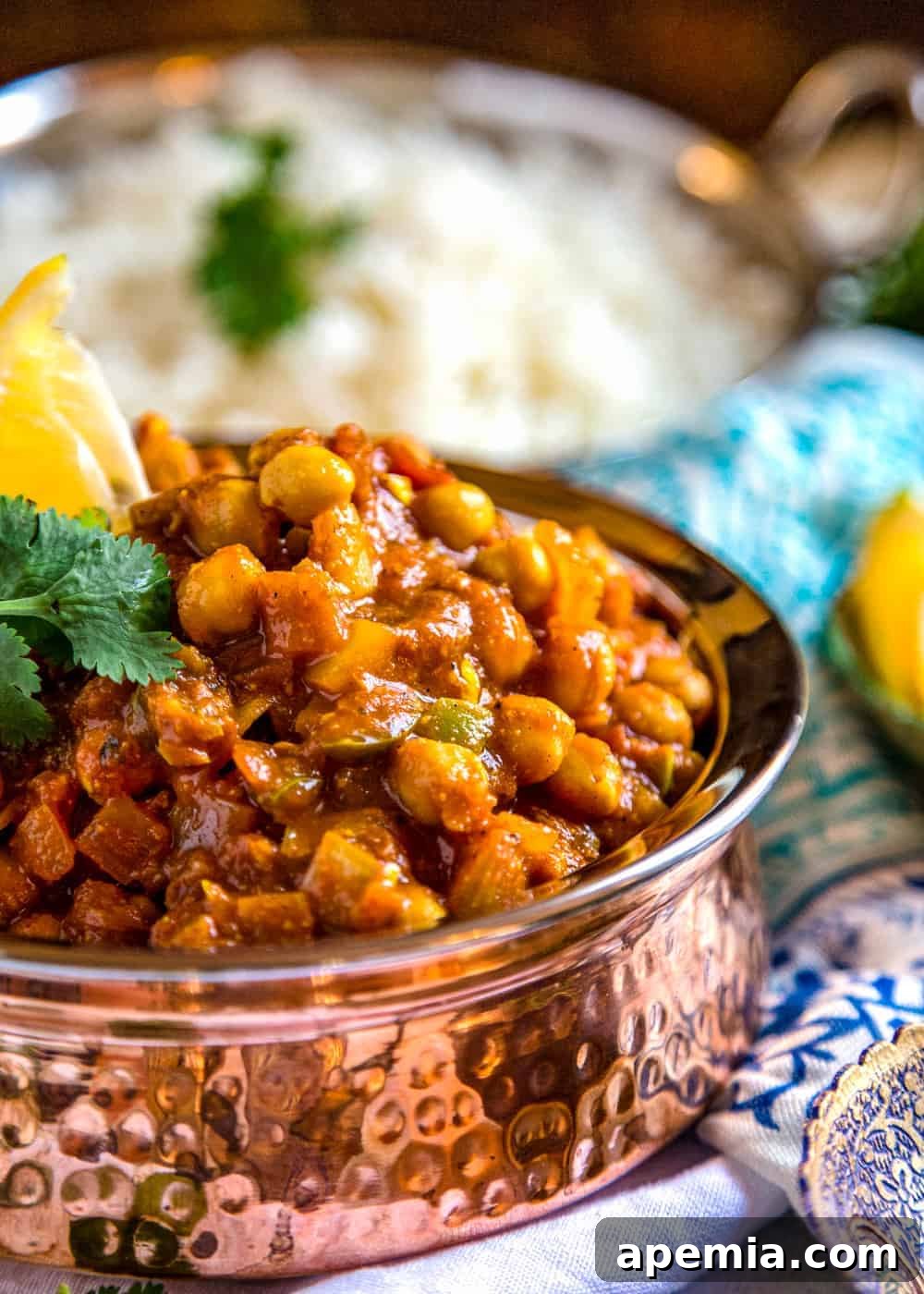
As mentioned, chana masala powder is a stellar ingredient for traditional chickpea curries, but its aromatic, tangy, and earthy profile makes it incredibly versatile in the kitchen. Don’t limit its use to just Indian dishes; this potent blend can infuse depth and character into a wide array of culinary creations across different cuisines:
- Soups and Stews: Stir a teaspoon or two into lentil soups, hearty vegetable stews, or even a robust tomato-based soup for an unexpected warmth, complexity, and a hint of exotic flavor. It pairs particularly well with bean and legume-based soups.
- Roasted Vegetables: Sprinkle it generously over chopped root vegetables like potatoes, carrots, parsnips, or cauliflower florets before roasting. The heat of the oven brings out the best in the spices, creating a flavorful and aromatic side dish. It complements sweet potatoes beautifully.
- Marinades: Incorporate chana masala powder into yogurt or oil-based marinades for chicken, fish, paneer, or tofu. The spices penetrate the ingredients, adding a delicious Indian twist to grilled, baked, or pan-fried proteins.
- Dips and Spreads: Mix a small amount into homemade hummus for an extra layer of flavor, blend it into a cooling raita (yogurt dip), or even stir it into a simple cream cheese spread for an intriguing and savory flavor boost for bagels or crackers.
- Savory Baked Goods: Lightly dust it over homemade flatbreads like naan or pita before baking, or incorporate it into savory muffin or scone dough for an aromatic and unexpected touch.
- Egg Dishes: A pinch of chana masala powder in scrambled eggs, an omelet, or a frittata can elevate a simple breakfast or brunch into something more exciting and flavorful.
- Popcorn Seasoning: For a uniquely savory and addictive snack, mix chana masala powder with a little salt (and perhaps a touch of nutritional yeast for cheesy flavor) and sprinkle generously over freshly popped popcorn.
Its vibrant, tangy, and earthy notes can truly enhance almost anything, making it a staple you’ll reach for again and again. Experiment and discover your favorite ways to enjoy this fantastic homemade spice blend – your taste buds will thank you!
📌
Share this recipe on Pinterest!
Love this recipe? Share it with the world on Pinterest to inspire others to make their own incredible spice blends.
Frequently Asked Questions About Chana Masala Powder
While both are quintessential Indian spice blends, the key difference lies in their flavor profiles and typical applications. Garam masala tends to lean towards warmer, sweeter, and more floral notes. It often includes spices like mace, nutmeg, and sometimes star anise, alongside cinnamon, cloves, and cardamom, giving it a rich, earthy, and intensely aromatic warmth. It’s often added at the end of cooking to preserve its delicate aromas. Chana masala, on the other hand, is specifically formulated to complement chickpea dishes, featuring a tangier, brighter, and often spicier profile due to ingredients like dry mango powder (amchur) and specific chili varieties. It’s typically incorporated earlier in the cooking process to build the foundational flavor of chickpea-based dishes, making them distinct and not interchangeable.
Chana masala and tikka masala are distinct in their preparation and primary use, though they share some common spice elements. Chana masala is a dry spice blend used to flavor chickpea dishes, providing a specific tangy and earthy profile. Tikka masala, particularly Chicken Tikka Masala, refers to a popular creamy, rich, tomato-based curry *dish*, not just a dry spice blend. While a tikka masala dish might utilize a complex blend of spices that includes elements found in chana masala (like fenugreek and certain chilies) and garam masala, it is fundamentally a complete prepared dish with a characteristic creamy sauce and its own unique flavor profile. So, they are different concepts – one is a specific spice blend, the other is a renowned curry dish.
For optimal preservation of your homemade spice blends, glass containers are highly recommended. Unlike plastic, glass is non-porous, meaning it won’t absorb or leach dyes, flavors, or scents over time, ensuring your spices retain their true profile and don’t pick up unwanted aromas. Dark-colored glass jars are even better as they provide protection from light degradation, which can break down flavor compounds. I personally find it convenient to reuse clean, dry glass bottles from store-bought spices, especially those that already come with a shaker lid for easy dispensing. Always ensure the container is completely airtight to prevent moisture and air exposure, which are the primary culprits in diminishing spice freshness and potency.
Homemade Chana Masala Powder
⅓ cup (6 servings)
5 mins
3 mins
8 mins
PrintRecipe
Video Overview
A video guide demonstrating the process of making Chana Masala Powder would be displayed here.

Watch the Chana Masala Powder Video
Ingredients
Unit system: US Customary (amounts provided)
Instructions
-
In a dry sauté pan, combine the first 9 ingredients (cloves through black peppercorns). Dry toast them over low heat for approximately 3 to 4 minutes, or until their aromatic oils are released and you can smell their fragrance, and some seeds begin to pop. Ensure you shake the pan constantly or stir them to prevent any burning, which would impart a bitter flavor.
-
Allow the toasted spice mixture to cool completely on a plate for a few minutes. Once cool, transfer them to a spice grinder or a mortar and pestle along with the remaining ingredients (ground asafoetida, nutmeg powder, ginger powder, ground cardamom, dry mango powder, and salt). Grind everything into a very fine, consistent powder.
-
Store your freshly prepared homemade chana masala powder blend in an airtight container, preferably glass, in a cool, dark place. For optimal flavor and potency, use within 2 months.
Notes
- For a suitable substitute for Kashmiri chiles, you can create a blend using 3 parts sweet paprika to 1 part cayenne pepper. I’ve also found that dried and ground Guajillo chiles work wonderfully as an alternative for a slightly different, yet delicious, flavor.
- If asafoetida (hing) is unavailable, you can substitute it with ⅛ teaspoon of onion powder combined with ⅛ teaspoon of garlic powder to achieve a similar aromatic base in your blend.
Nutrition Facts (per serving)
Carbohydrates: 2g |
Protein: 1g |
Fat: 1g |
Saturated Fat: 1g |
Sodium: 196mg |
Potassium: 28mg |
Fiber: 1g |
Sugar: 1g |
Vitamin A: 57IU |
Calcium: 22mg |
Iron: 1mg
The information shown is an estimate provided by an online nutrition calculator. It should not be considered a substitute for a professional nutritionist’s advice.
Spice Blend
Indian
Kevin
📸
Made This Delicious Recipe? Share Your Creation on Instagram!
Tag @keviniscooking or use the hashtag #keviniscooking so we can see your amazing dishes!