
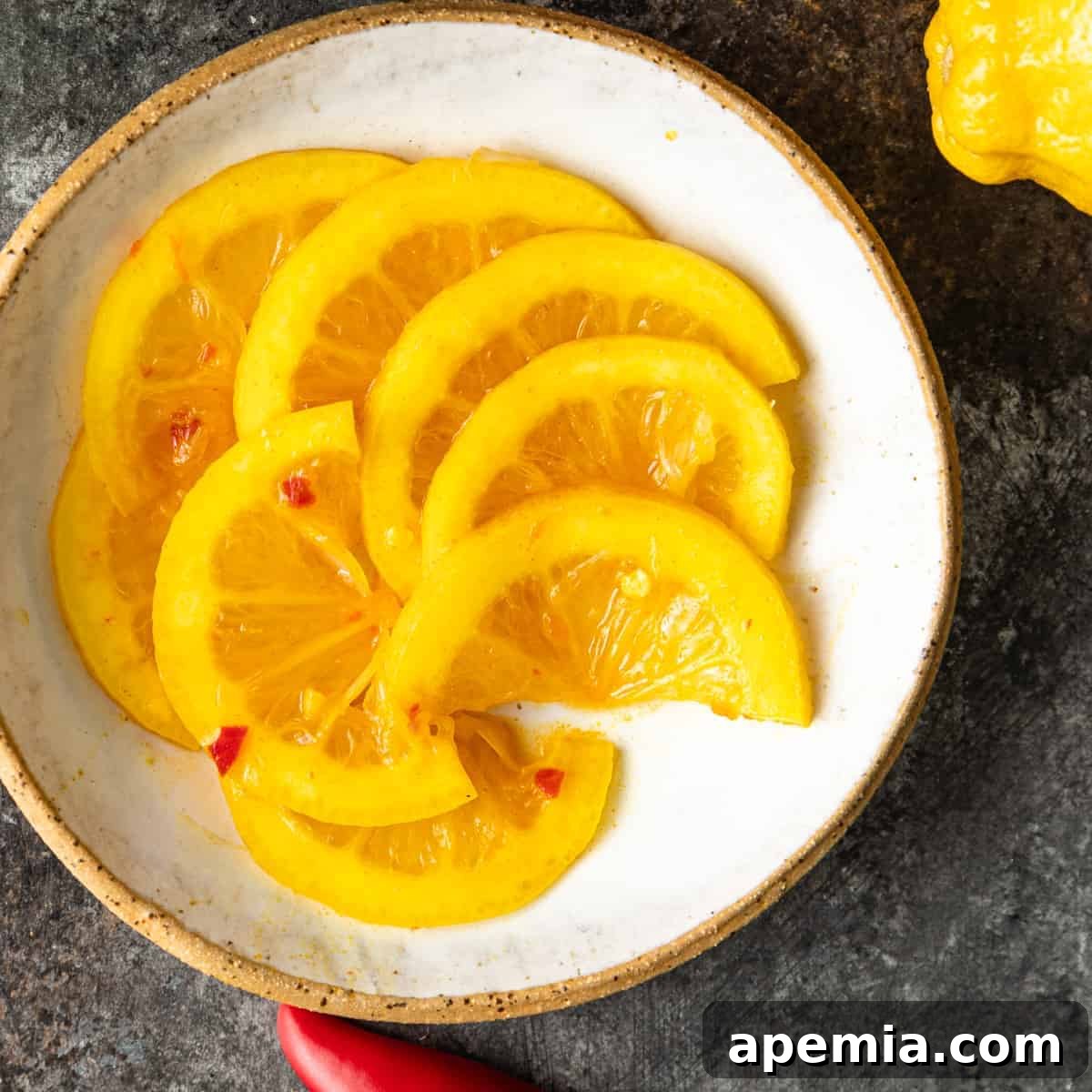
Lemon pickle is a truly exceptional and vibrant Middle Eastern condiment that brings a burst of flavor to countless dishes! While the idea of pickling might sound daunting, this quick and easy recipe proves that creating your own delicious preserves is much simpler than you think. Get ready to transform ordinary lemons into an extraordinary culinary delight.
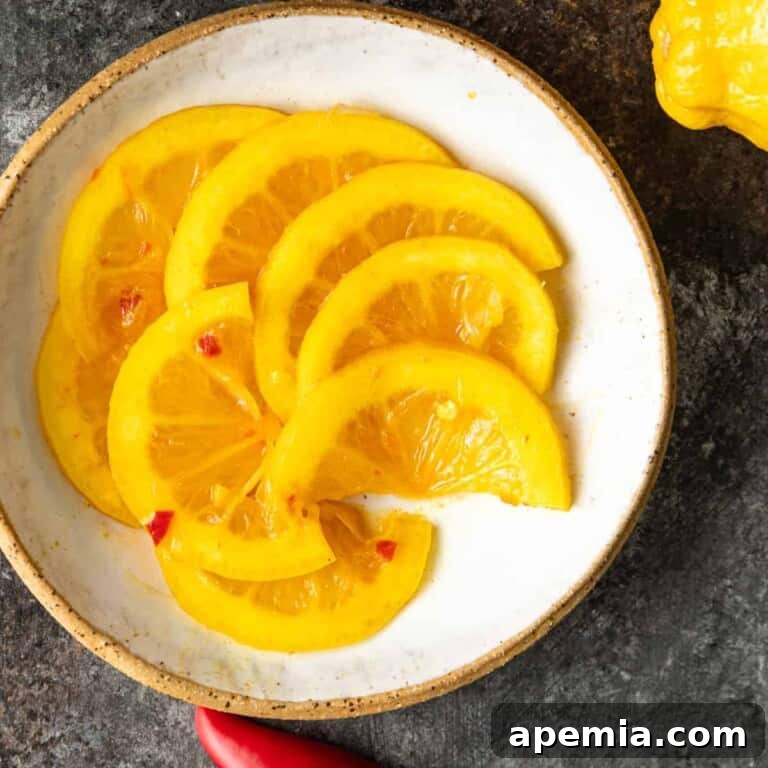
There’s an undeniable satisfaction that comes from making condiments from scratch. Not only do homemade versions often taste far superior to their store-bought counterparts, but they also offer the peace of mind of knowing exactly what ingredients go into them. For many, the thought of pickling fruits and vegetables conjures images of complex, time-consuming processes. However, I’m here to assure you that the process can be incredibly straightforward, especially with a quick pickling method.
The beauty of this particular quick lemon pickle recipe lies in its efficiency. It doesn’t demand days of waiting, making it perfect for those who are short on time but refuse to compromise on flavor. If you’re looking for a swift path to preserving and enhancing the taste of lemons, quick pickling is undoubtedly the way to go.
Unveiling the Magic of Lemon Pickle: A Middle Eastern Culinary Gem
At its heart, lemon pickle, often found across Middle Eastern, North African, and South Asian cuisines, is more than just a condiment; it’s a testament to the transformative power of preservation. Unlike fresh lemons, which deliver a sharp, sometimes overpowering tartness, pickled lemons offer a mellowed, complex flavor profile. The pickling process softens their acidity, bringing forward nuanced floral notes and a deep, savory tang that can elevate almost any dish. It’s a condiment cherished for its ability to add brightness, depth, and a unique umami quality without overwhelming other ingredients.
Historically, preserving fruits and vegetables was a necessity, a way to extend the harvest through leaner months. Today, it’s a culinary art form, allowing us to capture and concentrate flavors. This quick lemon pickle is a fantastic introduction to this tradition, allowing you to create a versatile ingredient that can act as a flavor booster, a vibrant garnish, or even the star of a dish. Its bright, zesty character is surprisingly addictive, making it a staple in many kitchens.
Understanding Pickling: Fermentation vs. Quick Pickle
Pickling is an ancient and ingenious method of food preservation designed to extend shelf life and enhance flavors. Broadly, there are two primary techniques: fermentation and quick pickling. Each method uses different principles to achieve preservation and results in distinct flavor and texture profiles.
Fermented Pickles: The Traditional Approach
Fermentation is a natural process driven by beneficial bacteria and yeast. These microorganisms convert sugars into lactic acid, acetic acid, and other compounds, which not only preserve the food but also contribute unique flavors and probiotics. This method typically involves submerging food in a brine (saltwater solution) and allowing it to sit at room temperature for several days, weeks, or even months. The bacterial growth required for fermentation means it’s a slow process.
Examples of fermented foods include:
- Kimchi: A spicy, fermented Korean cabbage dish.
- Sourdough: Bread made with a fermented starter.
- Corned Beef: Cured and brined beef, often involving fermentation.
- Traditional Sauerkraut and Dill Pickles.
The downside to fermentation is its time commitment and the need for careful monitoring to ensure proper bacterial growth and prevent spoilage. However, the reward is often a complex, deeply flavored product rich in gut-healthy probiotics, with an almost indefinite shelf life when stored correctly.
Quick Pickles: Speed and Simplicity
In contrast, quick pickling is a much faster method that relies on a strong acidic solution, typically vinegar or citrus juice, combined with sugar and salt, to preserve and flavor the food. There’s no reliance on bacterial action; the acidity itself acts as the primary preservative. This means you can enjoy your pickled produce within a matter of hours, usually within 24 hours.
Examples of quick pickle recipes include:
- Chutney: Often fruit-based with vinegar, sugar, and spices.
- Salsa: Fresh ingredients preserved with lime or lemon juice.
- Ceviche: Seafood “cooked” and preserved in citrus juice.
- Refrigerator Pickles: Cucumbers, onions, or radishes quickly brined in vinegar.
For lemons, quick pickling is particularly well-suited. The naturally high citric acid content in lemons makes it challenging for the specific bacteria needed for fermentation to thrive. Thus, a quick pickle delivers the desired tangy, preserved lemon flavor without the complexities and extended waiting period of fermentation. While quick pickles don’t have the same indefinite shelf life as many fermented foods, they offer a delightful freshness and vibrant flavor that lasts for several weeks in the refrigerator.
Essential Ingredients for Your Quick Lemon Pickle
One of the most appealing aspects of making pickled lemons is how their inherent acidity simplifies the process. You won’t need to reach for extra acidic ingredients like vinegar, as the lemons themselves provide the perfect pickling environment. The ingredient list is straightforward, focusing on fresh, quality produce and aromatic spices to build a complex flavor profile.
- Lemons: The star of our show! Select fresh, firm lemons with blemish-free skins. You’ll need enough to slice thinly, plus a couple extra to squeeze for fresh juice. The quality of your lemons directly impacts the final flavor and texture of your pickle, so choose wisely.
- Red Chili Peppers: For those who appreciate a spicy kick, red chili peppers add a wonderful warmth and depth. I personally love using a mortar and pestle to crush the chili with a bit of lemon juice, creating an aromatic paste. If spicy food isn’t your preference, feel free to omit it entirely or opt for a milder alternative like a deseeded jalapeño. Alternatively, a teaspoon of shatta sauce makes a convenient and flavorful substitute, offering a similar spicy warmth.
- Spices: The blend of spices is crucial for creating the distinctive Middle Eastern flavor. You’ll need:
- Salt: Essential for both preservation and balancing the flavors. Kosher salt is generally preferred for its pure taste and texture.
- Sugar: A touch of sugar helps to counteract the tartness of the lemons and round out the overall flavor profile.
- Paprika: Adds a gentle warmth and a beautiful red hue to the pickle.
- Turmeric: Contributes an earthy depth and a vibrant golden color, which is characteristic of many Middle Eastern dishes.
- Cumin: Provides a warm, earthy, and slightly pungent aroma that is fundamental to the pickle’s authentic taste.
- Garlic: Although not explicitly listed in the original bullet points, minced garlic is mentioned in the recipe card’s ingredients and is a fantastic addition, lending an aromatic, pungent undertone that complements the citrus and spices beautifully.
Step-by-Step Guide: Crafting Your Quick Lemon Pickle
Creating this flavorful lemon pickle is an enjoyable and straightforward process. Follow these steps to ensure a perfect batch every time:
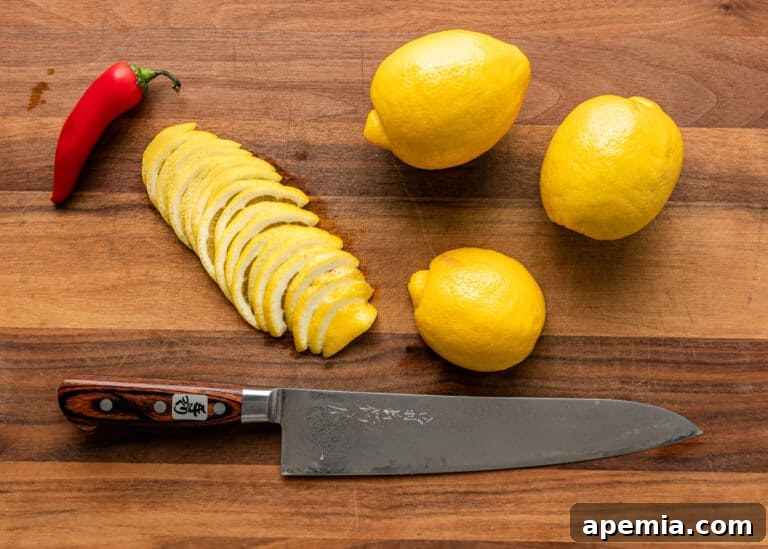
- Prepare the Lemons: Begin by thoroughly washing your lemons. Next, slice them as thinly as possible. A mandoline slicer can be incredibly helpful here to achieve uniform, paper-thin slices, which are key for optimal pickling. After slicing, gently place the lemon slices into a clean glass bowl. Set aside any juice collected during slicing or squeeze additional lemons to obtain the required fresh lemon juice, keeping it in a separate bowl.
IMPORTANT TIP:
Always use a container made from non-reactive materials, such as glass, ceramic, or food-grade plastic. Reactive metals like aluminum or cast iron can react with the acidity of the lemon juice, potentially imparting a metallic taste to your pickle and even corroding the container.
- Combine Lemon Juice and Chili Pepper (Optional): If you’re adding a spicy kick, use a mortar and pestle to finely mash your red chili pepper with a teaspoon of the lemon juice. The goal is a consistent paste that will easily coat the lemon slices. If you prefer not to use fresh chili, a teaspoon of shatta sauce is a fantastic and convenient substitute, offering a similar flavor profile.
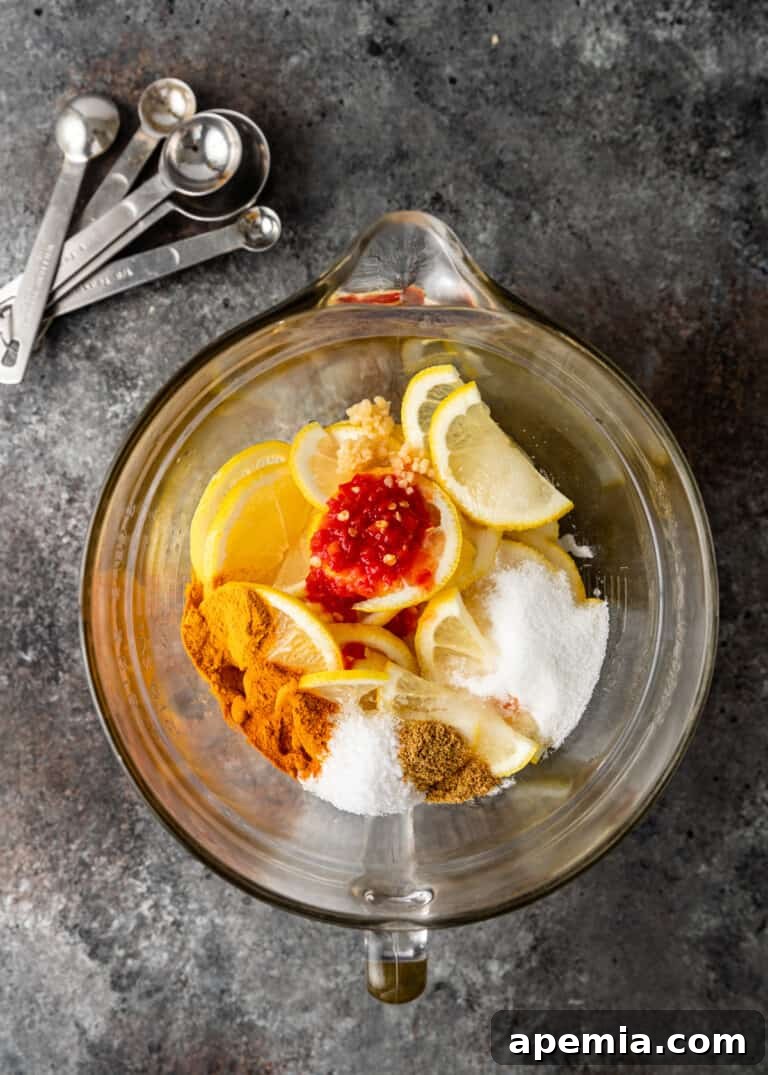
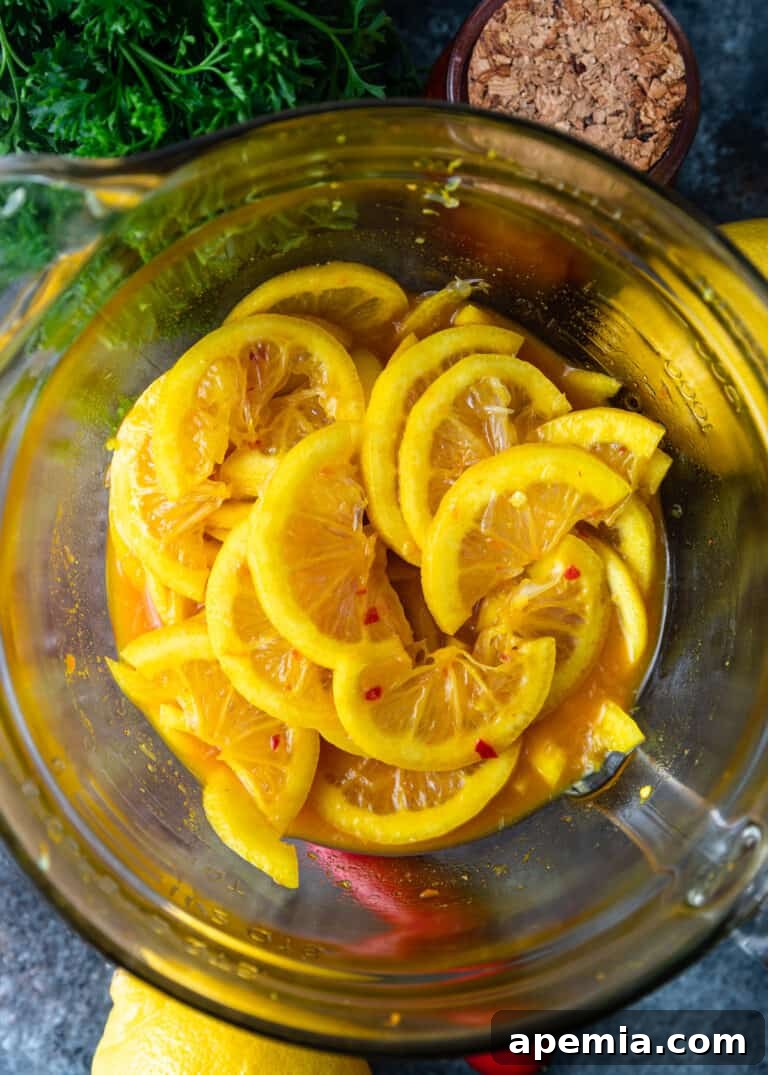
- Season and Massage: Add the prepared chili paste (or shatta sauce), the remaining lemon juice, minced garlic, sugar, salt, paprika, turmeric, and cumin to the bowl with the sliced lemons. Now comes the fun part: using your clean hands (wearing gloves is a good idea to protect from chili oils!), gently massage the spice mixture into the lemon slices. Ensure every slice is thoroughly coated with the aromatic blend. This hands-on approach helps release the lemon’s oils and ensures even distribution of flavors.
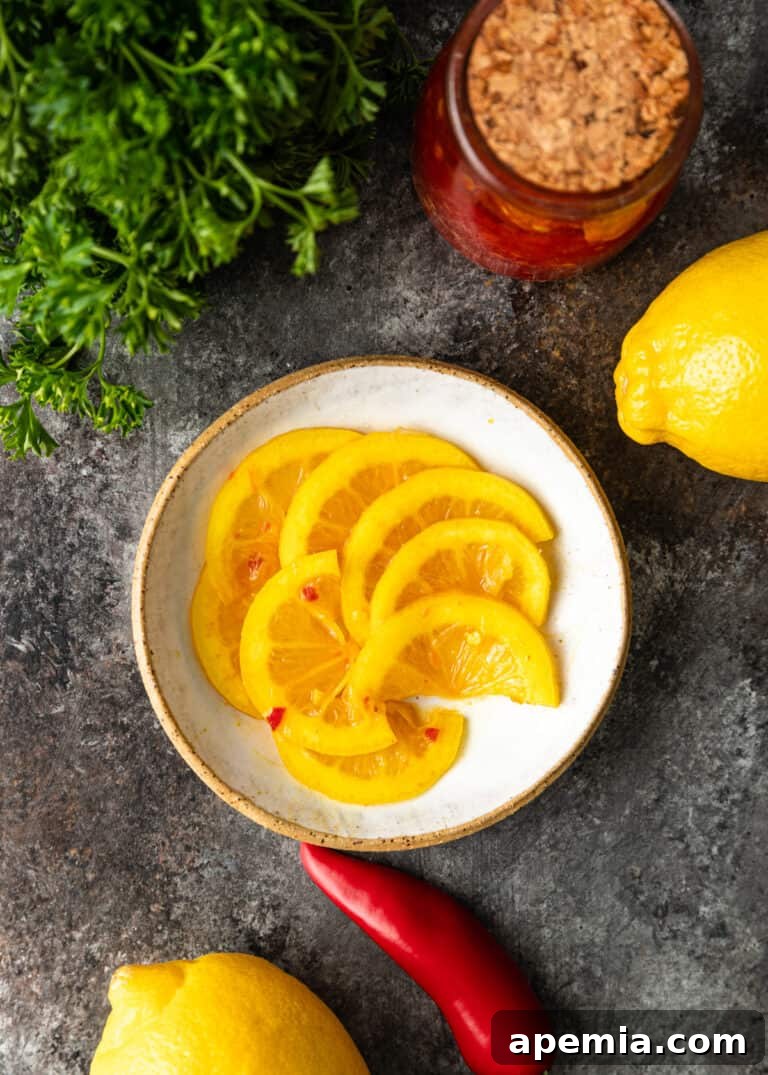
- Jar and Refrigerate: Once thoroughly mixed, transfer the seasoned lemon slices and any accumulated juices into a sterilized glass jar with a tight-fitting lid. Pack them in snugly. Store the jar in the refrigerator. Your lemon pickle will be ready to use in as little as 8 hours, but for the best flavor, allow it to marinate for 24 hours. The flavors will deepen and meld beautifully during this time.
Tips for the Perfect Quick Lemon Pickle
- Quality Lemons Matter: Start with the freshest, most aromatic lemons you can find. Organic lemons are ideal as you’ll be consuming the peel.
- Thin Slices are Key: Uniformly thin slices ensure that the lemons pickle evenly and quickly, absorbing all the wonderful flavors of the spices.
- Sterilization is Crucial: Always sterilize your glass jars and lids before filling them. This prevents bacterial growth and extends the shelf life of your pickle. You can sterilize jars by boiling them in water for 10 minutes or running them through a hot cycle in the dishwasher.
- Adjust Spices to Taste: The spice levels in this recipe are a guideline. Feel free to adjust the amount of chili, salt, or sugar to match your personal preference. A quick taste of the seasoning mixture before adding lemons can help.
- Patience, Even for “Quick”: While it’s a quick pickle, giving it at least 24 hours in the refrigerator allows the flavors to truly meld and develop.
Frequently Asked Questions About Quick Lemon Pickle
While often used interchangeably, there’s a nuanced difference based on the preservation method. When the process primarily uses sugar and salt with an acidic medium (like lemon juice itself, as in this recipe) to preserve the lemons, rather than relying on bacteria or yeast for fermentation, then “pickled” and “preserved” lemons are essentially referring to the same product. Traditional preserved lemons (often Moroccan style) rely heavily on salt and time, developing a unique umami flavor over weeks. Our quick lemon pickle achieves a similar flavor profile much faster. It’s important to note that lemons and other citrus fruits are naturally difficult to ferment due to their high citric acid content, which significantly lowers the pH level, making it challenging for beneficial bacteria to grow.
The flavor of pickled or preserved lemons is distinctly different from that of fresh lemons. Fresh lemons provide a strong, sharp, and tart burst of flavor. Pickled lemons, on the other hand, have a much milder, more complex, and deeply aromatic profile. The pickling process mellows the harsh acidity, enhancing the floral and savory notes of the lemon peel and flesh. This unique taste works wonders in stews, tagines, and other savory dishes, adding brightness without the aggressive tartness of fresh citrus. For instance, it tastes incredible in a recipe for lamb tagine, where its subtle tang complements the rich meat beautifully.
When stored in a sterilized, airtight jar in the refrigerator, this quick lemon pickle will typically last for about 2-3 weeks. Its relatively shorter shelf life compared to traditional fermented pickles is due to the quick pickling method not relying on long-term bacterial preservation.
While technically possible, using freshly squeezed lemon juice is highly recommended. Fresh juice offers a superior, brighter flavor and contains natural enzymes that contribute to the overall quality of the pickle. Bottled lemon juice can sometimes have a slightly metallic or dull flavor that might detract from the vibrant taste of your homemade pickle.
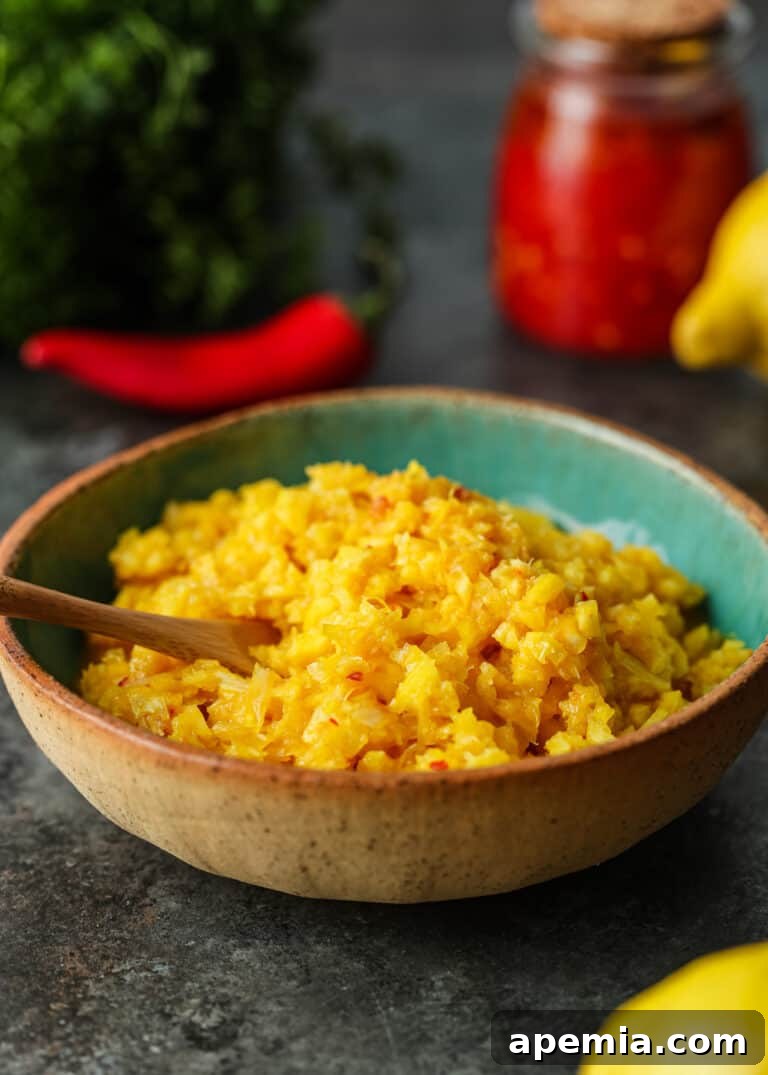
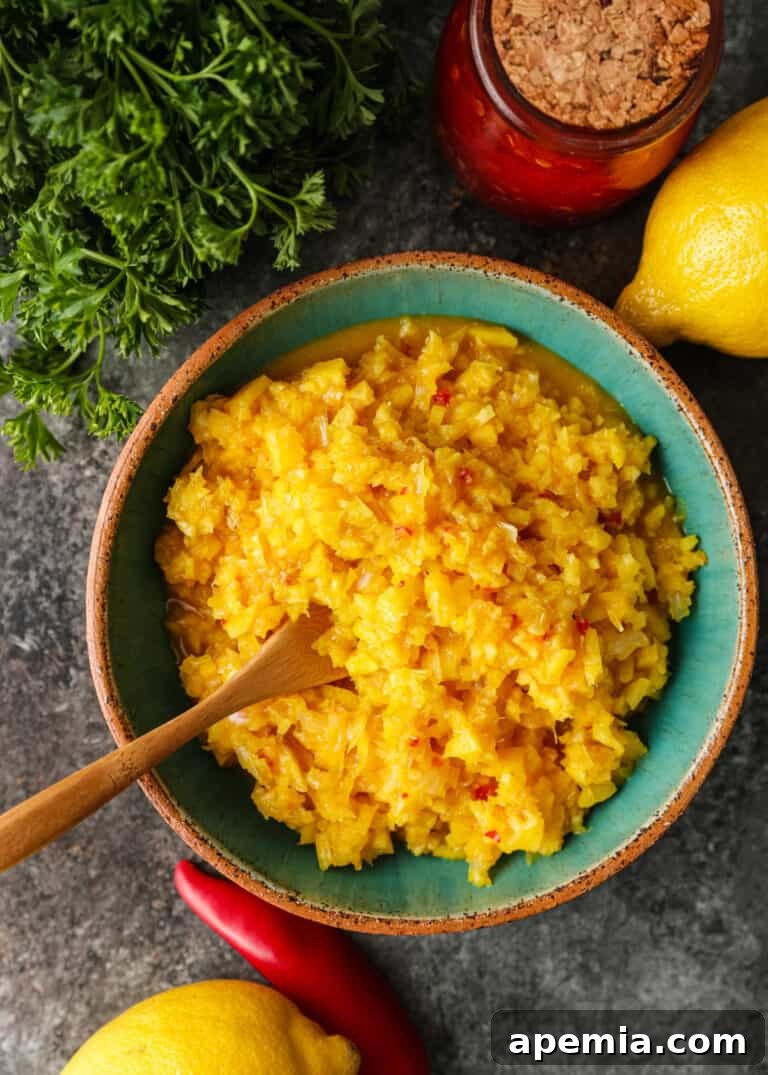
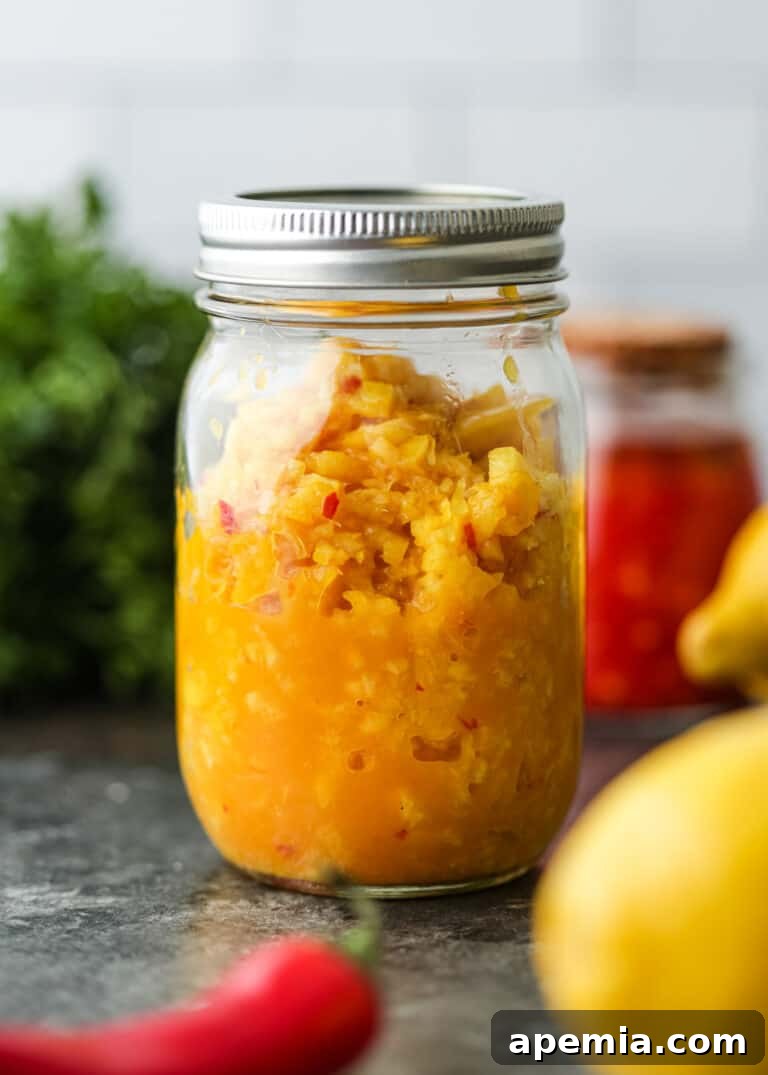
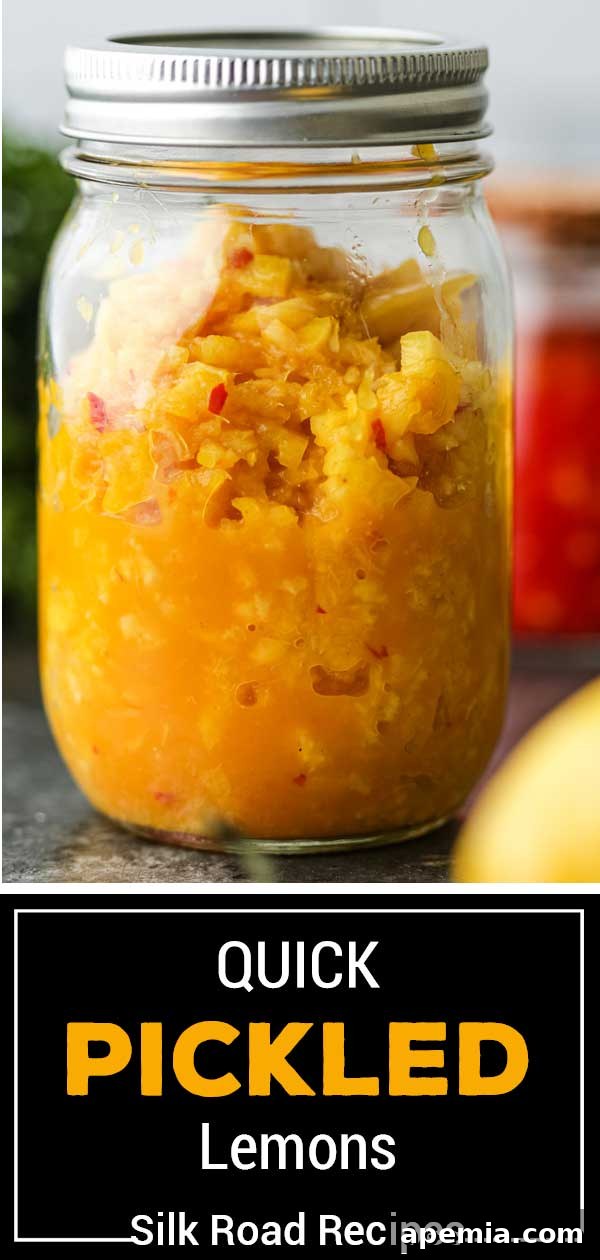
Beyond slices, you can also transform this into a chunky spread or relish, which is my preferred way to enjoy it. To do this, simply drain and discard the accumulated juice after pickling. Then, pulse or puree the pickled lemon slices in a food processor to your desired consistency. This relish keeps just as well in the refrigerator for up to two weeks and is incredibly versatile.
Versatile Uses for Your Quick Lemon Pickle
The culinary possibilities for this quick lemon pickle are truly endless. Its unique, mellowed citrus flavor and aromatic spices make it an incredibly versatile addition to your kitchen arsenal. Here are just a few ideas to inspire you:
- Enhance Your Stews: The next time you prepare a hearty stew, such as this Moroccan chicken stew, try stirring in a tablespoon or two of pickled lemon during the last few minutes of cooking. It will infuse the dish with a wonderful, bright, and tangy complexity that elevates the entire flavor profile.
- Garnish for Soups and Dips: A small dollop of the chunky lemon pickle spread or a few finely diced slices can make an exquisite garnish for creamy tomato soup, earthy lentil soup, or even a simple hummus. It adds a sophisticated touch of flavor and visual appeal.
- Pair with Labneh: For a delightful appetizer or light meal, serve your lemon pickle with a dollop of creamy homemade labneh (strained yogurt). The tang of the pickle perfectly complements the rich creaminess of the labneh. Spread it on warm pita bread or serve alongside fresh vegetables.
- Elevate Couscous and Grains: Stir some finely chopped lemon pickle into Moroccan vegetable couscous cakes, quinoa salads, or rice dishes. It adds a refreshing zest and unexpected depth, transforming simple grains into something special.
- Marinades and Dressings: Incorporate the pickle into marinades for chicken, fish, or lamb. Its tenderized lemon rind adds texture and profound flavor. Blend a little into your vinaigrettes for a vibrant, citrusy salad dressing.
- Sandwiches and Wraps: Add a layer of thinly sliced pickled lemons or a spread of the chunky relish to your sandwiches, burgers, or wraps for an instant flavor upgrade. It pairs wonderfully with grilled chicken, falafel, or roasted vegetables.
- Fish and Seafood: The bright, briny notes of lemon pickle are a natural match for fish and seafood. Serve it alongside baked salmon, grilled prawns, or pan-seared scallops.
Subscribe to our Newsletter, and follow us on Facebook, Pinterest, Instagram and YouTube for all our latest recipes and videos.

Quick Lemon Pickle (Pickled Lemons)
★
★
★
★
🖨️PrintRecipe
Ingredients
- 1/2 red chile chopped (See Note 1)
- 3 tbsp lemon juice fresh
- 3 lemons very thinly sliced (See Note 2)
- 1 tsp garlic minced
- 3 tbsp sugar
- 1 1/2 tsp kosher salt
- 1 tsp paprika
- 1/2 tsp turmeric
- 1/4 tsp ground cumin
Instructions
-
Use a mortar and pestle to mash the red chile with 1 teaspoon of lemon juice; mixture should have a paste consistency. Alternatively, substitute the chile and teaspoon of lemon juice for 1 tablespoon red shatta sauce (my preference).
-
Slice the lemons as thinly as possible. First, cut each lemon in half lengthwise, then cut each half widthwise into very thin slices. Add these to a bowl.
-
Add the chile paste or shatta to the sliced lemons along with the remaining lemon juice, garlic, sugar and spices. Either use clean hands or a rubber spatula to combine mixture, being sure to coat all the lemon slices well. Cover and refrigerate overnight or 24 hours.
-
You can then transfer sliced lemon pieces along with accumulated juices to a sterilized sealed jar, this will keep refrigerated for 2 weeks. You can also opt to make this into a chunky spread, which I prefer. If so, drain and discard juice. Then puree in food processor to desired consistency, this will keep refrigerated for 2 weeks as well.
Notes
- If you choose not to mash the red chile with lemon juice, substitute 1 tablespoon of red shatta sauce.
- First cut each lemon lengthwise, then each half cut widthwise as thinly as you can.
- This quick pickle recipe is adapted from Yotam Ottolenghi’s, Jerusalem: A Cookbook.
Nutrition
Carbohydrates: 6g |
Protein: 1g |
Fat: 1g |
Saturated Fat: 1g |
Sodium: 195mg |
Potassium: 47mg |
Fiber: 1g |
Sugar: 4g |
Vitamin A: 37IU |
Vitamin C: 19mg |
Calcium: 7mg |
Iron: 1mg
The information shown is an estimate provided by an online nutrition calculator. It should not be considered a substitute for a professional nutritionist’s advice.
Have You Made This Recipe? Let Me Know on Instagram
Tag @keviniscooking or tag me #keviniscooking!
Making your own quick lemon pickle is a rewarding journey into the world of Middle Eastern flavors. It’s an accessible project that yields impressive results, adding a vibrant, complex dimension to your meals. Whether you’re a seasoned pickler or just starting out, this recipe is designed to be straightforward and delicious. So, gather your fresh lemons, your aromatic spices, and embark on this flavorful adventure. You’ll be amazed at how this simple condiment can transform your cooking. Don’t forget to share your creations and culinary explorations with us!