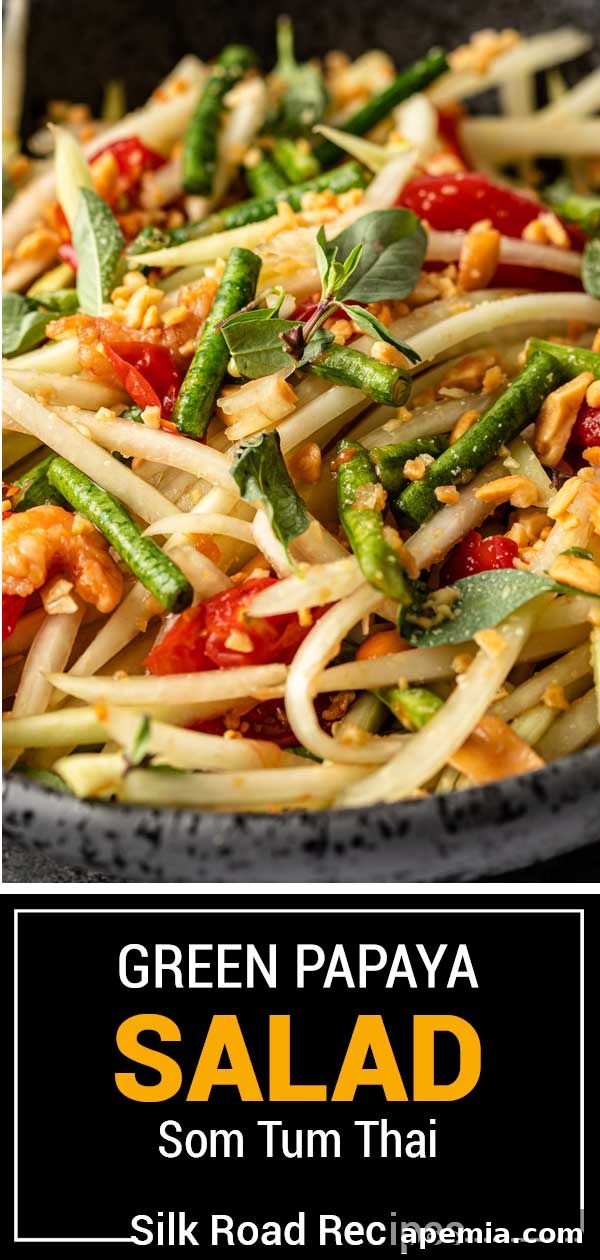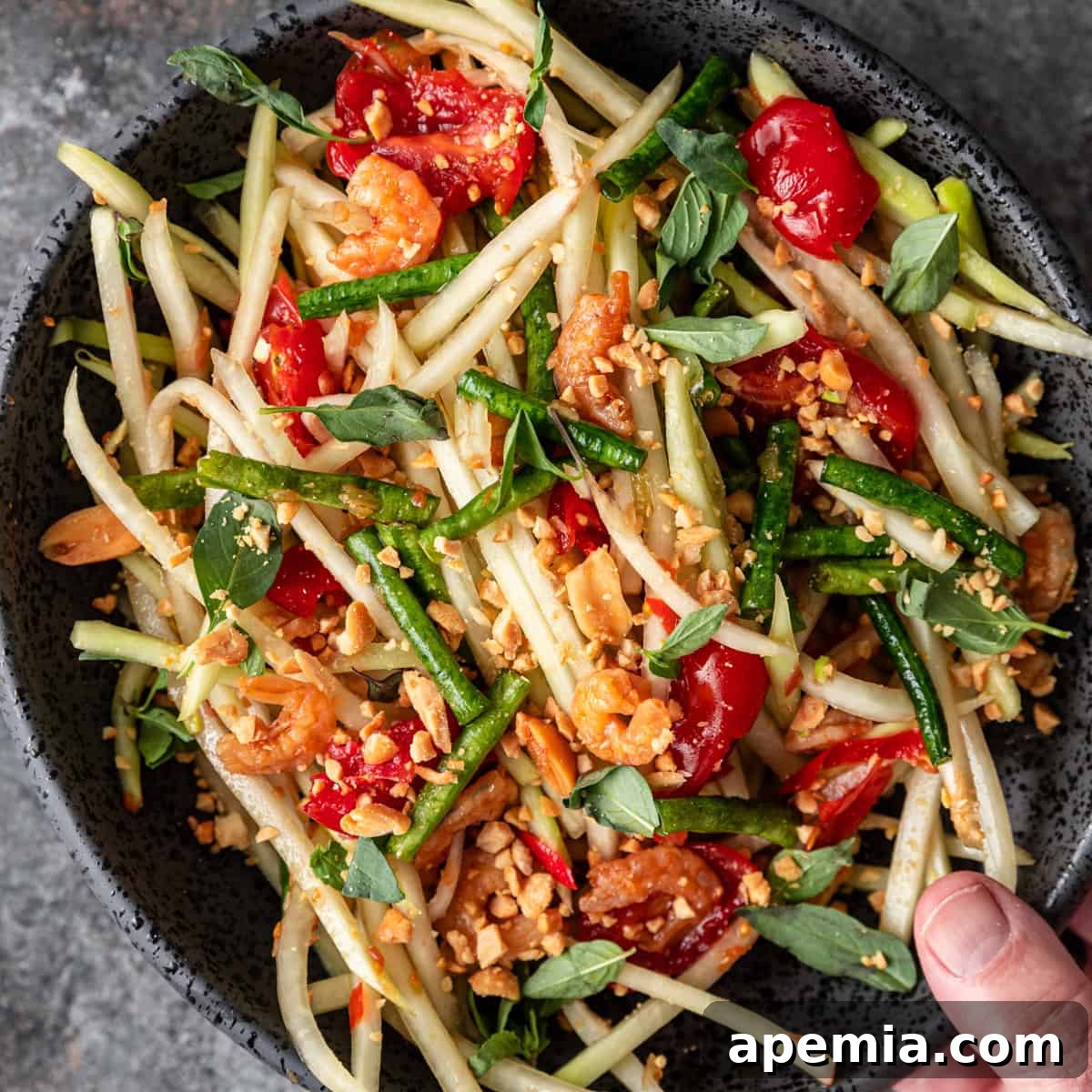
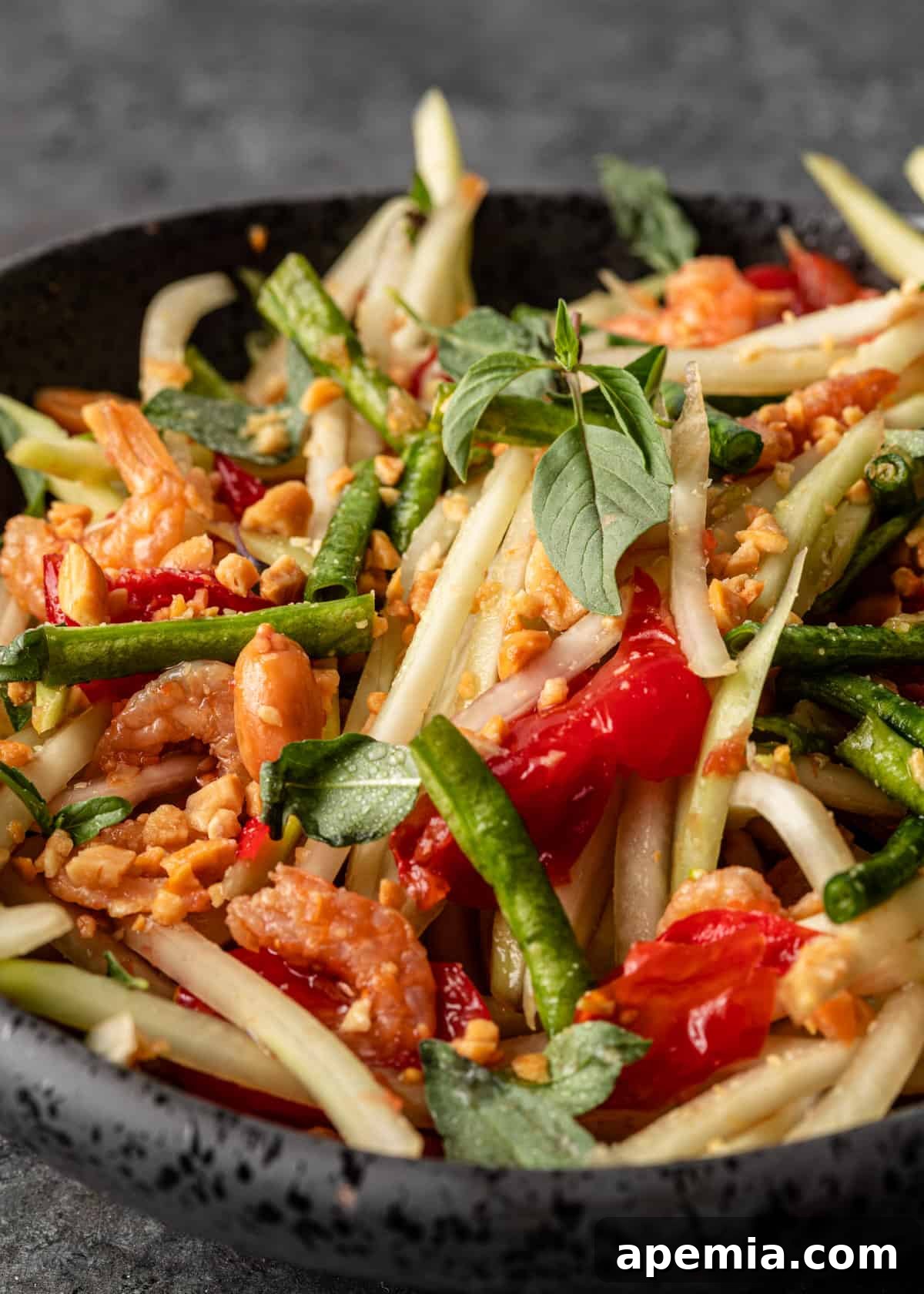
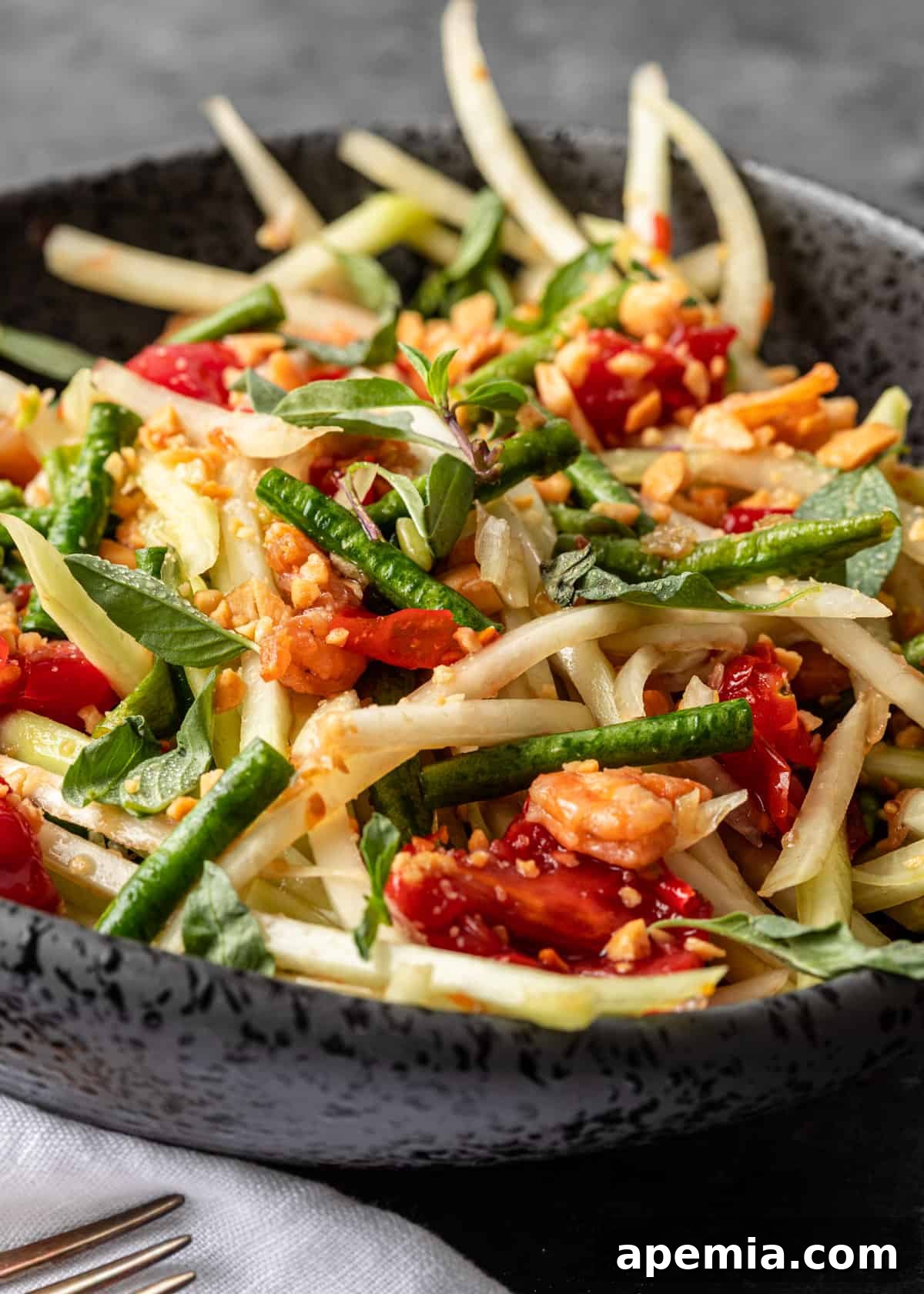
Green papaya salad, known authentically as Som Tum, is a vibrant masterpiece of Southeast Asian cuisine, showcasing remarkable culinary creativity. This iconic dish masterfully transforms an unripe, often tart fruit into an explosively flavorful and utterly irresistible culinary experience. Prepare your taste buds for an unforgettable journey into a world of complex flavors!
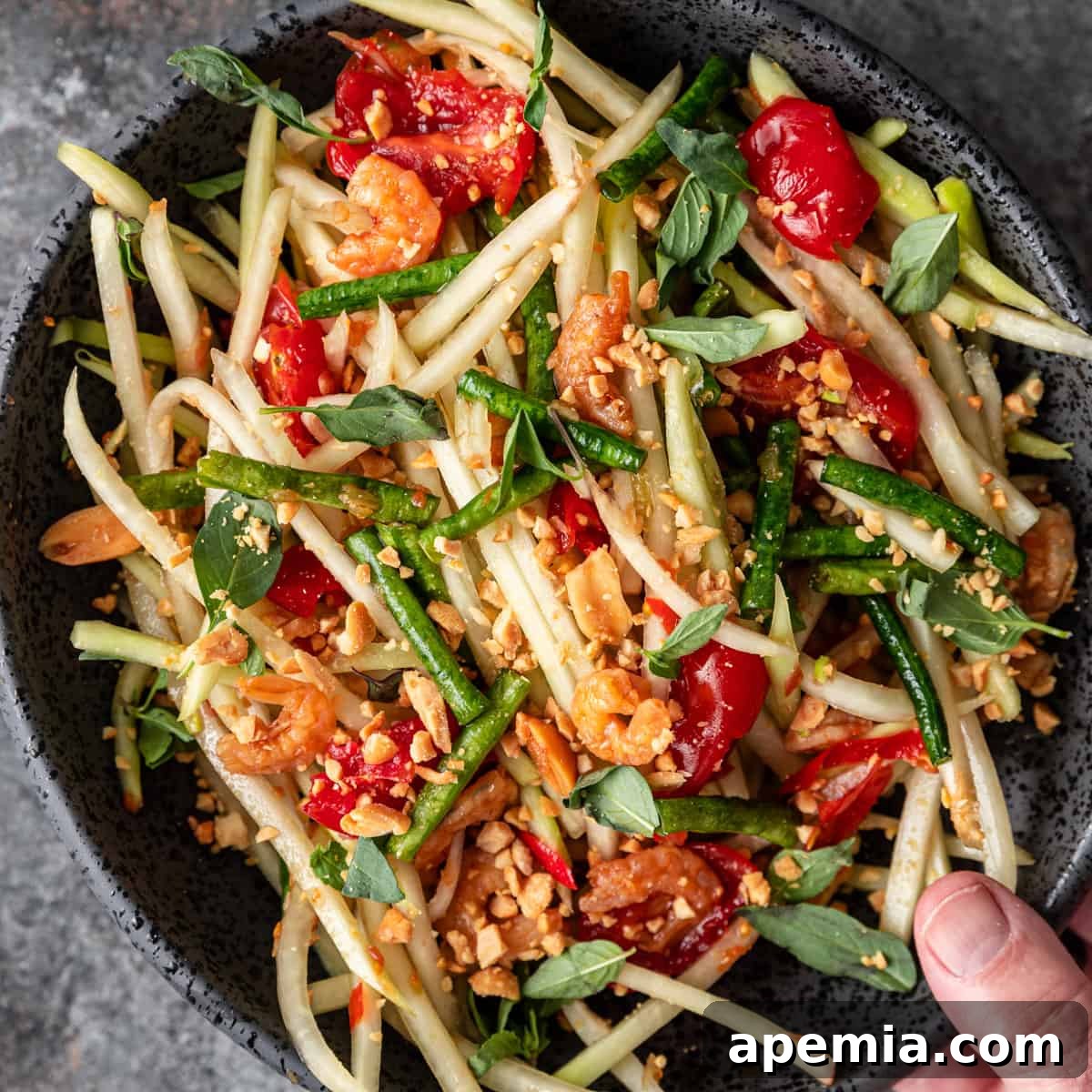
Green papaya salad, or Som Tum, is a fiercely fresh, delightfully fruity, and sensationally spicy staple from the rich tapestry of Asian Cuisine. It’s a symphony of tastes and textures: tangy, tart, crunchy, spicy, and profoundly savory, making it simply irresistible. My very first encounter with this salad was at a bustling family-style meal, and I was completely unaware of its primary ingredient. The moment I tasted it, the crisp texture and burst of flavors instantly hooked me, and it quickly became a dish I craved repeatedly.
The culinary traditions along the ancient Silk Road are renowned for their ingenuity, particularly when it comes to fruit-infused recipes. From the sun-drenched shores of the Mediterranean, we find tantalizing creations like Vinegar Chicken with Orange and Cherries, which beautifully marries sweet and savory notes. Moving eastward, Indian-inspired delicacies such as this delightful Mango Chutney Recipe or the festive Cranberry Apple Chutney highlight the versatility of fruit in savory applications. Green papaya salad stands as a testament to this global culinary heritage, transforming a humble ingredient into something extraordinary. Its refreshing qualities make it a perfect companion for warm weather, a light yet satisfying meal on its own, or an exciting side dish that brightens any spread.
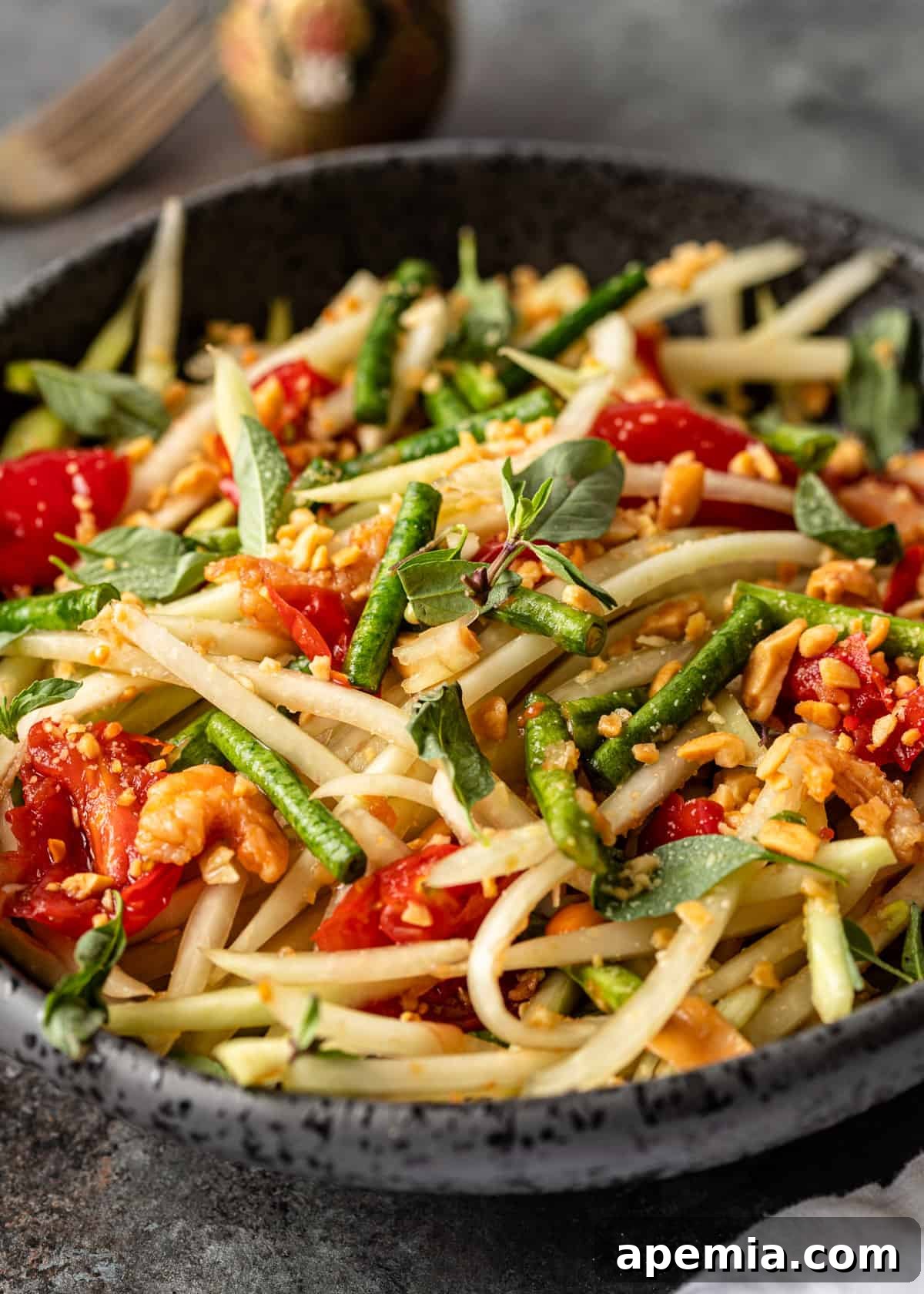
Table of Contents
- The Essence of Som Tum Thai
- Ingredient Notes and Substitutions
- How to Make Green Papaya Salad
- Pro Tips for the Perfect Som Tum
- Frequently Asked Questions
- Green Papaya Salad (Som Tum Thai) Recipe
The Essence of Som Tum Thai
Originating from Laos and Thailand, Som Tum is more than just a salad; it’s a cultural cornerstone, celebrated for its bold flavors and refreshing crunch. The term “Som Tum” itself means “pounded sour,” a direct nod to the traditional preparation method where ingredients are vigorously bruised and mixed in a large mortar and pestle. This ancient technique is crucial, as it releases and melds the distinct flavors of the chilies, garlic, and dressing components, creating a harmonious and explosive taste profile that simply cannot be replicated by mere tossing. The salad embodies the core elements of Thai cuisine: a perfect balance of sweet, sour, salty, and spicy, often with an underlying umami depth that keeps you coming back for more. It’s a dish that stimulates all senses, from its vibrant colors to its invigorating aroma and satisfying texture. Once you master a batch of this crunchy, spicy, and sweet salad, infused with authentic Thai flavors, you’ll undoubtedly find yourself craving it again and again!
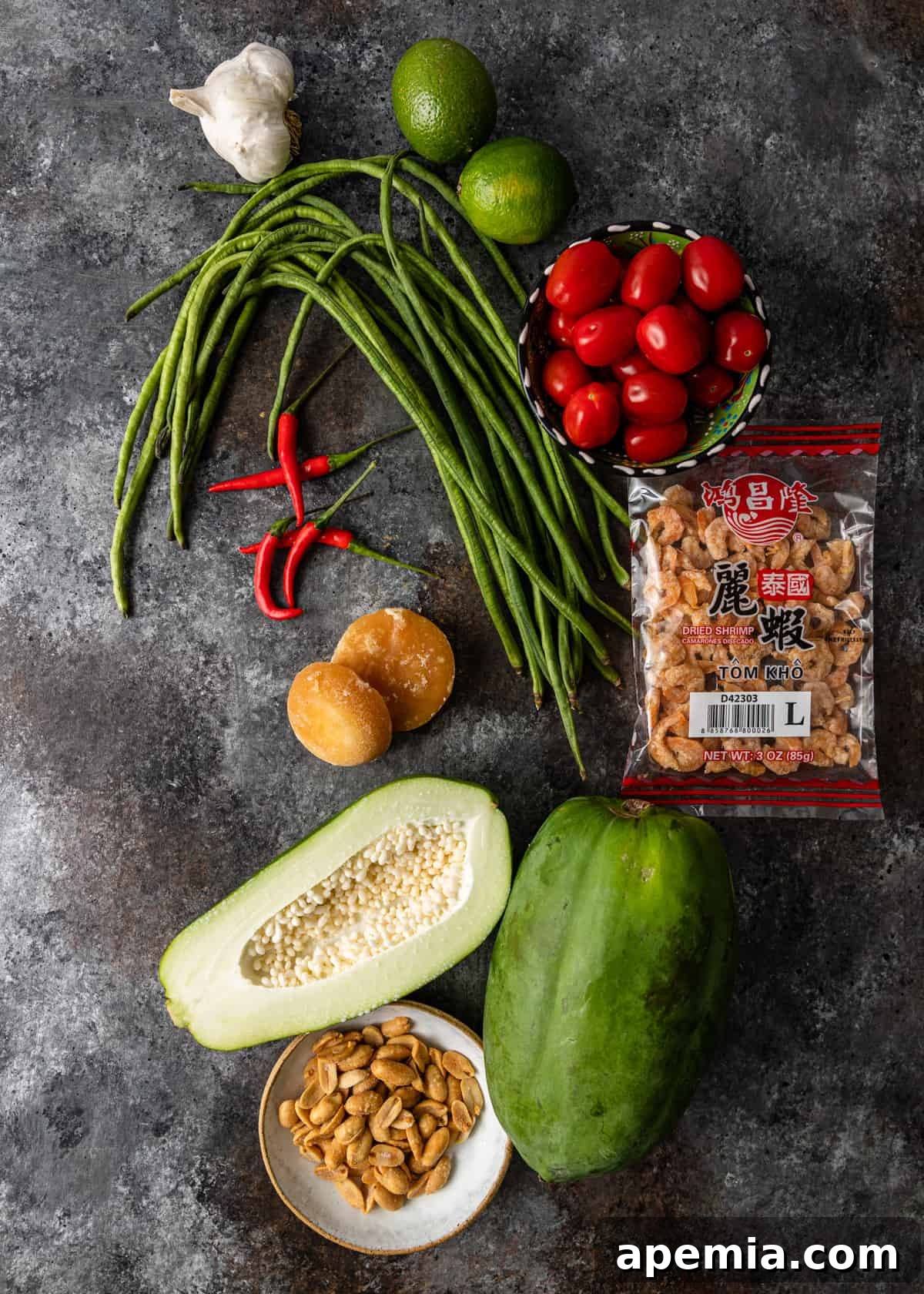
Ingredient Notes and Substitutions
- Green Papayas – The star of our show! These unripe papayas are firm, almost crunchy, and possess a mild, neutral flavor on their own. Unlike their sweet, ripe counterparts, green papayas take on a refreshing, cucumber-like essence when combined with the bold dressing ingredients of this authentic Som Tum recipe. When selecting, look for firm, unblemished papayas with smooth, green skin.
- Asian Green Beans – These long, slender beans contribute a delightful, crisp texture and a clean, slightly grassy flavor, reminiscent of fresh asparagus. They stand up well to the pounding process, absorbing the dressing beautifully. If Asian green beans are unavailable, fresh regular green beans (also known as string beans) are an excellent substitute; however, avoid canned varieties as their texture is too soft.
- Cherry Tomatoes – These juicy, bite-sized tomatoes provide sharp, snappy bursts of concentrated tomato flavor, cutting through the richness of the dressing. Plum or grape tomatoes can also be used, cut into appropriate sizes to ensure even distribution and ease of bruising.
- Chili Peppers – For that signature Thai heat, Bird’s Eye or Fresno chili peppers are my top recommendations. Bird’s Eye chilies offer intense heat, while Fresno chilies provide a slightly milder, fruitier spice. Adjust the quantity to your preferred level of spiciness.
- Garlic Cloves – Fresh garlic is indispensable, adding a pungent, peppery zestiness that forms the aromatic foundation of the salad. There’s truly no substitute for its robust flavor.
- Roasted Peanuts – Crucial for texture and depth, roasted peanuts offer a wonderful toastiness and comforting nutty flavor. Be sure to use unsalted, roasted peanuts for the best results, as they contribute a delightful crunch and richness to every bite.
- Brown Sugar – This ingredient provides a balancing dash of sweetness, essential for harmonizing the sour, salty, and spicy elements. Traditionally, palm sugar is used in Thai cuisine (as often seen in photos and authentic preparations), which offers a more complex, caramel-like sweetness. Brown sugar is a perfectly acceptable and readily available alternative.
- Lime Juice – Freshly squeezed lime juice is vital for its bright, sweetly-sour citrus flavor that beautifully cuts through any potential bitterness from the papaya and invigorates the entire dish. Always use fresh limes for the most vibrant taste.
- Fish Sauce – The backbone of Southeast Asian savory dishes, fish sauce delivers a dose of briny, salty, and intensely savory umami flavor. It’s non-negotiable for an authentic Som Tum. In a pinch, if absolutely necessary, soy sauce or Worcestershire sauce can offer a hint of savory depth, but the unique funk of fish sauce is irreplaceable.
- Tamarind Concentrate – This lesser-known but powerful ingredient adds a distinctive complexity, contributing layers of tanginess, tartness, sourness, and a subtle sweetness. It’s a key element in achieving the authentic flavor profile. If tamarind concentrate is hard to find, a combination of vinegar (rice vinegar for mildness), fresh lemon juice, or even a dash of Worcestershire sauce (for its fermented notes) can serve as a makeshift replacement, though the flavor will be slightly different.
- Dried Shrimp – For an extra layer of salty, fishy, and deeply savory umami flavor, dried shrimp are a fantastic addition. They are often rehydrated slightly and then pounded with the other ingredients. If you prefer a vegetarian version, you can omit them without completely compromising the dish, but they do add an authentic depth.
- Fresh Herbs – A generous garnish of fresh Thai basil leaves or delicate micro cilantro greens elevates your Som Tum even further. They provide a final aromatic flourish and a burst of fresh flavor, enhancing the overall experience.
How to Make Green Papaya Salad
Crafting authentic Som Tum is an art, but it’s one that’s surprisingly approachable. The key lies in understanding the interplay of textures and flavors, and embracing the traditional “pounding” method. Follow these steps to create a truly spectacular Green Papaya Salad right in your own kitchen.
- Prepare the Papayas. Begin by carefully peeling the soft, dark green outer skin from the papayas using a standard vegetable peeler. Once peeled, cut each fruit in half lengthwise and use a spoon to scoop out all the seeds and any stringy bits inside. The goal is clean, seedless papaya flesh.
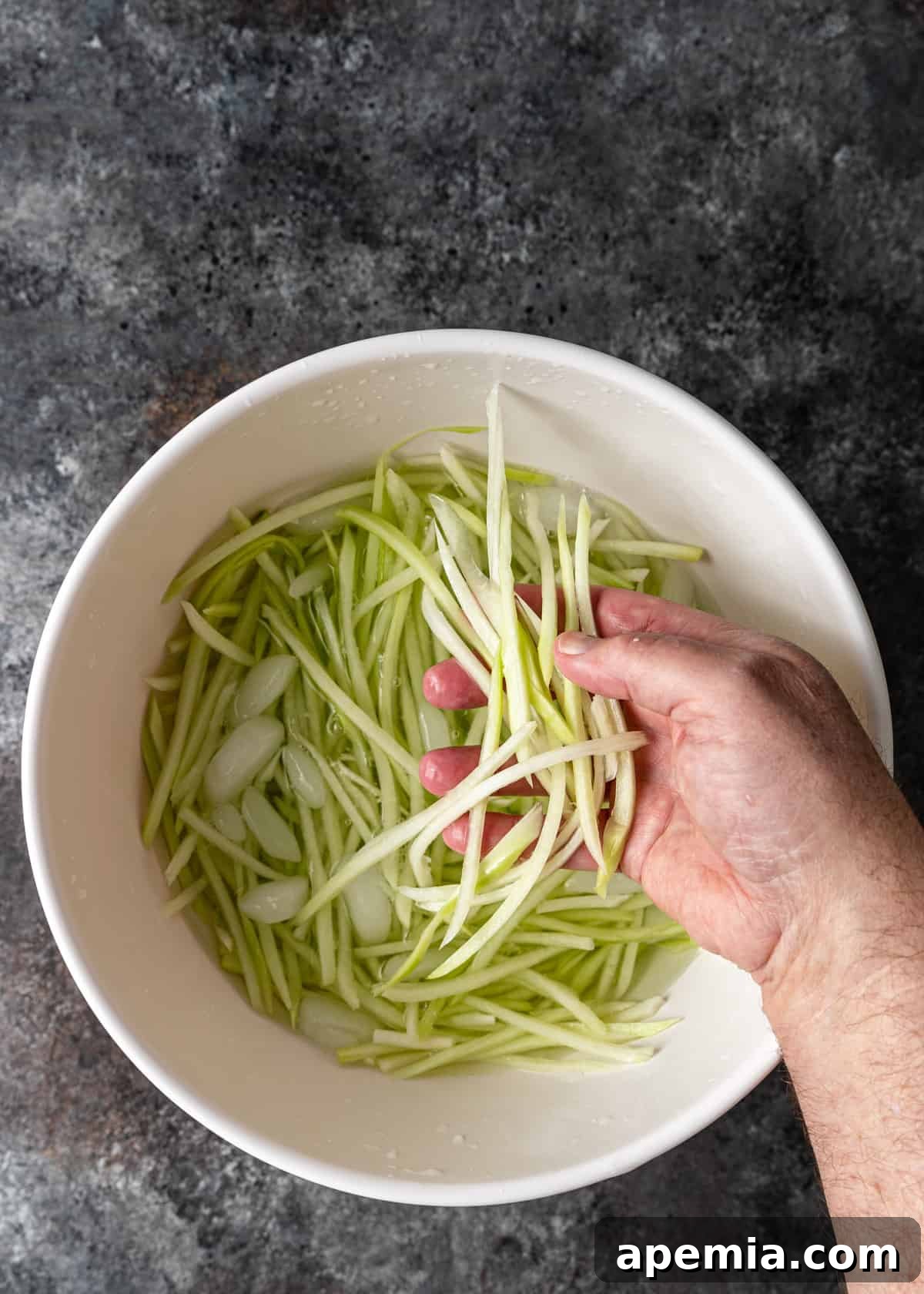
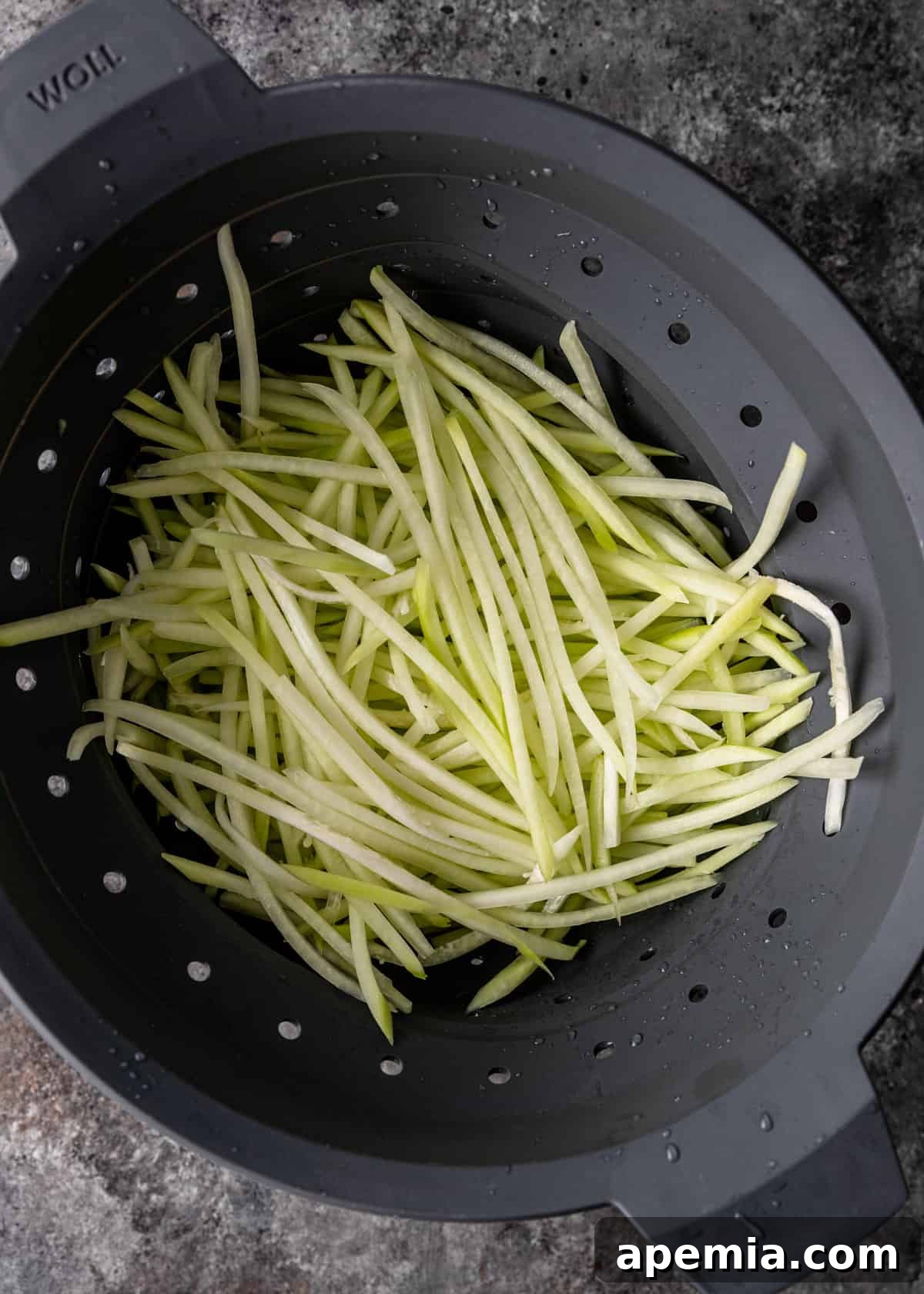
- Shred & Firm Up. Using a mandoline shredder or a sharp knife, finely shred the papaya into long, thin strips. The thinner the shreds, the better they will absorb the dressing and maintain their crunch. Transfer these shreds to a large bowl, cover them generously with ice water, and let them soak for 10-15 minutes. This crucial step helps to firm up the papaya, enhancing its crisp texture, and making it even more refreshing.
- Prep Additional Veggies. While the papaya soaks, prepare the rest of your fresh vegetables. Cut the cherry tomatoes into halves. For the Asian green beans, trim off both ends, then cut them into convenient 2-inch pieces. These will add color, crunch, and a fresh bite to the salad.
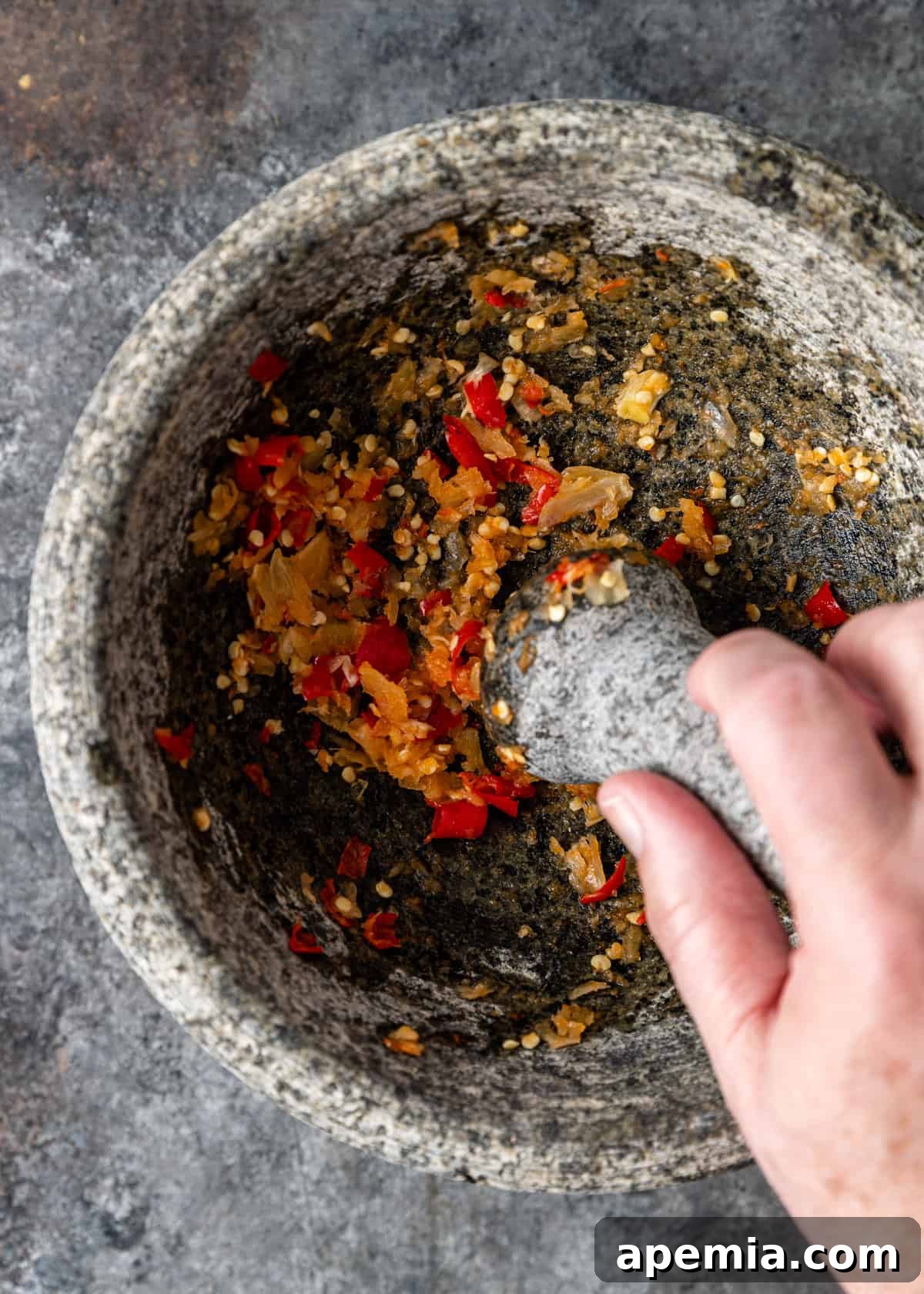
- Crush the Aromatics. This is where the magic begins! In a traditional mortar and pestle, combine the chili peppers (adjusting quantity for your desired heat level) and the peeled garlic cloves. Vigorously crush them together until they form a coarse paste. If you don’t have a mortar and pestle, you can finely dice the chilies and mince the garlic with a knife, but the pounding action truly releases their potent aromatics and oils.
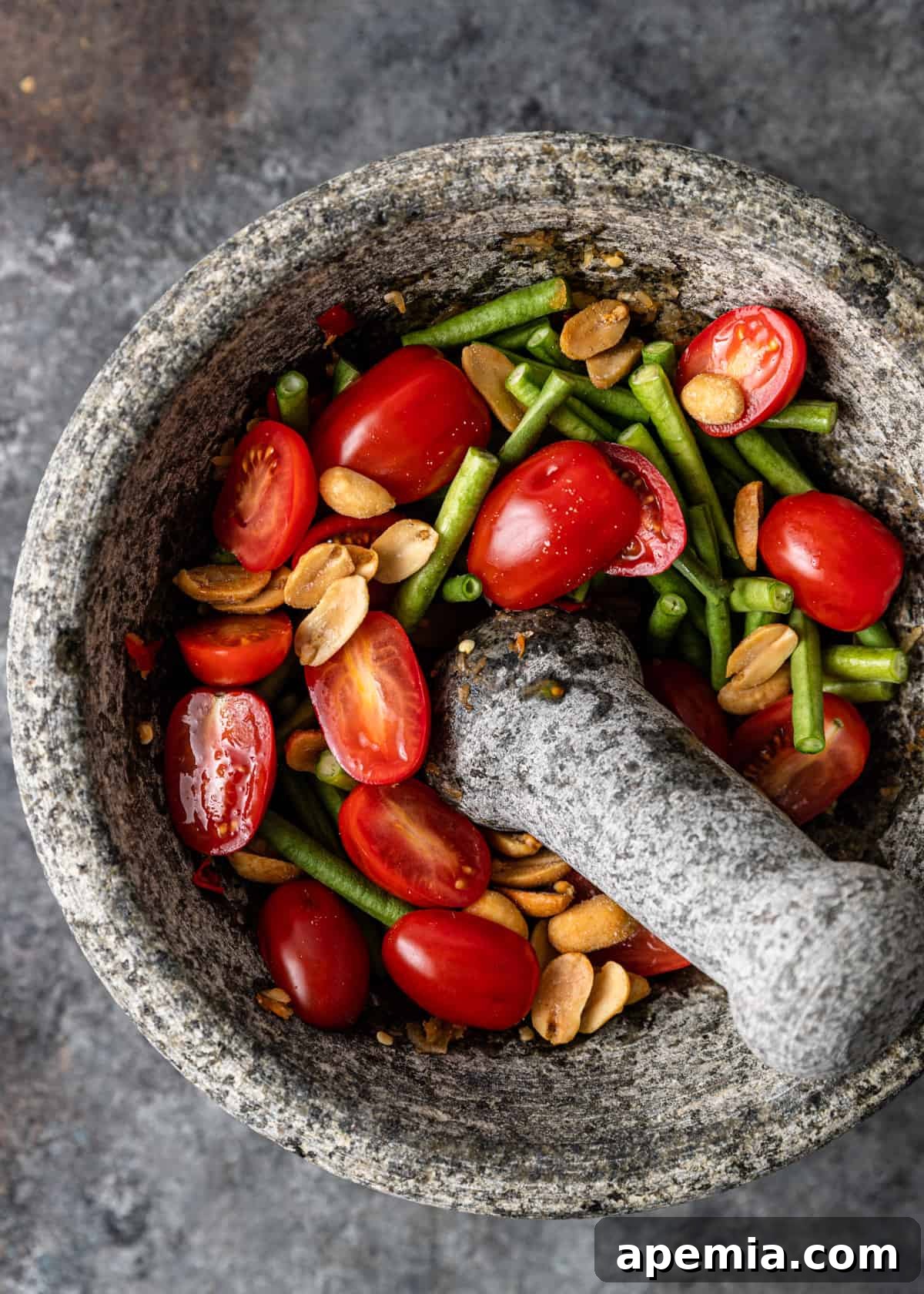
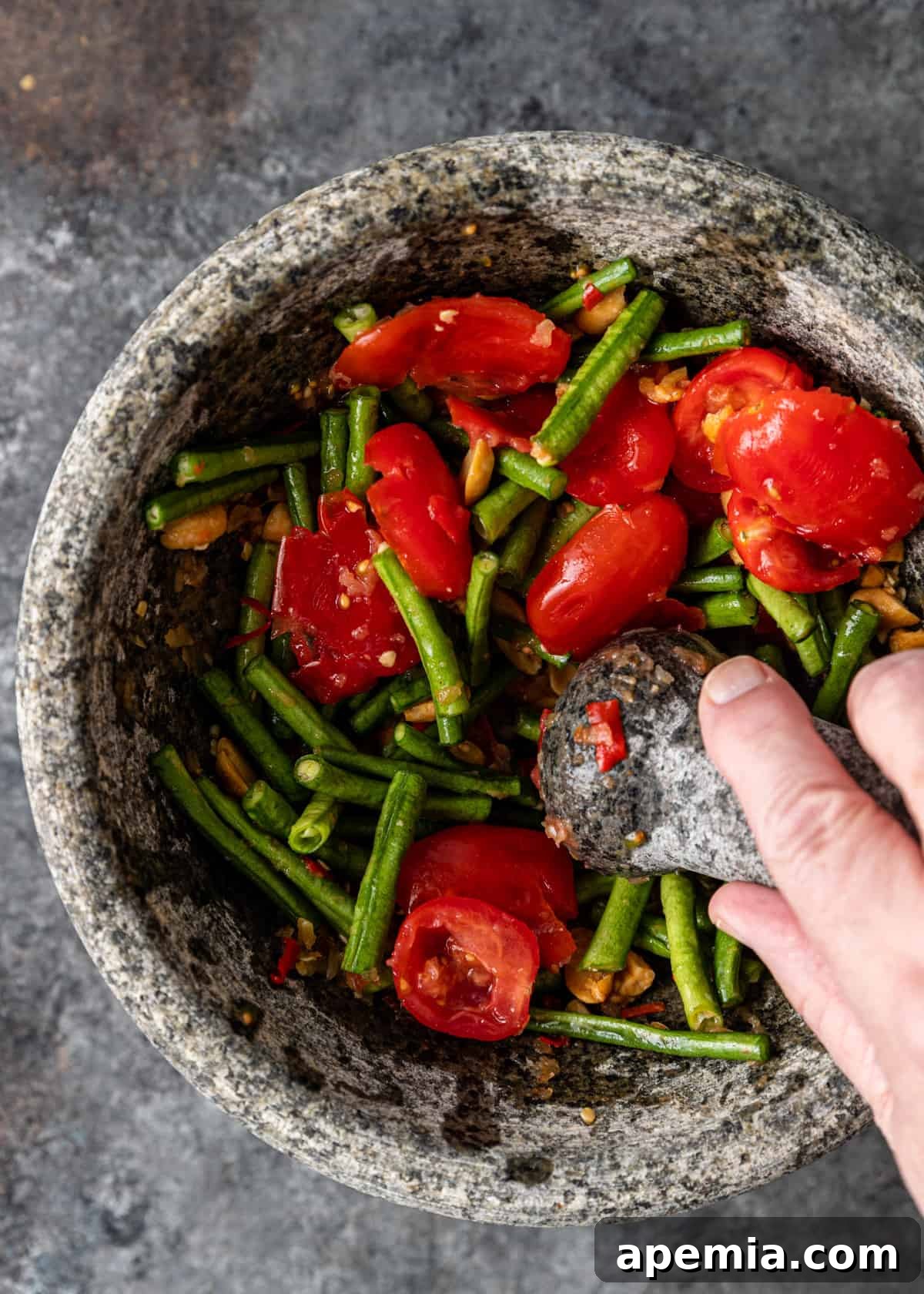
- Combine & Bruise. Add the prepared green beans, halved tomatoes, and about half of the roasted peanuts to the mortar with your chili-garlic paste. Using the pestle (or a sturdy wooden spoon), gently crush and bruise these ingredients slightly. The aim isn’t to mash them, but rather to gently break them down, allowing them to release their juices and better absorb the flavors of the dressing.
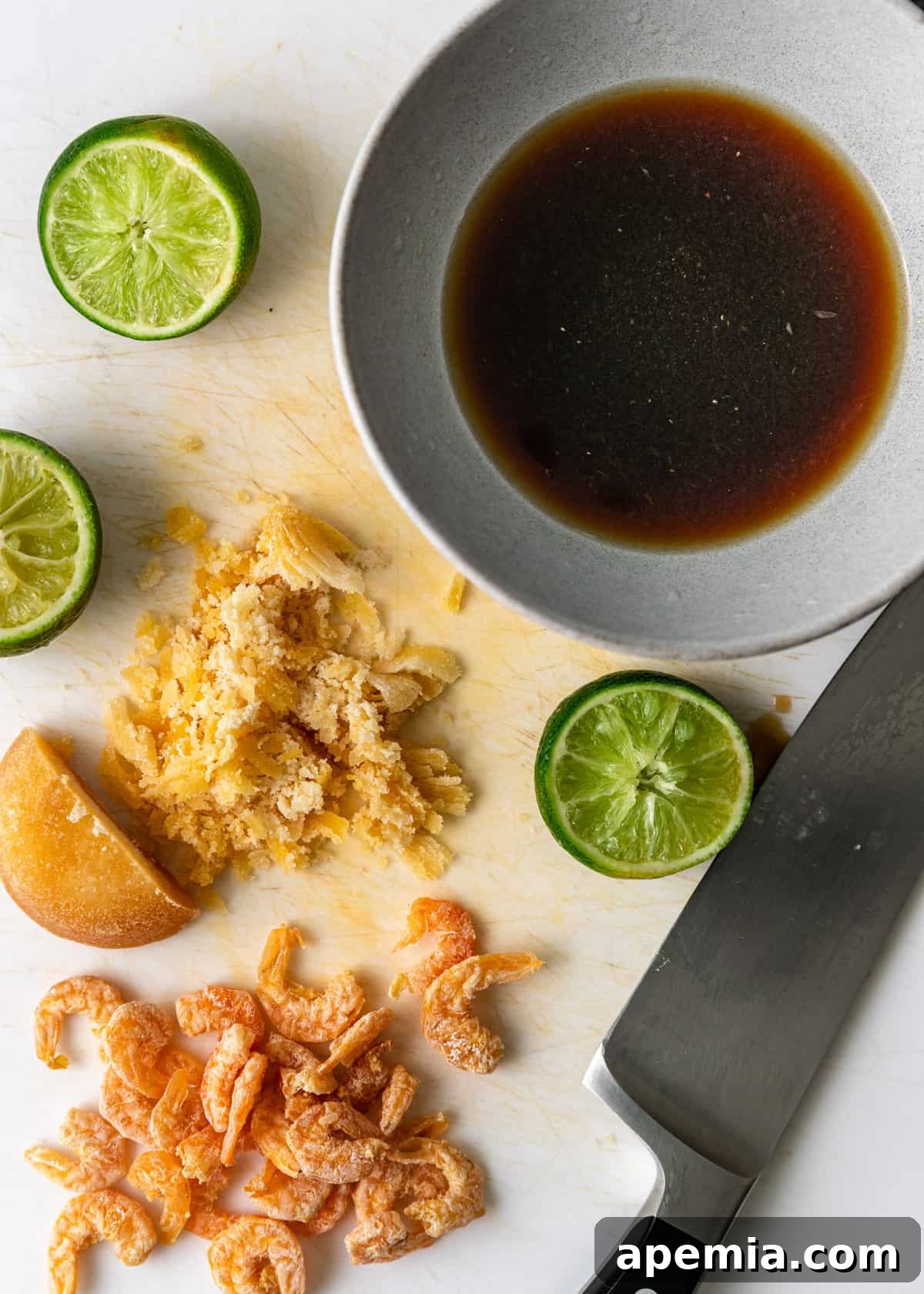
- Create the Dressing. Now it’s time to build the iconic Som Tum dressing. To the mortar (or a separate large mixing bowl if you prefer), add the brown sugar (or palm sugar), fresh lime juice, fish sauce, tamarind concentrate, and dried shrimp (if using). Stir vigorously with the pestle or a spoon, ensuring all ingredients are thoroughly mixed and the sugar is dissolved. Taste and adjust for your preference – you’re looking for a perfect balance of sweet, sour, salty, and spicy.
- Drain and Dry the Papaya. Once the papaya shreds have firmed up, use a colander to drain them completely. To remove any excess moisture, transfer the drained papaya to a bowl lined with paper towels and gently pat them dry. This step ensures the salad remains crunchy and prevents it from becoming watery. After drying, place the shredded papaya into your main serving bowl.
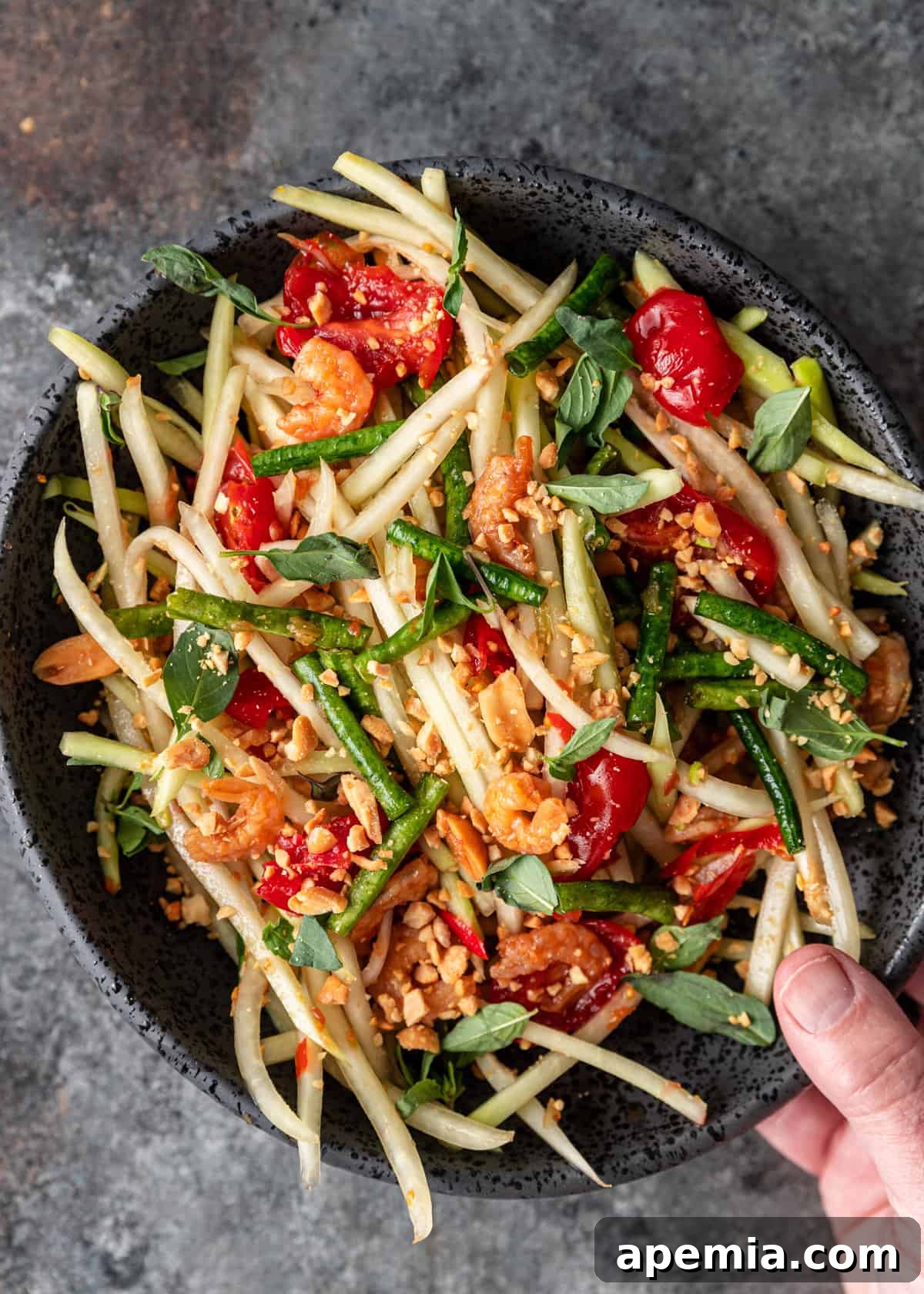
- Drizzle, Dress & Serve. Pour the prepared sauce mixture generously over the shredded papaya in the serving bowl. Use tongs or two large spoons to gently toss and mix everything until the papaya is evenly coated with the vibrant dressing. You can enjoy your authentic green papaya salad immediately for maximum crispness, or you can pop it in the refrigerator to chill for about 15-20 minutes, which can further enhance the refreshing qualities. Before serving, top your salad with fresh lime wedges for an extra citrusy kick, sprinkle with the remaining roasted peanuts for added crunch, and garnish with a handful of fresh Thai basil or micro cilantro greens for a burst of aromatic freshness.
Tip From Kevin
Pro Tips for the Perfect Som Tum
Understanding the name Som Tum (ส้มตำ) provides valuable insight into its preparation. It literally translates to “pounded sour” in Thai, a term that vividly describes the traditional method of making this iconic dish. While widely associated with Thailand, Som Tum actually traces its roots back to Laos and Cambodia before becoming a beloved staple in Thai cuisine. In these traditional preparations, the magic happens in a large, deep mortar, where a long pestle is used to vigorously pound and bruise all the ingredients—including the shredded papaya—rather than just mixing them. This pounding action is crucial; it breaks down the cell walls of the ingredients, allowing them to release their juices and fully absorb the complex dressing. This isn’t just about combining ingredients; it’s about coaxing out their individual essences and blending them into a cohesive, flavorful whole, giving the salad its distinctive texture and depth. Embracing this traditional technique, even with a smaller mortar and pestle, will elevate your Som Tum from a simple salad to an authentic culinary experience that honors its rich heritage.
For the best results, always use fresh ingredients. The crispness of the green papaya and green beans, the bright acidity of fresh lime juice, and the pungency of fresh garlic and chilies are what make this salad truly shine. Don’t be shy about adjusting the spice level; Thai cuisine is all about personal preference, so feel free to add more or fewer chilies to suit your palate. If you’re new to making Som Tum, start with a moderate amount of chili and gradually increase it in future batches. Another pro tip for achieving that perfect crunch is to ensure your green papaya is thoroughly chilled before shredding and soaking it in ice water. This helps maintain its firm texture, which is a hallmark of a great Som Tum. Finally, consider serving your Som Tum immediately after preparing it. While it can be chilled, the textures are at their peak when fresh, offering the most satisfying crunch and vibrant flavor.
Frequently Asked Questions
No, green papayas, also known as unripe papayas, are a remarkably versatile ingredient widely used in many Southeast Asian cuisines, and they can be enjoyed both raw and cooked. This green papaya salad is a prime example of how delicious raw green papaya can be, offering a crisp, refreshing texture that is central to its appeal. Beyond salads, green papaya features in various cooked dishes, often boiled in curries, sautéed in stir-fries, steamed as a vegetable side, or even baked. Its mild flavor and firm texture allow it to absorb and complement other ingredients beautifully.
However, it’s important to note a few considerations when consuming raw green papaya. Due to certain enzymes and compounds present, pregnant women are generally advised to avoid raw papaya, as it may stimulate uterine contractions. Additionally, individuals with a latex allergy should exercise caution or avoid raw papaya, as some of its components can trigger allergic reactions. Always consult with a healthcare professional if you have concerns.
While ripe papayas are known for their sweet, tropical, melon-like flavor and buttery texture, unripe green papayas present a completely different profile. Raw green papaya flesh, skin, and seeds can sometimes exhibit an undesirable, slightly bitter or bland flavor on their own. The magic of dishes like Som Tum lies in their ability to transform this humble fruit into something incredibly palatable and addictive.
This green papaya salad masterfully balances the inherent qualities of the papaya with a powerful dressing. The sour lime juice effectively cuts through any bitterness, while the fiery chili peppers provide an exciting kick. The sweet brown sugar (or palm sugar) counteracts the acidity, creating a harmonious blend. Furthermore, the savory fish sauce and tangy tamarind concentrate add layers of umami and complexity, ensuring the bitterness is not only balanced but completely overshadowed by a symphony of vibrant flavors. The crunchy texture of the papaya, enhanced by soaking, also contributes significantly to its appeal, making it a delightful culinary experience.
Som Tum, or green papaya salad, is incredibly versatile and pairs perfectly with a wide array of dishes, making it a fantastic addition to almost any meal. Its refreshing, bold flavors can brighten and complement richer main courses. Check out some of these easy recipes for inspiration:
– Rice Dishes: A classic pairing, sticky rice is often served alongside Som Tum to temper the spice and provide a comforting base. It also pairs wonderfully with lighter options like Lemon Rice or this fragrant Mediterranean Rice Pilaf Recipe.
– Thai Main Courses: Naturally, Som Tum shines when served with other Thai favorites. Try it alongside smoky Gai Yang Chicken (Thai BBQ), delicate Thai Baked Halibut, or a rich and creamy Thai Yellow Shrimp Curry. The salad’s freshness provides a delightful contrast to these richer dishes.
– Beef Recipes: Use Som Tum to add a bright, zesty contrast to your beef dishes. Its tanginess cuts through richness, making it a great accompaniment for savory options like this Mongolian Beef Stir Fry, a vibrant Broccoli Beef Stir Fry, or the indulgent Sticky Asian Short Ribs.
Share this recipe on Pinterest!
Love this recipe? Share it with the world on Pinterest to inspire others!
Green Papaya Salad (Som Tum Thai)
Pin Recipe
PrintRecipe
Ingredients
- 2 green papayas (yielding about 4 cups shredded)
- 6 long Asian green beans
- 8 cherry tomatoes cut in half
- 3 Birds Eye chiles or red Fresno chiles (adjust to taste)
- 4 cloves garlic
- 1/2 cup roasted peanuts divided for mixing and garnish
- 1/4 cup brown sugar or authentic palm sugar
- 1/4 cup fresh lime juice
- 1/4 cup fish sauce
- 1 tsp tamarind concentrate
- 1/3 cup dried shrimp (optional, for extra umami depth)
- 1/2 cup Thai basil leaves or micro cilantro greens, for garnish
Instructions
-
First, prepare the green papayas: use a standard vegetable peeler to remove the soft, dark green outer skin. Once peeled, cut each papaya in half lengthwise and carefully scoop out all the seeds and any stringy bits with a spoon. Then, using a mandoline shredder or a sharp knife, finely shred the papaya flesh into thin strips. Transfer the shredded papaya to a bowl and cover it completely with ice water. Allow it to soak for 10-15 minutes to firm up and become extra crisp.
-
While the papaya soaks, prepare the other vegetables. Trim both ends off the long Asian green beans and cut them into 2-inch pieces. Slice the cherry tomatoes in half.
-
In a large mortar and pestle, add the red chiles (adjust quantity to your preferred spice level) and the garlic cloves. Vigorously crush them together until they form a coarse, fragrant paste. If you don’t have a mortar and pestle, you can finely dice the chiles and mince the garlic.
-
Add the cut green beans, halved tomatoes, and half of the roasted peanuts to the mortar with the chili-garlic paste. Using the pestle, gently pound and bruise these ingredients slightly. This step helps them release their flavors and better absorb the dressing without completely mashing them.
-
Now, add the remaining dressing ingredients to the mortar or a separate bowl: brown sugar (or palm sugar), fresh lime juice, fish sauce, tamarind concentrate, and dried shrimp (if using). Mix thoroughly with the pestle or a spoon until the sugar dissolves and all ingredients are well combined, creating a balanced sweet, sour, salty, and spicy dressing.
-
Once the papaya is firm, drain it well in a colander. For extra crispness and to prevent a watery salad, transfer the drained papaya to a bowl lined with paper towels and gently pat away any excess water. Then, transfer the dried papaya shreds to your final serving bowl.
-
Pour the prepared sauce mixture over the shredded papaya. Using tongs or two large spoons, toss everything to coat and mix thoroughly, ensuring every strand of papaya is infused with the vibrant dressing. You can serve the green papaya salad immediately for peak crispness, or chill it in the refrigerator for 15-20 minutes to enhance its refreshing qualities. Garnish with fresh lime wedges, the remaining roasted peanuts, and a scattering of chopped Thai basil or micro cilantro greens before serving.
Nutrition
The information shown is an estimate provided by an online nutrition calculator. It should not be considered a substitute for a professional nutritionist’s advice.