
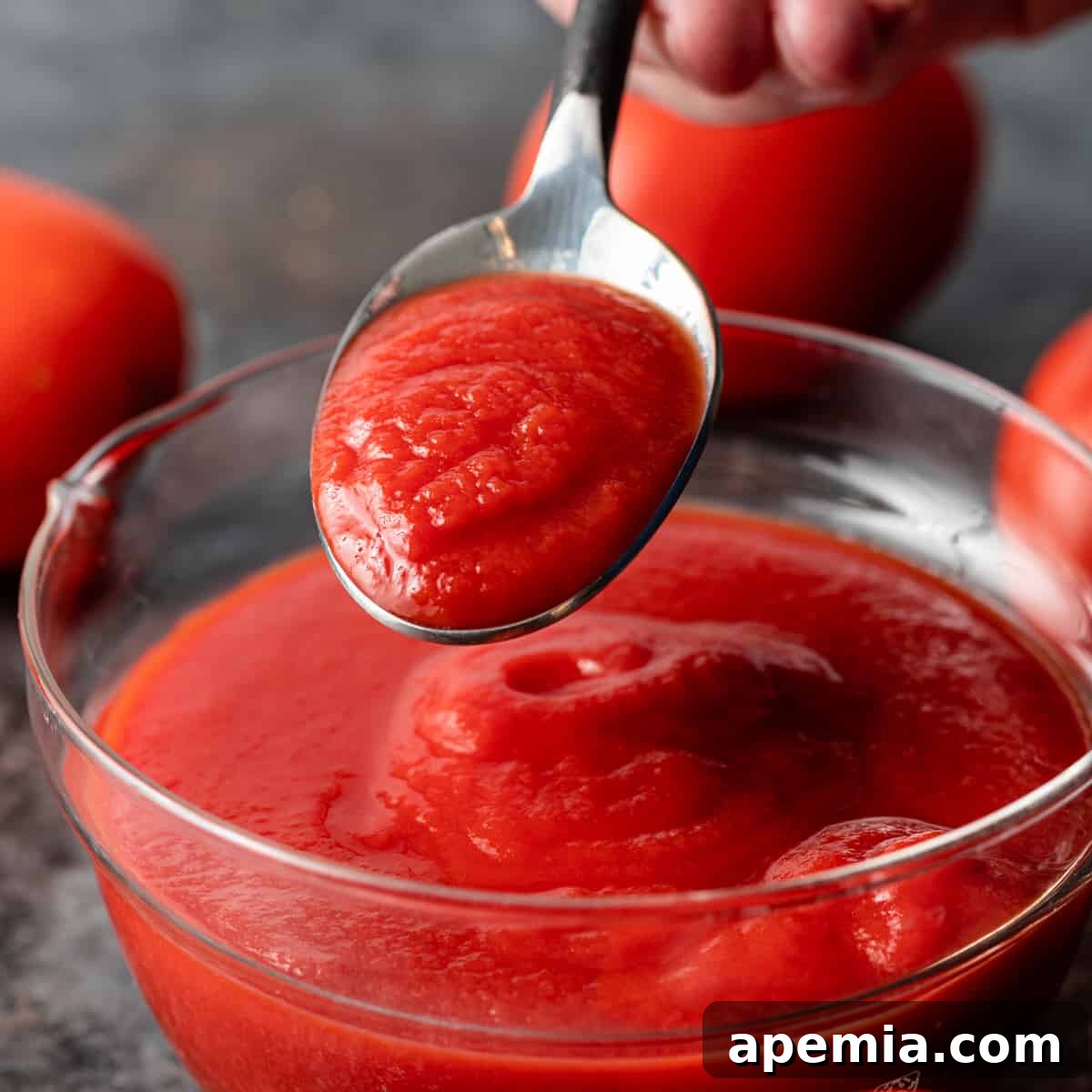
Passata: The Essential Italian Tomato Purée for Authentic Flavor
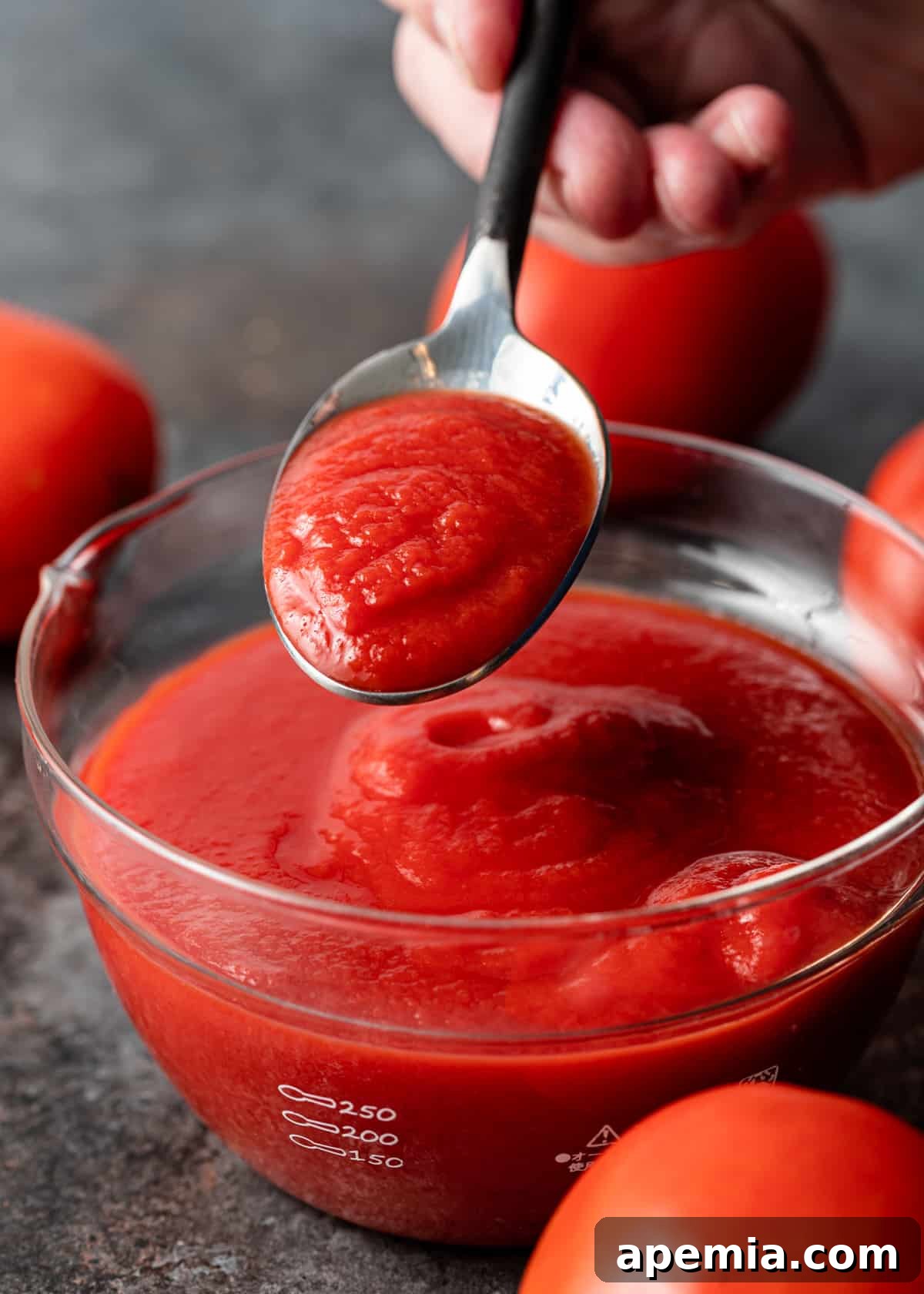
You’ve likely encountered passata in the supermarket, perhaps without even realizing its name, and you may have already incorporated this versatile ingredient into your cooking. Often referred to as tomato purée in the U.S., passata is, at its heart, simply uncooked puréed tomatoes. These tomatoes are carefully strained – typically using a food mill – to remove all seeds and skin, resulting in an incredibly smooth, velvety texture. It’s then bottled, usually in distinctive glass bottles, ready to elevate countless dishes. The finest brands boast an ingredient list of just two items: tomatoes and a touch of salt, ensuring pure, unadulterated tomato flavor.
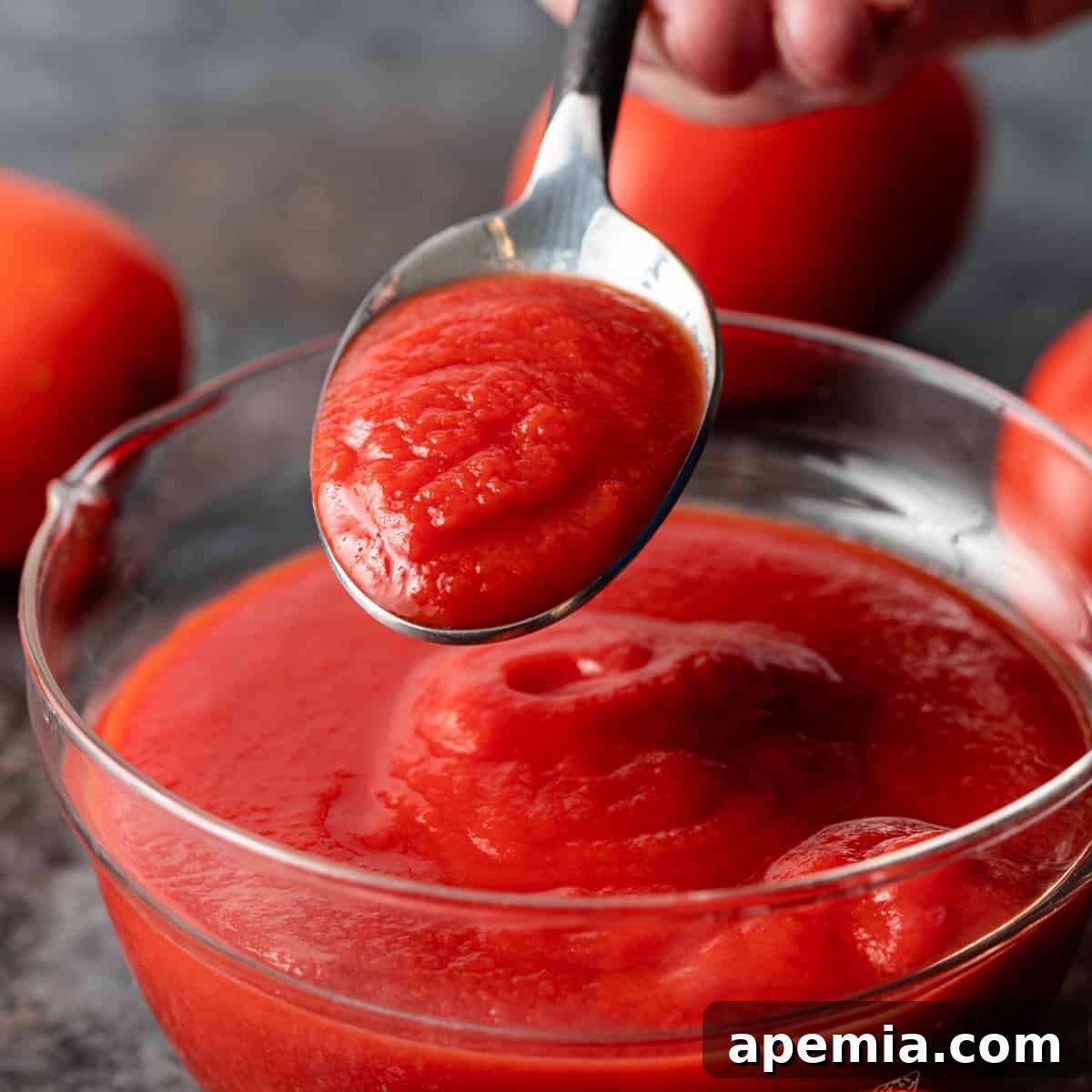
Passata holds a special place in my kitchen, particularly when crafting rich sauces, hearty soups, comforting stews, and homemade pizza sauce. Its ability to impart a deep, complex, and vibrant tomato flavor to any dish is truly remarkable, enhancing not just taste but also color. While it shares similarities with crushed tomatoes and tomato paste, passata distinguishes itself with a uniquely smooth, rich, and naturally thick consistency that is unparalleled. It is, without a doubt, a cornerstone in every authentic Italian kitchen, cherished for its simplicity and profound impact on culinary creations.
So, what exactly is passata? It’s more than just a tomato product; it’s a foundational ingredient that promises to transform any tomato-based sauce or soup into a far more flavorful and appealing experience. Understanding its essence is the first step towards unlocking a world of culinary possibilities.
In this comprehensive guide, we will delve deeper into the world of passata, covering essential topics:
- A detailed exploration of what passata is and its unique characteristics.
- Step-by-step instructions on how to make your own passata at home.
- Practical ideas for excellent tomato passata substitutes when you’re in a pinch.
- A myriad of delicious ways to use passata in your everyday cooking.
I’ll also share a few of my favorite passata recipes to inspire your next meal! Let’s embark on this flavorful journey together.
Understanding Passata: Definition, Characteristics, and Homemade Preparation
Tomato passata is inherently simple yet incredibly refined, crafted exclusively from uncooked, sieved tomatoes. The process begins by puréeing fresh, ripe tomatoes, which are then meticulously strained through a food mill. This crucial step removes every trace of skin and seeds, resulting in the signature smooth, rich, and velvety texture that defines passata. When purchasing passata, it is vital to scrutinize the ingredients list; the highest quality brands proudly list only 100% fresh tomatoes and, often, a minimal amount of salt. This purity ensures the brightest, most authentic tomato flavor.
The beauty of passata lies in its straightforward nature, making it an ideal candidate for homemade preparation. Since it is essentially puréed and strained crushed tomatoes, replicating it in your own kitchen is surprisingly accessible. The key to achieving the correct consistency and texture hinges on the careful sieving process. Without pressing the puréed tomatoes through a fine mesh or food mill, you won’t attain the characteristic smoothness that makes passata so special and versatile. This smoothness is what differentiates it from more rustic crushed tomatoes or chunky sauces.
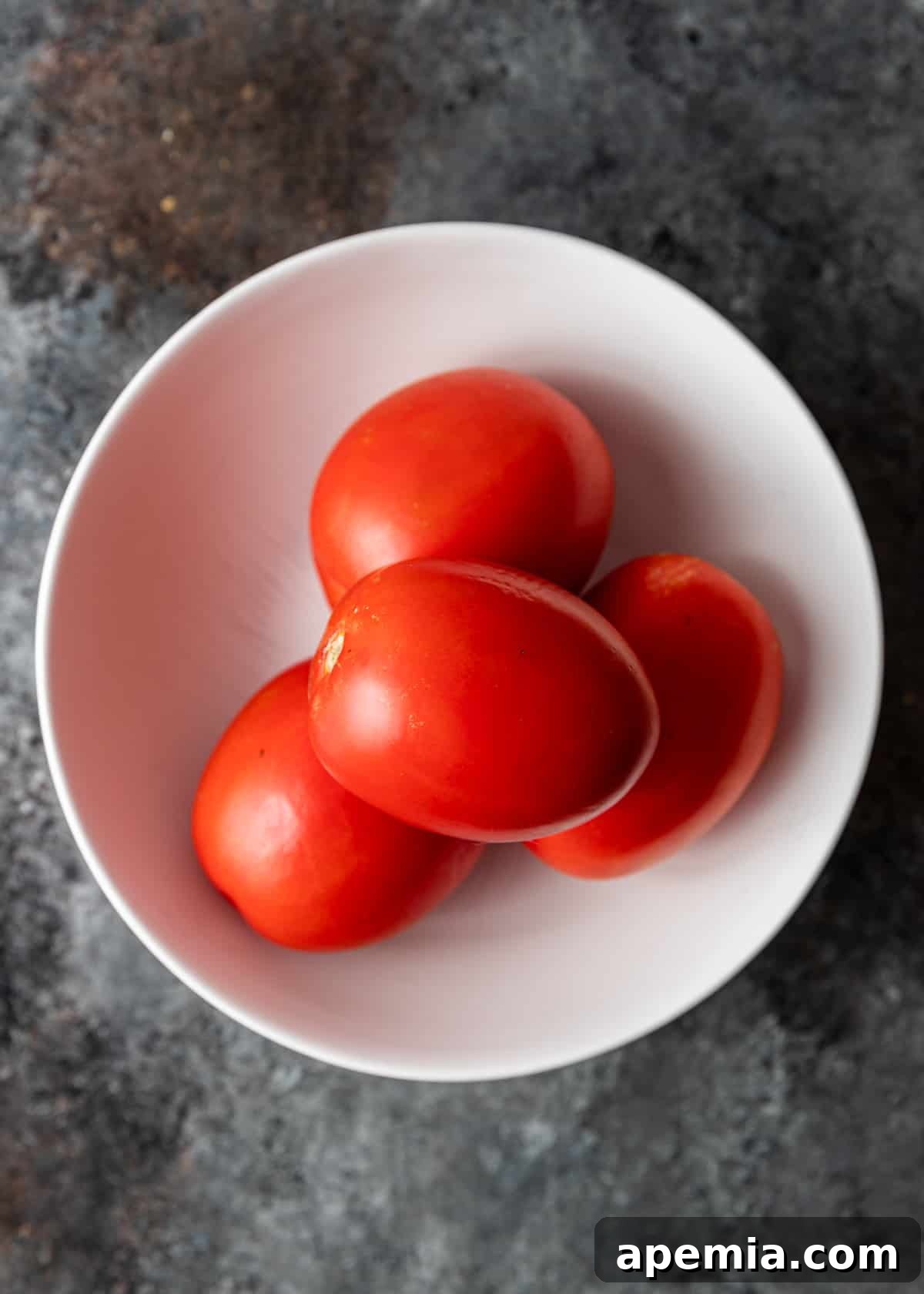
Once you grasp the fundamentals, preparing a passata recipe at home becomes a deeply satisfying and relatively easy culinary endeavor. The journey starts with selecting the best possible tomatoes – their quality directly impacts the flavor of your final passata. While many varieties can work, opting for sweet, meaty tomatoes will yield superior results. You’ll also need a dedicated machine for straining tomatoes, which simplifies the process considerably. There are several options available, catering to different batch sizes and preferences, which we will explore below.
Crafting Homemade Passata: Methods and Essential Tips
While the concept of making Italian passata is wonderfully simple, the quality of your ingredients and the method of processing are paramount to achieving that authentic, vibrant flavor. Unlike complex sauces with numerous additions, passata thrives on the pure essence of the tomato itself. Therefore, it is absolutely crucial to begin with high-quality, exceptionally ripe tomatoes. Their ripeness ensures maximum sweetness and depth of flavor, minimizing any unwanted acidity. My personal preference leans towards San Marzano tomatoes, revered globally for their superior taste and texture, though in many regions, they are most readily available canned. (We’ll delve deeper into the wonders of San Marzano tomatoes shortly).
The core of passata production revolves around straining the cooked tomatoes. You have two primary mechanical choices for this: an electric tomato strainer or a manual food mill. Your selection will largely depend on the quantity of passata you intend to produce and your willingness to exert a little elbow grease. Naturally, an electric strainer offers significant ease and speed, making large batches much more manageable, whereas a manual food mill is perfect for smaller quantities and allows for a more tactile, traditional experience.
Making Passata with an Electric Tomato Strainer (Food Mill)
Using an electric strainer streamlines the process, making it efficient for larger batches of passata. Follow these steps for perfect results:
Step 1: Prepare the Tomatoes. Begin by thoroughly washing your fresh, ripe tomatoes. Then, carefully core them, removing the stem end. For a substantial batch, aim for approximately 4 pounds (around 1.8 kg) of tomatoes. Place all the cored tomatoes into a large, sturdy pot.
Step 2: Blanch for Easy Peeling. Bring a pot of water to a rolling boil. Carefully immerse the cored tomatoes into the boiling water for a brief period, just until their skins begin to crack and peel away. This blanching process softens the tomatoes slightly and, more importantly, makes them incredibly easy to strain. Be careful not to cook them completely; the goal is simply to loosen the skins and soften the flesh for the strainer.
Step 3: Strain the Tomatoes. Once blanched, transfer the warm tomatoes into your electric tomato strainer. Electric strainers vary in design and operation, so it’s essential to consult your user manual for precise instructions on assembly and usage. Feed the tomatoes through the machine, which will efficiently separate the smooth pulp from the skins and seeds.
Step 4: Refine and Store. As the machine processes the tomatoes, you’ll find thicker pulp accumulating at the bottom of the press. Scrape this precious pulp and incorporate it into your passata. The discarded skins and seeds should be collected and disposed of. After the initial straining, if you find your passata to be too liquidy for your preference, you can pass it through a finer sieve or cheesecloth for extra thickness. Before storing, feel free to enhance the flavor with a pinch of salt or a few fresh basil leaves. Transfer your freshly made passata into clean, sterilized glass jars, ensuring proper sealing for optimal preservation.
Making Passata with a Manual Tomato Strainer (Food Mill)
A manual food mill offers a hands-on approach to passata making, ideal for smaller batches or those who prefer a traditional method. It provides excellent control over the texture.
Step 1: Prepare Your Tomatoes. Just as with the electric method, start by thoroughly washing and coring your fresh tomatoes. Manual strainers are particularly suited for smaller quantities, so using 1-2 pounds (approx. 450-900g) of tomatoes per batch is often ideal. This allows for easier handling and processing.
Step 2: Blanch the Tomatoes. Bring a pot of water to a boil and blanch the cored tomatoes until their skins begin to visibly peel. This quick dip in boiling water is crucial for softening the tomatoes and making the straining process much more efficient, ensuring a smooth end product. Remember, you’re not fully cooking them, just softening the outer layer.
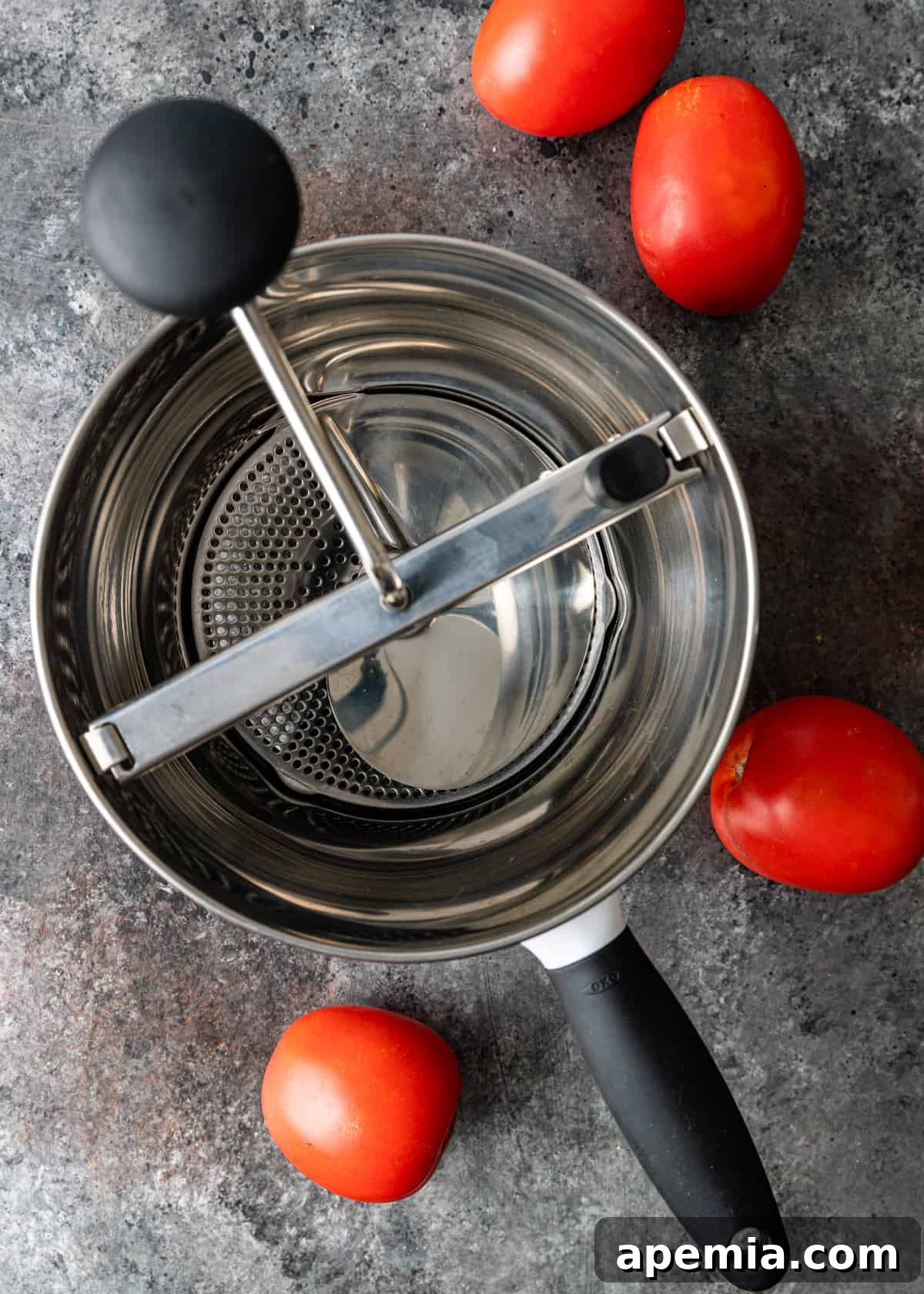
Step 3: Process with the Manual Strainer. Once blanched, carefully place the cooked tomatoes into your manual tomato strainer. Many manual models are designed to clip securely onto your counter, providing stability and ease of use as you turn the crank. This design helps minimize effort and keeps the strainer steady during operation.
Step 4: Collect and Store. As you turn the handle, the strainer will separate the smooth tomato pulp from the skins and seeds. Be sure to scrape the thicker, richer pulp from the bottom of the press, as this contains concentrated flavor and contributes to the body of your passata. Discard the separated skins and seeds. If the resulting passata feels too thin, a second pass through a finer sieve can help achieve a denser consistency. A touch of salt or a sprig of fresh basil can be added for extra flavor. Store your homemade passata in meticulously cleaned and sterilized glass jars for freshness.
Passata Substitute Options: When You Can’t Find the Real Deal
Even if you don’t have the time or the means to make your own passata, or if your local supermarket is out of stock, there’s no need to despair! Several excellent passata substitute options are available that can help you achieve a similar flavor profile and consistency in your dishes. Understanding their differences will help you make the best choice and adjust your recipe accordingly:
- Tomato Purée: This is unequivocally the best and most straightforward substitute for passata. In many regions, particularly the U.S., what is labeled as “tomato purée” is very similar in texture and concentration to passata. It offers a similarly rich and complex tomato flavor, making it an almost identical stand-in. The main difference might be that commercially available tomato purée is often cooked more extensively than passata, and occasionally contains minor additives, but for most recipes, it will perform beautifully.
- Tomato Paste: Known for its intense, concentrated flavor and extremely thick consistency, tomato paste can also serve as a viable substitute, especially if you’re aiming for a very deep tomato essence. However, due to its much greater intensity and thickness, you’ll need to use significantly less paste than you would passata. It’s often best diluted with a little water or broth to achieve a pourable consistency, and remember that its flavor is much more potent, so start small and taste as you go to avoid overpowering your dish.
- Crushed Tomatoes or Tomato Sauce: If tomato purée or paste aren’t available, crushed tomatoes or a plain tomato sauce can work in a pinch, though they require more adjustments. Crushed tomatoes will have a coarser, chunkier texture compared to passata’s smoothness, and tomato sauce might be thinner and often contains herbs or seasonings. Neither will possess the same thick, velvety consistency as passata, and commercial versions may include additives that alter the flavor profile. If using these, especially in a sauce, you will likely need to allow it to simmer for a considerably longer time to reduce and thicken to a desirable consistency. Alternatively, you can enhance the thickening by stirring in a spoonful of tomato paste, which will also boost the tomato flavor. For a smoother finish with crushed tomatoes, you could briefly blend them before use.
Beyond the Bottle: Creative Ways to Use Passata in Your Kitchen
By now, you’re well-versed in what passata is, how to craft your own homemade version, and the best substitutes when the original isn’t on hand. With this foundational knowledge, the next exciting step is to explore the myriad of delicious and practical ways you can incorporate this beloved Italian staple into your daily cooking. Passata’s smooth texture and concentrated flavor make it incredibly versatile, lending itself to much more than just classic Italian dishes.
- As the Heart of Quick Tomato Sauces: Passata is the ultimate secret weapon for creating rich, flavorful tomato sauces in a fraction of the time. If you don’t have hours to let a traditional sauce simmer and reduce, passata comes to the rescue. Its naturally intense and rich tomato flavor, combined with its smooth consistency, will instantly elevate a quick tomato-based sauce recipe for pasta, meatballs, or chicken cacciatore, making it taste like it’s been cooking all day.
- The Perfect Base for Pizza Sauce: A truly great pizza begins with an exceptional sauce. The ideal tomato sauce for pizza is typically thicker and more robustly flavored than a general pasta sauce. Passata provides the perfect foundation for this. Its smooth texture means no chunky bits on your pizza, and its concentrated flavor ensures that even a thin layer delivers a powerful tomato punch, complementing your toppings beautifully. Simply season with garlic, oregano, and a touch of salt for an authentic Neapolitan-style pizza base.
- Enhancing Soups & Stews: Is there anything more comforting than a hot bowl of hearty tomato soup or a robust stew? Passata is an indispensable ingredient for these dishes, adding an incredible depth of intense tomato flavor. Whether it’s a simple tomato soup, a minestrone, or a Mediterranean-inspired fish stew, a generous addition of passata will deepen the broth, enrich the color, and infuse the entire dish with that desirable sun-ripened tomato essence, much like its effect in sauces.
- In Braises and Roasts: Use passata as a liquid base for slow-cooked meats or vegetables. Its natural sweetness and acidity tenderize proteins and contribute to a rich, glossy sauce. Think osso buco, pot roasts, or even braised lentils.
- Marinades and Dressings: For a zesty twist, a small amount of passata can be incorporated into marinades for chicken or fish, or even whisked into a rustic vinaigrette for salads, adding a subtle tomato background note.
- Base for Shakshuka or Chili: For dishes like Moroccan shakshuka, where tomatoes are the star, passata provides a smooth, vibrant base that perfectly cradles eggs or other ingredients. It also works wonderfully in chili recipes, adding body and depth to the overall flavor profile.
Discover 5 Great Tomato Passata Recipes
To get you started and truly appreciate the versatility of passata, I’ve curated a selection of my favorite recipes where passata shines. These dishes showcase its ability to adapt and enhance a wide range of global cuisines:
- Koshari (Egypt’s national dish) – Passata provides a rich, smooth base for the accompanying tomato sauce.
- Mediterranean flatbread pizza – Easily create a quick, flavorful pizza sauce using passata as your foundation.
- Rajma chawal (bean curry with rice) – Add depth and body to this savory bean curry with passata.
- Moroccan shakshuka – Significantly enhance the vibrant tomato flavor in this classic breakfast or brunch dish.
- Spiced eggplant stew – Substitute passata for tomato paste or canned tomatoes for a smoother, richer stew.
San Marzano Tomatoes: The Gold Standard for Passata
When discussing high-quality tomatoes for passata, or indeed for any premium tomato product, San Marzano tomatoes invariably come to mind. Hailed as premiere and prized by chefs and home cooks worldwide, this distinct variety of plum tomato is grown exclusively in a specific, highly regulated region of Italy. To be precise, their true home is the Agro Sarnese Nocerino, nestled in the Sarno River valley near the majestic Mount Vesuvius. It is here that the unique volcanic soil is believed to impart a singular sweetness and significantly lower acidity to these exceptional tomatoes.
Visually, San Marzano tomatoes bear a resemblance to the common Roma (plum) tomato but are typically thinner and possess a more pointed end. What truly sets them apart, however, is their internal structure. The flesh of the San Marzano tomato is notably thicker and contains considerably fewer seeds compared to other varieties. This characteristic pulpiness and minimal seed content contribute to their less acidic and distinctly sweeter flavor profile, making them the ideal choice for creating exquisite passata and other pure tomato products.
How to Identify Authentic San Marzano Tomatoes
Given their esteemed status and higher price point, the market is sometimes flooded with imitations. To ensure you are purchasing genuine San Marzano tomatoes, look for specific certifications and labeling:
Processing Format: To be certified as authentic D.O.P. San Marzano tomatoes, they must be packaged either whole or cut in half within cans. If you encounter San Marzano tomatoes that are diced, puréed, or packaged in boxes, it’s wise to be skeptical of their authenticity, as these preparations typically fall outside the D.O.P. regulations for genuine products.
Geographical Indication: The packaging must explicitly state “Pomodoro San Marzano dell’Agro Sarnese Nocerino.” This phrase is a crucial indicator that the tomatoes were indeed cultivated within the officially designated geographical region of origin.
D.O.P. Certification: Look for the distinctive star-shaped D.O.P. (Denominazione d’Origine Protetta) certification symbol. Accompanying this symbol should be the words “Denominazione d’Origine Protetta” and a unique I.D. number. This specific certification provides an ironclad guarantee that the tomatoes have been officially recognized and certified by the D.O.P. consortium as true San Marzano tomatoes, upholding strict standards of quality and origin.
Frequently Asked Questions About Passata
What is Passata Called in the US?
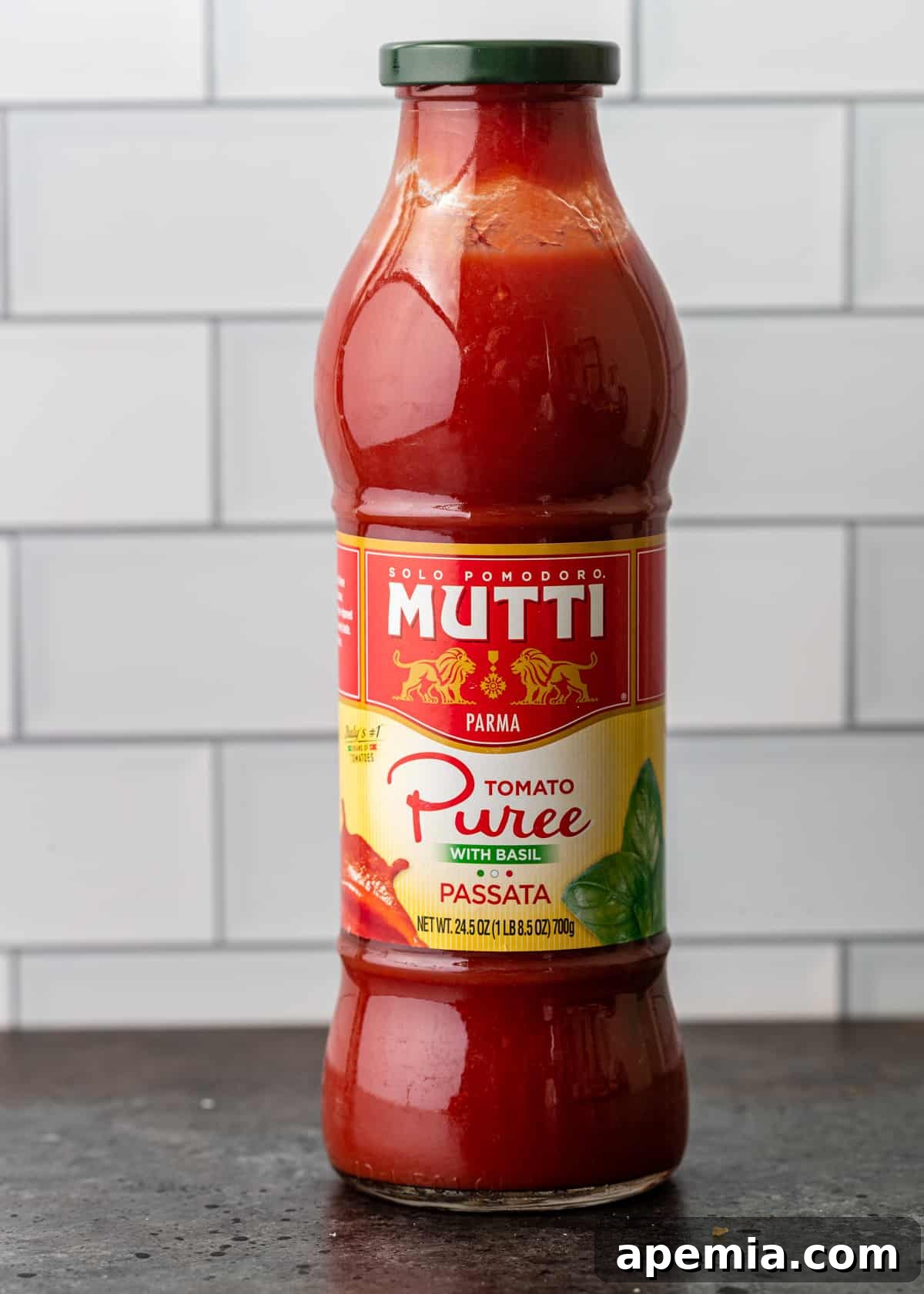
In the United States, passata is most commonly referred to as “tomato purée.” However, it’s worth noting that while they are very similar, there can be subtle differences. True passata, especially imported Italian brands, is generally more intensely flavored and smoother than many U.S. tomato purées. Furthermore, authentic passata typically contains no additives, featuring only tomatoes and a dash of salt, and is only ever-so-slightly cooked to aid in straining and preservation. When shopping, keep an eye out for bottles explicitly labeled “passata” for the most authentic experience. You can usually find it alongside other canned and bottled tomato products, near the tomato paste and crushed tomatoes, in the international foods aisle or specialty sections of larger supermarkets.
Can I use Canned San Marzano Tomatoes to Make Passata?
Absolutely, yes! Canned whole or halved San Marzano tomatoes are an excellent choice for making homemade passata, especially if fresh, high-quality San Marzano tomatoes are not readily available in your area. Simply drain the canned tomatoes of their packing liquid, and then process them through your chosen strainer or food mill (manual or electric) following the steps outlined above. Their superior flavor and meaty texture make them an ideal base for a rich and authentic passata, even from a can.
Are Passata and Tomato Purée the Same Thing?
While often used interchangeably, there are subtle yet significant differences between passata and most commercially produced tomato purées. The most prominent distinction lies in their preparation: tomato purée is typically cooked for a longer duration, resulting in a somewhat different flavor profile and consistency. Passata, on the other hand, is specifically made from uncooked tomatoes that are only very lightly heated (or “blanched”) to facilitate the straining process, preserving a fresher, brighter tomato flavor. Additionally, commercial tomato purées sometimes contain various additives like citric acid or sweeteners, whereas true passata prides itself on its minimalist ingredient list of just tomatoes and salt, offering a purer and often more intense tomato experience.
What is a Good Substitute for Passata?
The best and most widely recommended substitute for passata is unseasoned tomato purée. While, as mentioned, there might be slight differences in cooking time and the presence of additives compared to authentic passata, a high-quality tomato purée offers a very similar smooth consistency and robust tomato flavor. It will function effectively as a replacement in most recipes that call for passata, ensuring your dishes still achieve that desirable rich tomato base. If your tomato purée seems a little thinner, a slightly longer simmer might be beneficial to achieve the desired thickness.