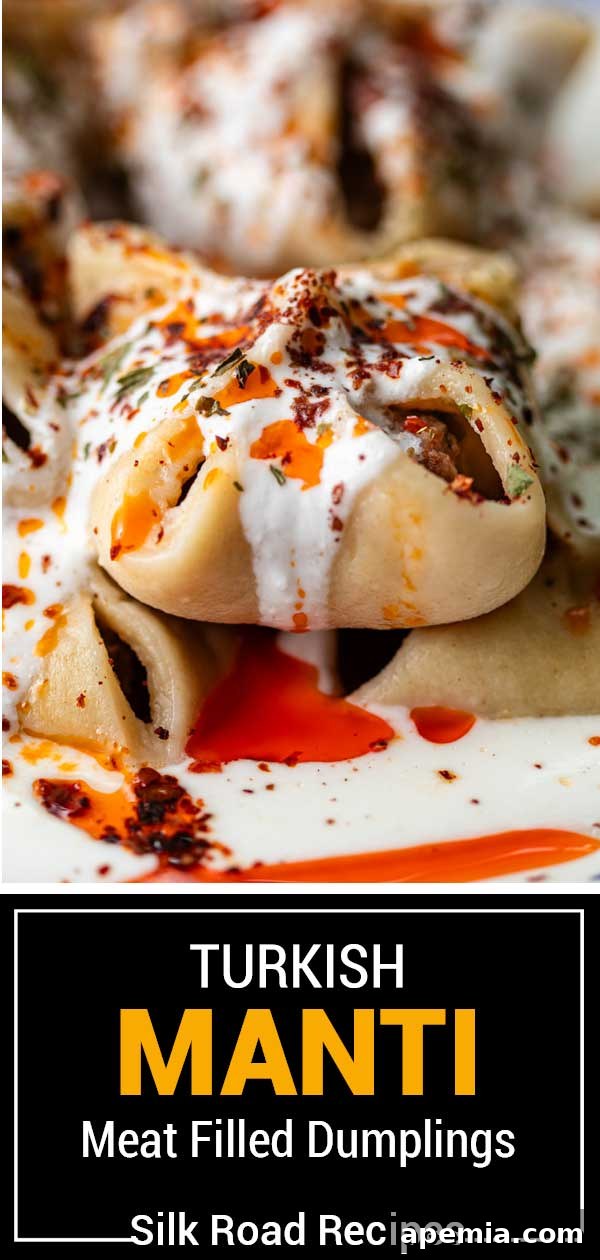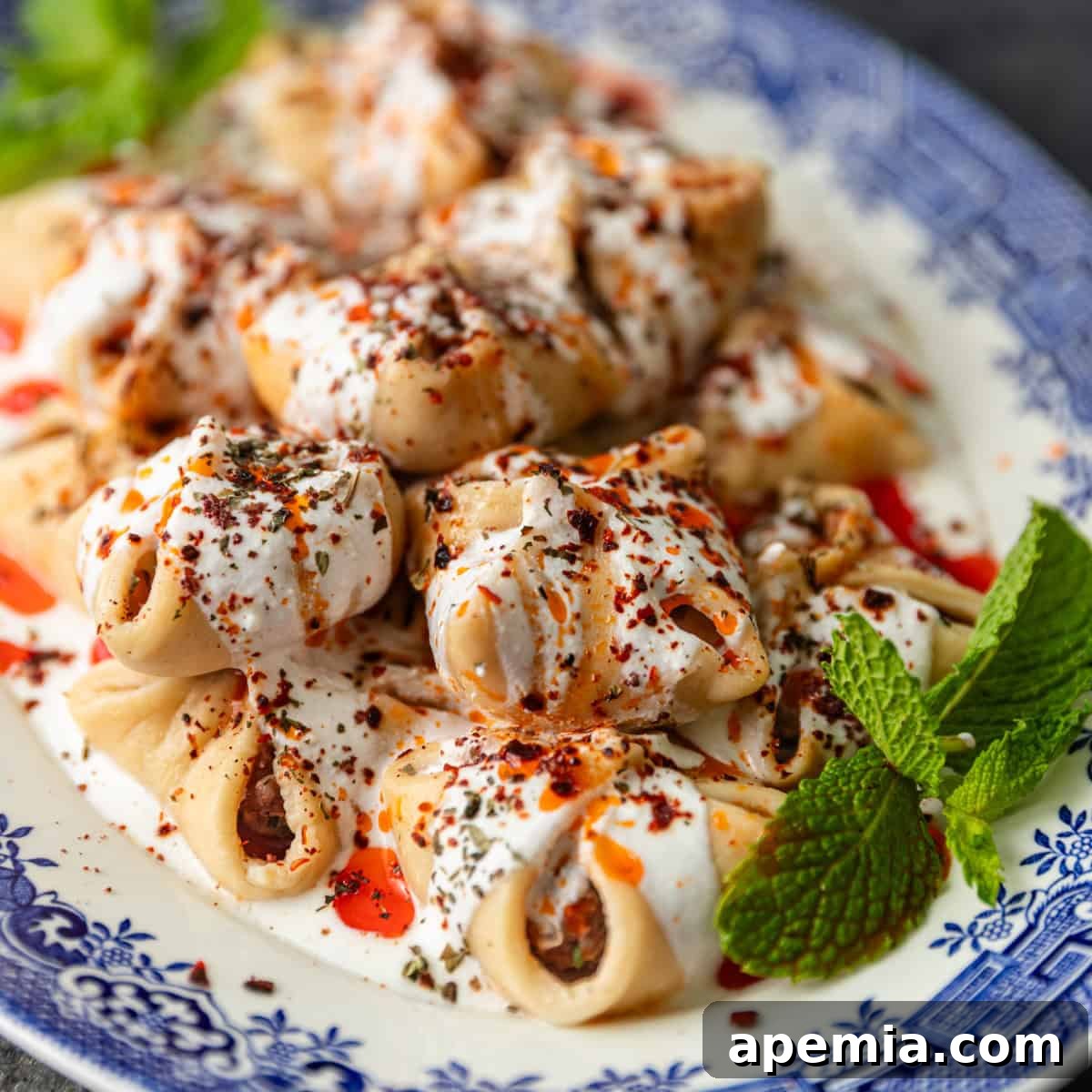
Experience the unparalleled delight of Turkish cuisine with Manti, a cherished dish where tender, homemade dough cradles a rich filling of seasoned meat, onions, and garlic. These succulent dumplings are traditionally served with a refreshing mint yogurt sauce and a vibrant, spicy red chili dressing, creating a symphony of flavors and textures that tantalizes the palate. Dive into the art of making these authentic Turkish meat dumplings, a true centerpiece for any meal.
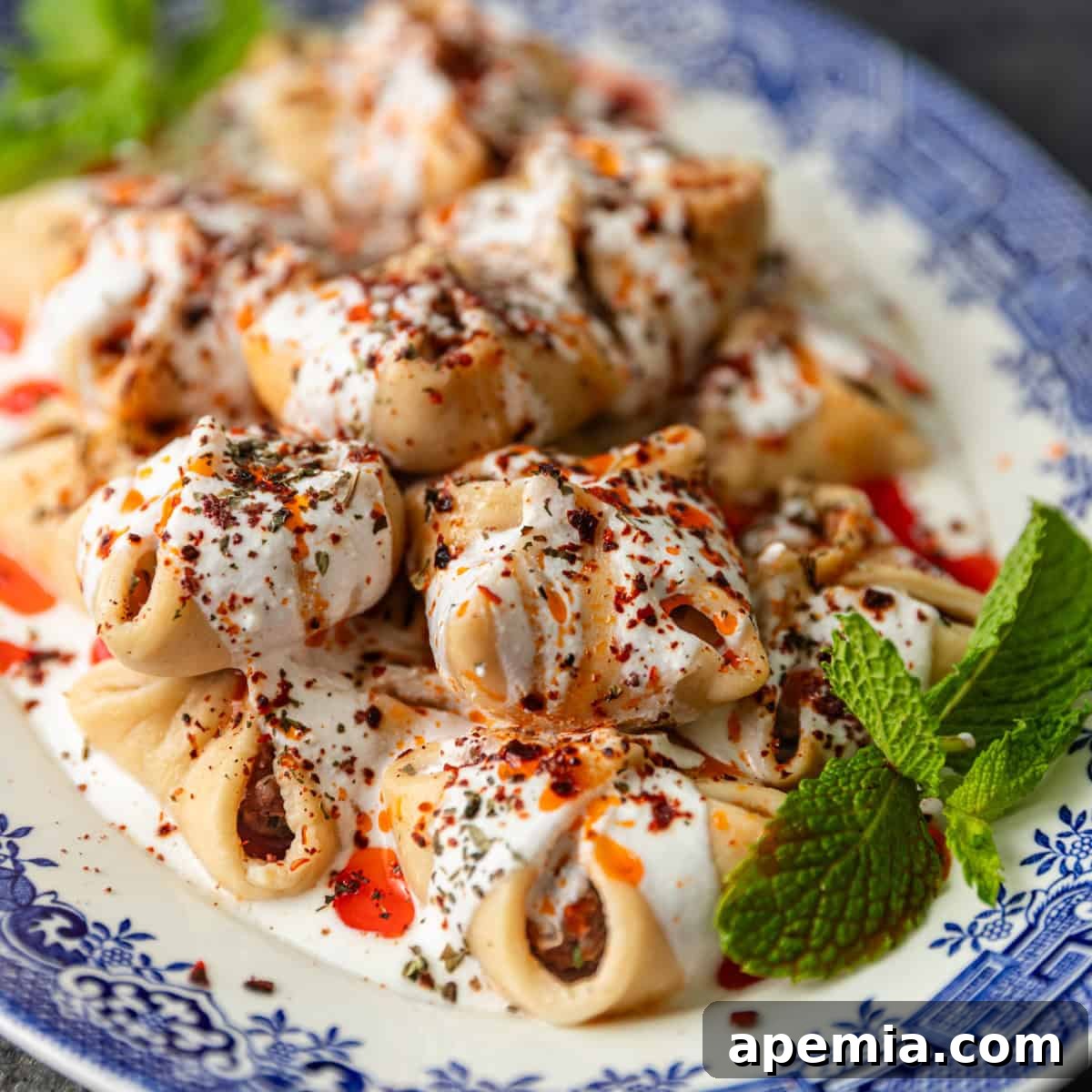
Authentic Turkish Manti Recipe: Savory Meat Dumplings
Is it a type of pasta? Is it a dumpling? However you choose to describe it, Turkish Manti is a culinary marvel that effortlessly blends the comforting familiarity of pasta with the hearty satisfaction of a dumpling. This exquisite dish, deeply rooted in Turkish tradition, promises to be the star of your dining table, offering a unique and unforgettable gastronomic experience.
What sets these Turkish dumplings apart is their delicate yet chewy dough, meticulously crafted from pasta flour. This special flour contributes to a resilient texture that perfectly encases a savory meat filling, a harmonious blend of finely ground beef (or lamb), aromatic herbs, rich tomato paste, pungent garlic, and sweet onions. Each tiny parcel is a testament to the intricate flavors and textures that define traditional Turkish cooking.
This Manti recipe is designed to yield between 36 and 40 delightful dumplings, depending on the precision of your dough squares. These generously sized portions make an excellent main course, especially when lavishly topped with the essential cooling yogurt and fiery chili sauces, which not only add moisture but also critical layers of flavor. To complete your authentic Turkish feast, consider serving Manti alongside a fresh, vibrant salad such as a Turkish beet salad, a bright tomato salad with pomegranate molasses, or a classic white bean salad (Piyaz).
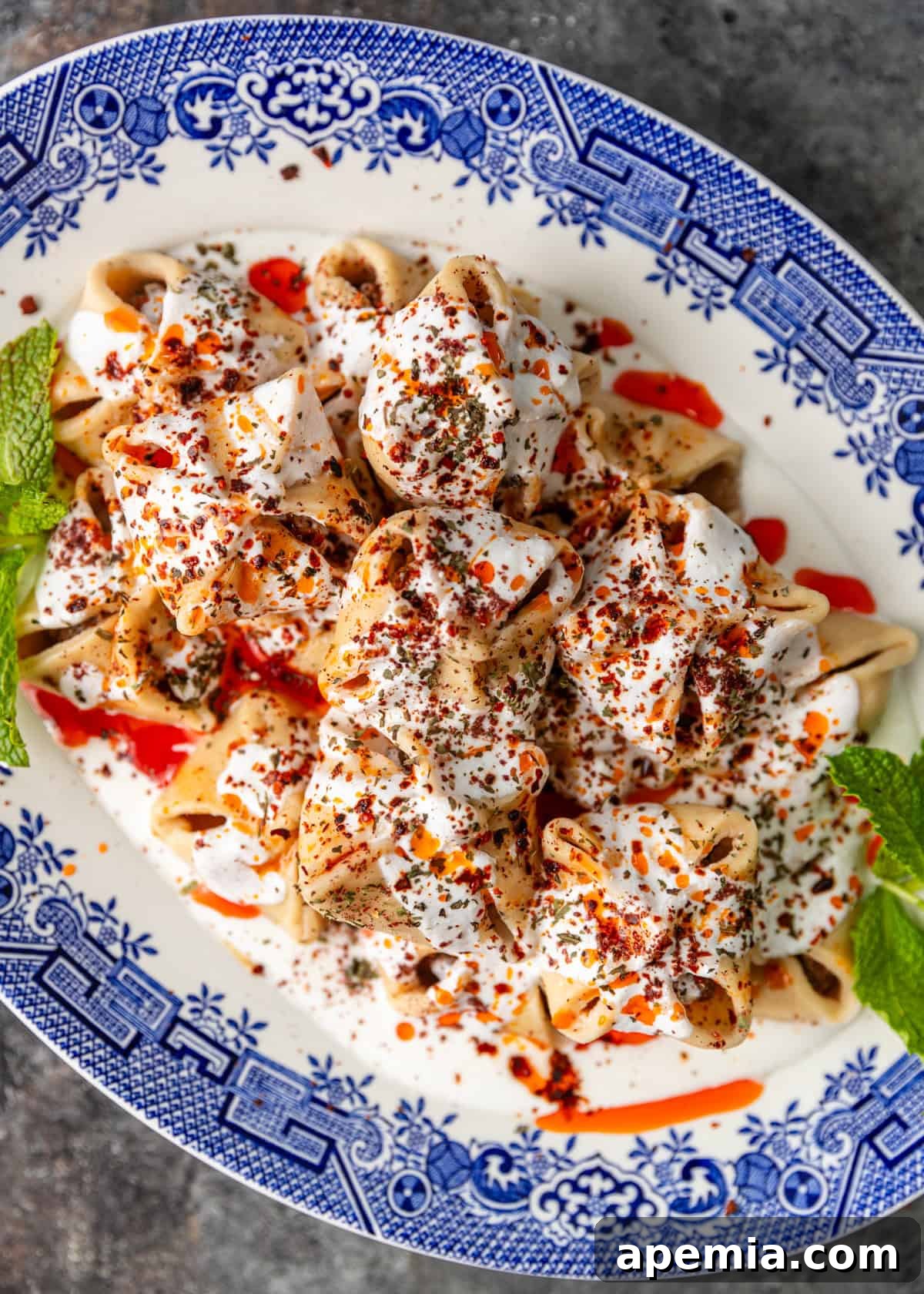
Table of Contents
- Introduction to Manti: A Culinary Gem
- The Secret to Perfect Manti Dough: 00 Flour
- Ingredient Notes and Smart Substitutions
- How to Make Turkish Manti: A Step-by-Step Guide
- Recommended Tools for Manti Making
- Storing and Reheating Manti
- Frequently Asked Questions About Turkish Manti
- Turkish Dumplings (Manti) Recipe
Introduction to Manti: A Culinary Gem
Manti is much more than just a dish; it’s a culinary journey through the heart of Turkish culture and history. These small, exquisite dumplings are a staple in Turkish homes and restaurants, revered for their rich flavors and intricate preparation. While dumplings exist in many cultures worldwide, Turkish Manti distinguishes itself with its specific dough, savory filling, and signature two-sauce accompaniment. It’s a dish that brings families together, often a labor of love shared among generations, making it not just food, but an experience.
My adaptation of this traditional Manti recipe draws inspiration from Rick Stein’s acclaimed “From Venice to Istanbul” – a true masterpiece of culinary exploration. This very book has also been the muse for several other beloved recipes I’ve shared, including my succulent Circassian chicken, the crispy Greek saganaki, the delightful Cilbir (Turkish eggs with yogurt), and my comforting Turkish orzo rice. Each recipe reflects a piece of the Silk Road’s rich gastronomic heritage, and Manti stands proudly among them.
The Secret to Perfect Manti Dough: The Magic of 00 Flour
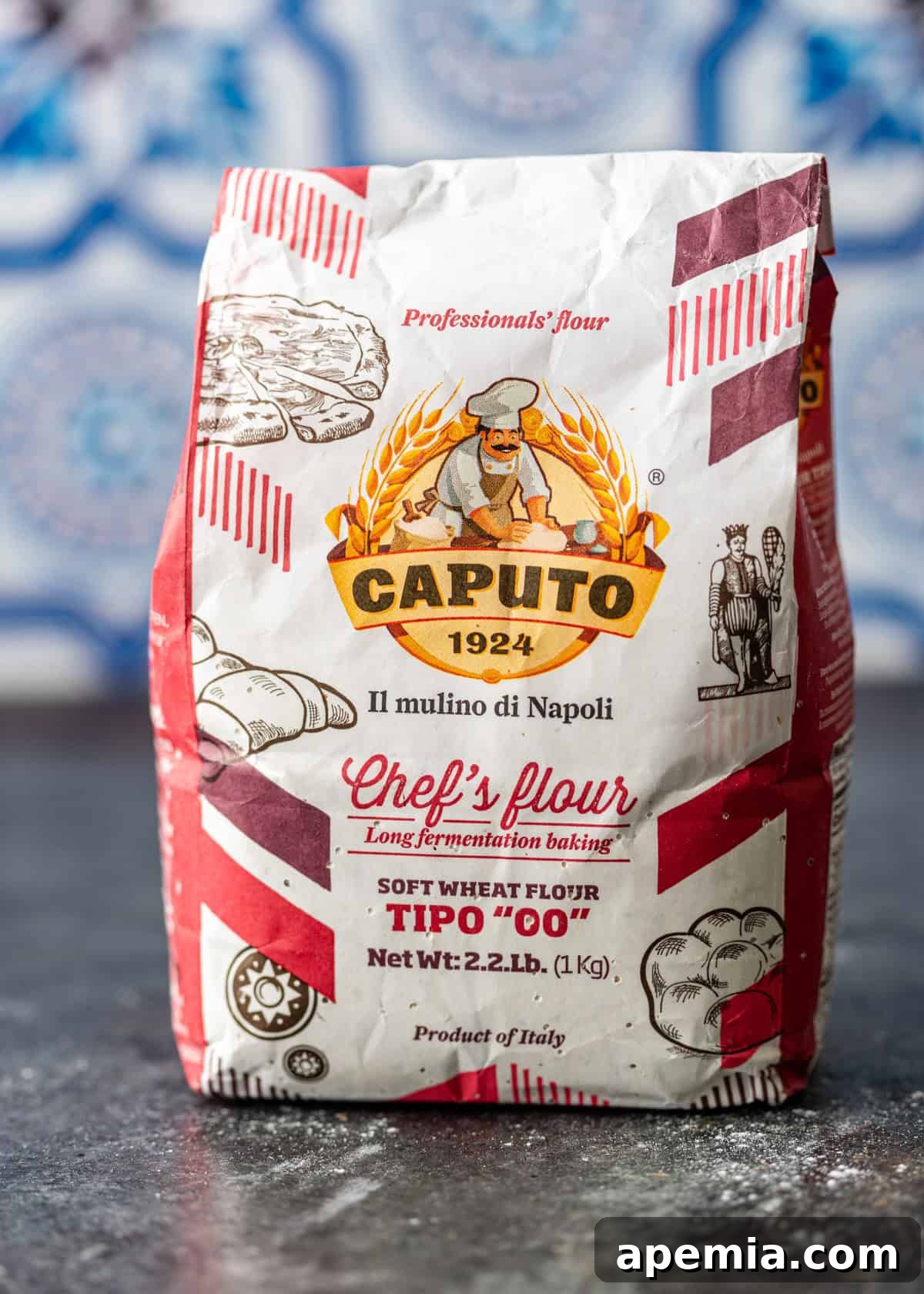
Achieving the authentic texture of Turkish Manti largely depends on the right flour. This recipe specifically calls for 00 flour, a finely milled Italian flour with a lower protein content compared to standard all-purpose (AP) flour. This characteristic makes 00 flour exceptional for pasta and dumplings, as it creates an incredibly smooth, elastic, and silky dough that is a joy to work with. The result is a tender dumpling with a delicate, melt-in-your-mouth texture that defines truly exceptional Manti. While AP flour can be used in a pinch, it typically yields a coarser, slightly denser, and chewier pasta, diverging from the traditional Manti experience. If 00 flour is difficult to find, you can try a blend of half bread flour and half all-purpose flour for a somewhat similar protein content and texture, though the fineness of the mill will still differ.
Ingredient Notes and Smart Substitutions
(For a complete list of ingredients and precise quantities, please refer to the recipe card below.)
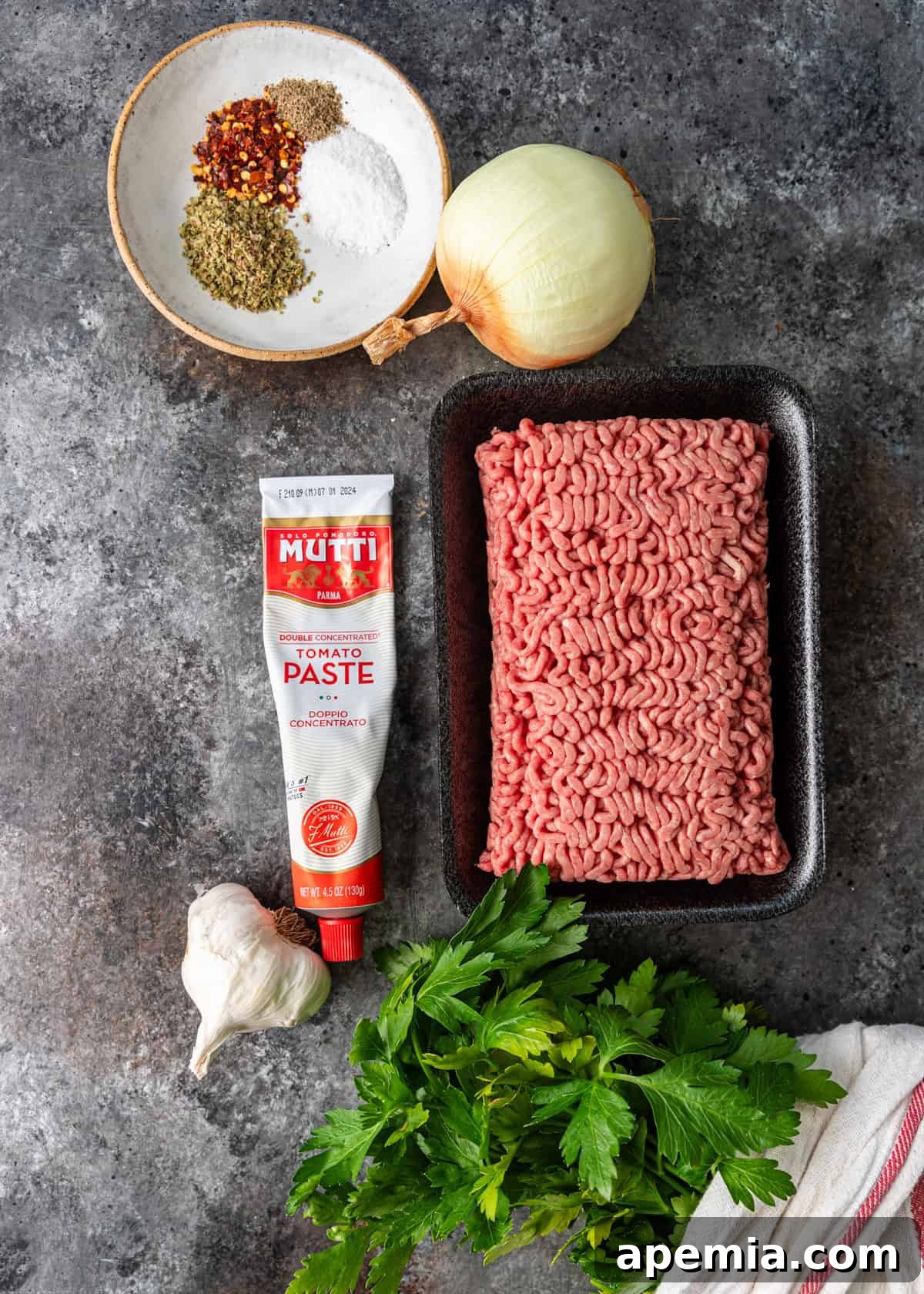
- Dough Essentials: The foundation of this Manti recipe is a remarkably simple yet effective combination of fresh eggs, kosher salt, and the star ingredient, pasta flour (00 flour). This finely ground, low-protein flour is crucial for achieving the tender, pliable dough that distinguishes authentic Turkish dumplings from other varieties worldwide.
- The Hearty Meat Filling: Our savory filling begins with lean ground beef, though traditionalists often opt for lamb for a richer flavor. This is complemented by finely diced onions and pungent minced garlic. The seasoning profile is what truly brings this filling to life:
- Fresh Herbs: A generous mix of vibrant, peppery flat-leaf parsley and aromatic, slightly bitter oregano. For an adventurous twist, consider experimenting with cilantro for a brighter note, or a hint of rosemary or thyme for earthier undertones.
- Tomato Paste: Just a tablespoon of concentrated tomato paste adds a vital touch of acidity and brightness, deepening the savory notes. In a pinch, an equal amount of tomato puree works well, or even a small dollop of ketchup if you’re truly out of options, though the flavor will be sweeter.
- Spicy Kick: Red pepper flakes provide a gentle warmth. Adjust to your preference, or substitute with mild paprika for a smokier, less intense heat, chili powder for a medium kick, or a tiny dash of cayenne for serious heat.
- Black Pepper & Salt: Essential for rounding out the flavors.
- Cooling Yogurt Dressing: This indispensable sauce is wonderfully simple and effective, made from creamy plain Greek yogurt, a splash of water to achieve the perfect consistency, and a pinch of salt. For an extra layer of freshness, a clove of minced garlic can be added to the yogurt.
- Fiery Chili Dressing: The contrasting heat comes from a rich red pepper paste (Biber Salçası), ideally homemade Turkish pepper paste for authentic flavor, combined with aromatic dried mint and quality olive oil. If you prefer, fresh mint can be finely chopped and added instead of dried. For those who crave more heat, a hotter chili paste like harissa can be used, or you can infuse the olive oil with more red pepper flakes for a spicier drizzle.
How to Make Turkish Manti: A Step-by-Step Guide
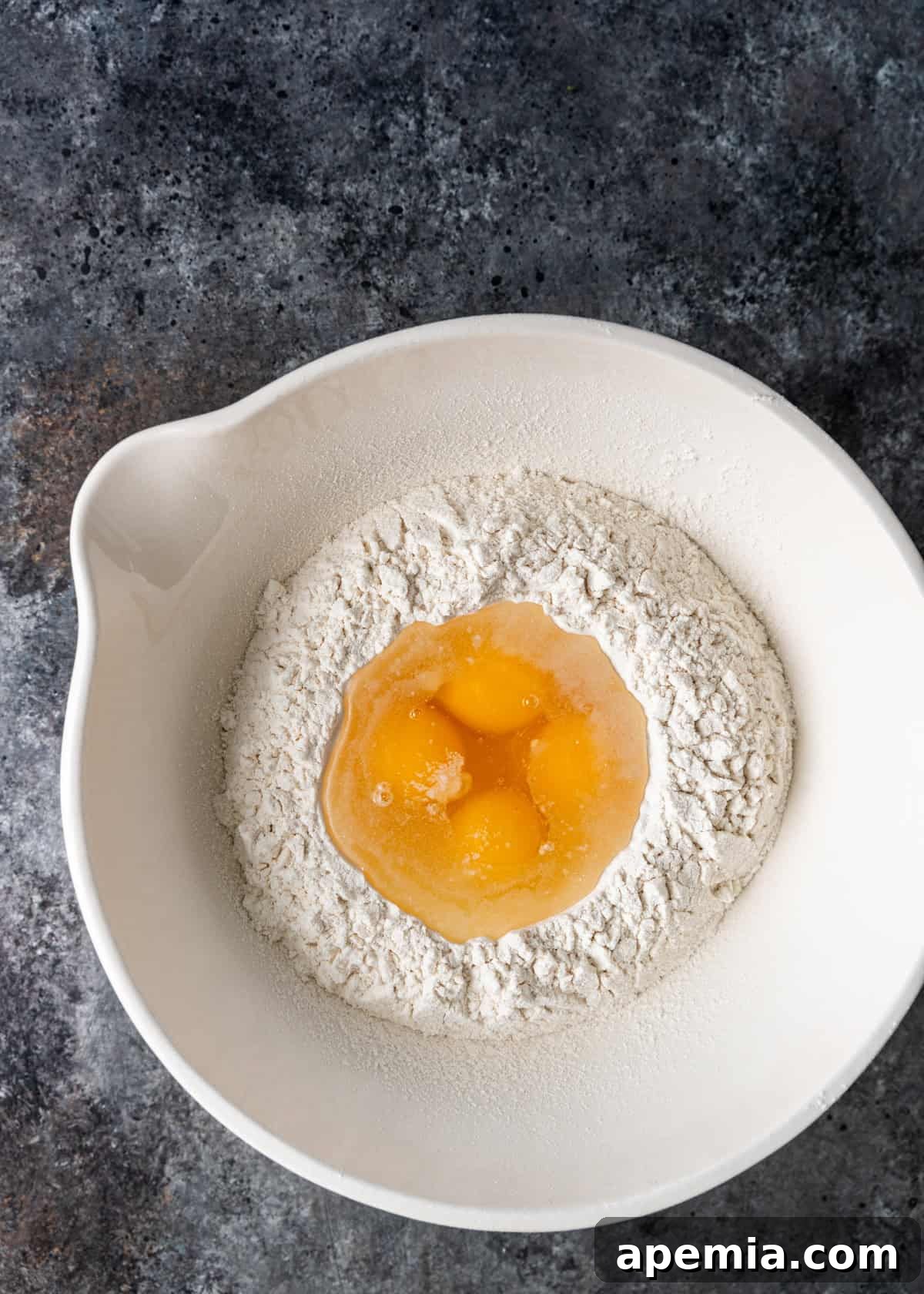
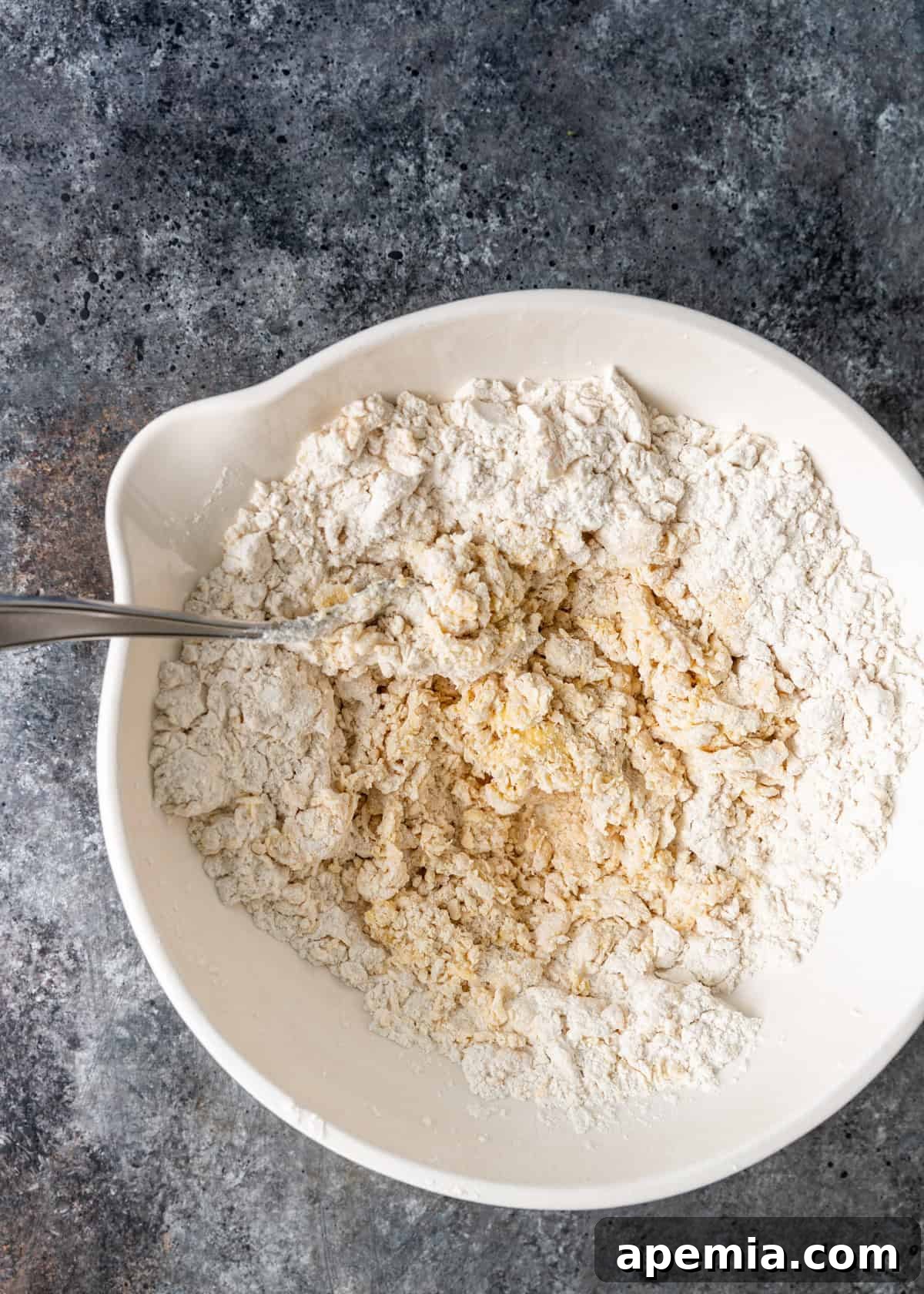
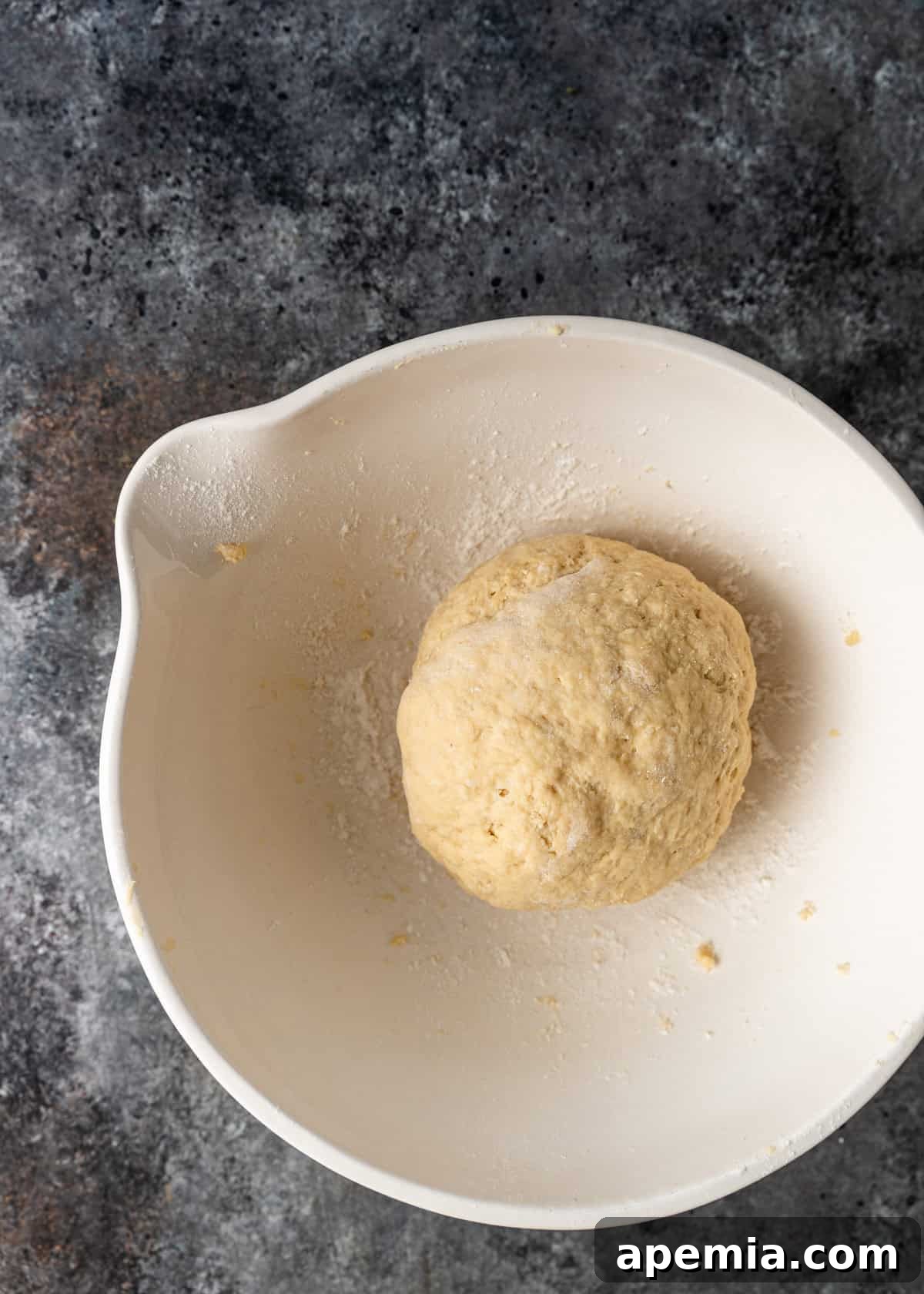
- Prepare the Silky Dough: In a large mixing bowl, add your 00 pasta flour and create a well in its center. Crack the eggs into this well, then add the kosher salt. Using a fork, begin whisking the ingredients from the center outwards, gradually incorporating the flour until a shaggy dough forms. Finish by kneading with your hands until the dough becomes smooth, elastic, and forms a cohesive ball. Cover the dough with a clean tea towel and let it rest for at least 20 minutes; this crucial step allows the gluten to relax, making the dough easier to roll.
- Craft the Aromatic Filling: While the dough rests, prepare your flavorful meat filling. In a separate bowl, combine the ground beef, chopped flat-leaf parsley, oregano leaves, minced garlic, diced yellow onion, tomato paste, red pepper flakes, ground black pepper, and kosher salt. Mix thoroughly by hand until all ingredients are well incorporated and the mixture is uniform. Cover and set aside.
- Mix the Essential Dressings: Prepare your accompanying sauces. For the yogurt dressing, combine plain Greek yogurt, water, and kosher salt in a bowl. Whisk until smooth and refrigerate until serving to ensure it’s delightfully cool. For the chili dressing, mix the olive oil and red pepper paste (and dried mint) in another bowl. Stir well, cover, and set aside at room temperature.
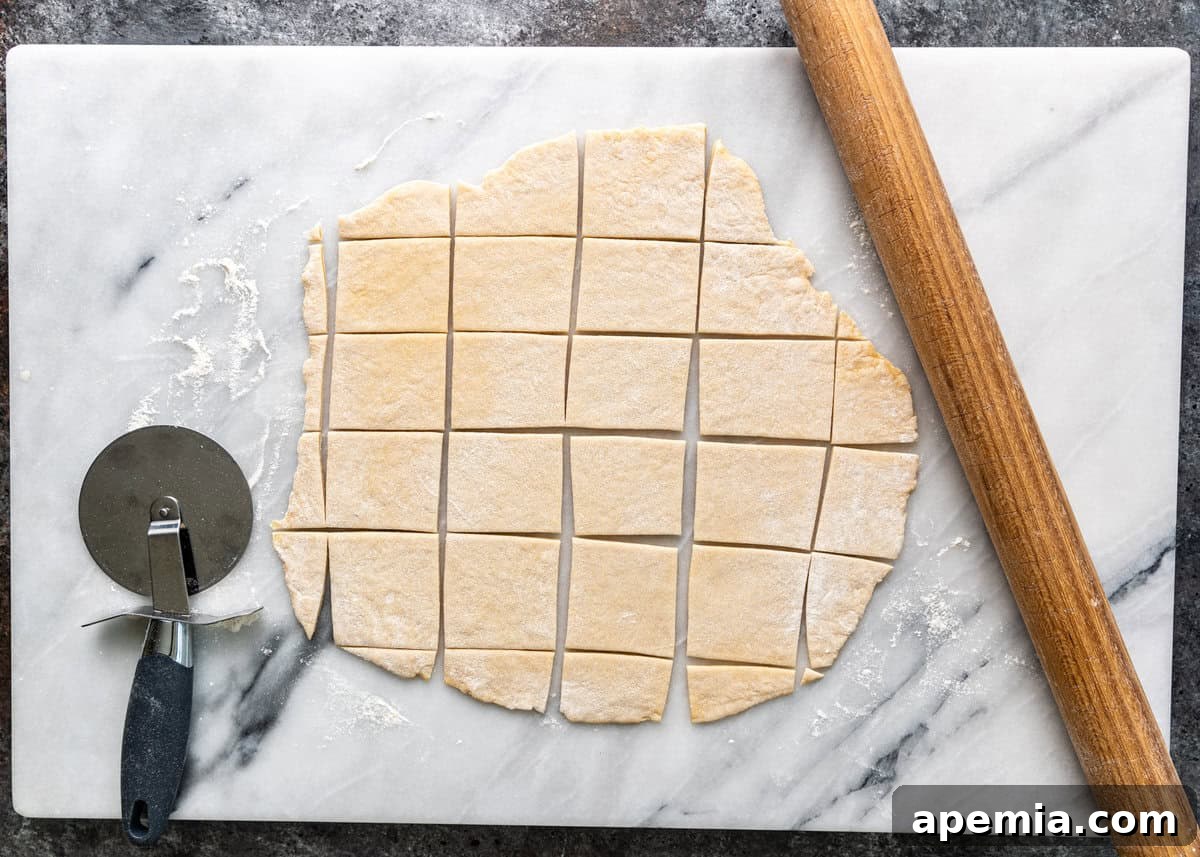
- Shape the Dough Squares: Transfer the rested dough to a clean, lightly floured surface. Using a rolling pin, roll the dough out evenly until it’s approximately ⅛-inch thick – aim for thinness without tearing. Alternatively, a pasta machine can achieve consistent thickness. Then, with a pizza cutter or a sharp paring knife, cut the dough into uniform 2-inch squares. Gather any dough scraps, re-roll them, and cut more squares to minimize waste.
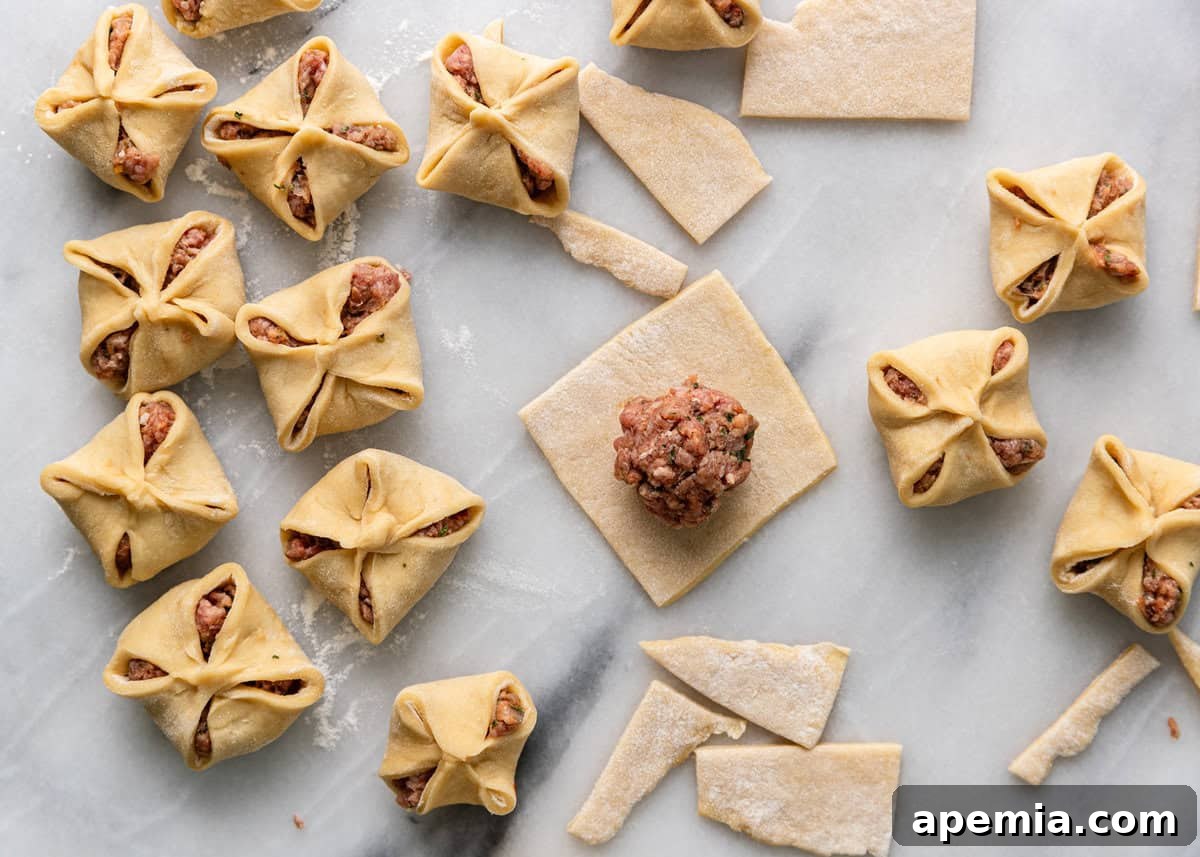
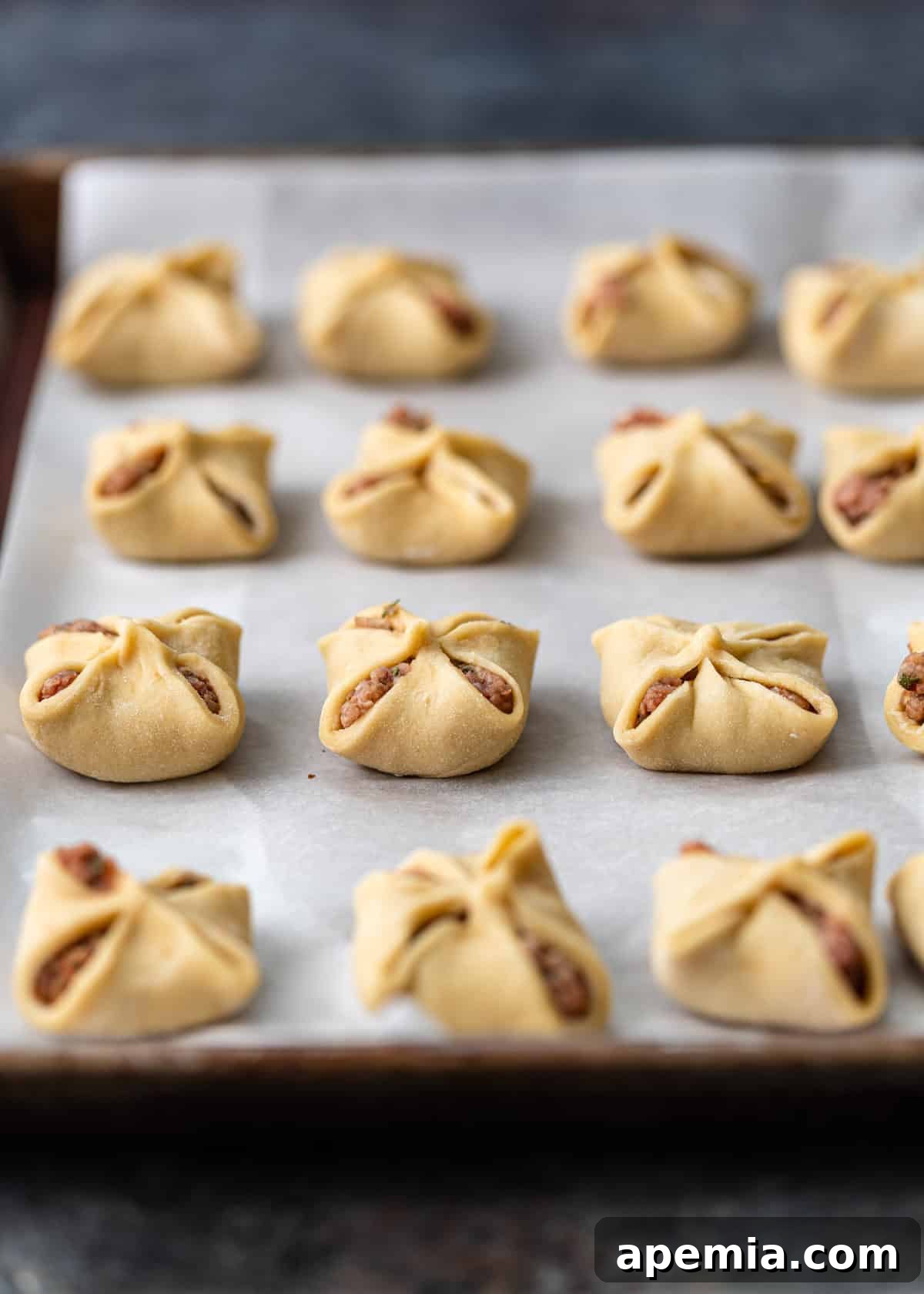
- Fill and Form the Star-Shaped Dumplings: Place about 2 teaspoons of the meat filling into the center of each dough square. To form the iconic star shape, gently pull up the four corners of the square to meet directly in the center, over the filling. Pinch the corners firmly together, and then pinch the sides where they meet to fully seal the dumpling, ensuring no filling escapes during cooking. Arrange the shaped dumplings on baking sheets lined with parchment paper to prevent sticking as you continue forming the rest.
- Cook to Perfection: Bring a large pot of generously salted water to a rolling boil. Once boiling, reduce the heat to a gentle simmer. Carefully add the Manti dumplings to the simmering water. They should sink to the bottom initially. Stir gently and continuously for the first minute or two to prevent them from sticking to the bottom of the pot. Cook for approximately 4 minutes, or until the dumplings float to the surface and are tender yet still have a slight bite (al dente).
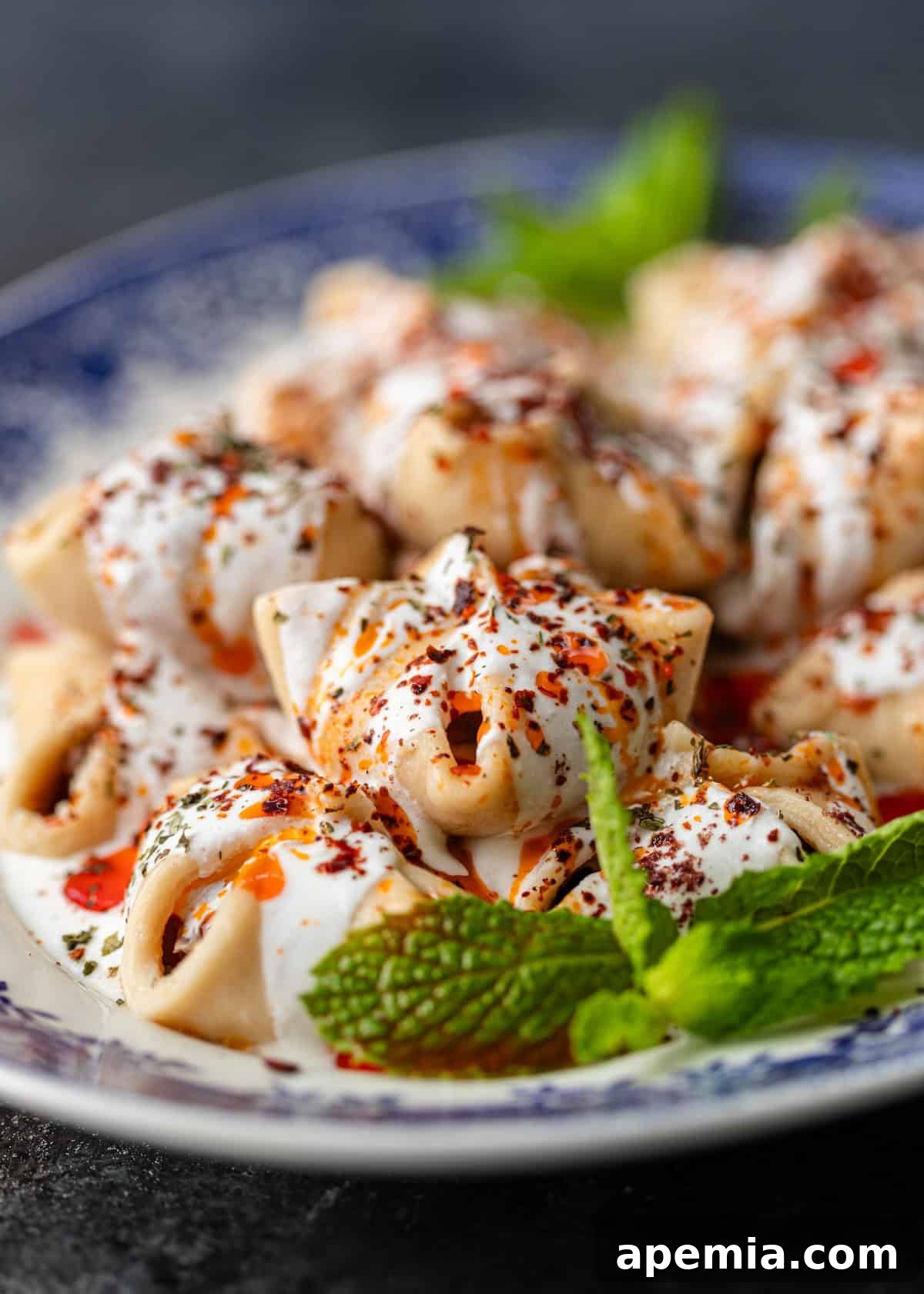
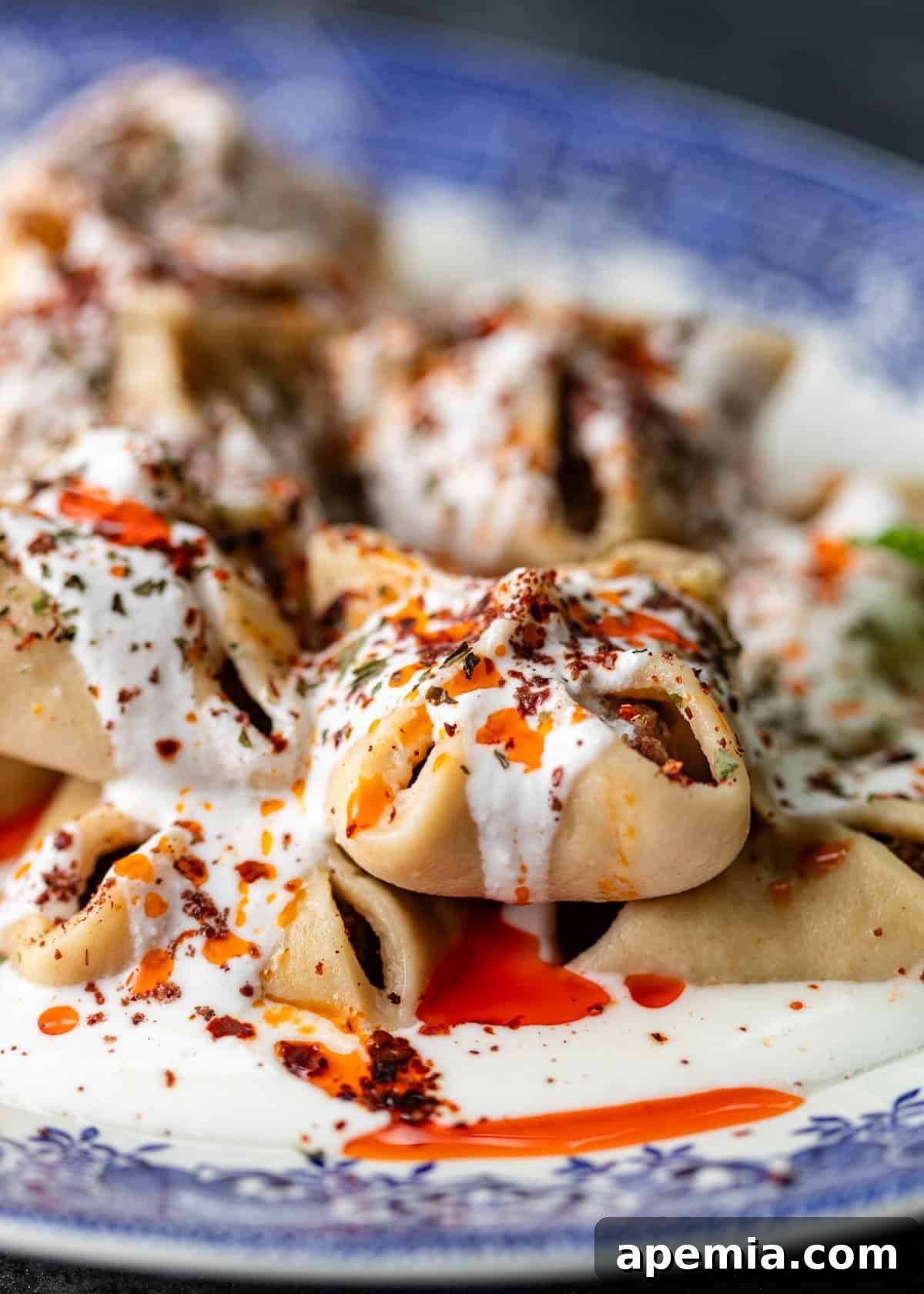
- Serve Immediately: Using a slotted spoon, drain the cooked Manti thoroughly. Serve them immediately in individual bowls or on a large serving platter. Spoon generous dollops of the chilled yogurt dressing over the hot dumplings, then drizzle with the fiery chili dressing. Finish with a sprinkle of dried mint for an authentic touch and added fragrance. Enjoy this homemade Turkish delight!
Recommended Tools for Manti Making
While Manti can be made with basic kitchen tools, having the right equipment can significantly streamline the process and enhance your experience:
- Baking Trays: Essential for resting your raw, shaped dumplings before they hit the boiling water. Lining them with parchment paper ensures they don’t stick and makes cleanup a breeze.
- Rolling Pin: A good quality rolling pin is crucial for achieving thin, even dough. In a pinch, a clean wine bottle or a sturdy, straight glass bottle can work as a makeshift rolling pin.
- Pizza Cutter: Ideal for quickly and accurately cutting the rolled-out dough into uniform squares. A sharp paring knife is an excellent alternative if you don’t have a pizza cutter, offering precise cuts.
- Large Pot: A spacious pot is needed to boil the Manti. Ensure it’s large enough for the dumplings to move freely, preventing them from clumping together.
- Slotted Spoon or Spider Skimmer: For easily transferring the cooked Manti from the boiling water to your serving dishes without losing the delicate dumplings.
Storing and Reheating Manti
Turkish Manti, whether cooked or uncooked, can be stored effectively to enjoy later. Cooked Manti can be refrigerated in an airtight container for up to 4 days. When reheating, avoid the microwave if possible, as it can make the dough tough. Instead, gently reheat on the stovetop by adding the dumplings to a pan with a small amount of water or broth, covering it, and allowing them to steam gently until warmed through. This method helps retain their tender texture.
For uncooked Manti, this recipe is excellent for making ahead and freezing. Arrange the freshly shaped, uncooked dumplings in a single layer on a parchment-lined baking sheet and freeze until solid (about 1-2 hours). Once frozen, transfer them to a freezer-safe bag or container. They can be stored in the freezer for up to 3 months. When ready to cook, simply add them directly to boiling water (no need to thaw), though they will require a slightly longer cooking time, typically around 8-10 minutes.
Share this recipe on Pinterest!
Love this authentic Turkish Manti recipe? Share it with your friends and followers on Pinterest!
Pin Recipe on Pinterest
Frequently Asked Questions About Turkish Manti
Are manti and mandu the same thing?
While both Manti and Mandu are types of savory dumplings found across various cuisines, they are distinct. Turkish Manti are typically boiled or sometimes baked, filled primarily with seasoned beef or lamb, and characterized by their thin, pasta-like dough, often made with 00 flour. Mandu, on the other hand, are Korean dumplings that boast a wider variety of fillings, frequently incorporating diverse meats and vegetables, notably kimchi, which is a cornerstone of Korean cuisine. The dough for Mandu also differs, not commonly utilizing the fine pasta flour found in Manti, leading to noticeable differences in texture and overall culinary profile.
What are the different types of Turkish manti?
Manti-style dumplings, given their ancient origins along the Silk Road, display fascinating regional variations across Turkey and beyond. These variations can differ significantly in size, filling, cooking method, and accompanying sauces.
- Kayseri Manti: Perhaps the most famous and widely recognized, Kayseri Manti are renowned for their incredibly small size and thin dough. The saying goes that a skilled cook in Kayseri can fit forty dumplings on a single spoon! They are typically boiled and served with copious amounts of garlic yogurt and spiced butter.
- Tepsi Mantısı: This translates to “tray manti” and refers to a baked version. The dumplings are arranged in a large tray, often with a tomato sauce, and baked until golden and crispy, then served with yogurt.
- Sıvama Manti (or Yüksük Çorbası): More of a soup, these are tiny, thimble-sized dumplings typically cooked in a broth with chickpeas and often served with yogurt.
- Crimean (Tatar) Manti: Larger than Kayseri manti, these are often steamed and filled with lamb or a mix of lamb and beef, sometimes with added potatoes or pumpkin.
Our recipe for Turkish Manti falls into the classic boiled category, offering a beautiful balance of flavors and textures that capture the essence of this beloved dish.
Can you cook manti from frozen?
Absolutely! Preparing Manti in advance and freezing them is a fantastic way to enjoy this delicious dish with less effort on busy days. You can add the frozen dumplings directly to a pot of boiling water – there’s no need to thaw them beforehand. However, do bear in mind that frozen Manti will require a longer cooking time compared to fresh ones. While fresh Manti typically cook in about 4 minutes, frozen Manti will usually take closer to 8 to 10 minutes to become tender and thoroughly cooked. Ensure they float to the surface and are soft to the touch before draining and serving.
Turkish Dumplings (Manti)
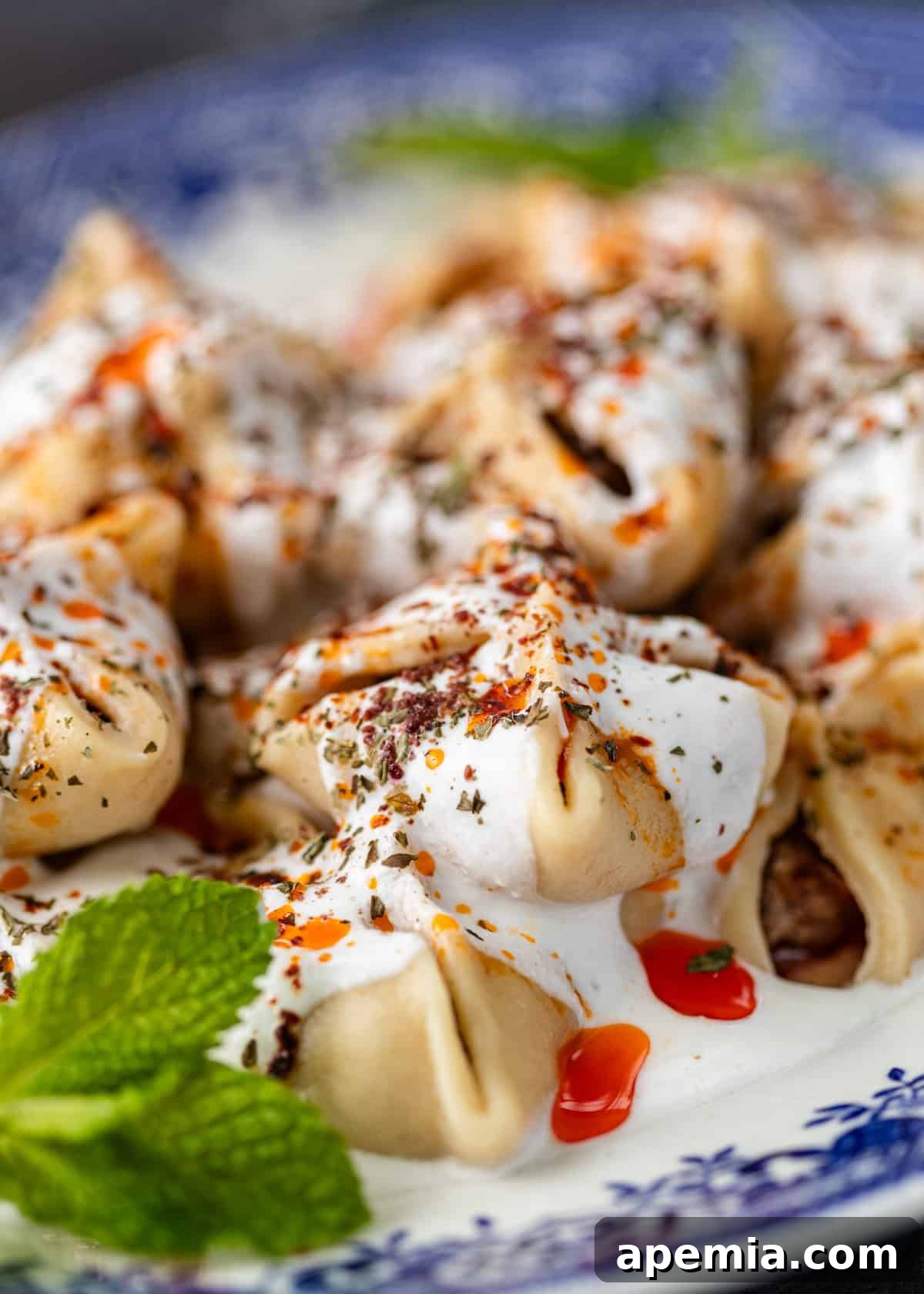
These Manti are plump, savory Turkish pasta-like dumplings filled with a spiced beef filling and doused in refreshing yogurt and fiery chili sauces. A truly authentic and satisfying meal!
Prep Time: 1 hr
Cook Time: 4 mins
Total Time: 1 hr 4 mins
Pin Recipe
Print Recipe
Ingredients
Dough
- 400 g 00 pasta flour
- 4 eggs
- 2 tsp kosher salt
Meat Filling
- 1 lb ground beef
- 1/4 cup flat leaf parsley, chopped
- 3 tbsp oregano leaves, chopped
- 2 cloves garlic, minced
- 1/2 medium yellow onion, diced
- 1 tbsp tomato paste
- 1 tsp red pepper flakes
- 1 tsp ground black pepper
- 1 tsp kosher salt
Yogurt Dressing
- 3/4 cup plain Greek yogurt
- 2 tbsp water
- 1/4 tsp kosher salt
Chili Dressing
- 4 tbsp olive oil (See Note 1)
- 2 tbsp red pepper paste (See Note 1)
- 2 tsp dried mint
Instructions
- Make the Dough: In a bowl, add the 00 pasta flour and create a well in the center. Beat the eggs and add them to the well along with the salt. Using a fork, start whisking from the middle and move outwards until the dough begins to come together. Then, mix by hand until the dough forms a smooth, elastic ball. Cover with a tea towel and let it rest for 20 minutes while you prepare the filling.
- Prepare the Filling: In a separate bowl, combine all the meat filling ingredients (ground beef, parsley, oregano, garlic, onion, tomato paste, red pepper flakes, black pepper, and salt). Mix thoroughly with your hands until well combined. Cover with a tea towel and set aside.
- Prepare Dressings & Trays: Line 2 baking trays with parchment paper and set aside. In one bowl, mix together the plain Greek yogurt, water, and kosher salt for the yogurt dressing; keep refrigerated until serving. In another bowl, mix together the olive oil, red pepper paste, and dried mint for the chili dressing; cover and set aside at room temperature.
- Roll and Cut the Dough: On a clean, lightly floured surface, roll the dough out to an ⅛-inch thickness. Alternatively, use a pasta machine for consistent results. Using a pizza cutter or a sharp paring knife, cut the dough into 2-inch squares. Re-roll any dough scraps to use as much of the dough as possible.
- Fill and Shape the Manti: Place about 2 teaspoons of the meat filling in the center of each dough square. Using your fingertips, pull up the four opposite corners of each square to meet in the center over the filling. Pinch the corners firmly together, and then pinch the sides where they meet to fully seal the dumpling into a star shape. Place the formed Manti on the prepared baking trays to dry slightly until ready to cook.
- Continue Shaping: Continue this process until all the dough and filling are used. The exact yield varies, but you should make between 36 and 40 Manti dumplings.
- Cook the Manti: Bring a large pot of salted water to a rolling boil. Reduce the heat to a gentle simmer, then carefully add the Manti dumplings. They should sink to the bottom initially. Gently stir the water for the first minute to ensure none stick to the bottom. Cook for about 4 minutes, or until the Manti float to the surface and are tender.
- Serve: Using a slotted spoon, drain the cooked Manti thoroughly. Serve immediately in individual bowls or on a large serving tray. Spoon generous amounts of the chilled yogurt sauce over the hot dumplings, then drizzle with the fiery chili dressing. Finish with an extra sprinkle of dried mint on top for garnish.
Notes
- If you do not have Turkish Pepper Paste (Biber Salçası) for the chili dressing, you can create a flavorful alternative. Melt 4 tablespoons of butter in a small pan until it starts to smell nutty and turns a golden brown. Take it off the heat and stir in 1 tablespoon of Aleppo chili flakes for a similar aromatic, mild heat.
- This recipe is adapted from Rick Stein’s excellent cookbook, From Venice to Istanbul.
Nutrition
The information shown is an estimate provided by an online nutrition calculator. It should not be considered a substitute for a professional nutritionist’s advice.
Cuisine: Turkish
Author: Kevin
Have You Made This Recipe? Let Me Know on Instagram!
Tag @keviniscooking or use the hashtag #keviniscooking to share your Manti creations!