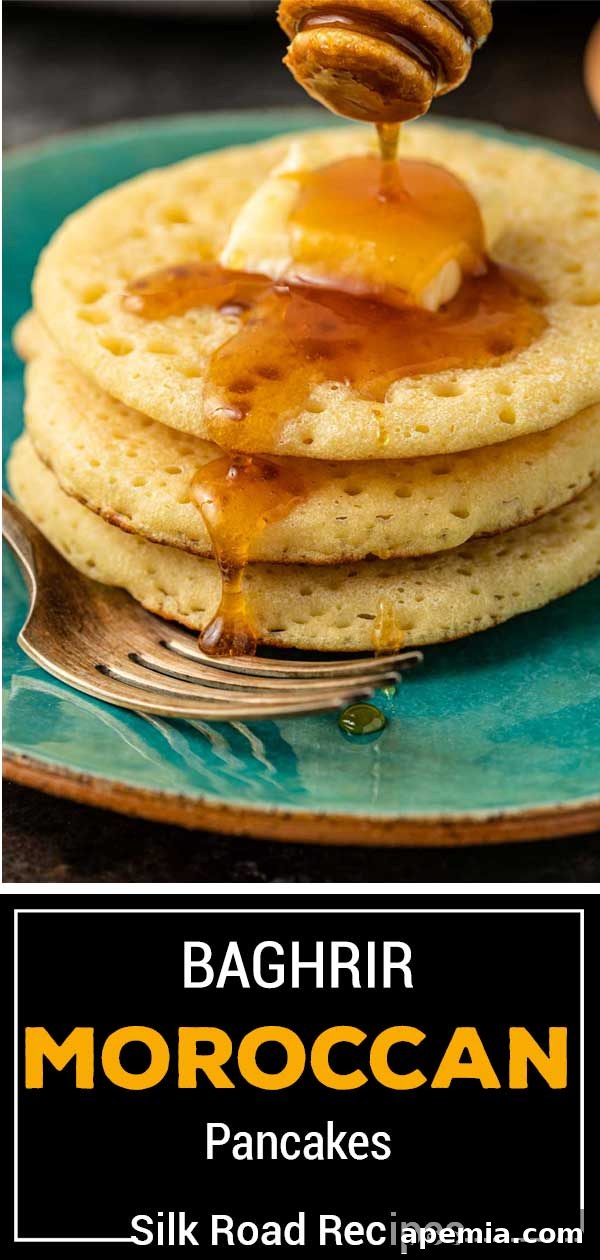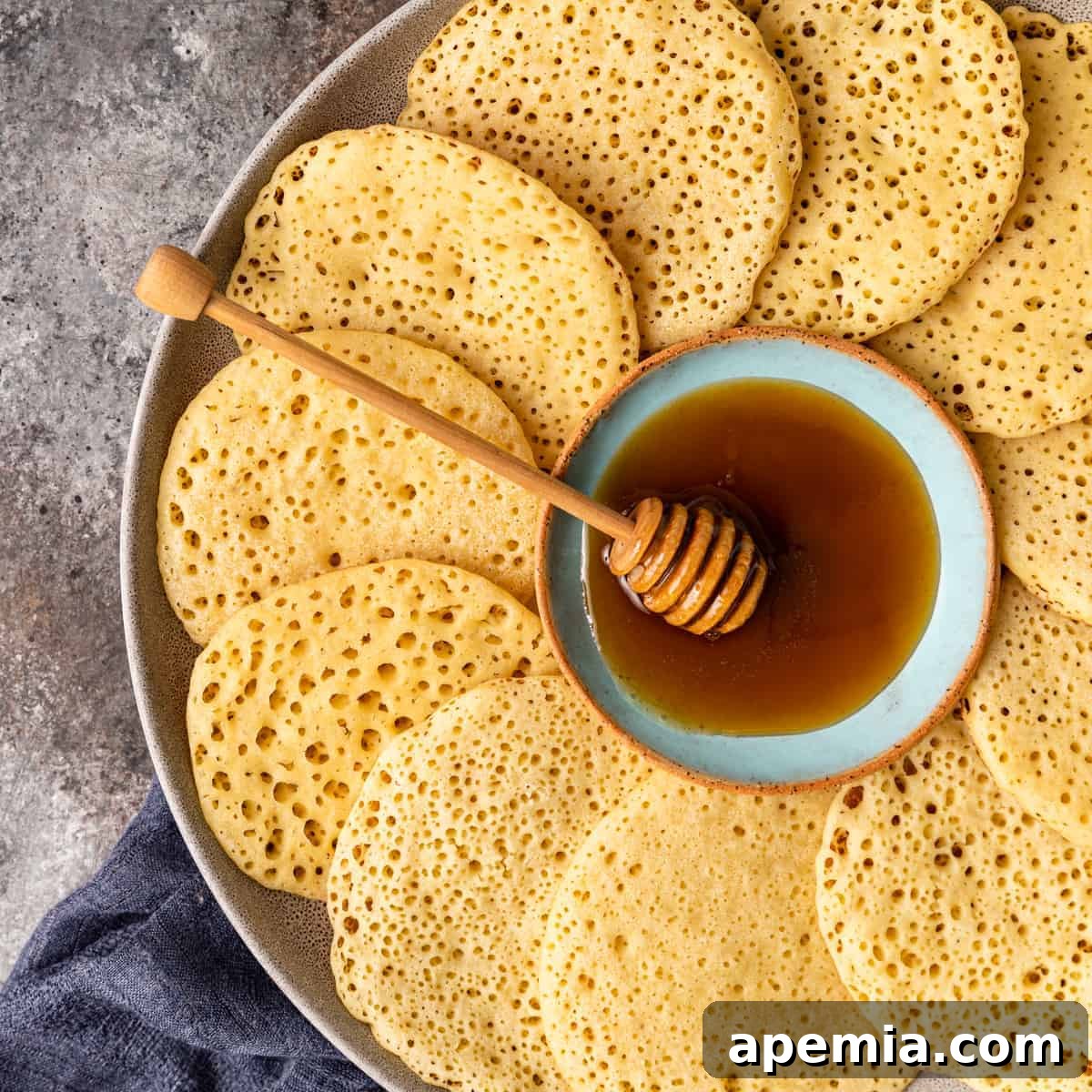
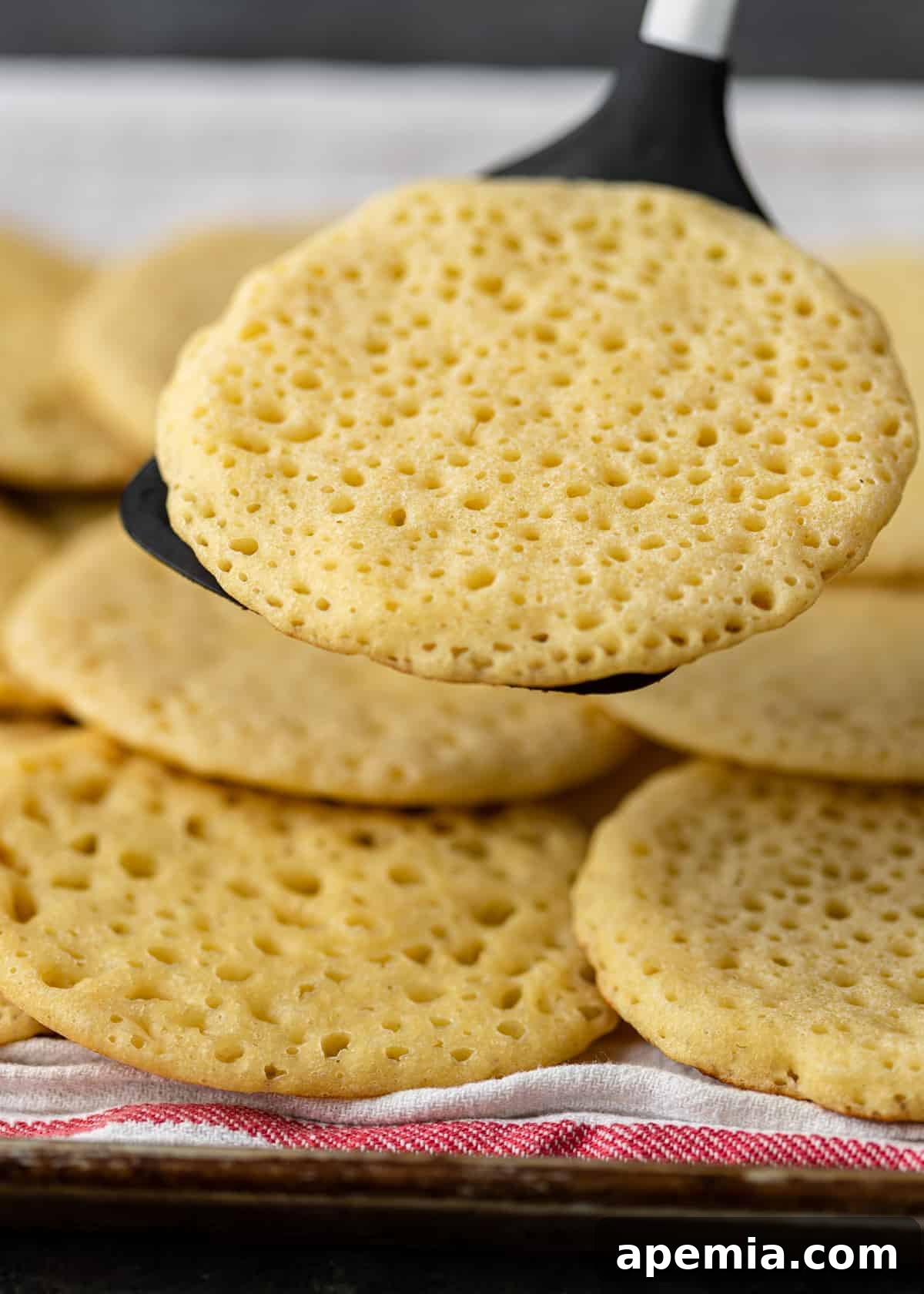
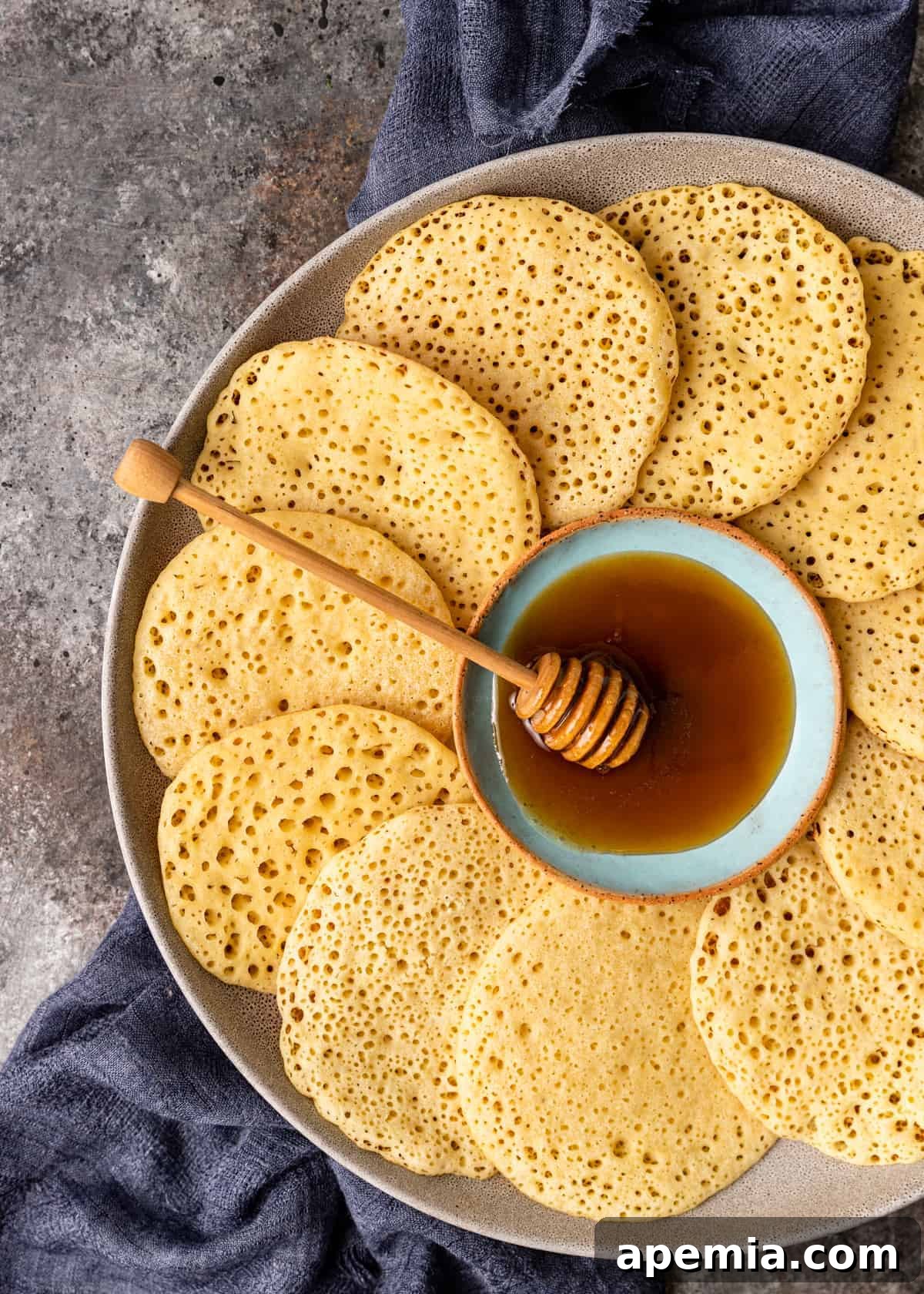
Baghrir, often lovingly referred to as “thousand hole pancakes,” are a true culinary marvel from Morocco. These lightly sweet, incredibly spongy pancakes are instantly recognizable by their signature porous surface, perfectly designed to absorb and hold delectable toppings like melted butter, rich honey, or any other sweet delight you choose. What makes this Moroccan pancake recipe even more appealing is its simplicity and speed – it’s just as quick and easy to prepare as traditional pancakes, if not easier, because there’s no need to flip them!
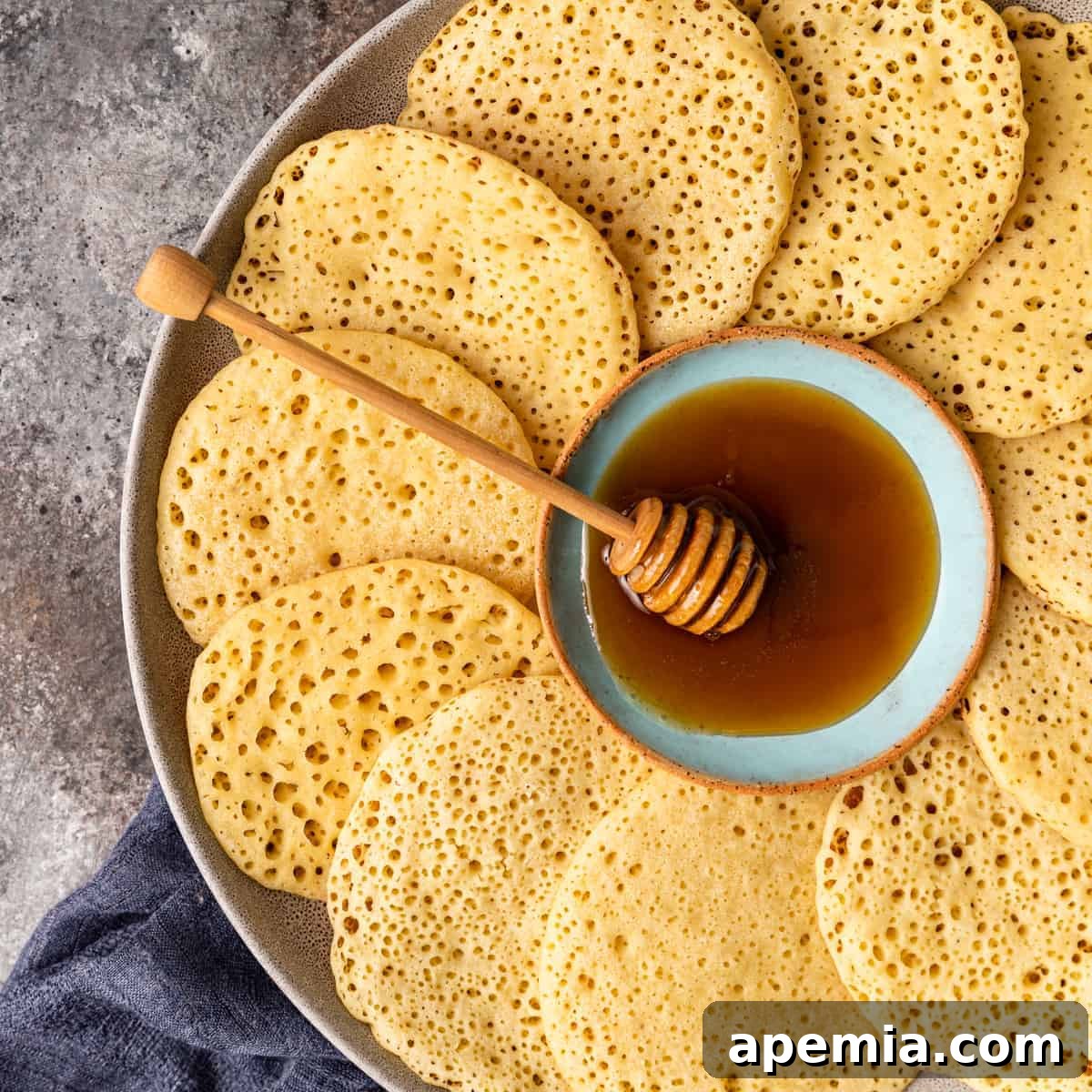
A beloved breakfast staple across Morocco, Baghrir pancakes are more akin to a crepe in their delicate structure than the thicker flapjacks common in North America, often earning them the moniker ‘Moroccan crepes.’ Despite their light form, they boast an extra spongy, fluffy, and airy texture that sets them apart. Each bite offers an intoxicating tanginess, a hallmark of yeast fermentation, balanced with a subtle sweetness. Because they are not overly sweet on their own, Baghrir truly shine when paired with simple yet classic toppings. A drizzle of melted butter, a generous pour of honey, or a combination of both creates a truly authentic experience.
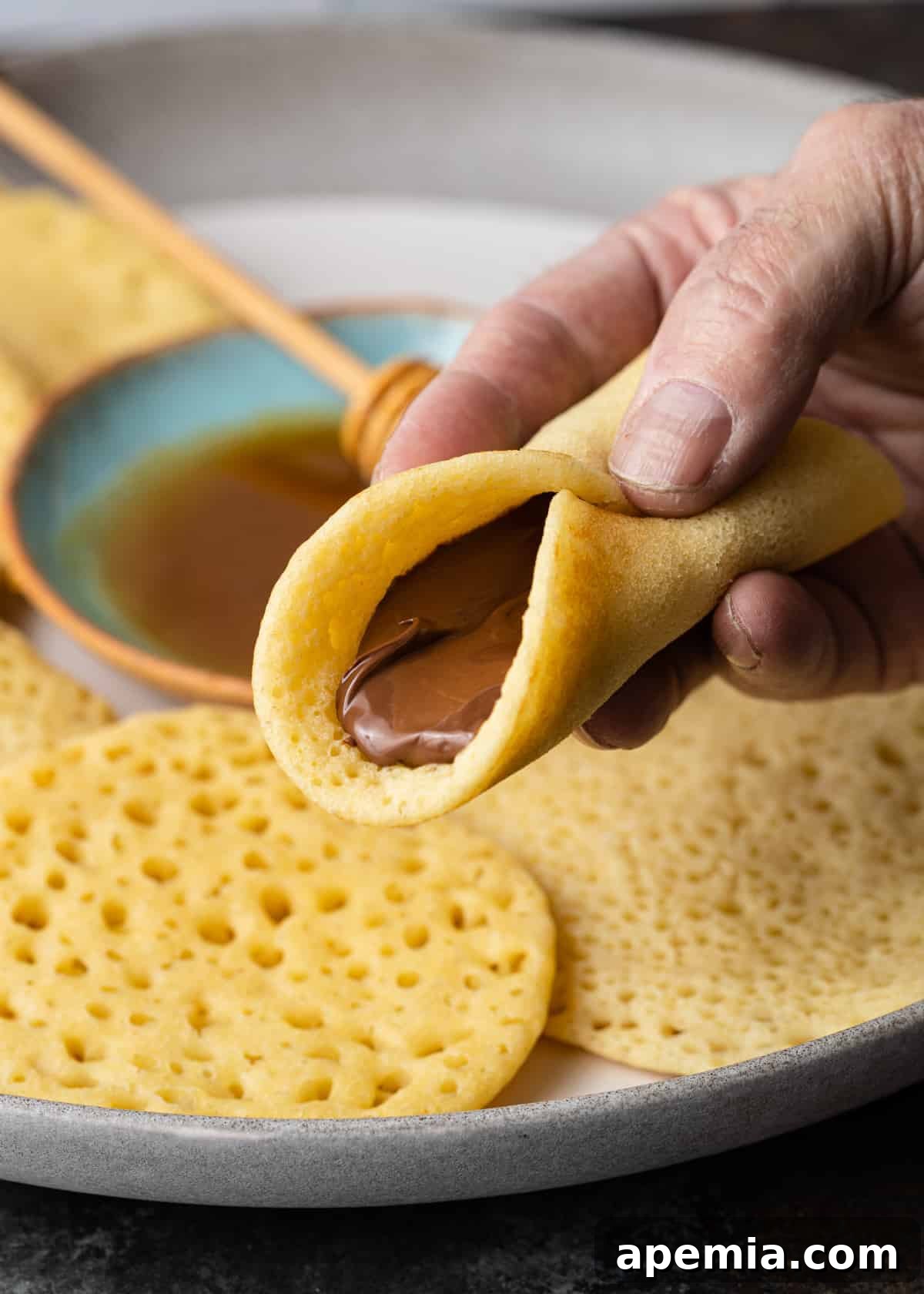
Beyond the traditional, these versatile pancakes are also wonderfully delicious with a spread of sweet, fruity jam or a tangy chutney. For those seeking a unique flavor adventure, I highly recommend a cranberry apple chutney or a spiced Major Grey chutney. And for the chocolate lovers, a heaping spread of creamy Nutella is an irresistible indulgence that takes these pancakes to another level! Whether you’re preparing them for a festive Ramadan meal or simply a delightful weekend breakfast, Baghrir are guaranteed to be a hit with all ages.
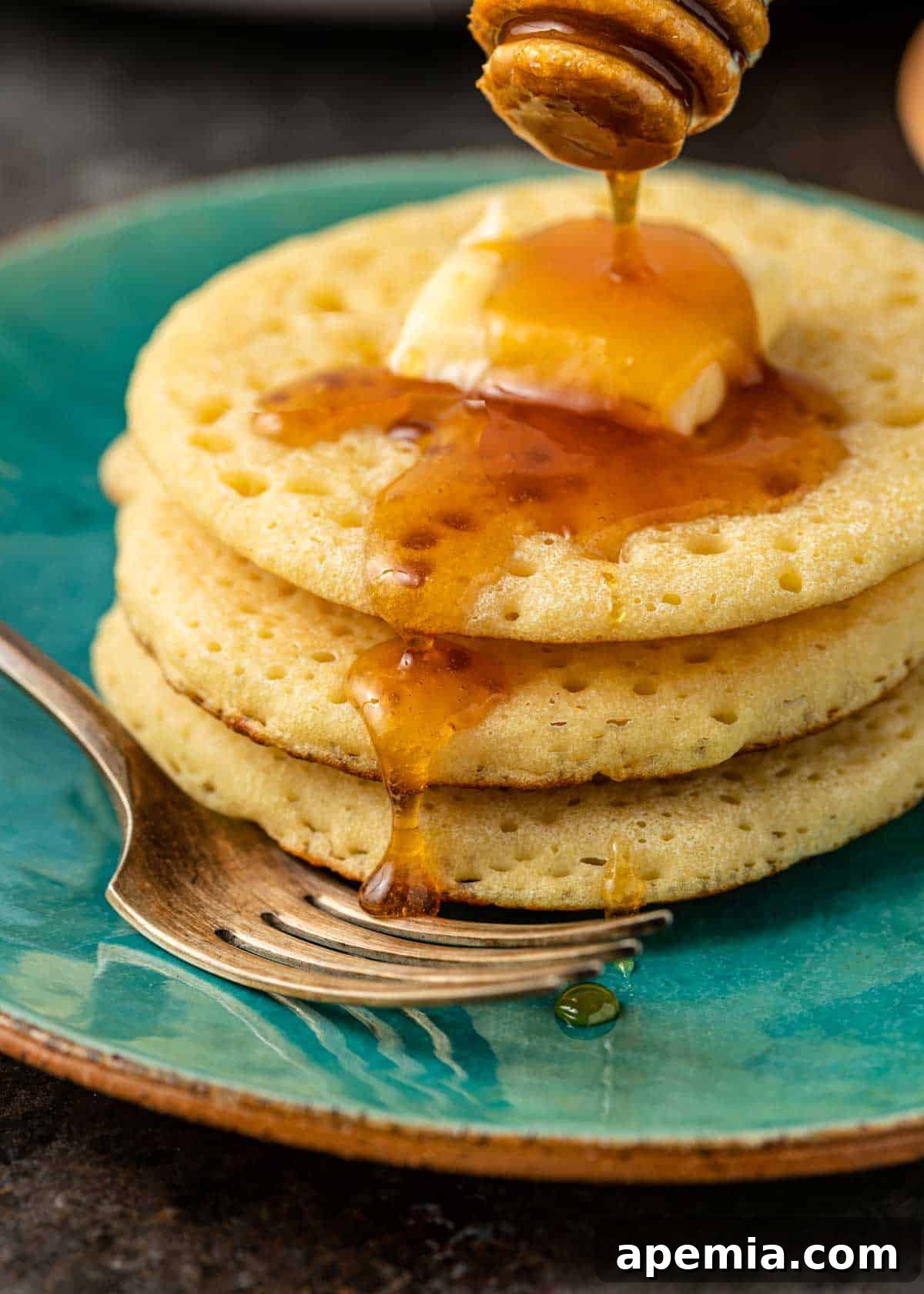
Table of Contents
- Crafting the Perfect Baghrir Batter
- Essential Ingredients and Smart Substitutions
- Mastering Baghrir: Step-by-Step Instructions
- Recommended Kitchen Tools for Success
- Storing and Reheating Your Baghrir
- Frequently Asked Questions About Baghrir
- Authentic Moroccan Pancakes (Baghrir) Recipe
Making Baghrir is a surprisingly straightforward process, delivering immense satisfaction and delight. Their unique texture and delicate flavor make them a standout dish, perfect for any occasion. Whether you’re seeking a special treat to break your fast during Ramadan or simply looking to introduce an exciting new favorite to your breakfast repertoire, this Baghrir recipe is the perfect choice to embark on a culinary journey to Morocco.
Tip From Kevin
Crafting the Perfect Baghrir Batter: The Secret to Those Holes
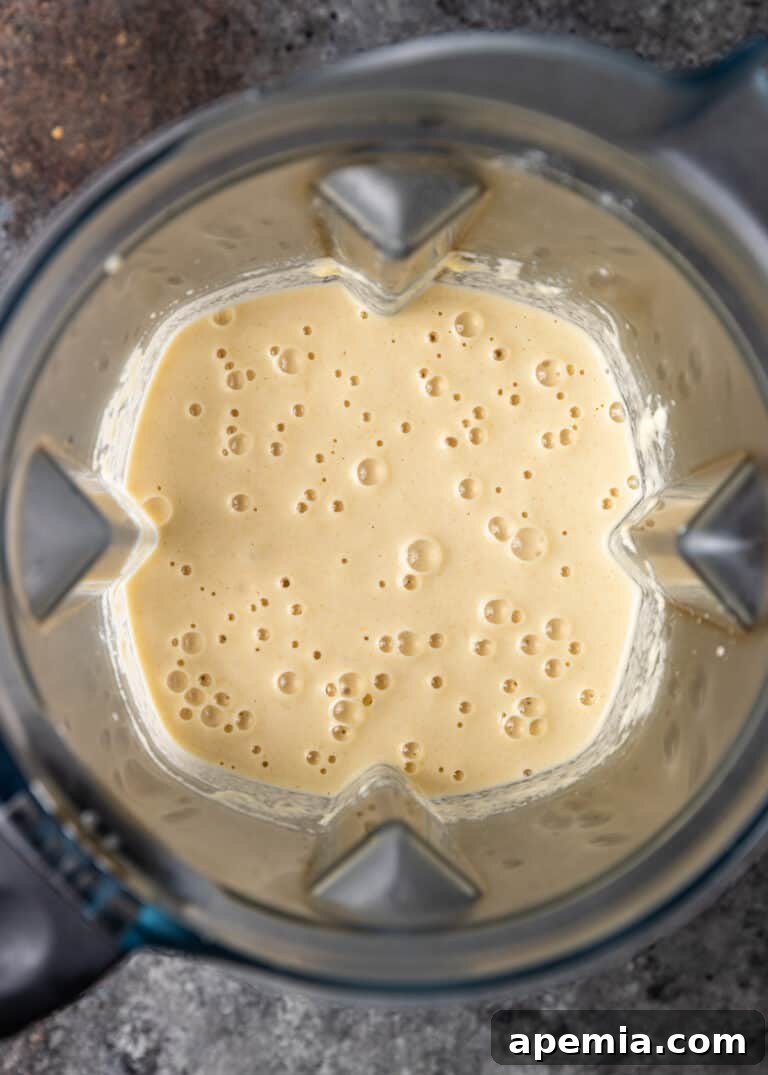
The secret to perfect Baghrir lies in its batter consistency. It should be noticeably loose, runny, and easy to pour, allowing it to spread effortlessly across the pan. Unlike traditional pancake batter, it should not be thick or lumpy. If your batter appears too thick after resting, don’t fret! Simply incorporate a tablespoon of water at a time, whisking gently until the desired fluid consistency is achieved. This thinness is crucial for the magical “thousand holes” to form as the Baghrir cooks.
Essential Ingredients and Smart Substitutions for Authentic Baghrir
(For a complete list of precise ingredients and quantities, please refer to the recipe card below.)
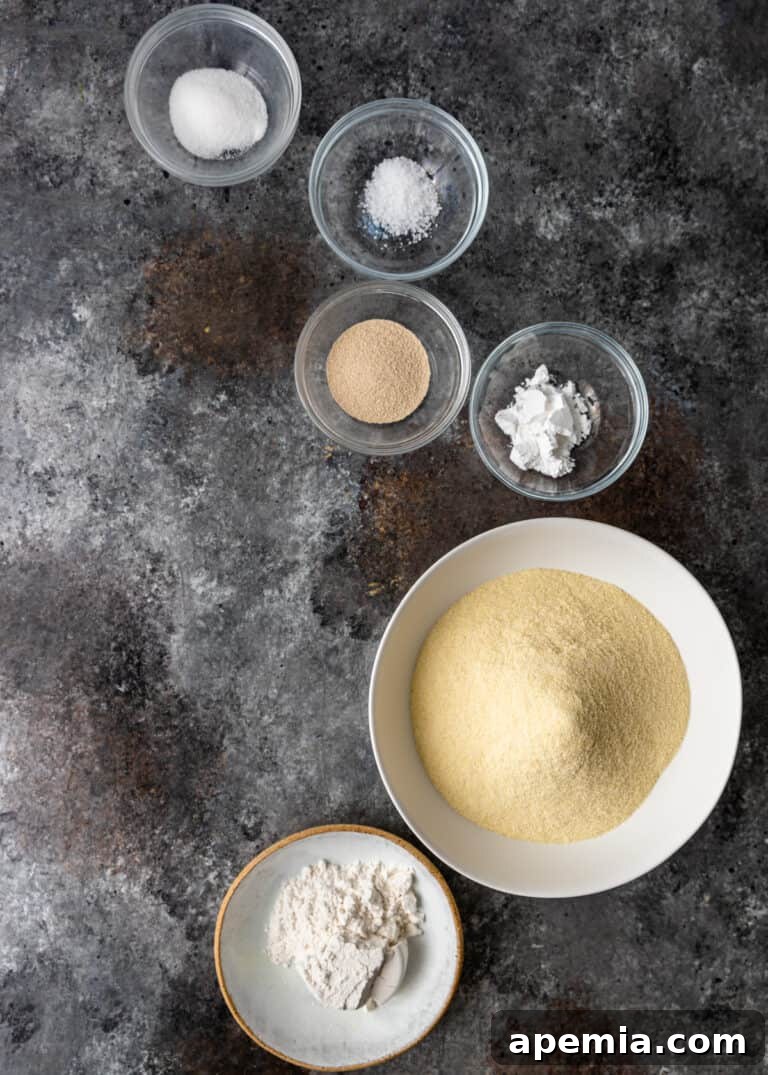
- Semolina Flour & All-Purpose Flour: The cornerstone of authentic Baghrir is fine-grain durum semolina flour. It is absolutely crucial to distinguish this from “corn” or “rice” semolina, which are imposters; true semolina is derived solely from durum wheat. This particular flour provides the distinct flavor, golden hue, and elastic gluten structure necessary for the pancakes to maintain their shape and achieve their characteristic spongy texture and numerous holes. The all-purpose flour helps to lighten the overall texture, creating a balanced and delicate crumb.
- Active Dry Yeast: Yeast is fundamental for giving Baghrir its tangy flavor and airy lift. It’s the primary leavening agent responsible for the initial bubble formation. While active dry yeast is preferred for its consistent results, you can experiment with substitutions. For instance, a combination of equal parts acidic liquid (like lemon juice or vinegar) and baking soda can create a similar reaction. Alternatively, two teaspoons of baking powder can replace yeast. However, be aware that baking powder activates instantly, meaning you’ll need to skip the crucial “resting” stage of this Baghrir recipe and proceed directly to cooking to prevent over-leavening.
- Baking Powder: This ingredient plays a vital supporting role in creating the myriad of tiny bubbles that give Baghrir its iconic honeycomb appearance. Ensure your baking powder is fresh and active for the best results; stale baking powder won’t provide the necessary lift.
- Kosher Salt: Just a small pinch of kosher salt is added not just for taste, but to balance the sweetness and enhance the overall flavor profile of the pancakes.
- Sugar: A touch of sugar is essential for two reasons: it adds a subtle sweetness to the pancakes themselves and, more importantly, it acts as food for the yeast, helping it activate and rise effectively. Both white or brown sugar work perfectly. If you need a substitute, honey or molasses can also be used, but artificial sweeteners will not provide the necessary nutrients for the yeast to thrive.
- Melted Butter & Honey: These are the quintessential Baghrir toppings. I personally adore them drizzled individually or whisked together for a harmonious blend. For those with a sweet tooth looking for an extra layer of decadence, a dollop of rich Nutella is always a welcome addition!
Mastering Baghrir: A Step-by-Step Guide to Moroccan Pancakes
- Step 1: Blend to Perfection. Combine all of your Baghrir batter ingredients in a high-speed blender. Process for a full minute or two until the mixture is utterly smooth, silky, and free of any lumps. Blending not only ensures uniformity but also incorporates air, which contributes to the lightness and hole formation.
- Step 2: The Crucial Resting Period. Once blended, transfer the smooth batter to a medium-sized mixing bowl. Cover the bowl loosely with a clean kitchen towel and allow it to rest at room temperature for 15 to 20 minutes. This resting phase is absolutely essential; it gives the yeast sufficient time to activate and multiply, leading to a visibly bubbly surface. Rushing this step will result in dense, doughy pancakes lacking the signature airy texture.
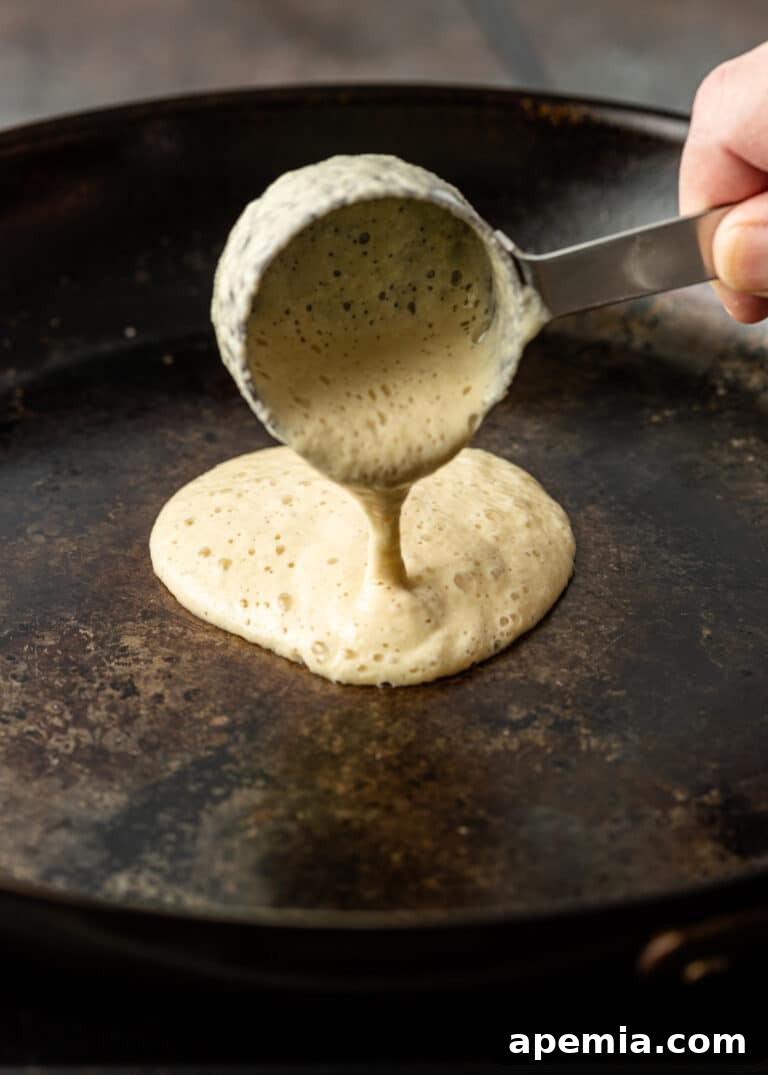
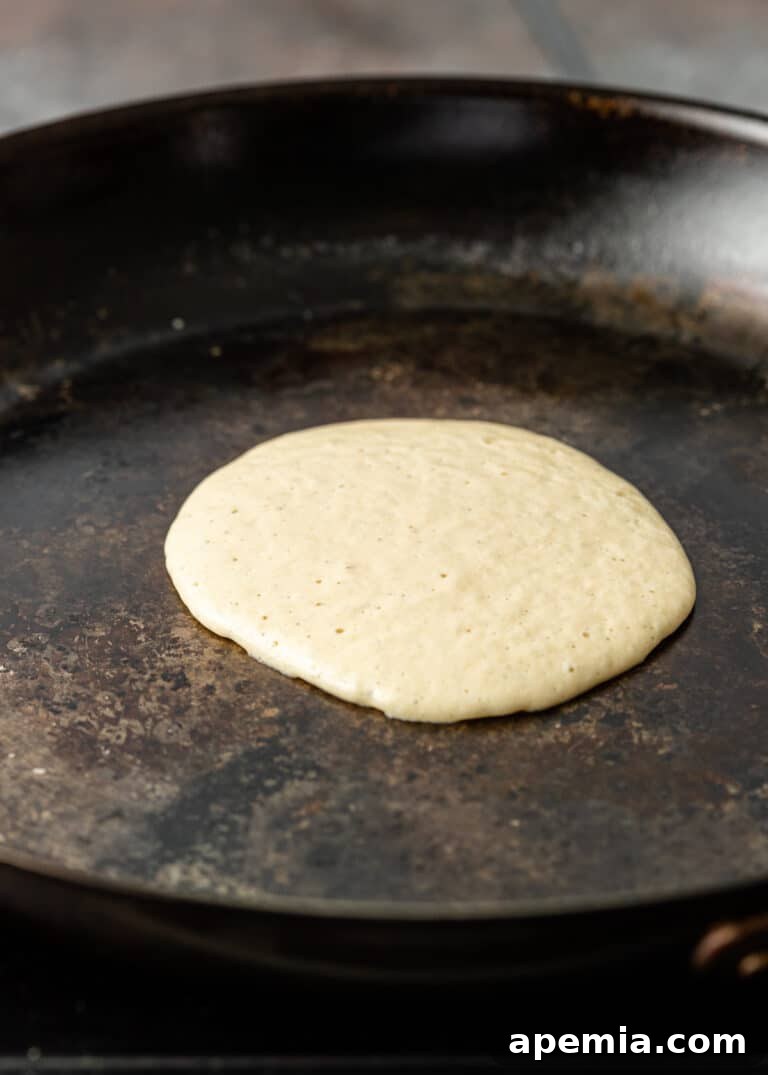
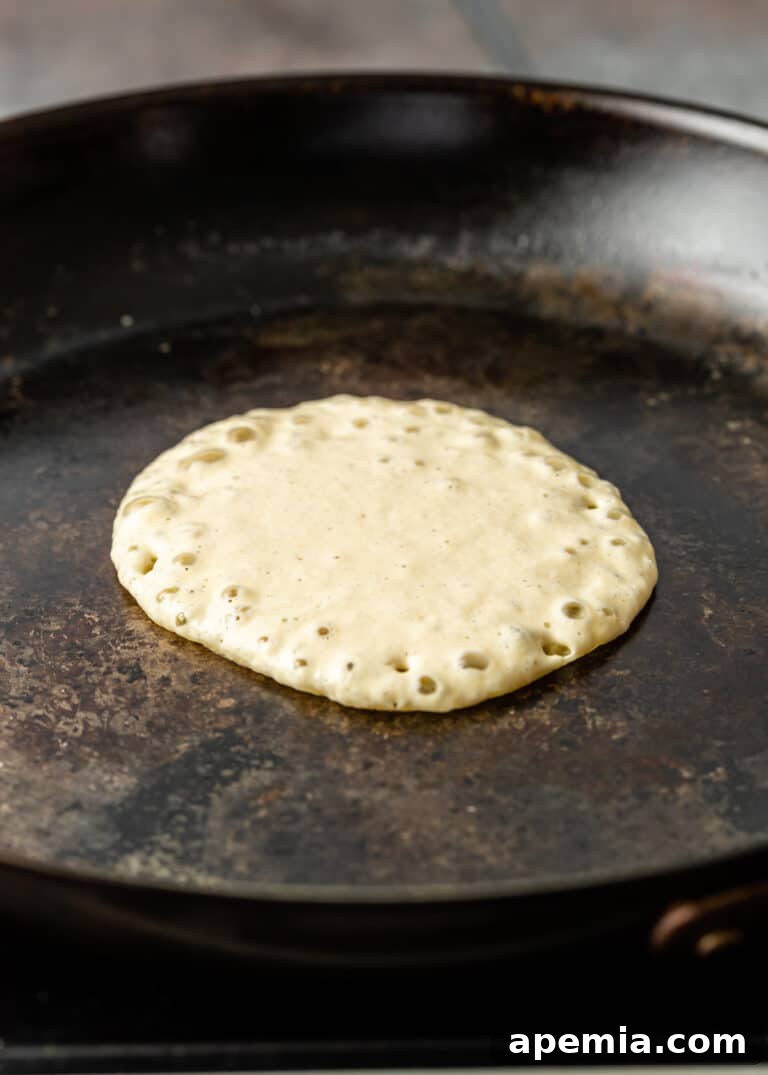
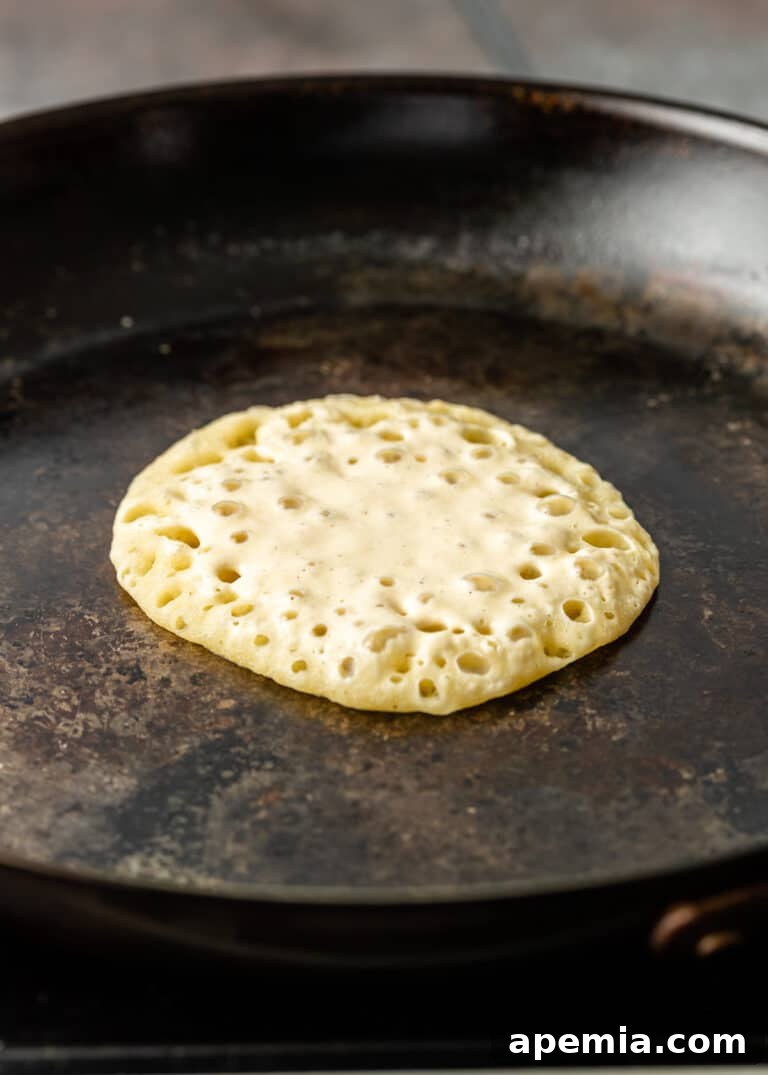
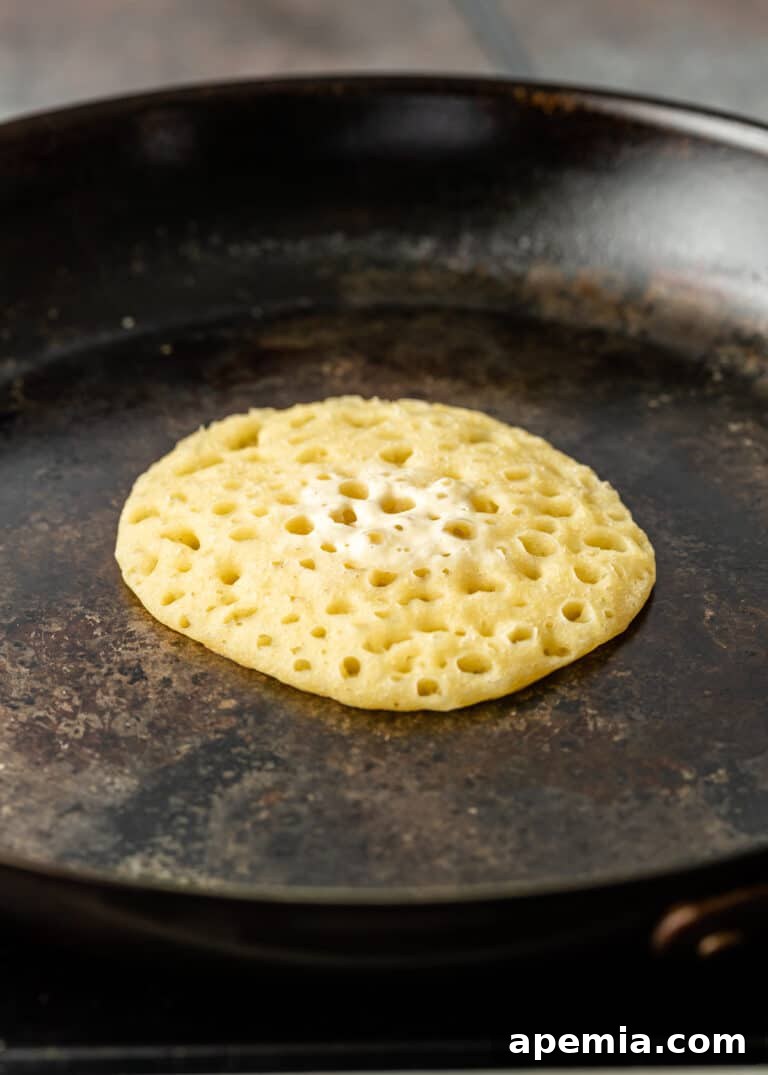
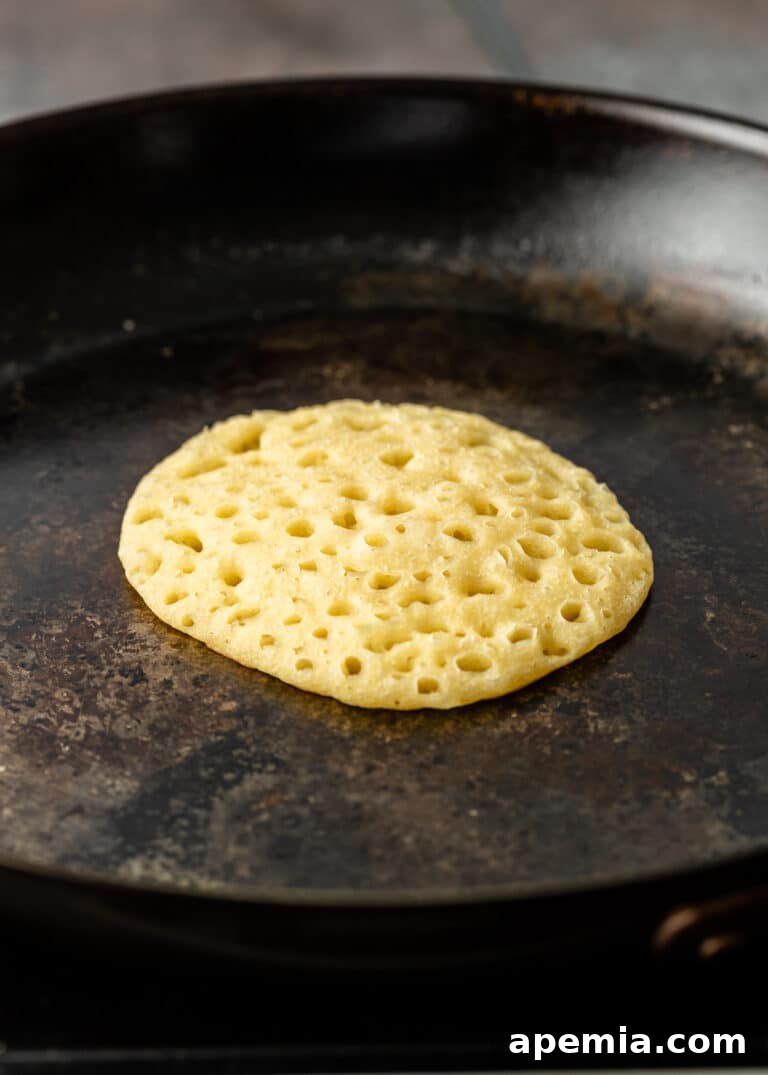
- Step 3: Fry (No Flipping Required!). Preheat your non-stick pan or griddle over medium heat for approximately two minutes. The ideal temperature is key for perfect hole formation without burning. Measure out about ¼ cup of batter for each pancake and gently pour it onto the hot skillet. Cook for 2 to 3 minutes. Watch closely as countless small holes begin to appear on the surface and the pancake dries to the touch. It is critical to maintain consistent medium heat (around a 6 or 7 on most stovetops) to prevent the Baghrir from burning or their edges from curling. If you notice the edges darkening too quickly before the top is dry, slightly lower the heat. Remember, Baghrir are only cooked on one side – absolutely no flipping!
- Step 4: Serve and Enjoy. Continue cooking the remaining batter, transferring each perfectly cooked Baghrir to a warm plate or baking sheet as you go. Serve these delicate pancakes immediately while they are warm, or allow them to cool to room temperature. They are exquisite with traditional toppings like melted butter and honey, or with any other sweet accompaniment you desire.
Essential Kitchen Tools for Baghrir Success
While the process of making Baghrir is simple, having the right tools can make all the difference in achieving that perfect texture and countless holes:
- High-Speed Blender: This is an indispensable tool for Baghrir. We actually embrace the extra air introduced by blending, as it significantly aids in the formation of those iconic holes. A blender is also the easiest and most effective way to achieve the super-smooth, lump-free batter that this recipe demands.
- Non-stick Griddle or Skillet: A good quality non-stick surface is crucial for preventing the delicate Baghrir from sticking and ensuring they cook evenly without the need for buttering or oiling the pan.
- ¼ Cup Measuring Cup: Consistency in size is important for even cooking. A ¼ cup measuring cup (or any other cup that helps you portion precisely) ensures each Moroccan pancake is uniform.
Smart Storage and Reheating Tips for Freshness
When it comes to the batter, it contains live yeast, which will continue to ferment even at cooler temperatures. Additionally, cooking cold batter can lead to uneven results. Therefore, I highly recommend preparing the Baghrir batter no more than 20 minutes before you plan to cook, rather than storing it overnight in the refrigerator. This ensures optimal yeast activity and ideal batter consistency for those perfect holes.
Once cooked, Baghrir are quite resilient. Since they contain no perishable ingredients, they can be safely stored at room temperature for a few days, ideally in an airtight container to keep them soft. For longer storage, Baghrir freeze exceptionally well. To freeze, lay the cooled pancakes in a single layer on a baking sheet lined with parchment paper and flash-freeze them until solid. Once frozen, transfer them to a freezer-safe storage bag or container, where they will keep for up to a couple of months.
To reheat, you have several convenient options. Warm them gently in an oven set to a low temperature, use a toaster oven for individual pancakes, or microwave them briefly until they are warmed through and regain their soft, pliable texture. Avoid over-reheating, which can make them tough.
Share this recipe on Pinterest!
Love this Baghrir recipe? Share the joy of Moroccan pancakes with your friends and family on Pinterest.
Frequently Asked Questions About Baghrir
Baghrir are meant to be cooked on a non-stick surface without added butter or oil in the pan. If you find your batter is sticking, it might indicate that your non-stick pan isn’t performing optimally at the medium-to-low temperatures typically used for Baghrir. Try raising the temperature of your skillet just a tiny bit and attempting another pancake. While not usually necessary, if persistent sticking occurs, you may lightly grease the pan with a minimal amount of oil or butter.
Fine semolina flour is undeniably a pivotal ingredient in any authentic Baghrir recipe. It’s not just about flavor; semolina is instrumental in defining its characteristic color, delicate chew, and, most importantly, the fine grain is what helps yield the perfectly soft batter that bubbles precisely as needed. Furthermore, durum semolina contains a higher gluten content than all-purpose flour, which is crucial. This extra gluten helps the exceptionally thin batter maintain its structural integrity during cooking and contributes significantly to its signature spongy, resilient texture. While you could technically make a pancake-like dish with only all-purpose flour, it would lack the distinct qualities that make Baghrir unique and authentic.
The resting period for Baghrir batter is absolutely critical for several reasons. Primarily, it provides essential time for the active dry yeast to feed on the sugar and multiply. This fermentation process produces carbon dioxide gas, which is trapped within the batter, making it incredibly fluffy and airy. Additionally, resting allows the gluten in the semolina flour to relax and hydrate, resulting in a more tender and pliable pancake. After resting, the batter should be noticeably thinner than typical pancake batter—closer to the consistency of thin crepes or whipping cream. This thinness is vital for the characteristic holes to form as the Baghrir cooks. If your batter remains too thick after resting, gently stir in a couple of tablespoons of water, blend briefly, and then let it rest for another 10 minutes to reach the ideal consistency.
The absence of holes, the hallmark of Baghrir, can typically be attributed to a few factors. The most common reasons include a batter that is too thick, yeast that is inactive or expired, or a pan temperature that is either too low or too high. Ensure your batter is thin and runny after resting (add water if needed). Check your yeast’s expiry date and ensure your lukewarm water is the right temperature to activate it. Finally, cook on consistent medium heat; too low, and the bubbles won’t form; too high, and the surface will set too quickly before the gas can escape.
Authentic Moroccan Pancakes (Baghrir)
16
5 minutes
35 minutes
20 minutes
1 hour
PrintRecipe
Video
Ingredients
- 1 1/2 cups fine semolina flour
- 1/4 cup all-purpose flour
- 2 cups lukewarm water (+2 tbsp more if needed for consistency)
- 2 tsp active dry yeast
- 2 teaspoons baking powder
- 1/2 tsp kosher salt
- 1 tsp sugar
Serving Suggestion
- 1/4 cup butter melted
- 1/4 cup honey combine with melted butter
Instructions
-
Preheat your oven to a low temperature of 200°F (95°C) and line a baking sheet with parchment paper or a thin kitchen towel. This will be used to keep the cooked Baghrir warm while you continue cooking the rest of the batch.
-
In a blender, combine all the dry and wet ingredients for the batter. Puree for approximately 1 minute until the mixture is perfectly smooth and airy. Pour the resulting batter into a medium-sized bowl, cover it with a kitchen towel, and let it rest at room temperature for 15 to 20 minutes. During this time, the yeast will activate, and you should observe small bubbles forming on the surface. The consistency of the batter should be thin and runny, similar to crepe batter or light whipping cream (refer to Note 1 for adjustments).
-
Heat a non-stick griddle or skillet over medium heat for about 2 minutes. Stir the rested batter gently before each use. Using a 1/4 cup measure, pour the batter evenly into the hot skillet. Cook the Baghrir for approximately 2-3 minutes, watching as characteristic holes form across the surface and the top of the pancake dries to the touch. It’s crucial to monitor the heat; if the edges begin to darken excessively before the top is dry, slightly lower the heat. Remember, Baghrir are unique because they are only cooked on one side; do not flip them. As each pancake finishes cooking, transfer it to the prepared baking sheet in the warm oven to keep it fresh while you cook the remaining batter.
-
Serve the Baghrir warm or at room temperature. For a classic Moroccan experience, drizzle generously with melted butter and honey. For those who prefer a richer, sweeter option, spread about 1 tablespoon of Nutella on top of a warm pancake and gently roll it up to enjoy by hand.
Notes
- A batter that is too thick will inhibit the formation of the distinctive bubbles during cooking. If your batter has the texture of standard pancake batter, gradually add a couple of tablespoons of water, mix thoroughly, and then cover and let it rest for another 10 minutes before proceeding.
- The cook time per individual pancake is typically between 2 to 3 minutes. To complete an entire batch of 16 Baghrir, the total cooking time will be approximately 35 minutes.
Nutrition Information
Carbohydrates: 14g |
Protein: 3g |
Fat: 1g |
Saturated Fat: 1g |
Sodium: 128mg |
Potassium: 46mg |
Fiber: 1g |
Sugar: 1g |
Vitamin C: 1mg |
Calcium: 34mg |
Iron: 1mg
The information shown is an estimate provided by an online nutrition calculator. It should not be considered a substitute for a professional nutritionist’s advice.
Breakfast, Dessert
Moroccan, North African
Kevin
Have You Made This Recipe? Let Me Know on Instagram!
Tag @keviniscooking or use the hashtag #keviniscooking!