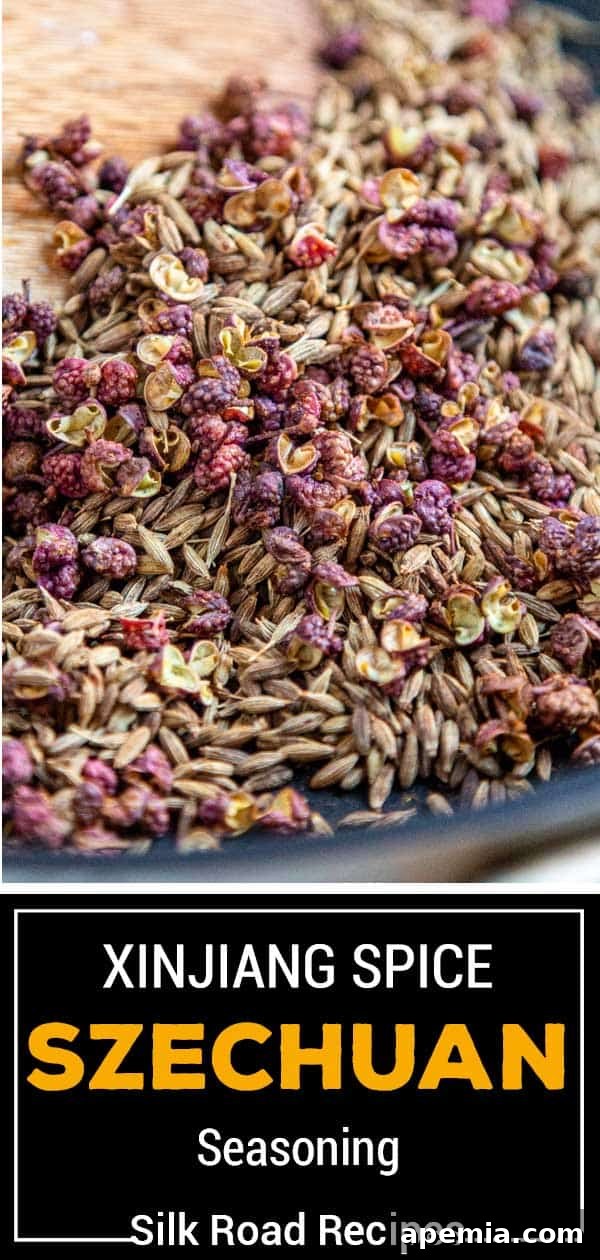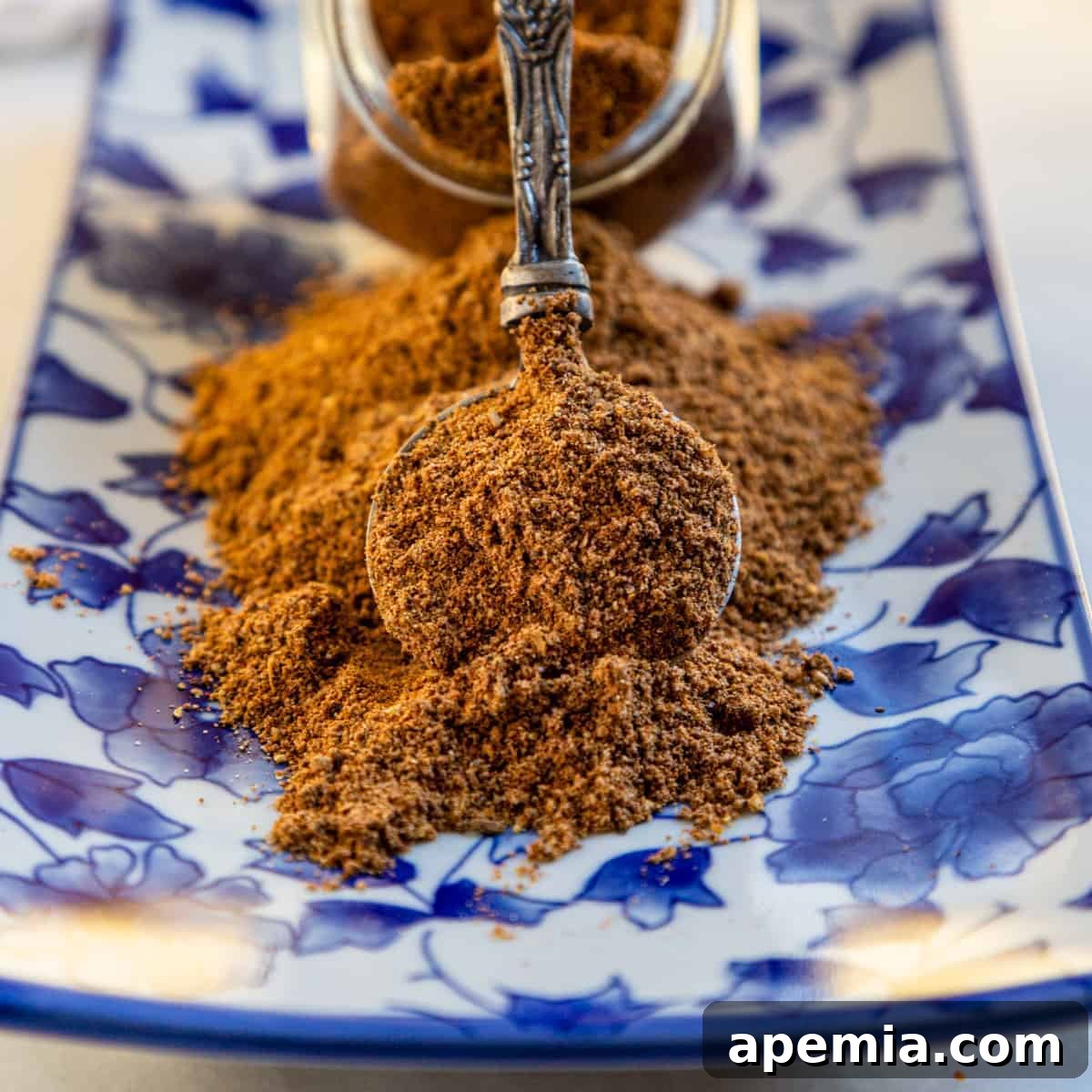
Szechuan seasoning, also widely known as Xinjiang spice, is a vibrant and aromatic blend that promises to elevate your culinary creations. From infusing grilled lamb kebabs with an unforgettable zest to transforming everyday meats and vegetables into extraordinary dishes, this versatile spice mix is a must-have in any adventurous kitchen. Crafted from simple pantry staples, it brings the bold and distinctive flavors of Northwest China right to your home.
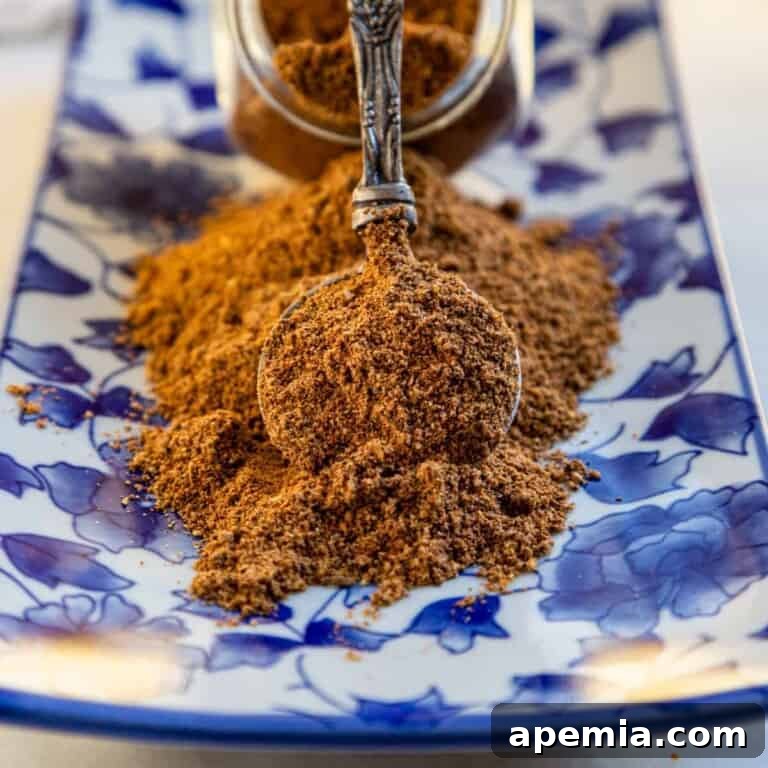
For those seeking to effortlessly enhance the taste of their meals, homemade seasoning blends offer an immediate solution. Whether you’re preparing a robust spice rub for succulent grilled meats, adding a fragrant touch to roasted vegetables, or simply sprinkling it over a dish that craves an extra layer of flavor, a well-balanced seasoning blend like this Xinjiang spice can truly revolutionize your cooking. It’s an easy way to bring complex, exciting flavors to the table without requiring extensive culinary expertise.
Xinjiang Szechuan Seasoning: The Essence of Northwest China
Cuisine: Asian / Chinese (Xinjiang Uyghur)
Nestled in the vast expanse of northwest China, Xinjiang is an autonomous territory renowned for its rich cultural tapestry and distinctive culinary heritage. It is home to diverse ethnic minority groups, most notably the Turkic Uyghurs, whose predominantly Muslim population has shaped the region’s unique gastronomic identity. The ancient Silk Road, a historical trade route that connected China with the Middle East, traversed through Xinjiang, leaving an indelible legacy that is still evident today in the bustling open-air bazaars of oasis cities like Hotan and Kashgar. Travelers flock to these vibrant markets, not only for their historical charm but also for the unparalleled opportunity to savor authentic, seasoned lamb kebabs, often served piping hot with traditional Turkic tandoor-grilled simit bread. This Szechuan seasoning, or Xinjiang spice, is at the very heart of these beloved dishes.

Recipe Difficulty: Easy 🥄
Description:
While this exceptional Asian seasoning may not be as universally recognized as, say, Chinese five-spice, it possesses a captivating charm that quickly endears it to those who appreciate warm, earthy flavors with a delightful kick. Its unique blend of spices creates a flavor profile that is both complex and incredibly inviting, making it a strong contender for your new favorite go-to spice recipe. The beauty of this blend lies in its simplicity of preparation and the profound depth of flavor it imparts.
Ingredient Notes and Substitutions for the Perfect Xinjiang Spice Blend
Crafting your own Szechuan seasoning (Xinjiang spice) allows you to control the quality and freshness of each component. Here’s a closer look at the key ingredients and how to make the most of them:
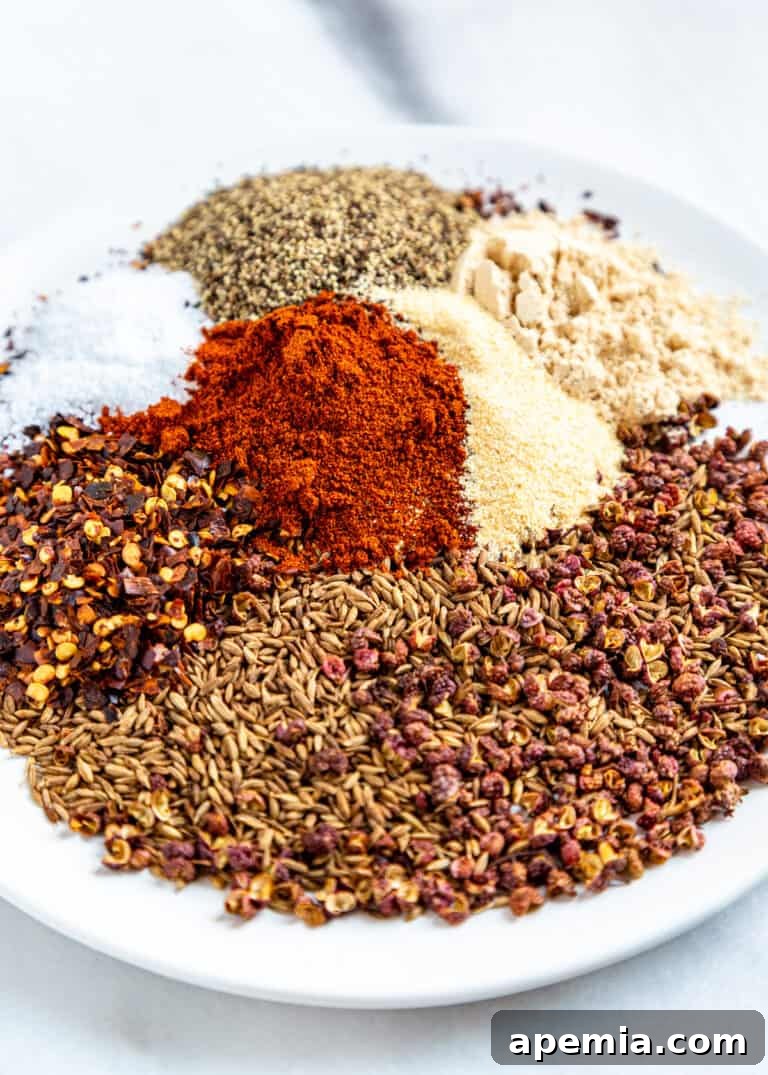
- Szechuan Peppercorns (Hua Jiao): These distinct peppercorns, especially the vibrant red Sichuan peppercorns, are the cornerstone of this blend. Unlike black peppercorns, they are not primarily about heat or pungent spiciness. Instead, Szechuan peppercorns are famous for creating a unique “ma la” sensation – a tingling, numbing, and slightly citrusy feeling on the tongue. This fascinating sensation literally makes the mouth water, leaving a desire for more. It’s often compared to the effervescent tingle of carbonated drinks, offering a sensory experience unlike any other spice. For the best results, always opt for whole Szechuan peppercorns and toast them lightly to awaken their full aromatic potential.
- Cumin Seed (Zi Ran): Cumin is another essential spice, lending an aromatic, nutty, warm, and distinctly earthy flavor to the blend, often with a subtle citrusy undertone. In Uyghur cuisine, cumin is paramount, defining the aromatic backbone of many dishes, particularly grilled meats. To unlock its optimal flavor and fragrance, whole cumin seeds should always be toasted before grinding. While ground cumin can be used as a convenient substitute, be aware that its flavor will be noticeably muted and less vibrant compared to freshly toasted and ground whole seeds.
- Sichuan Chile Flakes (La Jiao Mian): These chile flakes provide the “la” (spicy) component of the “ma la” experience. Most well-stocked Asian grocery stores will carry specific Sichuan chile flakes, which offer a balanced heat with a nuanced flavor. However, if you find them elusive, any variety of dried and crushed red chile flakes can be used as a suitable substitute. Adjust the quantity according to your preferred level of spiciness.
- Other Essential Spices: The remaining ingredients for this Asian seasoning are common pantry staples that help round out the flavor profile. These include Kosher salt for seasoning, ground black pepper (or whole black peppercorns for a more robust flavor after toasting), aromatic garlic powder, pungent ginger powder, and traditional chili powder. Each plays a role in harmonizing the bold flavors and ensuring a well-rounded spice blend.
Mastering the Art of Toasting and Grinding Whole Spices
The secret to an incredibly flavorful Szechuan seasoning lies in the proper preparation of its whole spices. Toasting and grinding them fresh before blending unleashes a depth of aroma and taste that pre-ground spices simply cannot match.
The Art of Dry Toasting
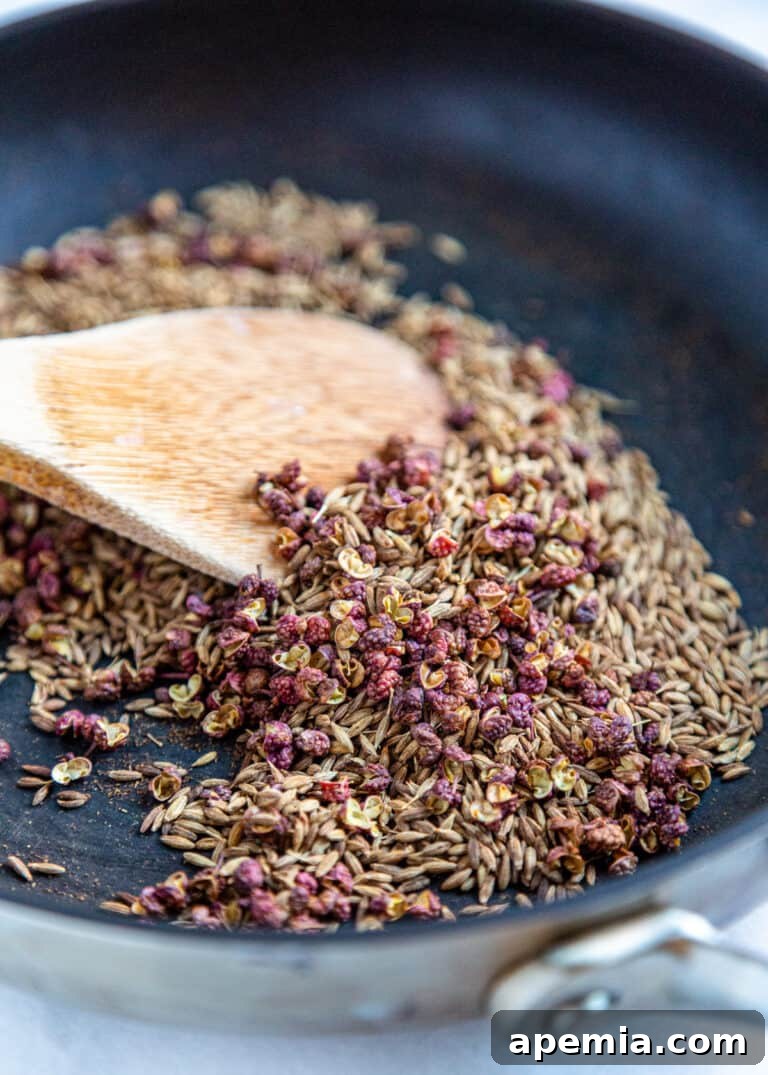
The most effective method for extracting the full spectrum of flavor from whole spices is dry toasting. This process involves gently heating the spices in a clean, dry skillet over low to medium-low heat, without any added oil or fat. The gentle warmth coaxes out the natural oils embedded within the spices, intensifying their fragrance and creating a more complex, nuanced flavor profile. It’s a quick process; you’ll know the spices are ready when they become lightly browned, and a distinct, fragrant aroma begins to waft from the pan. Be attentive, as they can burn quickly if left unattended. Shake or stir the pan frequently to ensure even toasting.
Grinding for Perfection
Once the spices are perfectly toasted and have cooled slightly, transfer them to a dedicated spice grinder or a clean coffee bean grinder. Pulse the grinder a few times until the spices are transformed into a fine, uniform powder. The fresh grind is crucial for releasing their potent flavors and integrating them seamlessly into your dishes. This simple step is what elevates a good spice blend to an exceptional one, ensuring every pinch delivers a burst of vibrant taste.
Beyond Kebabs: Unleashing the Versatility of Szechuan Seasoning
While the Uyghur people primarily utilize this captivating Xinjiang spice blend for grilling, particularly for their famous lamb kebabs, its potential applications extend far beyond. It’s undeniably phenomenal on grilled lamb kebab, beef, chicken, pork, and fish, but its mildly spicy and aromatic profile makes it incredibly versatile. Your culinary imagination is the only limit to how you can incorporate this exquisite Asian seasoning into your cooking. Any recipe that calls for a warm, earthy, and mildly spicy kick is an ideal candidate for a touch of Szechuan seasoning. Here are just a couple of ideas to get you started, but feel free to experiment and discover your own favorite uses:
- Transform Everyday Condiments: Infuse your favorite dips and dressings with a unique flavor. Stir a bit of Xinjiang spice into a packet of dry ranch powder to create an exciting, spicy ranch dressing. Alternatively, blend some into plain yogurt or mayonnaise for a vibrant and flavorful base for a Sichuan chicken salad, a zesty spread for sandwiches, or a dipping sauce for fries and vegetables.
- Elevate Ground Meat Dishes: Incorporate this powerful spice blend directly into your ground meat mixtures to add incredible depth and character. Mix it into the seasoned meat for homemade hamburgers, adding an unexpected Asian twist. It works wonders in meatloaf or meatballs, transforming them from ordinary to extraordinary. This spice mix would be particularly fantastic when paired with a recipe like Kung Pao Asian Chicken Meatballs, enhancing the overall flavor profile with its distinctive notes.
- Roasted Vegetables and Potatoes: Toss roasted vegetables like cauliflower, broccoli, or sweet potatoes with olive oil and a generous sprinkle of Szechuan seasoning before roasting for a deliciously spiced side dish. It also works wonders on crispy roasted potatoes, adding a unique zest.
- Stir-fries and Noodle Dishes: Add a pinch to your stir-fries or noodle dishes during cooking to infuse them with authentic Xinjiang flavor. It pairs particularly well with chicken, beef, or tofu stir-fries.
- Marinades and Rubs: Create quick and flavorful marinades for poultry, seafood, or pork by combining the seasoning with a little oil, soy sauce, and a hint of vinegar. For a dry rub, simply apply it generously to your chosen protein before grilling, roasting, or pan-searing.
- Popcorn and Snacks: For an adventurous snack, sprinkle Szechuan seasoning over freshly popped popcorn, roasted nuts, or even homemade potato chips. The tingling sensation and savory notes make for an addictive treat.
Szechuan Seasoning (Xinjiang Spice)
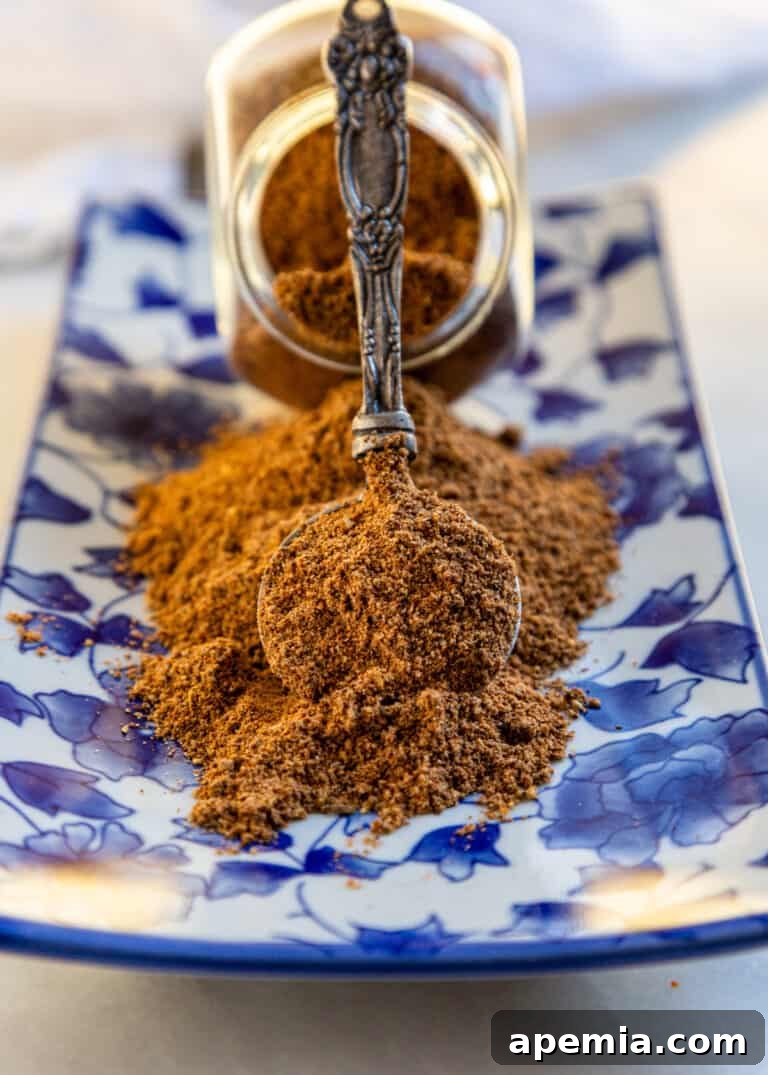
This homemade Szechuan seasoning adds an exciting, feisty flavor to lamb kebab and other grilled meats. Make this authentic Xinjiang spice recipe easily with simple pantry staples and elevate your cooking!
16
5 mins
5 mins
10 mins
Ingredients
- 1/4 cup cumin seeds
- 1 tbsp red Szechuan peppercorns
- 2 tbsp dried Szechuan chile flakes (See Note 1)
- 2 tbsp black peppercorns
- 1 tbsp garlic powder
- 1 tbsp ginger powder
- 1 1/2 tsp kosher salt
- 1 1/2 tsp chili powder
Instructions
-
In a small sauté pan over medium heat, toast the cumin seeds and peppercorns until lightly browned and they start to give off a fragrant aroma. Set aside to cool slightly.
-
Grind the toasted cumin, red and black peppercorns, chile flakes, and salt in a clean spice grinder (See Note 2) until a fine powder forms.
-
Add the ground spices to a small bowl with the ginger, garlic, and chili powders, then whisk to combine thoroughly.
-
Store your homemade Szechuan seasoning in an airtight container and keep it in a cool, dry location to maintain freshness.
Notes
- If Szechuan chile flakes are unavailable, red pepper flakes make a suitable substitute.
- A coffee bean grinder dedicated to spices works perfectly for grinding.
- This spice blend’s incredible flavor was first discovered during a trip to Beijing in 2006, where it adorned delectable char-grilled lamb kebabs. The recipe, generously shared by a local hostess and translated by a tour guide, has since become a cherished staple. While the original source remains unknown, this adapted version captures the essence of that memorable culinary experience.
Nutrition
The information shown is an estimate provided by an online nutrition calculator. It should not be considered a substitute for a professional nutritionist’s advice.
Have You Made This Recipe? Let Me Know on Instagram!
Tag @keviniscooking or use the hashtag #keviniscooking!