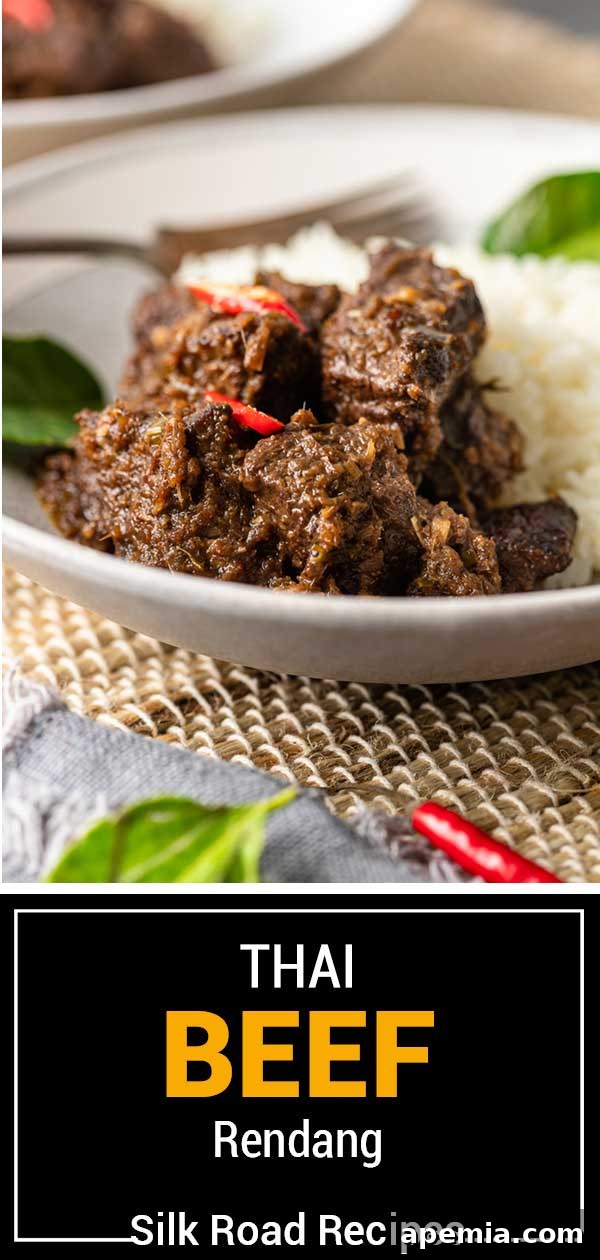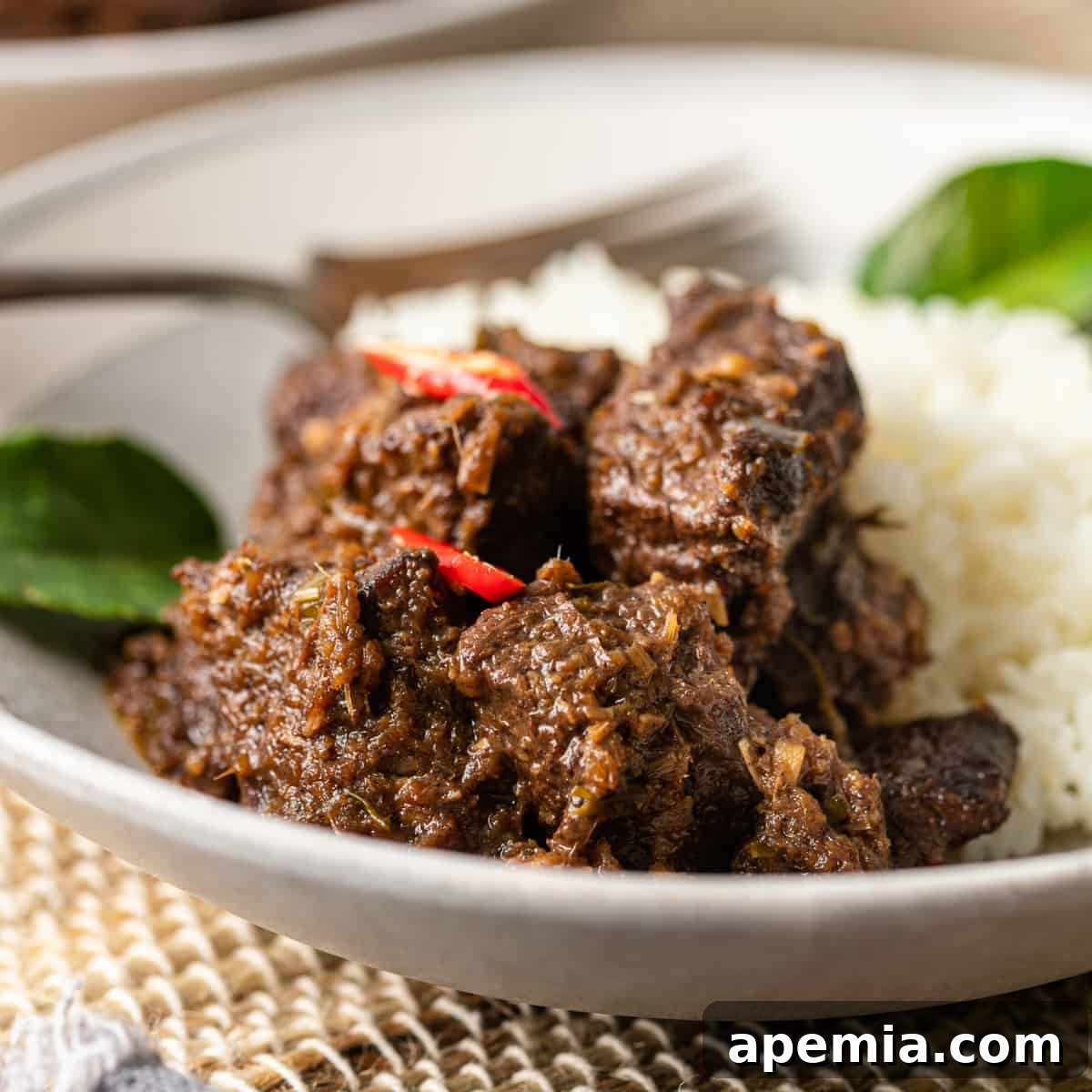
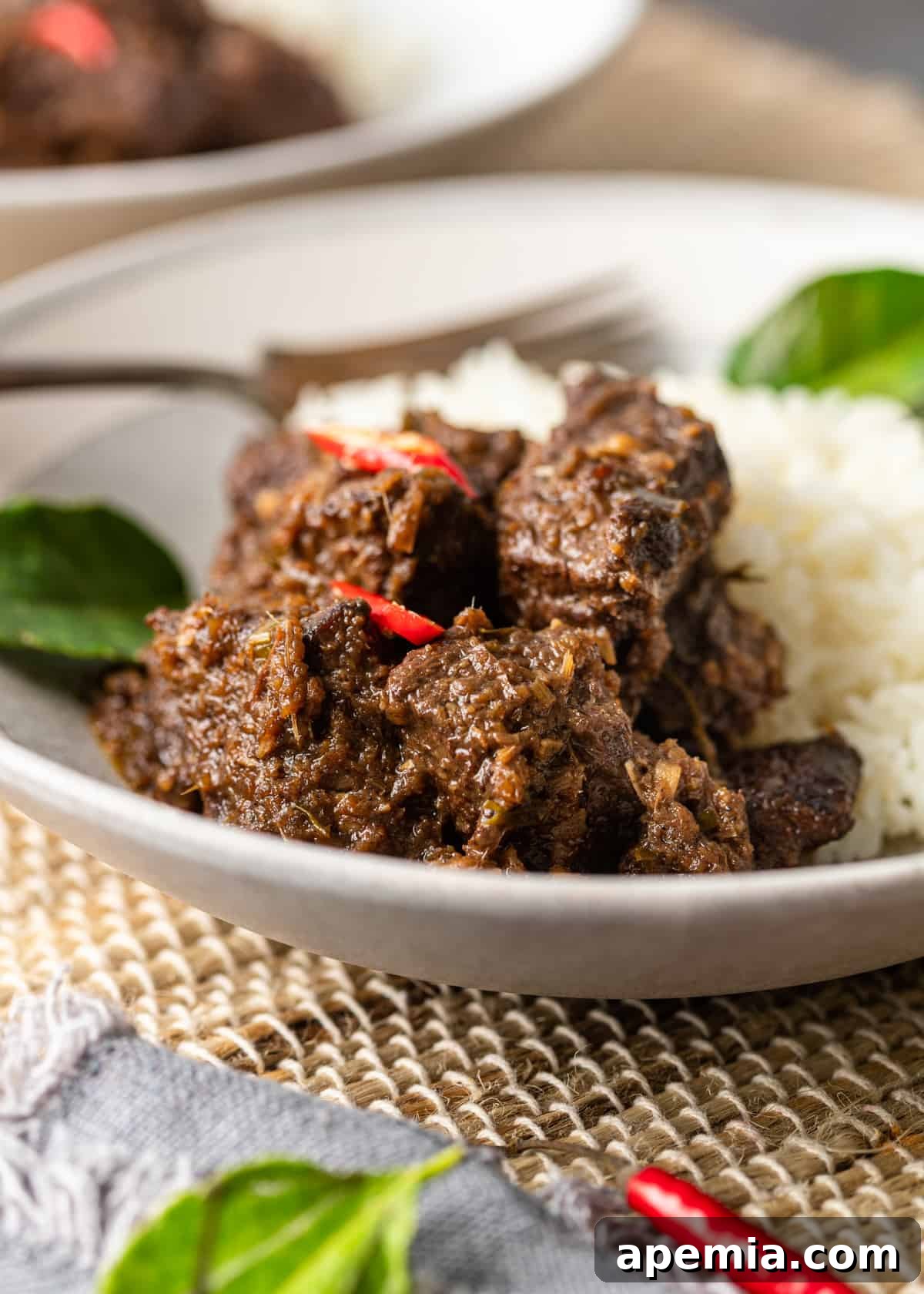
Infused with vibrant, aromatic spices and luxuriant coconut cream, Beef Rendang is an iconic Malaysian delicacy that promises an explosion of profound flavor and unparalleled tenderness with every bite. This savory curry masterpiece is a labor of love, slow-cooked over several hours until the beef becomes exquisitely rich and melt-in-your-mouth tender, creating a dish that’s like a deeply flavored, concentrated beef stew.
The global tapestry of curries is vast and wonderfully diverse, with each culinary tradition offering its own unique interpretation. We journey through the intensely aromatic Indian Chicken Curry (Murgh Kari), the zesty and refreshing Thai Yellow Shrimp Curry, and the comforting umami of Japanese Beef Curry, to name just a few of the world’s flavorful offerings.
Today, our culinary exploration takes us to Southeast Asia, where we delve into one of Malaysia’s most celebrated and cherished dishes: Beef Rendang. This recipe holds a special place in the hearts of many, revered for its remarkable depth of flavor and irresistible texture. The magic begins with a carefully crafted, homemade curry paste, known as “rempah,” brimming with a complex blend of warm, earthy spices. This potent paste is then harmoniously combined with rich coconut milk and slowly braised beef, creating a creamy, silky sauce that clings to every strand of tender meat. The result is a luxurious, unforgettable dish that perfectly encapsulates the vibrant spirit of Malaysian cuisine.
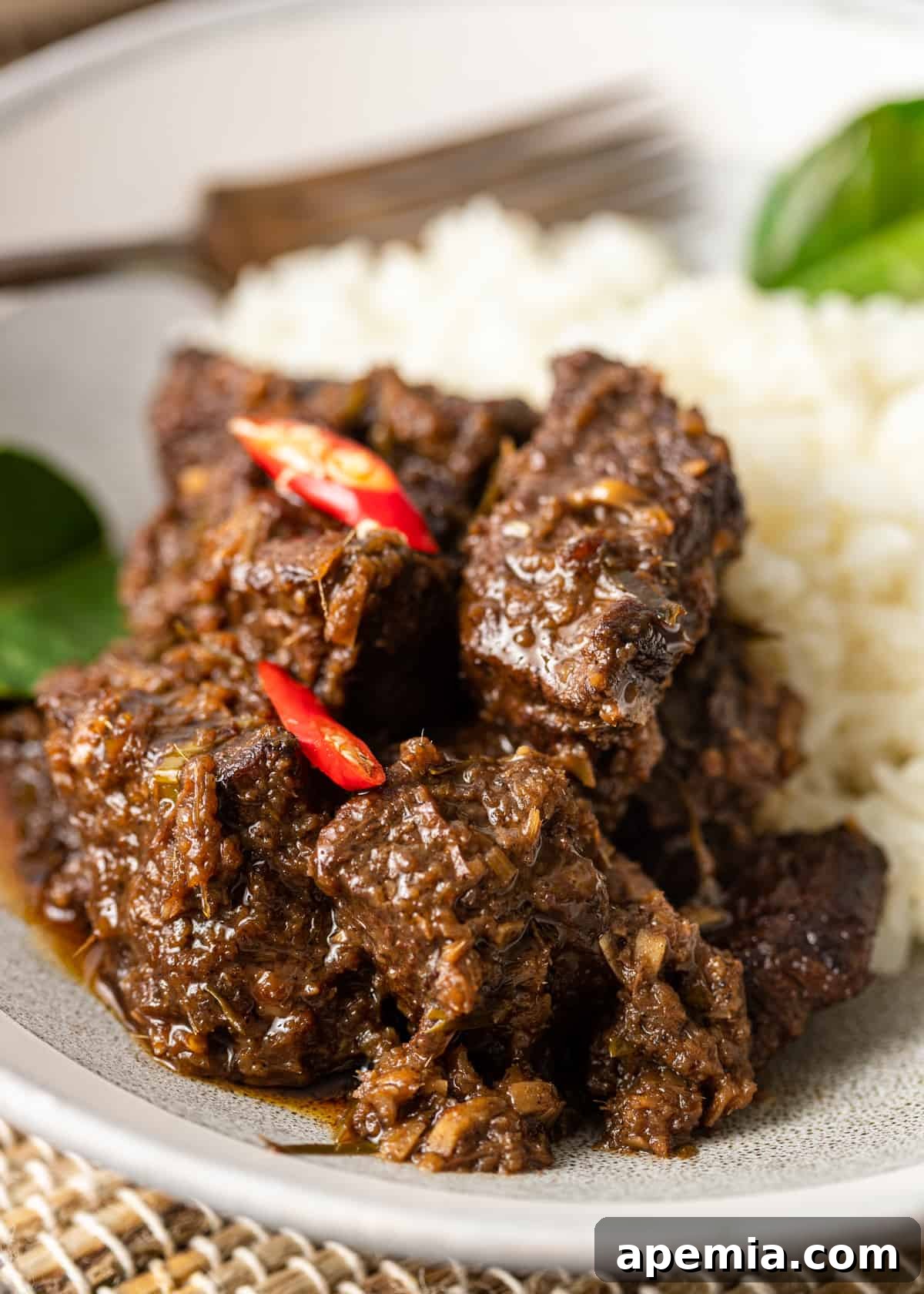
Table of Contents
- What Exactly is Beef Rendang?
- The Symphony of Ingredients: Building Rendang’s Flavor
- Crafting the Aromatic Rempah: Homemade Curry Paste
- Step-by-Step Guide: How to Make Authentic Beef Rendang
- Expert Tips for a Perfect Beef Rendang
- Serving Suggestions and Perfect Pairings
- Storing, Reheating, and Making Ahead
- Frequently Asked Questions
- Beef Rendang Curry Recipe
What Exactly is Beef Rendang?
Beef Rendang is more than just a dish; it’s a celebrated culinary masterpiece from the Malay Archipelago, deeply rooted in the traditions of the Minangkabau people of Indonesia and widely embraced across Malaysia and other parts of Southeast Asia. Often served at festive occasions, weddings, and holidays, Rendang is a symbol of hospitality and culinary excellence.
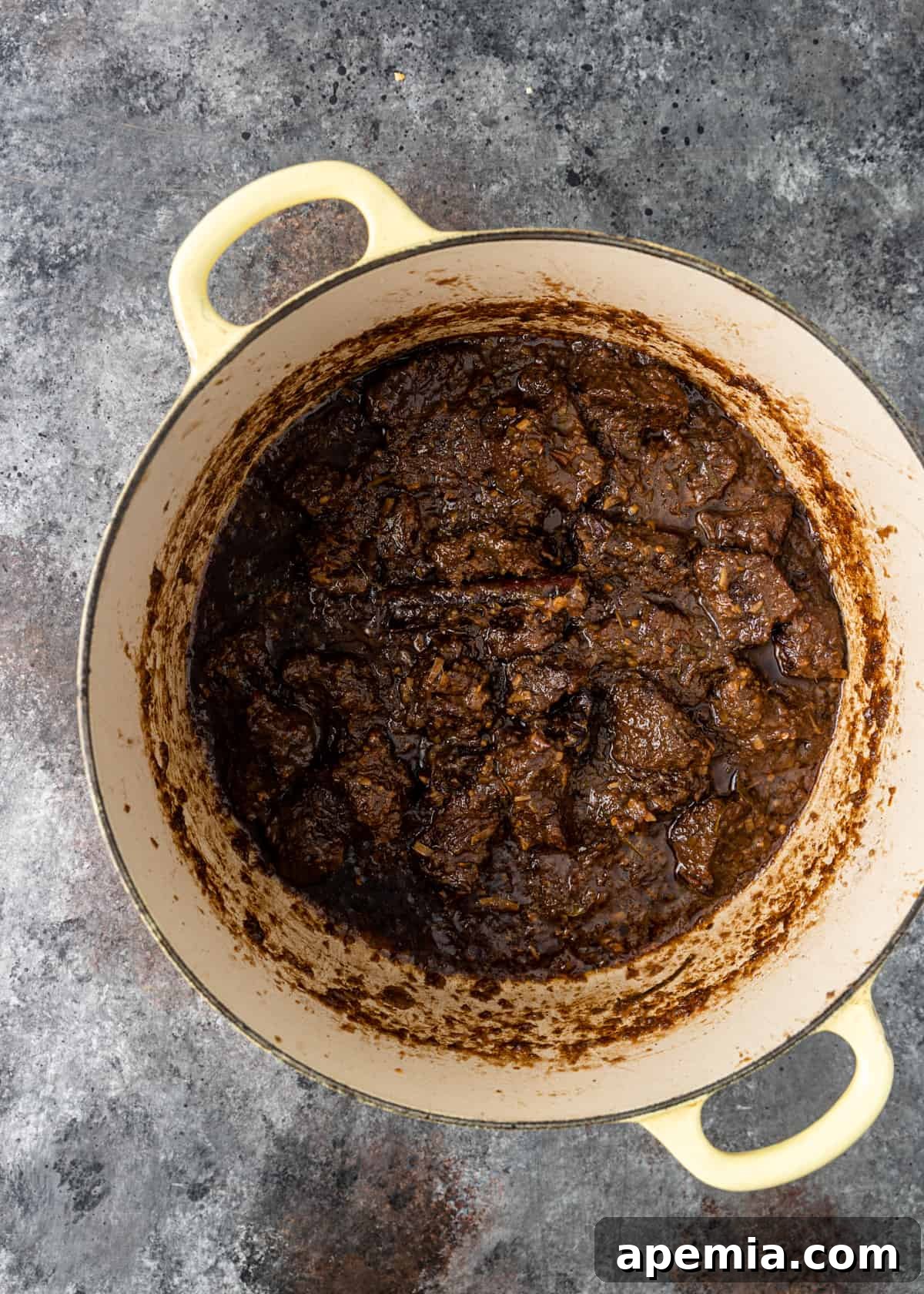
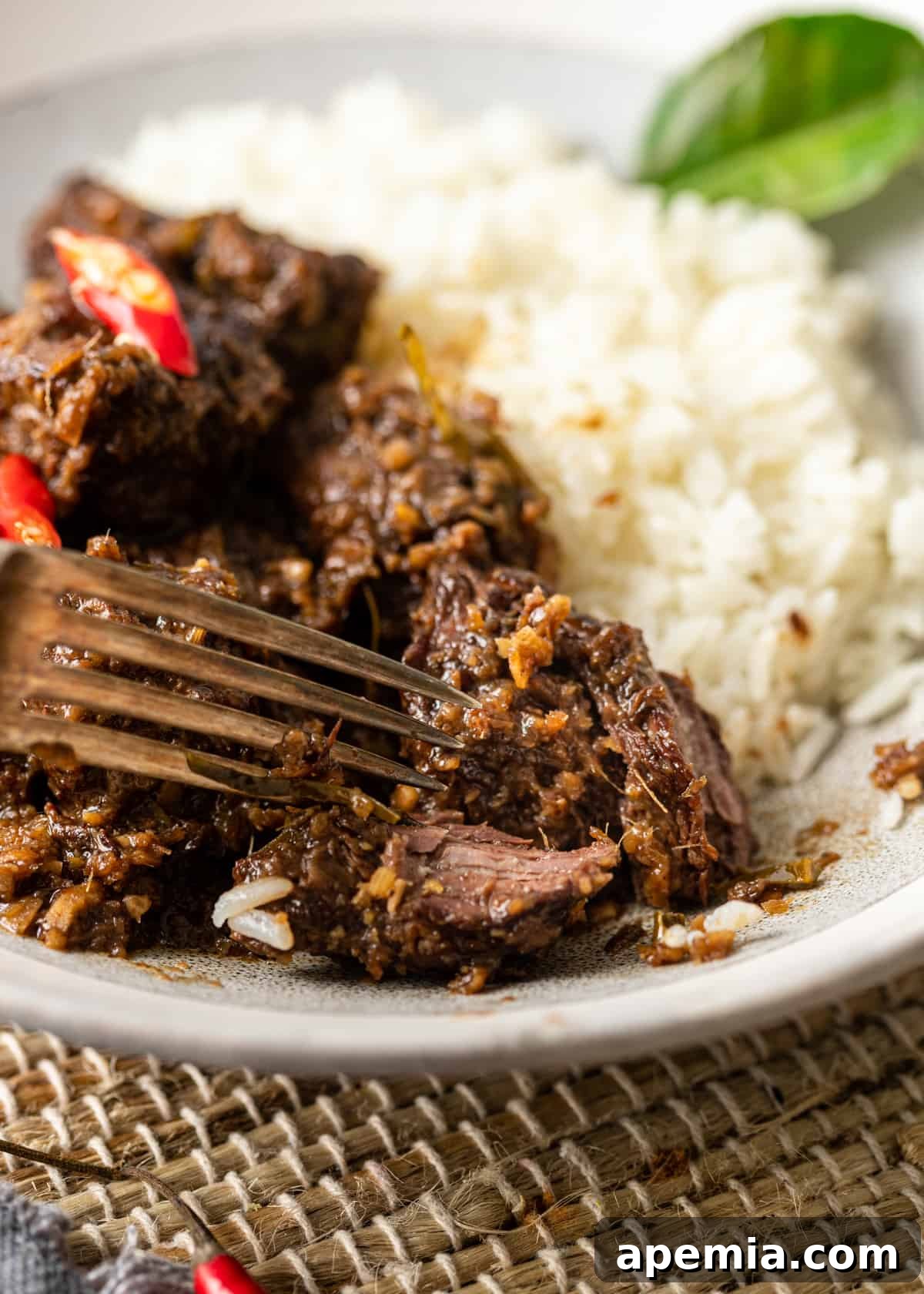
What truly distinguishes Rendang from other curries is its unique “dry” characteristic. Unlike most curries that boast a plentiful, soupy sauce, Rendang is meticulously simmered until almost all the liquid has evaporated, leaving behind a thick, rich, and intensely flavored gravy that lovingly coats every piece of meat. This extensive slow-cooking process, often lasting several hours, serves a dual purpose: it concentrates the complex flavors of the spices and coconut milk, and it renders the beef incredibly tender, allowing it to practically melt in your mouth. The meat isn’t dry, but rather permeated with the deep, caramelized essence of the curry, making it incredibly moist and flavorful. If you appreciate the tenderness achieved through slow cooking, you might also enjoy our incredible Malaysian Braised Beef Short Ribs recipe!
While the overall time from start to finish for this Beef Rendang curry can be approximately 3 hours, don’t be intimidated! The active preparation time is surprisingly brief, requiring only about 20 to 30 minutes of hands-on effort. Once the initial steps are completed and the ingredients are combined in the pot, the magic happens mostly unattended. The curry gently simmers, allowing the flavors to develop and deepen on their own. The most challenging part, we guarantee, will be patiently waiting for the tantalizing aroma to fill your kitchen and for this magnificent dish to reach its sublime perfection!

The Symphony of Ingredients: Building Rendang’s Flavor
The secret to an unforgettable Beef Rendang lies in the quality and harmony of its ingredients. Each component plays a vital role in constructing the dish’s complex, multi-layered flavor profile. Below, we explore the key elements, offering insights and substitution tips for optimal results.
Choosing the Perfect Beef
- Beef Chuck: This is our top recommendation for Beef Rendang. Beef chuck is a well-marbled cut with connective tissues that, through slow cooking, break down into gelatin, resulting in exceptionally tender, juicy beef that readily absorbs the rich flavors of the curry. Other excellent choices for this slow-cooked dish include beef brisket or short ribs, always cut into uniform 2-inch cubes to ensure even cooking and maximum tenderness.
The Rich Coconut Foundation
- Full-Fat Canned Coconut Milk: Absolutely crucial for achieving the creamy, luxurious texture and sweet, nutty base that defines Rendang. It is essential to use full-fat coconut milk from a can, not the thinner, refrigerated carton variety, to attain the desired richness and consistency. The fat content is key to the sauce’s body and flavor.
- Unsweetened Shredded Coconut: This ingredient is vital for deepening the coconut flavor and adding a subtle, pleasant texture to the finished dish. Opt for unsweetened shredded coconut to maintain precise control over the overall sweetness of your rendang, allowing other nuanced flavors to shine.
Aromatic Essentials for the Curry Paste (Rempah)
The “rempah,” or curry paste, is the aromatic heart of Beef Rendang. Its creation from fresh ingredients is a foundational step, imparting intense fragrance and flavor.
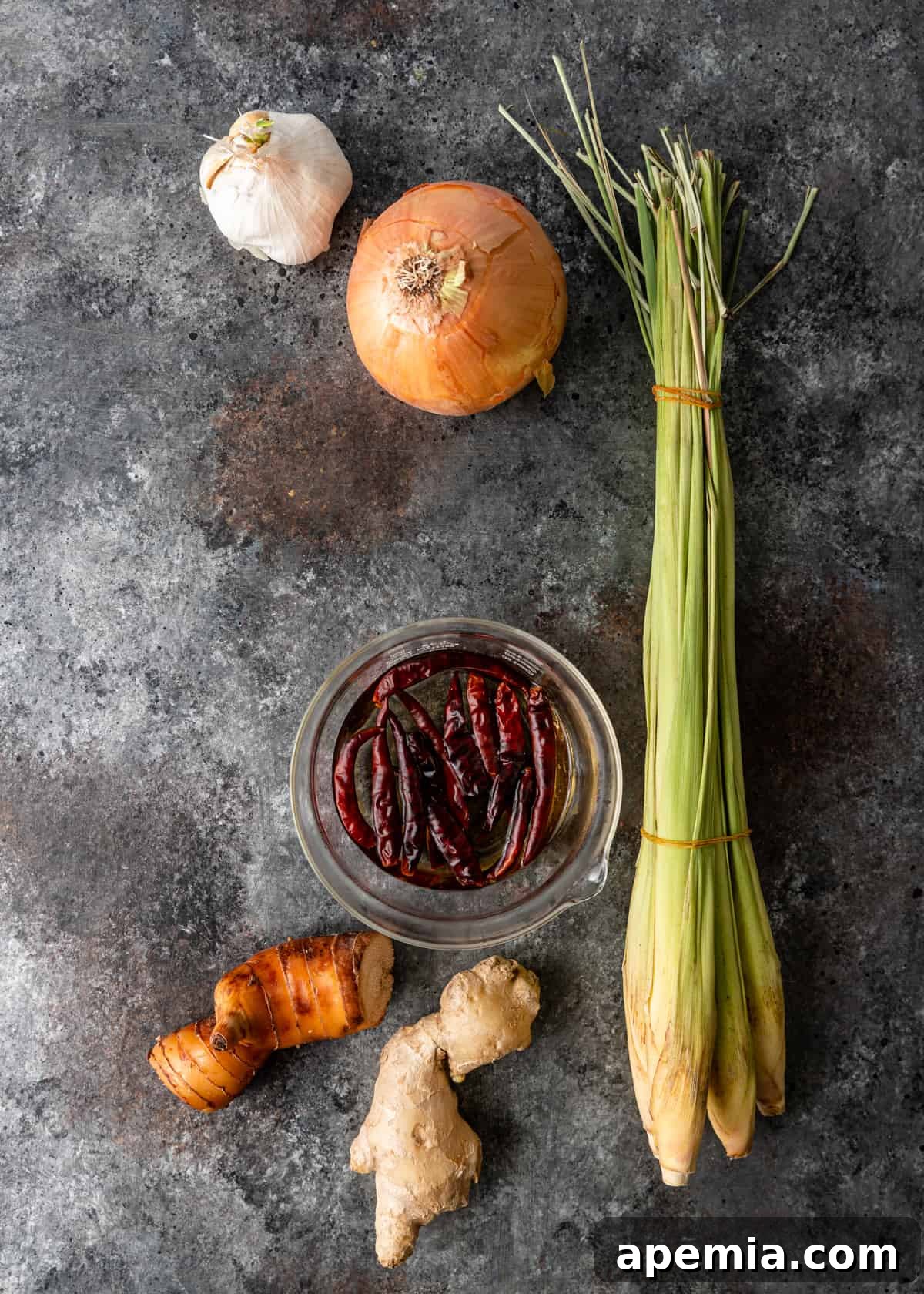
- Chilies: These provide the characteristic heat and vibrant color. You have options: use dried chile de Arbol, which should be rehydrated in boiling water, or fresh Thai red chilies (often called cayenne). For those who prefer a milder dish, feel free to halve the chili quantity. Remember, you can always add more heat, but it’s difficult to remove it.
- Onion: A small onion contributes a fundamental earthy sweetness and savory depth, forming an essential base for the paste.
- Garlic: Freshly minced garlic is indispensable, infusing the paste with its pungent, savory warmth and aromatic intensity.
- Lemongrass: For the paste, only use the white, tender part of the stalks, finely sliced. Lemongrass imparts a unique bright, citrusy, and slightly gingery aroma that is quintessential to authentic Southeast Asian cuisine. As an extra tip, a crushed piece of the remaining green stalk can be added to the pot during simmering for an additional burst of fragrance.
- Galangal: This root is a close cousin to ginger but possesses a distinct flavor profile: more peppery, slightly piney, and distinctly citrusy, setting it apart from ginger’s spicy sweetness. It is a cornerstone ingredient in Malaysian cooking, providing an authentic taste. You can typically find fresh galangal in most well-stocked Asian markets. If fresh galangal is unavailable, a combination of extra fresh ginger (an additional tablespoon) and a pinch of black pepper can serve as an acceptable substitute, though the authentic flavor nuance will be slightly altered. Remember to thoroughly scrape off the outer skin before chopping.
- Ginger: Fresh ginger root adds a warm, spicy, and subtly sweet note that perfectly complements the other aromatics in the rempah. Similar to galangal, scraping off the skin with a small spoon is an easy and effective way to prepare it before chopping.
Additional Spices and Flavor Enhancers
These ingredients deepen the complexity and balance the overall taste of the Rendang.
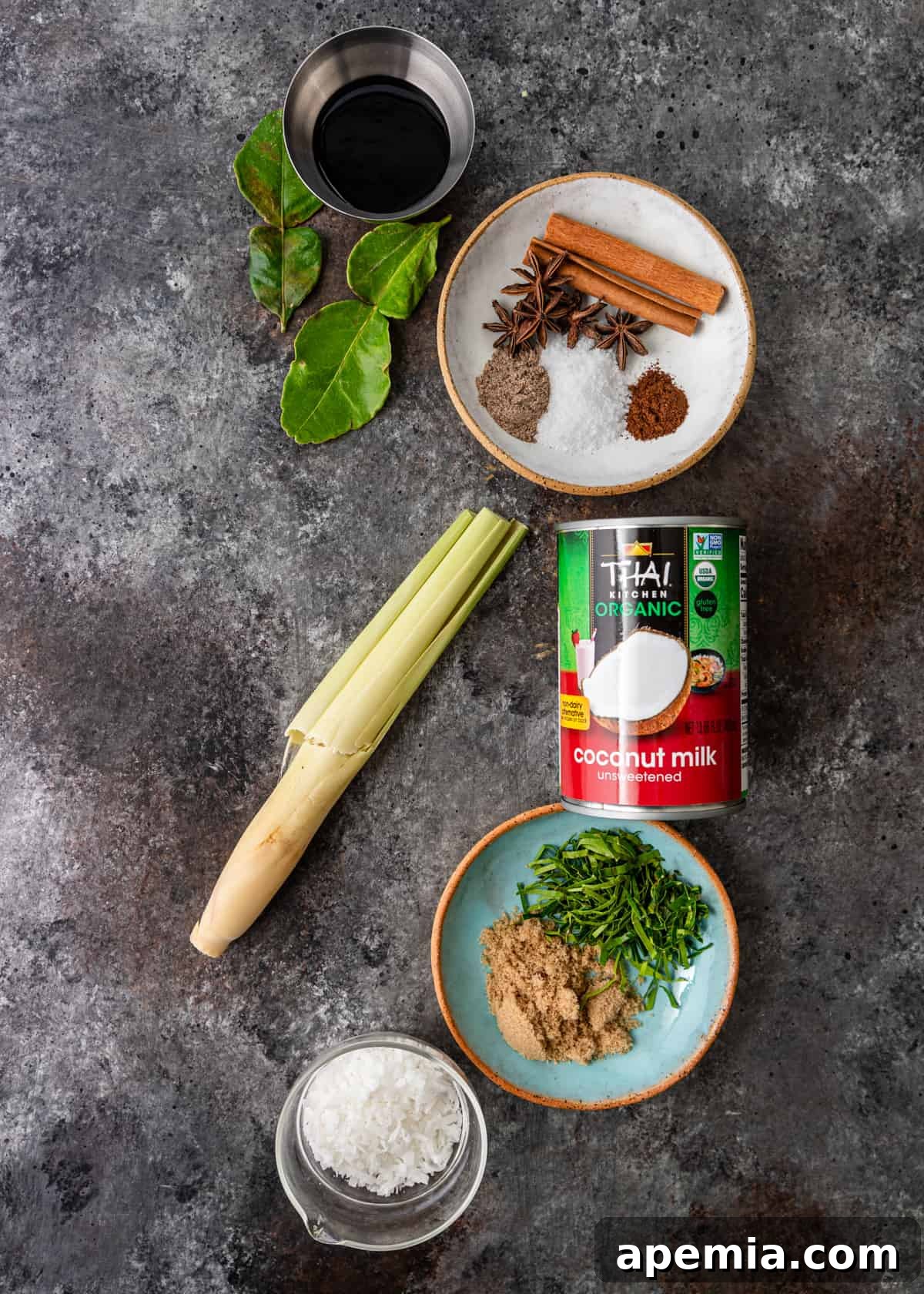
- Star Anise: These star-shaped pods lend a unique, warm, licorice-like flavor with a hint of sweetness, adding an exotic depth to the dish.
- Cinnamon Sticks: The warm, sweet spice of cinnamon beautifully complements the brown sugar and rich coconut flavors, adding a comforting aromatic layer.
- Brown Sugar: A touch of brown sugar is essential to balance the intense heat from the chilies and the subtle sourness from the tamarind. It also enhances the natural sweetness of the coconut, contributing to a well-rounded flavor.
- Cardamom Powder: With its herbal, slightly floral, and citrusy notes, cardamom powder brightens the overall flavor profile of the Rendang, adding a refined aromatic touch.
- Ground Clove: Warm, intensely aromatic, and earthy, ground cloves introduce a surprising and delightful depth, particularly effective in beef dishes.
- Tamarind: This ingredient is crucial for imparting a distinctive tangy, slightly sweet, and sour note that elegantly cuts through the richness of the coconut and beef. You can use tamarind purée, paste, or pulp. If using tamarind pulp, soak it in hot water and then press it through a sieve to remove fibers and seeds. In a pinch, an equal amount of white vinegar can be used as an emergency substitute, though tamarind is always preferred for authentic flavor.
- Kaffir Lime Leaves: These highly aromatic leaves are irreplaceable for their incredibly concentrated, zesty lime fragrance, which is truly unique and vibrant. They are well worth seeking out in Asian markets. If fresh leaves are unavailable, dried kaffir lime leaves can be used by crushing them finely. As a last resort, a combination of 1 tablespoon of fresh lime juice and the zest of one regular lime can be used, but the complex aroma will differ.
- Kosher Salt & Vegetable Oil: Kosher salt is used for seasoning the beef and balancing the other intense flavors. Vegetable oil is the medium for creating the curry paste and for browning the beef, a crucial step for flavor development.
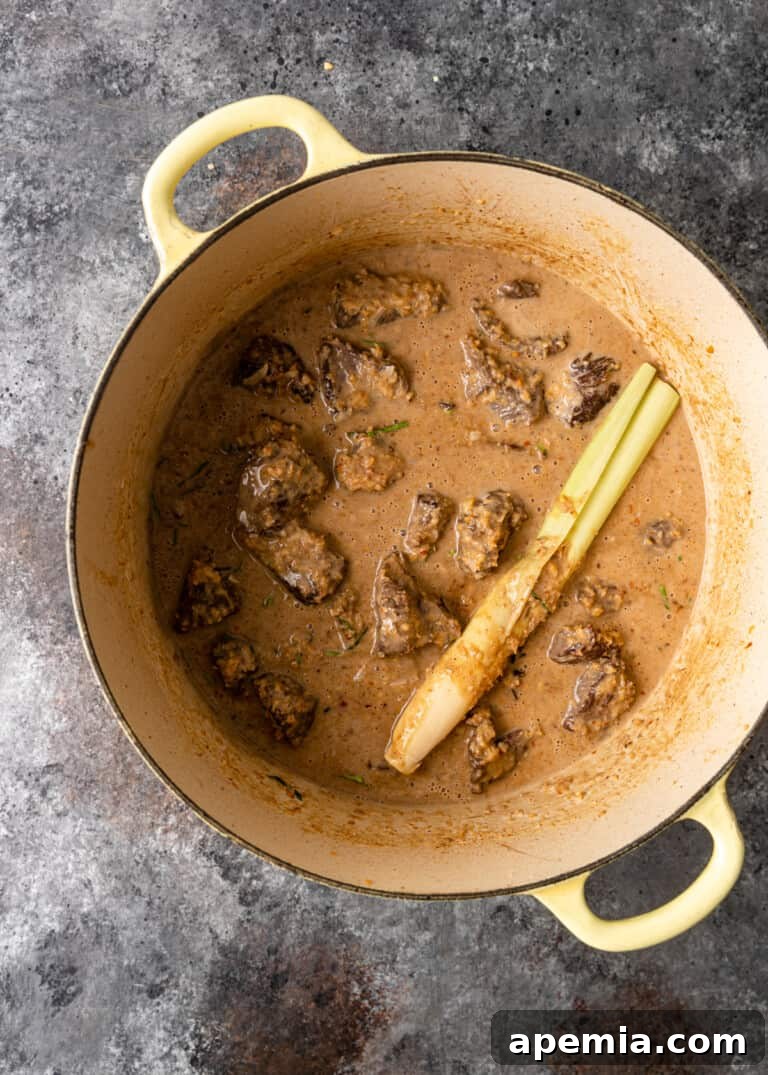
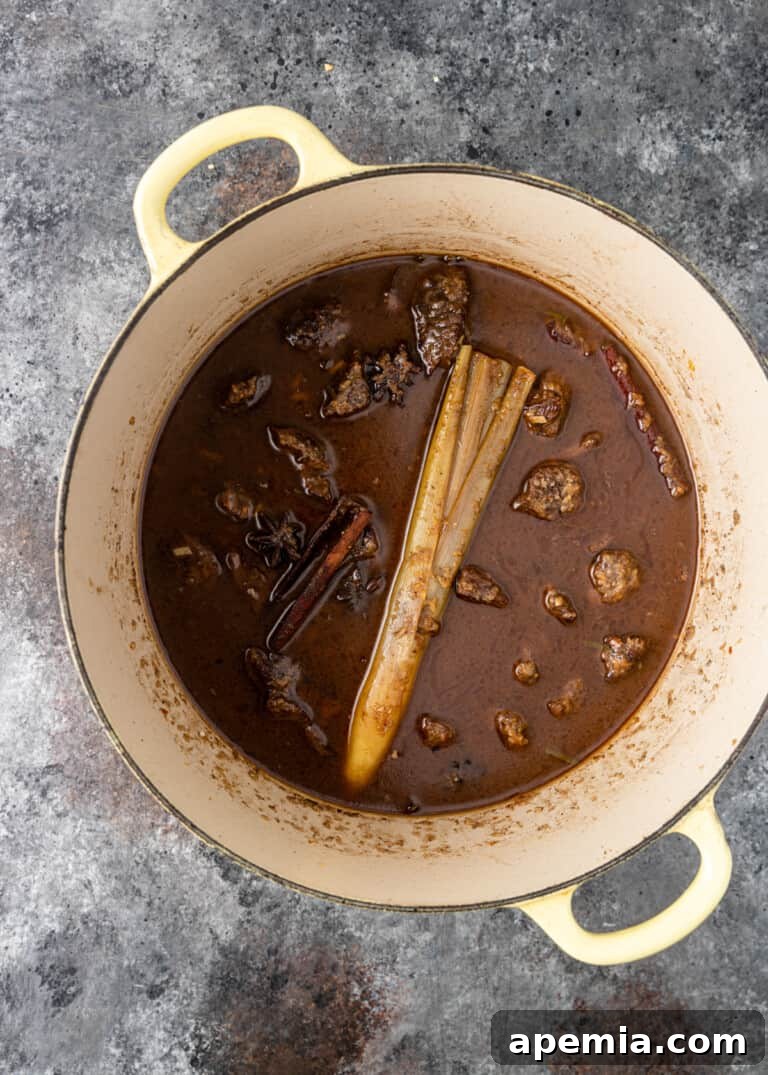
Step-by-Step Guide: How to Make Authentic Beef Rendang
Embark on this rewarding culinary adventure to create your very own authentic Malaysian Beef Rendang. Follow these detailed steps for a truly rewarding and flavorful experience.
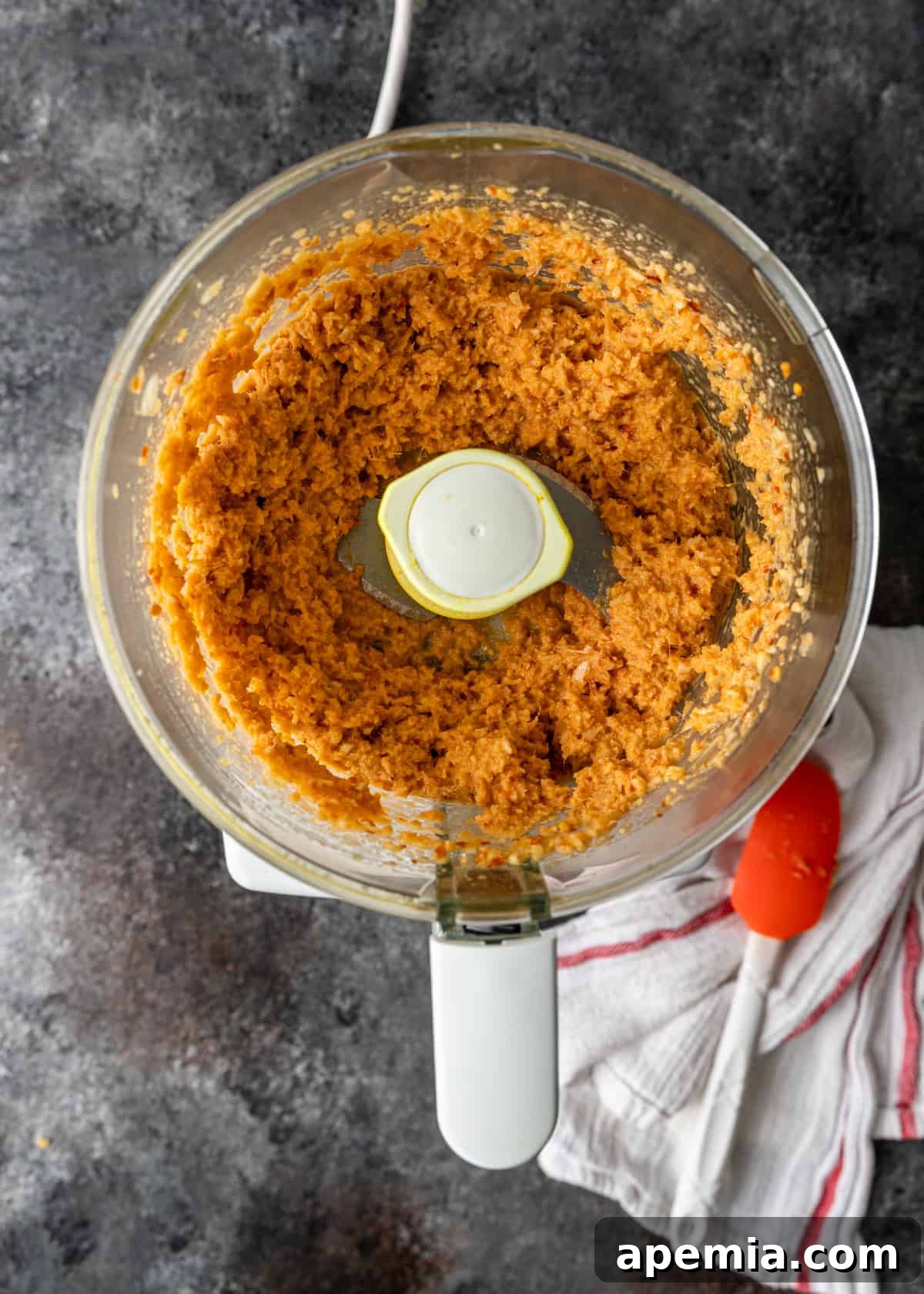
- Create the Curry Paste (Rempah): Begin by preparing your aromatic curry paste. In a food processor, combine the rehydrated or fresh chilies, coarsely chopped onion, peeled garlic cloves, sliced white part of the lemongrass stalks, skinned and chopped galangal, skinned and chopped ginger, and 2 tablespoons of vegetable oil. Blitz these ingredients until a very smooth, fine paste forms. It’s crucial to scrape down the sides of the processor as needed to ensure all components are thoroughly blended into a cohesive paste.
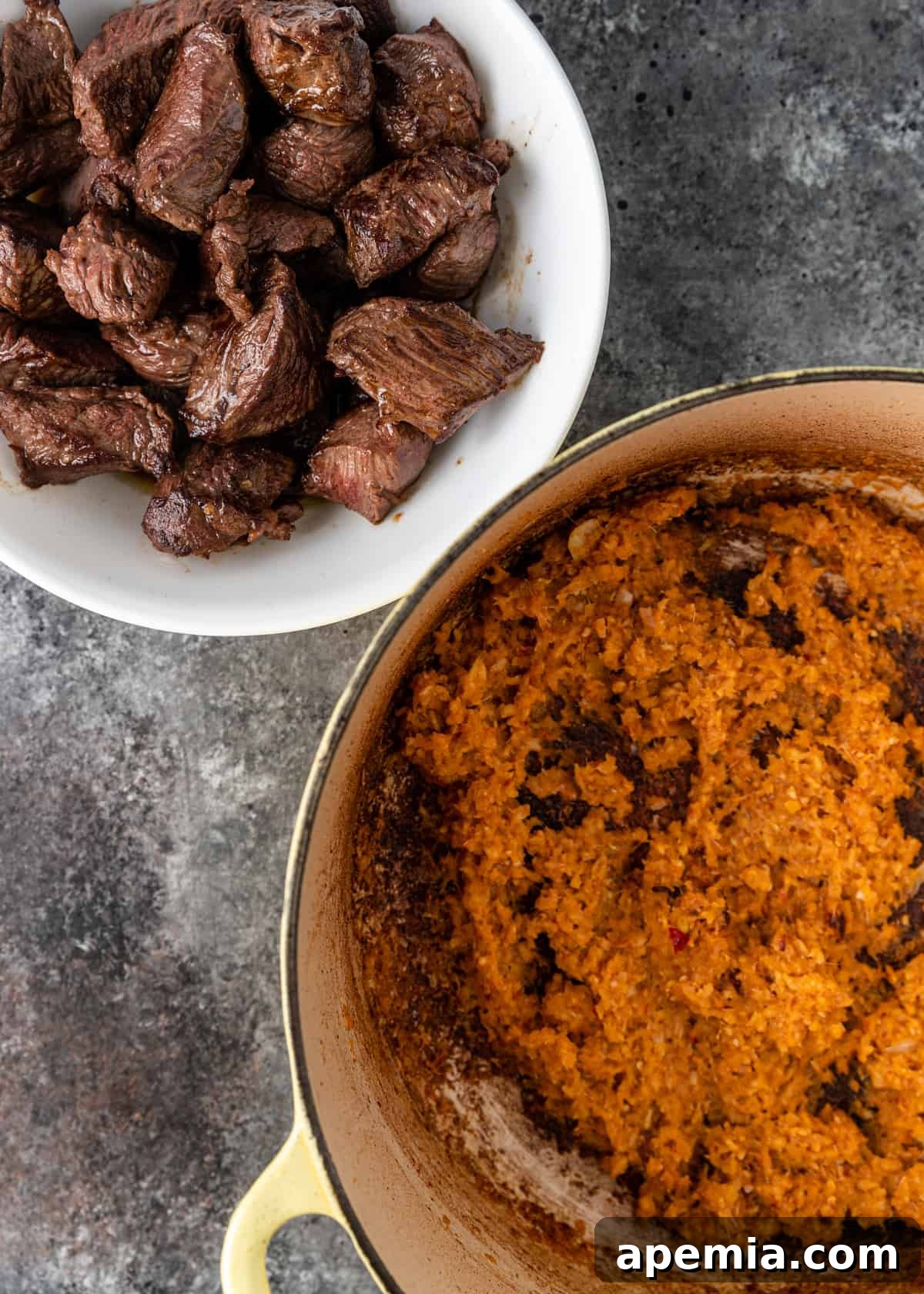
- Brown the Beef: Heat the remaining 1 tablespoon of vegetable oil in a large, heavy-bottomed Dutch oven over medium-high heat. Generously season your beef cubes with kosher salt. Working in batches, brown the beef on all sides. It is critical to avoid overcrowding the pot, as this will cause the meat to steam rather than sear and caramelize, preventing the development of deep, rich flavors. Once each batch of beef is beautifully browned, remove it from the pot and set it aside in a bowl.
- Sauté the Curry Paste: Reduce the heat to medium. Add the freshly prepared curry paste to the same Dutch oven, utilizing the flavorful fond left at the bottom of the pot (no need to clean it!). Cook the paste for approximately 3 to 5 minutes, stirring frequently. You will notice the paste deepen in color and release an incredibly fragrant aroma as the spices toast and release their essential oils. This step is vital for the rendang’s signature depth.
- Combine Ingredients & Simmer: Stir in the full-fat coconut milk, shredded coconut, whole star anise, cinnamon sticks, brown sugar, cardamom powder, ground clove, tamarind paste/purée, kaffir lime leaves, and the extra smashed lemongrass stick (if you’re using it for additional fragrance). Return the browned beef along with any accumulated juices from the bowl to the Dutch oven. Stir all the ingredients together thoroughly until the beef is fully coated in the aromatic sauce. Bring the mixture to a gentle simmer, then reduce the heat to low, cover the pot tightly, and allow it to cook undisturbed for a full 2 hours. This extended, slow simmer is absolutely essential for tenderizing the beef and allowing all the complex flavors to deeply meld and infuse.
- Reduce and Thicken the Sauce: After 2 hours of simmering, remove the lid from the Dutch oven and give the rendang a good stir. Increase the heat to medium. Continue to cook for another 20 to 30 minutes, or until the sauce has significantly reduced and thickened to a rich, “dry” consistency that lovingly clings to every piece of beef. During this final reduction stage, it’s important to stir often to prevent the sauce from sticking to the bottom of the pot and to ensure even caramelization.
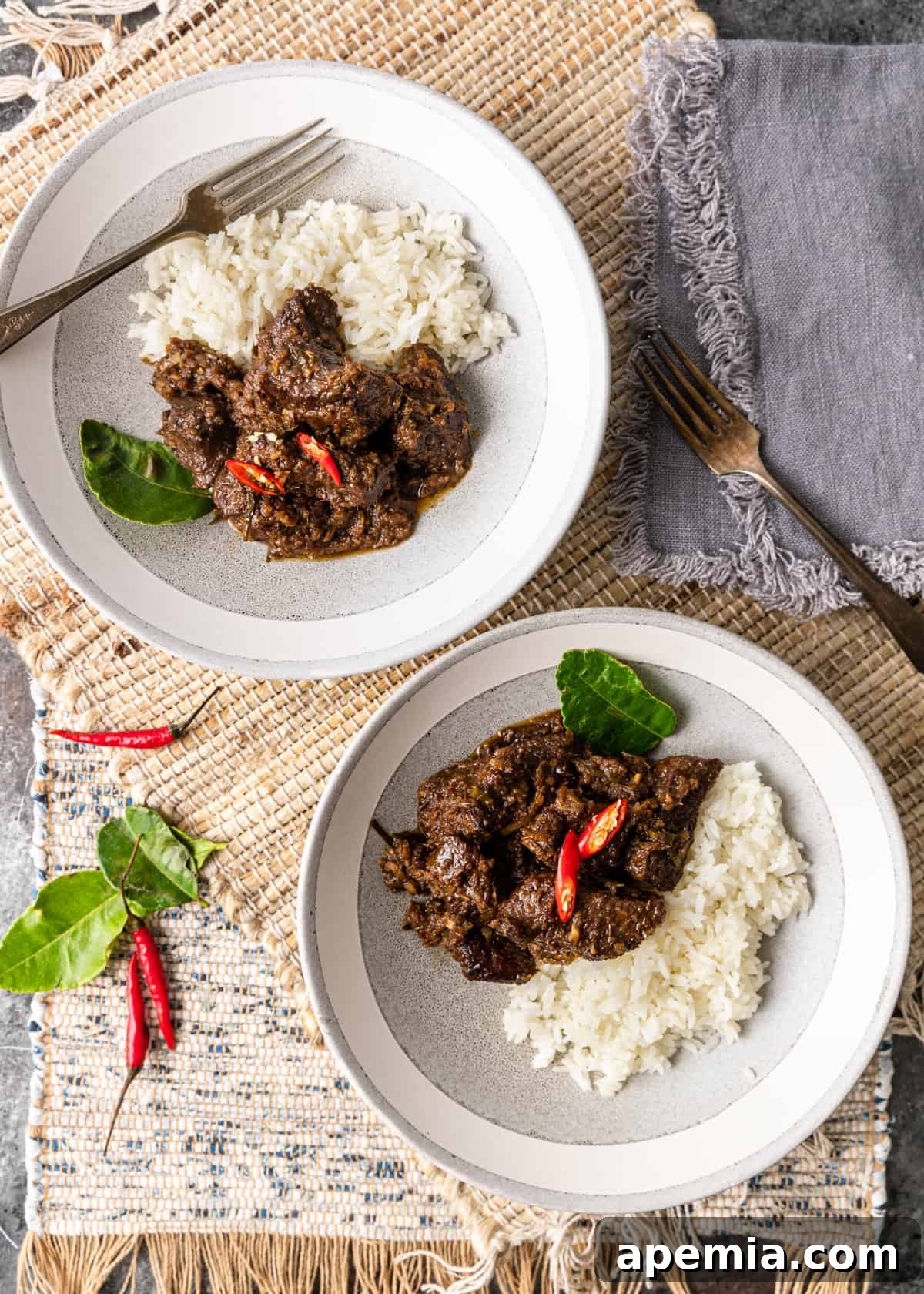
- Serve: Once your Beef Rendang has achieved its perfect thick consistency and the beef is fork-tender, remove the Dutch oven from the heat. Ladle generous portions of this magnificent curry over warm steamed rice or serve with your preferred side dishes. Enjoy the rich, complex flavors of authentic Malaysian Beef Rendang!
Expert Tips for a Perfect Beef Rendang
Achieving a truly exceptional Beef Rendang involves a few key techniques. Keep these tips in mind to elevate your dish:
- Utilize a Food Processor for the Rempah: For the curry paste, a food processor is indispensable. It ensures a smooth, consistently fine paste, which is vital for both the rendang’s texture and the even distribution of its complex flavors.
- Invest in a Quality Dutch Oven: The thick walls and heavy, tight-fitting lid of a Dutch oven are perfectly suited for slow, even cooking. This allows for consistent temperature maintenance, resulting in perfectly browned meat that turns out incredibly tender and juicy every time. If a Dutch oven isn’t available, a heavy-bottomed pot with a snug lid will also work well.
- Do Not Rush the Browning Process: Browning the beef in batches is a critical step that should not be hurried. It creates a rich, caramelized crust on the meat, developing a foundational layer of umami that adds tremendous depth of flavor to the finished rendang. Patience here truly pays off.
- Patience is Paramount for Simmering: The long, slow simmer isn’t just about tenderizing the meat; it’s where the true magic of Rendang unfolds. During this period, all the complex spices infuse deeply into the beef, and the coconut milk undergoes a transformative process, rendering a rich, unctuous sauce.
- Adjust Spice Levels to Your Liking: The spice level in Beef Rendang is highly customizable. If you are sensitive to heat, start with half the recommended amount of chilies in the curry paste. You can always taste the sauce during the simmering stage and add a pinch more chili powder if you desire more warmth. It’s much easier to add heat than to take it away.
- Prioritize Sourcing Fresh Ingredients: For the most authentic and vibrant flavors, make an effort to find fresh galangal, lemongrass, and kaffir lime leaves at your local Asian markets. The difference in their fresh aroma and taste compared to dried or pre-packaged alternatives is significant and will profoundly impact your final dish.
Serving Suggestions and Perfect Pairings
Beef Rendang, with its rich and complex profile, is a magnificent dish that truly shines when paired with simple, complementary sides that allow its profound flavors to take center stage. Here are some popular and delicious serving suggestions:
- Steamed White Rice: The classic and most traditional accompaniment. Its mild flavor and fluffy texture are ideal for soaking up every drop of the rich, aromatic rendang sauce, providing a perfect counterpoint to the intense curry.
- Fragrant Coconut Rice: For an enhanced tropical experience and an extra layer of flavor, consider cooking your rice with coconut milk instead of plain water. This mirrors the technique used in our Thai Baked Halibut recipe and beautifully amplifies the coconut notes present in the rendang.
- Boiled or Steamed Potatoes: A comforting and hearty alternative to rice, offering a different textural base that soaks up the sauce wonderfully.
- Fresh Green Vegetables: Lightly steamed bok choy, green beans, or asparagus provide a refreshing and crisp contrast to the richness of the curry, adding a touch of freshness and balance to the meal.
- Simple Crisp Salad: A lightly dressed green salad can introduce a refreshing crunch and brightness, helping to cut through the richness of the rendang and cleanse the palate.
- Roti or Naan Bread: These soft, flaky flatbreads are absolutely perfect for scooping up the last, most delicious bits of that incredibly flavorful and clinging sauce.
Storing, Reheating, and Making Ahead
One of the many wonderful qualities of Beef Rendang is that, much like many stews and curries, its flavors often deepen and become even more exquisite the day after it’s cooked. This makes it an excellent candidate for meal prepping or preparing in advance for special occasions.
- Refrigerator Storage: Any leftover Beef Rendang should be transferred to an airtight container. It can be safely stored in the refrigerator for up to 4 days, with its flavors developing beautifully overnight.
- Freezing Instructions: For longer preservation, Beef Rendang freezes exceptionally well. Portion it into freezer-safe bags or airtight containers and freeze for up to 3 months. For best results, thaw the frozen rendang overnight in the refrigerator before reheating.
- Reheating Method: To reheat, simply place the desired portion of curry in a skillet or saucepan over medium-low heat. Stir frequently to ensure even warming and to prevent sticking. The sauce may have thickened considerably during refrigeration or freezing; if it appears too dry or thick, add a splash of water or a bit of extra coconut milk to loosen the consistency back to your preferred texture.
- Make-Ahead Benefits: Beef Rendang is an ideal make-ahead dish. Preparing it a day or two in advance allows the intricate flavors to meld and mature even further, making serving on a busy day or during entertaining events incredibly convenient and stress-free.
Share this Recipe on Pinterest!
Love this recipe? Help others discover it by sharing it with the world on Pinterest.
Frequently Asked Questions
For the most tender and flavorful Beef Rendang, we highly recommend using beef chuck. Its generous marbling and connective tissues break down beautifully during the extended slow-cooking process, resulting in incredibly succulent meat. Other excellent options that stand up well to slow cooking include beef brisket or short ribs. Regardless of the cut, ensure you chop the beef into uniform 2-inch cubes to promote even cooking and thorough tenderization.
If your Beef Rendang has a soupy or watery consistency, it most likely hasn’t been cooked long enough, particularly during the crucial final reduction stage. The hallmark of an authentic rendang is its thick, almost “dry” sauce that richly clings to every piece of meat. To achieve this, ensure you allow ample time for simmering with the lid off during the last 20-30 minutes of cooking, stirring frequently. This process allows excess liquid to evaporate, encouraging the sauce to caramelize and thicken naturally. If you’re still struggling to reach the desired consistency, a cornstarch slurry (made by mixing 1 tablespoon of cornstarch with 2 tablespoons of cold water) can be stirred in during the final stages of cooking to help thicken it, though natural reduction is always preferred for the most concentrated flavor.
Beef Rendang is traditionally served with simple side dishes that complement its rich and complex flavors without competing. Steamed white rice is the ultimate classic choice, perfect for absorbing every bit of the savory, aromatic sauce. For an extra layer of tropical flavor, consider serving it with fragrant coconut rice, prepared by cooking rice with coconut milk instead of water. Boiled or steamed potatoes also make a comforting and hearty base. For a refreshing contrast, fresh green vegetables like lightly steamed bok choy, green beans, or a crisp green salad are excellent additions. Don’t forget Roti or Naan bread, which are perfect for scooping up the last remnants of the delicious sauce.
Absolutely! The beauty of cooking at home is the ability to customize. To reduce the spice level in your Beef Rendang, simply adjust the quantity of chilies when preparing the curry paste. You can easily halve the amount, or even use fewer, depending on your heat preference. If using fresh chilies, removing the seeds and membranes can also significantly reduce their pungency. Remember, it’s always easier to add more heat later if desired, but much harder to tone it down once it’s incorporated.
Yes, Beef Rendang can be successfully adapted for both slow cooker and Instant Pot methods, offering convenience without sacrificing flavor, though the final reduction step might be best finished on the stovetop to achieve the characteristic “dry” consistency. For a slow cooker, you would typically brown the beef and sauté the curry paste separately on the stovetop first, then combine all ingredients in the slow cooker and cook on low for 6-8 hours. For an Instant Pot, utilize the sauté function to brown the beef and cook the paste, then pressure cook for approximately 45-60 minutes, followed by a natural release. Finish by reducing the sauce on the sauté function until it thickens to your desired consistency.
Beef Rendang Curry
5 from 1 vote
This authentic Beef Rendang recipe showcases succulent beef infused with spicy chilies and rich coconut milk. It’s a truly flavorful Malaysian curry, featuring incredibly tender beef and an aromatic homemade curry paste, promising an unforgettable meal.
6
20 mins
3 hrs
3 hrs 20 mins
Ingredients
Curry Paste (Rempah)
- 12 dried chilies or 12 fresh red Thai chilies (Note 1)
- 1 small onion, chopped
- 5 cloves garlic
- 4 lemongrass stalks, white part only, sliced (Note 2)
- 2 tbsp fresh galangal, skinned and chopped (Note 3)
- 2 tbsp fresh ginger, skinned and chopped (Note 4)
- 2 tbsp vegetable oil
Assembly & Cooking
- 2 lbs beef chuck (or other slow cooking beef), cut into 2-inch cubes
- 2 tsp kosher salt
- 1 tbsp vegetable oil
- 14 oz full-fat coconut milk (canned)
- 1/3 cup unsweetened shredded coconut
- 5 star anise
- 2 cinnamon sticks
- 1 tbsp brown sugar
- 1/2 tsp cardamom powder
- 1/4 tsp ground clove
- 1 tbsp tamarind puree / paste or tamarind pulp (See Note 5)
- 5 large kaffir lime leaves (See Note 6)
- 1 lemongrass stick, bottom white half, slightly smashed to release flavor (for simmering)
Instructions
- Prepare the Curry Paste: Add the chilies, onion, garlic, lemongrass stalks (white part only), galangal, ginger, and 2 tablespoons of vegetable oil to a food processor. Blitz until it forms a smooth, fine paste. Scrape down sides and blend completely to ensure a consistent texture.
- Brown the Meat: In a large Dutch oven, heat the remaining 1 tablespoon of vegetable oil over medium-high heat. Season the beef cubes generously with salt. Brown the beef in batches to prevent overcrowding the pot; this ensures a good sear and avoids steaming. Set aside the browned beef in a bowl once done.
- Sauté the Paste: Reduce the heat to medium. Add the prepared curry paste to the same pot. Cook for 3-5 minutes, stirring often, allowing it to darken and become incredibly fragrant as the spices toast.
- Combine & Simmer: Stir in the coconut milk, shredded coconut, star anise, cinnamon sticks, brown sugar, cardamom, clove, tamarind, kaffir lime leaves, and the extra smashed lemongrass stick. Return the browned beef along with any accumulated juices to the Dutch oven. Stir all ingredients together, bring to a gentle simmer, then cover the pot and cook on low heat for 2 hours.
- Reduce & Thicken: After 2 hours, remove the lid and stir the rendang. Increase the heat to medium and continue to cook for another 20 to 30 minutes. During this stage, the sauce will reduce significantly and thicken to a rich, “dry” consistency that coats the beef. Stir often to prevent sticking.
- Serve: Once the Beef Rendang has reached its desired thickness and the beef is fork-tender, remove it from the heat. Serve immediately over warm steamed rice or with your chosen accompaniments.
Notes
- Chilies: If using dried chilies (like chile de arbol), rehydrate them with boiling water in a small bowl for about 10-15 minutes before adding to the food processor. Otherwise, use fresh red Thai chilies (cayenne). Feel free to cut the amount of chilies in half if you prefer a milder rendang, as this recipe can be quite spicy!
- Lemongrass: To prepare, trim the root end and peel away the tough, reedy green outer layers until you reveal the softer, pale white part on the bottom half of the stalk. Chop this tender white part into 1-inch pieces for the curry paste.
- Galangal: Galangal is similar in appearance to ginger but has a distinctly more peppery, piney, and citrusy flavor. It is a signature ingredient in Malaysian cooking. If you are unable to find fresh galangal, you can substitute it with an additional tablespoon of fresh ginger and a generous grind of black pepper. Use a small spoon to easily scrape off the outer skin before chopping.
- Ginger: For fresh ginger, use a small spoon to scrape off the outer skin efficiently before chopping it finely for the curry paste.
- Tamarind: If using tamarind pulp, soak 1 tablespoon in 2 tablespoons of hot water for 10 minutes, then mash and strain to remove any seeds or fibrous material. An equal amount of white vinegar can be substituted if tamarind is unavailable, though the flavor profile will be slightly different. Tamarind paste is commonly found in most Asian markets (e.g., the Tamicon brand).
- Kaffir Lime Leaves: These leaves are indispensable for their amazing, concentrated lime aroma and flavor, which is a hallmark of Southeast Asian cuisine. They are well worth seeking out in Asian/Southeast Asian markets. To prepare, stack them, roll them like a cigar, and slice finely for long, thin strips. You can also use dried kaffir lime leaves by crushing them before adding. As a last resort, substitute with 1 tablespoon of fresh lime juice and the zested rind of 1 regular lime.
Nutrition
Carbohydrates: 14g |
Protein: 31g |
Fat: 34g |
Saturated Fat: 22g |
Trans Fat: 1g |
Cholesterol: 104mg |
Sodium: 924mg |
Potassium: 799mg |
Fiber: 2g |
Sugar: 6g |
Vitamin A: 292IU |
Vitamin C: 4mg |
Calcium: 73mg |
Iron: 6mg
The information shown is an estimate provided by an online nutrition calculator. It should not be considered a substitute for a professional nutritionist’s advice.
Have You Made This Recipe? Let Me Know on Instagram!
Tag @keviniscooking or use the hashtag #keviniscooking!