
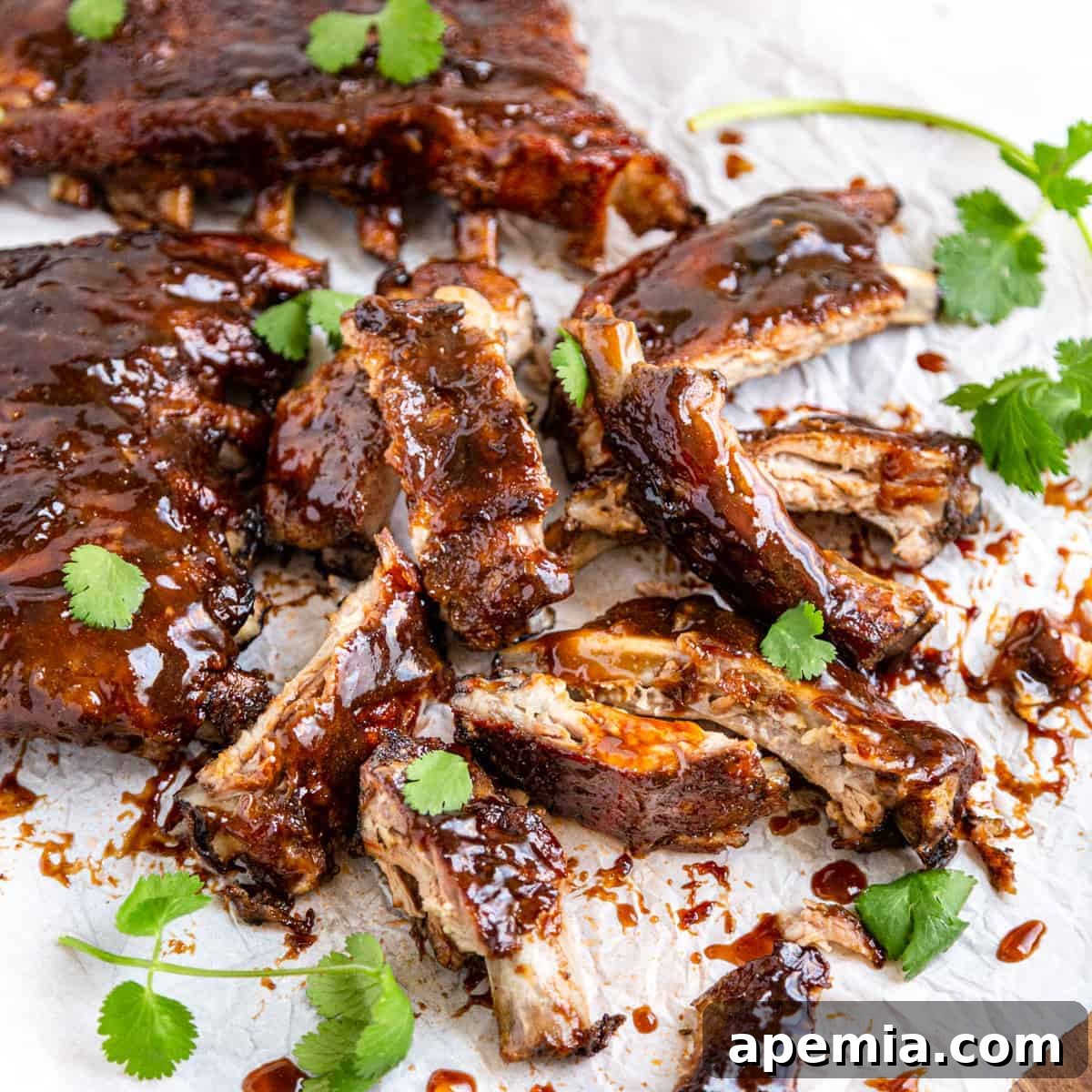
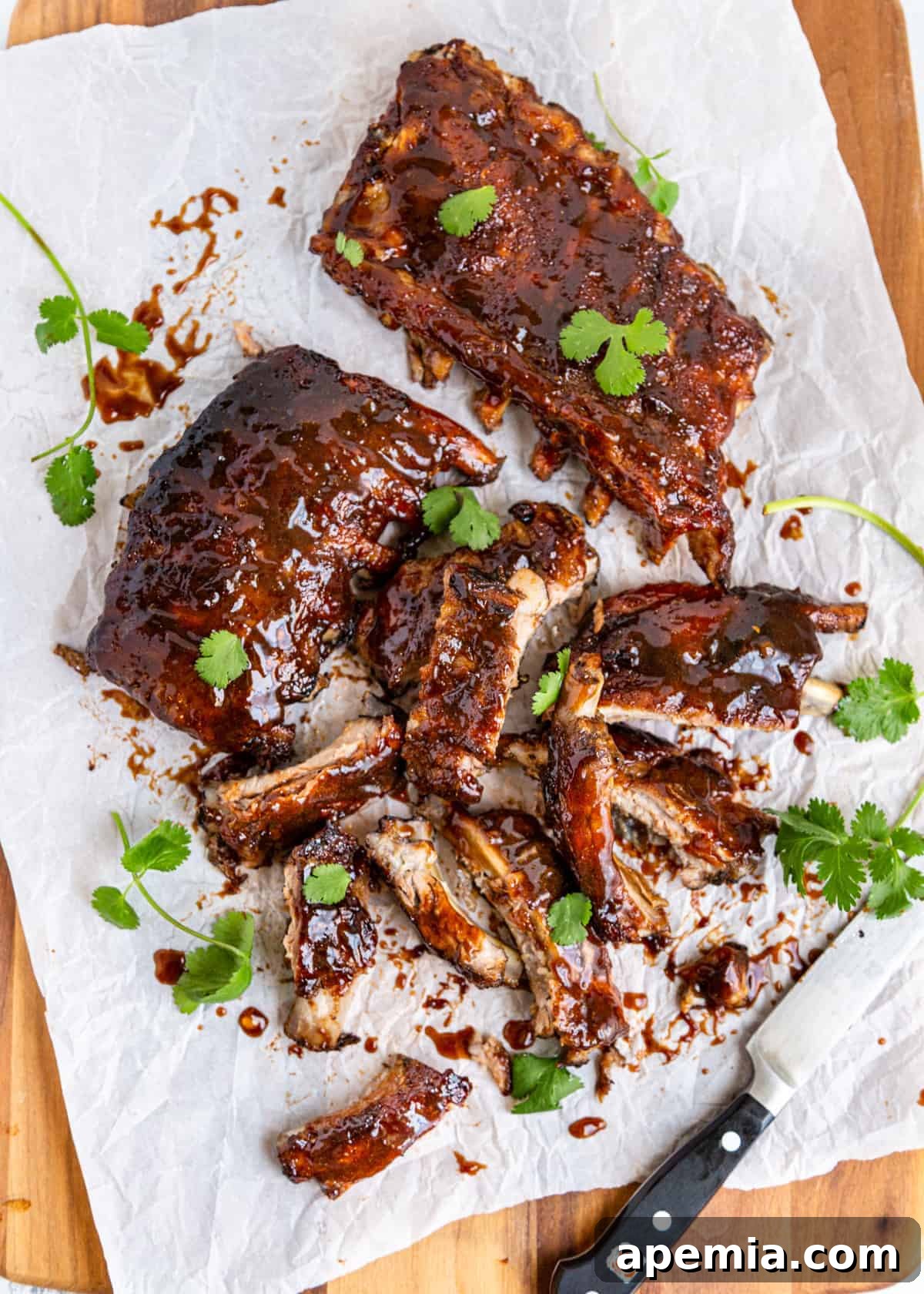
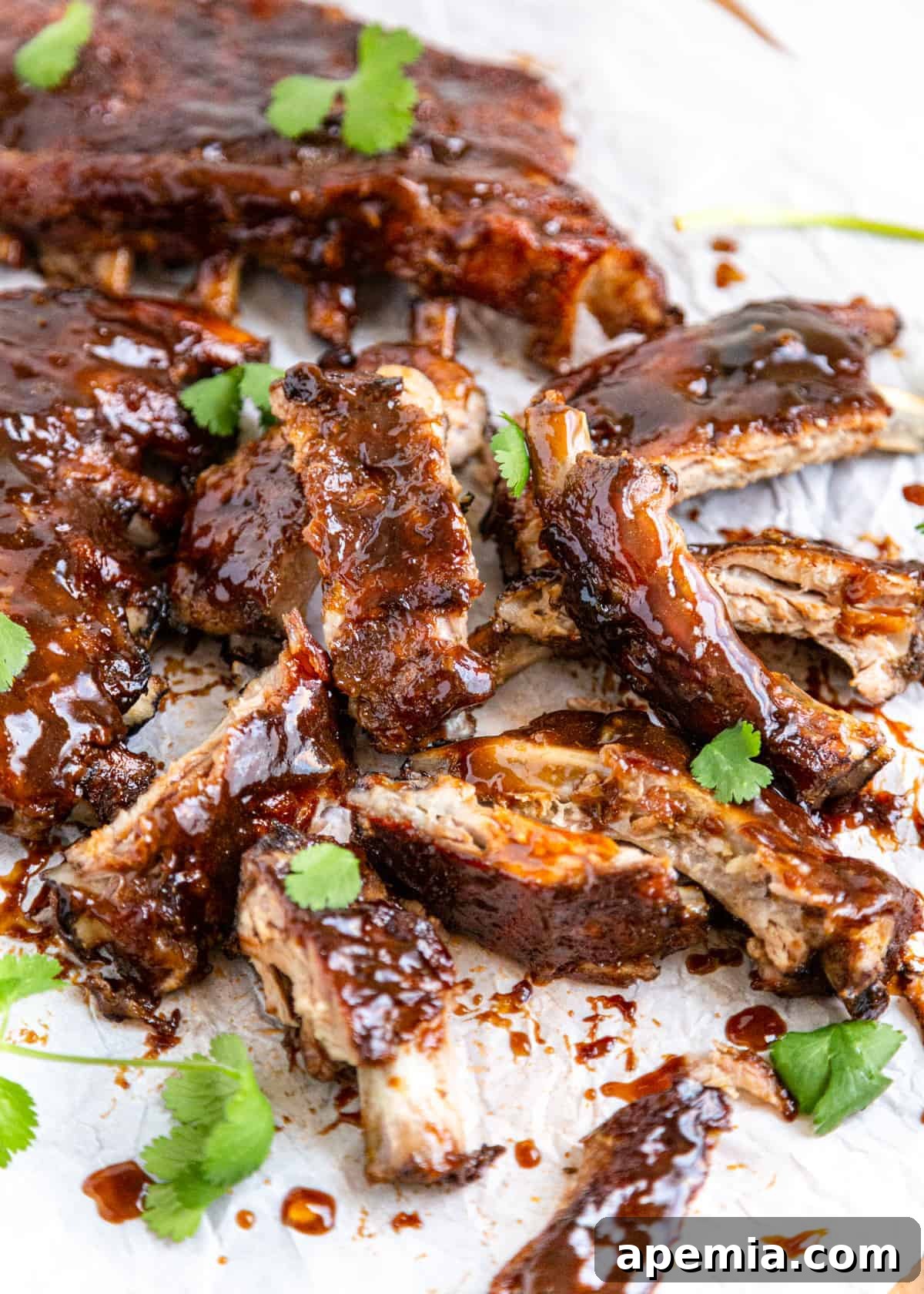
Indulge in the ultimate culinary delight with these incredibly tender, sticky, and irresistibly tangy sweet and sour ribs. Each succulent pork rib is slow-cooked to perfection, ensuring it falls effortlessly off the bone, then coated in an exquisite amber-red sauce. Crafted from a harmonious blend of Gochujang, vinegar, ketchup, and a medley of bold Chinese seasonings, this homemade recipe promises an explosion of authentic Asian flavors. Get ready to impress your family and friends with a dish that perfectly balances tradition and mouthwatering innovation.
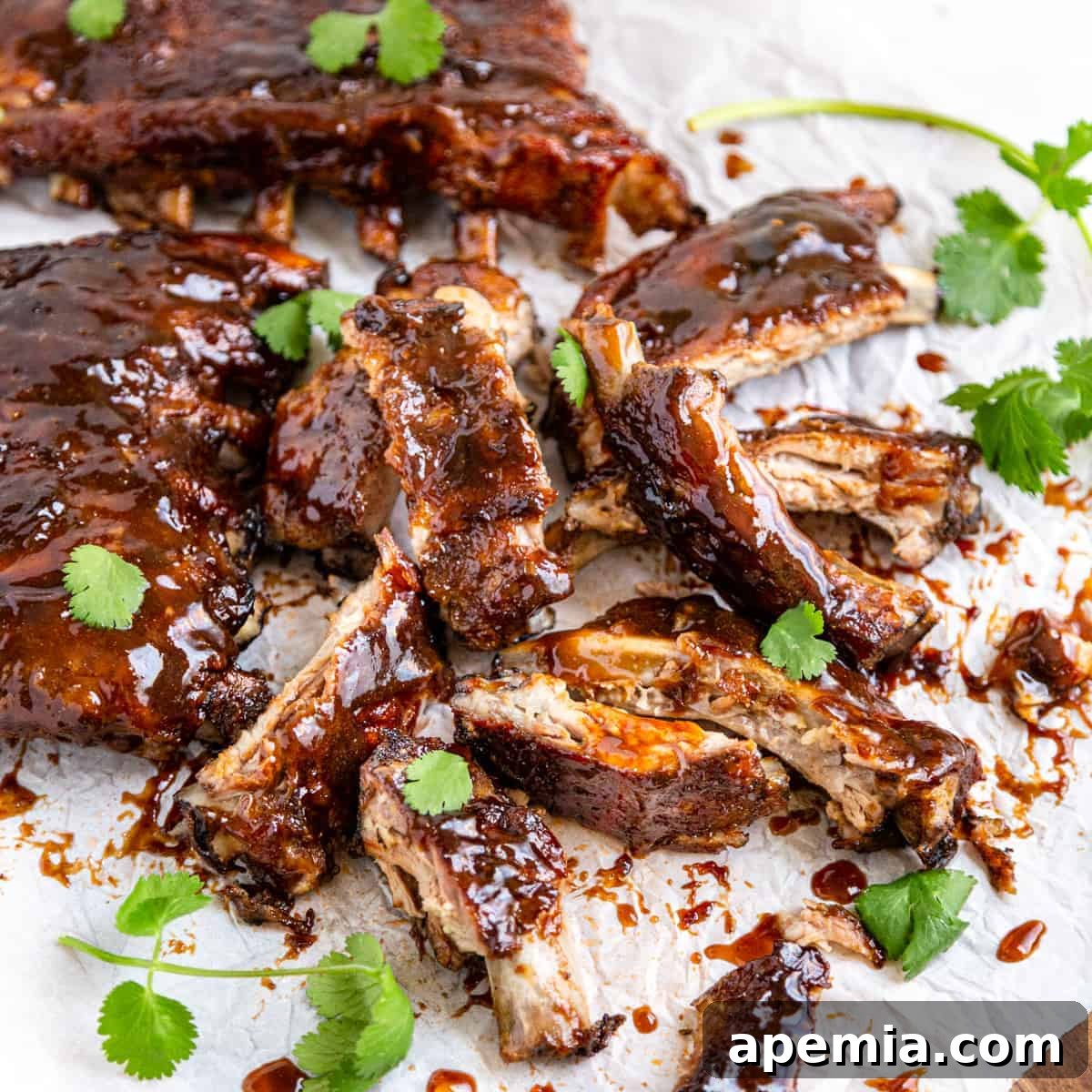
The Allure of Sweet and Sour Ribs: A Symphony of Flavors
Sweet and sour pork ribs are a timeless classic for a reason. This beloved dish masterfully achieves the perfect equilibrium of the five defining flavors in cooking: sweet, sour, salty, bitter, and umami. Our recipe begins with a hint of natural sweetness derived from fruity apricot jam, complemented by the delightful sour tanginess of rich ketchup and vibrant rice vinegar. A subtle bitterness comes from carefully selected earthy Chinese spices, while a dash of salt and the inherent savory notes within the pork itself complete this intricate flavor profile. The result is a deeply satisfying and complex taste that captivates the palate with every bite.
After hours of patient, low, and slow cooking, these pork ribs transform into an epitome of tenderness. But the journey doesn’t end there. A crucial final step involves broiling the ribs to develop a beautifully crisped, golden-brown crust, locking in the sticky, mouthwatering sauce. This creates an unparalleled textural contrast that elevates the entire dish, making it not just a meal, but a truly memorable dining experience.

One of the true stars of this recipe is the incredible sweet and sour sauce. It’s so versatile and universally appealing that you’ll want to make extra! Its rich, amber-red hue and irresistible stickiness make it an excellent accompaniment for more than just the ribs. Feel free to use it as a dipping sauce for a variety of Asian appetizers, such as savory pot stickers, crispy egg rolls, or delicate Chinese scallion pancakes. This sauce truly is a crowd-pleaser that will enhance any feast.
Table of Contents
- Unlocking Tenderness: The Slow Cooker Secret
- Rib Membrane: A Crucial Detail
- Essential Ingredients for Authentic Flavor
- Crafting Your Perfect Sweet and Sour Ribs: Step-by-Step Guide
- Tools for Success
- Storage and Reheating Tips
- Frequently Asked Questions
- The Ultimate Sweet and Sour Ribs Recipe
- More Asian-Inspired Delights
Unlocking Tenderness: The Slow Cooker Secret
The magic behind truly fall-off-the-bone ribs lies in the slow cooking method. A crockpot creates a consistently moist and low-temperature environment, allowing the tough connective tissues in the pork to slowly break down into gelatin. This process ensures that every fiber of the meat becomes incredibly tender and juicy, absorbing all the wonderful flavors of the dry rub and basting sauce over several hours. Unlike grilling or baking at high heat, which can dry out ribs, slow cooking guarantees a succulent result with minimal effort, making it the ideal technique for achieving perfectly tender sweet and sour pork ribs.
Rib Membrane: A Crucial Detail for Perfect Ribs
When preparing ribs, you’ll often notice a thin, pearly membrane on the back of the bone side. While some butchers remove it, many leave it intact. For this slow cooker sweet and sour rib recipe, we recommend keeping the membrane on the back of the ribs during the slow cooking phase. This membrane acts as a natural binder, helping the ribs hold their shape and preventing them from falling completely apart too early in the cooking process. While it’s perfectly fine if your ribs come without the membrane – they’ll just be even easier to handle later – having it ensures a more cohesive rack. The beauty of slow cooking is that by the time they are done, the membrane will be incredibly easy to remove just before broiling, allowing the final sauce to adhere beautifully to the tender meat.
Essential Ingredients for Authentic Flavor
(For a complete list of ingredients and precise quantities, please refer to the recipe card below.)
Rib Selection: Choosing the Best Cut for Slow Cooker Ribs
- Ribs – While this recipe shines with pork baby back ribs due to their ideal meat-to-bone ratio and quicker cooking time, spare ribs and St. Louis cuts are also excellent choices. Spare ribs, cut from the belly section, are meatier and richer in flavor, while St. Louis style ribs are simply spare ribs trimmed into a more uniform, rectangular shape. Regardless of your choice, ensure they are fresh and of good quality for the best results.
The Heart of the Dry Rub: Aromatic Spices
- Garlic Powder & Ground Ginger – These two aromatic powerhouses are non-negotiable staples in any robust, full-bodied pork dry rub. They infuse the ribs with a warm, pungent depth that forms the foundation of our Asian flavor profile. Always use fresh spices for maximum impact.
- White Pepper – Distinct from its black counterpart, ground white peppercorn offers an intense, lingering heat and a slightly milder aroma that complements pork exceptionally well. If you don’t have white pepper, black pepper can be used as a suitable substitute, though the flavor will be subtly different.
- Chinese Five Spice – This iconic blend is the secret weapon for truly authentic Chinese flavors. It’s a masterful combination that embodies all five fundamental tastes: salty, sweet, bitter, sour, and savory (umami) in a single, aromatic blend, adding an unmistakable complexity to the ribs.
- Kosher Salt – Essential for seasoning and tenderizing the pork, drawing out its natural flavors.
The Dynamic Basting Sauce: Sweet, Tangy, and Spicy
- Gochujang Paste – This thick, vibrant, and spicy Korean fermented chili paste is a defining ingredient in our sauce. Made from fermented soybeans, chili powder, and glutinous rice, Gochujang provides a unique blend of sweetness, heat, and umami depth that is simply irreplaceable. Its robust flavor is crucial for the sauce’s character.
- Apricot Jam – Chosen for its light, fruity sweetness and thick, sticky consistency, apricot jam provides a beautiful glaze. While apricot is my favorite for its delicate balance, you can experiment with other fruit jams like peach or orange marmalade for a different fruity twist.
- Ketchup – Beyond its familiar sweetness, ketchup brings a rich tomato base and a pleasant acidity to the sauce. If you need a substitute, an equal amount of tomato puree mixed with a pinch of white sugar can work, but for convenience and flavor, ketchup is hard to beat.
- Soy Sauce – A fundamental Asian seasoning, soy sauce adds essential saltiness and a deep umami character. For alternatives, tamari (gluten-free), fish sauce (for a different savory depth), or Worcestershire sauce (with a slight twist) can be considered.
- Rice Vinegar – This mild, slightly sweet vinegar contributes the critical tanginess that defines “sweet and sour.” If rice vinegar isn’t available, apple cider vinegar, red wine vinegar, or white wine vinegar can be substituted. However, remember to add about ¼ teaspoon of sugar to your sauce mixture to compensate for their potentially sharper acidity and maintain the perfect sweetness balance.
Crafting Your Perfect Sweet and Sour Ribs: Step-by-Step Guide
- Prepare the Dry Rub: In a small bowl, combine the garlic powder, ground ginger, kosher salt, white pepper, and Chinese Five Spice. Mix thoroughly. Set aside one teaspoon of this aromatic dry rub; it will be incorporated into the basting sauce later.
- Whisk the Basting Sauce: In a separate medium bowl, whisk together the apricot jam, ketchup, soy sauce, Gochujang paste, rice vinegar, and the reserved one teaspoon of dry rub. This combination creates the rich, complex, and flavorful sauce that will glaze your ribs. Set this aside.
- Season the Ribs: Take your baby back ribs and generously rub the prepared dry rub all over them. Spend a few moments pressing the rub into the meat, ensuring every surface is thoroughly coated. Remember to leave the membrane on the back of the ribs at this stage for better structural integrity during slow cooking.
- Slow Cook to Perfection: Lightly grease the inside of your slow cooker with cooking spray or a thin layer of oil. Carefully arrange the seasoned ribs inside, with the meaty side facing down. Cook on the High setting for approximately 4 hours, or until the ribs are incredibly tender and easily pierced with a fork.
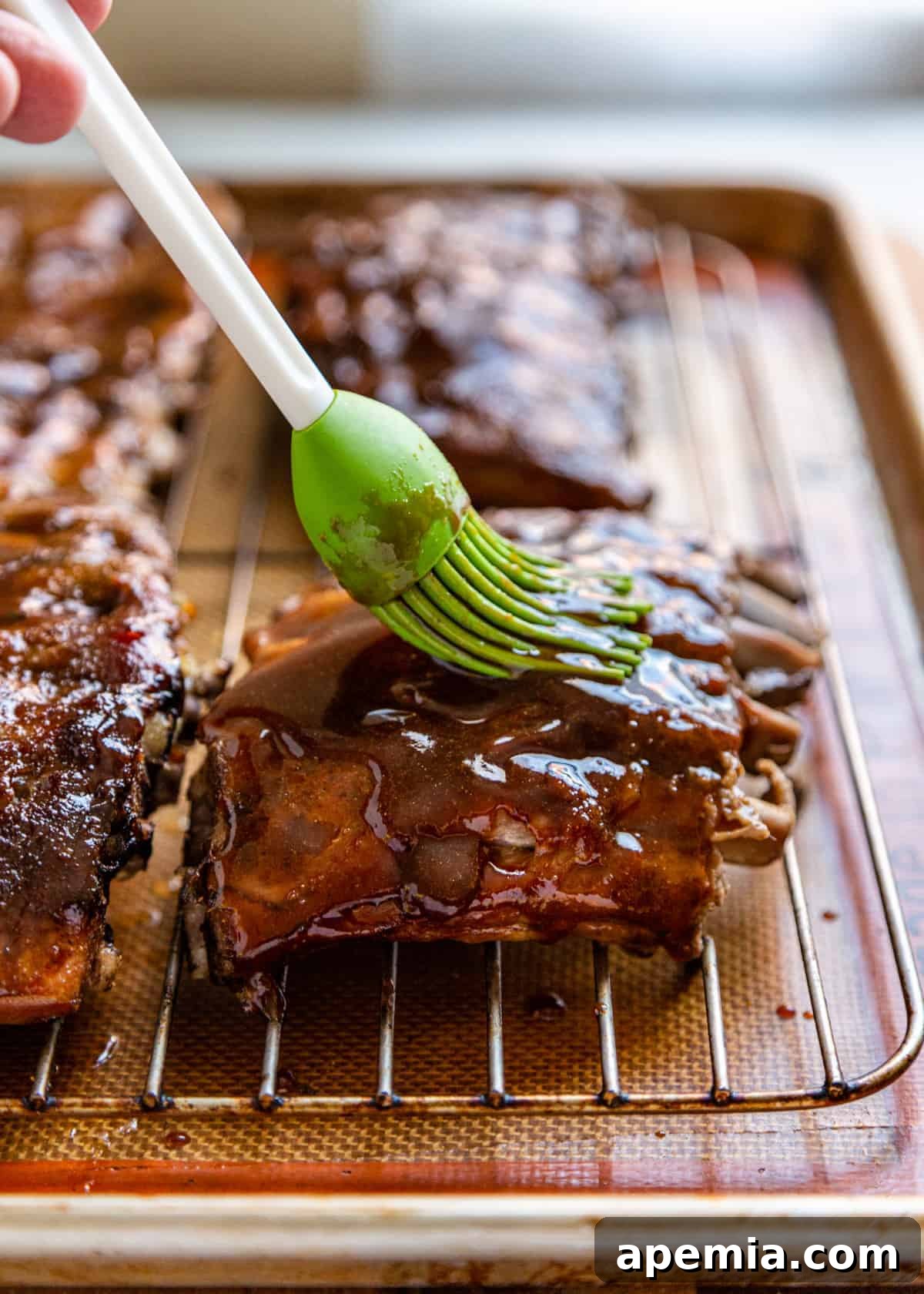
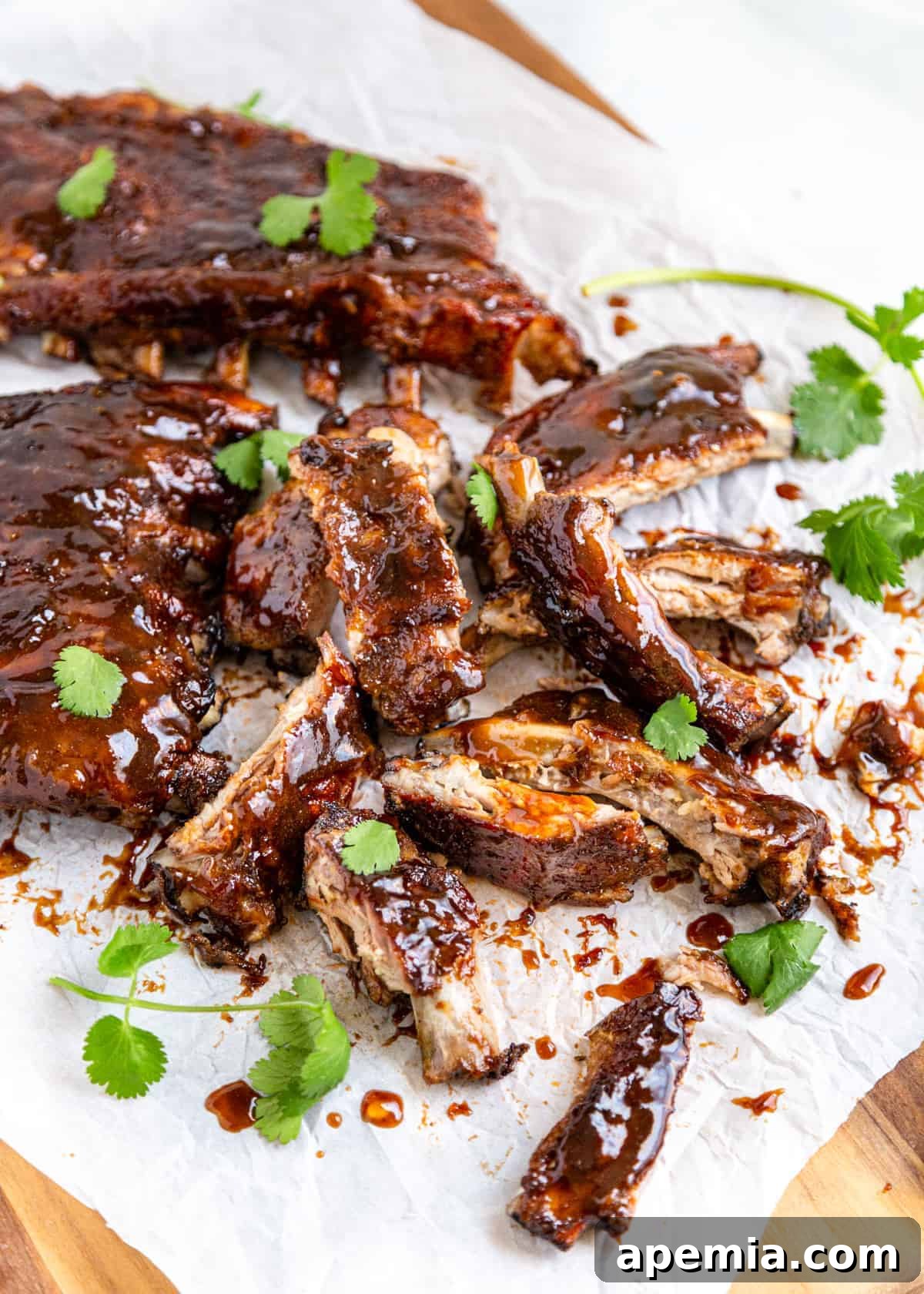
- Baste and Broil for a Sticky Finish: Once slow-cooked, gently transfer the ribs to a cutting board. Very carefully, using a sharp knife or your fingers, pull off and remove the membrane from the back of the ribs. Place a wire rack onto a baking sheet lined with parchment paper, then arrange the ribs on the wire rack, meaty side up. Brush a generous amount of the prepared basting sauce over the ribs. Broil for 5 minutes, keeping a close eye on them to prevent burning, until the sauce becomes beautifully sticky and caramelized. Remove, brush with more sauce, and broil for another 5 minutes if desired, for an extra sticky glaze.
- Serve and Savor: Plate your perfectly cooked sweet and sour ribs. Drizzle with any remaining basting sauce and garnish with freshly chopped cilantro for a burst of color and freshness. Serve immediately and enjoy the tender, flavorful results of your efforts!
Tools for Success
- Slow Cooker (Crockpot) – An essential investment, a good quality slow cooker simplifies the process of achieving tender, succulent meats with minimal hands-on effort. It truly makes this recipe a breeze.
- Baking Sheet with Wire Rack – Crucial for the broiling step, ensuring even caramelization and preventing the ribs from sitting in their juices.
- Basting Brush – For applying the sauce evenly and generously.
- Sharp Knife – For membrane removal and portioning the ribs.
Storage and Reheating Tips for Leftover Ribs
Should you find yourself with any delicious leftover sweet and sour ribs (a rare occurrence!), they can be refrigerated for up to 5 days. For longer storage, wrap them tightly twice in aluminum foil and then place them in an airtight freezer-safe bag or container; they will keep well in the freezer for 3 to 4 months. Proper wrapping is key to preserving their freshness and preventing freezer burn.
Ribs, unfortunately, have a reputation for drying out when reheated. To maintain their delicious moisture and tenderness, we recommend a gentle reheating process. Cook them at 225°F (107°C) in your oven, smoker, or on the grill for approximately 30 minutes. Before reheating, brush the ribs with a little water or extra basting sauce, and wrap them snugly in foil. Allowing them to come to room temperature for about 15-20 minutes before reheating can also help ensure they warm through more evenly without drying out.
Frequently Asked Questions About Sweet and Sour Ribs
Why slow cook ribs in vinegar?
The secret to achieving incredibly tender roasts, including ribs, often lies in utilizing the right liquids for basting and slow cooking. Vinegar is an exceptionally effective tenderizer! Its natural acidity works to break down the tough collagen and proteins within the pork, effectively softening even very firm cuts of meat. In this specific sweet and sour rib recipe, vinegar plays a dual role: it not only tenderizes the meat but also contributes a vital flavoring component. The distinct sour and tangy notes of the vinegar are perfectly complementary to the overall sweet and savory profile of the dish, achieving two fantastic results with one ingredient.
What ribs are best for cooking in the crockpot?
I personally find that baby back ribs are the optimal choice for “low and slow” recipes like this sweet and sour rib dish. Their smaller size and leaner nature allow them to cook a bit faster and become tender more efficiently in the slow cooker. However, if you prefer, flavorful spare ribs or neat, uniform St. Louis style ribs will also yield equally delicious results. Just be prepared to give these larger cuts a little extra time in the slow cooker to ensure they cook through to that perfect fall-off-the-bone tenderness.
Do ribs get more tender the longer they cook?
Generally, yes, ribs do become more tender with extended cooking times, as the connective tissues gradually break down. However, there’s a delicate balance to strike. Sweet and sour pork ribs can absolutely be cooked for too long, leading to a texture that becomes unpleasantly tough and mushy. For baby back ribs, it’s typically best to avoid slow cooking them for much longer than 3.5 to 4 hours on high heat. Larger cuts, such as spare ribs, might require up to 4 or 5 hours in the slow cooker to reach their optimal tenderness, so always monitor them closely for the best results.
The Ultimate Sweet and Sour Ribs Recipe
Sweet and Sour Ribs
Sticky sweet and sour ribs are dry-rubbed and basted in spicy, tangy Chinese flavors, then slow-cooked until melt-in-your-mouth tender.
Servings: 4
Prep time: 5 mins
Cook time: 4 hrs 10 mins
Total time: 4 hrs 15 mins
Pin Recipe
Print Recipe
Ingredients
- 3 lbs babyback ribs (See Note 1 below regarding membrane)
Dry Rub
- 3 tsp garlic powder
- 2 tsp ground ginger
- 1 tsp kosher salt
- 1 tsp white pepper
- 1/4 tsp Chinese Five Spice
Basting Sauce
- 1/2 cup apricot jam
- 1/4 cup ketchup
- 1/4 cup soy sauce
- 2 tbsp Gochujang paste
- 1/4 cup rice vinegar (See Note 2 below for substitutions)
- Cilantro for garnish, chopped
For unit conversion: US Customary – Metric
Instructions
- In a small bowl, whisk together the garlic powder, ground ginger, salt, white pepper, and Chinese Five Spice powder. Reserve 1 teaspoon of this dry rub for the wet basting sauce.
- In another bowl, whisk together the jam, ketchup, soy sauce, Gochujang paste, rice vinegar, and the teaspoon of reserved dry rub spices. Set aside.
- Keep the membrane on the back of the ribs so they hold together while in the slow cooker. Rub the dry rub generously on both sides of the ribs.
- Coat the inside of a slow cooker with cooking spray. Arrange the seasoned ribs along the sides and bottom, meaty side facing down. Cook on High for 4 hours.
- Carefully remove the ribs from the slow cooker. With a sharp knife, gently pull off and remove the back membrane on the ribs. Place the ribs meaty side up on a wire rack set in a baking sheet that has been lined with parchment paper and sprayed with cooking spray. Brush generously with the basting sauce and broil for 5 minutes. Baste again and continue to broil for another 5 minutes, or until the sauce is sticky and caramelized. Serve immediately with any remaining sauce and a sprinkle of chopped cilantro as garnish.
Notes
- Keep the membrane on the back of the ribs during slow cooking for best results. It helps the ribs stay intact until they are fork-tender.
- Apple cider vinegar, red wine vinegar, or white wine vinegar may be substituted for the rice vinegar. If substituting, add 1/4 teaspoon of sugar to the sauce mixture as well to balance the flavor profile.
Nutrition Information
Calories: 593kcal | Carbohydrates: 27g | Protein: 43g | Fat: 35g | Saturated Fat: 12g | Trans Fat: 1g | Cholesterol: 148mg | Sodium: 1728mg | Potassium: 675mg | Fiber: 1g | Sugar: 16g | Vitamin A: 186IU | Vitamin C: 3mg | Calcium: 85mg | Iron: 3mg
The information shown is an estimate provided by an online nutrition calculator. It should not be considered a substitute for a professional nutritionist’s advice.
Course: Main Dishes
Cuisine: Asian, Chinese
Author: Kevin
Share Your Culinary Creations!
Love this recipe for sweet and sour ribs? We’d be thrilled if you shared your delicious creations with the world! Pin this recipe to your favorite board on Pinterest to save it for later and inspire others.
And when you make these irresistible ribs, don’t forget to let me know on Instagram! Tag @keviniscooking or use the hashtag #keviniscooking. I love seeing your culinary masterpieces!
More Asian-Inspired Delights
If you’ve fallen in love with the complex flavors of these sweet and sour ribs, I’m confident you’ll also adore this fantastic recipe for Char Siu Pork. It offers another taste of authentic Chinese barbecue that’s equally satisfying and delicious!