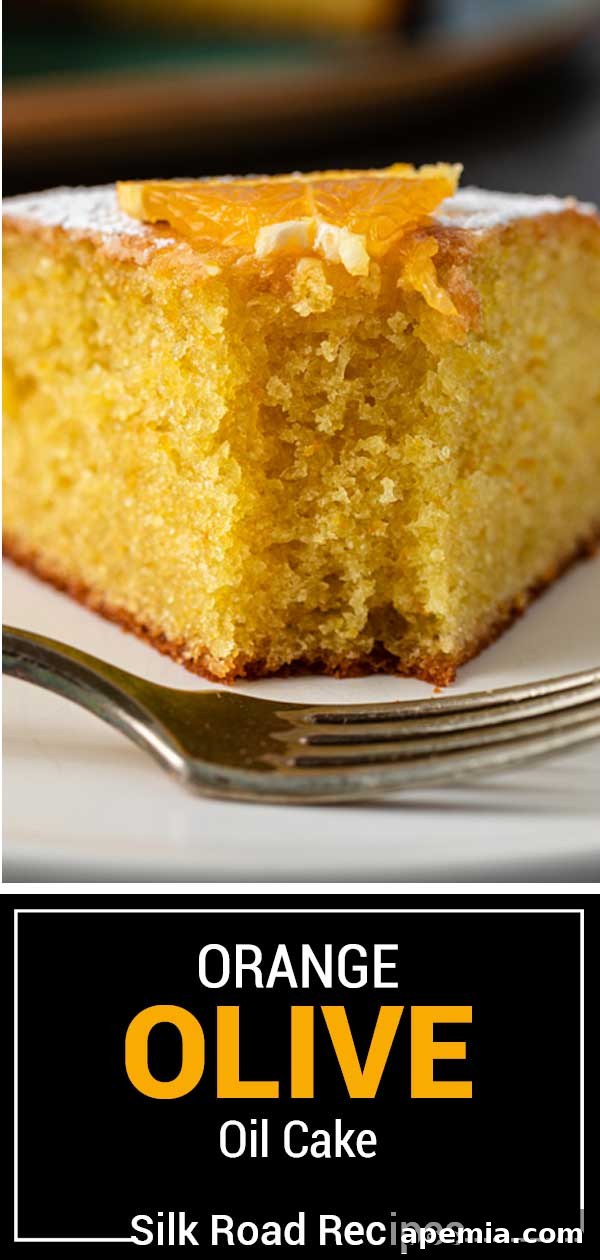
The Ultimate Greek Olive Oil Cake: A Moist & Flavorful Mediterranean Delight
Prepare to fall in love with this **Greek Olive Oil Cake**, a dessert that is a true revelation of simplicity and flavor. It boasts an incredibly moist, tender crumb, a subtle sweetness, and a vibrant burst of citrus notes that awaken the senses. This isn’t just any cake; it’s an elegant yet rustic creation that feels both wholesome and delightfully indulgent. Whether you’re enjoying it with a morning coffee, as part of a leisurely brunch, or as the perfect unfussy ending to a dinner spread, its charm is undeniable. It’s a versatile treat that promises to impress with minimal effort.

A Journey to the Heart of Mediterranean Flavors
Olive oil cakes are deeply embedded in the culinary traditions across the Mediterranean, each region offering its unique take on this classic. Greece, in particular, has perfected a version that magnificently celebrates its prized local ingredients: bright citrus fruits, creamy Greek yogurt, and, of course, the exceptional quality of its extra virgin olive oil. My personal enchantment with this dessert began during a recent trip to Athens. After an inspiring visit to the historic Acropolis, I stumbled upon a charming little taverna just off Lisikratous. There, I tasted an olive oil cake that was simply unforgettable. It was beautifully soft, a radiant golden hue, perfectly infused with citrus, and never overwhelmingly sweet. That moment solidified my desire to recreate that authentic Greek experience.


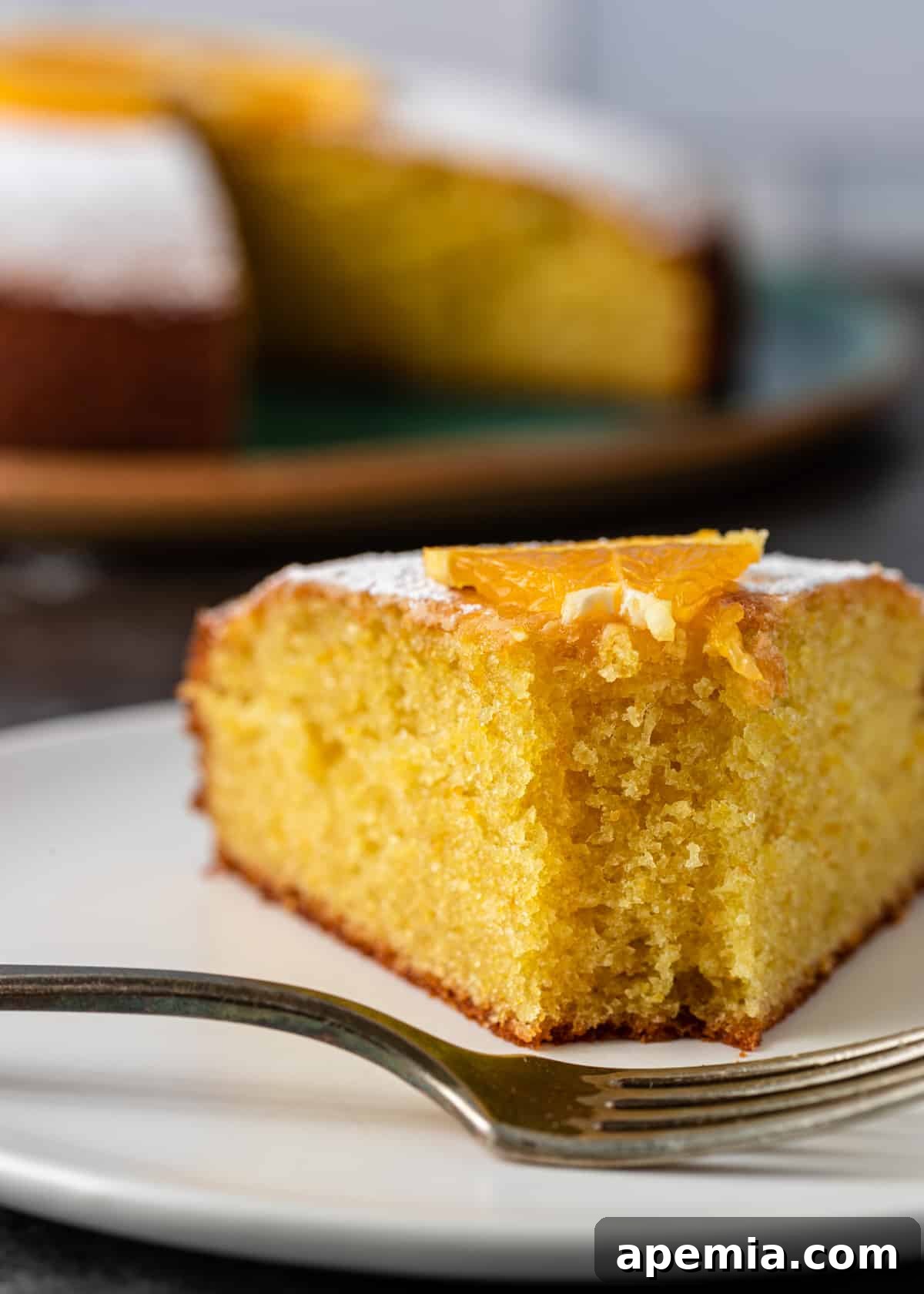
This olive oil cake recipe is my tribute to that delightful balance—a culinary quest to capture the essence of Greek hospitality and flavor. It delivers a remarkably plush and tender crumb, largely thanks to the inclusion of creamy Greek yogurt. The depth of flavor comes from a generous amount of high-quality extra-virgin olive oil, while a serious kick of freshness is provided by bright orange zest. Every bite is a harmonious blend of textures and tastes, making it a truly exceptional dessert.
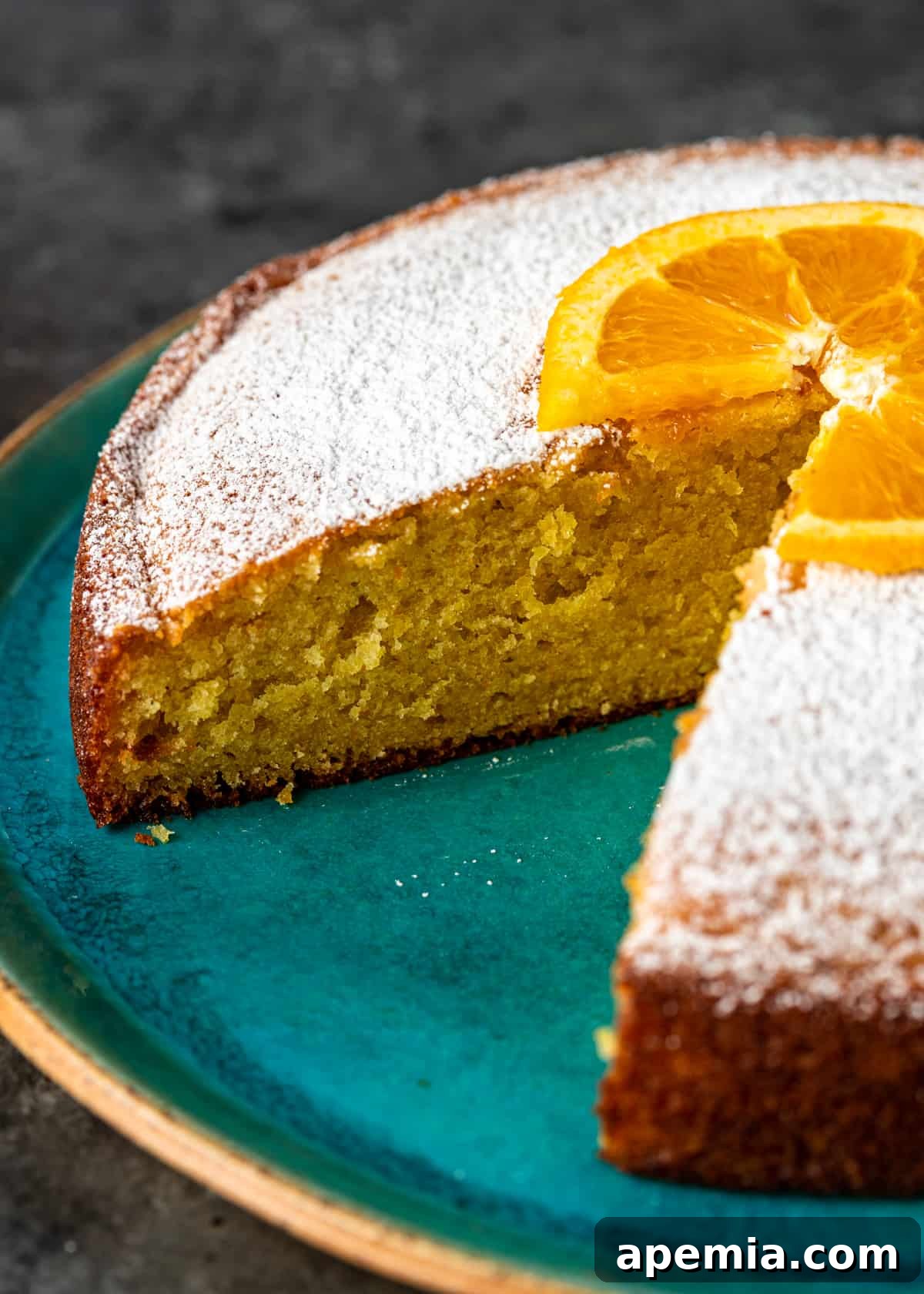
Table of Contents
- Toppings and Serving Suggestions
- Key Ingredients and Clever Substitutions
- Baking Perfection: How to Make Olive Oil Cake
- Essential Tools for Baking Success
- Storage Tips and Reheating Instructions
- Frequently Asked Questions for a Perfect Cake
- Greek Olive Oil Cake Recipe
What I love most about this recipe, beyond its incredible taste, is its sheer simplicity. Everything comes together effortlessly in a single bowl, with no electric mixer required. This embodies the very essence of Mediterranean home baking—uncomplicated, yet profoundly satisfying. It shares the same simple, effortless charm found in other beloved Mediterranean desserts like the no-bake Mosaiko (Greek chocolate salami) or the delicate Melomakarona (Greek honey cookies). It’s a testament to how thoughtfully paired, high-quality ingredients can create something truly special without any fuss or elaborate techniques.
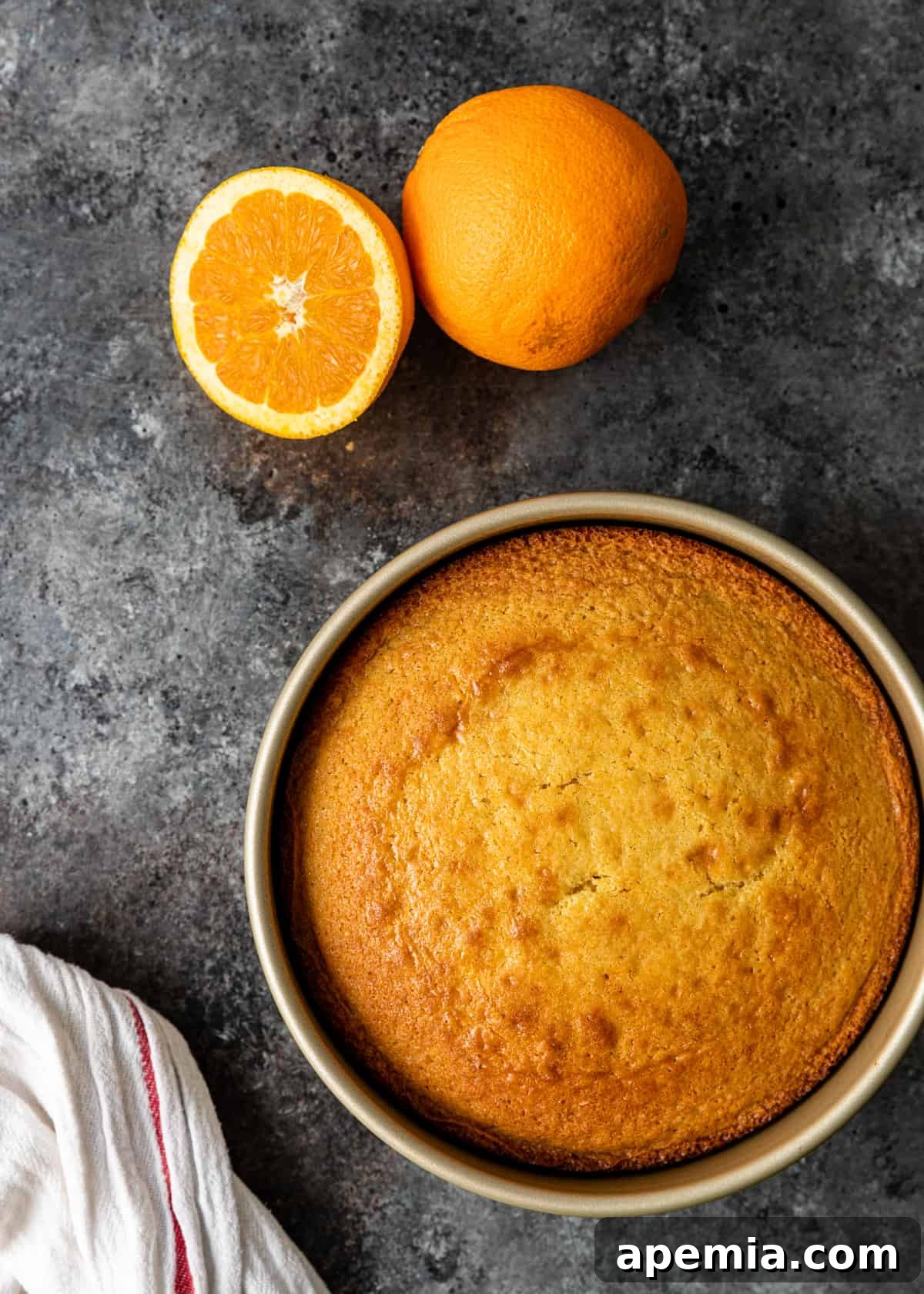
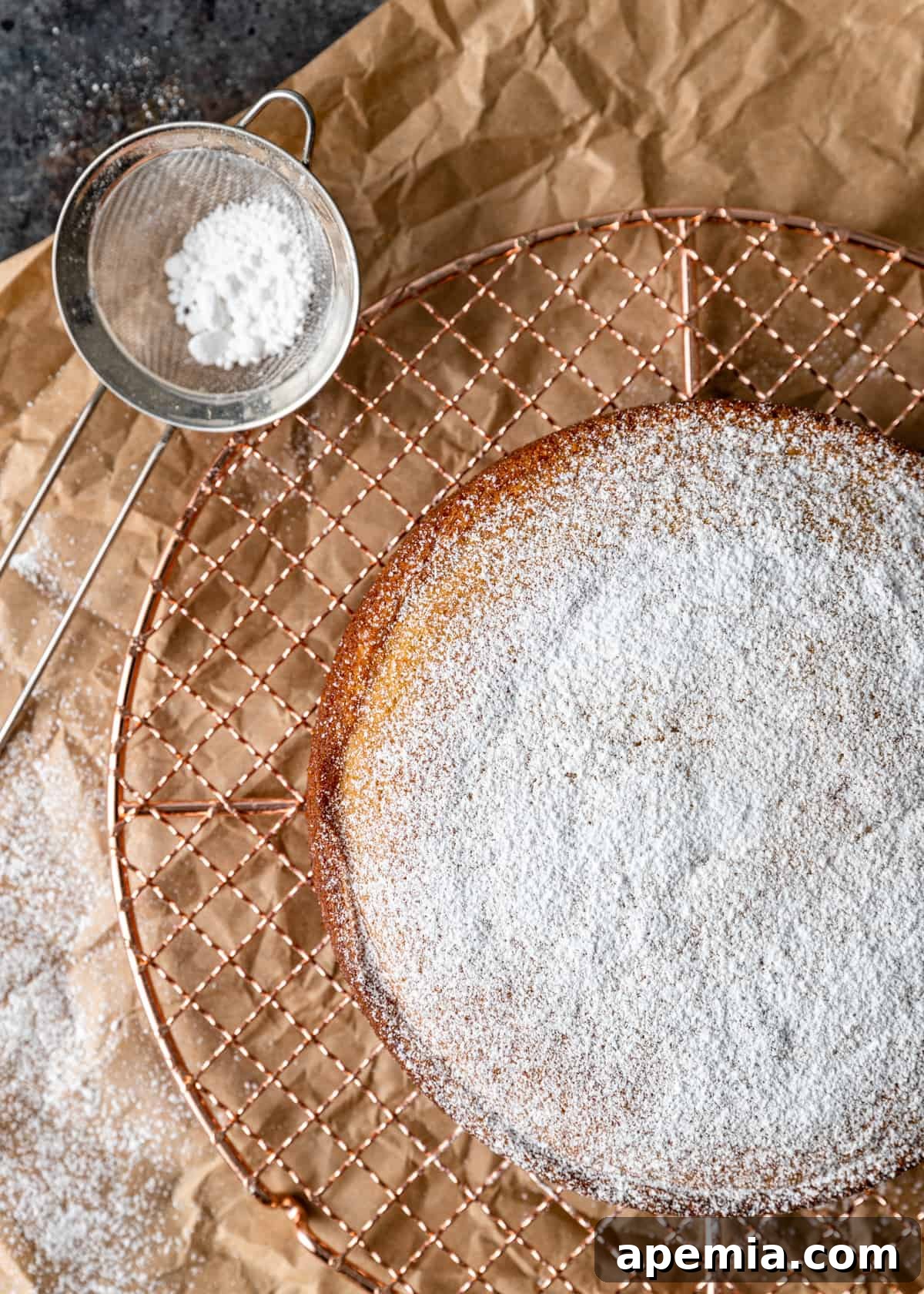
Toppings and Serving Suggestions
The beauty of this Greek Olive Oil Cake lies in its inherent versatility. It’s truly spectacular on its own, especially when served simply with a delicate dusting of powdered sugar, just as pictured. However, don’t hesitate to elevate its appeal with a variety of toppings!
- Fresh Fruit: A medley of seasonal berries like raspberries, blueberries, or sliced figs adds a burst of freshness and color.
- Whipped Cream or Mascarpone: A dollop of light, airy whipped cream or a rich, tangy mascarpone cheese offers a luxurious contrast to the cake’s subtle sweetness.
- Honey Drizzle: For an authentic Greek touch, drizzle a good quality honey over the top. If you do, I highly recommend doing this while the cake is still warm; the honey will soak in beautifully, adding an extra layer of moisture and sweetness.
- Citrus Glaze: A simple glaze made from powdered sugar and a touch of fresh orange or lemon juice can add an extra citrusy kick and a lovely sheen.
- Yogurt Swirl: Serve alongside a scoop of plain Greek yogurt for a refreshing, creamy accompaniment that echoes the cake’s ingredients.
This cake effortlessly transitions from a casual snack to a sophisticated dessert, making it perfect for any occasion!

Key Ingredients and Clever Substitutions for Your Olive Oil Cake
(For a complete list of ingredients and precise quantities, please refer to the recipe card below.)
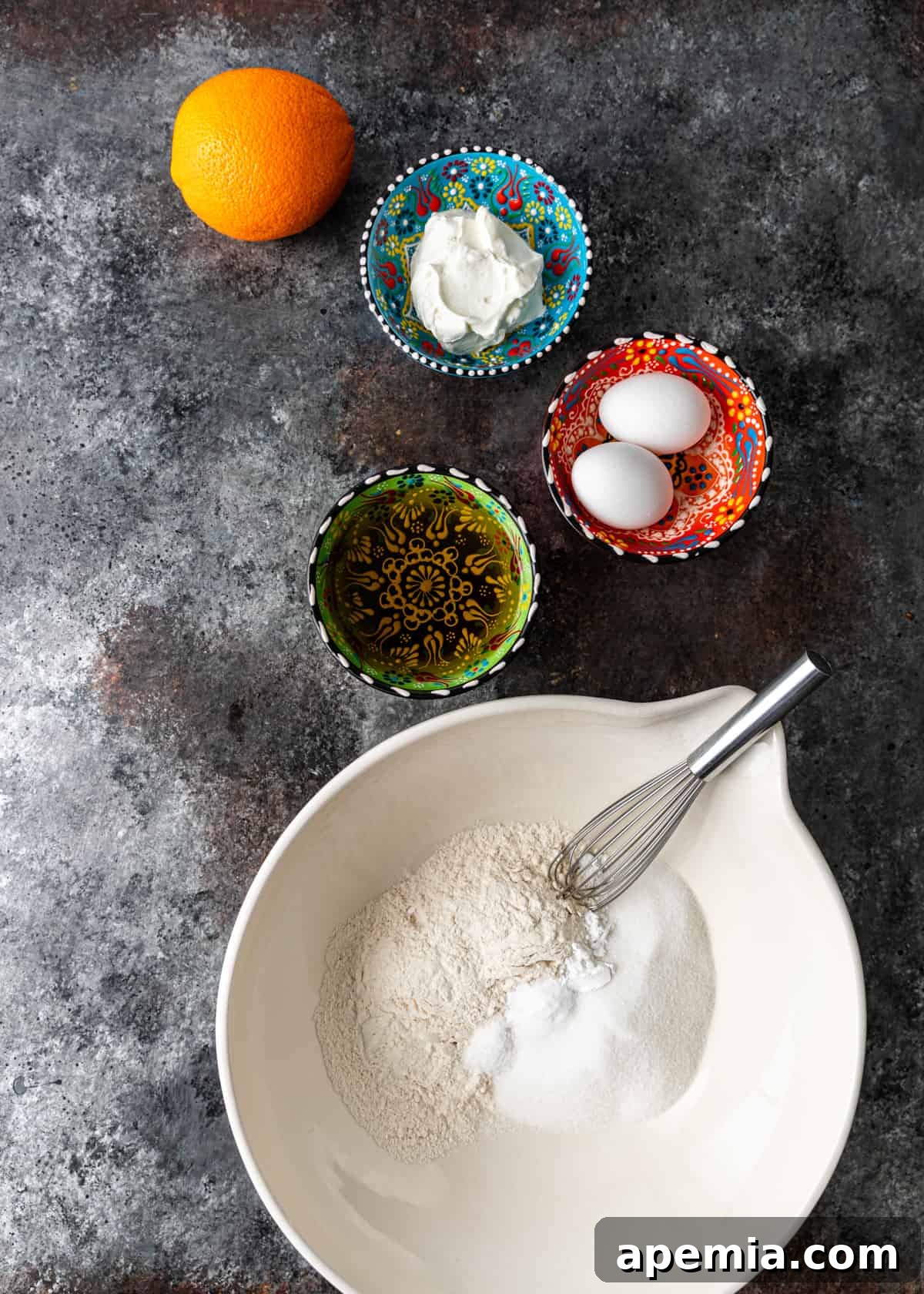
- Extra-Virgin Olive Oil (EVOO): The star of the show! The quality of your olive oil genuinely shines through. Opt for a milder, fruit-forward variety that offers a smooth, almost buttery note, rather than a pungent or peppery one. Bitter or overly strong oils can easily overpower the delicate flavors of your cake. If you prefer a very light flavor profile, you can substitute up to half of the EVOO with a neutral oil like canola or grapeseed.
- Greek Yogurt: This secret ingredient is key to achieving that incredibly tender, plush crumb. Plain full-fat Greek yogurt is highly recommended for the richest texture and flavor, though a low-fat version will also yield good results. While orange or honey-flavored Greek yogurt might add extra sweetness and citrus notes, I find that the unadulterated richness of plain yogurt provides the best foundation for the olive oil and fresh orange to shine.
- Eggs: Essential for binding all the ingredients together, eggs contribute additional richness and moisture, ensuring a stable and delightful cake structure. For optimal mixing and a smoother batter, make sure your eggs are at room temperature before adding them.
- Orange Zest & Juice: Fresh is best here! The zest of a fresh orange provides an intense, aromatic scent and bright flavor that bottled juice simply cannot replicate. Freshly squeezed juice guarantees the best taste. For a delightful variation, swap the orange with lemon for a tangier cake, or use a blend of both citrus fruits if you enjoy a more complex citrus profile.
- All-Purpose Flour: Works hand-in-hand with the Greek yogurt to ensure the cake’s crumb remains wonderfully soft and tender. If you’re looking for a slightly nuttier flavor and a denser texture, you can replace up to ¼ cup of the all-purpose flour with almond flour. However, be cautious not to substitute more than that, as excessive almond flour can cause the cake to become too heavy and potentially sink in the middle.
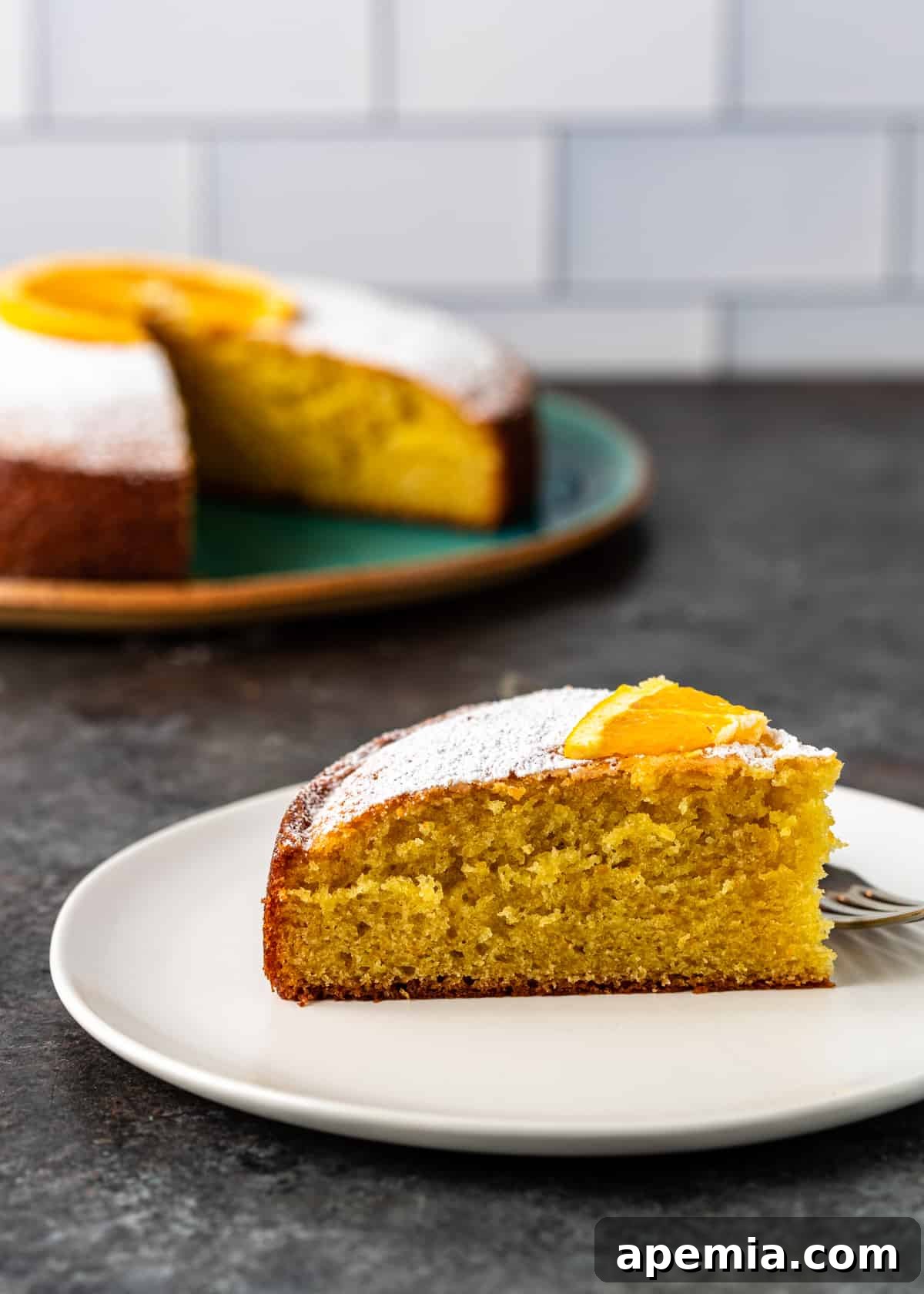
Baking Perfection: How to Make this Easy One-Bowl Olive Oil Cake
This recipe is designed for simplicity, making it accessible even for novice bakers. Follow these steps for a perfect olive oil cake every time:
- Prepare Your Pan & Citrus: Begin by preheating your oven to 350ºF (175ºC). Lightly grease and flour a 9-inch round cake pan, ensuring every corner is coated to prevent sticking. Next, prepare your citrus: carefully zest one orange (aiming for about 1 tablespoon) and set the zest aside. Then, juice the orange and set the fresh juice aside as well. This fresh zest and juice are crucial for infusing the cake with its signature bright flavor.
- Whisk the Dry Ingredients: In a large mixing bowl, combine the all-purpose flour, granulated sugar, baking powder, baking soda, and kosher salt. Whisk these dry ingredients thoroughly until they are well combined. This step is vital to ensure that your leavening agents (baking powder and soda) are evenly distributed, providing a consistent lift to your cake and preventing any unwanted pockets of unmixed powder.
- Introduce the Wet Ingredients: Create a shallow well in the center of your dry ingredient mixture. Pour in the extra-virgin olive oil, Greek yogurt, and room-temperature eggs. Using a rubber spatula, begin to gently stir the wet ingredients into the dry, working from the center outwards. Mixing by hand is key here; it helps to keep the crumb tender by preventing overworking the batter, which can lead to a tough cake. Stir just until the dry ingredients are mostly incorporated.
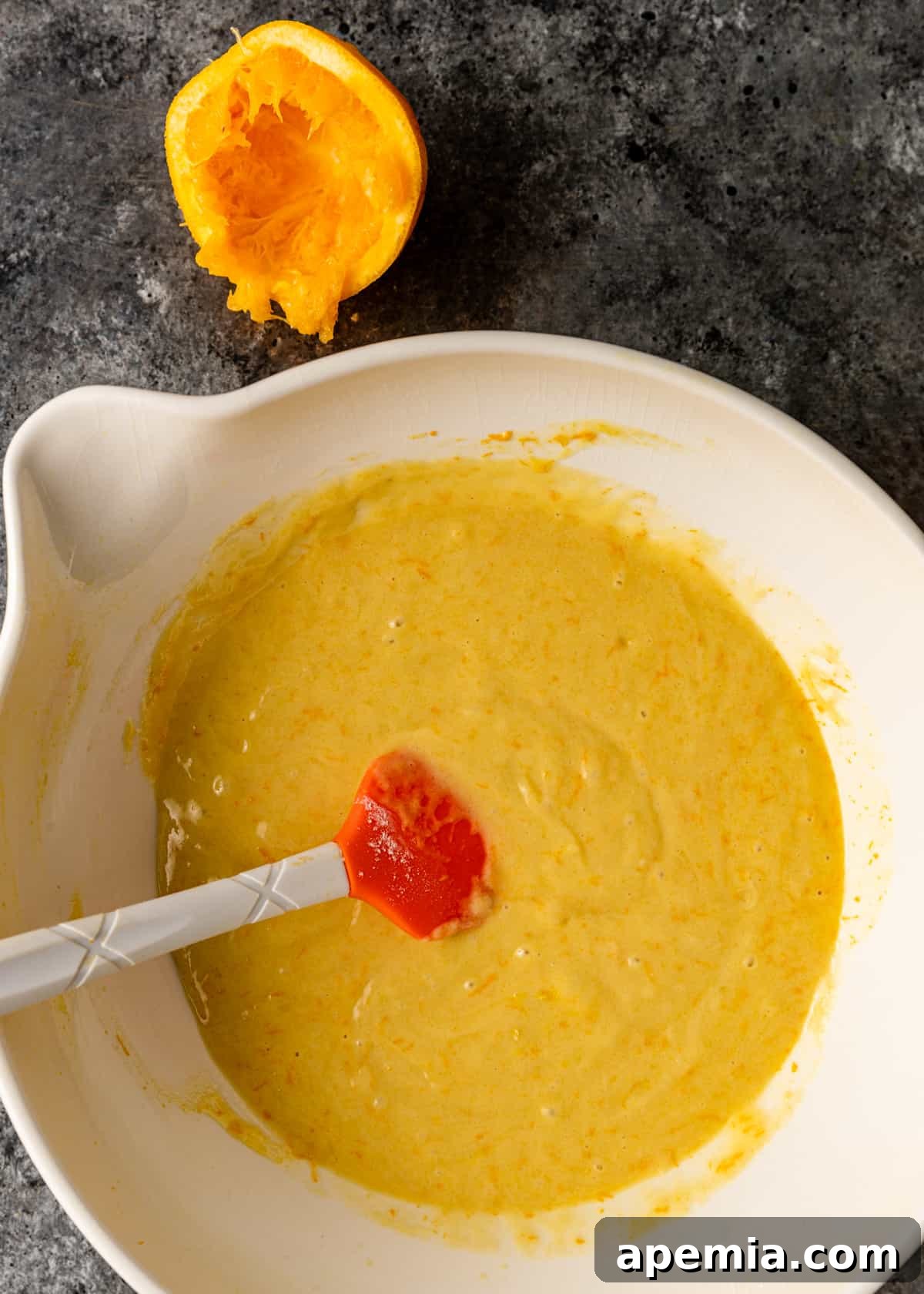
- Stir in the Citrus: Finally, add the freshly squeezed orange juice and the reserved orange zest to the batter. Gently fold these in until just combined. The juice will help loosen the batter to the perfect consistency, and the zest will fill your kitchen with a glorious, fresh aroma as it bakes. Remember, gentle folding prevents overmixing, preserving the cake’s delicate texture.
- Bake Until Golden Perfection: Pour the prepared batter evenly into your greased and floured cake pan. Transfer it to the preheated oven and bake for approximately 35 minutes. The cake is ready when the top has puffed slightly, turned a beautiful pale golden color, and a wooden toothpick inserted into the center comes out clean. Avoid opening the oven door too early, especially during the first 25 minutes, to ensure proper rising.
- Cool & Serve: Once baked, remove the cake from the oven and let it cool in the pan for about 10-15 minutes before inverting it onto a wire rack to cool completely. While it’s delightful served slightly warm, this cake truly slices best once it has fully cooled. For a classic presentation, dust generously with powdered sugar just before serving.
Essential Tools for Baking Success
Having the right tools can make all the difference in your baking experience and the outcome of your Greek Olive Oil Cake:
- 9-inch Round Cake Pan: This specific size is recommended as it ensures the proper cake height and dictates the optimal baking time for a perfectly cooked center.
- Microplane Zester: For citrus zest, a Microplane zester is indispensable. Unlike a standard fine cheese grater, a Microplane finely shaves off only the outermost, aromatic layer of the peel, leaving behind the bitter white pith. This results in a pure, vibrant citrus flavor without any bitterness.
- Silicone Spatula: A flexible silicone spatula is ideal for combining your wet and dry ingredients. Its gentle action helps to fold the batter evenly and thoroughly without overmixing, which is crucial for maintaining the cake’s tender crumb.
- Large Mixing Bowl: Given this is a one-bowl recipe, a spacious mixing bowl allows for comfortable whisking and folding without spills.
Storage Tips and Reheating Instructions
One of the many wonderful qualities of this olive oil cake is its exceptional keeping power, largely due to the olive oil, which acts as a natural preservative, keeping the crumb incredibly soft and moist for days. To enjoy its freshness, store the cooled cake tightly wrapped in plastic wrap or an airtight container at room temperature for up to 3 days. If you wish for it to last a little longer, it can be refrigerated for up to a week.
For longer storage, this cake also freezes beautifully. Wrap individual slices tightly in plastic wrap, then place them in an airtight freezer-safe container or a heavy-duty freezer bag. It will keep well in the freezer for up to 2 months. When you’re ready for a delightful treat, simply thaw a slice at a time at room temperature. It will taste as fresh as the day it was baked.
If you prefer your cake warm, a quick 10 to 15 seconds in the microwave is all it takes to bring it right back to life, enhancing its aromas and moist texture. Serve it warm with a scoop of vanilla ice cream for an extra special treat!
Share this recipe on Pinterest!
Love this recipe? Help others discover this Mediterranean gem by sharing it with your followers on Pinterest.
Frequently Asked Questions for a Perfect Cake
A dense olive oil cake is most commonly a result of overmixing the batter. Once you add the wet ingredients to the dry, stir *just* until the flour streaks disappear. Overmixing develops the gluten in the flour, leading to a tough, dense texture. Also, always check the freshness of your leavening agents; expired baking powder or baking soda won’t provide the necessary lift for a light and airy crumb.
Similar to density, a sunken cake can be caused by overmixing. However, another common culprit is opening the oven door too early during the baking process. The sudden drop in temperature can cause the cake’s structure to collapse before it’s fully set. To prevent this, resist the urge to peek for at least the first 25-30 minutes of baking. Also, ensure your leaveners are active and that the cake isn’t underbaked.
Absolutely! If a loaf pan is what you have, this recipe can certainly be adapted. You’ll need to adjust the baking time, though. Increase the bake time to approximately 45 to 55 minutes. Start checking for doneness around the 45-minute mark with a toothpick. Loaf pans require a longer baking time because the batter is deeper, taking more time for the heat to penetrate and cook the center thoroughly.
Conclusion: Savor the Mediterranean Magic
This Greek Olive Oil Cake is more than just a dessert; it’s an invitation to experience the simple, sun-drenched flavors of the Mediterranean. Its unparalleled moisture, subtle sweetness, and bright citrus notes make it a truly special treat that’s both effortless to prepare and delightful to savor. It’s perfect for any time of day and any gathering, proving that sometimes, the most exquisite pleasures come from the simplest ingredients. Bake a batch today and let this rustic, indulgent cake transport you to the picturesque shores of Greece.

Greek Olive Oil Cake
8
15
35
50
PrintRecipe
Video
A video tutorial for this recipe can be found here.
Ingredients
- 1 1/4 cups all-purpose flour
- 2/3 cup granulated sugar
- 1/2 teaspoon baking powder
- 1/4 teaspoon baking soda
- 1/4 teaspoon kosher salt
- 2/3 cup extra-virgin olive oil
- 1/2 cup plain Greek yogurt (or orange flavored)
- 2 large eggs
- 3 tablespoons fresh orange juice plus zest from 1 orange
Instructions
-
Preheat oven to 350ºF (175ºC) and spray a 9-inch round cake pan with cooking spray. Zest about 1 tablespoon of orange peel, set aside. Juice the orange for 3 tablespoons of fresh juice, and set aside.
-
In a large bowl, whisk together the flour, sugar, baking powder, baking soda, and salt until well combined.
-
Create a well in the center of the dry mix and add the olive oil, Greek yogurt, and eggs. Using a rubber spatula, gently stir these wet ingredients into the dry ingredients until just combined. Be careful not to overmix.
-
Add the fresh orange juice and zest. Gently fold the batter until combined and there are no large lumps. The batter should be smooth.
-
Pour the batter into the prepared pan. Bake for 35 minutes, or until a wooden toothpick inserted into the center of the cake comes out clean.
-
Allow the cake to cool in the pan for 10-15 minutes before inverting onto a wire rack to cool completely. Serve dusted with powdered sugar, which is optional but highly recommended.
Loaf Pan Baking Instructions
-
If you opt to bake this recipe in a standard loaf pan, you will need to increase the baking time. Bake for approximately 45 to 55 minutes, checking for doneness with a toothpick starting around the 45-minute mark. Loaf pans require a longer baking period due to the deeper batter concentration.
Nutrition Information (Estimated Per Serving)
Carbohydrates: 33g |
Protein: 5g |
Fat: 16g |
Saturated Fat: 3g |
Fiber: 1g |
Sugar: 18g
The information shown is an estimate provided by an online nutrition calculator and should not be considered a substitute for a professional nutritionist’s advice.
Have You Made This Recipe? Let Me Know on Instagram!
Tag @keviniscooking or use the hashtag #keviniscooking!