Mastering Bulgogi Sauce: The Secret to Authentic Korean BBQ at Home
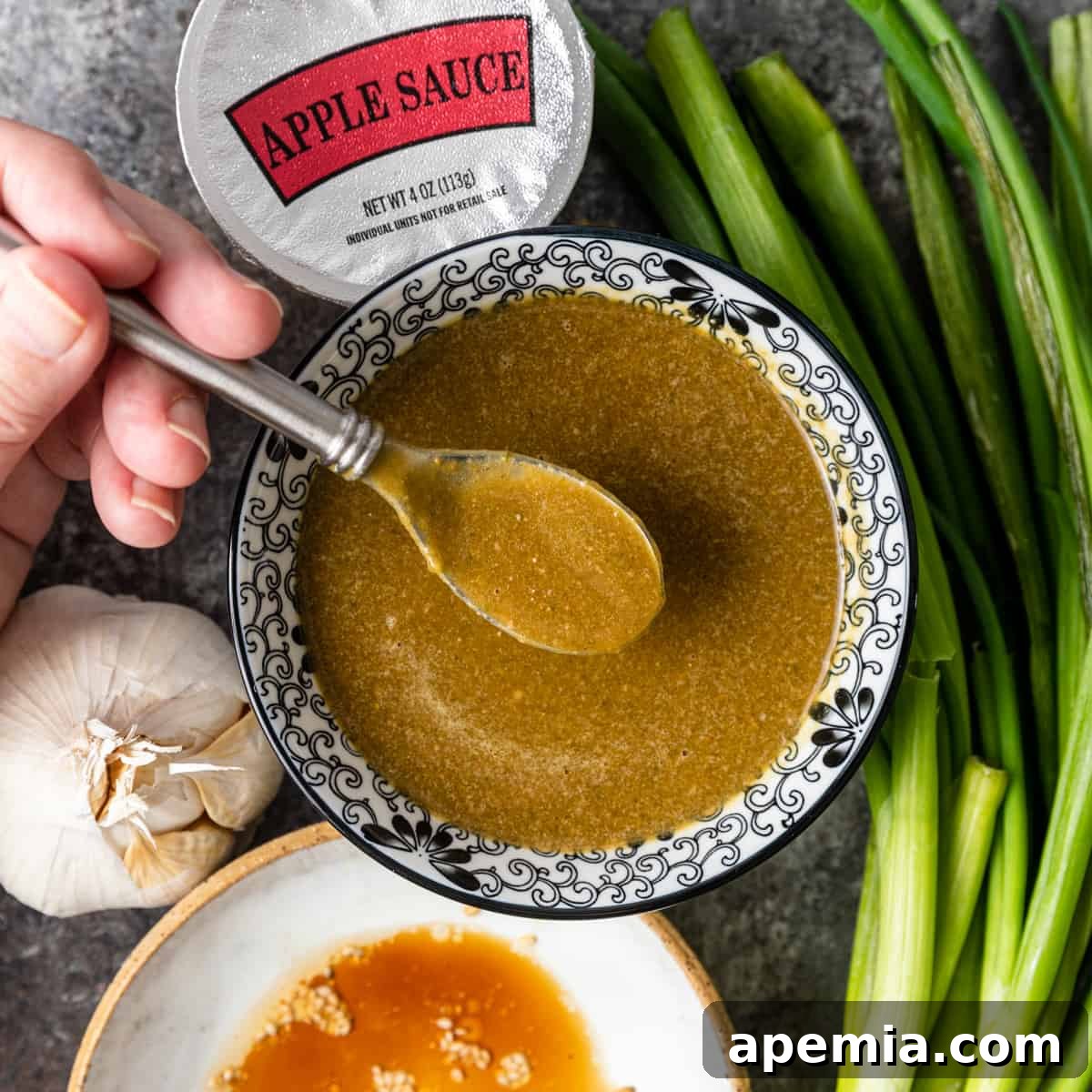
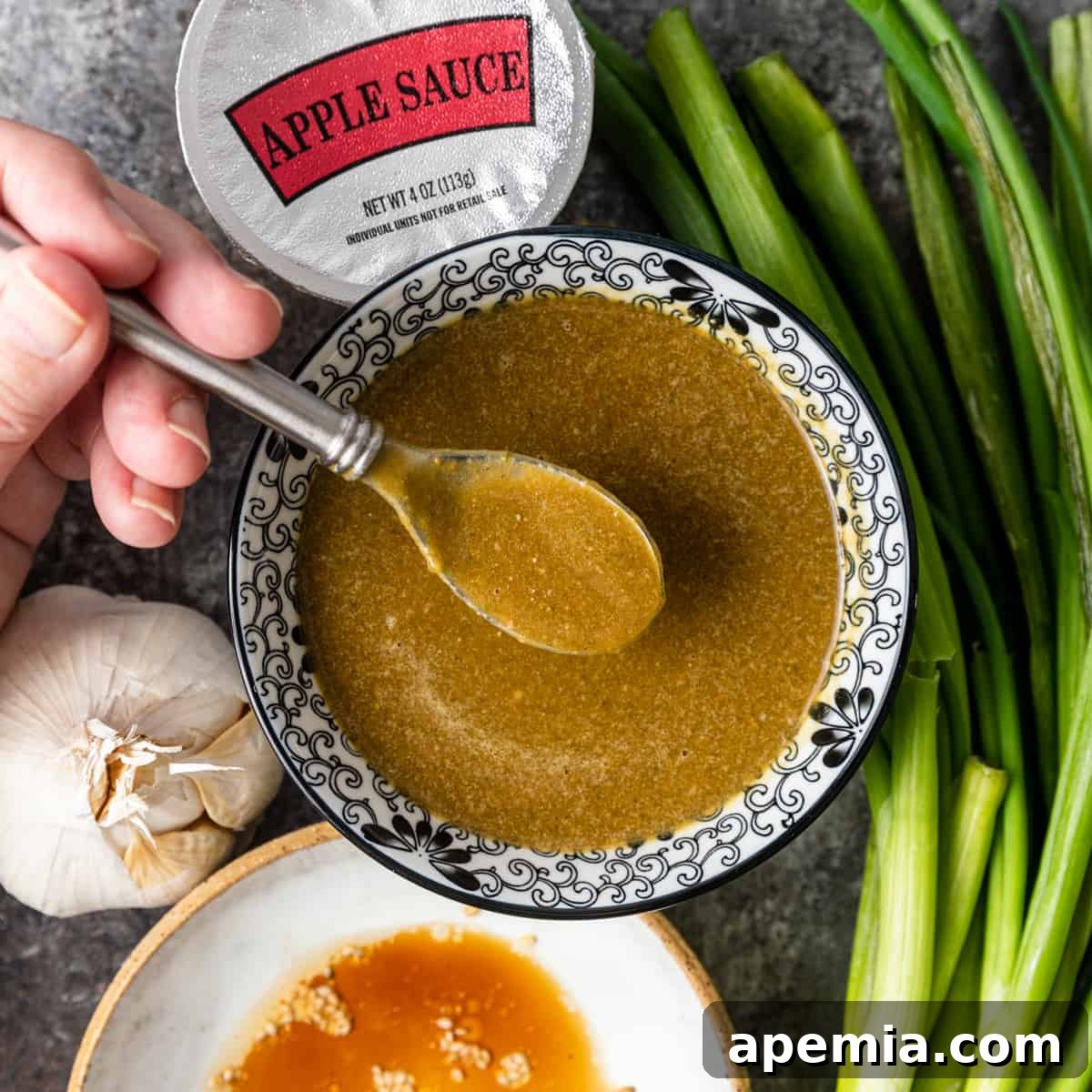
There’s an undeniable satisfaction that comes with crafting your own culinary essentials, from zesty condiments and rich sauces to aromatic spice blends. While pre-made options from the grocery store offer convenience, the knowledge of exactly what ingredients go into your food, coupled with the superior taste of fresh, homemade preparations, is truly incomparable.
This Bulgogi sauce recipe has quickly become a beloved staple in my kitchen, especially for marinating various meats. It shines particularly bright with flanken ribs, transforming them into succulent, flavorful bites. However, its versatility extends beautifully to chicken, pork, or even tofu. Beyond its incredible marinade capabilities, it makes for an exceptional dipping sauce, far surpassing the often overly sweet or artificial flavors of commercial BBQ sauces. In just five minutes, you can have a batch of this flavorful sauce ready to infuse your favorite savory dishes with authentic Korean flair.

Table of Contents
- What is Bulgogi Sauce?
- Why Make Homemade Bulgogi Sauce?
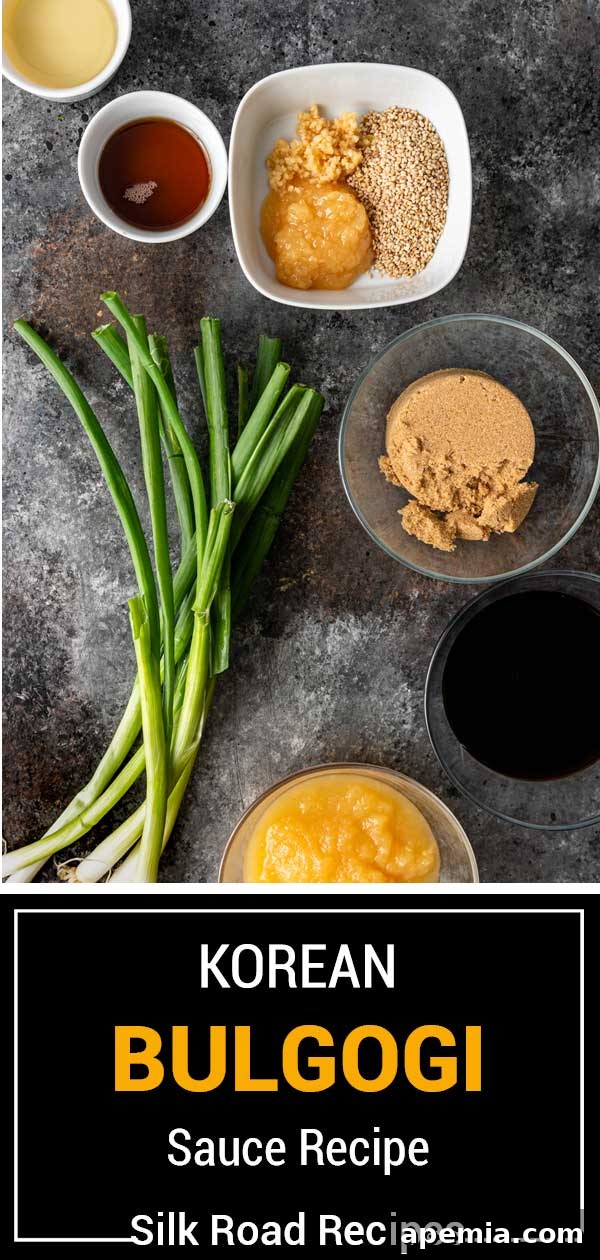
- Essential Ingredients for Bulgogi Sauce
- How to Make the Perfect Bulgogi Sauce
- Transforming Bulgogi Marinade into Korean BBQ Dipping Sauce
- Serving Suggestions and Versatility
- Customizing Your Bulgogi Sauce
- Storage and Freezing Tips
- Frequently Asked Questions About Bulgogi Sauce
- Recommended Kitchen Tools
- Bulgogi Sauce | Korean BBQ Sauce Recipe
What is Bulgogi Sauce?
At its heart, Bulgogi sauce is a signature Korean BBQ marinade renowned for its distinctive balance of sweet, savory, and umami flavors. “Bulgogi” literally translates to “fire meat,” referring to the traditional method of grilling thin slices of marinated beef. The sauce itself is the star, tenderizing the meat and infusing it with a deeply complex flavor profile that is both comforting and exciting. While often used interchangeably with “Korean BBQ sauce,” it’s important to note that Bulgogi is one specific, incredibly popular type of Korean BBQ sauce. Its gentle sweetness, often derived from fruits like apples or pears, combined with the salty depth of soy sauce and pungent aromatics, sets it apart, making it ideal for marinating and grilling.
Why Make Homemade Bulgogi Sauce?
Opting for a homemade Bulgogi sauce brings a multitude of benefits that extend beyond mere cost savings. Firstly, it grants you complete control over the ingredients. You can select high-quality soy sauce, fresh aromatics, and adjust the sweetness to your preference, avoiding unwanted additives or excessive sodium found in many store-bought varieties. Secondly, the freshness of homemade ingredients translates directly into a more vibrant and authentic flavor. Freshly grated ginger and garlic, along with ripe fruit, provide a pungent zest that pre-packaged sauces simply cannot replicate. Lastly, the ease and speed of preparation for this recipe make it a truly rewarding endeavor. In just minutes, you can create a superior sauce that will elevate any dish to gourmet status, giving you a sense of accomplishment and ensuring a healthier, tastier meal.
Essential Ingredients for Bulgogi Sauce
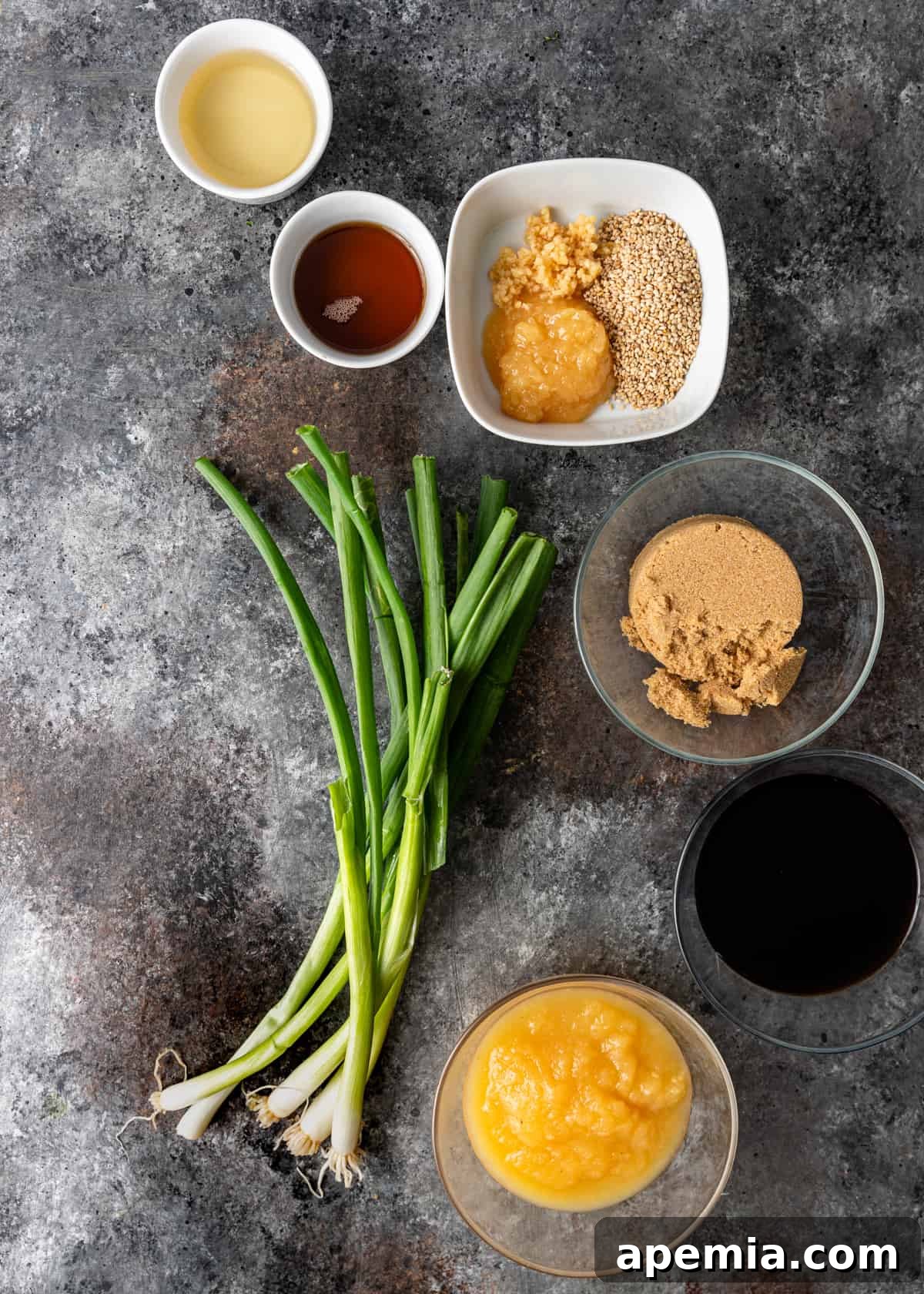
Crafting the perfect Bulgogi sauce relies on a handful of readily available ingredients, each playing a crucial role in achieving its signature flavor:
- Soy Sauce: This is the foundation of our sauce, delivering that essential umami depth and savory notes. For those managing sodium intake, a low-sodium soy sauce works perfectly. If gluten sensitivity is a concern, tamari sauce is an excellent, flavorful gluten-free alternative.
- Brown Sugar: Responsible for the characteristic sweetness that balances the savory elements. Brown sugar is preferred for its rich molasses undertones, which add another layer of complexity. However, if white sugar is all you have, it can be used, though the flavor will be slightly less nuanced.
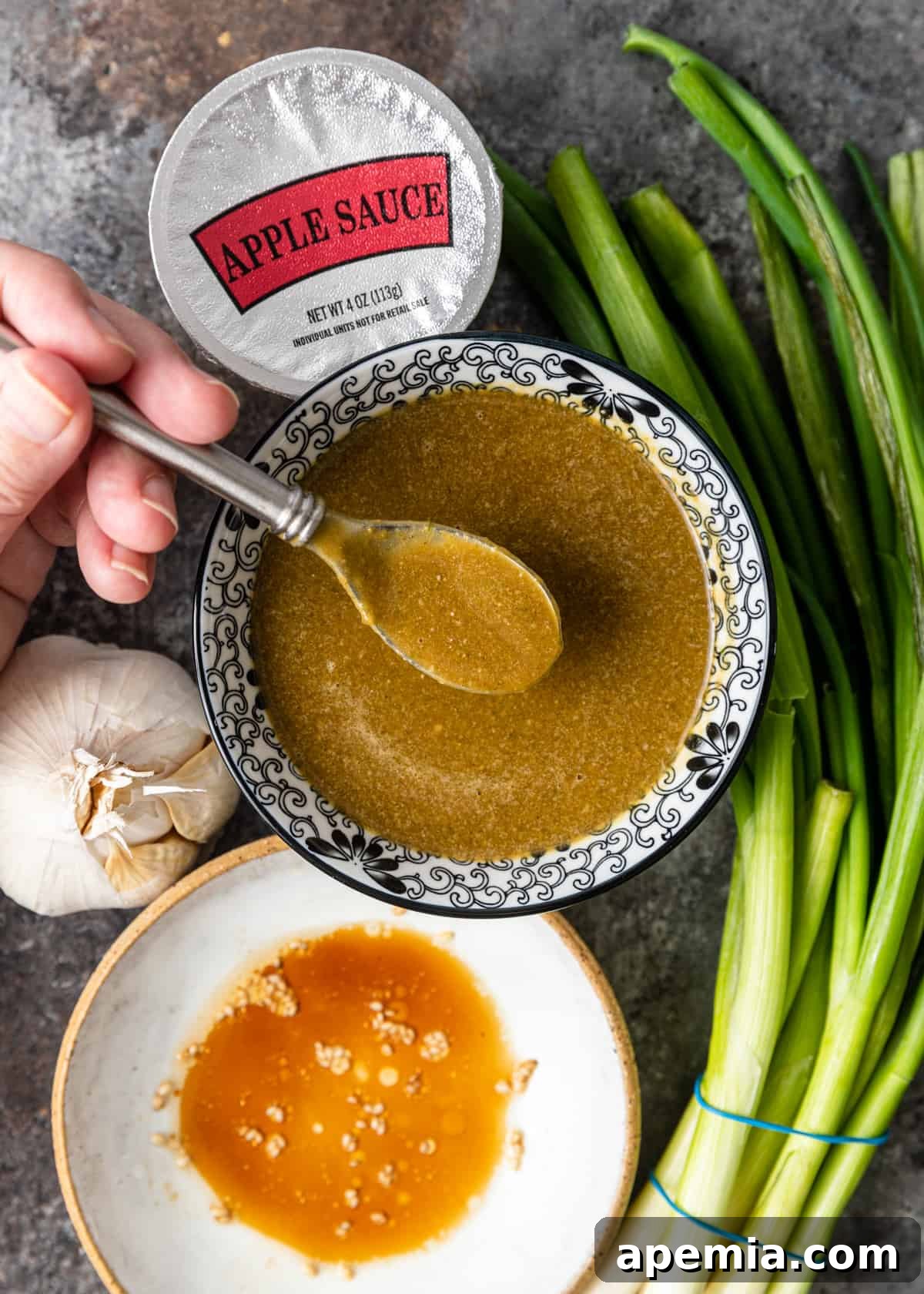
- Applesauce: Traditionally, fresh Asian pears or apples are used to naturally sweeten and tenderize the meat in Bulgogi. Applesauce serves as a fantastic shortcut, providing the desired sweetness and thickening without the extra prep. You can certainly use freshly grated apple or pear if you prefer, with Asian pears being a classic choice for their unique floral sweetness.
- Sesame Oil: A cornerstone of Asian cuisine, sesame oil contributes a distinctive toasted, nutty aroma and flavor. A little goes a long way in enriching the sauce.
- Rice Wine Vinegar: This ingredient adds a crucial tangy, slightly sweet acidity. It cuts through the richness of the soy sauce, sugar, and sesame oil, ensuring the sauce is well-balanced and bright, preventing it from tasting heavy.
- Aromatics (Ginger & Garlic): Freshly grated ginger and garlic are non-negotiable for their pungent, warm, and spicy notes. They provide the aromatic backbone that defines Korean flavors.
- Scallions (Green Onions): These add a mild oniony bite and a fresh, vibrant green element to the sauce. You can use the white and light green parts for blending and garnish with the darker green tops. Chives or the white part of a leek can be used in a pinch.
- Toasted Sesame Seeds: Not just for garnish, toasted sesame seeds add a delicate crunch and a deeper nutty flavor. Toasting them briefly before adding them to the sauce intensifies their aroma.
- Gochujang (Optional for Heat): For those who appreciate a spicy kick, a tablespoon of Korean gochujang (fermented chili paste) introduces a fiery depth and a subtle fermented complexity. It’s a fantastic addition if you enjoy bolder flavors.
How to Make the Perfect Bulgogi Sauce
Making this incredible Bulgogi sauce is incredibly straightforward and requires minimal effort. The key is to ensure all ingredients are well combined to create a smooth, harmonious blend. Follow these simple steps:
- Combine Ingredients: Gather all your ingredients as listed in the recipe card below. Add the soy sauce, brown sugar, applesauce, rice wine vinegar, grated fresh ginger, garlic cloves, toasted sesame seeds, sesame oil, and roughly chopped scallions into a blender or a deep bowl if using an immersion blender. If you desire a spicier sauce, now is the time to add the optional gochujang.
- Blend Until Smooth: Blend the mixture on high speed until all ingredients are thoroughly combined and the sauce achieves a smooth consistency. There should be no large chunks of ginger, garlic, or scallions visible. The sauce is now ready to be used immediately as a marinade for your favorite meats, such as classic Bulgogi beef, chicken, or even vegetables.
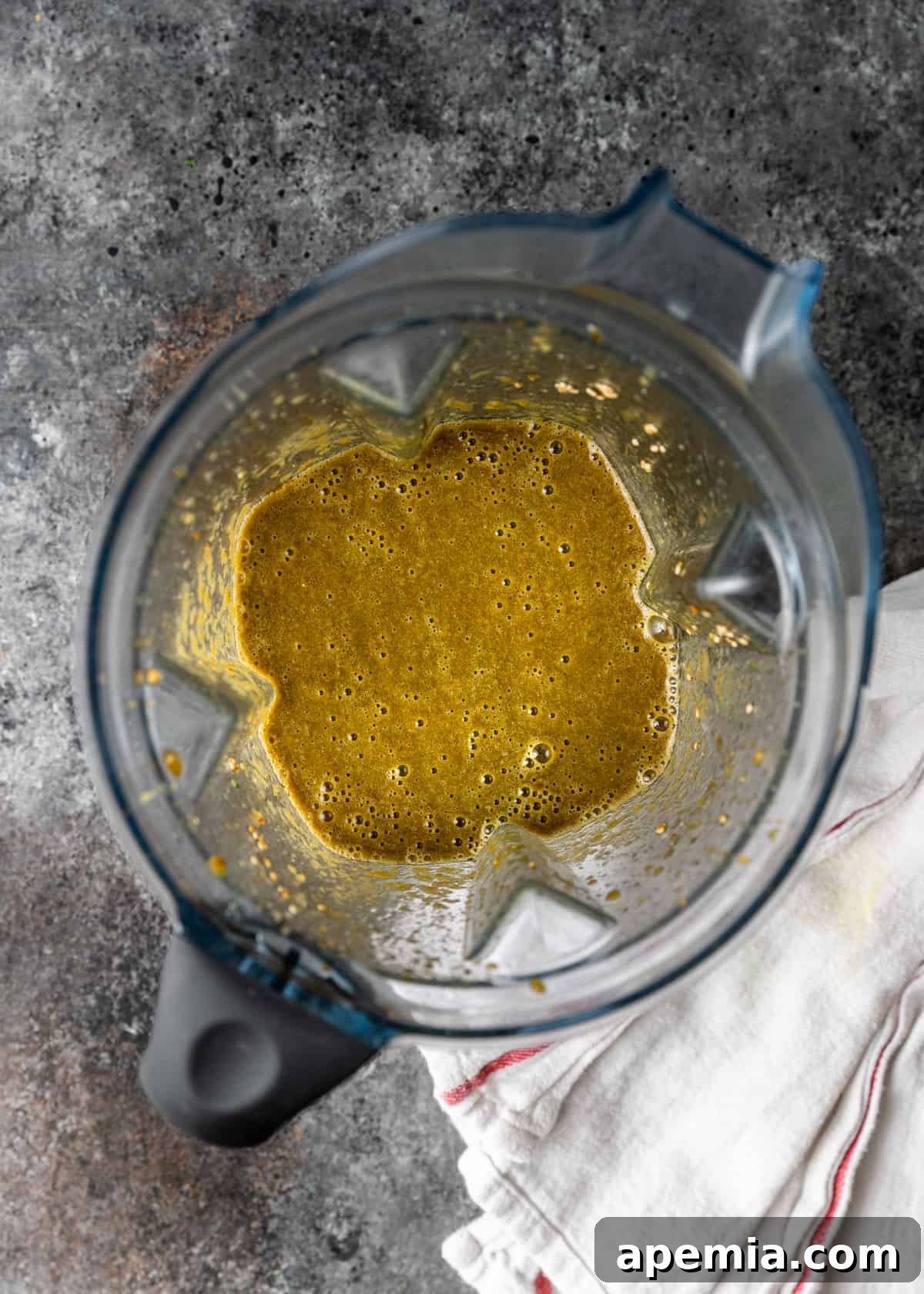
Transforming Bulgogi Marinade into Korean BBQ Dipping Sauce
While the freshly blended Bulgogi sauce is fantastic as a marinade, a few extra minutes of cooking can transform it into a luscious, thick Korean BBQ dipping sauce perfect for grilled meats, spring rolls, or even as a glaze. Here’s how:
- Prepare the Sauce: Start with your freshly blended Bulgogi sauce.
- Thicken on Stovetop: Pour the sauce into a small saucepan and place it over medium-high heat. Bring the sauce to a gentle boil, then reduce the heat to medium. Allow it to simmer, stirring occasionally, for about 5 to 7 minutes, or until it visibly reduces and thickens to your desired consistency. As it cools, it will thicken further.
- Cool Before Serving: Remove the saucepan from the heat and let the sauce cool completely before serving. This allows the flavors to meld further and the consistency to settle, resulting in a perfectly viscous and delicious dipping sauce.
Serving Suggestions and Versatility
The beauty of this homemade Bulgogi sauce lies in its incredible versatility. It’s not just for marinating beef; its applications are limitless:
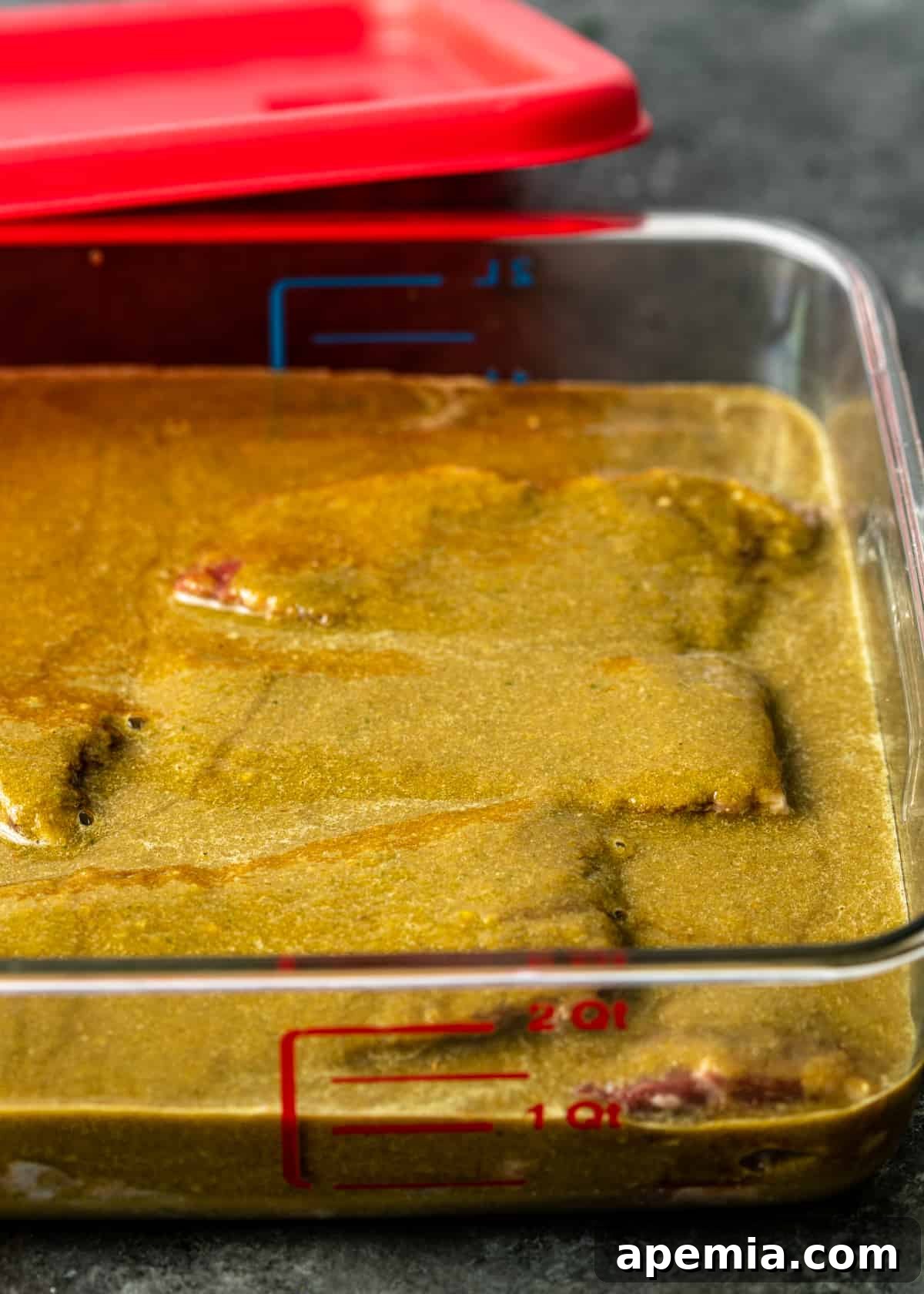
- Classic Marinade: Obviously, it’s perfect for flanken ribs (Galbi), thinly sliced beef (traditional Bulgogi), chicken thighs, pork belly, or even lamb. Marinate for at least 30 minutes, or up to overnight for deeper flavor.
- Flavorful Dipping Sauce: Once thickened, serve it alongside grilled skewers, crispy spring rolls, dumplings, or even as a dipping sauce for fresh vegetables.
- Stir-Fry Sauce: Use it as a base for your next stir-fry. Sauté your favorite vegetables and protein, then add a few tablespoons of Bulgogi sauce for an instant flavor boost. It’s a fantastic alternative to traditional stir-fry sauces, especially with dishes like Jeyuk Bokkeum (spicy pork stir-fry).
- Burgers & Meatloaf: Mix a few tablespoons into ground beef for flavorful Bulgogi burgers or meatloaf. You can also brush it on top during the last few minutes of cooking for a glossy glaze.
- Rice Topping: Drizzle some over a bowl of hot Instant Pot Basmati rice or sticky white rice for a quick, satisfying meal.
- Vegetarian & Vegan Options: This sauce isn’t just for meat! It makes an excellent marinade for firm tofu, tempeh, mushrooms, bell peppers, or zucchini, perfect for grilling or roasting.
- Salad Dressing Base: Whisk a small amount with a neutral oil, a touch more vinegar, and a hint of water for a unique Asian-inspired salad dressing.
Customizing Your Bulgogi Sauce
One of the joys of homemade cooking is the ability to adjust flavors to your personal preference. Here are some ideas to customize your Bulgogi sauce:
- Spice Level: If you love heat, don’t hesitate to add more gochujang. Alternatively, a pinch of red pepper flakes or a dash of sriracha can also introduce a kick.
- Sweetness: If you prefer a less sweet sauce, reduce the amount of brown sugar slightly. For a sweeter profile, add a bit more, tasting as you go. Honey or maple syrup can also be used as alternative sweeteners, imparting their own unique notes.
- Gluten-Free: As mentioned, simply swap regular soy sauce for tamari to make the sauce entirely gluten-free without sacrificing flavor.
- Low-Sodium: Use a low-sodium soy sauce. You can always add a pinch of salt later if needed, but often the umami depth is enough.
- Fruity Notes: While applesauce is a convenient shortcut, experimenting with fresh Asian pear (the traditional choice), Bosc pear, or even a ripe Fuyu persimmon can introduce nuanced fruity flavors and additional tenderizing enzymes. Simply grate them finely before blending.
- Extra Umami: A tiny splash of fish sauce (nam pla) can enhance the umami even further, adding a depth that complements the soy sauce beautifully.
Storage and Freezing Tips
This Bulgogi sauce comes together so quickly that making it fresh before each use is always an excellent option for the most vibrant flavor. However, it also stores remarkably well, allowing you to prepare it in advance or keep extra on hand.
- Refrigeration: When stored in an airtight container, your homemade Bulgogi sauce will remain fresh and delicious in the refrigerator for up to 2 weeks. Ensure the container is sealed tightly to maintain optimal flavor and prevent absorption of other fridge odors.
- Freezing: If you find yourself with more sauce than you can reasonably use within two weeks, freezing is a fantastic solution. Transfer the sauce to an airtight freezer-safe container or freezer bags. Make sure to leave a little headspace for expansion as it freezes. The sauce will last for up to 2 months in the freezer. When you’re ready to use it again, simply thaw it overnight in the refrigerator. Stir well before using, as some separation may occur upon thawing.
Preparing a larger batch to freeze means you’ll always have this incredible Korean BBQ sauce ready for impromptu grilling sessions or last-minute meal preparations!
Frequently Asked Questions About Bulgogi Sauce
This Korean BBQ sauce is incredibly versatile! It excels as a marinade for various meats like beef, chicken, pork, or lamb. Beyond marinating, it’s a fantastic dipping sauce for appetizers, a glaze for grilled foods, or a flavorful addition to stir-fries. Imagine it boosting your ground beef for Bulgogi burgers or adding depth to your next vegetable and tofu stir-fry.
While the terms are often used interchangeably, there’s a subtle distinction. Bulgogi sauce is a specific type of Korean BBQ sauce, primarily designed for marinating thinly sliced beef or other meats before grilling. There are many varieties of Korean BBQ sauces (like Galbi sauce or Gochujang-based marinades), but Bulgogi sauce is one of the most popular and universally recognized. So, while all Bulgogi sauces can be used for Korean barbecue, not all Korean BBQ sauces are specifically Bulgogi sauce.
Absolutely! Don’t limit this delicious sauce to just meat. It works wonderfully as a marinade for a variety of vegetables like bell peppers, onions, mushrooms, or zucchini before grilling or roasting. It’s also an excellent choice for marinating tofu or tempeh, adding a rich, savory depth to plant-based dishes. And of course, it makes a superb dipping sauce for fresh veggie sticks.
For thinly sliced meats like traditional Bulgogi beef, 30 minutes to 2 hours is often sufficient to infuse flavor and tenderize. For thicker cuts of meat like chicken thighs or pork, marinating for at least 4 hours or ideally overnight (up to 24 hours) will yield the best results, ensuring the flavors penetrate deeply and the meat becomes wonderfully tender.
The magic of Bulgogi sauce comes from its balanced combination of key ingredients. Soy sauce provides deep umami and saltiness, brown sugar adds essential sweetness and a hint of molasses, while applesauce or pear tenderizes the meat and contributes natural fruit sugars. Fresh ginger and garlic provide pungent aromatics, and sesame oil adds a rich, nutty finish. This harmony of sweet, savory, and aromatic elements creates its distinctive and addictive flavor.
Recommended Kitchen Tools
To whip up this amazing Bulgogi sauce with ease, you’ll find these tools invaluable:
- Blender or Immersion Blender: Essential for achieving that perfectly smooth consistency. A powerful blender will make quick work of all the ingredients, while an immersion blender offers convenience for blending directly in a bowl or pitcher. A food processor can also be used.
- Saucepan: Necessary if you plan to transform your marinade into a thicker Korean BBQ dipping sauce. A medium-sized saucepan is ideal for simmering and reducing.
- Airtight Container: For storing any leftover sauce in the refrigerator or freezer, ensuring its freshness and longevity.

Share this recipe on Pinterest!
Love this recipe? Share it with the world on Pinterest and save it for later!
Subscribe to my Newsletter, follow me on Facebook, Pinterest, Instagram and YouTube for all my latest recipes and videos.
Bulgogi Sauce | Korean BBQ Sauce
Bulgogi sauce, a classic Korean BBQ sauce, offers a delightful balance of sweet, savory, and umami flavors. It’s perfect as a marinade for your favorite meats or as a versatile dipping sauce, bringing authentic Korean taste right to your table!
10
5 mins
5 mins
Print Recipe
Ingredients
- 1/2 cup soy sauce (or light soy sauce, or tamari for gluten-free)
- 1/2 cup brown sugar
- 1/2 cup unsweetened applesauce (see Note 1)
- 2 tbsp rice wine vinegar
- 3 tbsp grated fresh ginger (approximately 2-inch piece, peeled)
- 3 cloves garlic
- 2 tbsp toasted sesame seeds
- 2 tbsp sesame oil
- 4 scallions (green onions), trimmed and roughly chopped
- 1 tbsp Gochujang (optional for heat)
Instructions
- Prepare the Marinade: In a blender or using a stick blender in a deep bowl, combine all the marinade ingredients: soy sauce, brown sugar, unsweetened applesauce, rice wine vinegar, grated fresh ginger, garlic cloves, toasted sesame seeds, sesame oil, chopped scallions, and optional Gochujang. Purée until the mixture is completely smooth and well combined.
- Use as Marinade: Your fresh Bulgogi sauce is now ready! Use it as-is to marinate thinly sliced beef for traditional Bulgogi, flanken ribs, chicken, pork, or even vegetables and tofu. For best results, marinate meat for at least 30 minutes, or ideally 4-24 hours in the refrigerator.
- To Make a Dipping Sauce (Optional): If you desire a thicker dipping sauce, pour the blended marinade into a small saucepan. Place over medium-high heat and bring to a simmer. Reduce the heat to medium and cook for about 5-7 minutes, stirring occasionally, until the sauce reduces and thickens to your desired consistency. Remove from heat and allow to cool completely before serving, as it will thicken further as it cools.
Notes
- Traditionally, an Asian pear is used for its unique sweetness and tenderizing properties. If Asian pears are difficult to find, a sweet Bosc pear or finely grated fresh apple can be used. Unsweetened applesauce provides a convenient and delicious shortcut.
- This recipe yields approximately 1 3/4 cups of marinade, which is sufficient for marinating 2-3 pounds of meat. When reduced to a dipping sauce, it yields about 1 1/4 cups (20 tablespoons) of thicker sauce.
- Nutritional information provided is an estimate for 10 servings (approximately 2 tablespoons per serving) of the sauce.
Nutrition
Calories: 91kcal |
Carbohydrates: 14g |
Protein: 2g |
Fat: 4g |
Saturated Fat: 1g |
Sodium: 652mg |
Potassium: 68mg |
Fiber: 1g |
Sugar: 12g |
Vitamin A: 4IU |
Vitamin C: 1mg |
Calcium: 30mg |
Iron: 1mg
The information shown is an estimate provided by an online nutrition calculator. It should not be considered a substitute for a professional nutritionist’s advice.
Condiments, Sauce
Asian, Korean
Kevin

Have You Made This Recipe? Let Me Know on Instagram
Tag @keviniscooking or tag me #keviniscooking!