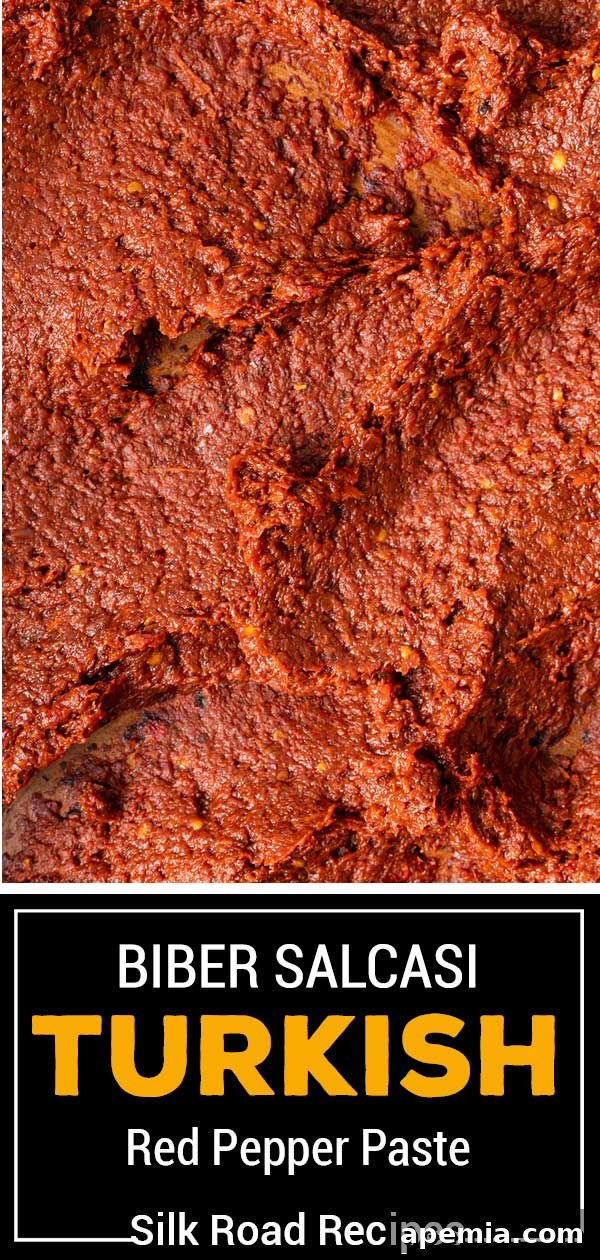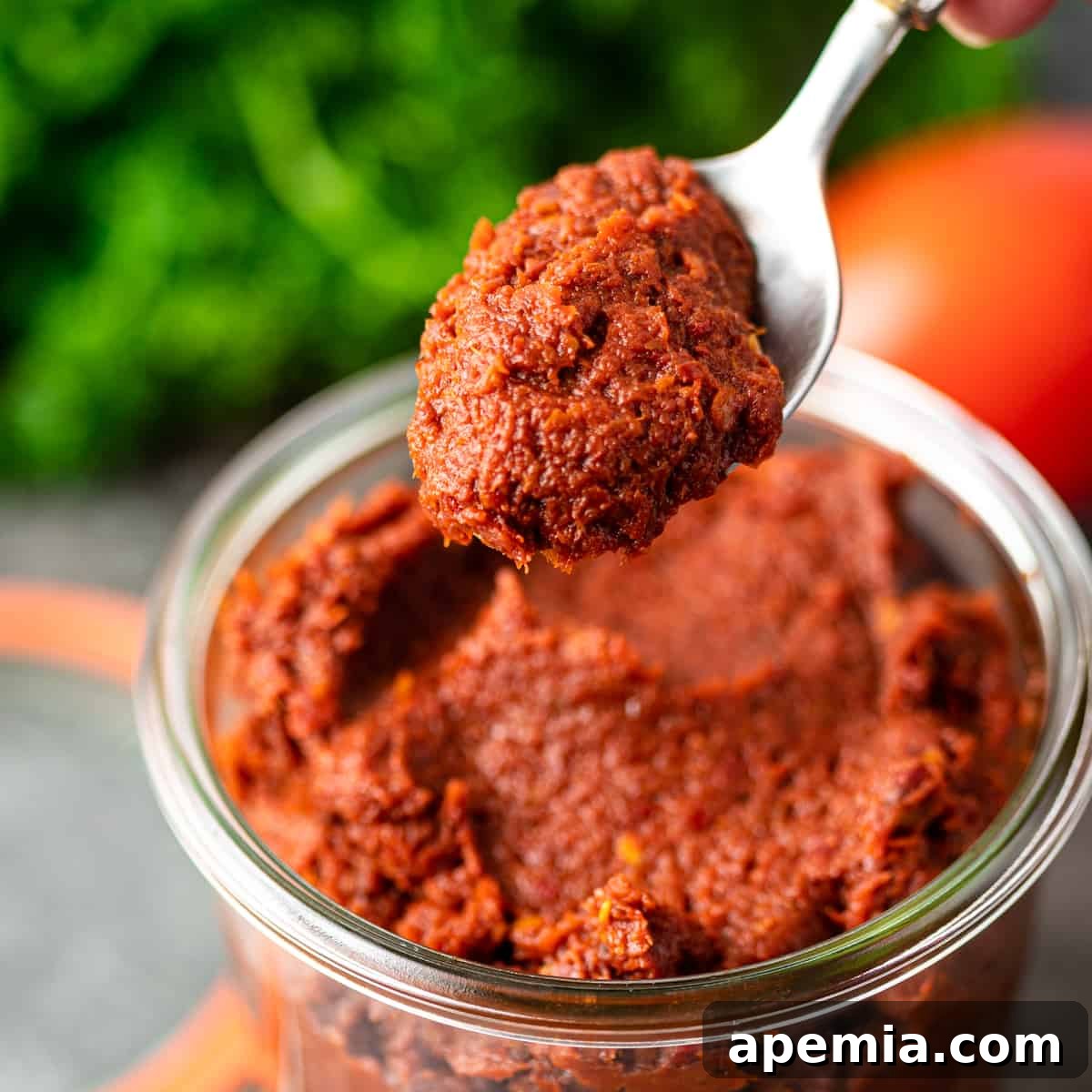
Turkish pepper paste, known locally as biber salçası, is a vibrant,
deep red condiment crafted from sweet peppers that forms the very soul of
Turkish cuisine. Imagine a versatile ingredient that can elevate almost any
dish, from a humble breakfast to a festive dinner. This beloved paste, rich
in flavor and history, is more than just a condiment; it’s a culinary
staple, much like tomato paste is to Italian cooking, offering a unique
sweet, tangy, and often subtly spicy kick.
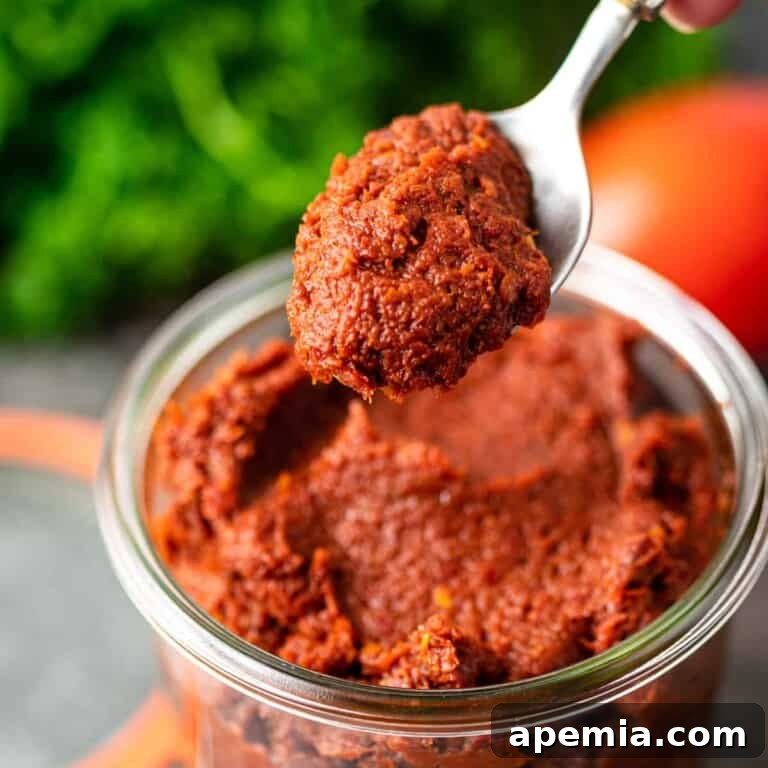
Every food lover has that one condiment they can’t live without—a secret
weapon that makes everything taste better. For many, including myself,
pepper pastes hold this coveted spot. Whether you crave intense heat or a
gentle warmth, pepper-based condiments offer an unparalleled depth of
flavor.
While some might gravitate towards the fiery notes of
Moroccan harissa, the complex umami of Korean gochujang, or the herbaceous zest of Middle
Eastern
zhoug sauce, sweet pepper pastes carve out their own delicious niche. These milder
counterparts are equally captivating and remarkably versatile, proving that
flavor doesn’t always have to come with an intense burn.
Sweet pepper pastes are a fantastic addition to various dishes. They lend a
beautiful color and subtle sweetness to salad dressings, making a simple
kisir (Turkish bulgur salad)
truly sing. I also find a spoonful stirred into a simmering pot of
Moroccan shakshuka
adds a rich dimension, deepening the tomato base and enhancing the overall
aroma. This particular Turkish red pepper paste recipe offers flexibility:
you can make it entirely sweet, or, if you’re like me and appreciate a hint
of spice, you can easily incorporate a few chiles to add a gentle warmth.
Essentially, biber salçası holds a place in Turkish cooking as foundational
and indispensable as tomato paste is in Italian culinary traditions.
Turkish Pepper Paste: A Culinary Treasure
Cuisine: Middle Eastern / Turkish
Biber salçası is deeply ingrained in Turkish culture, often made in large
batches during the peak of pepper season. The native Turkish salça pepper,
though somewhat delicate to cultivate, rewards diligent growers with an
abundant harvest of plump, red fruits. This abundance is met with a communal
spirit, as families and friends often gather to meticulously clean, trim,
and prepare fresh red peppers, ensuring enough stock for the year’s supply
of this essential condiment. This tradition highlights not just the love for
food, but also the strong community ties inherent in Turkish society.

and the broader Middle East.
Preparation: Sun-dried, oven-roasted, or grilled for
maximum flavor.
Difficulty: Easy 🥄 (though it requires patience for the
dehydration process)
Description: A rich, thick condiment paste, characterized
by its deep red hue and a harmonious blend of sweet and often mildly spicy
flavors.
Understanding Biber Salçası Variations
It’s important to note that while this recipe offers a delicious and
accessible method for creating Turkish pepper paste, it’s a simplified
approach tailored for home cooks outside of Turkey. Traditional methods can
be quite involved, and the specific peppers used in Turkey are often
difficult to procure internationally. Furthermore, biber salçası itself
encompasses a spectrum of variations, each with its own regional nuances and
preparation techniques.
Some traditional versions are exclusively sweet (*tatlı biber salçası*),
celebrating the natural sugars and rich flavor of ripe bell peppers. Others
incorporate a significant amount of hot chiles (*acı biber salçası*) to
deliver a potent heat. This particular recipe strikes a balance, allowing
for a touch of heat, much like my personal preference. A hallmark of truly
traditional biber salçası often involves days of sun-drying the pepper mash
to slowly concentrate its flavors and achieve the perfect texture.
While the idea of sun-drying peppers under the warm Mediterranean sun sounds
idyllic and undoubtedly produces exceptional results, it’s not always
practical for the average home cook. My goal with this recipe is to provide
an easy-to-follow, quicker alternative that delivers fantastic flavor
without requiring specialized conditions or equipment. Instead of extensive
sun exposure, we utilize the oven to roast sweet bell peppers, intensifying
their natural sweetness and developing a delicious smoky depth, before a
gentle oven dehydration process transforms them into that characteristic
thick, rich paste.
Ingredient Notes and Smart Substitutions
The quality of your ingredients directly impacts the final flavor of your
biber salçası. Here’s a detailed look at what you’ll need and how to make
smart substitutions if traditional Turkish peppers aren’t available.
-
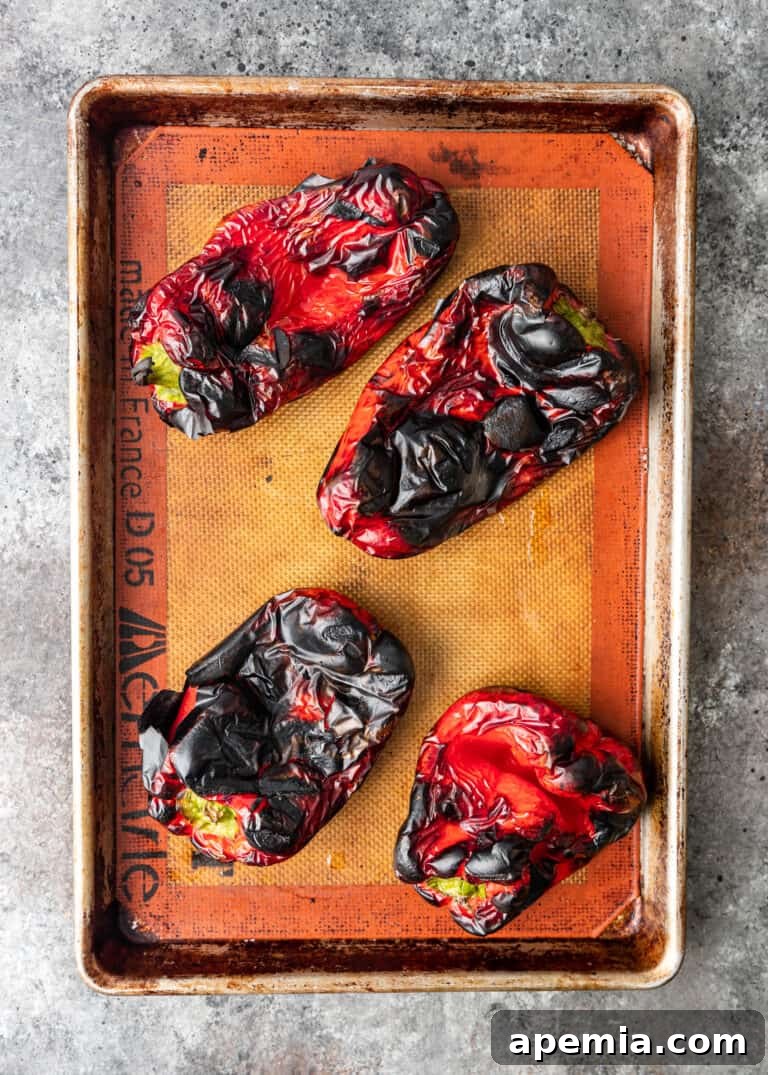
Red Bell Peppers: These form the sweet base of our paste.
Choose ripe, firm red bell peppers for the best flavor and color. If you
are fortunate enough to reside in Europe or the Middle East, you might be
able to source authentic Turkish red peppers, such as Kapya peppers. These
peppers are specifically cultivated for salça making and are prized for
their thick flesh, deep red color, and ideal sugar content. If you can get
your hands on them, definitely use them for a truly authentic experience! -
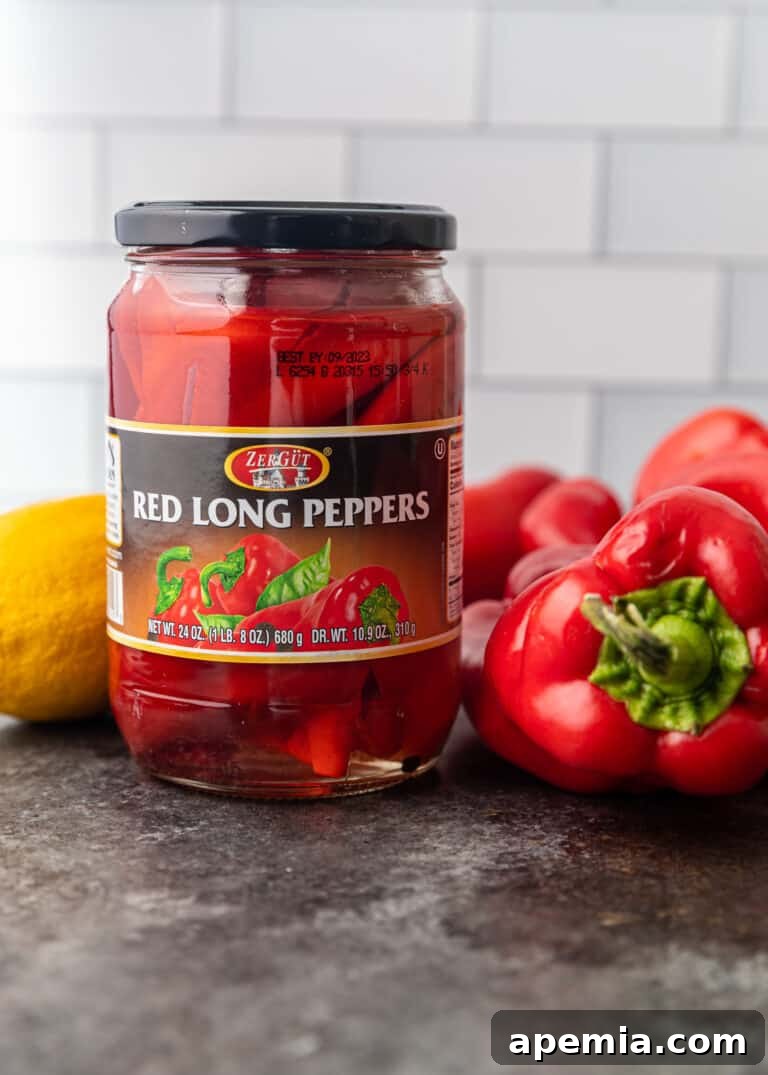
Chiles: For those who appreciate a touch of heat, adding
chiles is essential. Long red chiles are preferred. In many Middle Eastern
markets, you might find specific varieties known as Urfa biber or Isot
pepper. These chiles are famed for their unique smoky, slightly sweet, and
almost raisin-like flavor profile, which adds a complex depth rather than
just raw heat. Another excellent option is Aci Kapya biber, a spicier
cousin to the sweet Kapya. For broader accessibility, fresh long red
chiles from your local grocery store can work, or, as demonstrated in the
photo below, convenient store-bought jarred red chiles (often labeled as
roasted red peppers or hot peppers) are a fantastic and easy substitute. -
Lemon Juice: A splash of fresh lemon juice adds a bright,
acidic counterpoint to the peppers’ sweetness and helps to balance the
flavors. It also acts as a natural preservative. -
Garlic: Two cloves of fresh garlic contribute an aromatic
depth that enhances the overall savory profile of the paste. -
Kosher Salt: Essential for seasoning and as a crucial
natural preservative, especially important for homemade condiments. -
Olive Oil: Used both in the paste and as a finishing
layer for preservation. A good quality extra virgin olive oil will add a
fruity richness.
-

Jarred red long chile peppers can be used as a convenient substitute.
-
Roasted red bell peppers are the base for this flavorful paste.
Essential Recipe Note
-
When handling fresh chiles, especially if you’re aiming for a spicy pepper
paste, it is highly recommended to wear kitchen gloves. Not only will
gloves protect your skin from the capsaicin (the compound that causes heat
in chiles), preventing potential burning and irritation, but they will
also keep your fingers from getting stained red by the vibrant pepper
juices. This simple precaution ensures a more comfortable and mess-free
preparation process.
-
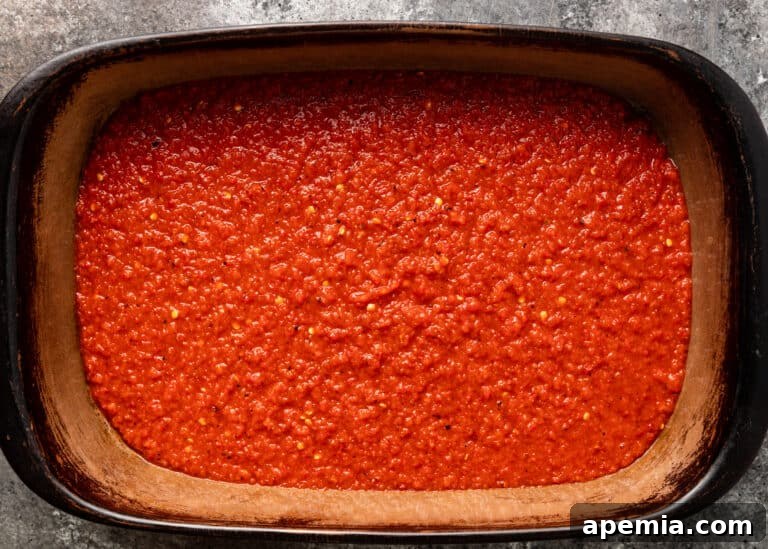
The pepper paste slowly dehydrating in the oven.
-
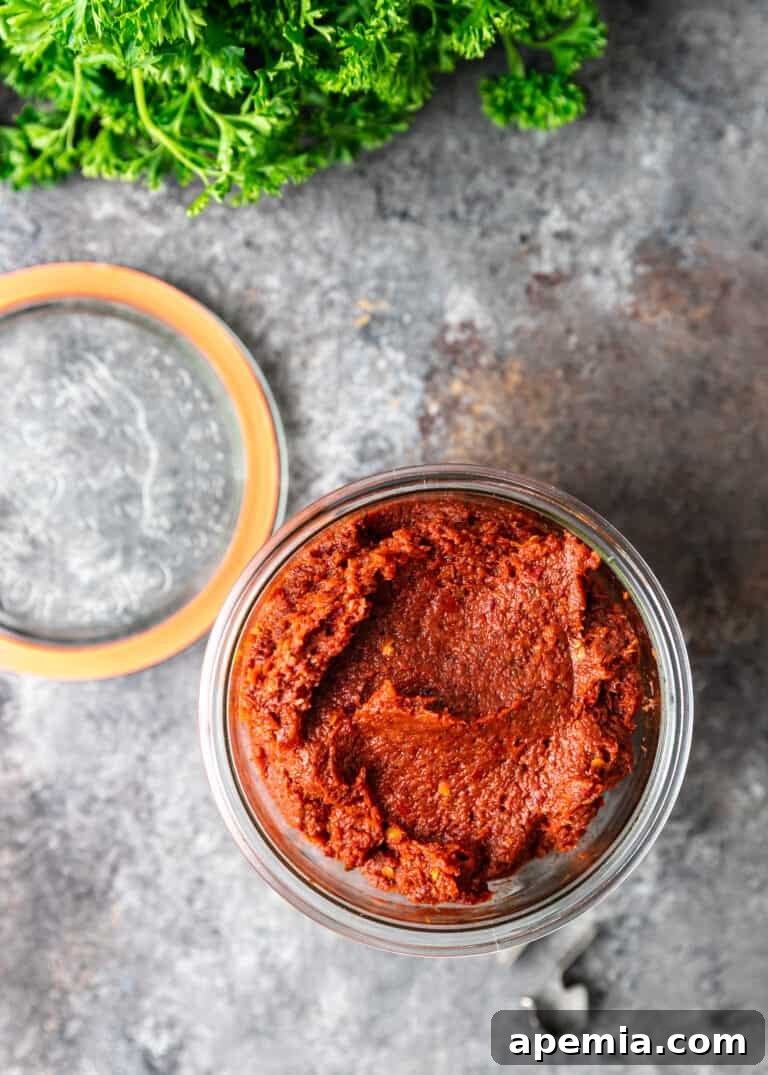
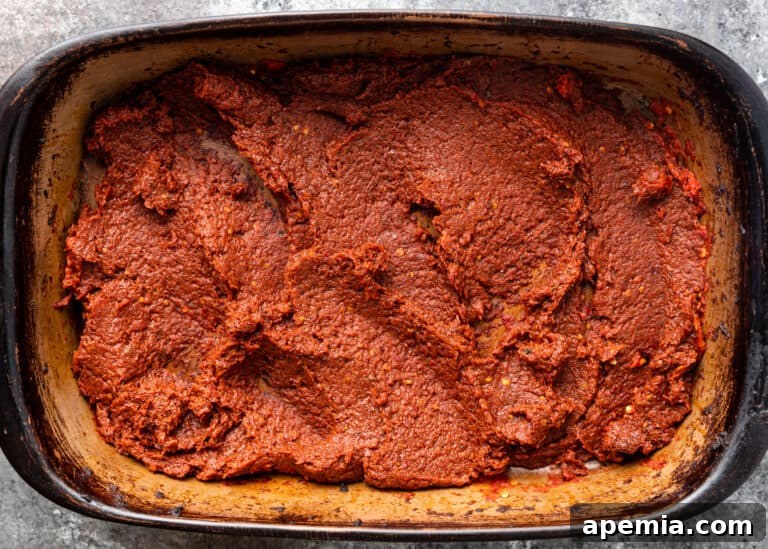
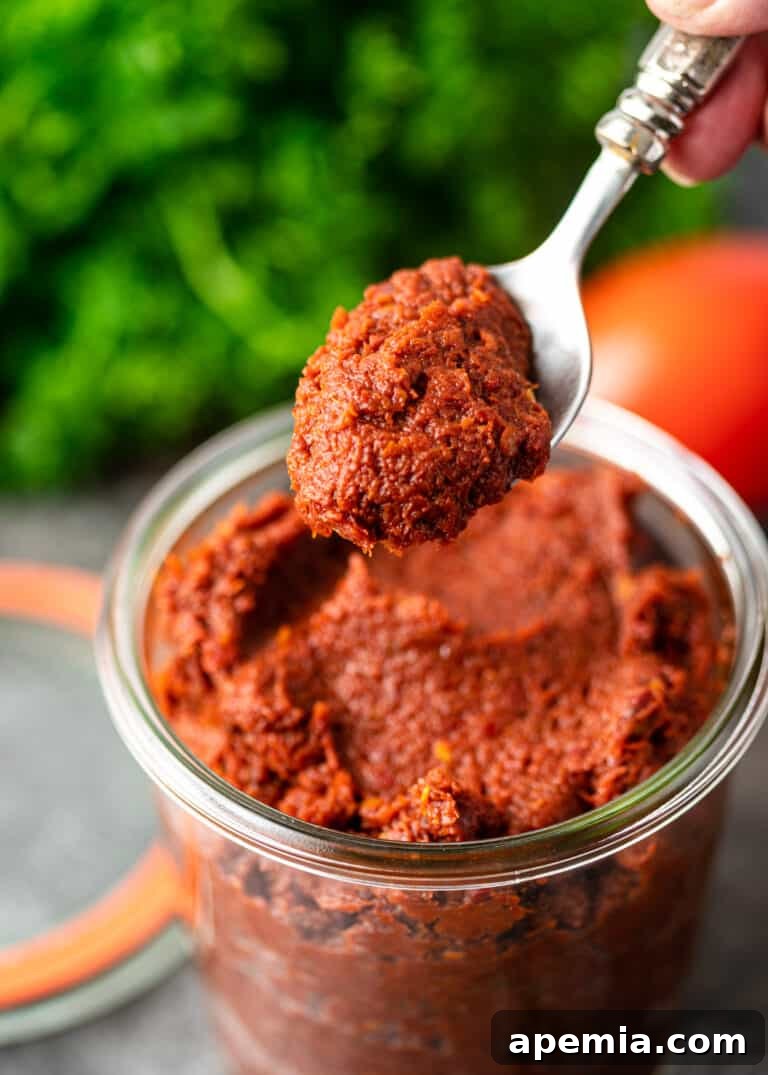
The final thick, dark red condiment, ready for use.
Turkish Pepper Paste: Frequently Asked Questions
Absolutely! Turkish pepper paste freezes remarkably well, making it
perfect for long-term storage and ensuring you always have this delicious
condiment on hand. To freeze, simply spoon the paste into silicone ice
cube trays. Once frozen solid (usually after about 24 hours), pop the
individual cubes out and transfer them into freezer-safe storage bags or
airtight containers. Properly frozen, biber salçası will maintain its
quality for up to 9 months. This method is incredibly convenient: simply
reach into the bag and retrieve individual cubes as needed for your
recipes, thawing them quickly at room temperature or in the
refrigerator.
Turkish Pepper Paste (Biber Salçası)
5 votes
Turkish pepper paste, or biber salçası, is a tasty red condiment
made from sweet peppers. Make this recipe to use in your favorite
dishes. This homemade version ensures freshness and flavor.
18 ounces
5 mins
20 mins
12+ hrs
12 hrs 25 mins
Ingredients
-
4
red bell peppers
or Turkish salçası peppers (if available) -
4
long red chiles
(See Note 1 for varieties) -
2
tbsp
lemon juice -
2
cloves
garlic -
1
tsp
kosher salt -
1
tbsp
olive oil
Instructions
-
Preheat your oven or grill to 450°F (230°C). If using fresh
chiles, carefully remove the seeds (this step is not necessary
for jarred varieties). Place the whole bell peppers and seeded
chiles on a baking sheet. Roast for approximately 20 minutes,
turning them occasionally to ensure all sides are evenly
charred and blistered. Once the skins are visibly blackened and
blistered, remove them from the oven or grill. Immediately
transfer the hot peppers to a paper bag or cover the baking
sheet tightly with a kitchen towel. This steaming process helps
loosen the skins, making them much easier to peel once cooled. -
Once the peppers are cool enough to handle comfortably, proceed
with peeling off their charred skins. Using a knife, remove the
stems from the bell peppers, then carefully pull away and
discard any remaining seeds and membranes from both bell
peppers and chiles. -
Roughly chop the peeled peppers and chiles and transfer them
into a food processor or high-speed blender. Add the fresh
lemon juice, garlic cloves, and kosher salt. Puree the mixture
on high speed until it transforms into a completely smooth,
even paste. Scrape down the sides of the processor as needed to
ensure no chunks remain. -
Pour the smooth pepper mixture into a clean baking dish. Place
the dish in the oven and “dehydrate” the paste until it
thickens considerably, reaching a rich, concentrated paste
consistency. This slow dehydration process typically involves
baking for 12 hours or more at the oven’s lowest setting (e.g.,
150-200°F / 65-95°C). It is crucial to stir the paste
frequently (every 1-2 hours) to prevent sticking and ensure
even drying. The goal is to reduce the water content
significantly, concentrating the flavors and achieving the
characteristic thickness of biber salçası (See Note 2). -
Once the paste has reached the desired thickness, transfer it
to a clean, sterilized jar or airtight container. To help
preserve freshness and prevent spoilage, drizzle a tablespoon
of olive oil over the surface of the paste, creating a protective
seal. Cover the jar tightly with its lid and store the homemade
pepper paste in the refrigerator. It will keep well for up to
7 days in the refrigerator. For longer storage, refer to the
FAQ section on freezing.
Notes
-
For those seeking specific chile varieties, Urfa biber or Isot
pepper (known for their smoky, raisin-like taste) and Aci Kapya
biber are excellent choices found in Middle Eastern markets.
Alternatively, readily available jarred or canned red chile
varieties can be used as pictured above for convenience. -
Another effective method for thickening the pepper paste is to cook
it on low heat on the stovetop. This process allows the paste to
slowly reduce and thicken to the desired consistency. When using
the stovetop, be sure to stir frequently and keep a watchful eye to
prevent the paste from scorching. You can also achieve this by
using a food dehydrator, following the manufacturer’s specific
directions for dehydrating purees or pastes.
Nutrition
Carbohydrates: 2g |
Protein: 1g |
Fat: 1g |
Saturated Fat: 1g |
Sodium: 131mg |
Potassium: 69mg |
Fiber: 1g |
Sugar: 1g |
Vitamin A: 858IU |
Vitamin C: 39mg |
Calcium: 3mg |
Iron: 1mg
The information shown is an estimate provided by an online
nutrition calculator. It should not be considered a substitute for
a professional nutritionist’s advice.
Have You Made This Recipe? Let Me Know on Instagram
Tag
@keviniscooking
or use the hashtag
#keviniscooking!