
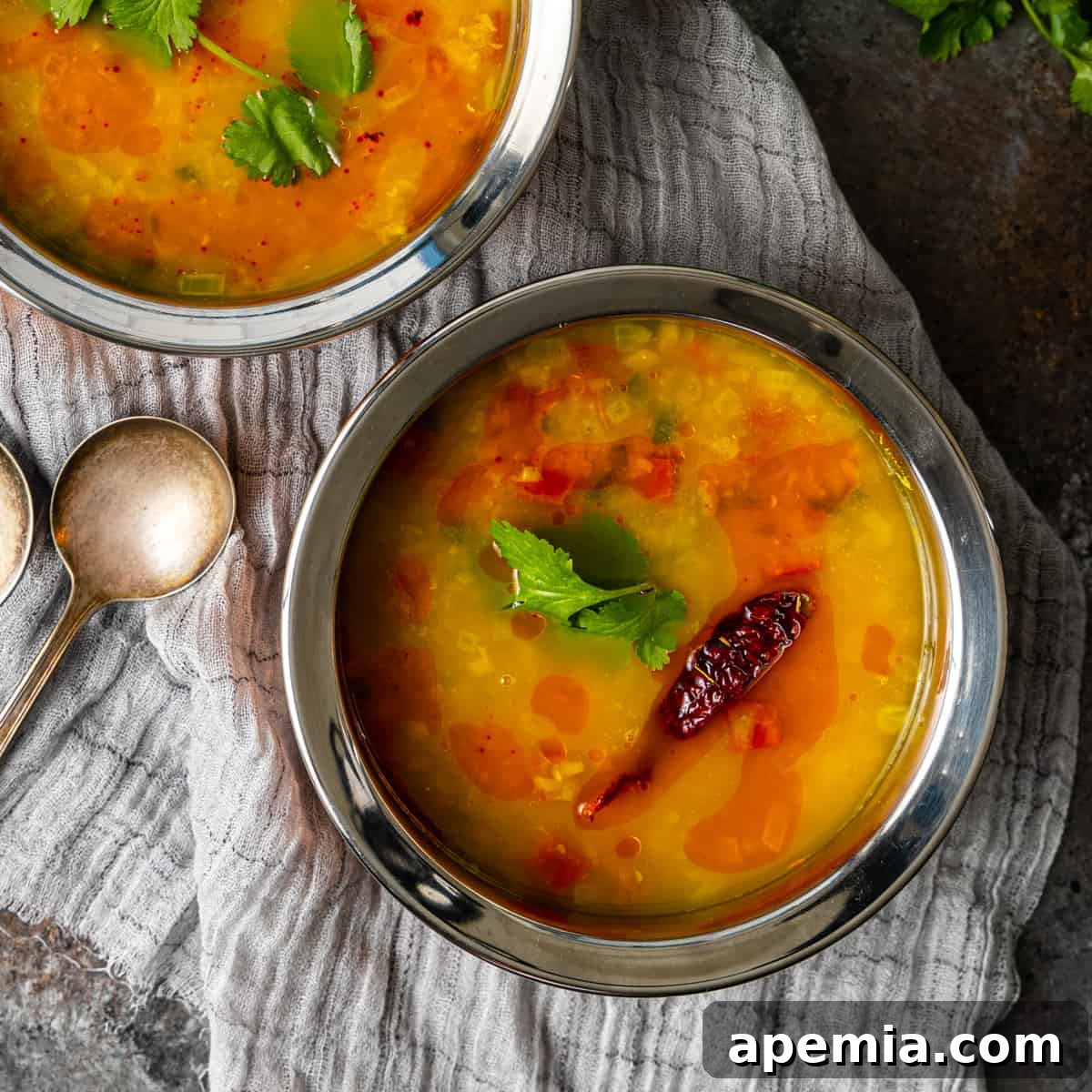
Authentic Dal Tadka Recipe: A Flavorful Indian Lentil Soup
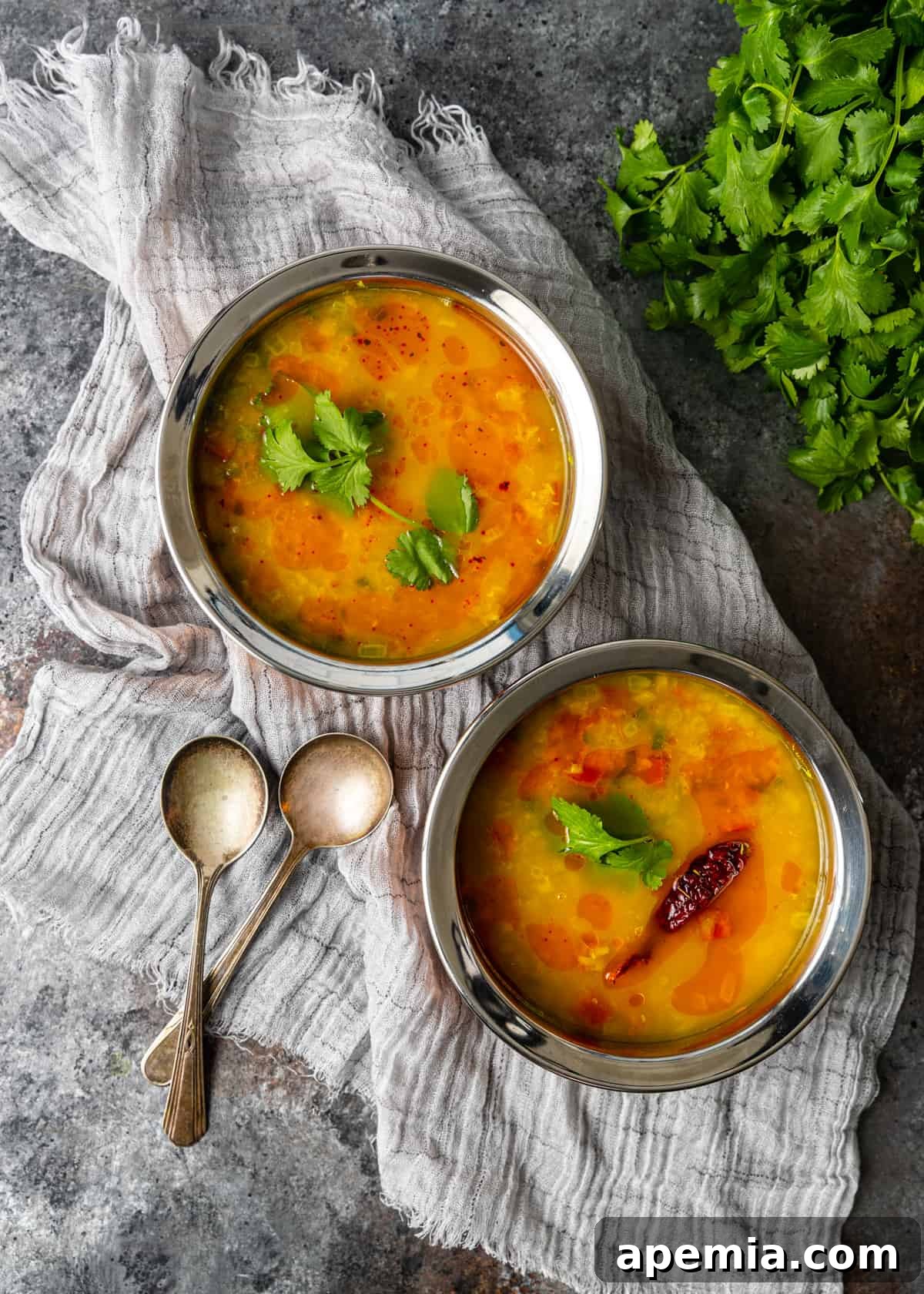
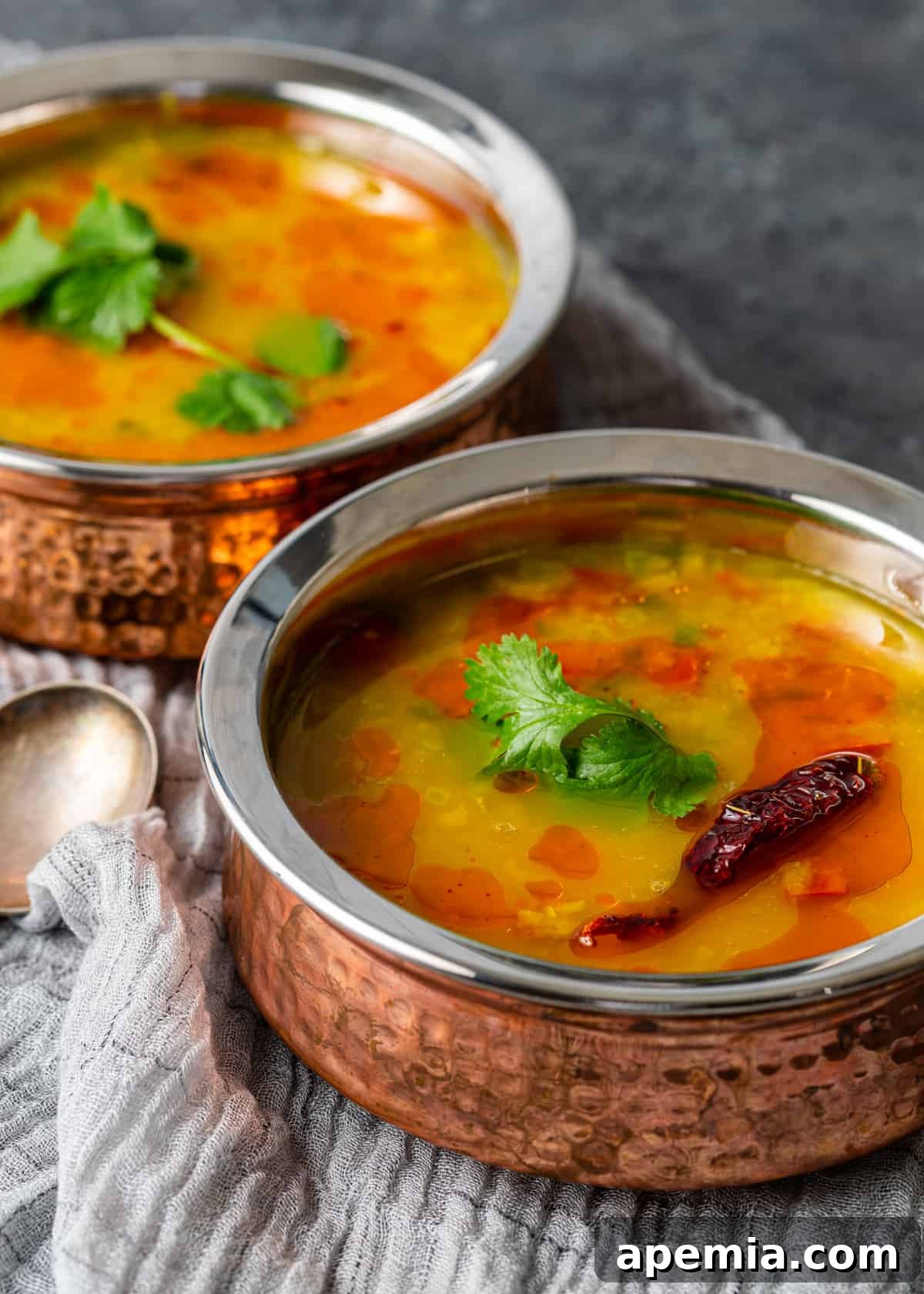
Dal Tadka is more than just a lentil soup; it’s a symphony of flavors, a comforting embrace, and a cornerstone of Indian cuisine. This wholesome and deeply nourishing dish expertly blends tender lentils with an explosion of aromatic spices, warming fresh chilies, and juicy tomatoes. While its appearance might seem humble, Dal Tadka offers an unbelievably deep and complex taste experience that is both incredibly filling and profoundly satisfying. It’s a testament to the power of simple ingredients transformed into something extraordinary.
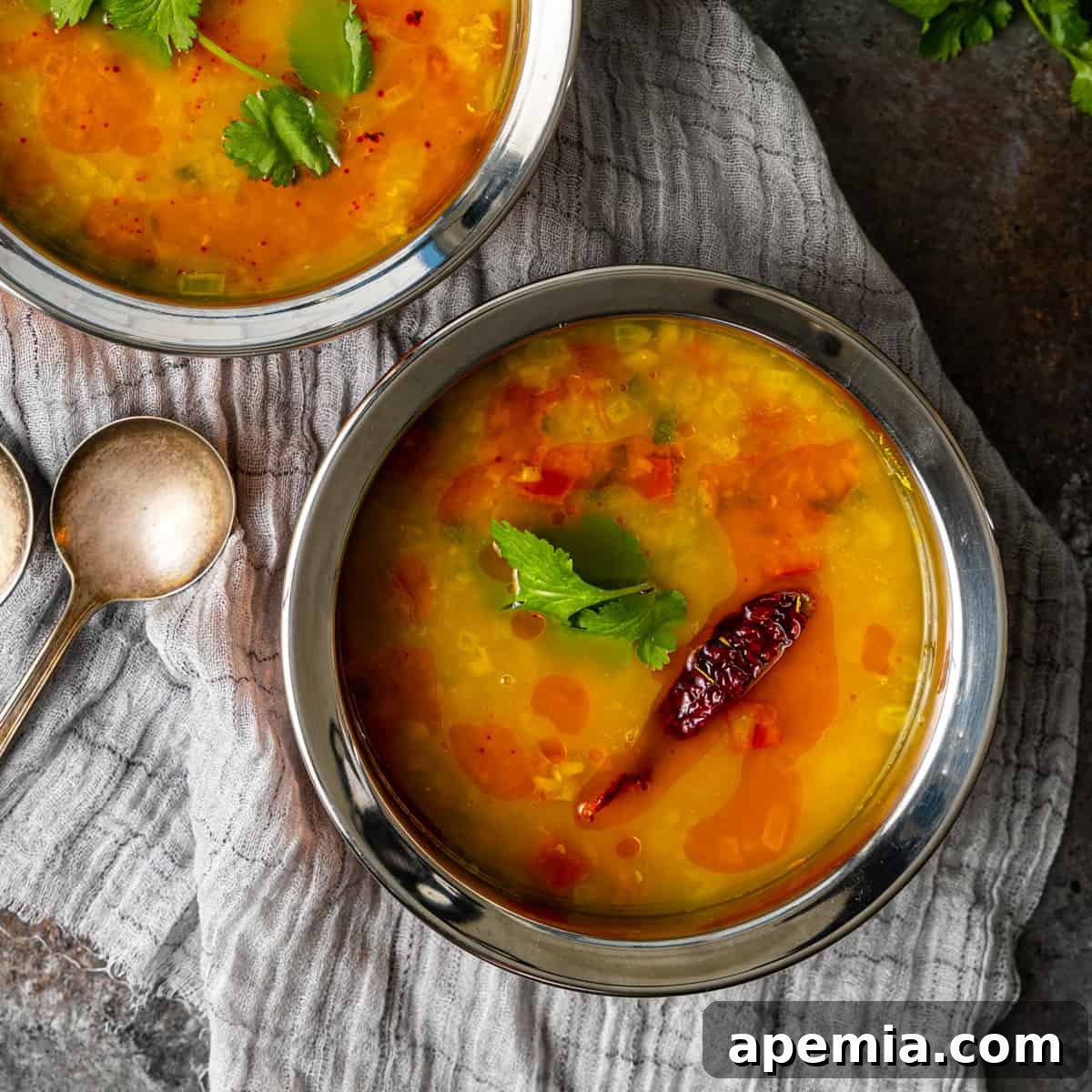
The Heart of Indian Vegetarian Cuisine: Why Lentils Reign Supreme
For those in search of truly exquisite vegetarian dishes, India stands as an unparalleled culinary haven. A vast majority of Indian cuisine is meticulously crafted without meat, showcasing a mastery in creating perfectly seasoned, incredibly hearty vegetarian and vegan meals. The subcontinent’s culinary landscape is rich with plant-based delights, from the opulent and creamy Dal Makhani, to the vibrant and earthy Gobi Masala (Cauliflower Curry), and the robust Kala Chana (Black Chickpea Curry). Dal Tadka proudly continues this tradition, presenting a dish that is deeply rooted in Indian heritage and universally adored for its rich flavors, comforting texture, and nutritional benefits.
What is Dal Tadka? Unveiling the Magic Behind the Name
At its core, Dal Tadka is an exceptionally flavorful spiced lentil soup. While simple in principle, its construction achieves an astonishing depth and complexity of taste. The “Dal” component refers to the lentils, which are meticulously cooked until they reach a delightfully creamy consistency. This base is stewed with a vibrant medley of fresh chiles, sweet onions, ripe tomatoes, and a carefully selected blend of foundational spices such as ginger, turmeric, and garam masala. This slow, gentle cooking process allows the lentils to fully absorb every nuanced flavor, transforming them into a savory, aromatic, and comforting foundation that forms the soul of the dish.
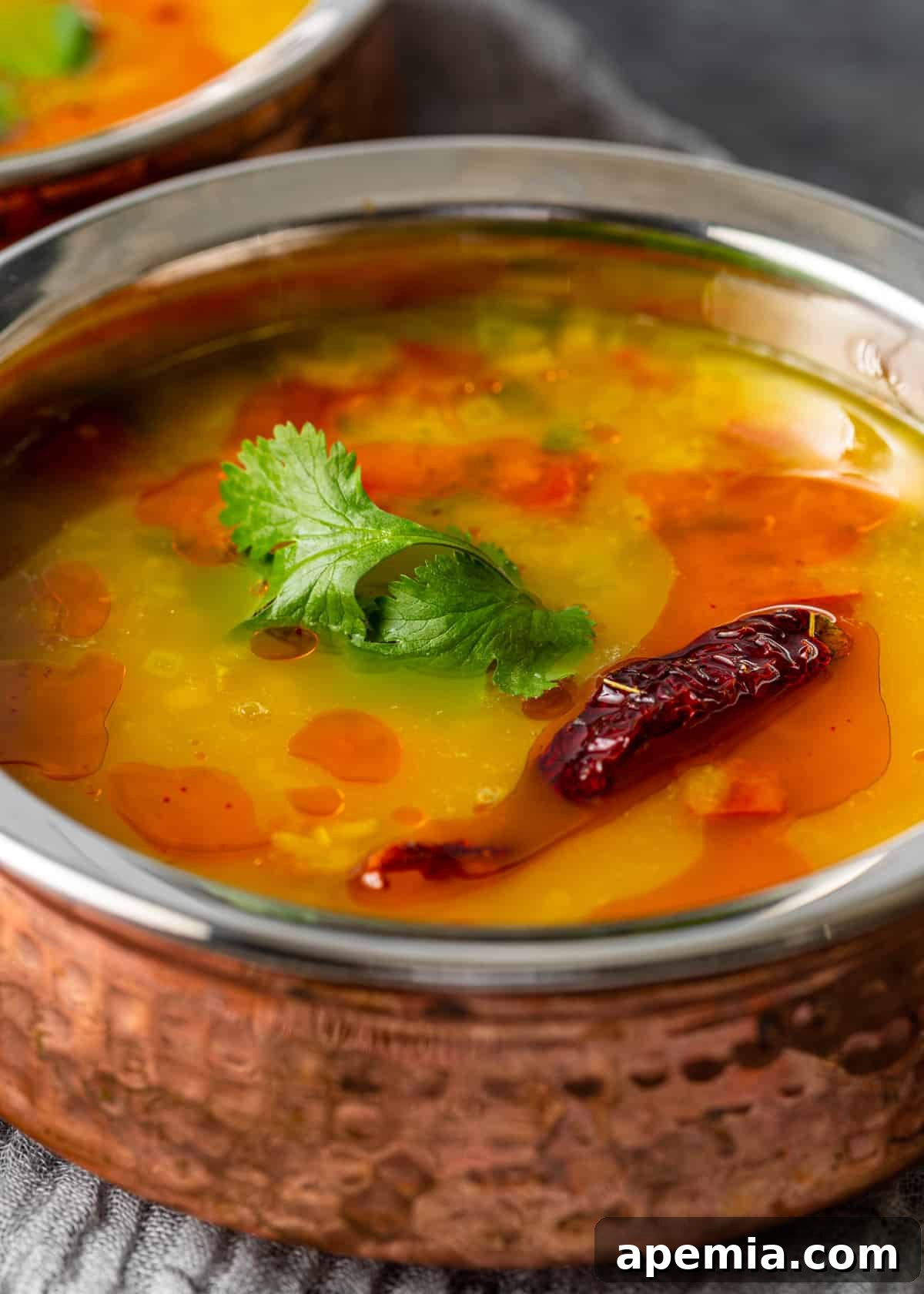
Table of Contents
- Exploring Different Types of Lentils
- Essential Ingredient Notes and Smart Substitutions
- Step-by-Step Guide: How to Master Dal Tadka
- Recommended Tools for a Seamless Dal Tadka Experience
- Perfect Pairings: What to Serve with Dal Tadka
- Storing and Reheating Your Delicious Dal
- Frequently Asked Questions About Dal Tadka
- Full Dal Tadka Recipe Card
The Art of Tadka: Tempering Spices for Unrivaled Flavor
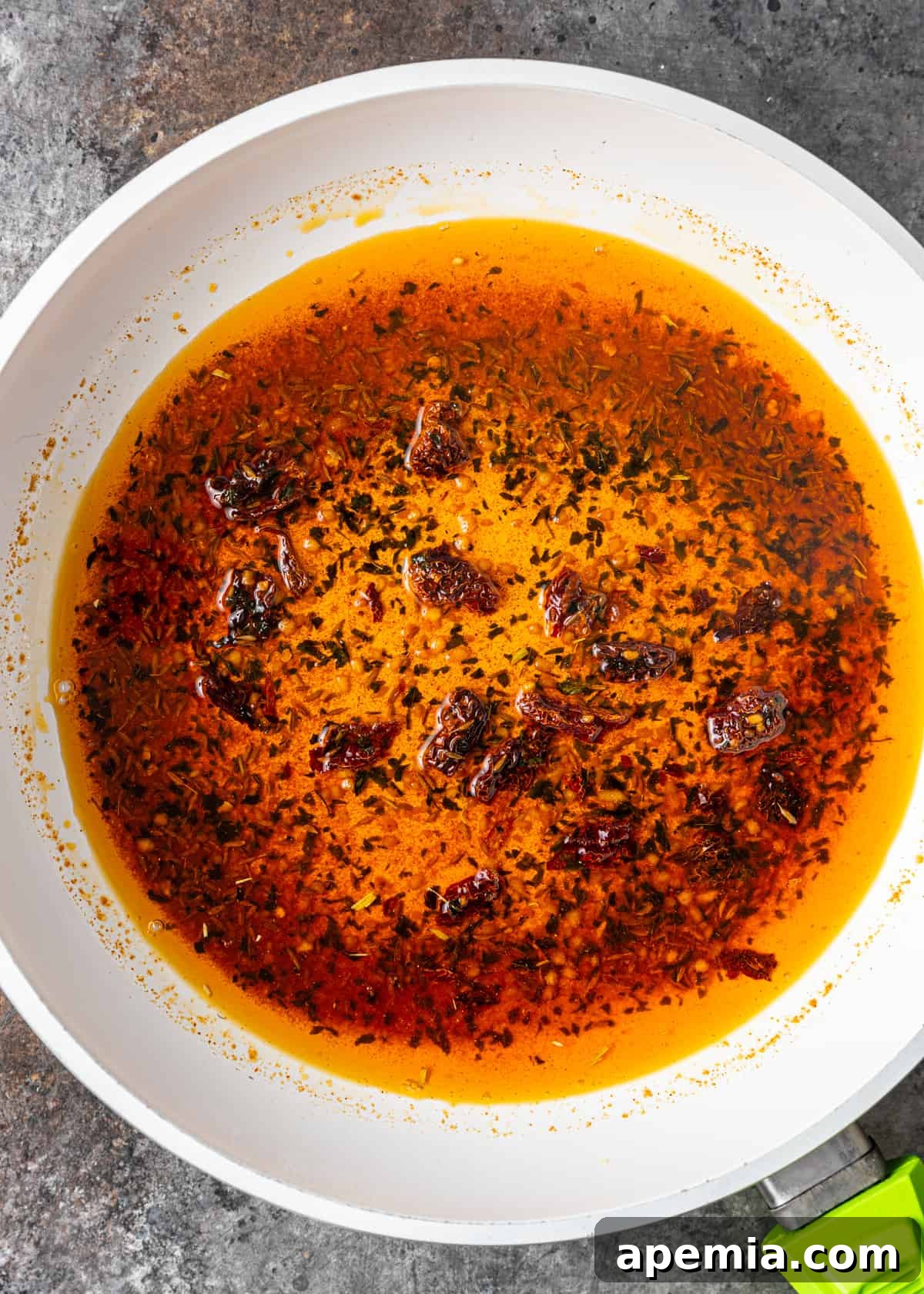
The true magic, and indeed the dish’s namesake, resides in the “Tadka.” This term refers both to a traditional Indian culinary technique of tempering spices in hot ghee (clarified butter) or oil, and to the resulting aromatic mixture itself. Our Dal Tadka recipe highlights this essential step, featuring a captivating blend of whole and ground spices—typically including cumin seeds, dried red chilies, minced garlic, and often fenugreek leaves—all briefly toasted in hot fat. This precise process is absolutely crucial as it awakens and intensifies the powerful, warming flavors of the spices, releasing their essential oils and deeply infusing the fat with their essence. The sizzling, fragrant tadka is then poured directly over the creamy, cooked dal just before serving. This dramatic sensory flourish not only creates an enticing visual and auditory experience but also delivers an unparalleled depth of flavor, elevating simple lentils to an extraordinary culinary masterpiece.
Once the rich, aromatic tadka is carefully spooned over the creamy dal, the culinary transformation is complete. This spicy, aromatic, and incredibly satisfying dish is often so filling that it serves as a complete meal on its own, especially when paired with simple Basmati rice or warm Indian bread like naan or roti. Whether you’re a seasoned Indian food enthusiast or exploring its wonders for the first time, Dal Tadka promises a truly unforgettable culinary journey. Enjoy the incredible depth of flavor and comforting warmth this traditional dish brings to your table!
Tip From Kevin
Exploring Different Types of Lentils for Dal
Lentils are the nutrient-rich heart of many Indian dishes, and understanding their diverse varieties is key to mastering the nuances of dal. Each type brings a unique texture, cooking time, and flavor profile to your culinary creations:
- 1. Brown Lentils (Puy Lentils are similar): These are often considered the “default” lentil. If a recipe simply calls for “lentils,” it likely refers to these. Brown lentils are earthy, mild, and robust, holding their shape remarkably well after cooking. This characteristic makes them ideal for hearty soups, substantial stews, and even salads where you desire a firm texture rather than a mushy consistency.
- 2. Green Lentils (French Green Lentils/Laird): Think of green lentils as the slightly more refined cousins of brown lentils. Varieties such as Laird, Richlea, and Eston boast a delicate peppery kick and maintain a distinct firm texture even after prolonged simmering. They are an excellent choice for salads, vibrant side dishes, or any application where you want the lentils to retain their individual integrity.
- 3. Red & Yellow Lentils (Masoor Dal & Moong Dal): These quick-cooking lentils are celebrated for their ability to break down beautifully into a creamy, smooth consistency. They are the top choice for purees, thick, velvety soups, and the majority of Indian dals, including Dal Tadka, where a silky, luscious texture is the ultimate goal. Their mild, slightly sweet flavor also makes them exceptional carriers for absorbing and showcasing complex spice blends.
- 4. Specialty Lentils (Black Beluga Lentils): For those seeking unique culinary experiences, specialty lentils offer distinct characteristics. French (Puy) lentils, though technically green, are often grouped separately for their bold, peppery flavor and exceptional firmness. Tiny black Beluga lentils, resembling caviar, provide a rich, earthy taste and an elegant appearance, perfect for gourmet presentations.
For an authentic and perfectly balanced Dal Tadka, I highly recommend using a thoughtful combination of lentils. A blend of 1/2 cup split pigeon pea lentils (arhar dal, also widely known as Toor Dal) and 1/2 cup red lentils (masoor dal) delivers an ideal balance of creaminess and slight texture, creating the signature mouthfeel and depth of flavor that truly defines this beloved dish.
Essential Ingredient Notes and Smart Substitutions
(For a comprehensive list of ingredients and precise quantities, please refer to the detailed recipe card below.)
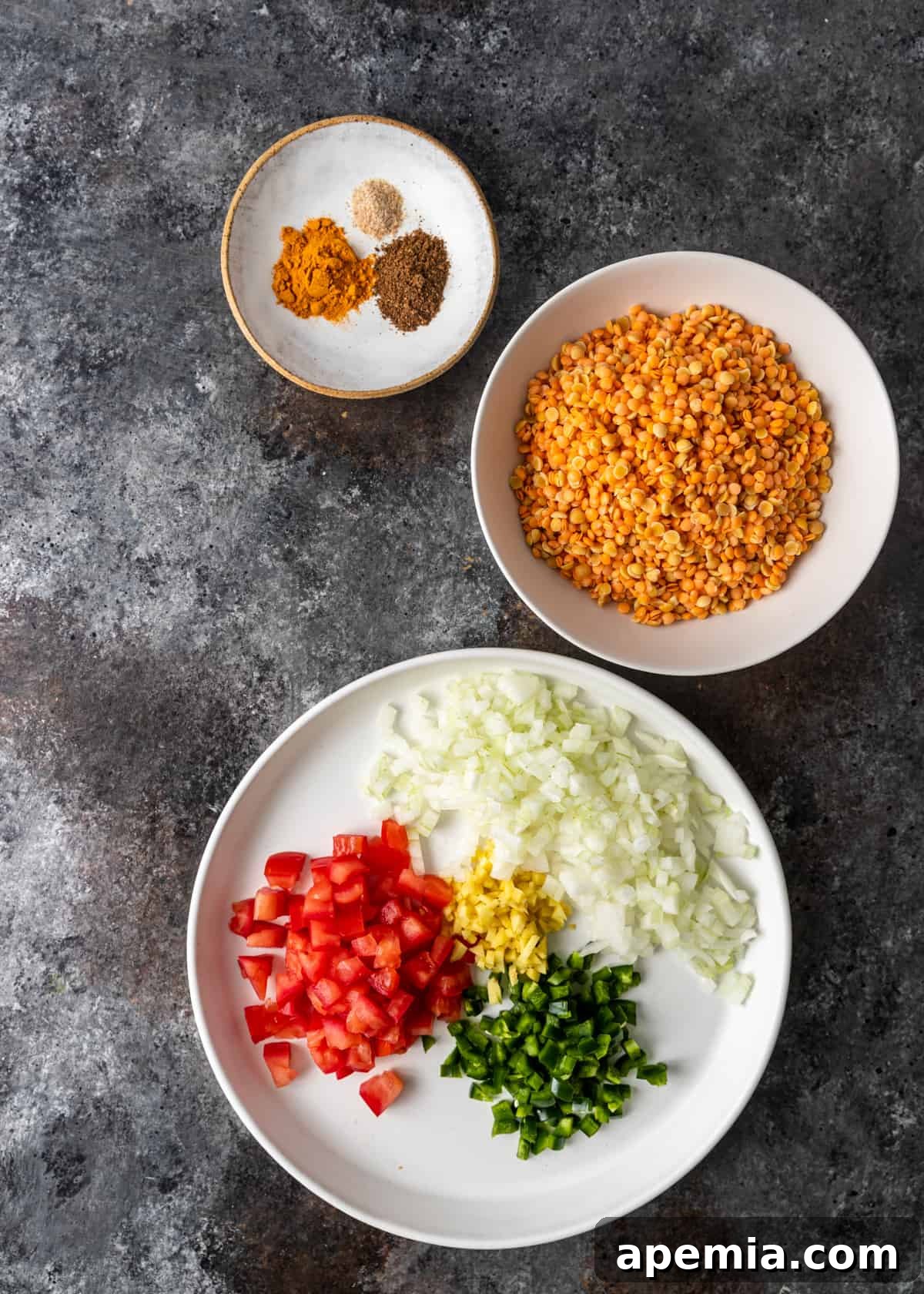
- Lentils: To achieve a traditional Dal Tadka with a wonderful balance of creamy consistency and slight texture, I highly recommend using a blend of split pigeon pea lentils (arhar dal or toor dal) and red lentils (masoor dal). If only one type is readily available, red lentils are an excellent choice on their own due to their quick cooking time and their natural tendency to break down smoothly, making them perfect for a creamy dal.
- Ghee (Clarified Butter): Ghee is absolutely quintessential for imparting authentic Indian flavors. It’s used both for sautéing the foundational aromatics and for creating the flavorful tadka. Ghee offers a rich, nutty, and subtly sweet aroma that elevates the entire dish. If you’re looking for a vegan alternative or ghee is unavailable, a high-quality neutral vegetable oil, such as avocado, sunflower, or canola oil, can be used.
- Serrano Chiles: These peppers are responsible for providing a bright, warming, and distinctly spicy kick to the lentil base. For a milder dish, you can completely deseed them or use fewer chiles. If you prefer more heat, leave some of the seeds in. Jalapeños can also be used as a slightly milder substitute, offering a similar fresh heat.
- White Onion: Finely chopped white onion lays down a foundational layer of gentle sweetness and savory depth as it slowly caramelizes during the initial sautéing process. Yellow or red onions can also be used, though they might contribute a slightly bolder or sharper flavor to the dal.
- Roma Tomatoes: These fleshy, less seedy tomatoes are ideal for blending into a smooth, tangy soup base. Their robust flavor provides a crucial acidic balance that brightens the entire dish. Other medium-sized, ripe tomato varieties will also work well; just be sure to remove excess seeds and watery pulp if they are particularly juicy.
- Fresh Ginger: Essential for its pungent, fiery, and subtly sweet notes, fresh ginger adds a vibrant and indispensable depth that is characteristic of authentic Indian cuisine. Always opt for fresh ginger over powdered for the best, most aromatic flavor.
- Ground Turmeric: Beyond its beautiful golden color, turmeric contributes distinct earthy, slightly peppery, and subtly bitter notes. It’s also widely celebrated for its health benefits. Ensure your ground turmeric is fresh and aromatic for the most impactful results.
- Garam Masala: This foundational Indian spice blend is a cornerstone of Dal Tadka, contributing a complex warmth, aromatic depth, and signature flavor profile. While good quality store-bought versions are widely available, making your own Garam Masala from scratch can significantly enhance the flavor and aroma of your dish, providing a fresh and vibrant taste.
- Kosher Salt: Essential for seasoning. Always adjust to your personal preference throughout the cooking process, tasting as you go to achieve perfect balance.
- Asafoetida (Hing): Though optional, a small pinch of asafoetida adds a unique savory, pungent, and onion-garlic like aroma to the dish. It’s particularly valued in Indian cuisine for its digestive benefits and significant flavor enhancement in lentil and bean preparations. It’s especially useful if you’re omitting fresh garlic or onions.
- Chicken Stock or Water: This forms the essential liquid base for your dal. For a truly vegetarian or vegan recipe, always opt for plain water or a good quality vegetable stock. Chicken stock, if you’re not strictly vegetarian, can add a richer umami depth to the flavor profile.
- Fresh Cilantro: A vibrant and absolutely essential garnish. Freshly chopped cilantro leaves add a burst of bright freshness, a distinct herbaceous note, and a beautiful green color that beautifully complements the rich spices of the dal. Do not skip this!
- For the Tadka (Tempered Spice Mix): The ingredients for this final flavor burst are paramount to the dish’s character.
- Cumin Seeds: These whole seeds boast a warm, earthy, and slightly citrusy aroma when tempered in hot ghee, forming the aromatic backbone of the tadka’s flavor.
- Garlic: Minced fresh garlic, when lightly fried in hot ghee or oil, releases its potent aromatic oils, adding a deep, savory, and pungent punch to the tadka that contrasts beautifully with the other spices.
- Dried Red Chiles: Kashmiri chiles are highly preferred for their vibrant red color and relatively mild heat, which makes the dish visually appealing without overwhelming spiciness. However, any dried red chili will impart a delightful smoky, warming spice. Break them before adding to release more flavor, removing seeds for a milder heat.
- Dry Fenugreek Leaves (Kasoori Methi): This sweet, slightly bitter, and earthy spice is a hallmark aroma in many Indian curries and dals. Crushing them gently between your palms just before adding helps to release their potent, complex aroma and flavor.
- Red Chili Powder: Used to provide an additional layer of heat and contribute to the beautiful red hue of the tadka. Adjust the quantity according to your personal spice preference to ensure your dal is just right.
- Liquid Smoke: This is an optional but highly recommended addition. A tiny dash imparts a wonderful, authentic smoky depth to the finished dal, mimicking the rich flavor that might come from traditional cooking methods over an open flame or charcoal.
Step-by-Step Guide: How to Master Dal Tadka
Creating an authentic and flavorful Dal Tadka is a truly rewarding culinary experience. Follow these detailed steps to achieve a perfectly spiced and irresistibly creamy lentil soup:
- Prepare the Lentils: Begin by thoroughly rinsing your chosen lentils under cold running water until the water runs completely clear. This crucial step removes any debris or excess starch. Following the rinse, soak the lentils in fresh water for at least 30 minutes. Soaking not only helps to significantly reduce the overall cooking time but also makes the lentils more digestible and contributes to a wonderfully smoother, creamier texture in the final dish.
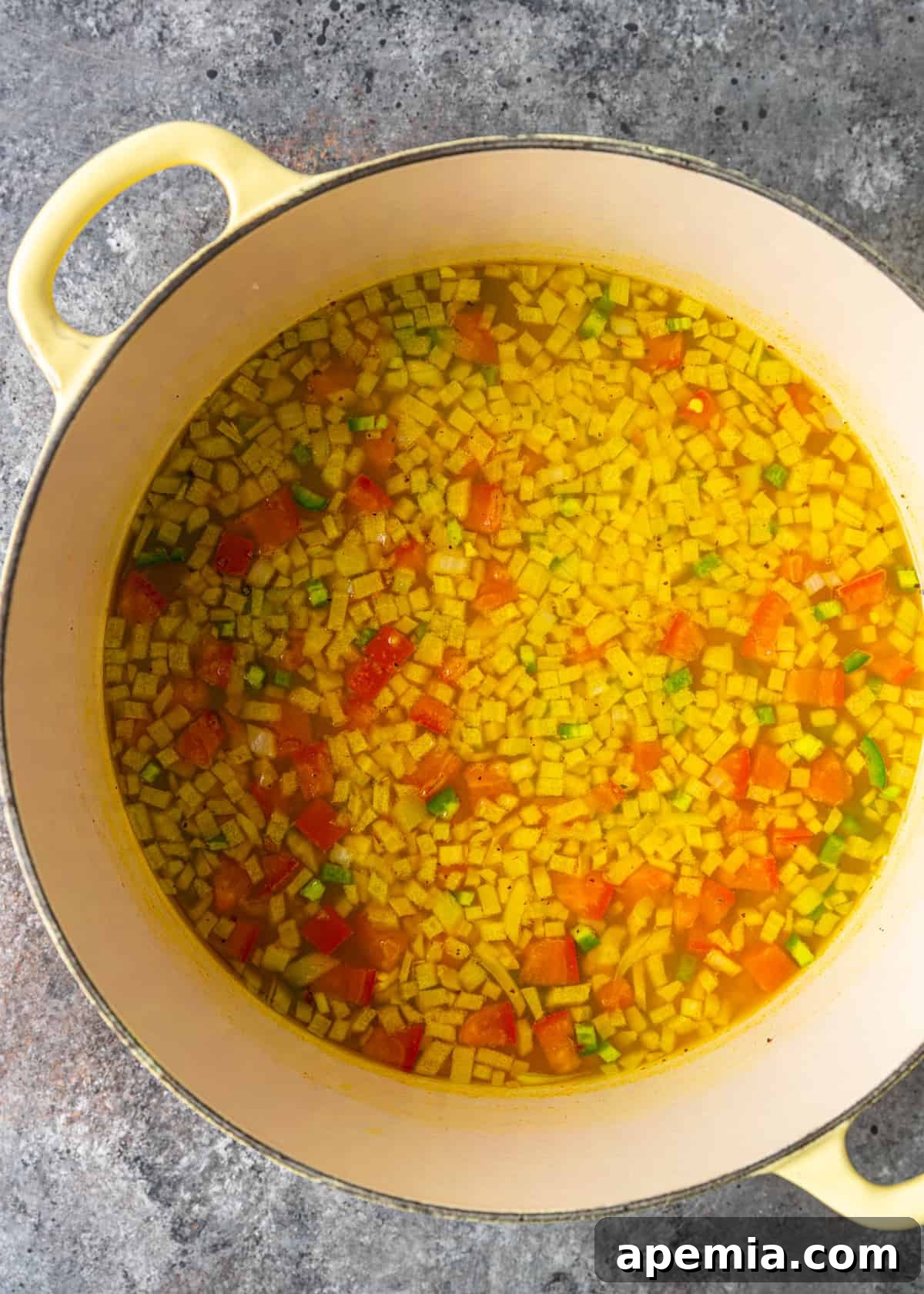
- Build the Flavor Base (The Dal): In a sturdy Dutch oven or a large, heavy-bottomed soup pot, heat one tablespoon of ghee (or your chosen vegetable oil) over medium heat. Add the finely chopped white onions and diced Serrano chiles to the pot. Sauté for approximately 2 minutes, or until the onions begin to soften and become translucent. Next, incorporate the diced Roma tomatoes, minced fresh ginger, ground turmeric, Garam Masala, kosher salt, and the optional asafoetida. Stir all these aromatic spices and vegetables thoroughly to combine. Drain the soaked lentils completely, then add them to the pot along with 4.5 cups of water or chicken/vegetable stock. Bring the entire mixture to a vigorous rolling boil.
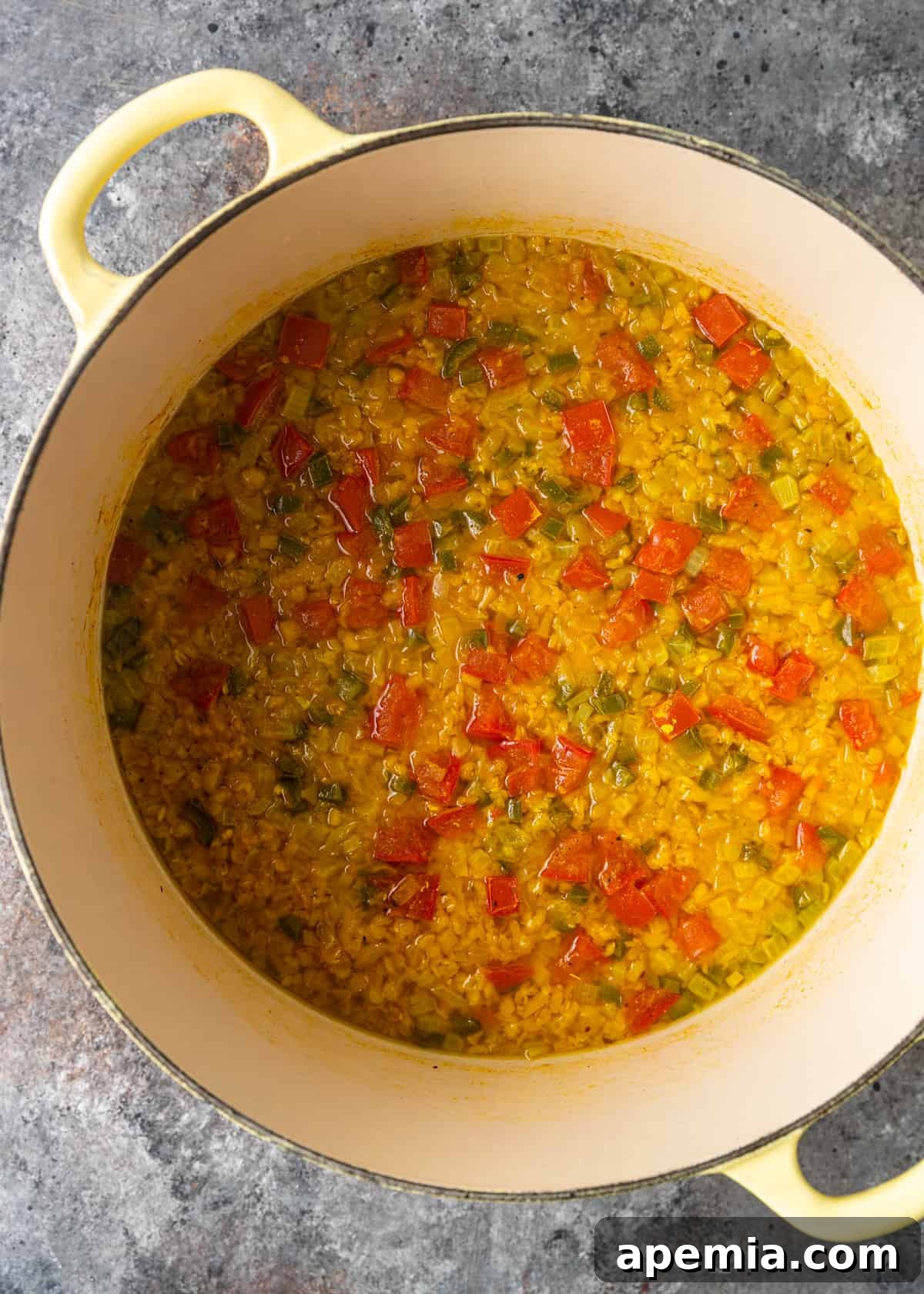
- Simmer to Perfection: Once the dal mixture has reached a rolling boil, immediately reduce the heat to low. Cover the pot tightly with its lid and allow the dal to simmer gently for a full 30 minutes. During this crucial simmering period, the lentils will tenderize beautifully, softening and absorbing the rich, complex flavors of the spices and vegetables, thereby transforming into a tender, fragrant, and deeply flavored base.
- Prepare the Tadka (Tempering): While the dal is simmering, prepare your aromatic tadka, the dish’s crowning glory. In a separate, small skillet or a traditional Indian tempering spoon (tadka pan), heat two tablespoons of ghee (or vegetable oil) over medium heat. Add the cumin seeds. As soon as they begin to sputter and crackle (this indicates the oil is hot enough and the vibrant flavors are beginning to release), promptly add the minced garlic, dried red chiles (Kashmiri chiles are preferred, broken with seeds removed if you desire less heat), crushed dry fenugreek leaves, and red chili powder. Stir continuously and sauté on low heat for just 1-2 minutes. Exercise extreme caution at this stage not to burn the spices, as overcooking will result in an unpleasant bitter taste. The goal is to toast them until they are wonderfully fragrant and their colors deepen slightly. If using, stir in the liquid smoke now.
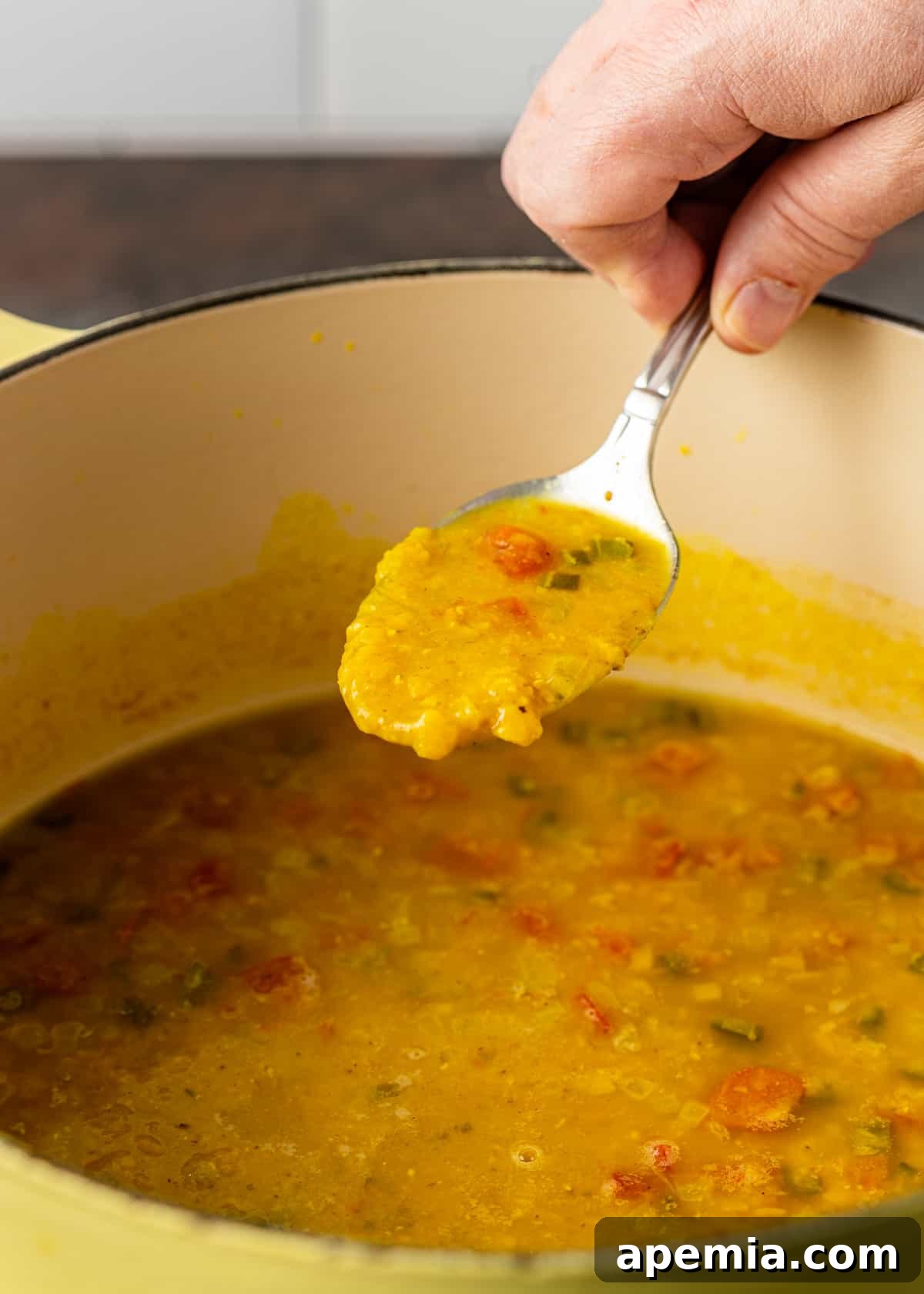
- Mash and Serve: Once the dal has simmered for the allotted 30 minutes, remove the pot from the heat. Using either a potato masher or an immersion blender (for an extra silky-smooth texture), mash the lentils to your desired consistency. Some prefer a completely smooth dal, while others enjoy a slightly chunky texture, providing more bite. Taste the dal and adjust the seasoning with additional salt if necessary to achieve perfect balance. Ladle the hot dal generously into individual serving bowls. Finally, and with a flourish, pour the freshly prepared, sizzling tadka directly over the top of each bowl. Garnish generously with fresh chopped cilantro leaves and serve immediately with your favorite accompaniments.
Recommended Tools for a Seamless Dal Tadka Experience
- Dutch Oven or Large Soup Pot: A heavy-bottomed, good quality pot with a tight-fitting lid is absolutely essential. It ensures even heat distribution, allowing the dal to simmer gently and infuse flavors thoroughly without sticking or burning.
- Small Skillet or Tempering Spoon (Tadka Pan): This specialized utensil is crucial for preparing the tadka. A small vessel concentrates the hot oil, enabling the spices to temper quickly and efficiently, releasing their full aroma without requiring excessive amounts of oil.
- Immersion Blender or Potato Masher: While a sturdy potato masher works perfectly for mashing the cooked lentils to your preferred consistency (whether chunky or smooth), an immersion blender offers a quicker, more effortless way to achieve a silky-smooth texture, if desired.
- Measuring Cups and Spoons: Accurate measurements, especially for the various spices, are key to achieving a balanced and harmonious flavor profile in your Dal Tadka.
- Colander or Fine-Mesh Sieve: Essential for thoroughly rinsing the lentils before cooking, ensuring they are clean and ready to absorb flavors.
Perfect Pairings: What to Serve with Dal Tadka
Dal Tadka is an incredibly versatile and satisfying dish that pairs beautifully with a wide variety of Indian breads and grains, creating a complete and balanced meal. For a classic and comforting combination, serve it alongside fluffy Basmati rice or fragrant Jeera rice (cumin rice), whose mildness perfectly complements the dal’s rich and complex spices. Warm, soft naan bread or wholesome whole wheat roti are also excellent choices for scooping up every last delicious drop. A side of cooling plain yogurt (raita) or a simple fresh cucumber and onion salad can provide a refreshing contrast to the warm, spicy flavors of the dal. Don’t forget a wedge of fresh lime or a sprinkle of lime juice for an extra zesty and bright finish, which truly enhances the overall experience!
Storing and Reheating Your Delicious Dal
Dal Tadka is a fantastic dish for meal prepping, as its robust flavors often deepen and improve overnight, making it even more delicious the next day. Allow your freshly cooked dal tadka to cool completely to room temperature before transferring it to an airtight container. It can be safely stored in the refrigerator for up to 4 days, or frozen for up to 3 months, offering a convenient option for quick, healthy, and flavorful meals throughout the week. When frozen, ensure it is in a freezer-safe container, leaving some headspace for expansion.
After cooling, whether refrigerated or thawed from frozen, the dal will naturally thicken considerably. To bring it back to its original luscious consistency before reheating, gently loosen it with a splash of hot water or vegetable/chicken stock, stirring well. Reheat the dal gently in a pot over low heat on the stovetop, stirring occasionally to prevent sticking, until it is thoroughly heated through. Avoid reheating over high heat, which can cause the lentils to stick to the bottom of the pot and potentially burn.
Share this recipe on Pinterest!
Love this recipe? Share it with the world on Pinterest.
Frequently Asked Questions About Dal Tadka
While technically possible if you’re in a significant rush, using canned or pre-cooked lentils is generally not recommended for Dal Tadka. They tend to be much softer and will not absorb the vibrant flavors of the spices as deeply as dried lentils cooked from scratch. This can result in a less creamy, less flavorful, and less authentic dish. For the best and most traditional experience, always opt for dried lentils.
If your dal turns out too thick, simply add a splash of hot water or vegetable/chicken broth, stirring well until you achieve your desired consistency. For a dal that is too thin, allow it to simmer, uncovered, over low heat for an additional 5-10 minutes, stirring occasionally. This will allow some of the excess liquid to evaporate, reducing it to your preferred thickness. Another trick to thicken dal naturally is to mash a few more lentils against the side of the pot.
A bitter or burnt taste in your dal is almost always a clear indication that the spices in the tadka were overcooked. Tadka preparation requires quick cooking over low to medium heat for just a couple of minutes. Spices, especially whole ones like cumin seeds and dried chiles, can burn very quickly if the oil is too hot or if they are left unattended for too long. Ensure you cook the tadka briefly until aromatic and the spices just start to deepen in color, then immediately pour it over the dal. If you detect a burnt smell, it’s generally best to discard that batch of tadka and prepare a fresh one.
Yes, Dal Tadka is naturally gluten-free as it primarily consists of lentils, vegetables, and spices. To make it entirely vegan, you only need to make two simple substitutions: replace the ghee (clarified butter) with a plant-based oil (such as vegetable, coconut, or avocado oil) and ensure you use vegetable stock or water instead of chicken stock for the liquid base. Lentils are a fantastic and wholesome plant-based protein source, making this an excellent and nutritious choice for vegan diets.
Absolutely! While this recipe provides stovetop instructions, Dal Tadka adapts remarkably well to both pressure cooking (Instant Pot) and slow cooking methods. For an Instant Pot, combine all soup ingredients (excluding the fresh cilantro and all tadka ingredients) in the pot. Cook on high pressure for 8-10 minutes for red lentils, or 12-15 minutes for a mix of lentils, followed by a natural pressure release. For a slow cooker, combine all soup ingredients and cook on low for 4-6 hours or on high for 2-3 hours. In both cases, prepare the tadka separately as per the instructions and pour it over the cooked dal just before serving for that essential aromatic finish.
Dal Tadka Recipe
4
15 minutes
35 minutes
50 minutes
PrintRecipe
Ingredients
Soup
-
1 cup red lentils (See Note 1) -
1 tablespoon ghee or vegetable oil -
2 serrano chilis seeded and diced -
1/2 cup white onion chopped -
1 cup Roma tomatoes seeded and diced -
1 teaspoon fresh ginger minced -
1/2 teaspoon ground turmeric -
1/2 teaspoon Garam Masala -
1/2 teaspoon kosher salt -
1/8 teaspoon asafoetida optional -
4 1/2 cups water or chicken stock -
2 tablespoon cilantro leaves chopped
Tadka
-
2 tablespoons ghee or vegetable oil -
1/2 teaspoon cumin seeds -
5 cloves garlic minced -
3 dried red chilis kashmiri preferred, broken and seeds removed -
1 teaspoon dry fenugreek leaves crushed -
1/2 teaspoon red chili powder -
1/4 teaspoon liquid smoke optional
Instructions
-
Rinse the lentils thoroughly under cold water until it runs clear, then soak them for 30 minutes to reduce cooking time and ensure even texture.
-
In a Dutch oven or large soup pot, heat 1 tablespoon of ghee or vegetable oil over medium heat. Sauté the chopped white onions and diced Serrano chiles for 2 minutes until onions are translucent. Add the diced Roma tomatoes, minced fresh ginger, ground turmeric, Garam Masala, kosher salt, and the optional asafoetida. Stir well. Then, add the drained lentils and 4 1/2 cups of water or chicken/vegetable stock.
-
Bring the mixture to a boil, then reduce the heat to low. Cover the pot and simmer for 30 minutes, allowing the lentils to soften and absorb the flavors.
-
While the dal simmers, prepare the tadka. In a separate large skillet (or tempering spoon), heat 2 tablespoons of ghee or vegetable oil over medium heat. Add the cumin seeds and cook until they begin to sputter and crackle. Immediately add the minced garlic, dried red chiles (Kashmiri preferred, broken and seeds removed), crushed dry fenugreek leaves, and red chili powder. Stir constantly and sauté on low heat for only 1-2 minutes until fragrant. Be careful not to burn the spices. If using, stir in the liquid smoke at this stage.
-
Once the dal is cooked, use a potato masher or an immersion blender (stick blender) to mash the lentils to your desired consistency. I recommend leaving it slightly chunky and loose for optimal texture. Taste and adjust seasoning as needed.
-
To serve, ladle the hot dal into bowls. Spoon the freshly prepared, sizzling tadka generously over each bowl of lentils. Garnish with fresh chopped cilantro leaves and serve immediately with rice or bread.
Notes
Nutrition
Carbohydrates: 31g |
Protein: 12g |
Fat: 12g |
Saturated Fat: 7g |
Cholesterol: 29mg |
Sodium: 315mg |
Potassium: 559mg |
Fiber: 15g |
Sugar: 3g |
Vitamin A: 951IU |
Vitamin C: 51mg |
Calcium: 42mg |
Iron: 4mg
The information shown is an estimate provided by an online nutrition calculator. It should not be considered a substitute for a professional nutritionist’s advice.
soups
Indian
Kevin